Top 4 Natural Monuments around Legnago
Best natural monuments around Legnago are found within the Veneto region of Italy, offering diverse natural attractions. The area is characterized by the Adige River, which creates significant floodplains, and historical landscapes shaped by waterways and agricultural lands. These sites provide opportunities to experience the region's ecological diversity and historical landscape. Visitors can explore natural areas that showcase the interplay between nature and human activity.
Best natural monuments around Legnago
- The most popular natural monuments is Parco Golenale del Crostolo, a natural monument with facilities. This park offers a comfortable pergola for breaks and is known for its natural beauty.
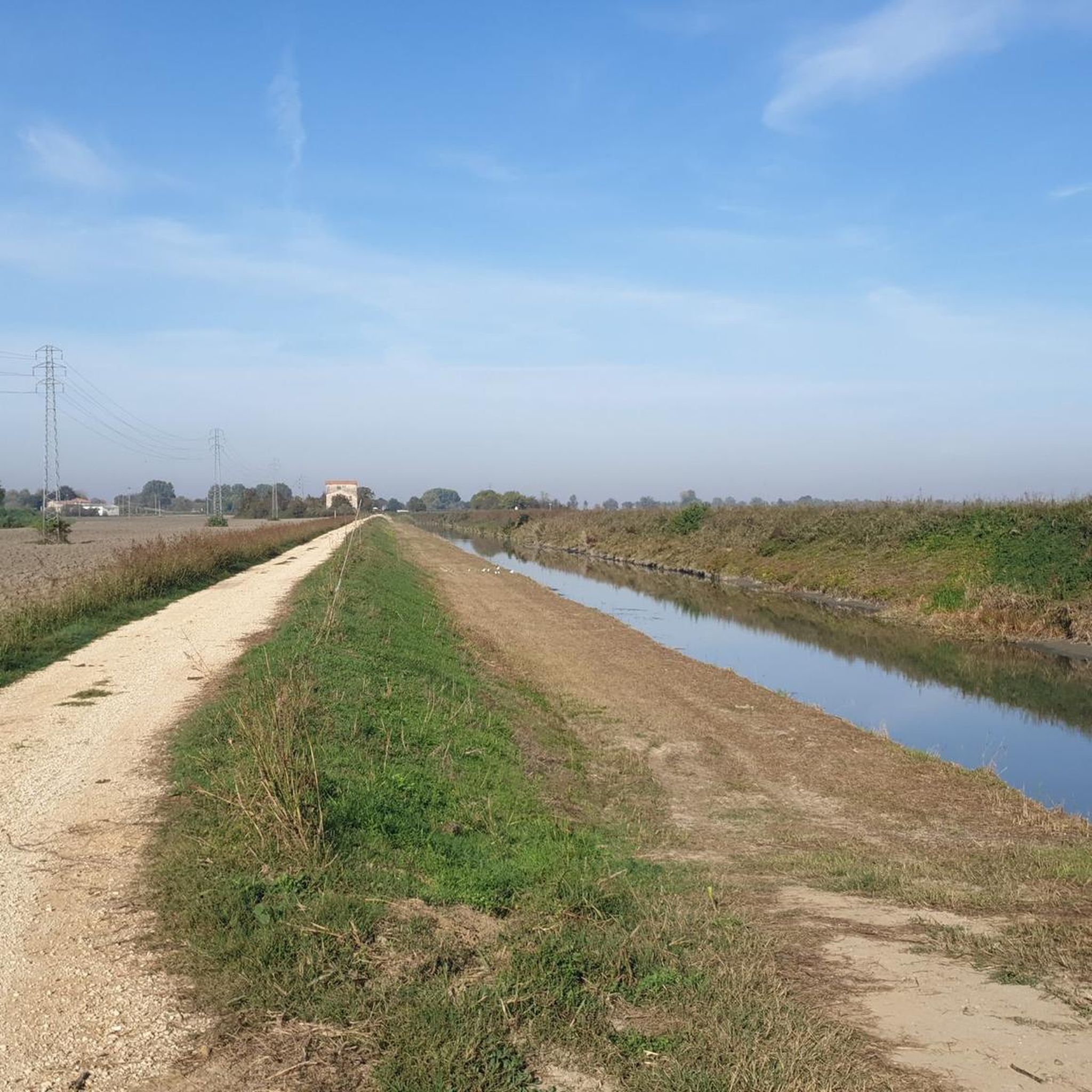
- Another must-see spot is The Herons' Tree, a natural monument located in open countryside. This site is notable for its pictorial charm, with color contrasts from cultivation and irrigation canals, and features nests of large birds like Gray Herons.
- Visitors also love Gorghi di Trecenta Nature Trail, a trail through a forest and lake area. This path goes around the Gorghi di Trecenta, which are ground cavities filled by springs from the Po River, supporting a delicate ecosystem.
- Legnago is known for its river floodplains, nature reserves, and trails. The area offers a variety of natural monuments to see and explore, including restored wetlands and significant forest areas.
- The natural monuments around Legnago are appreciated by the komoot community. These locations have received 8 upvotes and 2 photos from visitors.
Last updated: May 16, 2026
The Herons' Tree
Highlight • Natural Monument
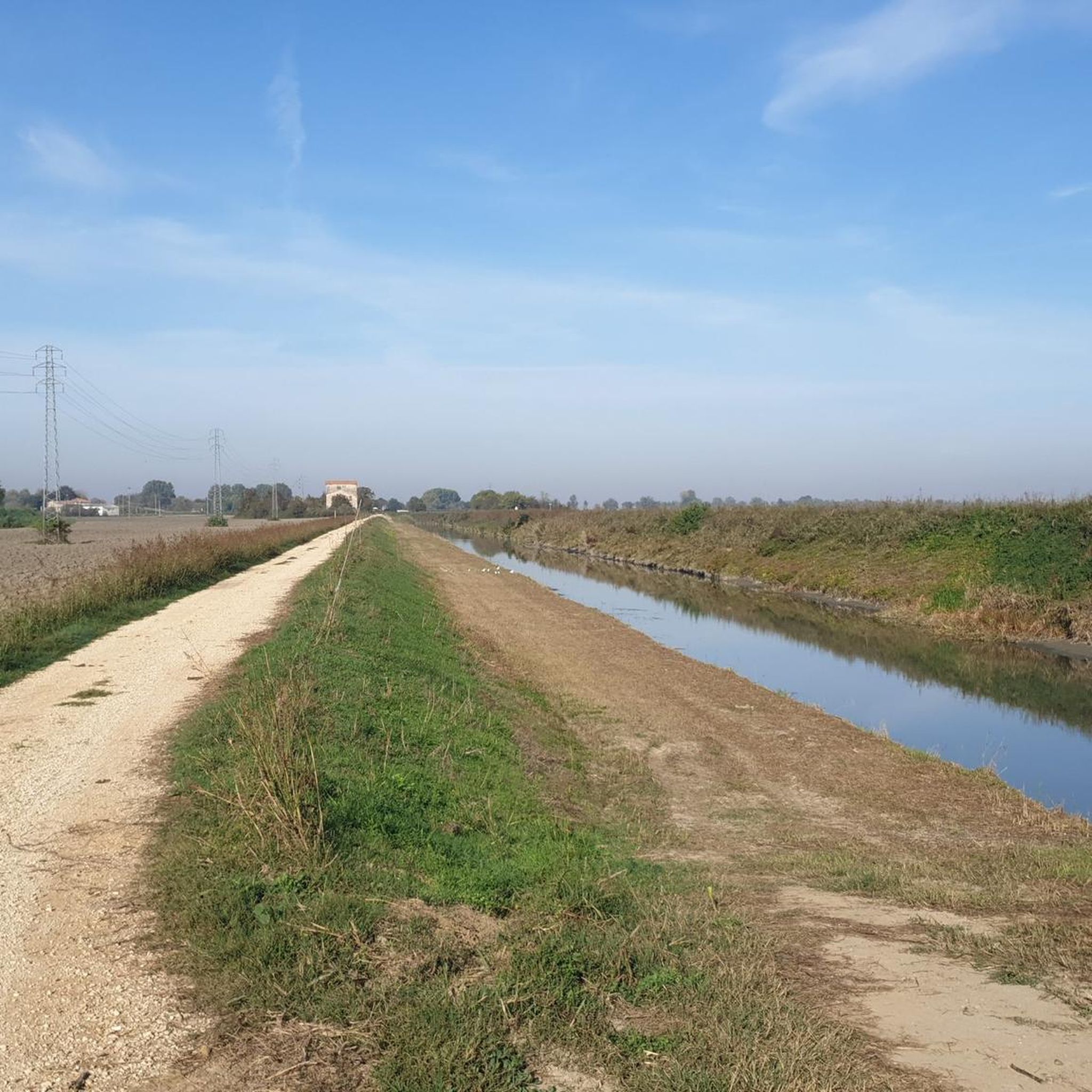
Here, the sunny silence dominates, broken only by the wind and the noise of the tires rolling on the pavement. In this unnatural stillness, on the top of the spring fronds of solitary trees, the nests of the large birds that inhabit the area stand out, including the Gray Herons
Translated by Google •
Tip by

Parco Golenale del Crostolo
Highlight • Rest Area
Translated by Google •
Tip by

Sign up now to discover places like this
Get recommendations on the best single tracks, peaks, & plenty of other exciting outdoor places.
Sign up for free
Isola Boschina Regional Nature Reserve
Highlight • Forest
Translated by Google •
Tip by

Gorghi di Trecenta Nature Trail
Highlight • Trail
Translated by Google •
Tip by

Isola Boscone
Highlight • Forest
Translated by Google •
Tip by

Sign up for free to discover even more natural monuments around Legnago.
Sign up for free
Already have an account?
Start today with a free account
Your next adventure awaits.
Login or Signup

Tips from the Community

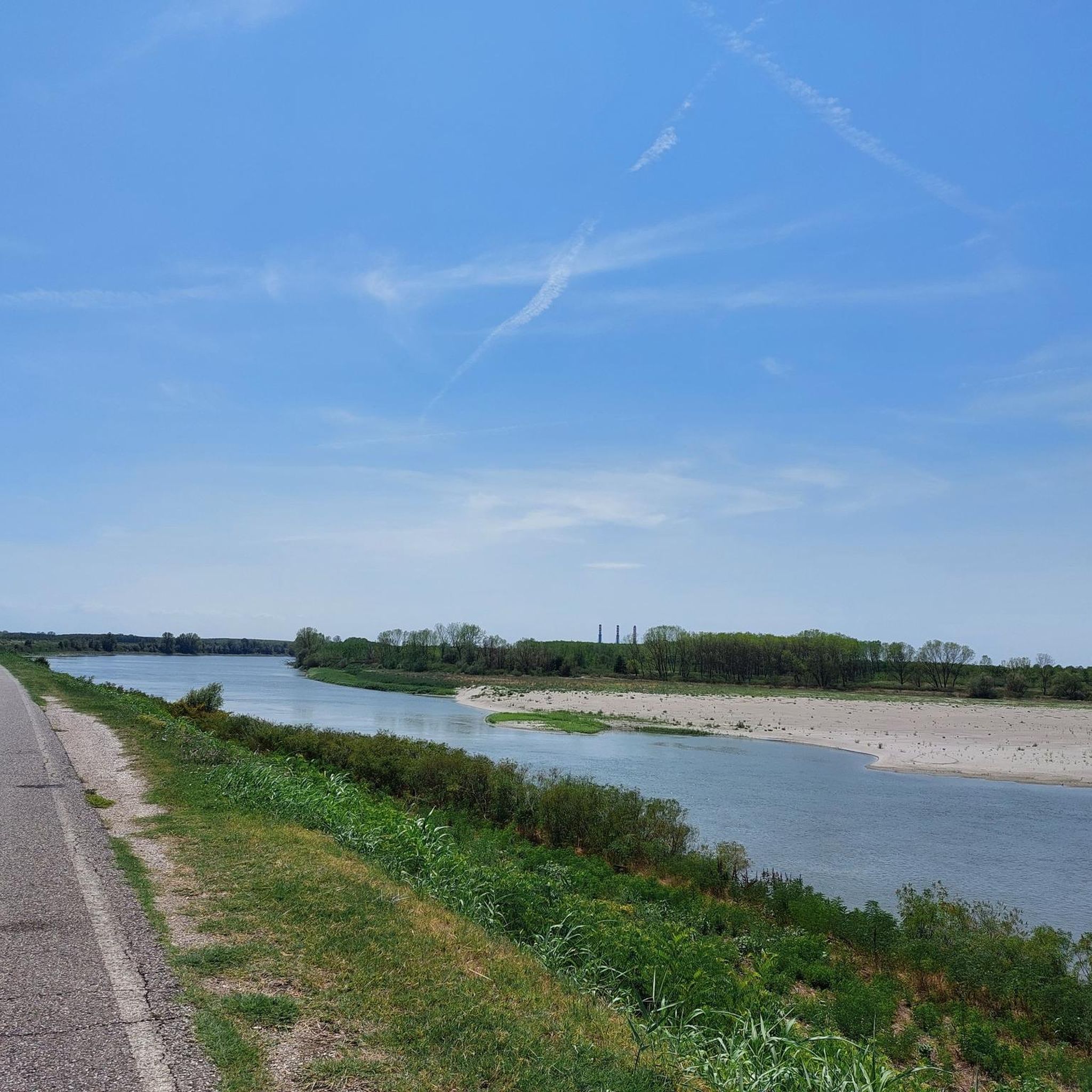
With the Po River dry you can ford without danger, I recommend you check the level of the Po River in the following hours to avoid ending up in a trap.
0
0

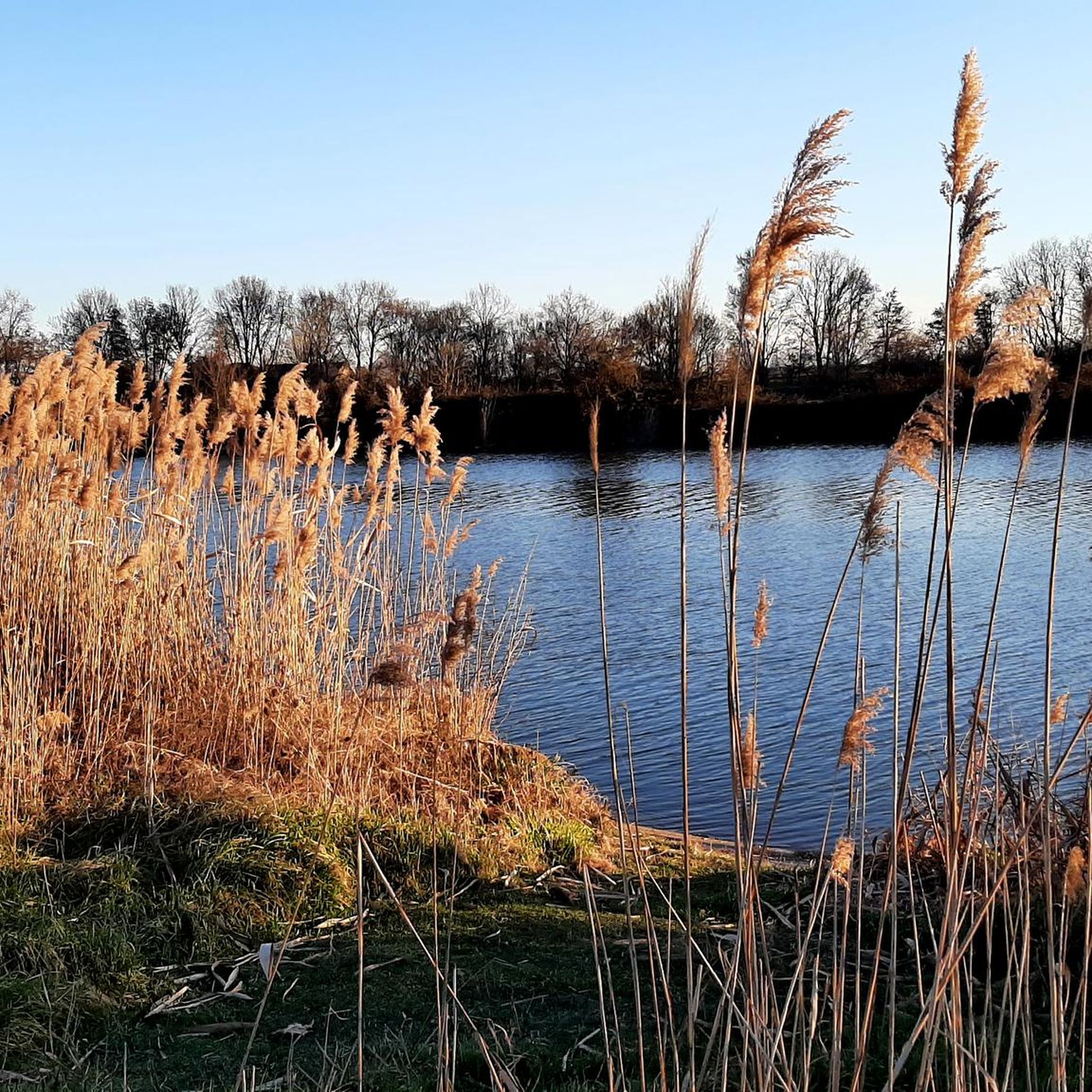
Beautiful dive into nature, a cycle/pedestrian path that goes around the Gorghi di Trecenta: The Gorghi are cavities in the ground that, thanks to the presence of springs of water from the Po River, have filled up over the years and allowed the birth of a delicate flora and fauna ecosystem. The Gorghi di Trecenta are 7, all privately owned, but restricted as an area of interest and protected by a regional law. The largest of the 7 gorghi is the one called “della Sposa”.
0
0
This summer a picnic and then a walk in the Gruccione park
0
0
Very beautiful but you can't visit it now, definitely in summer you can
0
0
Comfortable pergola for a break
0
0
Too bad there were barriers today
0
0
Frequently Asked Questions
What kind of natural features can I explore around Legnago?
The area around Legnago offers diverse natural features, including significant river floodplains along the Adige, historical marshlands transformed into agricultural landscapes like the Valli Grandi Veronesi, and restored wetland environments such as "Le Vallette" Park in Cerea. You can also find unique ecosystems like the Gorghi di Trecenta, which are ground cavities filled by springs from the Po River, supporting delicate flora and fauna.
Are there family-friendly natural monuments around Legnago?
Yes, several natural monuments are suitable for families. Parco Golenale del Crostolo is family-friendly and offers facilities like a comfortable pergola for breaks. The Herons' Tree, Isola Boschina Regional Nature Reserve, Gorghi di Trecenta Nature Trail, and Isola Boscone are also categorized as family-friendly, offering accessible paths and natural beauty for all ages.
What outdoor activities can I do near these natural monuments?
You can enjoy various outdoor activities. The Adige River floodplains offer footpaths for leisurely strolls and birdwatching. "Le Vallette" Park in Cerea has bicycle tracks and footpaths. For more structured routes, you can find cycling tours like the "Along the Adige from Legnago - ring tour" or hiking routes such as the "Legnago Tower – Legnago loop from Legnago." You can explore more options on the Cycling around Legnago and Hiking around Legnago guide pages.
Where can I observe wildlife around Legnago?
For wildlife observation, The Herons' Tree is notable for nests of large birds like Gray Herons. The Adige River floodplain is also an ideal location for birdwatching. The Isola Boschina Regional Nature Reserve is known for its diverse fauna and plants.
Are there any natural areas with historical significance near Legnago?
Yes, the Valli Grandi Veronesi, located between the Adige, Tartaro, and Po rivers, is a significant geographical region with a rich history. Once a vast marshland, it has undergone extensive reclamation, transforming it into a unique area of waterways and fields. This area offers a glimpse into the region's past hydrological conditions and the human efforts to shape its landscape. "Le Vallette" Park in Cerea is also situated in the old bed of the Menago river, preserving historical marshland features of the Veronese Plain.
What is the best season to visit the natural monuments around Legnago?
While specific seasonal tips are not available for all sites, the region's natural areas, especially those with footpaths and cycling routes, are generally best enjoyed during spring and autumn when the weather is mild. Summer can also be pleasant for outdoor activities, particularly in areas with shade or along riverbanks. The "sunny silence" mentioned for The Herons' Tree suggests clear weather enhances the experience.
Are there any accessible natural sites for people with limited mobility?
The "La Verbena dell'Adige" route along the Adige River floodplains is described as an accessible naturalistic path, suitable for all ages and abilities. "Le Vallette" Park in Cerea also features bicycle tracks, footpaths, and a wooden footbridge, providing an accessible way to experience a restored wetland environment.
Can I find places to rest or have a picnic at these natural monuments?
Yes, Parco Golenale del Crostolo offers a comfortable pergola for breaks. The Adige River floodplain also features designated picnic spots, making it ideal for a relaxing stop during your visit.
Are there any unique forest or wetland areas to explore?
Absolutely. The Isola Boschina Regional Nature Reserve and Isola Boscone are significant forest areas, with Isola Boscone containing the second largest spontaneous forest in the Province of Mantua. "Le Vallette" Park in Cerea offers intact wetlands and remaining woods, providing a sense of a 'lost paradise' within the lower Veronese Plain.
What do visitors enjoy most about the natural monuments around Legnago?
Visitors appreciate the natural beauty and tranquility of the area. Highlights like The Herons' Tree are noted for their pictorial charm and peaceful atmosphere. The Gorghi di Trecenta Nature Trail is praised as a beautiful dive into nature, offering a unique ecosystem to explore. The overall appeal lies in the serene environments and opportunities for recreation and appreciating local flora and fauna.
Are there cycling routes available near the natural monuments?
Yes, the region is well-suited for cycling. "Le Vallette" Park in Cerea has dedicated bicycle tracks. You can find various cycling routes, including those along the Adige River, such as the "Along the Adige from Legnago - ring tour" or the "Adige River Cycle Path – Ponton Park loop from Legnago." More options are available on the Cycling around Legnago guide page.
Can I find information about the historical reclamation efforts in the region?
The Valli Grandi Veronesi is a prime example of historical reclamation. This area, once known as "paludes Tartari fluminis" (marshes of the Tartaro river), has undergone extensive transformation from marshland to agricultural landscapes. Exploring this region provides insight into the significant efforts made to shape its current environment and the interplay between nature and human activity over centuries. You can learn more about its history on Wikipedia.
Most popular routes around Legnago
Most popular attractions around Legnago

Get inspired with the komoot mobile app


Explore more
Extend your search for the best caves by checking out these guides of the top ones around Legnago:
