Top 17 Natural Monuments around Lanzo Torinese
Best natural monuments around Lanzo Torinese are found in the Piedmont region of Italy, characterized by its diverse natural landscapes within the Lanzo Valleys and Graian Alps. The area features significant geological formations, river-carved features, and high peaks. It provides opportunities for nature observation and exploring the region's unique natural history.
Best natural monuments around Lanzo Torinese
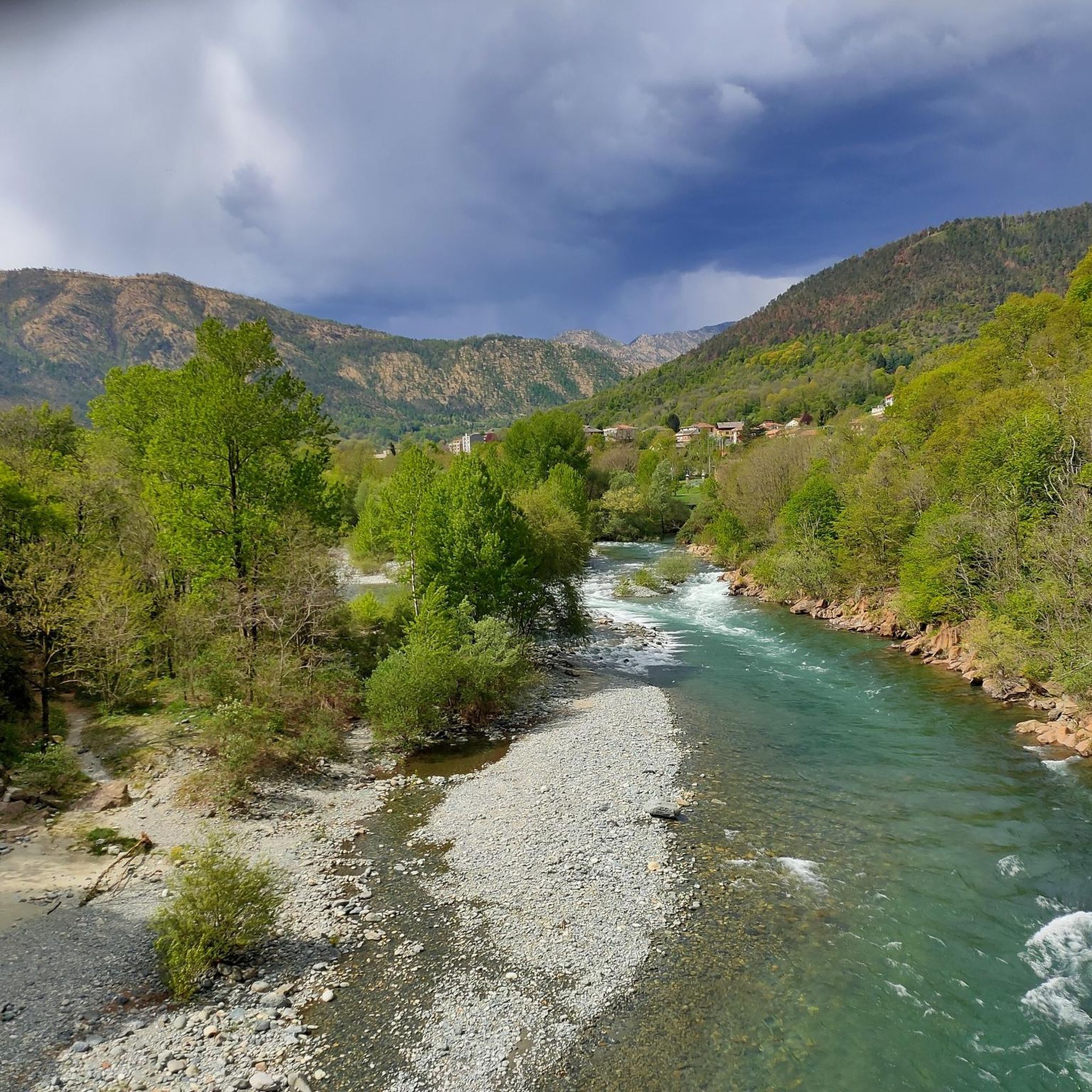
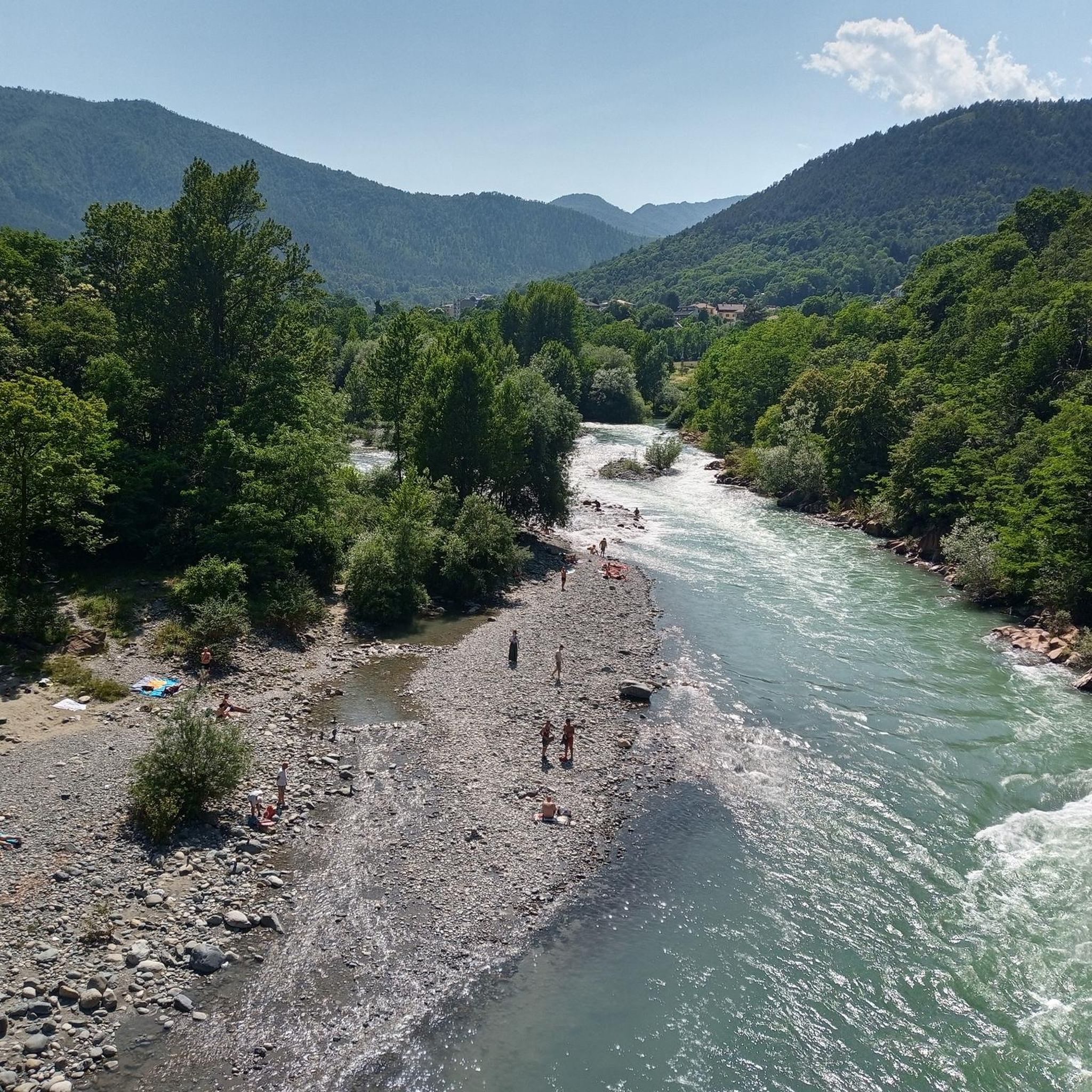
- The most popular natural monuments is Devil's Bridge (Ponte del Diavolo), Lanzo Torinese, a bridge that spans the Stura di Lanzo river, known for its dramatic setting. Its location is intertwined with the natural landscape and the adjacent Riserva Naturale Ponte del Diavolo.
- Another must-see spot is Monte Soglio Summit and Madonna Statue, a summit offering a 360-degree view. This peak is marked by a Madonna statuette, providing a distinct landmark.
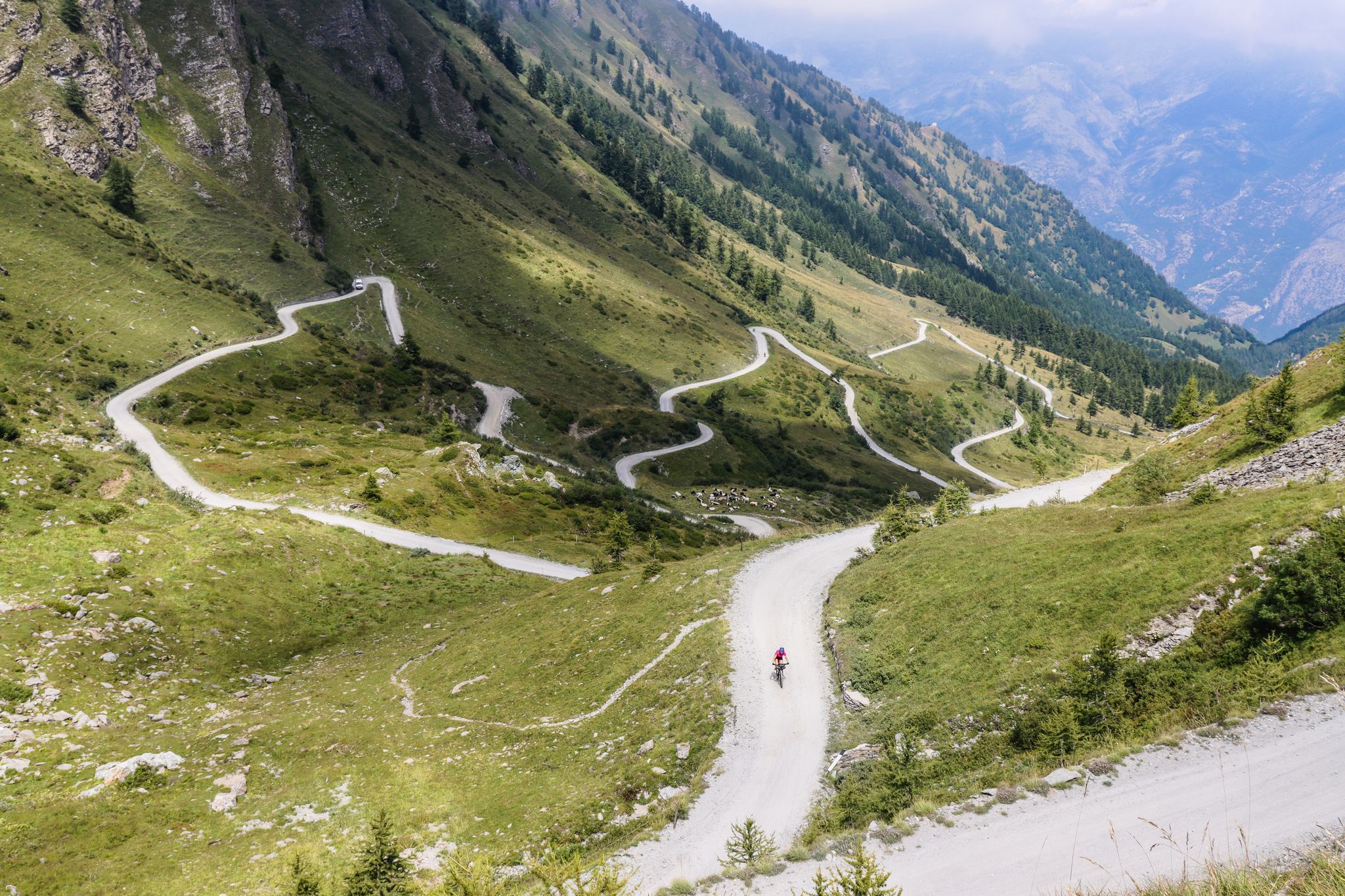
- Visitors also love Colle della Forchetta (1,666 m), a mountain pass that serves as a crucial point for several itineraries. It offers spectacular views, dominating the Val Granda and Val di Balme.
- Lanzo Torinese is known for geological features, high-alpine plateaus, and mountain passes. The region offers a variety of natural monuments, from river-carved formations to panoramic mountain summits.
- The natural monuments around Lanzo Torinese are appreciated by the komoot community. Over 280 upvotes and more than 230 photos highlight the appeal of these natural attractions.
Last updated: June 28, 2026
Devil's Bridge (Ponte del Diavolo), Lanzo Torinese
Highlight • Bridge
Translated by Google •
Tip by

Colle della Forchetta (1,666 m)
Highlight • Mountain Pass
Translated by Google •
Tip by

Sign up now to discover places like this
Get recommendations on the best single tracks, peaks, & plenty of other exciting outdoor places.
Sign up for free
Monte Soglio Summit and Madonna Statue
Highlight • Summit
Translated by Google •
Tip by

Lago di Monastero
Highlight • Lake
Translated by Google •
Tip by
Punta Serena
Highlight • Summit
Translated by Google •
Tip by

Sign up for free to discover even more natural monuments around Lanzo Torinese.
Sign up for free
Already have an account?
Start today with a free account
Your next adventure awaits.
Login or Signup
Popular around Lanzo Torinese

Other adventures around Lanzo Torinese

Tips from the Community

Reached several times from the Corio side and from the Alpette side. Below the summit from the Corio side, near Alpe Rossolo, there are always horses.
0
0

You can see everything and it can be reached from several different places
0
0

view from the fork hill
0
0

Getting there is complicated, there is a lot of portage but the descent is beautiful and very fun
0
0


Very characteristic and suggestive crossing on the Stura. A must if you are in the area
1
0

What can I say, pure spectacle!
0
0
Crucial point of several itineraries, spectacular view
1
0
Frequently Asked Questions
What unique geological features can I explore near Lanzo Torinese?
Near Lanzo Torinese, you can discover fascinating geological formations shaped by millennia of natural processes. A prime example is the "Marmitte dei Giganti" (Giant's Kettles) within the Riserva Naturale Ponte del Diavolo. These are unique cylindrical or spherical hollows carved into ancient rocks by the powerful erosion of the Stura and Tesso rivers. The broader Lanzo Valleys also feature high-alpine plateaus and dramatic mountain passes, showcasing the region's diverse geological history.
Where can I find the best panoramic views of the Lanzo Valleys?
For breathtaking panoramic views, consider visiting several natural monuments. The Monte Soglio Summit and Madonna Statue offers a spectacular 360-degree vista. Another excellent spot is Colle della Forchetta (1,666 m), which provides commanding views over Val Granda and Val di Balme. Additionally, Punta Serena is a beautiful, very panoramic peak, especially from Chiaves or Tortore.
Are there natural monuments suitable for families with children?
Yes, several natural monuments are suitable for families. The area around the Devil's Bridge (Ponte del Diavolo), Lanzo Torinese, and its adjacent Natural Reserve, with the "Marmitte dei Giganti," offers an engaging and accessible experience. Another family-friendly spot is the Fountain of Regione Basso di La Cassa, a historic 17th-century fountain located along a pleasant route, perfect for a refreshing stop.
What kind of hiking trails are available around the natural monuments?
The Lanzo Valleys offer a thick network of trails and mule tracks, connecting villages, mountain huts, passes, and lakes. You'll find options ranging from easy walks around the Devil's Bridge area to more challenging ascents to summits like Monte Soglio or Punta Serena. For more detailed hiking routes, you can explore the various MTB Trails around Lanzo Torinese, many of which are also suitable for hiking.
When is the best time of year to visit the natural monuments around Lanzo Torinese?
The best time to visit largely depends on the activity you plan. Spring and autumn offer pleasant temperatures for hiking and exploring the lower-altitude sites like the Devil's Bridge. Summer is ideal for accessing higher alpine areas such as Pian della Mussa, where you can enjoy the full beauty of the mountain landscapes. Winter can be beautiful for snowshoeing or cross-country skiing in certain areas, but some higher passes may be inaccessible.
What outdoor activities can I do near these natural monuments?
Beyond exploring the natural monuments themselves, the region offers a wide range of outdoor activities. The Lanzo Valleys are excellent for hiking, with numerous trails connecting various points of interest. Cycling is also very popular, with options for gravel biking and road cycling routes. Mountain biking enthusiasts will find dedicated MTB trails that traverse diverse landscapes.
Can you tell me more about Pian della Mussa?
Pian della Mussa, located in the Ala Valley at 1,752 meters, is a significant natural monument. This broad, verdant plateau was formed by the silting-up of a glacial lake and is framed by a majestic mountain arc, including peaks like Uja di Ciamarella and Uja di Bessanese. It's a protected area, offering exceptional opportunities for high-alpine hiking and nature observation, making it a spectacular destination for outdoor enthusiasts.
Are there any historical or cultural sites intertwined with the natural monuments?
Yes, the Devil's Bridge (Ponte del Diavolo), Lanzo Torinese, is a prime example. While a natural monument due to its dramatic setting over the Stura di Lanzo river, it is also a historical bridge dating back to the 14th century, steeped in local legend. Its municipal park also serves as an entrance to the natural reserve, blending history with nature.
What do visitors enjoy most about the natural monuments around Lanzo Torinese?
Visitors particularly appreciate the stunning panoramic views from summits like Monte Soglio and Colle della Forchetta, often describing them as 360-degree spectacles. The unique geological formations, such as the "Marmitte dei Giganti," are also a highlight. Many enjoy the sense of tranquility and the opportunity to connect with unspoiled nature, whether on a challenging hike or a leisurely stroll along a river.
Are there any hidden natural gems worth discovering?
While not explicitly 'hidden,' the broader Lanzo Valleys (Val Grande, Val d'Ala, and Val di Viù) contain numerous unspoiled areas and lateral valleys like Vassola, Unghiasse, Vercellina, Gura, Sea, and Trione. These offer a chance to explore diverse alpine habitats, from chestnut and larch woods to rocky areas, providing a sense of discovery away from the more frequented spots.
Is it possible to find cafes or refreshment points near the natural monuments?
While specific cafes might not be directly adjacent to every natural monument, the towns and villages within the Lanzo Valleys, such as Lanzo Torinese itself, offer various options for refreshments. For example, the area around the Devil's Bridge is close to the town. For longer excursions into higher alpine areas like Pian della Mussa, it's advisable to carry your own provisions or check for mountain huts that might offer services during peak seasons.
What is the significance of the Lanzo Valleys in terms of natural heritage?
The Lanzo Valleys (Val Grande, Val d'Ala, and Val di Viù) are renowned for their high environmental and landscape interest. They preserve a great variety of alpine habitats, from lush woods to high mountain peaks, and are home to diverse ecosystems. The region's natural heritage includes unique geological formations, pristine rivers, and a thick network of trails, making it a vital area for biodiversity and outdoor recreation in Piedmont.
Most popular routes around Lanzo Torinese
Most popular attractions around Lanzo Torinese

Get inspired with the komoot mobile app


Explore more
Extend your search for the best caves by checking out these guides of the top ones around Lanzo Torinese:
