Top 8 Natural Monuments around Zagarise
Natural monuments around Zagarise are located within the Sila National Park in Calabria, Italy. This region features mountainous terrain, dense forests, and significant water features such as rivers and waterfalls. Zagarise provides access to the diverse natural landscapes of the Sila Piccola area, including unique geological formations and rich biodiversity. The area offers various opportunities to experience its natural environment.
Best natural monuments around Zagarise
- The most popular natural monuments is Litrello Waterfall, a waterfall that is accessible via…
Last updated: June 28, 2026
Ginestra in Calabria
Highlight • Natural
Translated by Google •
Tip by

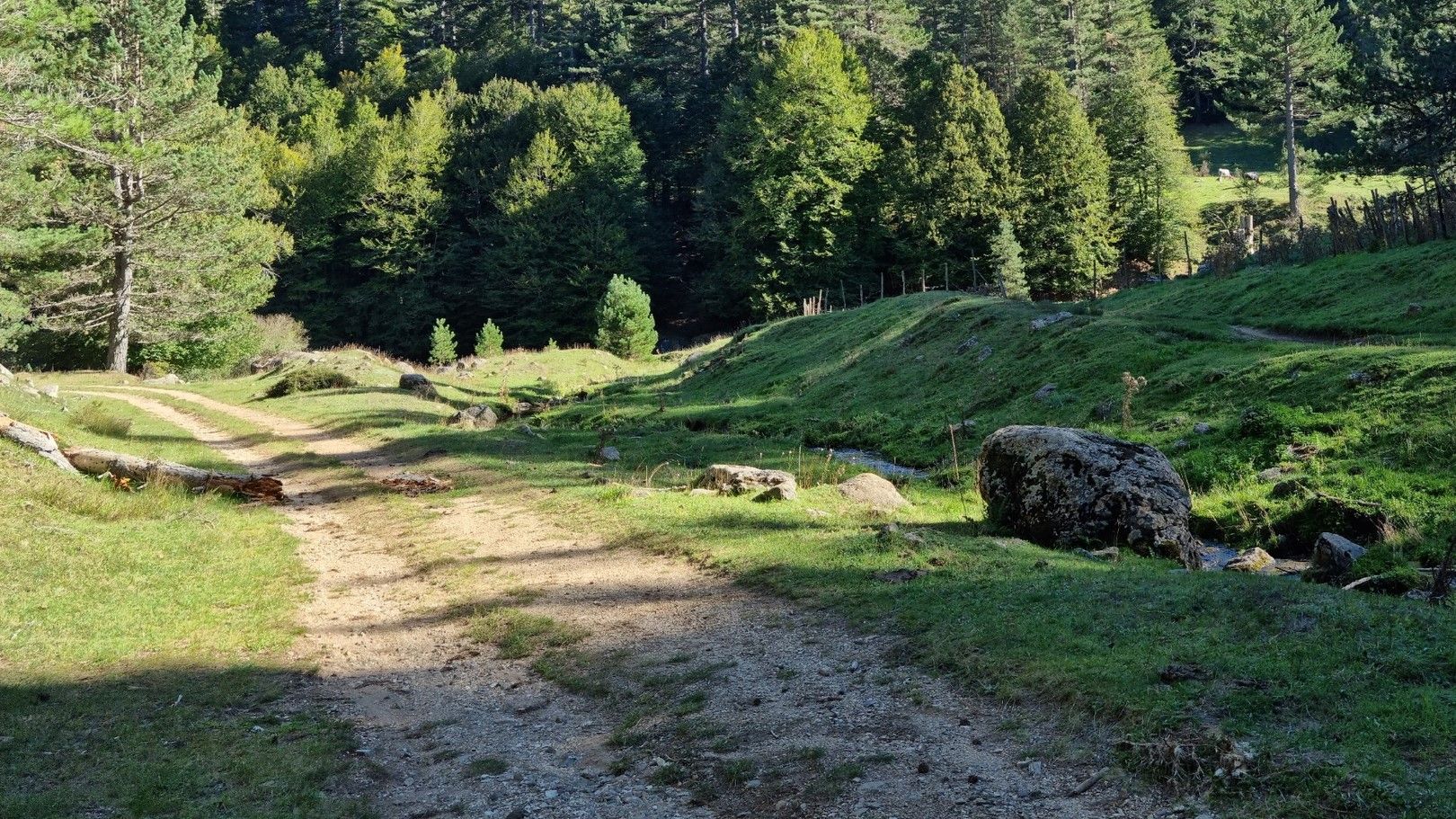
Coturelle Piccione – Treasure Chest of Biodiversity, Sila Piccola
Highlight • Forest
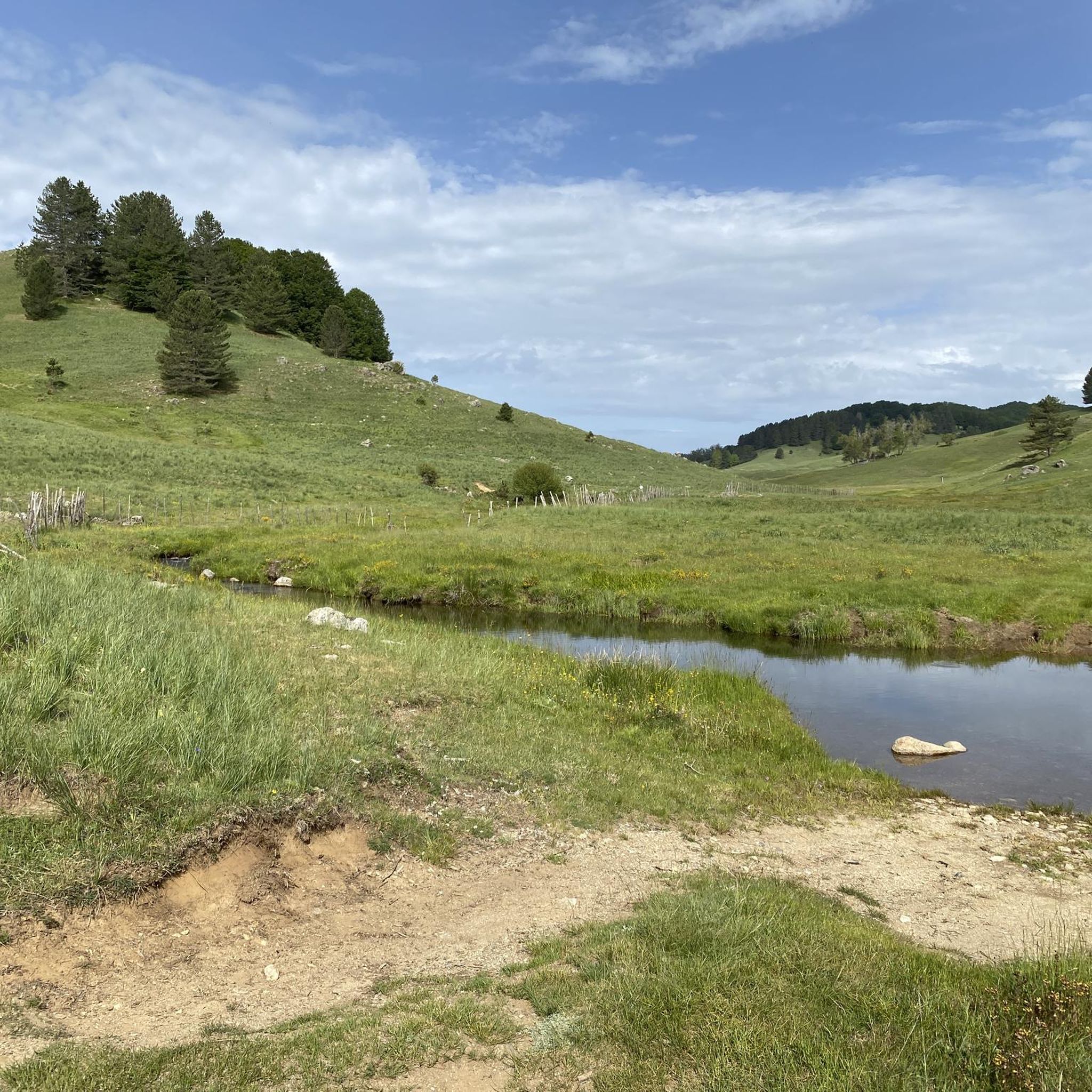
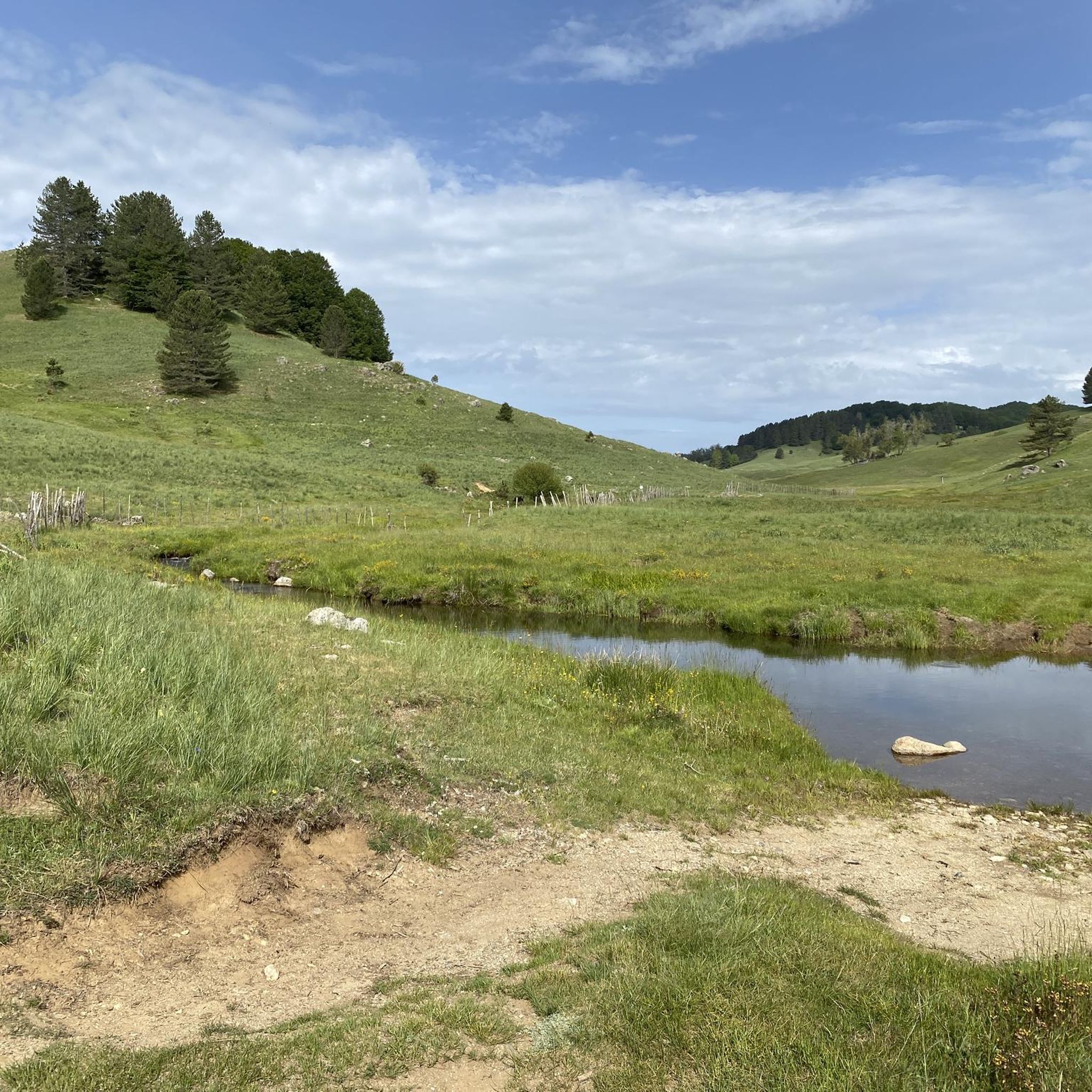
To form the plateau there is a multitude of landscapes, with a predominantly alluvial and valley character, with hilly trends, often terraced or extensively …
Translated by Google •
Tip by

Sign up now to discover places like this
Get recommendations on the best single tracks, peaks, & plenty of other exciting outdoor places.
Sign up for free
Litrello Waterfall
Highlight • Waterfall
Translated by Google •
Tip by

Tirivolo locality
Highlight • Forest
Translated by Google •
Tip by
Campanaro Waterfall
Highlight • Waterfall
Translated by Google •
Tip by
Sign up for free to discover even more natural monuments around Zagarise.
Sign up for free
Already have an account?
Start today with a free account
Your next adventure awaits.
Login or Signup

Other adventures around Zagarise

Tips from the Community

Ginestra is a shrub that, thanks to symbiosis with bacteria, binds nitrogen from the air and fertilizes even the poorest, dry soils. In fertile soils, it spreads too much, creating dense fields that smother other plants – a bit like an uninvited guest who eats everything from the buffet. Inside, it contains sparteine, an alkaloid used to treat cardiac arrhythmia, atrial fibrillation and circulatory problems, and its stiff shoots have been used for centuries to make brooms. And even today, in some places, these shoots are used as traditional rods given to naughty children in December instead of presents.
1
0
A plant with intensely yellow flowers that grows wild in southern Italy. Here it is most often called ginestra. It occurs especially in mountainous and dry areas, and its presence in the landscape of Calabria in spring and early summer is very characteristic - it creates yellow spots on the slopes and along the roads. The intensely yellow flowers stand out against the green slopes, creating a strong and at the same time harmonious contrast. This combination works on the imagination and gives a strong impression of the freshness and exuberance of nature. In Calabria, especially in May and June, this contrast is perfectly visible: the green hills are covered with a yellow shower of flowers, creating almost painterly landscapes.
1
0

Suggestive walk between the ridges of the hills, you are immersed in nature.
0
0

The Campanaro waterfalls, fed by the Campanaro river, are located near Zagarise. To get to the two waterfalls you have to cross a small suspension bridge and various stairs.
4
0

We spent 6 wonderful days in the Sila park, looking for calm at the end of December and beginning of January. The exceptional spring temperatures accompanied us during all our treks. A moment out of time, alone in the world in the middle of '' gigantic '' pines more than a hundred years old! Please leave the areas clean. Bring your trash! Thanks.
0
0
Thanks to some volunteers from Taverna it is possible to walk the path that leads to the waterfall of the Litrello stream. The route then leads to the remains of the Peseca Abbey.
1
0
Tirivolo is a small mountain village, which is located at an altitude of 1580 meters. According to analyzes in 2010 it was defined as the area with the cleanest air in Europe. The area is known for its forest area.
3
0

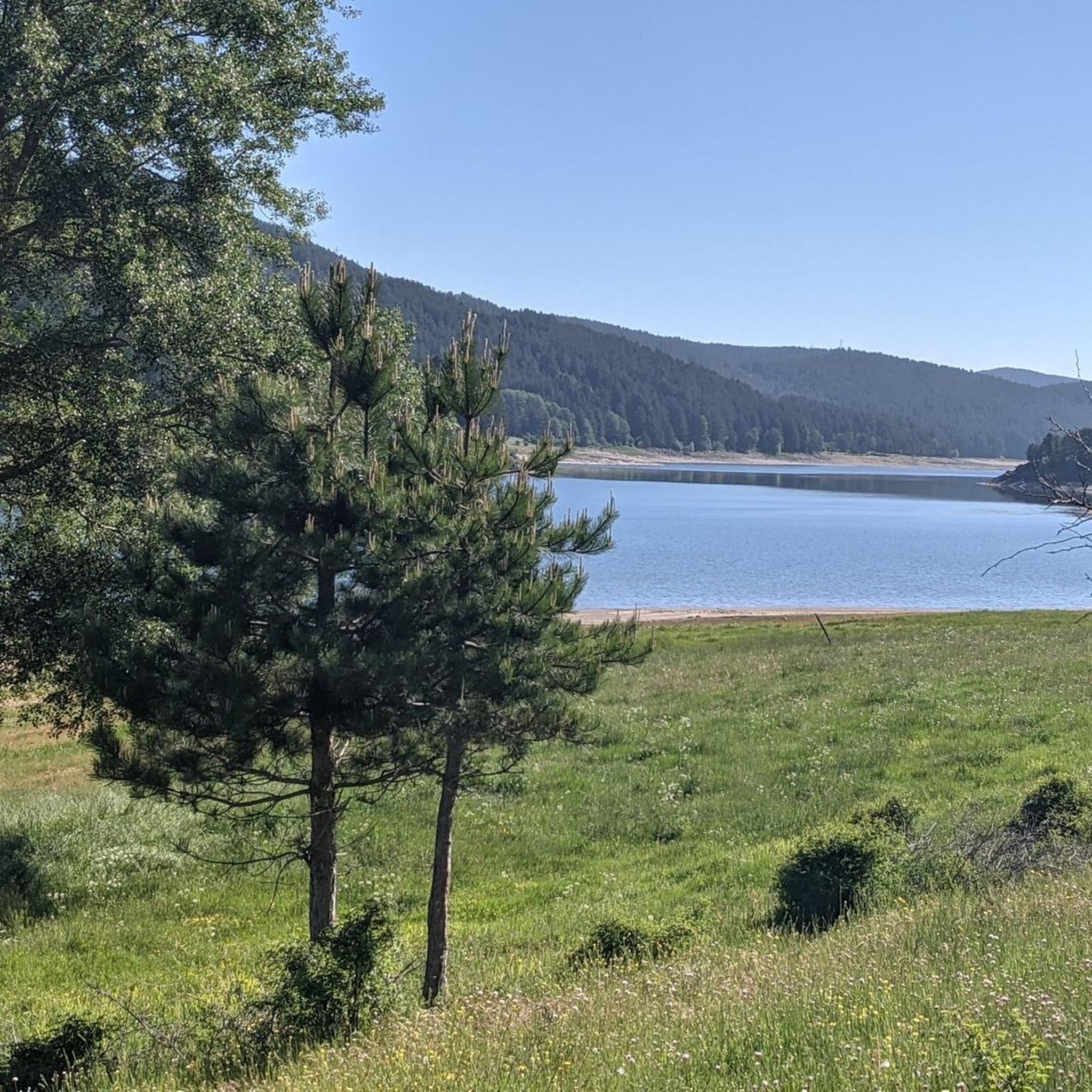
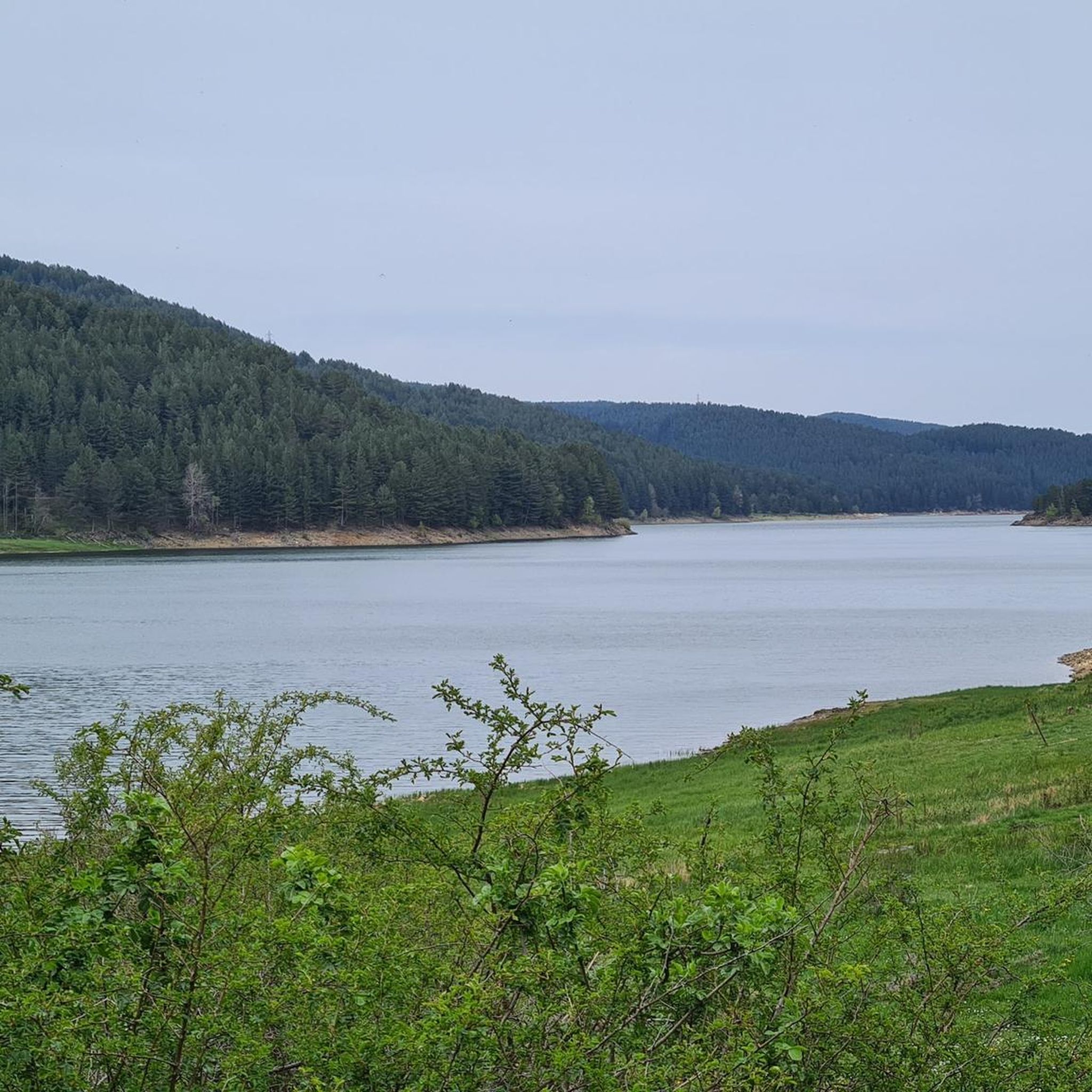
Sila Piccola La Sila is in the heart of Calabria. It is a plateau that extends over 1,700 square kilometers with an average elevation of more than 1,300 meters above sea level.m. It is surrounded by a mountain crown whose highest peak, Monte Botte Donato, reaches 1,928 meters. It is covered by a vast forest made up mostly of conifers and beeches. In the Sila, rich in water resources, artificial lakes have been created that fit perfectly into the enchanting natural context of the place. The Sila area, which concerns the provinces of Catanzaro, Cosenza and Crotone, is made up of a granite-crystalline massif bordering on the Sybaris plain to the north, the Crati Valley to the west, the Lamezia plain to the south and the Lamezia plain to the east Hills bordering the margraviate. The area is broadly divided into Sila Greca, Sila Grande and Sila Piccola. These names do not have precise morphological meaning but reflect administrative subdivisions inherited from the past. Text / Source: Silaonline http://www.silaonline.it/sila/
12
0
Frequently Asked Questions
What are some unique natural features to explore around Zagarise?
Beyond the well-known waterfalls, the region offers diverse natural beauty. You can discover the distinctive Ginestra in Calabria, a plant with intensely yellow flowers that creates vibrant landscapes, especially in spring and early summer. Its presence is characteristic of the mountainous and dry areas, adding a strong, harmonious contrast to the green slopes.
Are there family-friendly natural monuments near Zagarise?
Yes, several natural monuments are suitable for families. The area around Coturelle Piccione – Treasure Chest of Biodiversity, Sila Piccola is considered family-friendly, offering a chance to explore the rich biodiversity of the Sila National Park. This area features diverse landscapes, from forests to streams, providing an engaging environment for all ages.
What kind of outdoor activities can I do near the natural monuments?
The Sila National Park, where Zagarise is located, offers numerous opportunities for outdoor enthusiasts. You can find various MTB trails, including routes like the 'Gariglione Loop,' or explore the region through cycling routes such as the 'Ginestra in Calabria – Water fountain loop.' For those who prefer to explore on foot, there are also many running trails, like the 'Litrello Stream Waterfall - Sila National Park' route.
What is the Timpe Rosse Canyon and how can I visit it?
The Timpe Rosse Canyon is a dramatic gorge known for its distinctive reddish sandstone walls, carved by the Uria torrent. Its name, 'Red Rocks,' comes from the vibrant hues, especially striking at sunset. An excursion into the canyon typically takes about 2 hours for a 3 km length and is recommended for those with a minimum level of fitness. It offers a unique geological experience within the Catanzaro area.
Where can I find waterfalls near Zagarise?
Zagarise is particularly known for its waterfalls. The Campanaro Waterfall, fed by the Campanaro River, is easily accessible after a short walk and involves crossing a small suspension bridge and ascending stairs to reach its two main falls. Another beautiful option is Cascata del Piciaro, found on the Monte Gariglione ring, which provides fresh water even in summer.
What is the best time of year to visit the natural monuments around Zagarise?
The Sila National Park, including the areas around Zagarise, offers beauty throughout the year. Spring and early summer are particularly vibrant, with the 'Ginestra' plant creating yellow spots on the slopes. Summer provides fresh water at waterfalls like Cascata del Piciaro. The mountainous terrain means weather conditions can vary, so checking forecasts before hiking is advisable.
Are there any natural monuments that offer panoramic views?
Yes, the area around Mount Gariglione, the highest peak in the Sila Piccola area at 1765 meters, offers panoramic views. From certain vantage points, you can encompass both the Ionian and Tyrrhenian seas. While not a specific highlight in the guide, the general region provides stunning vistas, especially from higher elevations within the Sila National Park.
What makes the Sila National Park a 'Treasure Chest of Biodiversity'?
The Sila National Park, particularly areas like Coturelle Piccione, is a true treasure trove of biodiversity due to its varied landscapes and ecosystems. It hosts a great diversity of plants, changing with altitude, from Mediterranean maquis to larch pine and beech forests. The park is also home to 175 species of native vertebrates, including 80 bird species, making it a significant area for wildlife observation.
Are there any natural monuments that involve a more adventurous walk?
For a more adventurous experience, consider the path leading to Litrello Waterfall. This route, maintained by local volunteers, offers a suggestive walk through the ridges of the hills, immersing you in nature. It also leads to the remains of the Peseca Abbey, adding a touch of historical exploration to the natural adventure.
What is the significance of Mount Gariglione in the Zagarise area?
Mount Gariglione is the highest peak in the Sila Piccola area, standing at 1765 meters. It is characterized by tall trees, including beech and larch pine, and serves as an excellent gateway for excursions within the Sila National Park. The area around Mount Gariglione offers picnic spots and provides extensive views, making it a significant natural landmark for both its height and its natural beauty.
Can I find less crowded natural monuments around Zagarise?
While popular spots like Campanaro Waterfall can attract visitors, exploring areas like the Timpe Rosse Canyon, which is described as one of the more evocative, albeit lesser-known, attractions, might offer a quieter experience. Additionally, venturing into the broader Sila National Park, away from the most direct access points, can lead to more secluded natural settings.
What kind of geological formations can be observed in the region?
The region around Zagarise, particularly the Timpe Rosse Canyon, showcases unique geological formations. The canyon's reddish sandstone walls, carved by erosion, feature natural 'pinnacles' and varying shades from pink to deep red, rich in iron minerals. The Sila plateau itself is formed by a multitude of landscapes, with alluvial and valley characteristics, and peaks reaching almost 2000 meters.
Most popular attractions around Zagarise

Get inspired with the komoot mobile app


Explore more
Extend your search for the best caves by checking out these guides of the top ones around Zagarise:
