Top 20 Natural Monuments around Cerete
Natural monuments around Cerete, located in the Córdoba Department of northern Colombia, are characterized by rich riverine landscapes, tropical dry forests, and extensive wetland ecosystems. The region's natural features are integral to its identity and biodiversity, offering insights into local ecology and economy. Conservation efforts are focused on preserving these valuable natural areas. Visitors can explore a variety of rivers, streams, and wetlands that highlight Cerete's unique environmental identity.
Best natural monuments around Cerete
- The most prominent natural monument is…
Last updated: June 28, 2026
Summit of Pizzo Formico
Highlight • Summit
Translated by Google •
Tip by

Savina Chapel
Highlight • Religious Site
Translated by Google •
Tip by

Sign up now to discover places like this
Get recommendations on the best single tracks, peaks, & plenty of other exciting outdoor places.
Sign up for free
Bogn Bay
Highlight • Beach
Translated by Google •
Tip by

Passo degli Agnelli
Highlight • Mountain Pass
Translated by Google •
Tip by

Shepherds' Cross
Highlight • Monument
Translated by Google •
Tip by
Sign up for free to discover even more natural monuments around Cerete.
Sign up for free
Already have an account?
Start today with a free account
Your next adventure awaits.
Login or Signup
Tips from the Community

The pyramid located near the Cross serves as a shelter for food and necessities (privately owned)
1
0

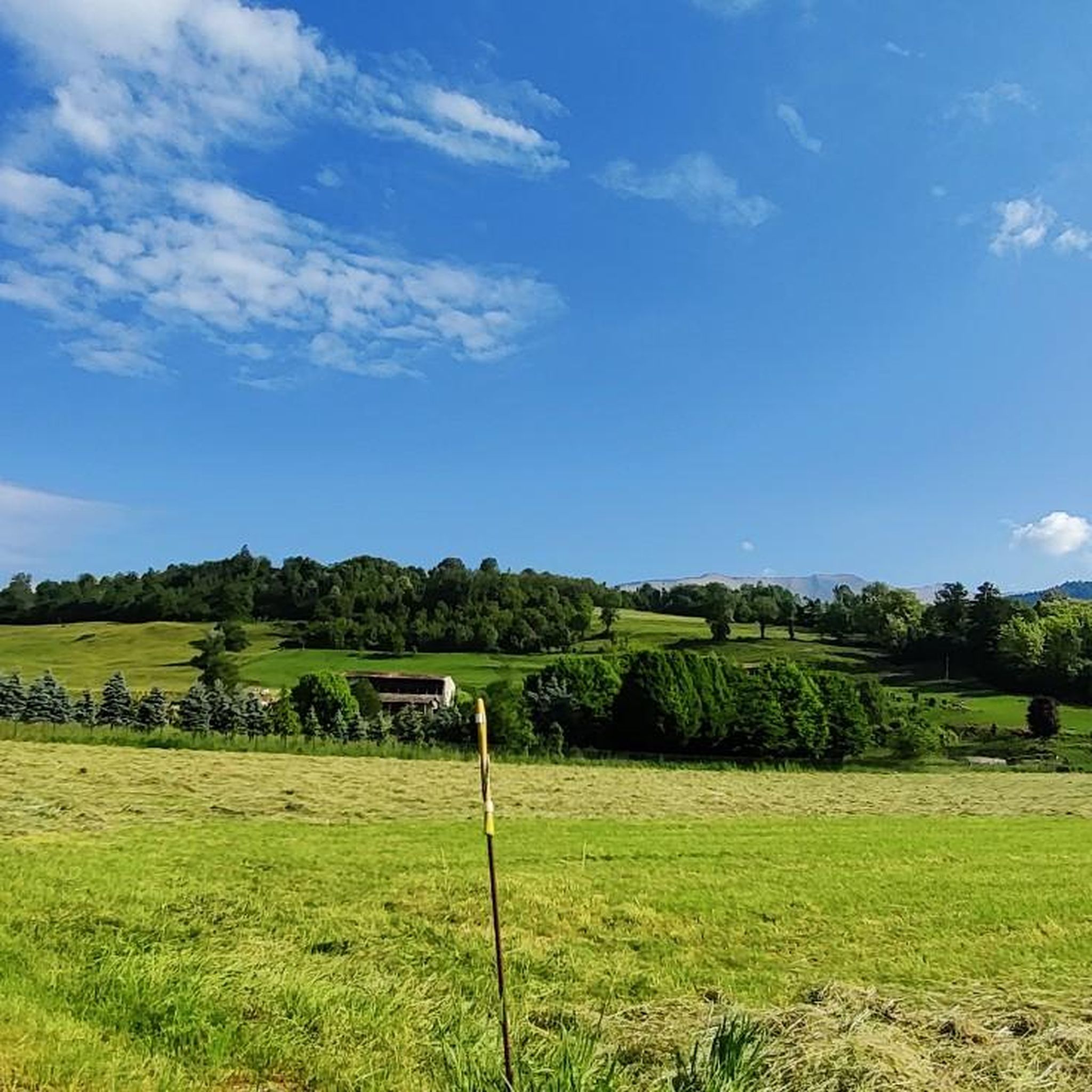
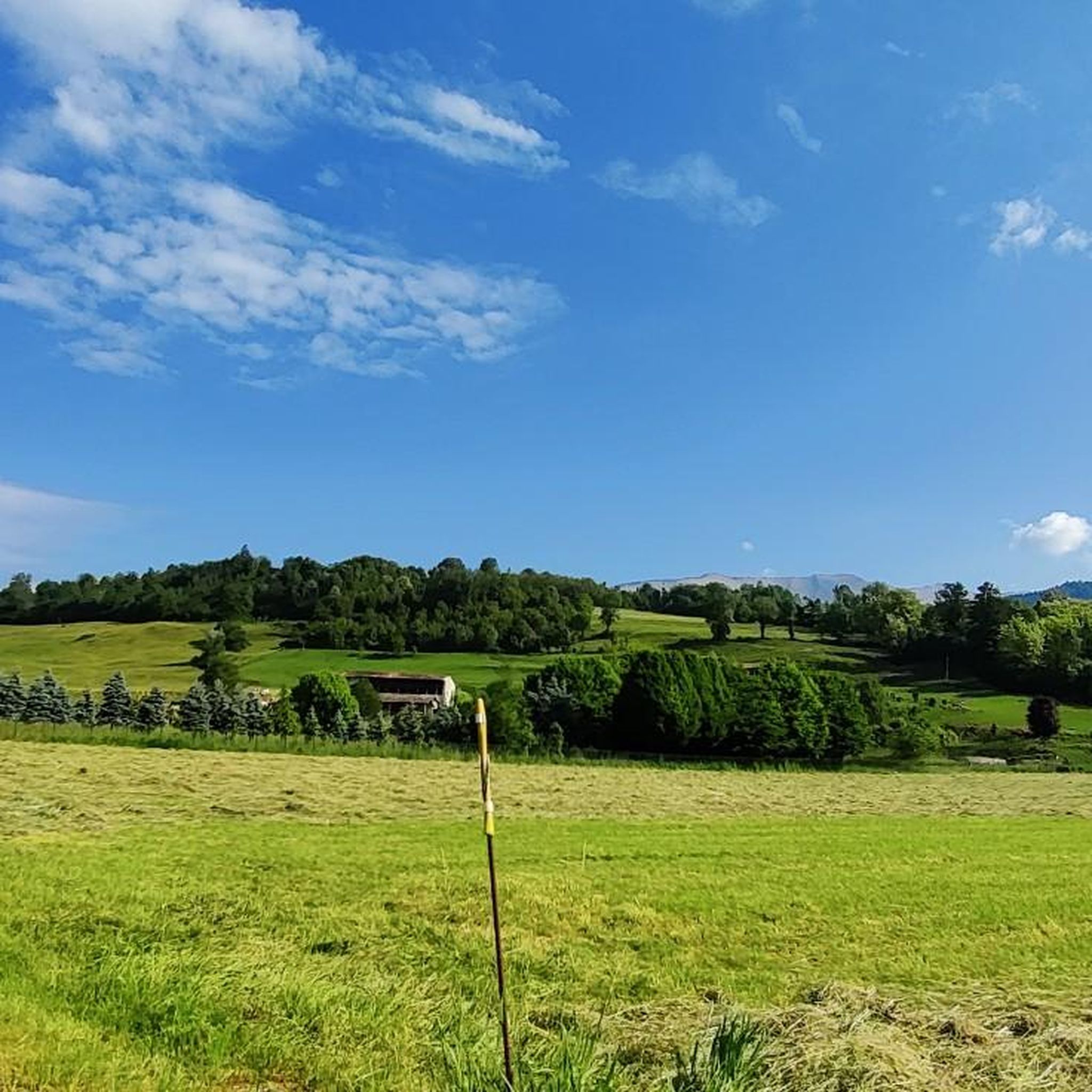
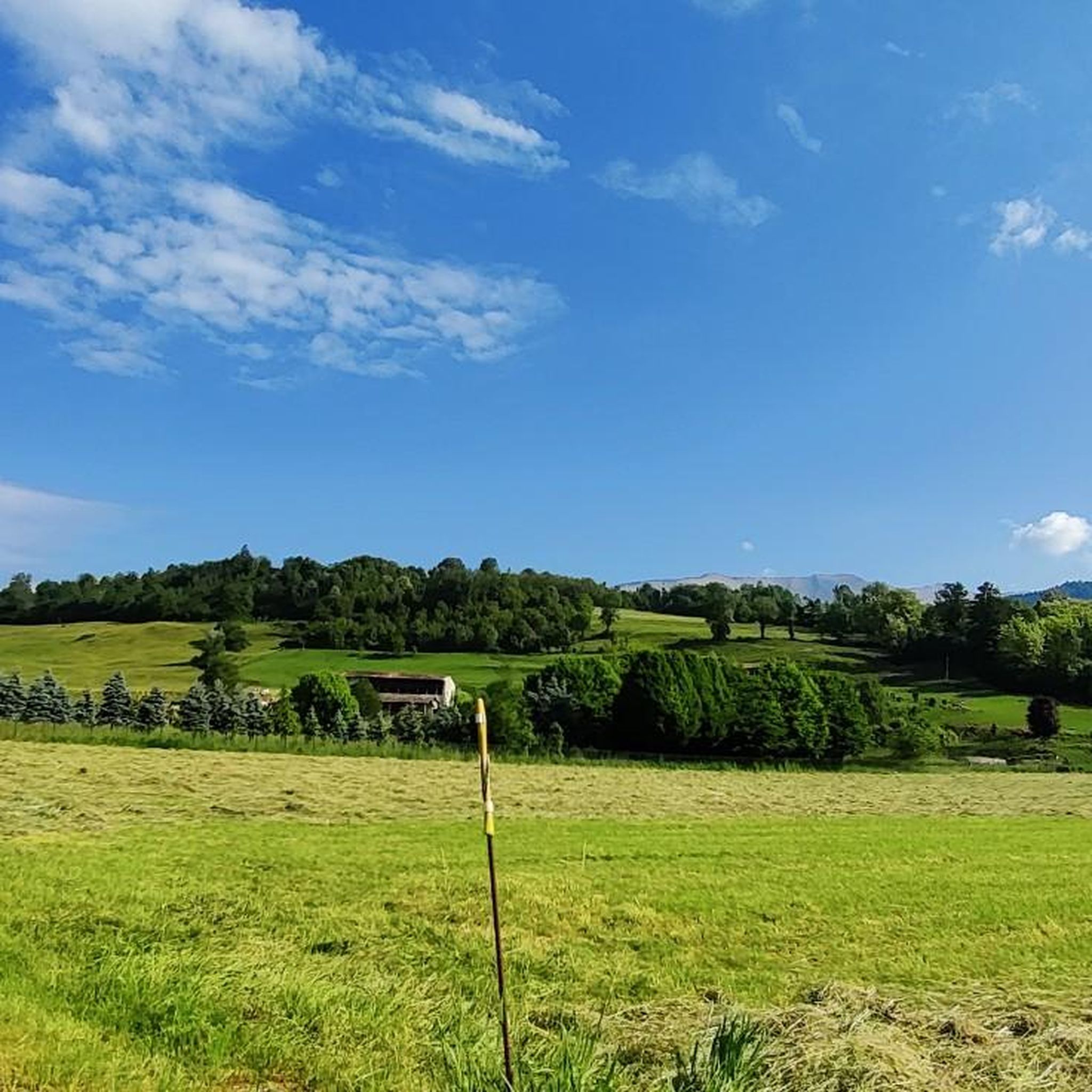
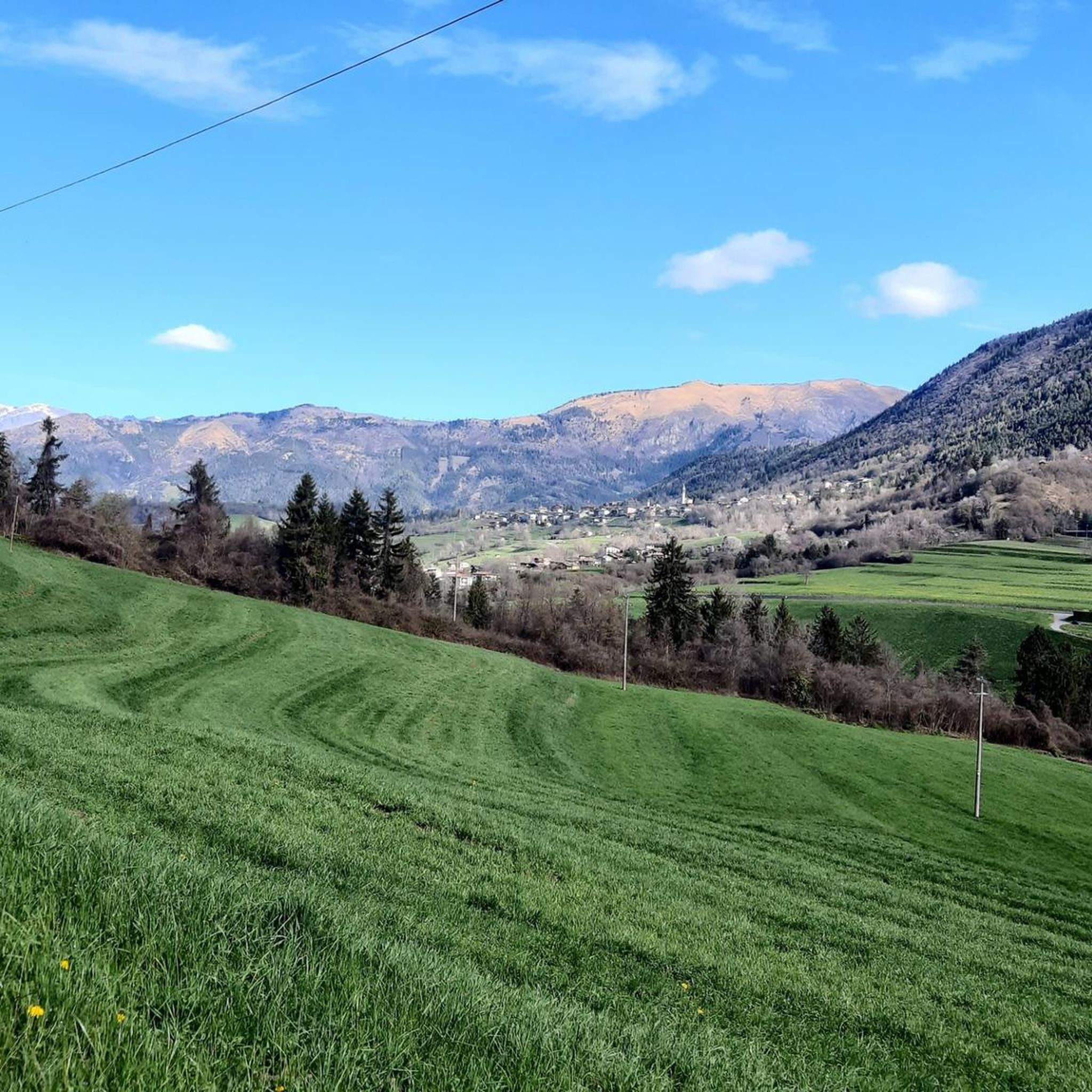
panoramic view of the Gandino valley.
0
0

Passo degli Agnelli is located at 1950 meters above sea level, under the steep walls of the southern slope of Presolana. It is a spectacular panoramic point, easily reachable from Rifugio Rino Olmo. The hike to the pass offers splendid views of the surrounding mountains and can be part of a circular tour that includes Valle dei Mulini, Passo Olone and Rifugio Olmo. The trail crosses scree and woods, offering an immersive experience in the nature of the Bergamo Orobie
0
0

Very panoramic position, with a view over the entire Val Gandino.
0
0
From Pizzo Formico (1636 m) you can enjoy a spectacular view of the Bergamo Prealps, the Seriana Valley, the Gandino Valley and, on clear days, even Monviso. What you can see from the summit: Val Seriana and the Clusone plateau. Val Gandino, with its historic villages. Presolana, the "Queen of the Orobie". Lake Iseo, visible on clear days. Adamello Group, the Bergamo and Lecco Orobie. Po Valley, with glimpses of the Apennines. The summit cross, 12 meters high, is a point of reference for hikers and is illuminated on special occasions
1
0
The Croce dei Pastori is a panoramic point located at 1250 meters above sea level in the Gandino Valley, near the Dante Baroncelli Bivouac. It is a large wooden cross, positioned on the edge of a slope, with a spectacular view of the valley2. Main features: Altitude: 1250 m. Location: Along the path that leads to the Conca del Farno. History: The original cross was placed in 1716 and subsequently replaced in 2002. Panorama: Direct view of the Gandino Valley and the surrounding mountains. Access: Reachable with an excursion from Barzizza di Gandino, passing through the Tribulina della Guazza. The Croce dei Pastori is a perfect place for a break during an excursion, with benches and tables for refreshments. If you wait for sunset, you can enjoy a unique spectacle with the lights of the villages in the valley that slowly light up
0
0
The Dante Baroncelli Bivouac is located at 1257 meters above sea level in the Groaro Valley, near the Tribulina della Guazza and the Croce dei Pastori, from which you can enjoy a spectacular view of the Gandino Valley. Main features: Altitude: 1257 m Location: Groaro Valley, near the Tribulina della Guazza Access: Reachable via the CAI 545 path Structure: Small but welcoming, with well-kept interiors Recommended route: Departure from the Conca del Farno, following the CAI 545 path The bivouac is an excellent stopping point for hikers heading to Pizzo Formico or the Rifugio Parafulmine
0
0

Good panoramic point, near a bivouac. On the way to reach the Parafulmine refuge.
1
0
Frequently Asked Questions
What are the primary natural features around Cereté?
The main natural features around Cereté are the Caño Bugre, an affluent of the Sinú River, and the Ciénaga de Corralito, a significant wetland located in the corregimiento of Severá. These areas are integral to the region's identity and ecosystem.
What is the Caño Bugre and why is it important to Cereté?
The Caño Bugre is a historical waterway that branches off the Sinú River and flows through Cereté. It has been crucial to the city's development and serves as a vital part of the local ecosystem. Efforts are ongoing to restore its environmental significance.
What is the Ciénaga de Corralito?
The Ciénaga de Corralito is a representative wetland in the municipality, specifically in the corregimiento of Severá. It is home to various plant species, including 'algarrobillo' or 'campano' (Samanea saman), 'ñipi-ñipi' (Sapium aucuparium), and 'roble rosado' (Tabebuia rosea).
Are there any conservation efforts for Cereté's natural monuments?
Yes, both the Caño Bugre and the Ciénaga de Corralito are subjects of ongoing conservation and restoration efforts. Local authorities are working to rehabilitate the Caño Bugre and address the environmental pressures threatening the Ciénaga de Corralito.
What kind of ecosystem characterizes the natural areas around Cereté?
The natural areas around Cereté are part of the biodiverse Sinú River basin's ecosystem, characterized by tropical dry forests and wetlands. These environments support a variety of plant and animal species.
Can I observe wildlife in the natural monuments of Cereté?
While specific wildlife viewing opportunities are not widely publicized, the wetlands and riverine ecosystems of the Caño Bugre and Ciénaga de Corralito naturally support various animal and plant species. Visitors interested in biodiversity would find these areas ecologically significant.
What is the best way to experience the natural environment of Cereté?
To experience Cereté's natural environment, focus on understanding its ecological systems and the conservation work being undertaken. The region's natural value is tied to its role within the Sinú River basin, offering insights into wetland and riverine ecosystems.
Are there any specific trails or routes to explore the natural monuments?
While the natural monuments like Caño Bugre and Ciénaga de Corralito are important ecological sites, specific developed tourist trails for hiking or exploring them are not prominently featured. The focus is more on their ecological significance and conservation.
What are the environmental challenges facing Cereté's natural features?
The Caño Bugre has faced significant environmental degradation due to sedimentation, pollution from waste disposal, and untreated wastewater. The Ciénaga de Corralito is also reported to be 'in danger of extinction' due to human pressures and a lack of environmental protection.
What is the historical significance of the Caño Bugre?
The Caño Bugre historically served as a significant waterway for Cereté, and the city's development is closely tied to its presence. It played a crucial role in the region's past as a natural transport route and ecological backbone.
What plant species can be found in the Ciénaga de Corralito?
The Ciénaga de Corralito is home to various plant species, including 'algarrobillo' or 'campano' (Samanea saman), 'ñipi-ñipi' (Sapium aucuparium), and 'roble rosado' (Tabebuia rosea).
Most popular routes around Cerete
Most popular attractions around Cerete

Get inspired with the komoot mobile app


Explore more
Extend your search for the best caves by checking out these guides of the top ones around Cerete:
