Top 19 Natural Monuments around Brunello
Natural monuments around Brunello are primarily found within the Val d'Orcia, a UNESCO World Heritage Site recognized for its unique blend of natural beauty and historical significance. This region features diverse landscapes, including sinuous hills, expansive vineyards, and ancient forests. The area is characterized by a harmonious coexistence of human agricultural endeavors, such as Brunello wine production, and the natural environment. It offers a landscape where natural features and cultural heritage are deeply intertwined.
Best natural monuments around Brunello
- The…
Last updated: June 28, 2026
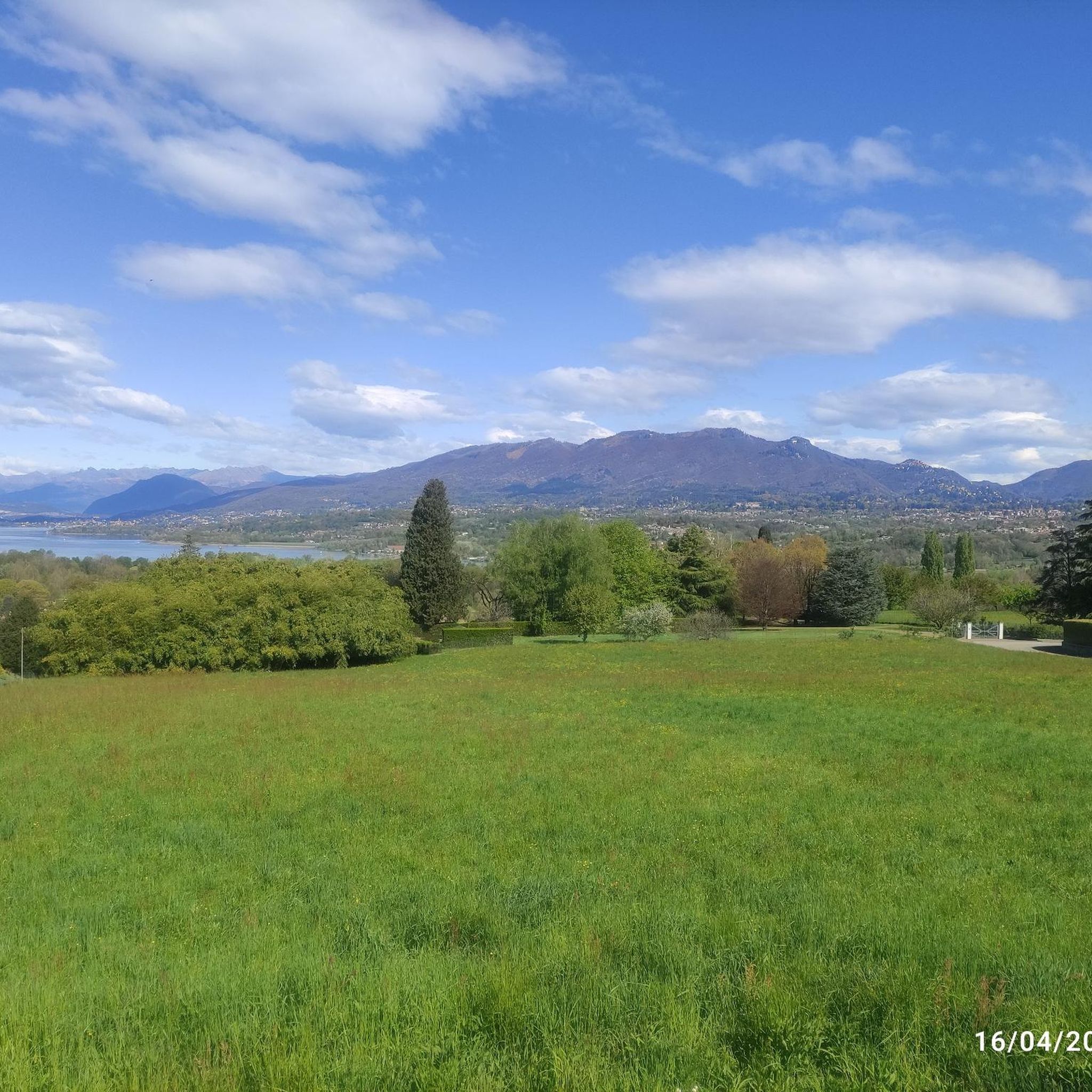
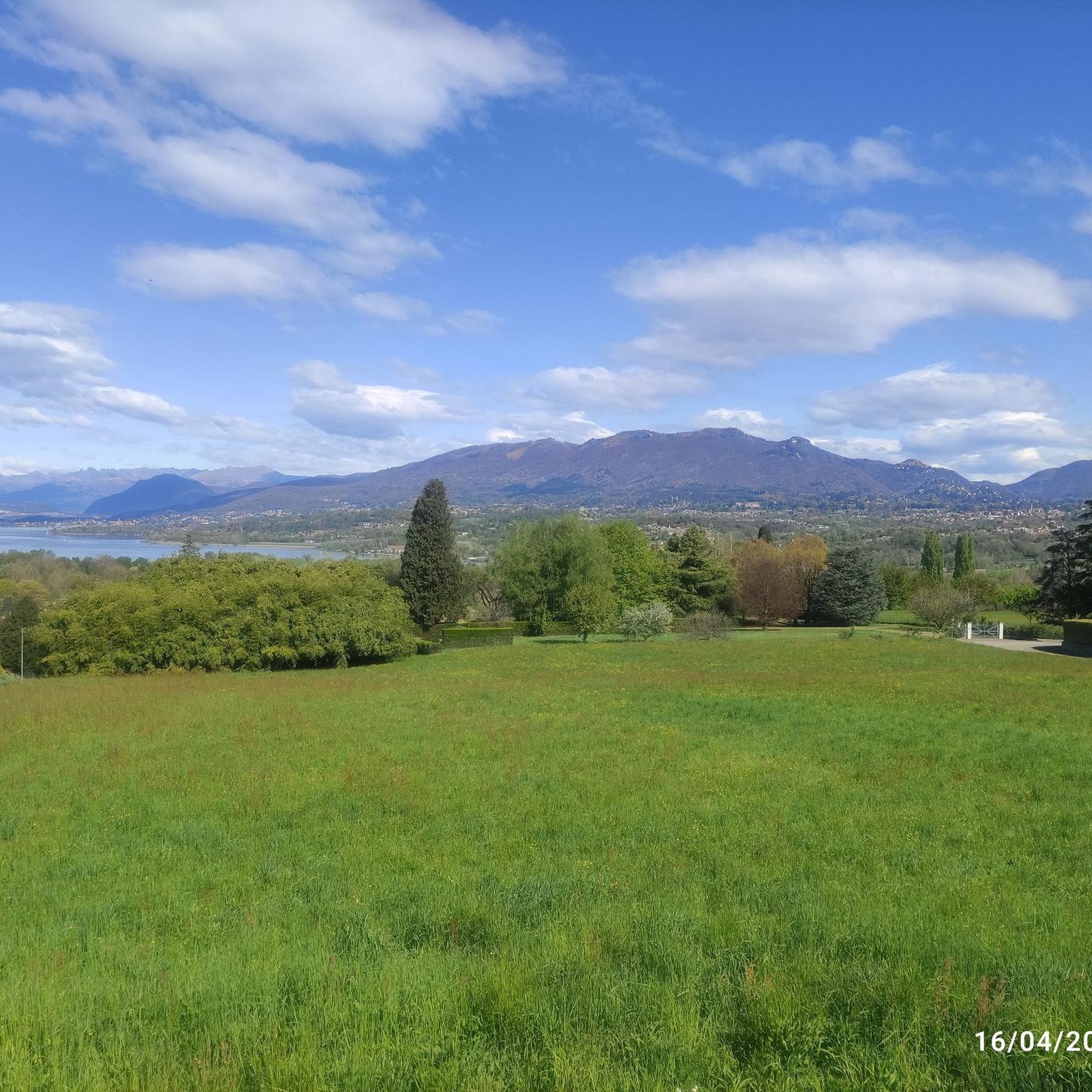
Lake Comabbio
Highlight • Lake
Translated by Google •
Tip by

Castelseprio Archaeological Park
Highlight • Historical Site
Translated by Google •
Tip by
Sign up now to discover places like this
Get recommendations on the best single tracks, peaks, & plenty of other exciting outdoor places.
Sign up for free
Sandstone Caves of the Molera Gorges
Highlight • Cave
Translated by Google •
Tip by

Valganna Waterfalls and Caves
Highlight • Waterfall
We girls really enjoyed it and it was a bit scary too 😉.
The waterfall comes down like a veil, well worth seeing.
Translated by Google •
Tip by

Estensi Gardens
Highlight • Natural Monument
The Estensi Gardens and the Palazzo Comunale are located in the center of Varese. THE PALACE In 1766, the Duke of Modena, …
Translated by Google •
Tip by

Sign up for free to discover even more natural monuments around Brunello.
Sign up for free
Already have an account?
Start today with a free account
Your next adventure awaits.
Login or Signup

Tips from the Community

must visit for hikers and bikers
0
0

BRRRRR SO COLD... BUT WHAT A SHOW 💥
0
1

Unfortunately, there is a lot of traffic on this scenic stretch
0
0

park to visit on foot
0
0

Estensi Gardens and the Palazzo Comunale in Varese The Estensi Gardens and the Palazzo Comunale are located in the center of Varese. THE PALACE In 1766, the Duke of Modena, Francesco III d'Este, Captain General and Governor of Austrian Lombardy, decided to buy the residence located on the outskirts of the village for his holidays. Varese had been enfeoffed to him in a personal capacity with civil and judicial powers by Maria Theresa of Austria on 23 June 1765. Immediately after the acquisition, Francesco III began to expand the property by annexing the neighboring property. The renovation and construction lasted from 1766 to 1773, while the garden was completed in 1771. The architect Giuseppe Antonio Bianchi was in charge of the project and directed the works, including the design of the hill that became known as Castellazzo Flat to create the gardens. The palace consists of a central nucleus with two side wings connected by the underlying portico, which houses a stone cutter. The long façade on Via Sacco is equipped with three stone portals and balconies. Entering through the main portal, which leads into the central portico and the courtyard of honor, you pass from the austerity of the external façade to the internal façade, which is lively and overlooks the picturesque garden. The interior of the palace is an example of the so-called Teresian Baroque. The Hall of Honor (or Salone Estense) is full of precious elements such as the illusionistic frescoes by Lodovico Bosellini and the central medallion by Giovan Battista Ronchelli. Going up to the first floor, along the staircase of honor, there are four niches with eighteenth-century copies of female busts and putti with stucco lamps. ……….. Text / Source: FAI - FONDO PER L'AMBIENTE ITALIANO ETS - Via Carlo Foldi, 2 - 20135 Milan https://fondoambiente.it/luoghi/giardini-estensi?ldc
14
0
Laghetto dei cigni / Swan Pond in the Giardini e Palazzo Estensi in Varese The history of Palazzo Estense and its beautiful gardens was born thanks to a real love at first sight. It is said, in fact, that Francesco III d'Este, Duke of Modena and governor of Austrian Lombardy, fell so much in love with the beauty of Varese that he requested it as a fief from Maria Theresa of Austria. From then on it is history: the Duke bought the villa, now known as Palazzo Estense, and entrusted its restoration to the architect Bianchi, making it his summer residence. The garden behind the building was laid out in Italian and French style, inspired by the park of the residence at Schönbrunn. The main feature of the garden is the parterre, punctuated by flowerbeds and low-stemmed plants, which houses the large central fountain. Today the area is a public park, directly connected to the gardens of Villa Mirabello, which attracts hundreds of visitors every day who crowd the paths to fully enjoy this beauty. Text / Source: Turismo-in-Lombardia https://www.in-lombardia.it/it/ https://www.in-lombardia.it/it/turismo-in-lombardia/varese-turismo/giardini-di-palazzo-estense
13
0

very fun route, some technical passages but nothing difficult, in many places lots of mud and paths full of brambles, I arrived home covered in mud and scratches but it was worth it 💪 in one point I ended up in quicksand and my bike drowned 🤣 but I had a lot of fun
0
1

It's also an experience at night 😜. We girls really enjoyed it and it was a bit scary too 😉. The waterfall comes down like a veil, well worth seeing.
6
0
Frequently Asked Questions
What kind of natural landscapes can I expect in the Brunello region?
The Brunello region is primarily set within the Val d'Orcia, a UNESCO World Heritage Site. You'll find a captivating tapestry of diverse landscapes, including sinuous hills adorned with centuries-old cypress trees, expansive vineyards, olive groves, and ancient forests. The region also features unique elements like barren lands and thermal waters, showcasing a harmonious coexistence between human agricultural endeavors, particularly Brunello wine production, and the natural environment.
What are some notable natural monuments to visit around Brunello?
Beyond the encompassing beauty of the Val d'Orcia, you can explore specific natural monuments such as Lake Comabbio, an oasis of beauty and peace with scenic views and direct access to a bike path. Another unique spot is the Sandstone Caves of the Molera Gorges, a system of former quarries formed from ancient sea beds, recognized today as a natural and cultural heritage site.
Are there any natural monuments that combine nature with historical significance?
Yes, the Brunello region offers several such sites. The Castelseprio Archaeological Park is a historical site and natural monument where you can explore an ancient settlement. Additionally, the Sandstone Caves of the Molera Gorges are not only a natural wonder but also a testament to centuries of stonemasonry, recognized for both their natural and cultural heritage.
Are there family-friendly natural attractions around Brunello?
Absolutely. Many natural monuments in the region are suitable for families. Lake Comabbio offers scenic views and easy access to a bike path, perfect for a family outing. The Valganna Waterfalls and Caves are also considered family-friendly, providing an engaging natural experience. Furthermore, the Estensi Gardens offer a beautiful public park setting ideal for all ages.
Can I find thermal waters or unique geological features in the Brunello region?
Yes, the region is known for its diverse natural features. Within the Val d'Orcia, you can visit the thermal waters of Bagno Vignoni, famous for its ancient baths fed by a natural hot spring. Geologically, the Sandstone Caves of the Molera Gorges are a fascinating example, formed from ancient sea beds approximately 25 million years ago.
What outdoor activities can I do near the natural monuments in Brunello?
The area around Brunello's natural monuments is excellent for various outdoor activities. You can enjoy gravel biking on routes like 'Regional parks across the Piane Viscontee' or 'Molera Caves – Seven Hairpins of Valmorea loop'. For mountain biking, options include 'Lake Varese Cycle Path – Lake Varese loop'. Road cycling enthusiasts can explore routes such as 'Arona on Lake Maggiore – Meina on Lake Maggiore loop'. You can find more details on these activities in the Gravel biking around Brunello, MTB Trails around Brunello, and Road Cycling Routes around Brunello guides.
Are there hiking opportunities around the natural monuments?
While specific hiking routes directly linked to individual natural monuments are not detailed, the broader Val d'Orcia region, where many of these monuments are located, offers numerous trails. Mount Amiata, a dormant volcano south of Val d'Orcia, provides opportunities for hiking in denser forests and at higher altitudes, offering panoramic views. The Sandstone Caves of the Molera Gorges are also accessible via a trail.
What do visitors particularly enjoy about the natural monuments in Brunello?
Visitors appreciate the diverse beauty and peaceful atmosphere. For instance, Lake Comabbio is described as an 'oasis of beauty and peace'. The Castelseprio Archaeological Park is highly recommended for its historical depth, and the Sandstone Caves of the Molera Gorges are recognized as a natural and cultural heritage site, admired for their unique formations.
What unique natural features are there besides the rolling hills of Val d'Orcia?
Beyond the iconic rolling hills, the region offers diverse natural features. Mount Amiata, a dormant volcano, presents a different landscape with denser forests and higher altitudes. The Valganna Waterfalls and Caves provide a spectacular sight, especially the waterfall described as coming down 'like a veil'. The Sandstone Caves of the Molera Gorges also offer a unique underground natural experience.
Are there any natural monuments that showcase the region's agricultural heritage?
The entire Val d'Orcia, with its expansive vineyards and olive groves, beautifully showcases the region's agricultural heritage, particularly its renowned Brunello wine production. A specific example is the centuries-old oak tree at Col d'Orcia, a prominent winery. This ancient oak stands as a 'monument of nature,' symbolizing the deep connection between winemaking and environmental care in the region.
What is the best time to visit the natural monuments in Brunello?
The Val d'Orcia region, where many natural monuments are located, is beautiful throughout much of the year. Spring (April-May) offers lush green landscapes and blooming flowers, while autumn (September-October) brings vibrant colors to the vineyards and forests, coinciding with the grape harvest. Summer can be warm, but places like Mount Amiata offer cooler temperatures, and the Valganna Waterfalls can be a refreshing stop on sultry days.
Most popular routes around Brunello
Most popular attractions around Brunello

Get inspired with the komoot mobile app


Explore more
Extend your search for the best caves by checking out these guides of the top ones around Brunello:
