Top 20 Natural Monuments around Procida
Best natural monuments around Procida include diverse geological features and scenic viewpoints. This island in the Gulf of Naples is characterized by its volcanic origins and picturesque landscapes. Visitors can explore protected natural areas and unique coastal formations. The region offers a blend of natural beauty and historical significance.
Best natural monuments around Procida
- The most popular natural monuments is Monte Epomeo Summit, a summit that offers a beautiful view over the entire island. From its 788 meters, visitors…
Last updated: June 28, 2026
Monte Epomeo Summit
Highlight • Summit
From here you have a beautiful view over the whole island.
Translated by Google •
Tip by

Pizzi Bianchi
Highlight • Canyon
Translated by Google •
Tip by
Sign up now to discover places like this
Get recommendations on the best single tracks, peaks, & plenty of other exciting outdoor places.
Sign up for free
Lake Avernus
Highlight • Lake
It is possible to walk around its perimeter with a pleasant walk.
Translated by Google •
Tip by
Lake Avernus
Highlight • Lake
Translated by Google •
Tip by

Cretaio Forest
Highlight • Forest
Translated by Google •
Tip by
Sign up for free to discover even more natural monuments around Procida.
Sign up for free
Already have an account?
Start today with a free account
Your next adventure awaits.
Login or Signup
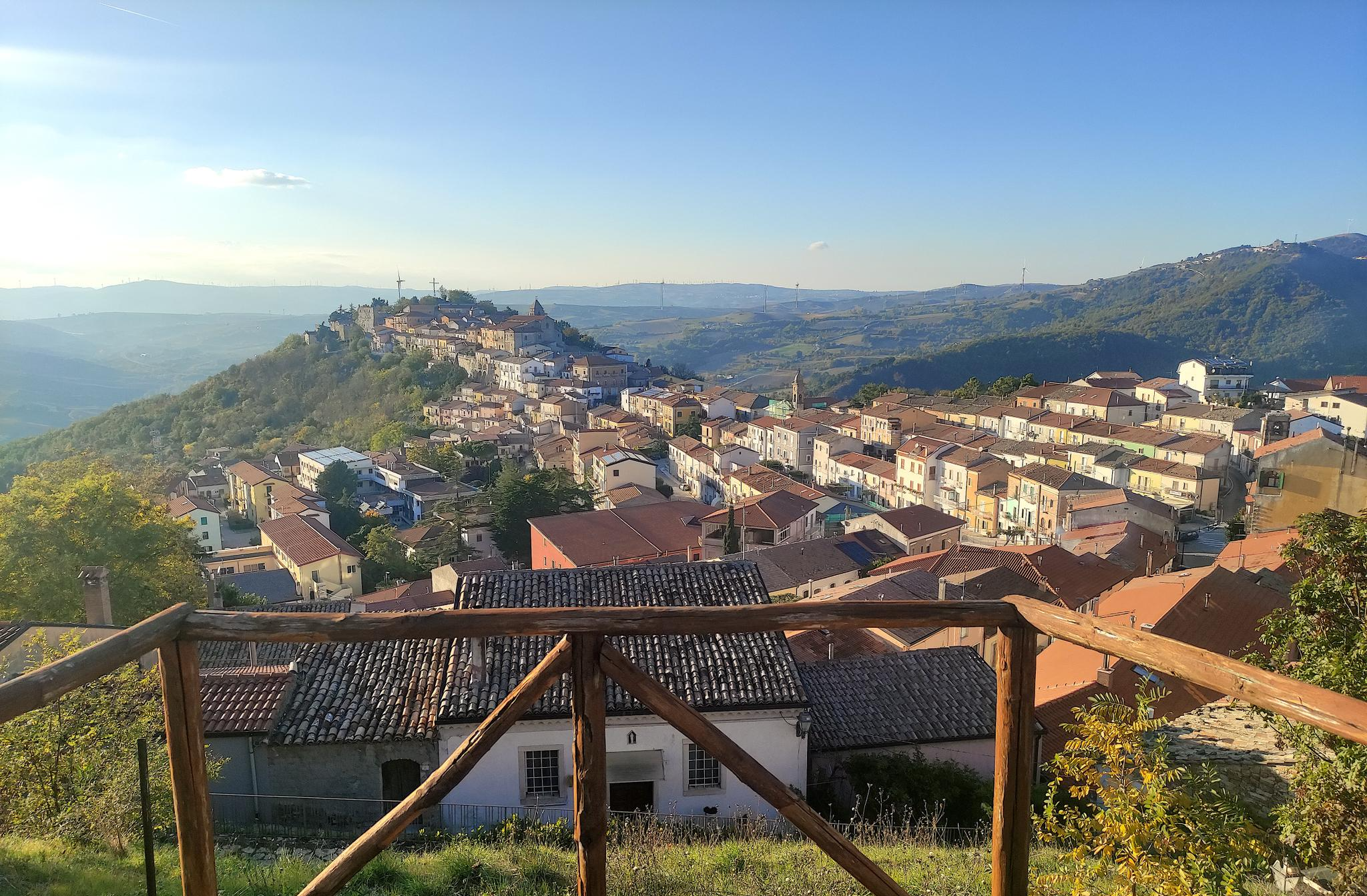
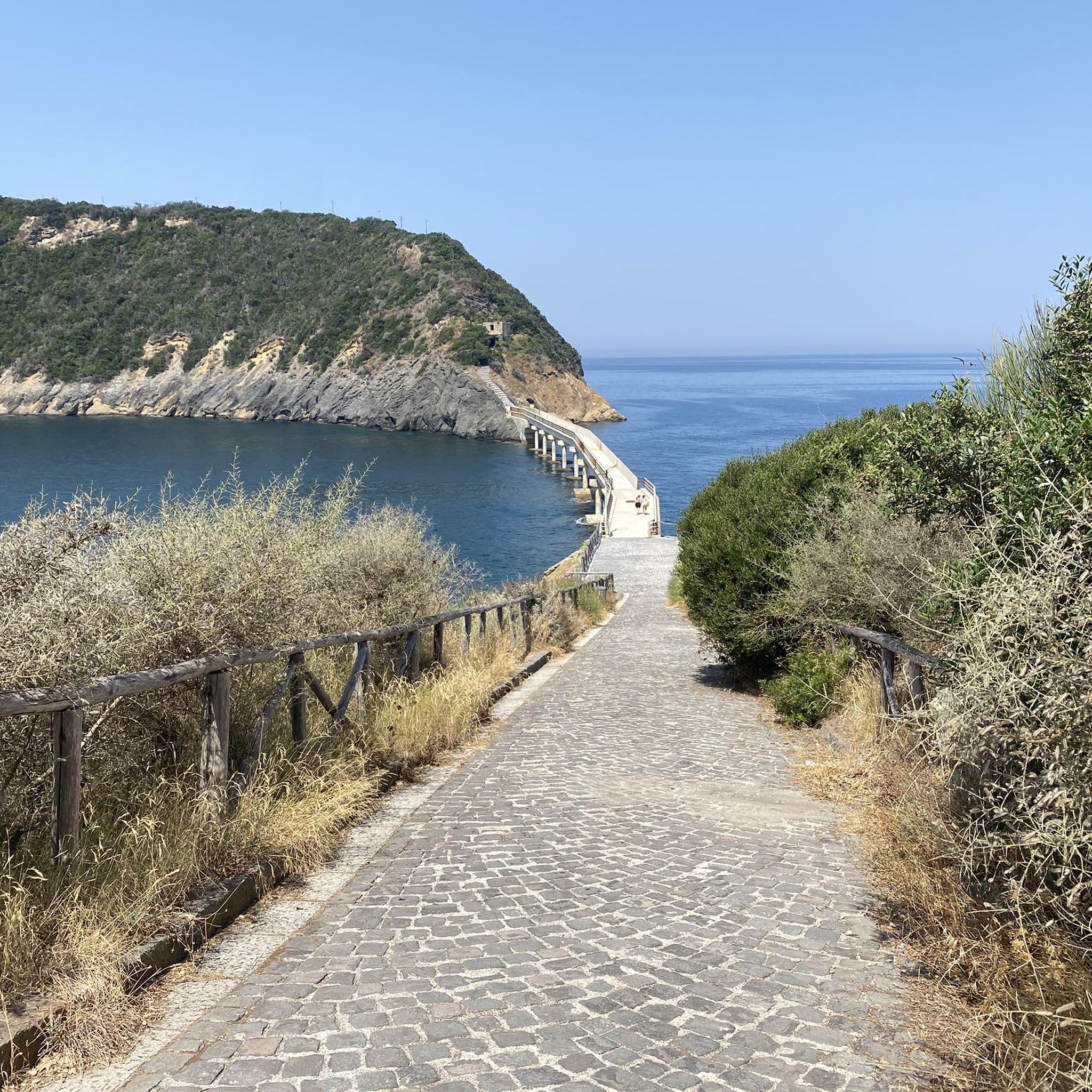
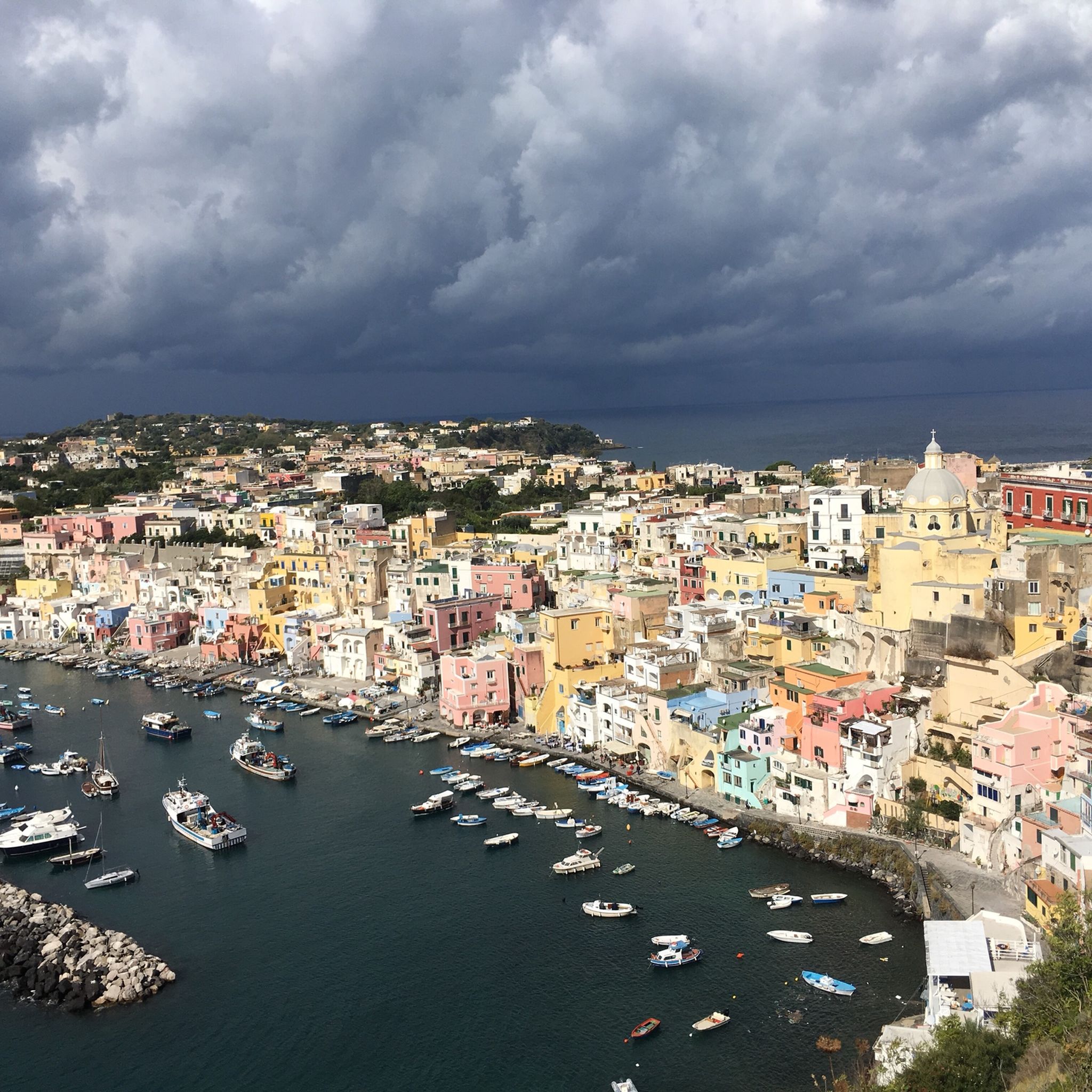
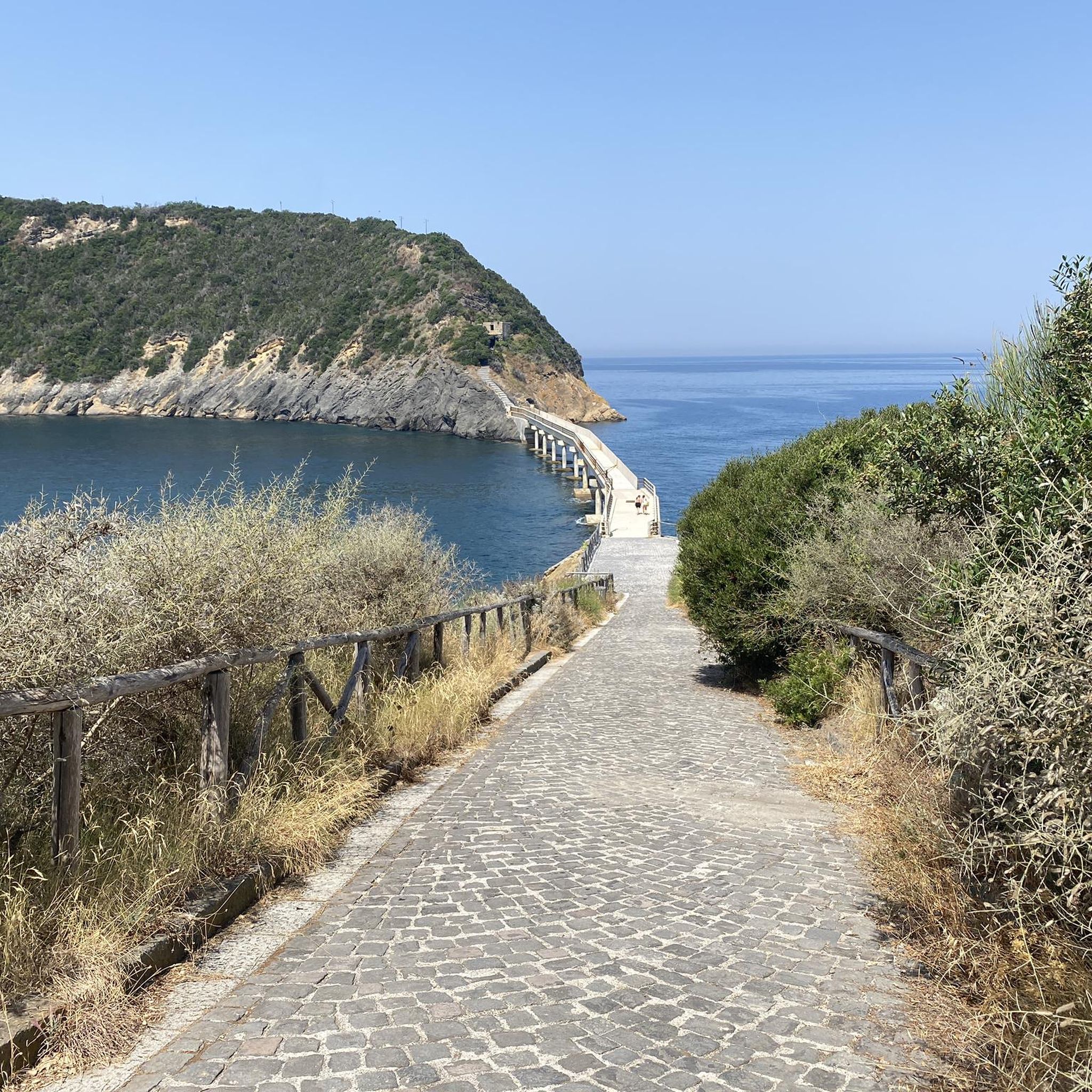
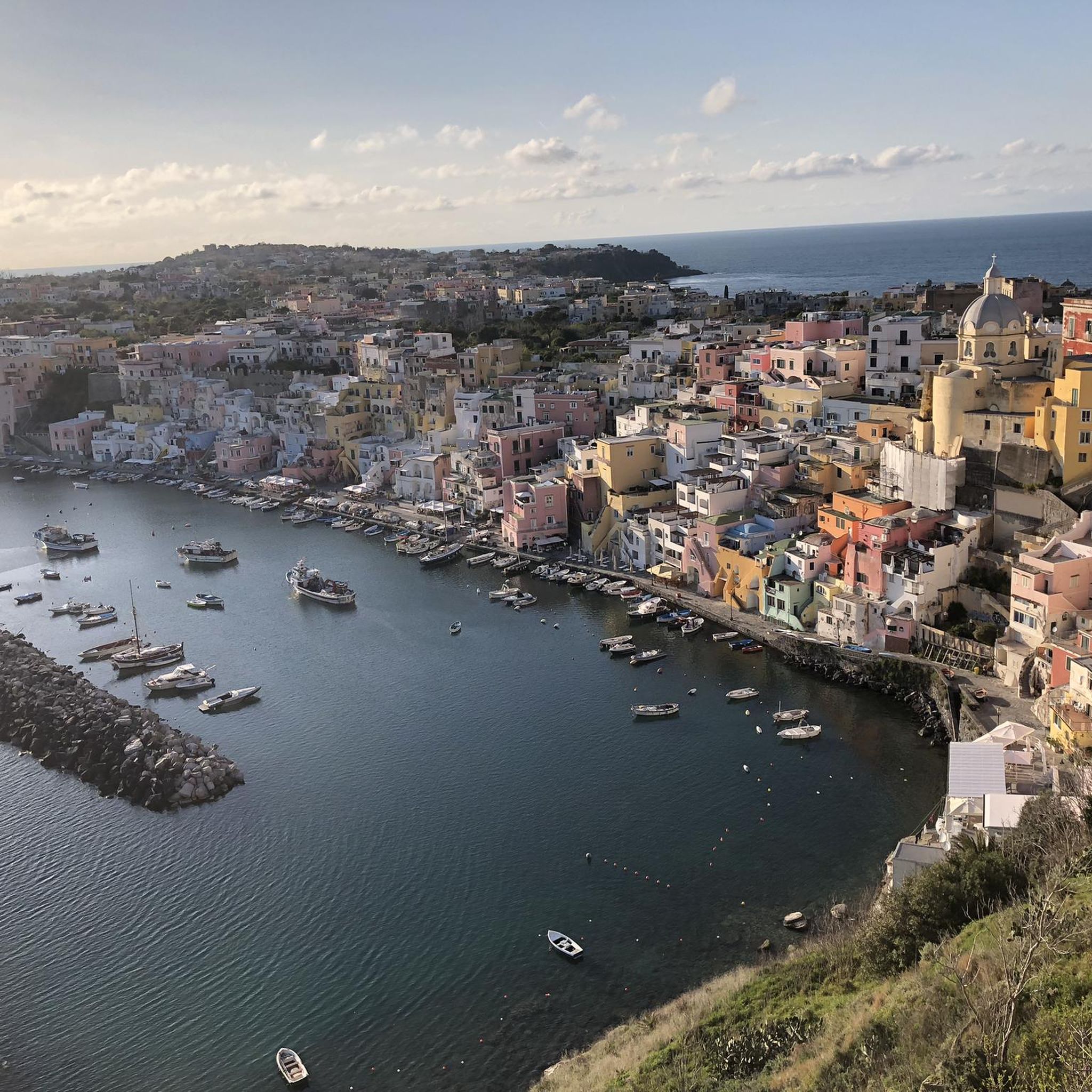
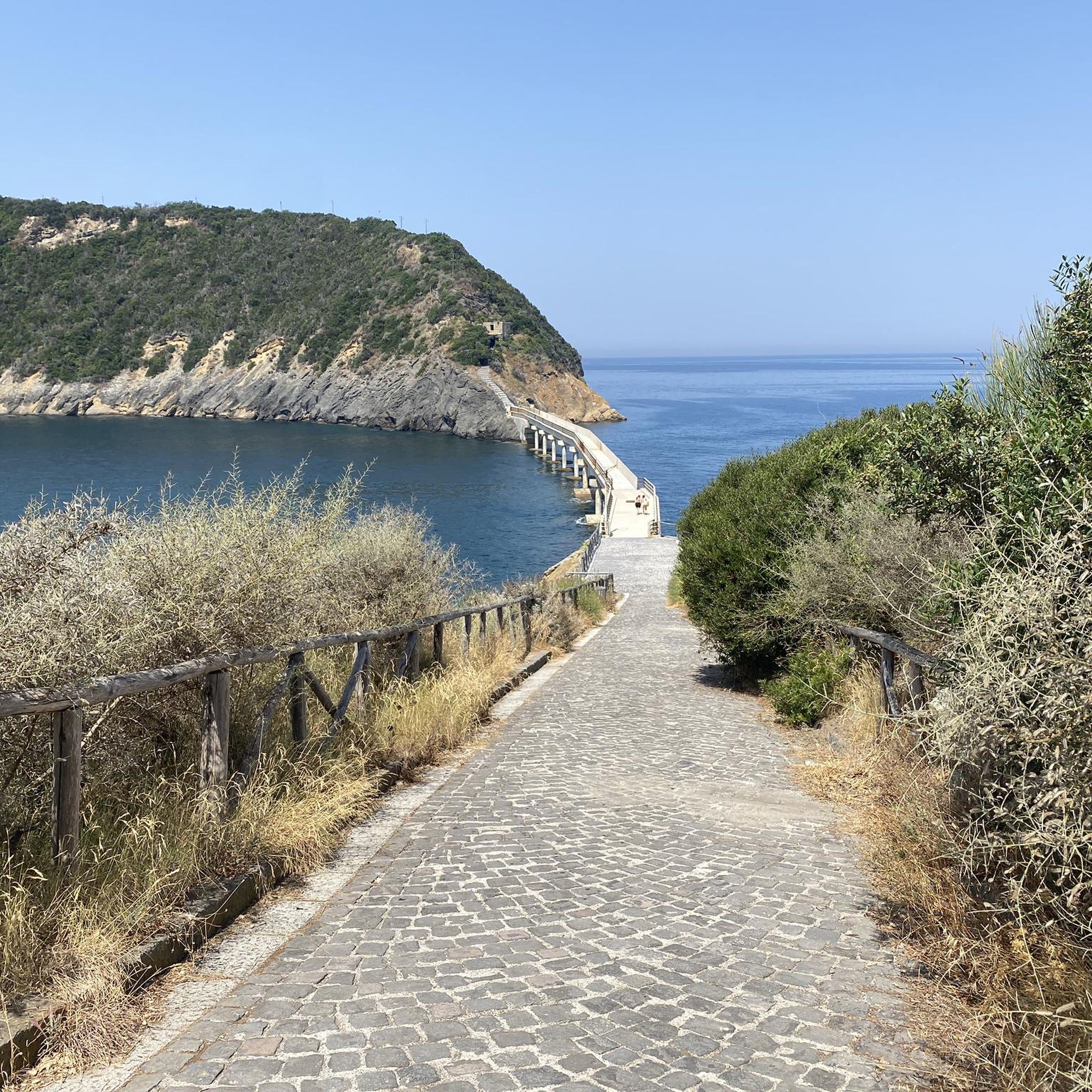
Other adventures around Procida

Tips from the Community

So the path is no longer there all the way down. You can still walk well up to the rocks Pizzi Bianchi (it's quite steep and you should have good non-slip footwear) but then at some point there's only a very hard-to-recognize path along a steep slope through very tall grass and thicket. If you can still overcome that and climb over a piece of fence, you'll reach a viewpoint with a bench and a wooden arch. A couple of old deck chairs are there too. After that, it doesn't really make sense to go any further, as it ends at a cliff. The path is definitely no longer there. Then it's all the way back up ;-)
0
0
I recommend parking the car in the space outside the Monte Nuovo oasis, crossing the oasis and then going down towards Lake Averno, along this lake there are farmhouses and restaurants
1
0

Be careful in the pine forest. Dead trees falling on the path make it dangerous and impassable in some places.
0
0

A walk among nature and wild animals, between dirt roads and cobblestone pavements, not to be missed in any season.
1
0
Beautiful volcanic lake with a very simple and comfortable circular tour, during which it is possible to admire local fauna and flora. I recommend it together with the circular tour of Monte Nuovo to have a view of the volcanic panorama of the Campi Flegrei area.
1
0

It is a large promontory overlooking Ischia and Casamicciola, an extraordinary vegetation that has completely covered the ancient volcanic vents. The entire area has a total surface area of 450,000 square meters. It rises on partially humified volcanic soils, of volcanological, geomorphological and botanical interest. The mild and sweet climate favors a type of evergreen vegetation. The geographical support of the forest is Monte Rotaro, a hill whose name derives from the corruption of the words crater or Cretaio meaning chalky. It is an extinct volcano, whose current shape is due to approx. 400 years of volcanic activity. The first eruption was about 700 years BC. The wooded area is divided into two distinct forest biotypes: the Holm oak forest and the Domestic Pine pine forest, you can observe: the "horse tooth" uncommon plant, tropical mosses, strawberry tree, ferns.
1
0

Definitely recommended. At the top you have a complete panoramic view of the island.
1
1

the first third and the last third of the tour are like a battle march, very impassable terrain, the paths are difficult to find
1
0
Frequently Asked Questions
What are the most significant natural attractions on Procida itself?
On Procida, the most significant natural attraction is Isola di Vivara, a protected nature reserve that is part of an ancient volcanic crater. It's connected to Procida by a pedestrian bridge and offers a sanctuary for diverse flora and fauna. Additionally, the island's various volcanic black sand beaches, such as Spiaggia del Pozzo Vecchio, Chiaiolella Beach, and Spiaggia Chiaia, are notable natural features.
Are there any family-friendly natural attractions on Procida?
Yes, Procida offers several family-friendly natural attractions. The island's beaches, like Chiaiolella Beach and Spiaggia Chiaia, provide clear, shallow waters ideal for families. Exploring Isola di Vivara, with its easy pedestrian access and tranquil environment, can also be a pleasant family activity, allowing for nature observation.
What kind of natural features can I expect to see around Procida?
Around Procida, you can expect to see a variety of natural features shaped by volcanic activity. These include volcanic summits like Monte Epomeo Summit, crater lakes such as Lake Avernus, and lush forests like Cretaio Forest. The island of Procida itself features unique volcanic black sand beaches and dramatic coastal viewpoints like Terra Murata.
What are the best times of year to visit Procida's natural monuments?
The best time to visit Procida's natural monuments is generally during the spring (April-May) and early autumn (September-October). During these periods, the weather is pleasant for outdoor activities like walking and exploring, and the island is less crowded than in the peak summer months. The Mediterranean vegetation is vibrant, and the temperatures are comfortable for enjoying the beaches and viewpoints.
Are there hiking trails near the natural monuments around Procida?
Yes, there are several hiking opportunities. For instance, you can take an easy walk around the perimeter of Lake Avernus. On Procida, you can explore the pedestrian bridge to Isola di Vivara or climb to Terra Murata for panoramic views. For more structured routes, you can find various options in the Hiking around Procida guide, which includes trails like the Marina Corricella Harbor Trail.
What outdoor activities can I do near these natural monuments?
Beyond hiking, you can enjoy various outdoor activities. Cycling is popular, with routes like the Procida Loop Tour available in the Cycling around Procida guide. Road cycling options are also available, such as the Tour of the Island of Ischia, detailed in the Road Cycling Routes around Procida guide. Many natural monuments, especially the beaches, are also perfect for swimming and sunbathing.
What should I bring when visiting natural monuments in Procida?
When visiting natural monuments in Procida, it's advisable to bring comfortable walking shoes, especially if you plan to explore areas like Monte Epomeo Summit or Isola di Vivara. Sun protection (hat, sunscreen), water, and a camera are also recommended. For beach visits, swimwear and a towel are essential. If you plan to visit The Pizzi Bianchi, be aware it's for expert hikers and requires adequate equipment.
Are there any viewpoints offering panoramic views of the region?
Absolutely. Monte Epomeo Summit offers a breathtaking view over the entire island of Ischia and the surrounding sea. On Procida itself, Terra Murata, the island's highest point, provides spectacular panoramic views of the Gulf of Naples, the sea, and the colorful architecture of Procida below. Many of the island's beaches also offer scenic sea views.
Can I access Isola di Vivara, the nature reserve near Procida?
Yes, Isola di Vivara is accessible via a narrow pedestrian bridge from Procida. It is a protected nature reserve, so access might be regulated to preserve its delicate ecosystem. It's advisable to check local guidelines or the Visit Procida website for current access rules, opening hours, and any permit requirements.
Are there any natural monuments with historical or geological significance?
Many natural monuments in the region hold both historical and geological significance. Lake Avernus, for example, is a lake of volcanic origin and was considered an access point to the Underworld in ancient Greek and Roman mythology. Isola di Vivara is what remains of an ancient volcanic crater and has traces of prehistoric peoples. Cretaio Forest is also noted for its volcanological and geomorphological interest.
What are some unique geological features found around Procida?
The region around Procida is rich in unique geological features due to its volcanic origins. These include the distinct volcanic black sand beaches on Procida, the crescent-shaped Isola di Vivara which is a remnant of a volcanic crater, and the tuff rocks that border beaches like Chiaiolella. Further afield, you can find the extinct volcanic crater housing Lake Avernus and the volcanic soils of Cretaio Forest.
Are there cafes or restaurants near Procida's natural monuments?
Yes, especially near the more popular natural attractions. For instance, around the beaches like Chiaiolella, you'll find various cafes and restaurants. While exploring Monte Epomeo Summit, there's a small restaurant at the top where you can enjoy a snack and drink with a view. In general, the main towns and harbors on Procida offer dining options within reasonable distance of many natural sites.
Most popular attractions around Procida

Get inspired with the komoot mobile app


Explore more
Extend your search for the best caves by checking out these guides of the top ones around Procida:
