Top 20 Natural Monuments around Cagli
Best natural monuments around Cagli are found in Italy's Marche region, which features diverse landscapes including mountains, gorges, and river areas. This area provides opportunities for geological exploration and connecting with natural features. The region is characterized by limestone massifs, karst topography, and river-carved gorges. These natural formations offer varied terrain for outdoor activities.
Best natural monuments around Cagli
- The most popular natural monuments is Gola del Furlo Gorge, a gorge carved by the Candigliano River between Monte Pietralata…
Last updated: April 30, 2026
Monte Catria Summit
Highlight • Summit
Translated by Google •
Tip by

Gola del Furlo Gorge
Highlight • Gorge
Translated by Google •
Tip by

Sign up now to discover places like this
Get recommendations on the best single tracks, peaks, & plenty of other exciting outdoor places.
Sign up for free
Passo del Furlo
Highlight • Gorge
Translated by Google •
Tip by

Fondarca Arch
Highlight • Natural Monument
The entrance to path no. 20 is found at the entrance to …
Translated by Google •
Tip by

Mondelacasa Castle (the Muracci)
Highlight • Castle
Translated by Google •
Tip by

Sign up for free to discover even more natural monuments around Cagli.
Sign up for free
Already have an account?
Start today with a free account
Your next adventure awaits.
Login or Signup

Tips from the Community

Simple excursion, even for beginners... 80% shaded path
0
0

Point of extreme charm. Mandatory stop!
1
0

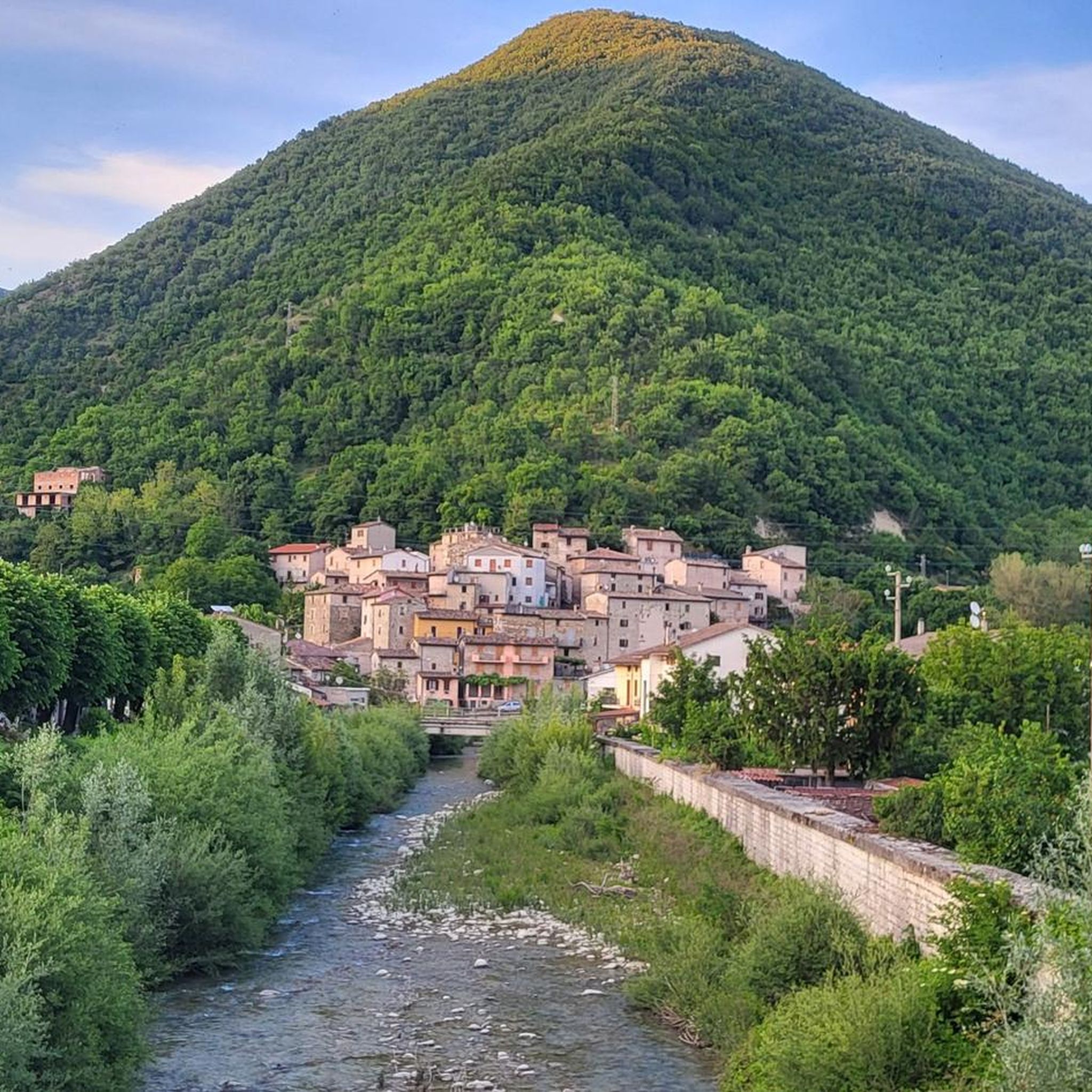
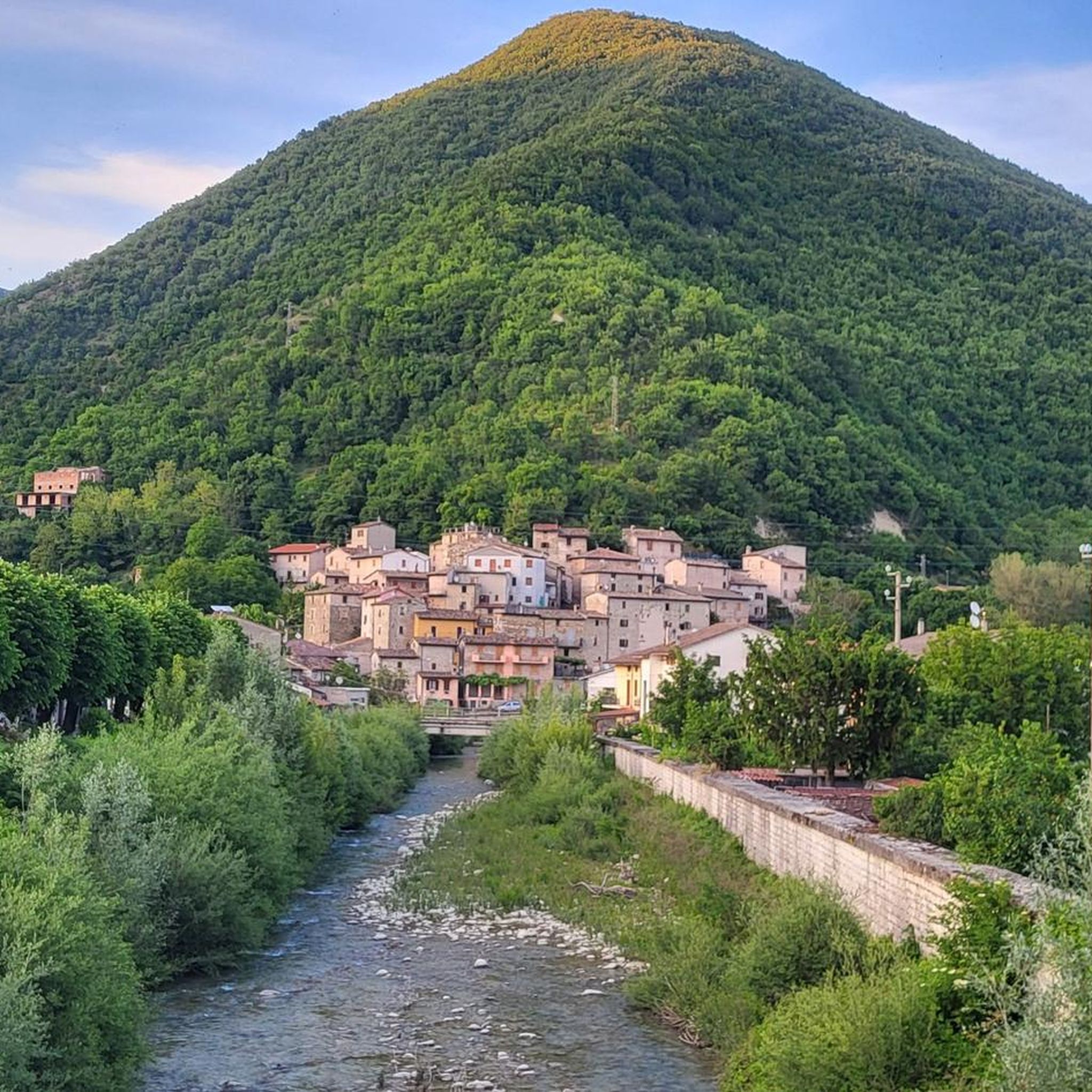
The ruins of the Mondelacasa Castle (or Monte della Casa), called the Muracci, are located on the northern slopes of Mount Nerone, on the left bank of Val d'Abisso, at 707 m above sea level, about 1 km south of the historic center of Piobbico. (from COMUNE PIOBBICO 1999): Close to Mount Nerone stands a massive buttress whose base widens between the Biscubio torrent and the Petrello stream (Fosso di S. Maria) and carries the ruins of an ancient artifact on the summit. It was a castle, a primitive dwelling that the Brancaleoni, who arrived around the year 1000 in the Biscubio District, built and lived in until the mid-1300s. This is how our Costanzo Felici (1) describes it in a document from 1582:... climbing up to Monte Nerone a mile away on a rough and terrible hill and rock, there are vestiges of a superb, large and beautiful palace or fortress now in ruins, of which those (Brancaleoni) of Piobico were the owners. Built by Gentile Brancaleoni in the first half of the 13th century, it took the name of Mons Casa or Mondelacasa, today Muracci because of the ruins visible on the summit. Towards the middle of the 14th century, both because of the harshness of the place, difficult to reach when ... winter almost buried the tower under the snow, locked it under the grip of the ice, tormented it with the blizzard, confining it for months in isolation, and because of the need for other and more comfortable comforts, the two brothers Pazzo and Federico Brancaleoni decided to settle in the house that they had begun to build "in castro Plobici", on the hill to the right of the confluence of the Biscubio with the Candigliano, where there were already small houses piled up, that is, equipped with a watchtower with a Gothic arch portal to the north and a castle to the south-east. It is the place where the Brancaleoni Castle-Palazzo will develop and take shape over time. NOTE: (1) Costanzo Felici was born in the second decade of the 16th century in Casteldurante (now Urbania). However, he preferred to define himself as a native of Piobbico, where his ancestors had moved around 1330. He practiced medicine in Piobbico, Sant'Angelo in Vado, Pesaro, Rimini and Urbania. At the same time, he cultivated naturalistic and historical studies with notable results. He died in Pesaro on February 5, 1585. taken from: https://www.lavalledelmetauro.it/contenuti/beni-storici-artistici/scheda/11123.html
0
0

Easy route on clean and dry paths. Enchanting views
1
0

The view when you reach the summit is not surprising, because the summit cross - which seems almost gigantic and can therefore be seen from afar - crowns Monte CATRIA and is unmistakable. But despite its enormous mass, the cross erected here does not seem overwhelming at all; in fact, due to the steel framework construction (the most famous example of which is the Eiffel Tower in Paris), it appears almost delicate.
2
0

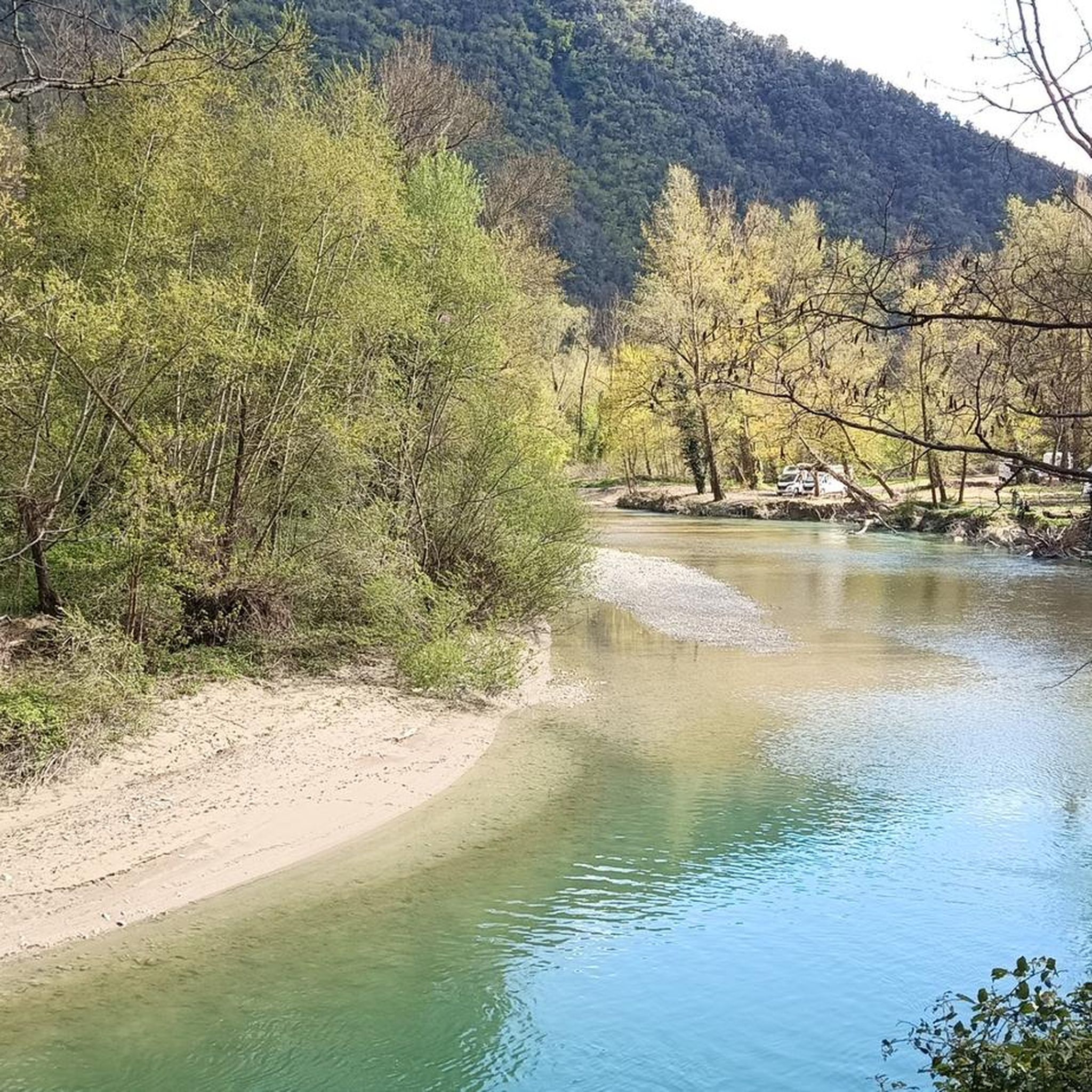
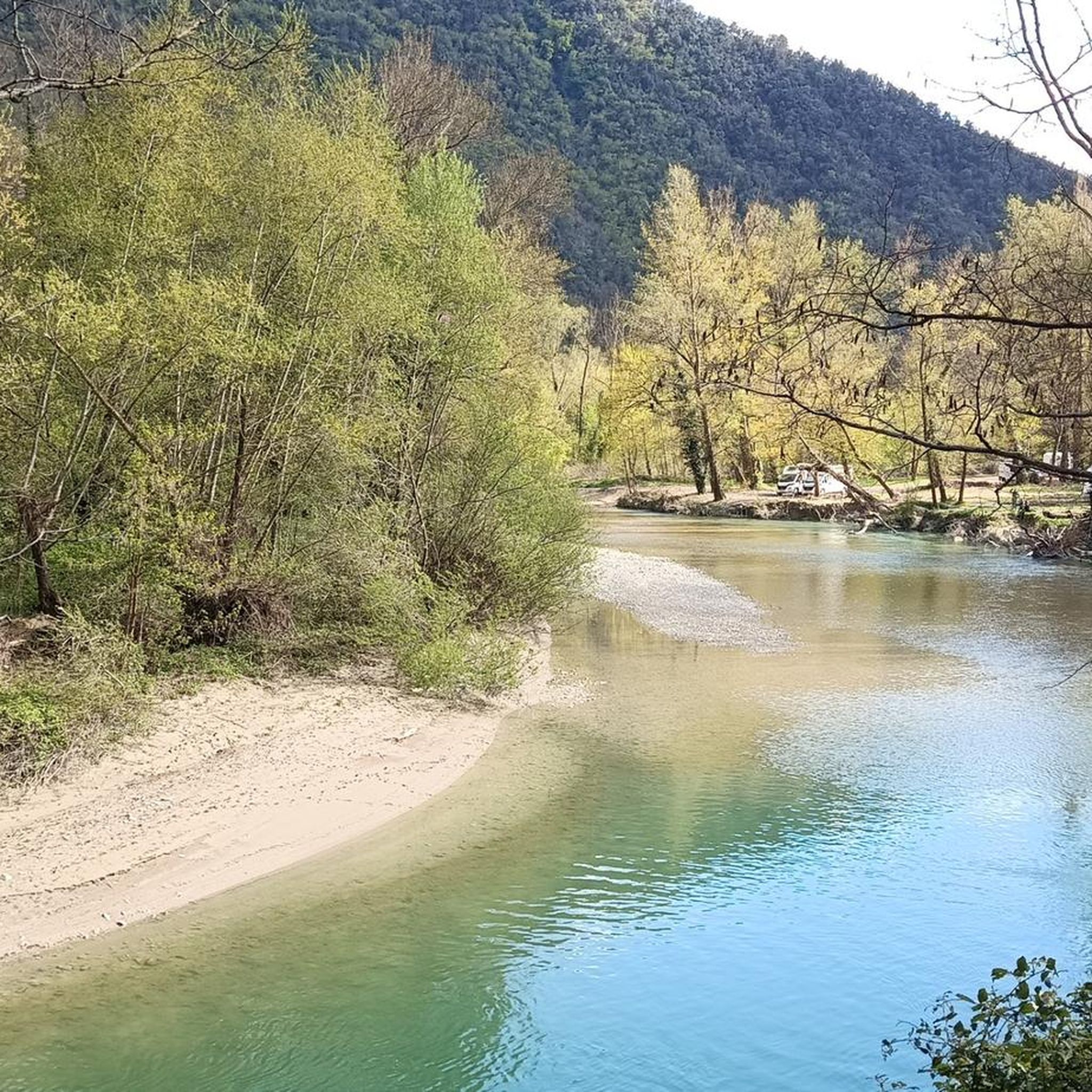
The Furlo Pass (also known as Gola del Furlo) is a gorge located in the Marche region of central Italy. This spectacular gorge is located along the ancient Via Flaminia, near the Candigliano river, a tributary of the Metauro. The Furlo gorge was formed between the Pietralata (889 m) and Paganuccio (976 m) mountains by the erosion of the Candigliano river. It has been included in a State Nature Reserve since 2001 and is often promoted to tourists in the region as the "Grand Canyon of Italy". The Roman emperor Vespasian had a tunnel built here to facilitate passage on the Via Flaminia at the narrowest point of the gorge. Next to it is a similar, but smaller tunnel dating back to Etruscan times. The Roman tunnel has a length of 38.30 meters and a height of 5.95 meters.
0
0
suggestive place (even if I always caught some great wind there) ═══════════════════ 168th excursion and 2nd time at Catria | double ring Monte Acuto and Monte Catria [Marche] ═══════════════════ 👇 here is the video in 4K 👇 https://youtu.be/Sf9gZQmEf08
1
0

The Furlo is a gorge located between Mount Pietralata (889 m) and Mount Paganuccio (976 m), created by the erosive force of the Candigliano river, a tributary of the Metauro.
1
0
Frequently Asked Questions
What are some of the most prominent natural monuments near Cagli?
The region around Cagli boasts several significant natural monuments. Among them are the dramatic Gola del Furlo Gorge, carved by the Candigliano River, and Monte Catria Summit, the highest peak in its immediate area. Another notable site is the Fondarca Arch, a natural rock formation that was once part of a larger cave.
Are there family-friendly natural monuments to visit near Cagli?
Yes, several natural monuments are suitable for families. The Gola del Furlo Gorge and Passo del Furlo are both categorized as family-friendly, offering accessible paths and stunning views. The Burano River Gorge, with its crystal-clear waters and natural pools like Gorga Brugnola, also provides a refreshing and enjoyable experience for all ages.
What kind of outdoor activities can I do near these natural monuments?
The natural monuments around Cagli offer diverse opportunities for outdoor activities. You can explore numerous hiking trails, go mountain biking, or enjoy road cycling. For detailed routes, check out the guides for Hiking around Cagli, MTB Trails around Cagli, and Road Cycling Routes around Cagli.
Are there historical sites integrated with the natural monuments?
Absolutely. The Gola del Furlo Gorge is particularly rich in history, featuring two Roman tunnels, including a 39-meter tunnel ordered by Emperor Vespasian. The Passo del Furlo is also a historical site along the ancient Via Flaminia. Additionally, the ruins of Mondelacasa Castle (the Muracci) are found on the northern slopes of Monte Nerone, offering a glimpse into the region's past amidst natural beauty.
What makes Monte Nerone a unique natural monument?
Monte Nerone, standing at 1,525 meters, is a prominent limestone massif known for its karst topography, including numerous caves and natural arches. It's a significant site for geologists and paleontologists, with rock strata revealing fossils. The mountain also boasts rich biodiversity and offers breathtaking views, making it popular for hiking and geological exploration.
Can I find challenging hiking trails among the natural monuments?
Yes, for those seeking a challenge, the ascent to Monte Catria Summit offers a rewarding experience with diverse landscapes and stunning views. Monte Nerone also provides challenging routes, especially when exploring its caves and karst formations with experienced guides. You can find more challenging routes in the Hiking around Cagli guide.
What kind of wildlife can be observed in the natural reserves?
The natural reserves around Cagli are home to diverse wildlife. At the Gola del Furlo Gorge, you might spot golden eagles and peregrine falcons. Monte Nerone's nature park protects fallow deer, wild boar, falcons, and eagles. Monte Catria is also a haven for diverse fauna, including rare golden eagles and various hawk species.
What are the geological features of the natural monuments near Cagli?
The region is characterized by impressive geological formations. The Gola del Furlo Gorge is a deep cleft carved by the Candigliano River through limestone walls. Monte Nerone is a limestone massif with extensive karst topography, featuring caves and natural arches. The Fondarca Arch is a natural rock arch, a remnant of a collapsed cave, surrounded by cracks and rock shelters.
Are there any natural pools or river areas for swimming or relaxation?
Yes, the Burano River Gorge is an excellent spot for relaxation. Specifically, Gorga Brugnola, also known as Le Caldare or 'Pozze di Foci,' features crystal-clear waters, small waterfalls, and natural pools created by the river's current. It's an enchanting place ideal for a refreshing dip during warmer months, with small beaches perfect for resting.
What do visitors particularly enjoy about the natural monuments around Cagli?
Visitors frequently praise the stunning views and the sense of untouched nature. For instance, the Gola del Furlo Gorge is described as a 'unique and uncontaminated place' and a 'point of extreme charm.' The view from Monte Catria Summit is considered highly rewarding despite the challenging path. The tranquility and diverse landscapes are consistently highlighted as major draws.
Is Monte Catria suitable for activities beyond hiking?
Yes, Monte Catria offers a wide range of activities. Besides numerous hiking routes, it's popular for mountain biking and horseback riding. During winter, its twin peak, Monte Acuto, even offers opportunities for skiing. The mountain's varied landscapes, including meadows, pastures, and woods, make it versatile for different outdoor pursuits throughout the year.
What is the best time to visit the natural monuments near Cagli?
The natural monuments around Cagli can be enjoyed year-round, with each season offering a different experience. Spring and autumn are ideal for hiking and cycling due to milder temperatures and vibrant foliage. Summer is perfect for enjoying the natural pools of the Burano River Gorge. Even winter offers opportunities for hiking and skiing on peaks like Monte Catria, with breathtaking snowy landscapes.
Most popular attractions around Cagli

Get inspired with the komoot mobile app


Explore more
Extend your search for the best caves by checking out these guides of the top ones around Cagli:
