Top 20 Natural Monuments around Doberdò Del Lago / Doberdob
Best natural monuments around Doberdò Del Lago / Doberdob are found on the Karst Plateau, a region defined by its porous limestone and numerous underground formations. This area features unique hydrological systems, including intermittent lakes and extensive cave networks, contributing to its distinctive natural landscape. The region offers a blend of geological interest and rich biodiversity, making it a destination for nature enthusiasts interested in Doberdò del Lago natural attractions.
Best natural monuments around Doberdò Del Lago / Doberdob
- The…
Last updated: June 28, 2026
Summit 3 of Monte San Michele
Highlight • Viewpoint
Translated by Google •
Tip by

Duino Castle
Highlight • Castle
Translated by Google •
Tip by

Sign up now to discover places like this
Get recommendations on the best single tracks, peaks, & plenty of other exciting outdoor places.
Sign up for free
Monument to Filippo Corridoni
Highlight • Monument
Translated by Google •
Tip by

Timavo springs and the Church of San Giovanni in Tuba
Highlight • River
Translated by Google •
Tip by

Isola della Cona – Foce dell'Isonzo Nature Reserve
Highlight • Natural Monument
Translated by Google •
Tip by

Sign up for free to discover even more natural monuments around Doberdò Del Lago / Doberdob.
Sign up for free
Already have an account?
Start today with a free account
Your next adventure awaits.
Login or Signup
Popular around Doberdò Del Lago / Doberdob
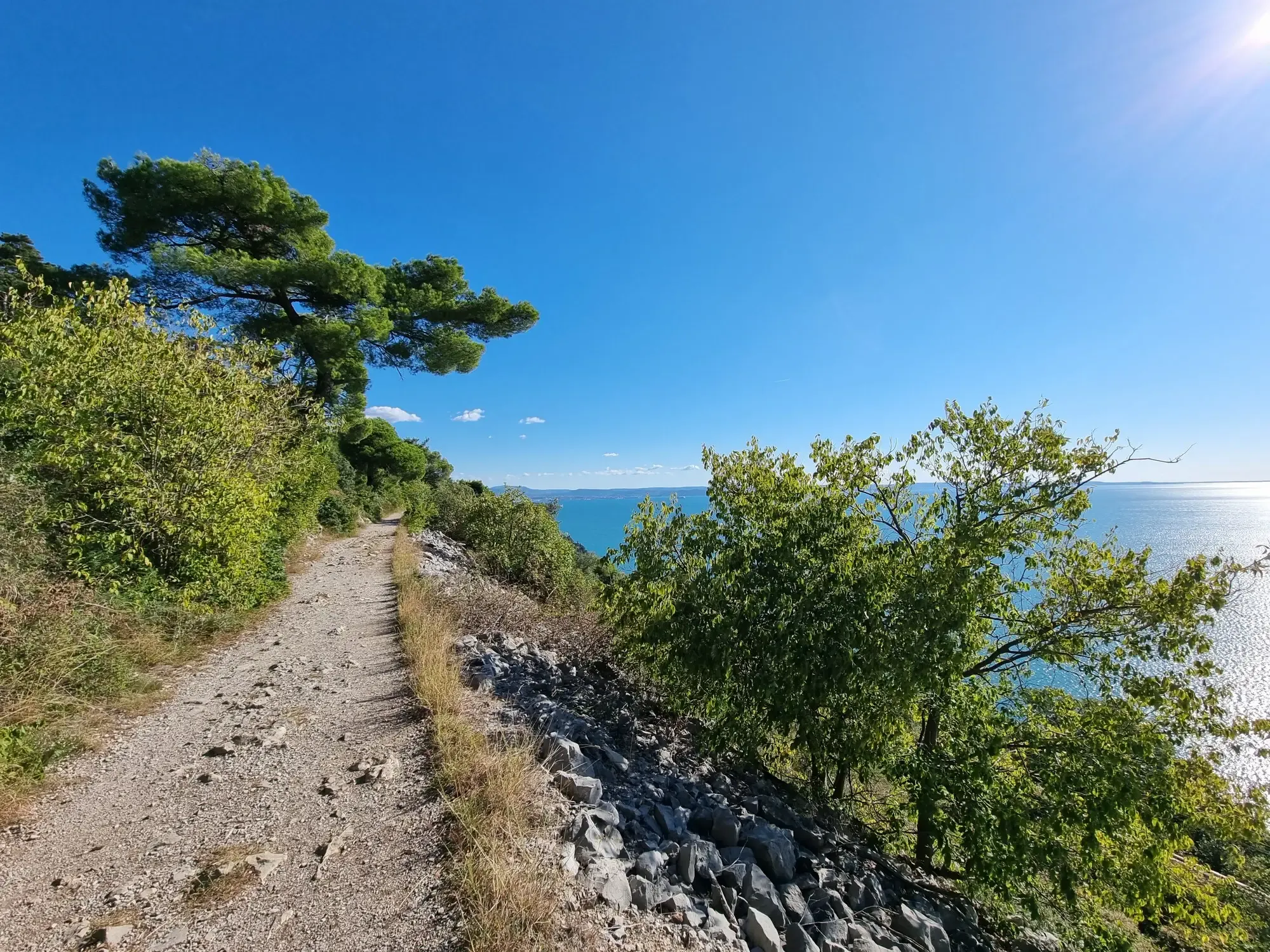
Dense forests and scenic trails – Carso Trail 2023
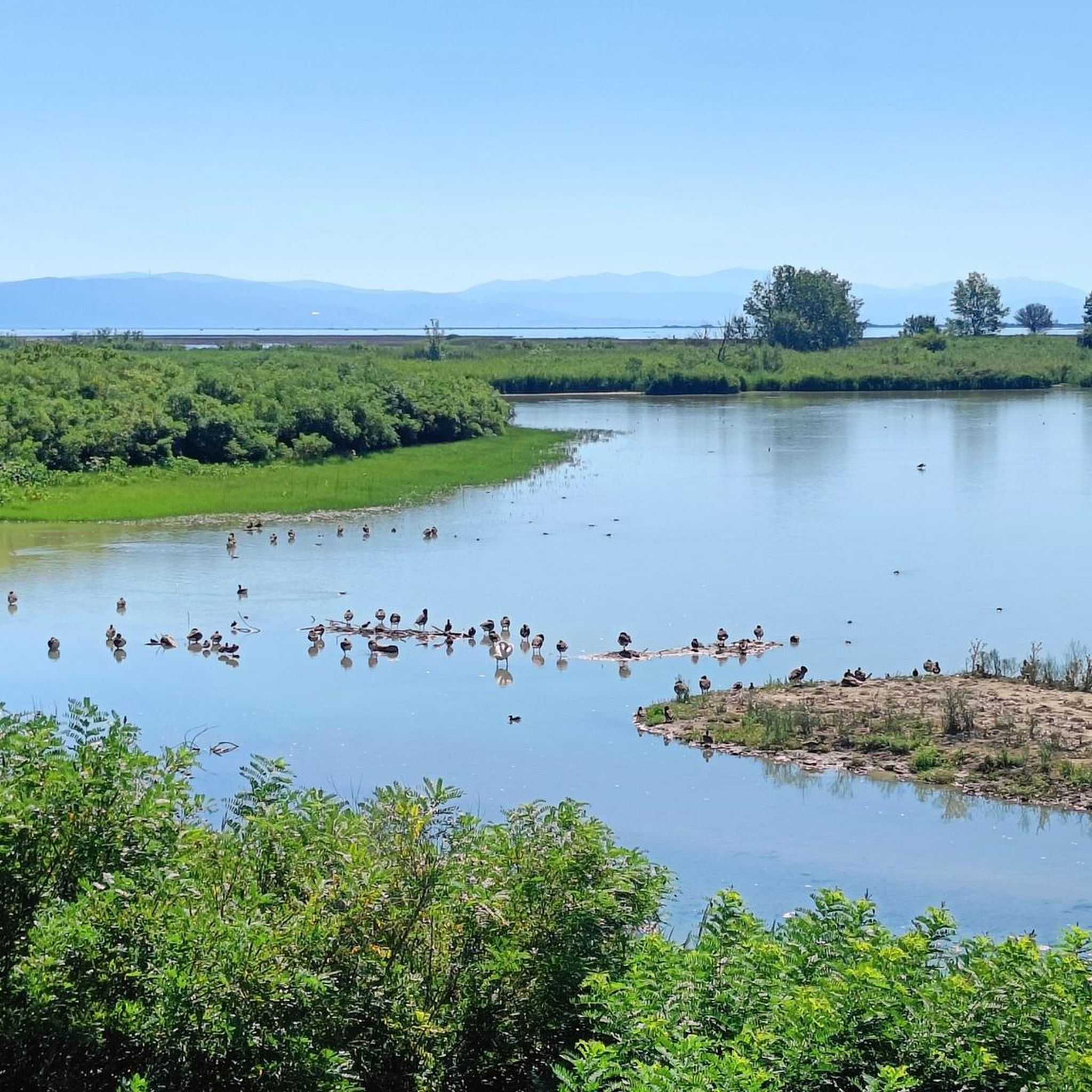
Hiking around Doberdò Del Lago / Doberdob
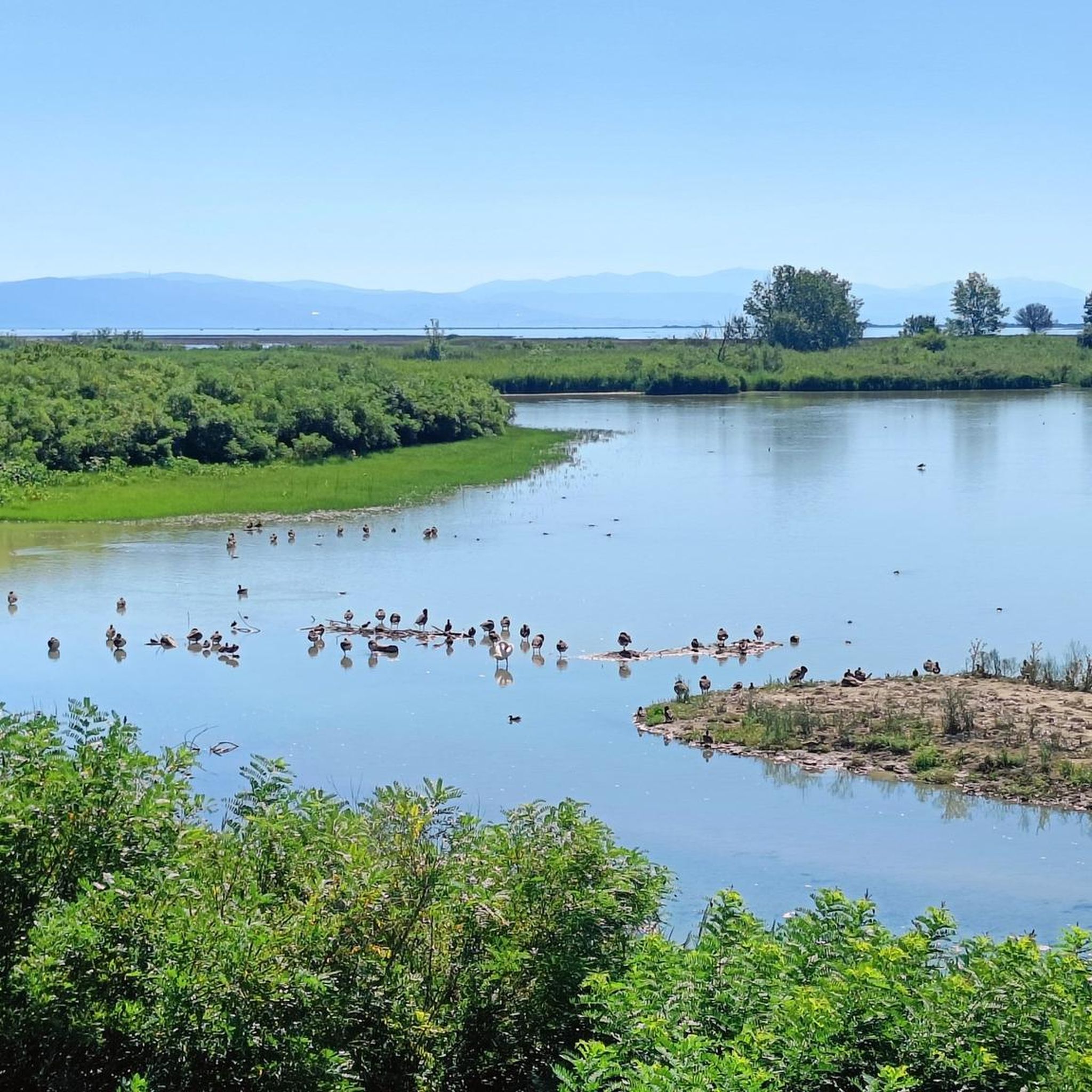
Road Cycling Routes around Doberdò Del Lago / Doberdob
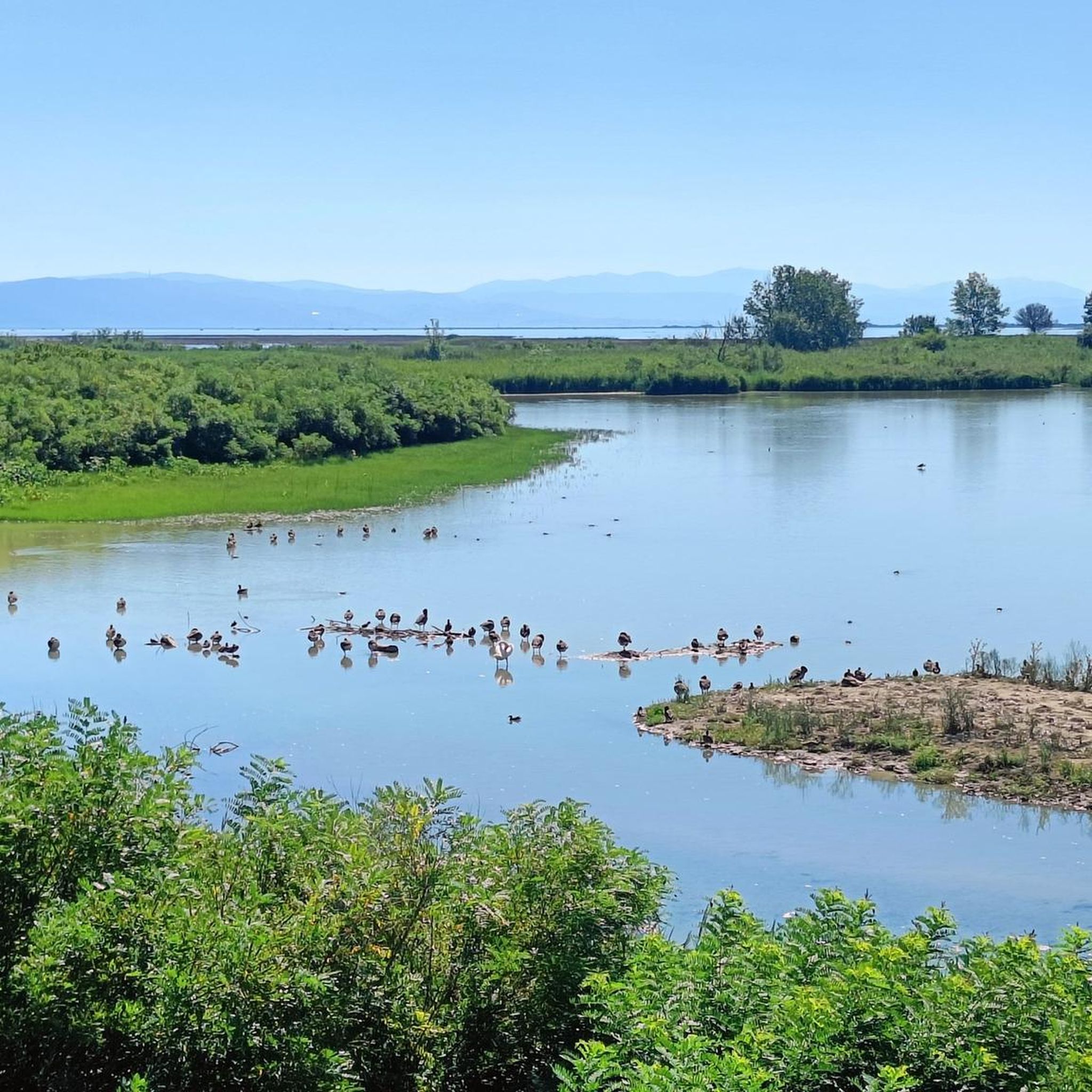
MTB Trails around Doberdò Del Lago / Doberdob
Gravel biking around Doberdò Del Lago / Doberdob
Cycling around Doberdò Del Lago / Doberdob
Running Trails around Doberdò Del Lago / Doberdob
Other adventures around Doberdò Del Lago / Doberdob

Tips from the Community

Perched on a steep karst spur plunging into the blue of the Gulf of Trieste, Duino Castle embodies the charm of Central European nobility and poetic inspiration. Owned by the Della Torre e Tasso family, this historic residence welcomes visitors amidst sumptuous halls, precious relics, and the famous Palladian spiral staircase. But it is outside that the magic happens: the lush Mediterranean park and the Rilke Trail offer breathtaking panoramas that captivated the soul of Rainer Maria Rilke, who began composing his famous Elegies here. Walking among the ancient walls and the modern Second World War bunker, you breathe an atmosphere suspended in time, where the white rock of the cliffs meets the vastness of the Adriatic in an embrace of rare beauty.
0
0

Dominating the sea, this village always offers unexpected surprises.
0
0

In the area of the Risorgive del Timavo, where the Timavo river emerges from the vegetation, the medieval church of San Giovanni in Tuba stands suggestively with its late Gothic style.
0
0

A fairly well-kept panoramic area, although with a series of works in progress
1
0

This monument is nothing short of enchanting, not only for the structure but also for the site in which it is located, breathtaking!
1
0
www.viaggiatorelento.com Dating back to 1483, the place of worship is a rare example in the region of Gothic ogival style of Carinthian taste. It was built at the behest of the Walsee lords and partly rebuilt after the damage of the Second World War. It stands on the site of an early Christian basilica, of which a wall and a mosaic dating back to the 5th century are preserved in the presbytery, built on an ancient Roman temple. From 568 the territory was occupied by the Lombards. In 615 various relics and precious furnishings of the basilica of Aquileia were buried in the church to save them from the barbarian attack by the Avars on the Friuli area, they remained buried until their discovery in 1085. Around 950 the monastery of San Giovanni al Timavo or Tuba also arose. The monastery and the church were rebuilt again by the Benedictine monks towards the middle of the 10th century in conjunction with the chapter of the cathedral of San Giusto in Trieste which had rights over the church. In the 11th century the fief of Duino depended on the Patriarchate of Aquileia and the patriarch Enrico united the monastery of San Giovanni to the abbey of San Martino della Beligna in Aquileia, the patriarch Ulrico also confirmed this union. In 1085 during the restoration works the ancient buried treasure was discovered and brought back to Aquileia, the discovery increased the fame of the monastery and in particular the festival for the feast of the day of its patron saint (June 24), it began to attract a multitude of people from every part of the Carso up to Trieste, the patriarch Ulrico in 1112 had the basilica rebuilt, expanding it and in 1120 it became an abbey and therefore provided it with large possessions: ten mansi located in Duino, the parish of Marciliana (Monfalcone) and ten mansi in the locality of Gradisca. Source Wikipedia
0
0
The springs of the Timavo River, where the river resurfaces from its underground path for the last stretches before the sea. The area of the springs, located in the municipality of Duino-Aurisina, has been an important place of worship since ancient times. The presence of a river that flowed from the earth had intrigued and frightened primitive populations. Diomedes, Hercules, Saturn, the Spes Augusta, Liber Augustus and the god Temavus were venerated. Virgil was so impressed by it that he mentioned it three times: Eclogue VIII, 6, Georgics, book III, 475 and Aeneid, book I, 244. The Via Flavia passed through here and in the area of the mouth of the Timavo the amber road reached the Adriatic Sea, along which the precious fossil resin was imported from the Baltic since pre-Roman times.
0
0

Between Monfalcone and Trieste lies a spectacular castle overlooking the sea: Duino Castle, the private residence of the Princes of Thurn and Taxis. The castle has been open to the public since July 1, 2003. Be sure to plan a stop, it's worth it!
1
0
Frequently Asked Questions
What are the unique natural features of the Doberdò Del Lago / Doberdob region?
The Doberdò Del Lago / Doberdob region is primarily defined by its unique Karst Plateau landscape. This area features porous limestone, leading to numerous underground formations like approximately two hundred caves, including notable examples such as Abisso Bonetti and Grotta dell'Artiglieria. It also boasts distinctive hydrological systems, most notably the intermittent Lake Doberdò, one of Europe's few karstic intermittent lakes, whose water levels fluctuate dramatically.
What kind of hiking opportunities are available near the natural monuments?
The region offers diverse hiking opportunities. For instance, you can explore the Natural Reserve of the Doberdò and Pietrarossa Lakes, which has trails for exploring wetland landscapes that merge into steppe and karst fields. Other routes include the 'Lago di Doberdò — ring tour' and the 'Carso Trail to Abisso di Bonetti'. You can find more detailed hiking routes in the Hiking around Doberdò Del Lago / Doberdob guide.
Are there family-friendly natural monuments to visit?
Yes, several natural monuments are suitable for families. The Isola della Cona – Foce dell'Isonzo Nature Reserve is a great option, offering a Visitor Center and various trails, including a shorter circular path (around 40 minutes) that's easy to navigate. The Timavo springs and the Church of San Giovanni in Tuba is also considered family-friendly and easy to reach.
Where can I find the best viewpoints of the Karst landscape?
For panoramic views of the surrounding Karst and valleys, Summit 3 of Monte San Michele is an excellent choice. It provides a strategic observation point overlooking the Isonzo valley and is appreciated by visitors for its suggestive vistas.
What historical sites are integrated with the natural monuments?
The region's natural landscape is deeply intertwined with its history. Monte San Michele, while a natural hill, is also a significant open-air museum of World War I, featuring trenches and fortifications within its karst environment. The Timavo springs and the Church of San Giovanni in Tuba also have historical significance, with the church being an ancient site and the surrounding area bearing remnants of WWI fighting.
What is the best time to visit the natural monuments in Doberdò Del Lago / Doberdob?
The best time to visit depends on your interests. Spring and autumn generally offer pleasant temperatures for hiking and exploring. For bird-watching, the Natural Reserve of the Doberdò and Pietrarossa Lakes is particularly rewarding during periods of fluctuating water levels, which support diverse aquatic flora and fauna. Summer can be warm, but still suitable for early morning or late afternoon activities.
Are there opportunities for bird-watching in the area?
Yes, the Natural Reserve of the Doberdò and Pietrarossa Lakes is an excellent location for bird-watching. The unique hydrological regime of Lake Doberdò supports a rich aquatic flora and fauna, attracting a wide variety of bird species. The Isola della Cona – Foce dell'Isonzo Nature Reserve is also known for its diverse avifauna, with hundreds of species frequenting the area, and features observation points and hides for bird-watching.
What kind of wildlife can I expect to see?
The region's diverse ecosystems support various wildlife. In the Natural Reserve of the Doberdò and Pietrarossa Lakes, you might spot woodpeckers (like the lesser spotted woodpecker), roe deer, and even the elusive golden jackal. The reserve also harbors rare plant species. The Isola della Cona – Foce dell'Isonzo Nature Reserve is home to hundreds of bird species, as well as gray geese and Camargue horses in the wild.
Are there any cycling routes near the natural monuments?
Yes, the area offers various cycling routes. For gravel biking, you can find options like the 'Vipava River Cycle Path – Summit 3 of Monte San Michele loop' or the 'Grado Dam – Lagoon Cycle Path loop'. Road cycling routes are also available, such as the 'Scenic Coastal Road Near Duino' loop. More details can be found in the Gravel biking around Doberdò Del Lago / Doberdob guide and the Road Cycling Routes around Doberdò Del Lago / Doberdob guide.
What is the typical terrain like for exploring natural monuments in Doberdò Del Lago / Doberdob?
The terrain is predominantly karst, characterized by porous limestone. This means you'll encounter a landscape with unique geological formations, including sinkholes, caves, and rocky outcrops. Trails can vary in difficulty, from easy paths around lakes and visitor centers to more challenging routes with elevation changes, especially around areas like Monte San Michele.
Is there a visitor center for more information about the natural monuments?
Yes, the Gradina Visitor Centre within the Natural Reserve of the Doberdò and Pietrarossa Lakes provides a museum route with informative displays, making it an educational experience. Similarly, the Visitor Center at Isola della Cona offers information about the Foce dell'Isonzo Nature Reserve.
Are there any natural monuments that are less known but worth visiting?
Beyond the more prominent sites, the broader Karst Plateau itself, with its extensive network of approximately two hundred caves like Abisso Bonetti and Grotta dell'Artiglieria, offers a deeper insight into the region's unique geology. While many caves require specialized access, the surface features provide a fascinating glimpse into these underground wonders. The botanical forest garden surrounding Grotta Nera, despite the cave being closed, offers a pleasant walk through local flora.
Most popular routes around Doberdò Del Lago / Doberdob
Most popular attractions around Doberdò Del Lago / Doberdob

Get inspired with the komoot mobile app


Explore more
Extend your search for the best caves by checking out these guides of the top ones around Doberdò Del Lago / Doberdob:
