Top 20 Natural Monuments around La Valle Agordina
Natural monuments around La Valle Agordina are situated within the Dolomites UNESCO World Heritage site and largely encompassed by the Dolomiti Bellunesi National Park. This region features a diverse landscape characterized by majestic mountains, unique geological formations, and varied natural environments. The area offers a blend of alpine lakes, deep gorges, and challenging peaks, providing opportunities to observe significant natural landmarks.
Best natural monuments around La Valle Agordina
- The most popular natural monuments is Lake Coldai, a lake that…
Last updated: June 28, 2026
Monte Civetta Summit
Highlight • Summit
Tip by

Lake Coldai
Highlight • Lake
Translated by Google •
Tip by

Sign up now to discover places like this
Get recommendations on the best single tracks, peaks, & plenty of other exciting outdoor places.
Sign up for free
Lake del Mis
Highlight • Lake
Translated by Google •
Tip by
Bus del Buson Gorge
Highlight • Gorge
Translated by Google •
Tip by
Val Falcina Nature Trail
Highlight (Segment) • Trail
Translated by Google •
Tip by
Sign up for free to discover even more natural monuments around La Valle Agordina.
Sign up for free
Already have an account?
Start today with a free account
Your next adventure awaits.
Login or Signup
Popular around La Valle Agordina
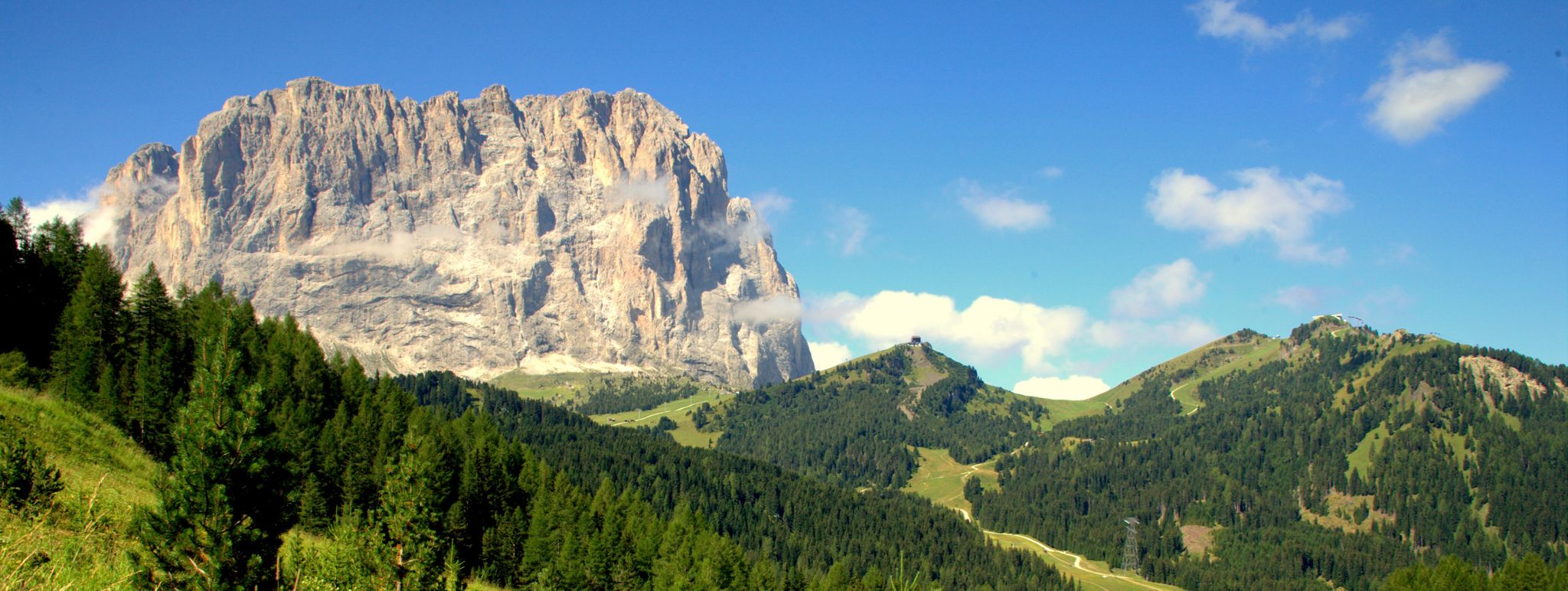
Via Venezia Alpina – hiking across the Alps to the Adriatic Sea
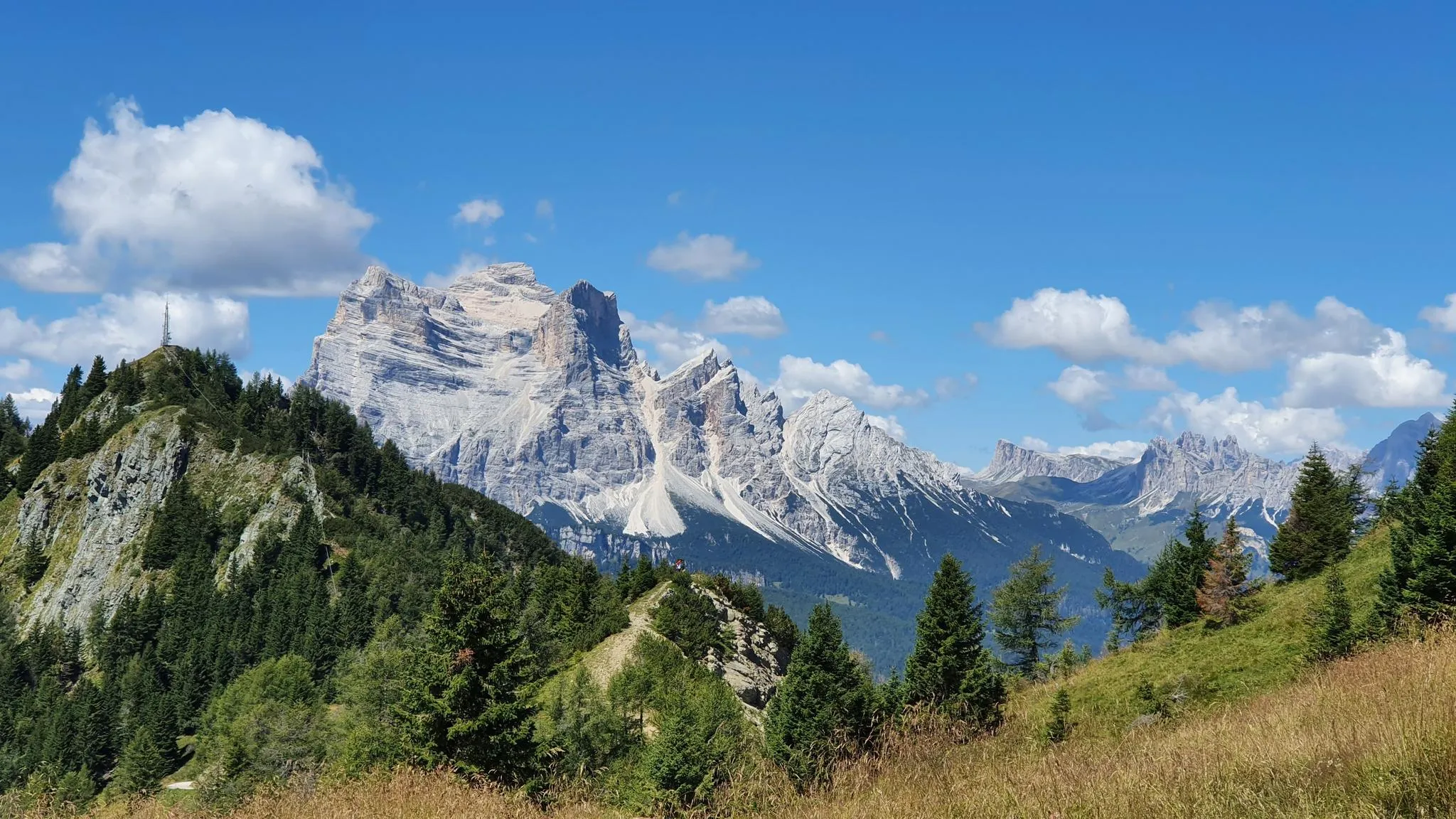
Crowns of Val di Zoldo – Dolomiti Extreme Trail
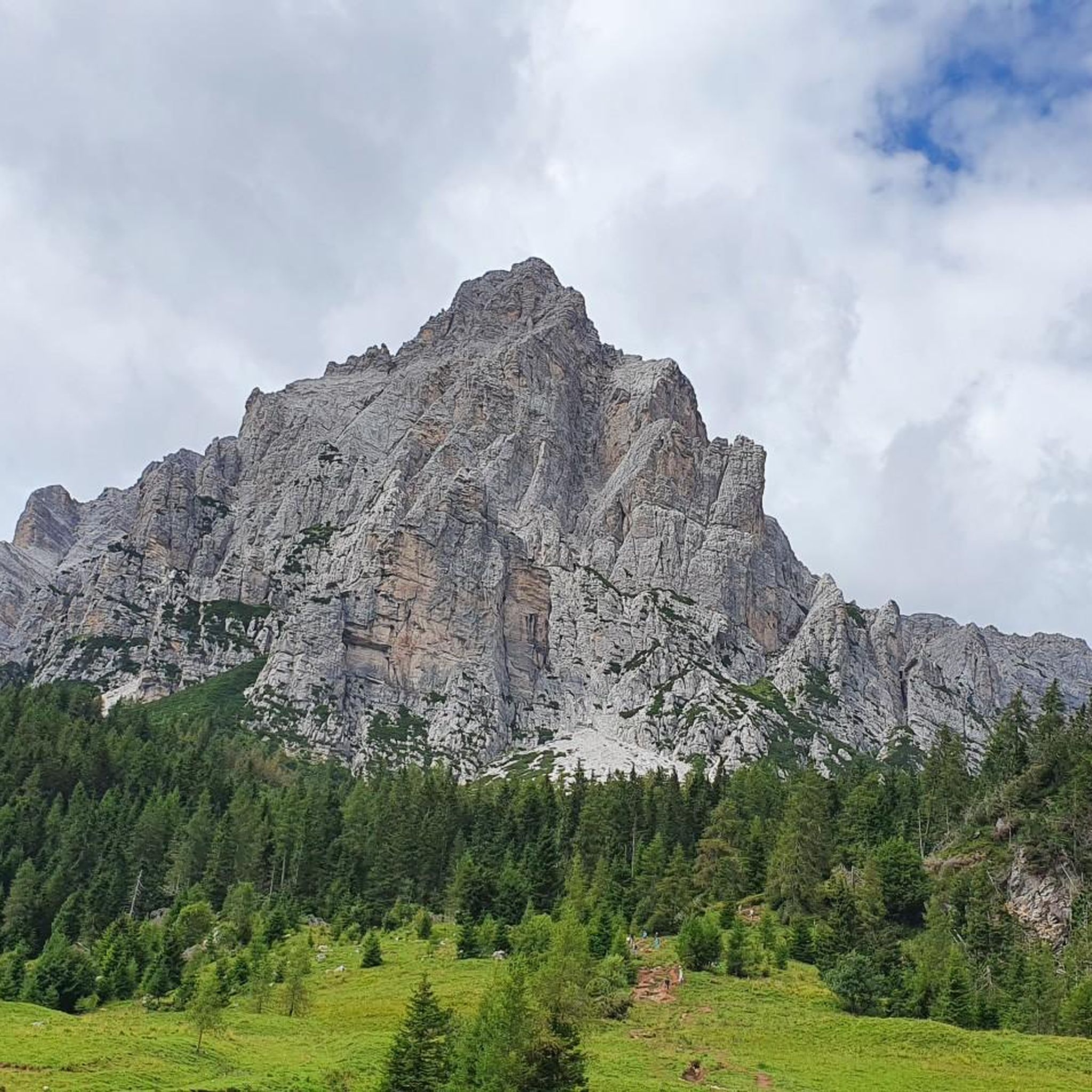
Hiking around La Valle Agordina
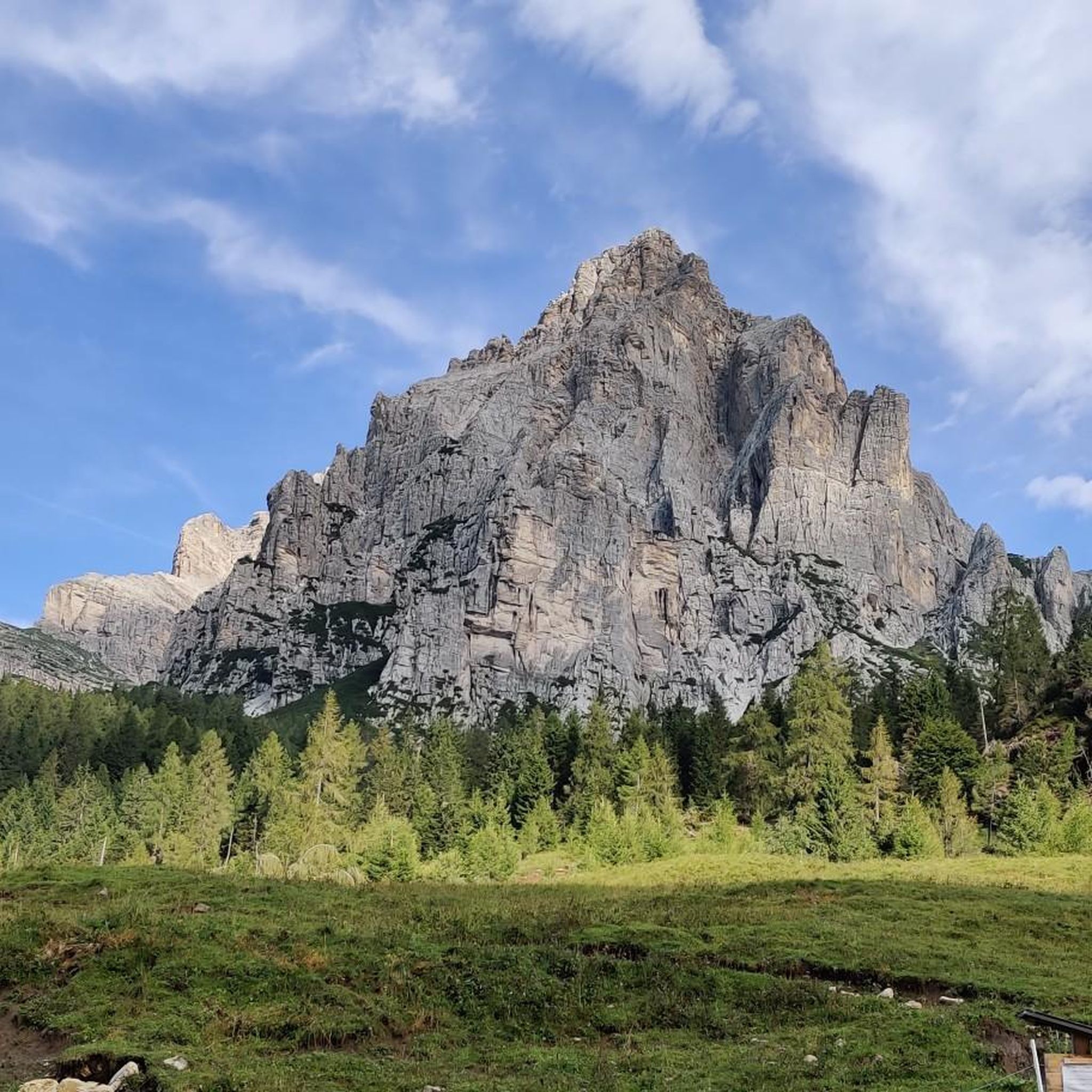
Road Cycling Routes around La Valle Agordina
Cycling around La Valle Agordina
MTB Trails around La Valle Agordina

Mountain Hikes around La Valle Agordina
Running Trails around La Valle Agordina

Gravel biking around La Valle Agordina


Tips from the Community

One of the most peculiar places you can find in the Belluno Dolomites, and almost nobody knows it. The Bus del Buson is a fossil gorge: very high and smooth rock walls, total silence, no water — the Ardo stream changed its course millennia ago, leaving this canyon suspended in time. Short (approx. 1.5 hours) but challenging loop trail: the descent to the gorge is steep and the ground is slippery even in dry weather. Trekking shoes are essential, poles are recommended. To be avoided in rain or frost.
0
0

nice little walk with the scent of cyclamens in this period
0
0

It is also called Bus de la S'cesòra (notch): it is a cut in the rock, which proceeds between rocky walls that almost touch each other. This gorge was carved by a subglacial torrent, about 15 thousand years ago. A landslide diverted the torrent that left the gorge, carving out a new path parallel to the original one: in fact the Ardo flows 150 meters lower
1
0


Very worth seeing, you have to see it
1
0

Once out of the Canyons, go up slightly until you reach a crossroads: follow the signs for Rifugio VII Alpini
0
0

Mount Civetta, at 3,220 meters above sea level, is the highest peak in the Zoldo Dolomites. From here the panoramic view is endless: hundreds of peaks, valleys and forests intermingle creating a unique postcard. On clear days you can even see the tops of the Austrian Alps.
1
1

The normal route covers many unstable turns. The steep passages are equipped via Ferrata on better rock. Race to be undertaken with the necessary mountain baggage.
0
1
Frequently Asked Questions
Which natural monuments in La Valle Agordina are suitable for families?
For families, Lake del Mis is a great option, known for its family-friendly atmosphere within the Belluno Dolomites National Park. Another excellent choice is the Val Falcina Nature Trail, which offers an easy ring trail with informative panels about local geology, botany, and fauna, making it engaging for all ages.
What kind of geological features can I expect to see in La Valle Agordina's natural monuments?
La Valle Agordina is rich in diverse geological features. You can explore glacial formations at Lake Coldai, an alpine lake of glacial origin. The region also boasts dramatic gorges like the Bus del Buson Gorge, a deep gully carved by ancient waters, and the Val Clusa Gorge, renowned for its towering walls and diverse rock colors.
Are there challenging natural monuments for experienced hikers or climbers?
Yes, for experienced adventurers, Monte Civetta Summit offers a challenging climb to one of the highest peaks in the Dolomites, providing breathtaking views. The Val Clusa Gorge is also a prime location for extreme canyoning, attracting enthusiasts from across Europe for its demanding routes.
What is the best time of year to visit the natural monuments in La Valle Agordina?
The best time to visit is generally during the warmer months, from late spring to early autumn (May to October). During this period, hiking trails are more accessible, and the weather is ideal for outdoor activities. Winter offers opportunities for ski mountaineering and snowshoeing, particularly around Passo Duran, but requires specific gear and experience.
Can I find hiking trails near these natural monuments?
Absolutely. The region is a hiker's paradise. For example, Lake Coldai is a popular destination with spectacular hiking routes. You can find numerous trails of varying difficulty, including sections of the Alta Via 1, which passes through the area. For more detailed routes, explore the hiking guide for La Valle Agordina.
Are there any natural monuments that offer panoramic viewpoints?
Many natural monuments in La Valle Agordina provide stunning panoramic views. Monte Civetta Summit offers expansive vistas in all directions. Passo Duran is another excellent spot, providing splendid views of Val Zoldana and a privileged observation point for Monte Pelmo, Cristallo, Antelao, and Croda da Lago.
What outdoor activities, besides hiking, can I do near the natural monuments?
Beyond hiking, La Valle Agordina offers a range of outdoor activities. Passo Duran is frequented by rock climbers in summer and ski mountaineering and snowshoeing enthusiasts in winter. The Val Clusa Gorge is a renowned spot for canyoning. You can also find excellent routes for gravel biking and cycling throughout the region.
Are dogs allowed at the natural monuments in La Valle Agordina?
While many outdoor areas in the Dolomites are dog-friendly, it's always best to check specific regulations for each natural monument or protected area. Generally, dogs are allowed on trails if kept on a leash, but some sensitive natural areas or refuges might have restrictions. Always ensure to clean up after your pet.
What makes Lake Coldai a unique natural monument?
Lake Coldai is unique due to its glacial origin and distinctive green color, attributed to the mineral mixture in its waters. Situated at 2,143 meters at the base of Monte Civetta, it's surrounded by imposing rock walls and vibrant meadows, offering a stunning reflection of Monte Civetta on its surface. It's a highly popular hiking destination for its spectacular setting.
Is there public transport available to reach the natural monuments?
Public transport options in mountainous regions like La Valle Agordina can be limited, especially to higher-altitude natural monuments. While some villages are served by local bus lines, reaching specific trailheads or remote sites often requires a car. It's advisable to research specific routes and schedules in advance if relying on public transport.
Are there any natural monuments with historical or cultural significance?
While the natural monuments primarily showcase geological and ecological wonders, the broader Dolomiti Bellunesi National Park, which encompasses many of these sites, has a rich history tied to human interaction with the alpine environment. The ancient pathways and traditional mountain huts (rifugi) found throughout the region reflect centuries of local culture and mountaineering heritage.
Where can I find food and drink near the natural monuments?
Near popular natural monuments and trailheads, you can often find mountain huts (rifugi) or small cafes that offer refreshments and meals. For example, Rifugio Coldai is located near Lake Coldai. In the main towns and villages of La Valle Agordina, such as Agordo, you'll find a wider selection of restaurants, pizzerias, and bars.
Most popular routes around La Valle Agordina
Most popular attractions around La Valle Agordina

Get inspired with the komoot mobile app


Explore more
Extend your search for the best caves by checking out these guides of the top ones around La Valle Agordina:
