Top 20 Natural Monuments around Torre Pellice
Best natural monuments around Torre Pellice are found within the Pellice Valley, a region characterized by its diverse geological features and the Pellice River. This area, nestled in the northern Cottian Alps, offers a variety of significant natural attractions. The landscape includes ancient trees, fluvial-glacial origins, and diverse flora. Visitors can explore these features through various hiking trails and natural sites.
Best natural monuments around Torre Pellice
- The most popular natural monuments is 13 Lakes Plateau (Pian dei 13 Laghi)…
Last updated: June 28, 2026
13 Lakes Plateau (Pian dei 13 Laghi)
Highlight (Segment) • Lake
Translated by Google •
Tip by

Bruno Peyronel Alpine Botanical Garden
Highlight • Natural Monument
Translated by Google •
Tip by

Sign up now to discover places like this
Get recommendations on the best single tracks, peaks, & plenty of other exciting outdoor places.
Sign up for free
Villanova Waterfall
Highlight • Waterfall
Translated by Google •
Tip by

Lake of the Cannons
Highlight • Lake
Translated by Google •
Tip by

Tumpi
Highlight • Natural Monument
Translated by Google •
Tip by

Sign up for free to discover even more natural monuments around Torre Pellice.
Sign up for free
Already have an account?
Start today with a free account
Your next adventure awaits.
Login or Signup
Popular around Torre Pellice
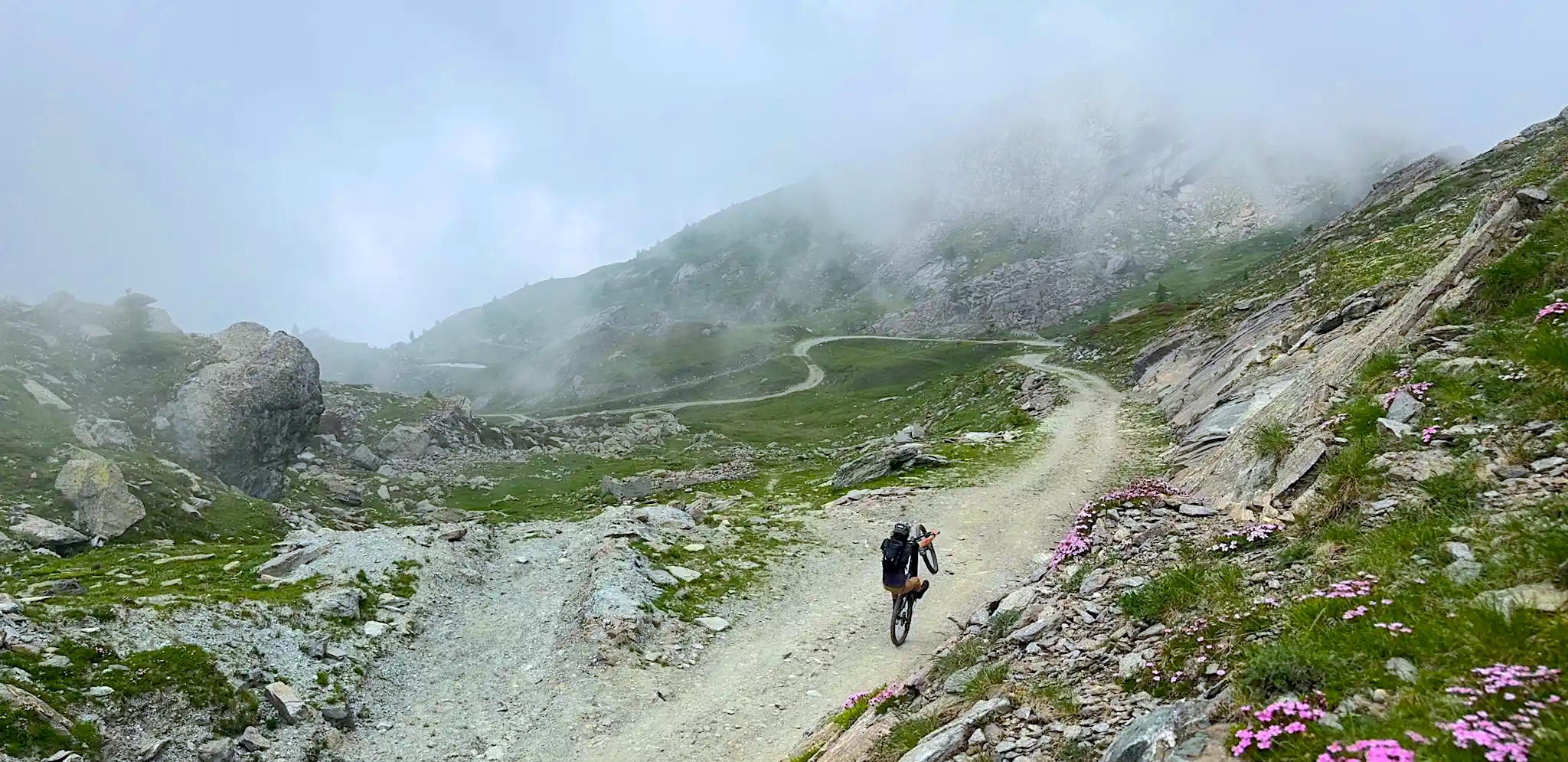
MTB between refuges, quarries and valleys in the Pinerolo region
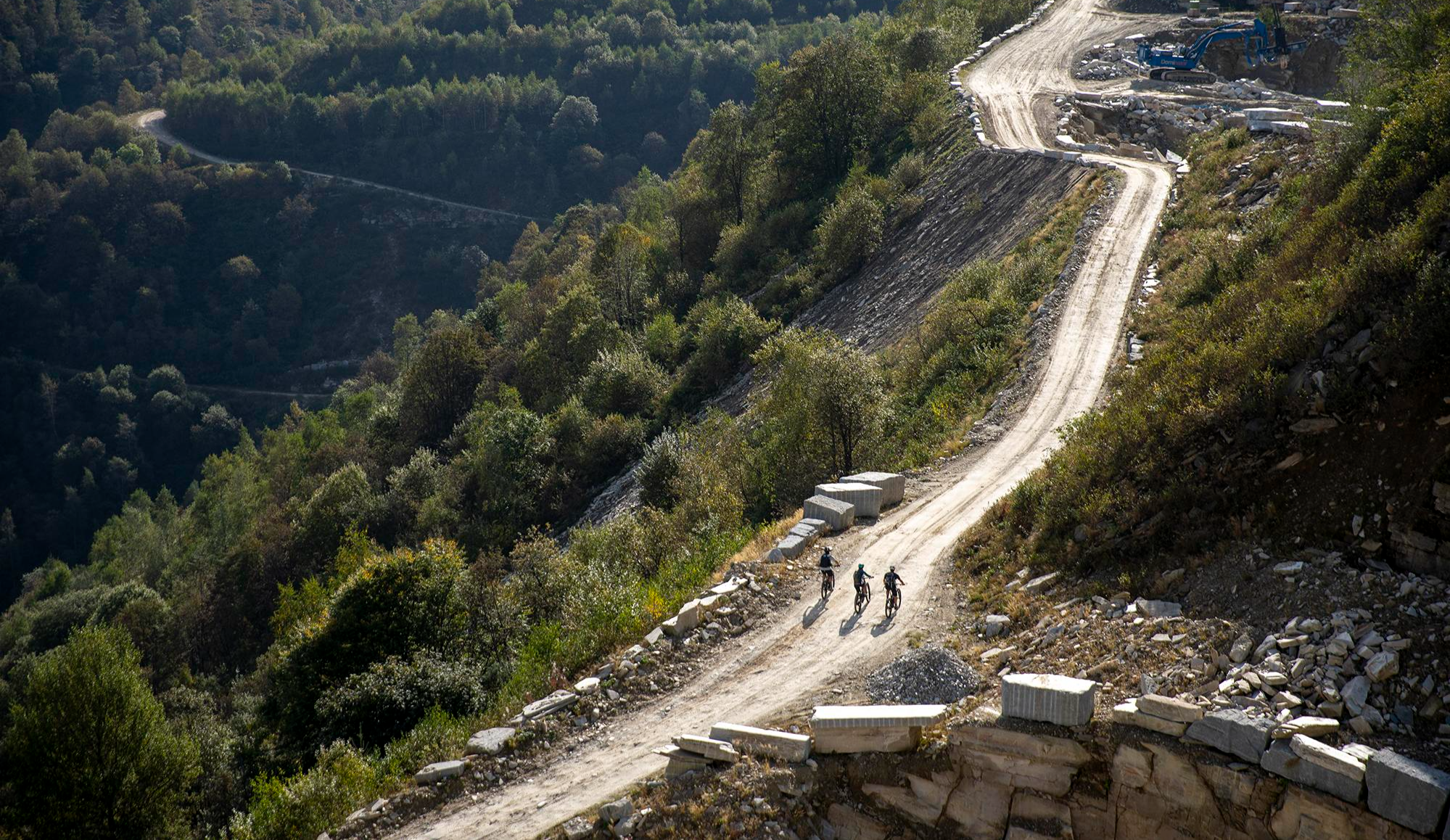
Three days on gravel in the Pinerolese – quarries, forests and dirt tracks
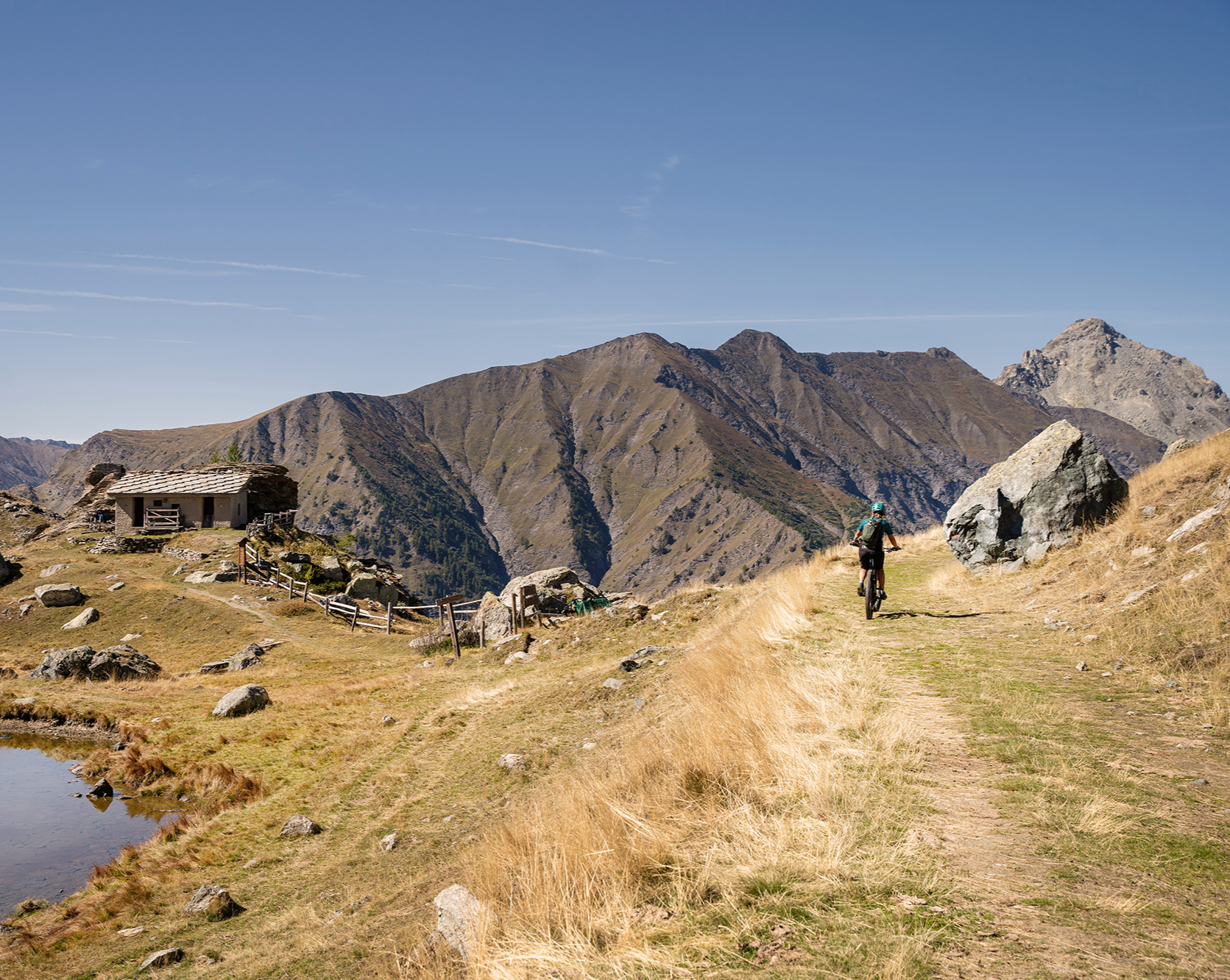
Pinerolese Terra di Bici – Upslowtour MTB loops
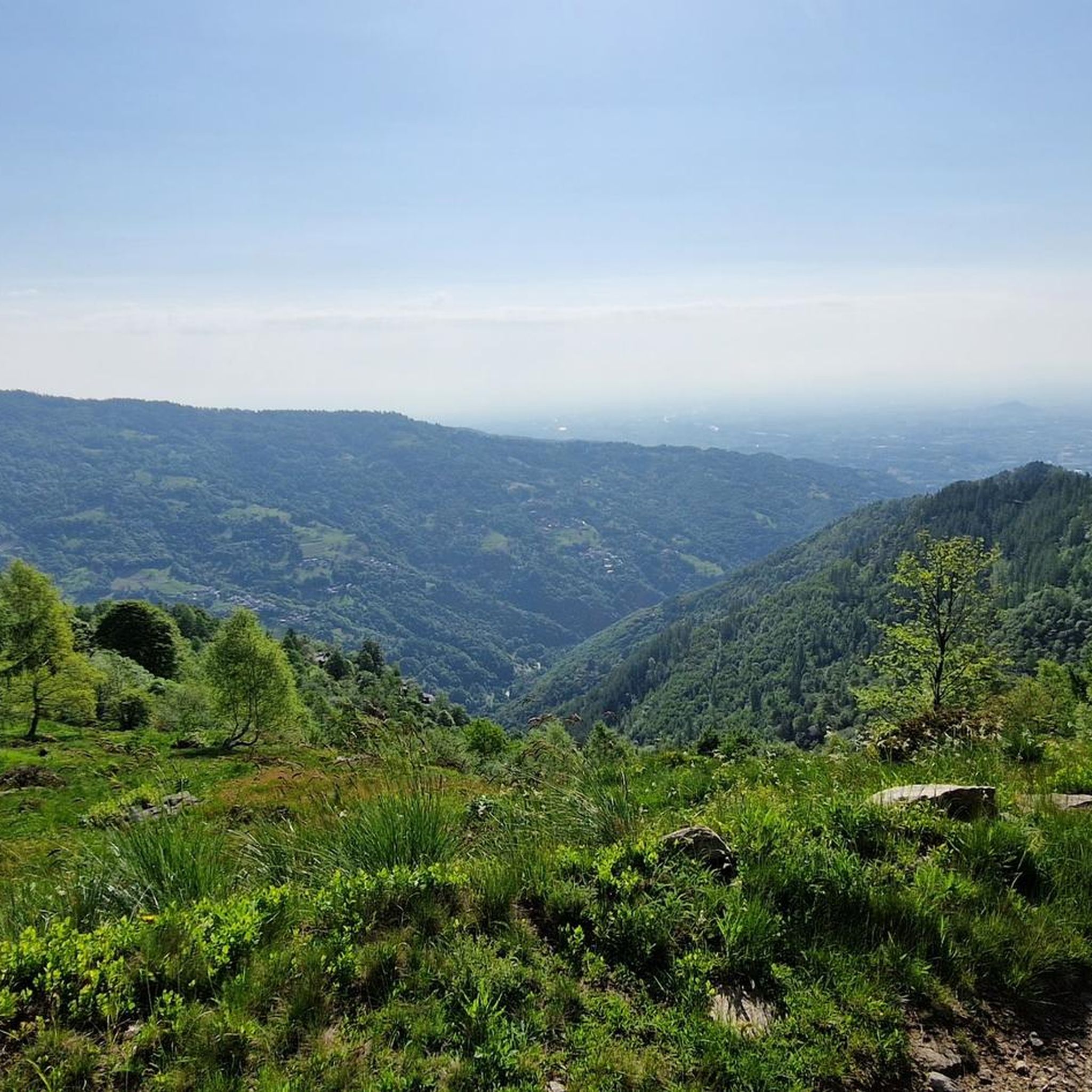
Hiking around Torre Pellice
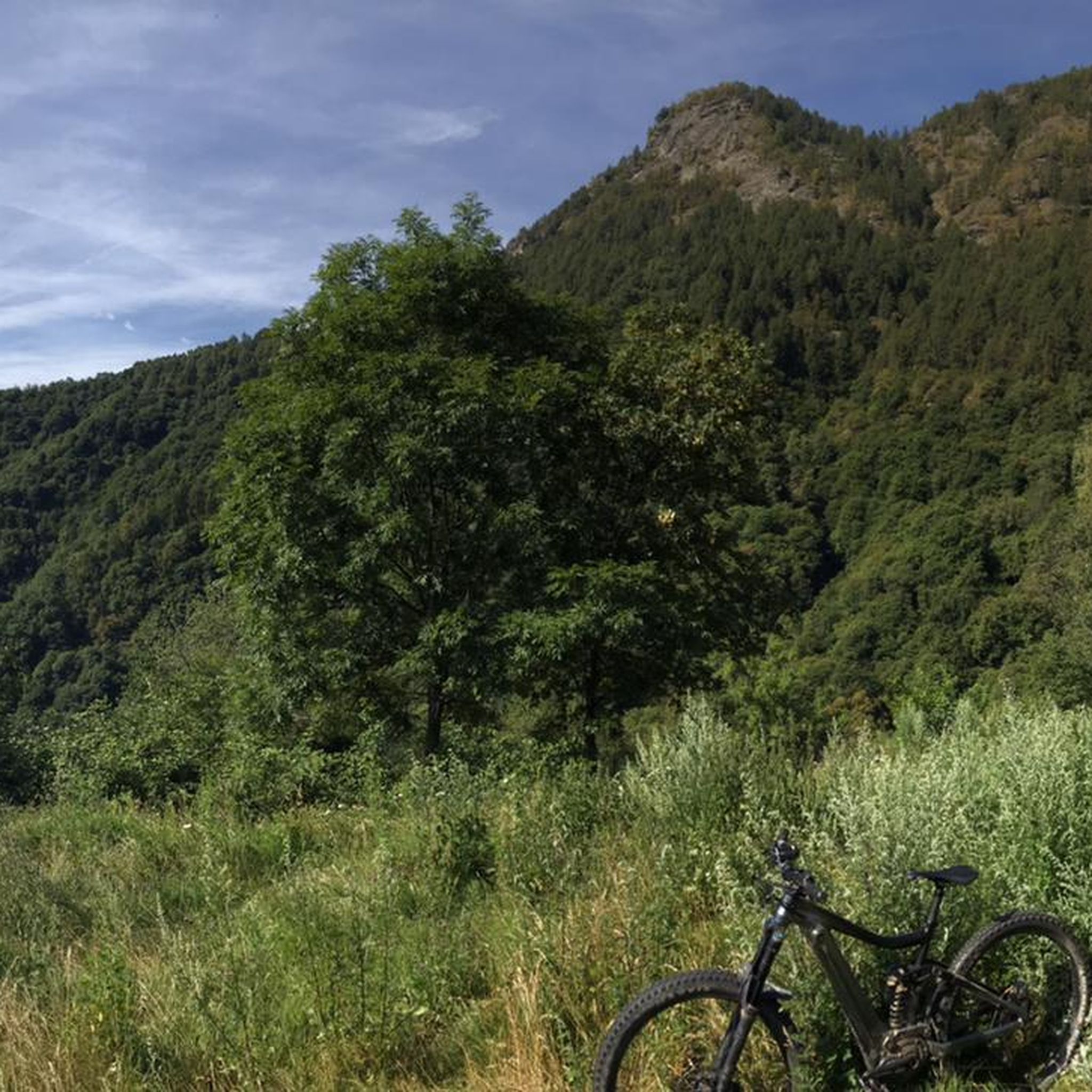
MTB Trails around Torre Pellice
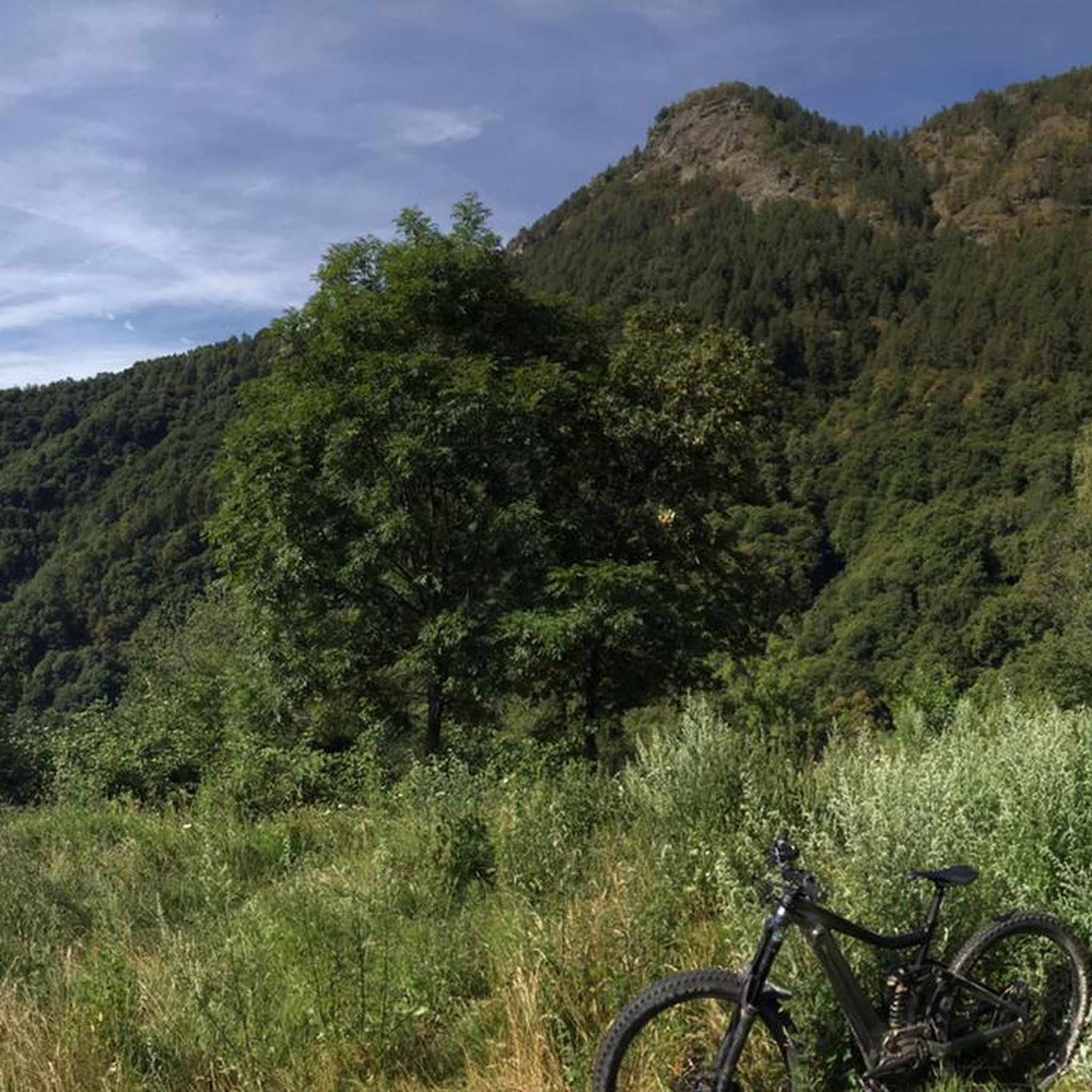
Road Cycling Routes around Torre Pellice
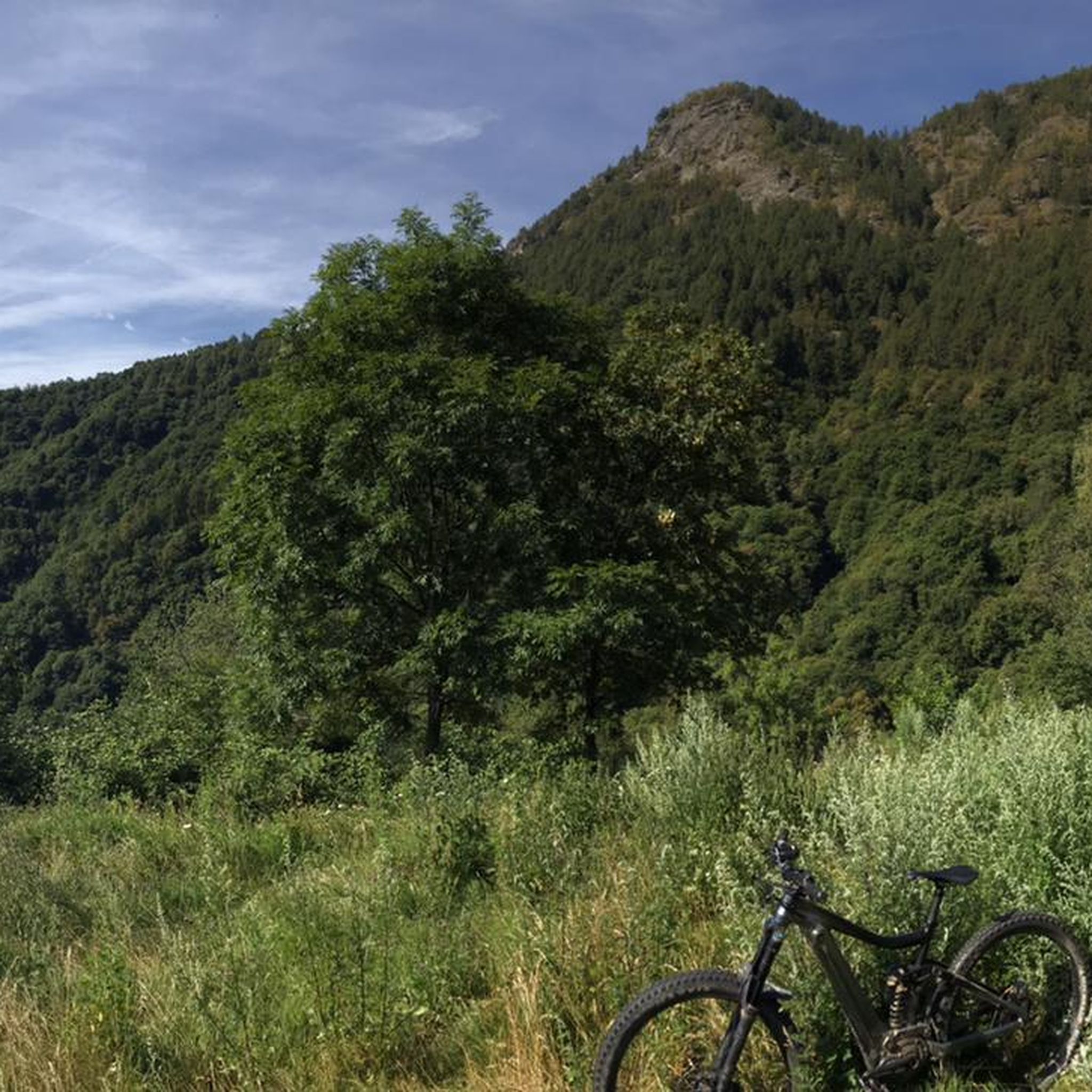
Cycling around Torre Pellice
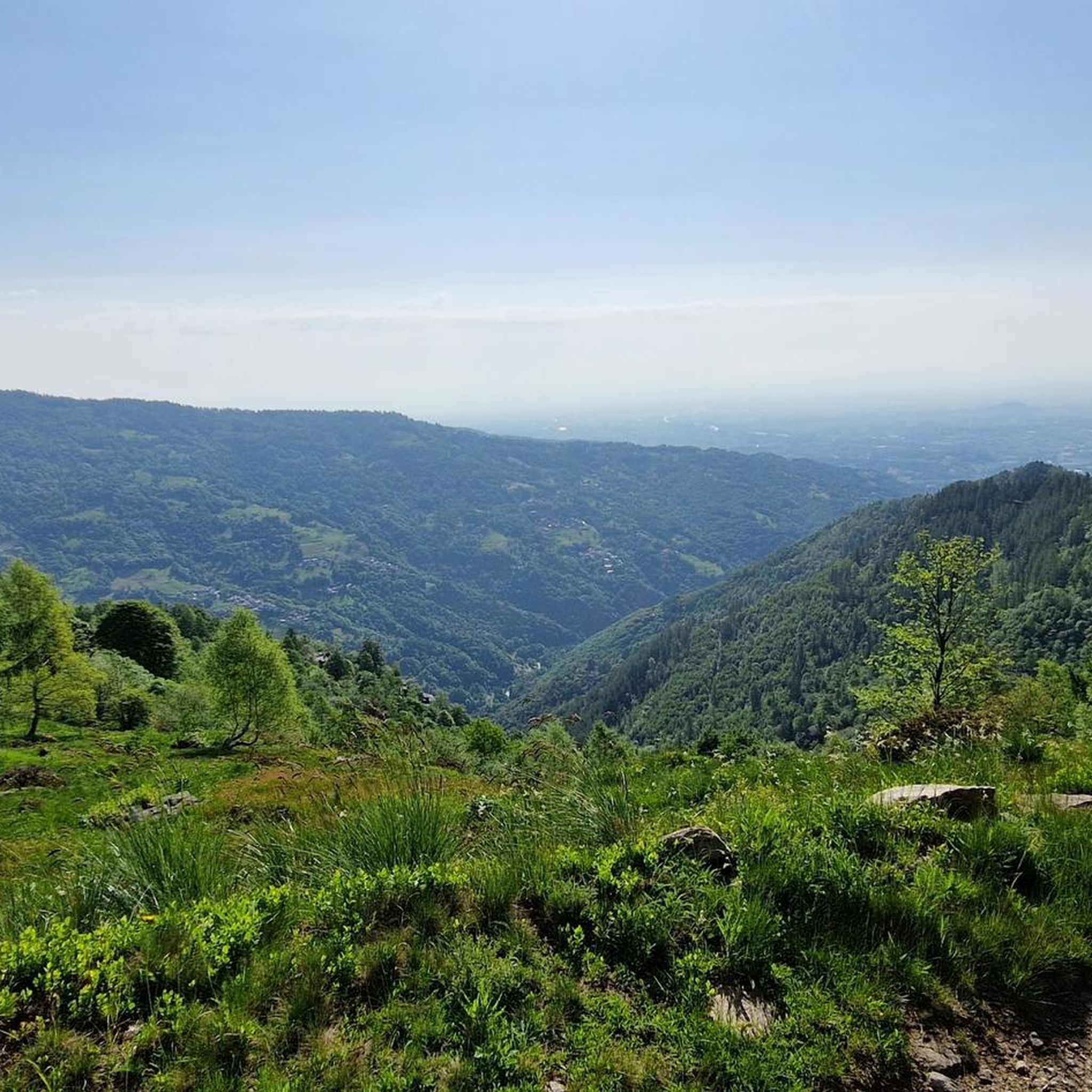
Running Trails around Torre Pellice
Gravel biking around Torre Pellice
Other adventures around Torre Pellice

Tips from the Community

The Bruno Peyronel Alpine Botanical Garden is open year-round, being a natural and publicly accessible site. During July and August, a volunteer guide will be available to welcome you and, if you wish, accompany you free of charge along the educational trail within the Garden, to help you discover the wonders of Alpine flora.
0
0

excellent trip with the possibility of loops
0
0

For those arriving by car, parking in the square before the hamlet costs €3 (2025)
0
0

A beautiful circular hike. Beware, however, of the misleading two-hour indication! Messner might be able to manage it. If you're a regular hiker, no less than three hours or more... WARNING: Once you reach Lake Cannoni or Ramella, if you suffer from vertigo, do not follow the signs for trail A on the right. There are exposed sections, and one section is equipped with a damaged rope. Turn left and you will rejoin the outward route at the level of the early 1900s forts.
1
0

Comfortable footwear for mostly soft terrain
0
0

The Alpine Botanical Garden "Bruno Peyronel", on Colle Barant (2,290 m), in the upper Pellice Valley, is a nature reserve created in 1991. It hosts over 300 native Alpine species on a surface of 17,000 m², distributed between pastures, scree and wetlands. It is one of the highest botanical gardens in Europe, which can be visited in the months of July and August with or without a botanical guide.
2
0
The Villanova waterfall, formed by the waters of the Rio Pissai, is located near the village of the same name, marking the beginning of the path to the Jervis Refuge. Surrounded by a green and wild valley, it creates suggestive natural pools. It is easily accessible even by families and is the habitat of the rare Lanza salamander, a protected species endemic exclusively to these valleys.
0
0

The “tumpi” are deep pools formed along watercourses. In the municipality of Bobbio Pellice, the Guichard torrent has formed several with its fresh water where it is possible to cool off during the summer months when the temperatures in the city become truly unbearable. From June to September these pools of fresh water are in fact the perfect destination for families and young people looking for a bit of relief from the heat. Furthermore, the tumpi of Bobbio Pellice are also ideal for those who love to dive since the rocks that surround them act as perfect natural springboards.
0
0
Frequently Asked Questions
What kind of natural features can I expect to see around Torre Pellice?
The Torre Pellice region, nestled in the Pellice Valley, is rich in diverse natural features. You'll find stunning high-altitude lakes like the 13 Lakes Plateau (Pian dei 13 Laghi), impressive waterfalls such as Pis Waterfall and Tumpi, and unique botanical sites like the Bruno Peyronel Alpine Botanical Garden. The landscape also features panoramic mountain passes, rocky outcrops, and ancient forests.
Are there family-friendly natural monuments or walks in the Torre Pellice area?
Yes, several natural monuments are suitable for families. The Pis Waterfall is easily accessible and provides a scenic point of interest. The Tumpi, with its wonderful pools of water, is also tagged as family-friendly, offering a refreshing stop. Always check the specific trail difficulty for each location.
When is the best time to visit the natural monuments around Torre Pellice?
The best time to visit largely depends on the specific monument and your preferred activities. For high-altitude areas like the Bruno Peyronel Alpine Botanical Garden, access is typically limited to July and August due to snow. Generally, late spring through early autumn (May to October) offers the most favorable weather for hiking and exploring the valley's natural sites.
What kind of hiking trails can I find near these natural monuments?
The region offers a variety of hiking trails, from moderate walks to challenging ascents. Many trails lead to panoramic viewpoints like Colle Vaccera and Rocca Budet. For example, you can find routes that pass through dense woods and ancient hamlets. You can explore various running trails or more demanding MTB trails that incorporate these natural features.
Are there any historical or cultural sites integrated with the natural monuments?
Yes, some natural sites in the region have historical significance. The Lake of the Cannons, for instance, is known for its military structures from the early 1900s, with two cannons still in position. The Gheisa d'la Tana Cave in Val d'Angrogna also holds historical importance, particularly for its connection to the Waldensian community.
What makes the 13 Lakes Plateau a significant natural monument?
The 13 Lakes Plateau (Pian dei 13 Laghi) is a captivating high-altitude lake area featuring between eleven and twelve visible lakes, including the picturesque Black Lake and White Lake. It offers stunning natural beauty and a serene environment, making it ideal for hiking and appreciating unique aquatic ecosystems. Visitors often describe the ascent as wonderful, with breathtaking landscapes.
What is unique about the Bruno Peyronel Alpine Botanical Garden?
The Bruno Peyronel Alpine Botanical Garden is one of Europe's highest botanical gardens, located on Colle Barant at an elevation of 2,290 meters. It spans 17,000 square meters and hosts over 300 native Alpine species across diverse habitats like pastures, scree, and wetlands. It's a unique opportunity to explore the rich biodiversity of Alpine flora in a preserved setting, typically open in July and August.
Can I find viewpoints with panoramic scenery among the natural monuments?
Absolutely. Colle Vaccera is a prominent mountain pass offering excellent panoramic views of the surrounding peaks. A short climb to Monte Castelletto from Colle Vaccera provides even more expansive vistas. Rocca Budet is another rocky outcrop known for its rewarding panoramic views after a scenic hike.
What outdoor activities can I do near the natural monuments around Torre Pellice?
Beyond exploring the natural monuments themselves, the area is excellent for various outdoor activities. You can find numerous MTB trails, gravel biking routes, and running trails that traverse the Pellice Valley, allowing you to experience the diverse geological settings and natural beauty firsthand.
What do visitors enjoy most about the natural monuments in Torre Pellice?
Visitors frequently praise the breathtaking scenery, the serene environment, and the opportunity for rewarding hikes. Many appreciate the unique biodiversity found in places like the Bruno Peyronel Alpine Botanical Garden and the impressive natural spectacle of waterfalls like Pis Waterfall. The combination of natural exploration with historical insights, such as at the Lake of the Cannons, is also highly valued.
What is the Pellice Valley's significance as a natural monument?
The Pellice Valley itself is a significant natural monument, characterized by its fluvial-glacial origins and diverse geological settings. It features gneiss formations from the Dora-Maira Massif, alluvial fan deposits, and ancient fluvial terraces. The valley's various hiking trails, such as the 'Sentiero naturalistico della Ghiandaia' (Jay's Nature Trail), allow visitors to experience these natural features, including the Pellice River and its natural waterfalls, firsthand.
Most popular routes around Torre Pellice
Most popular attractions around Torre Pellice

Get inspired with the komoot mobile app


Explore more
Extend your search for the best caves by checking out these guides of the top ones around Torre Pellice:
