Top 20 Natural Monuments around Sernaglia Della Battaglia
Best natural monuments around Sernaglia Della Battaglia are found within the Treviso province of Italy, an area characterized by its natural landscape and historical significance. The region is notably shaped by the Piave River, a prominent natural feature offering ecological richness. Visitors can explore diverse natural settings, from riverine environments to terraced hillsides, providing opportunities for outdoor activities and appreciation of the local geography.
Best natural monuments around Sernaglia Della Battaglia
- The most popular natural monuments is Molinetto della Croda…
Last updated: October 15, 2026
Molinetto della Croda
Highlight • Monument
In its almost four centuries of history it has inspired artists …
Translated by Google •
Tip by

Terraced Vineyards of Rolle
Highlight • Viewpoint
Translated by Google •
Tip by
Sign up now to discover places like this
Get recommendations on the best single tracks, peaks, & plenty of other exciting outdoor places.
Isola dei Morti Memorial
Highlight • Monument
Translated by Google •
Tip by

Beautiful road between Pianezze and Valdobbiadene
Highlight (Segment) • Trail
Showing Translation
Tip by
Oasi Fontane Bianche Nature Reserve
Highlight • Natural Monument
Translated by Google •
Tip by

Sign up for free to discover even more natural monuments around Sernaglia Della Battaglia.
Already have an account?
Start today with a free account
Your next adventure awaits.
Popular around Sernaglia Della Battaglia
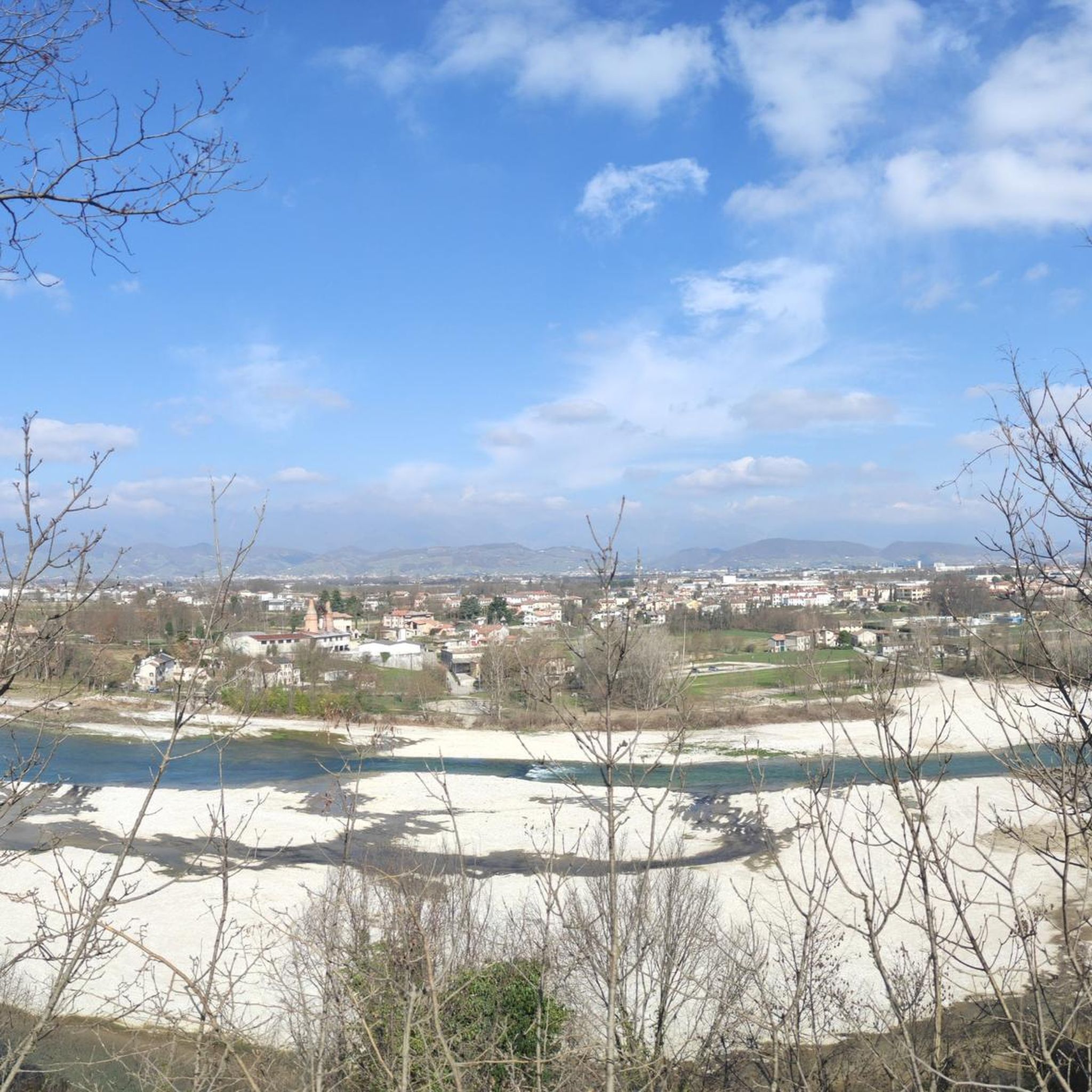
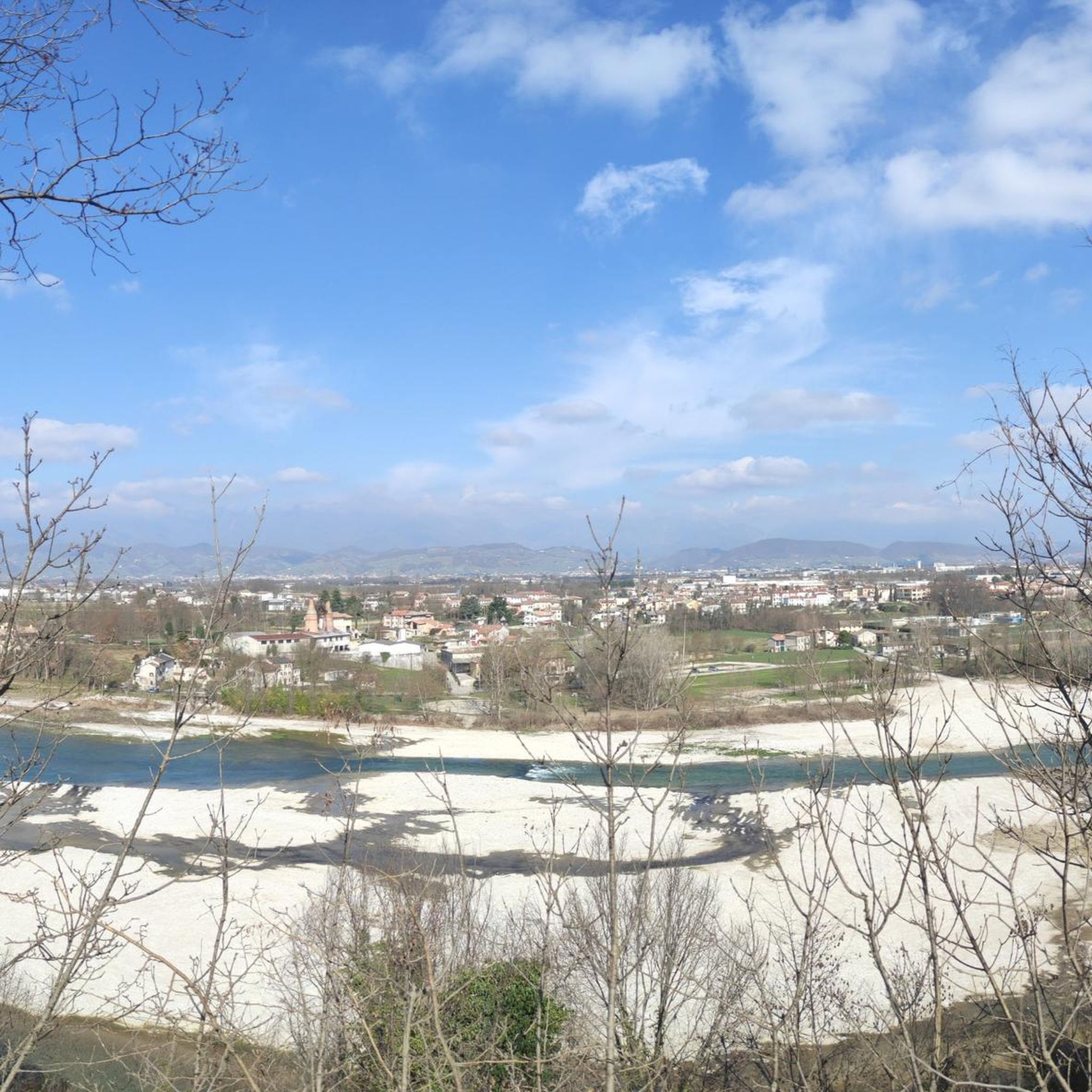
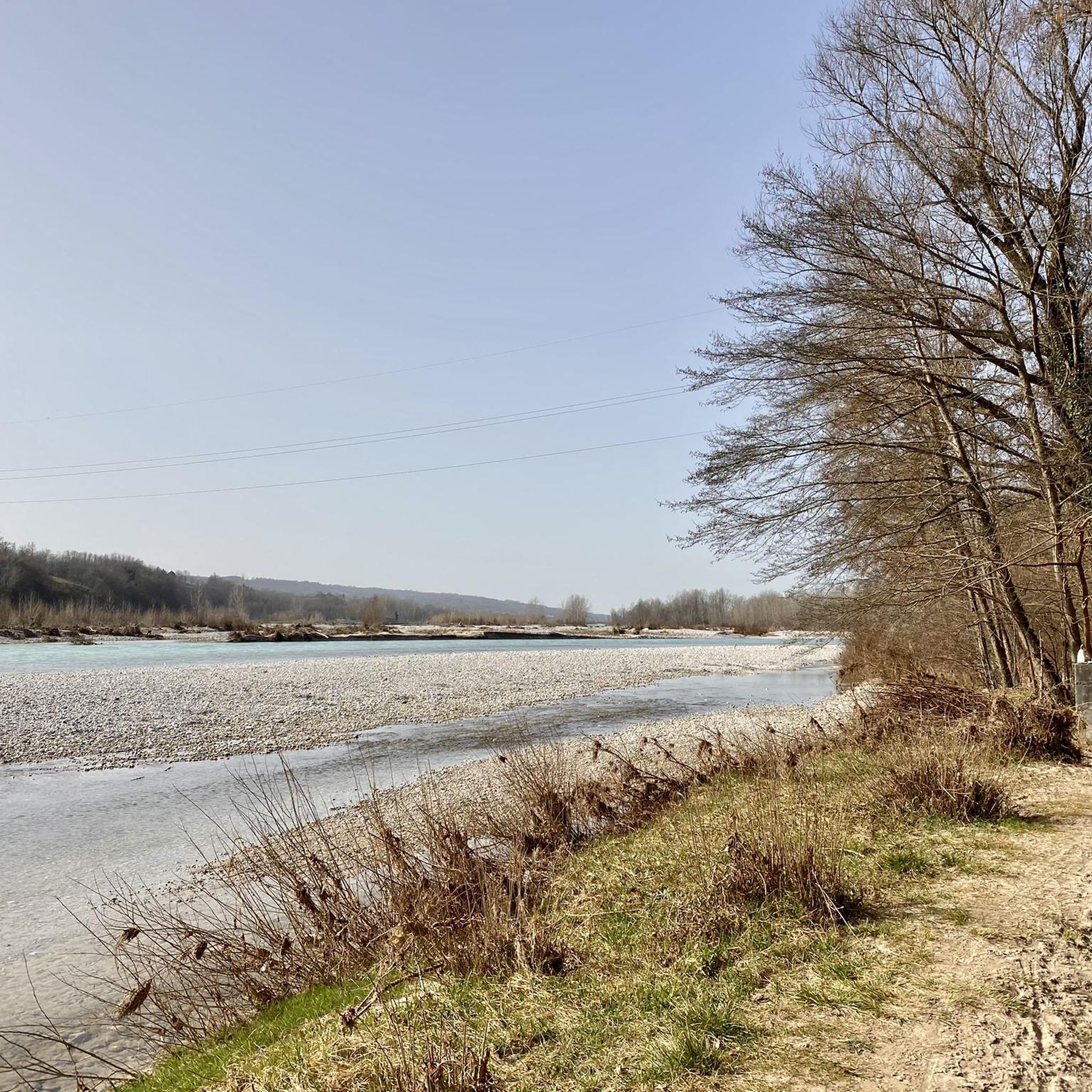

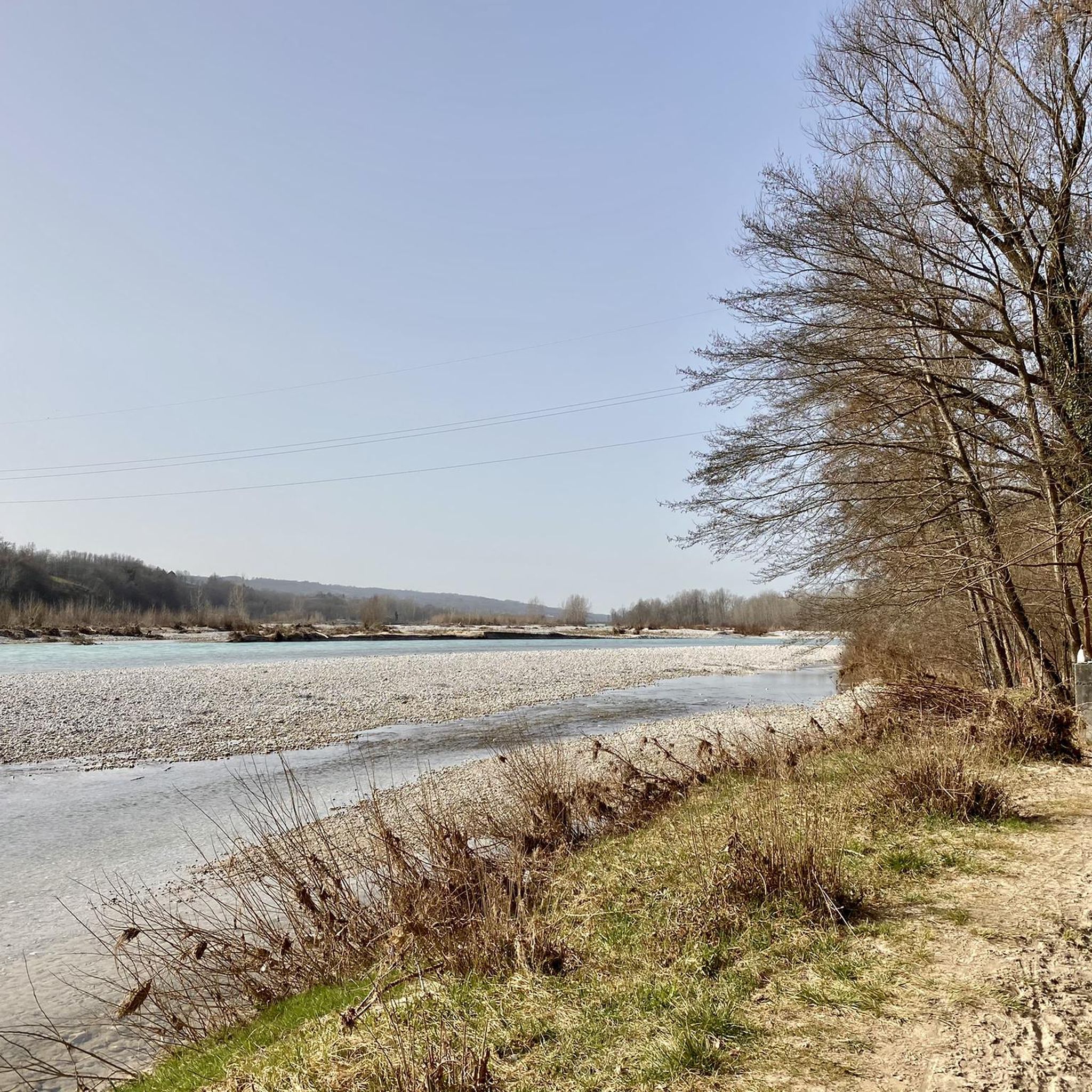
Tips from the Community

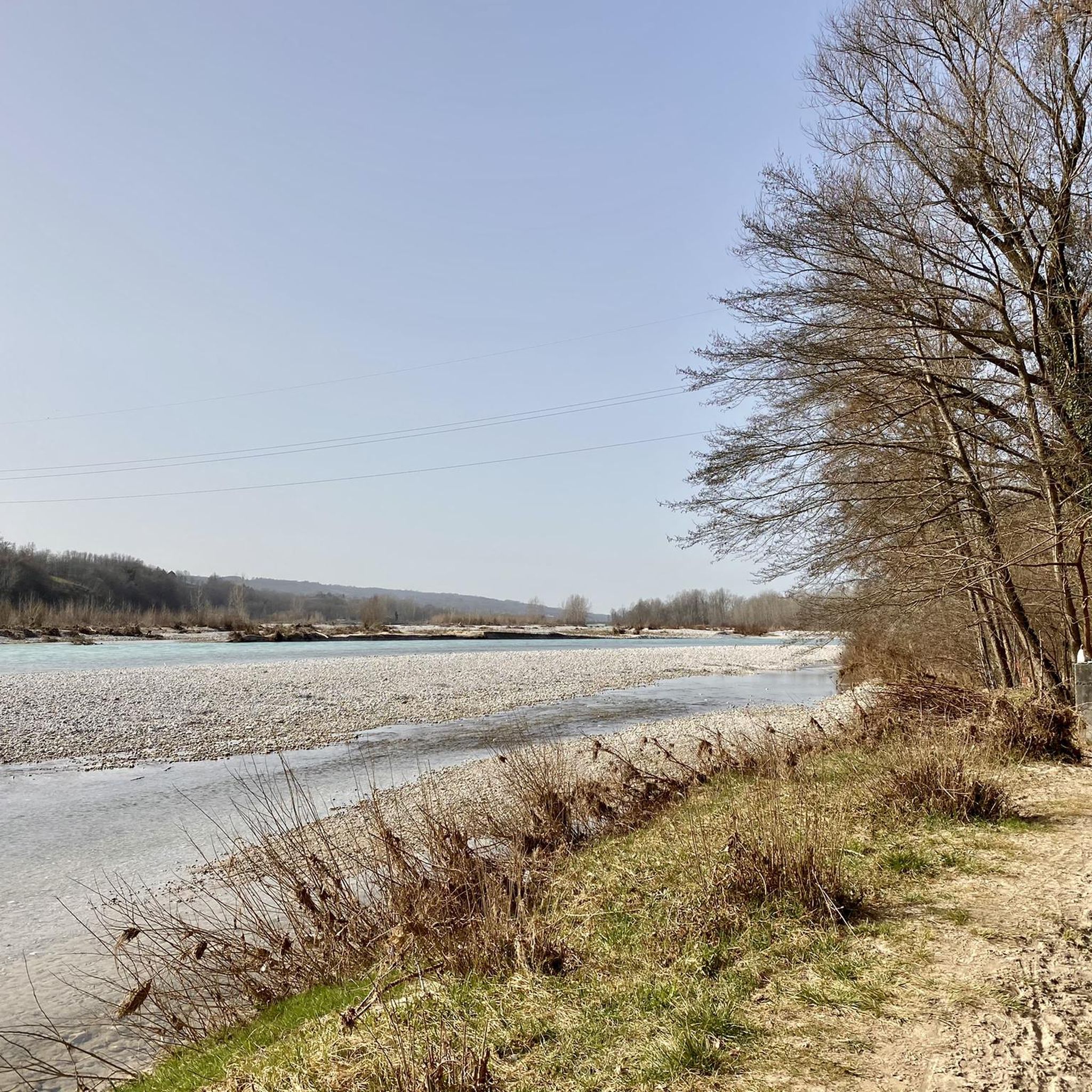
The oasis is not accessible by bike, but wonderful to explore on foot. Winding paths in the green, crystal-clear streams and ponds again and again - simply beautiful!
0
0

Ascent towards the locality of Pianezze from Valdobbiadene, practically the road begins to climb from meter 0 from Piazza Guglielmo Marconi up to Pianezze. The ascent is almost 11 km long with an average gradient of 7.7% to reach peaks of 13%. The landscape view is fabulous over the Piave valley.
12
0
Il Molinetto della Croda, in the Lierza valley, represents one of the most evocative corners of the Marca Trevigiana. In its almost four centuries of history, the ancient mill with a stone grinder has managed to maintain its charm and enchant artists and visitors.
16
0

A lovely leisurely mountain ride!
2
0

Classic climb of the Treviso foothills of 11 km with a regular gradient and which arrives in the square where there is a refreshing fountain for all those who climb here. From the square you then have 3 alternatives: go down again to Valdobbiadene as per the highlight, go up to the malga marriech 5km challenging and then go down again to the square, or continue uphill for about 3 km to Malga Budui and then go down towards Combai. It can be done easily all year round.
3
0

Beautiful climb from Valdobbiadene, you need some stamina as it is always uphill. The roads are mostly OK to good.
2
0

The mill was built in 1630 and shortly afterwards accommodation for the caretaker family, a stable and a granary were added. It exploited the waters of the Lierza stream, the main tributary of the Soligo, at the foot of a 12-metre waterfall; it was decommissioned in 1953. At the end of the twentieth century, after experiencing years of degradation, the mill was purchased by the municipality of Refrontolo, which carried out a careful restoration and turned it into a milling museum as well as a venue for exhibitions, including in 2009, an important retrospective by the painter Angelo Lorenzon and, in winter, the annual International Nativity Exhibition. Source Wikipedia
8
0

The Isle of the Dead is an experience to be had in the silence of a long summer afternoon: and imagine, remaining within the beauty of today, ....
2
1
Frequently Asked Questions
What are the most prominent natural monuments in and around Sernaglia Della Battaglia?
The most prominent natural monument directly within the municipality is the Piave River, particularly the ecological richness of its "Fontane Bianche" area. Nearby, you can explore the captivating Molinetto della Croda, a historic mill with a waterfall, and the scenic Terraced Vineyards of Rolle, offering stunning views of UNESCO heritage landscapes.
What unique natural features can I explore along the Piave River near Sernaglia Della Battaglia?
Along the Piave River, the "Fontane Bianche" (White Fountains) ecological trail is a key area. This floodplain is characterized by clear waters, dense vegetation, and streams fed by numerous springs. It's an ideal spot for peaceful walks, birdwatching, and canoeing, allowing visitors to immerse themselves in the river environment.
Are there any caves or waterfalls to visit near Sernaglia Della Battaglia?
Yes, the Grotte del Caglieron, located about a 30-minute drive away in Fregona, offer a captivating blend of natural and artificial caves. The Caglieron stream forms several impressive waterfalls, and you can explore deep gorges, potholes, and striking calcareous concretions. A wooden walkway guides visitors through the site, which also includes an old mill and a museum.
What historical significance does the Piave River hold for the region?
The Piave River is often referred to as the "Sacred River of the Homeland" due to its pivotal role in World War I. Beyond its natural beauty, it's a vital historical landmark. The Isola dei Morti Memorial, located in the middle of the Piave, is a significant historical site commemorating events from the war within a wooded setting.
What are some family-friendly natural attractions in the area?
The "Fontane Bianche" ecological trail along the Piave River offers low-difficulty walks suitable for families. The Grotte del Caglieron, with its wooden walkways and museum, is also a great family outing. Additionally, the Isola dei Morti Memorial features flat cycle paths, making it accessible for families.
What outdoor activities can I do near these natural monuments?
The area around Sernaglia Della Battaglia offers various outdoor activities. You can enjoy hiking on trails like the "Piave River – Le Volpere Trail loop" or "Ford on the Stream – Isola dei Morti Memorial loop." For running, there are routes such as the "San Gallo Hermitage – Molinetto della Croda loop." Road cycling enthusiasts can explore routes like the "Rotonda di Mire – Le Mire Scenic Road loop." Find more details on these activities in the hiking, running, and road cycling guides.
Is there a large lake nearby for water sports or relaxation?
Yes, Lago di Santa Croce, the second largest lake in the Veneto region, is a significant natural destination. It's perfect for water sports like kayaking, paddleboarding, windsurfing, and kitesurfing due to its windy climate. The shores also provide ideal settings for picnics and leisurely strolls.
When is the best time to visit the natural monuments around Sernaglia Della Battaglia?
Many natural monuments, like the "Fontane Bianche" trail, are suitable for visiting year-round. The Grotte del Caglieron offer a magical atmosphere in all seasons; winter brings enchanting frozen waterfalls, while spring and summer provide pleasant sounds of rushing water and vibrant vegetation.
Are there any viewpoints offering panoramic scenery of the region?
Absolutely. The Terraced Vineyards of Rolle provide a splendid view of the UNESCO heritage vineyards and surrounding hills. Additionally, the Aviator Monument and Madonna of Loreto on San Gallo hill offers spectacular 360° views across the entire Quartier del Piave valley, extending to the Venice Lagoon on clear days.
What should I wear when visiting the natural areas?
For most trails and natural areas, comfortable walking shoes are recommended. If you plan to visit the Grotte del Caglieron, non-slip shoes are highly advised due to potentially wet and slippery sections within the caves.
Can I spot wildlife at the natural monuments?
Yes, the Piave River and its "Fontane Bianche" ecological trail are known for their biodiversity and are ideal spots for birdwatching, allowing you to observe various species in their natural habitat.
Are there any historical monuments related to World War I in the natural settings?
Beyond the Isola dei Morti Memorial, you can also find the Monument to General Giuseppe Pennella and Valley of the Dead. This evocative monument, near a deep sinkhole, houses a bronze bust of the General and commemorates the fallen of all wars, particularly those from the Great War.
Most popular routes around Sernaglia Della Battaglia
Most popular attractions around Sernaglia Della Battaglia

Get inspired with the komoot mobile app


Explore more
Extend your search for the best caves by checking out these guides of the top ones around Sernaglia Della Battaglia:
