Top 9 Natural Monuments around San Biagio Di Callalta
Best natural monuments around San Biagio Di Callalta are shaped by significant waterways and protected areas. The region's natural features include the Meolo River and its sources, and parts of the Sile River Regional Natural Park. This area, located in the Veneto plain, offers a landscape characterized by spring-fed rivers and historical elements. Visitors can explore diverse natural features and historical sites along these watercourses.
Best natural monuments around San Biagio Di Callalta
- The most popular natural monuments is Burci…
Last updated: June 28, 2026
Burci Boat Cemetery
Highlight • Historical Site
Translated by Google •
Tip by

Cimitero dei Burci (Burci Cemetery)
Highlight • Historical Site
Translated by Google •
Tip by

Sign up now to discover places like this
Get recommendations on the best single tracks, peaks, & plenty of other exciting outdoor places.
Sign up for free
Botteniga River
Highlight • River
Translated by Google •
Tip by

Old River Port of Noventa di Piave
Highlight • Historical Site
The origin of the river port …
Translated by Google •
Tip by

Source of the Meolo River
Highlight • River
Translated by Google •
Tip by
Sign up for free to discover even more natural monuments around San Biagio Di Callalta.
Sign up for free
Already have an account?
Start today with a free account
Your next adventure awaits.
Login or Signup
Popular around San Biagio Di Callalta
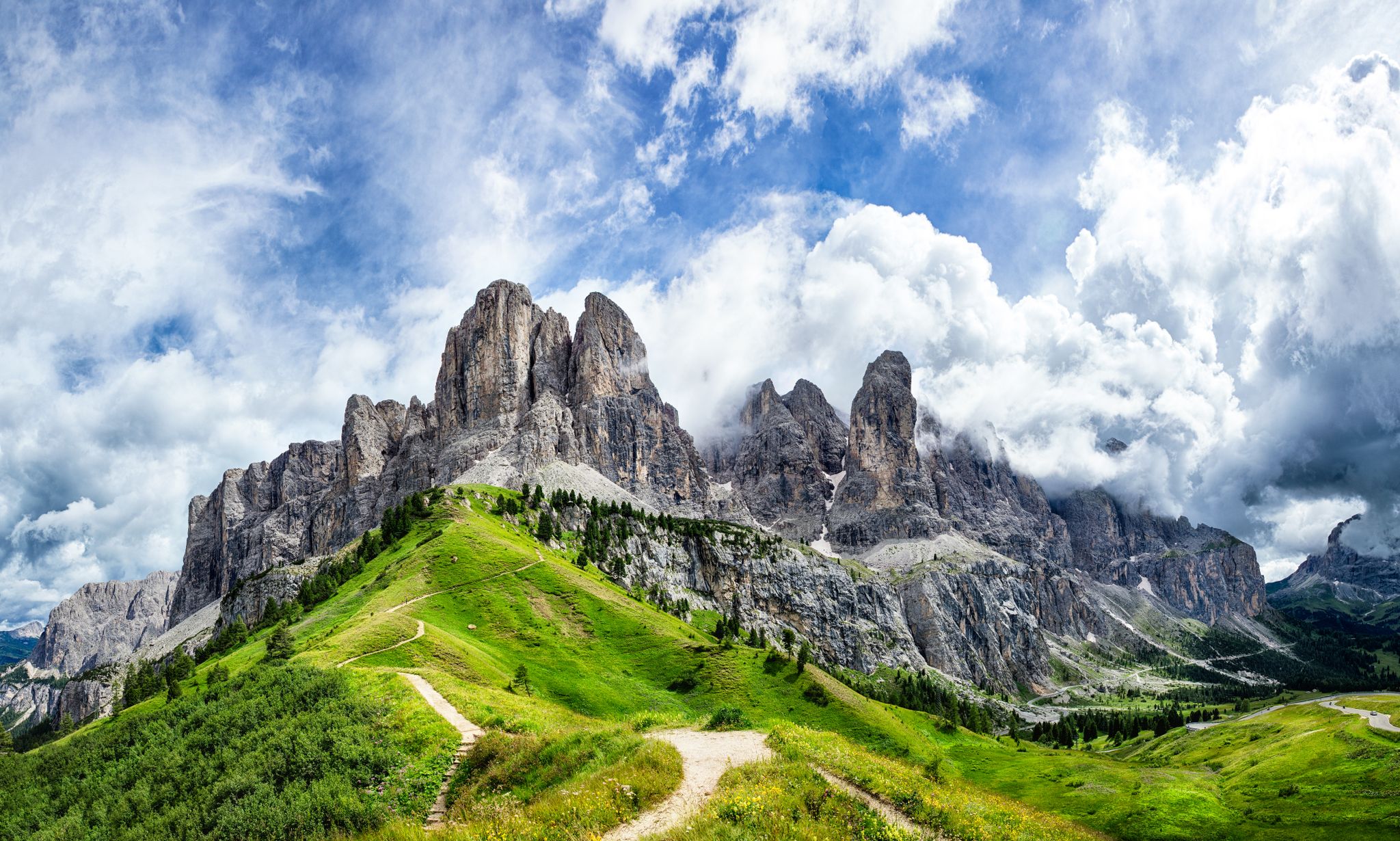
The "Dream Path" hiking trail – From Munich to Venice in 28 stages

Gravel biking around San Biagio Di Callalta
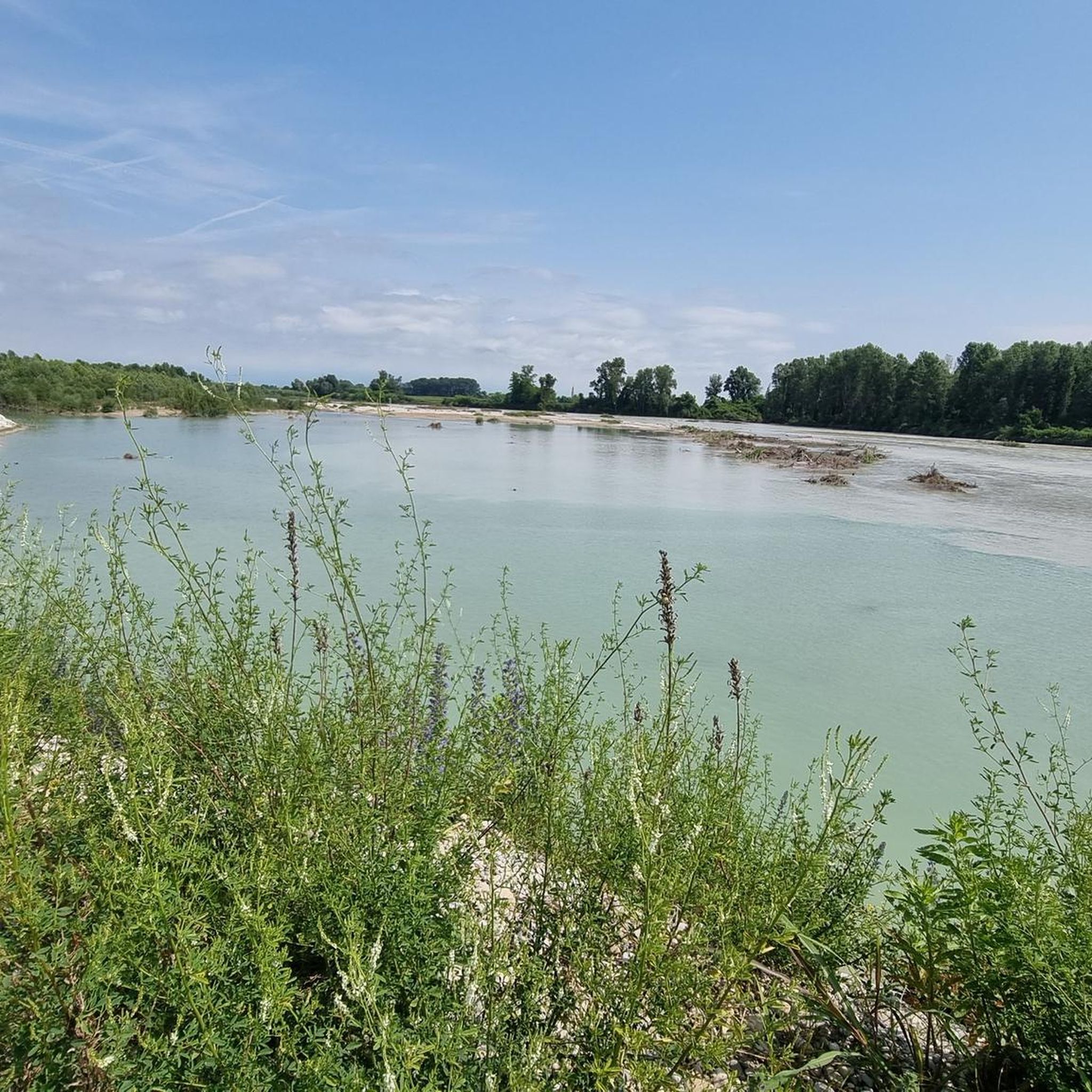
Road Cycling Routes around San Biagio Di Callalta
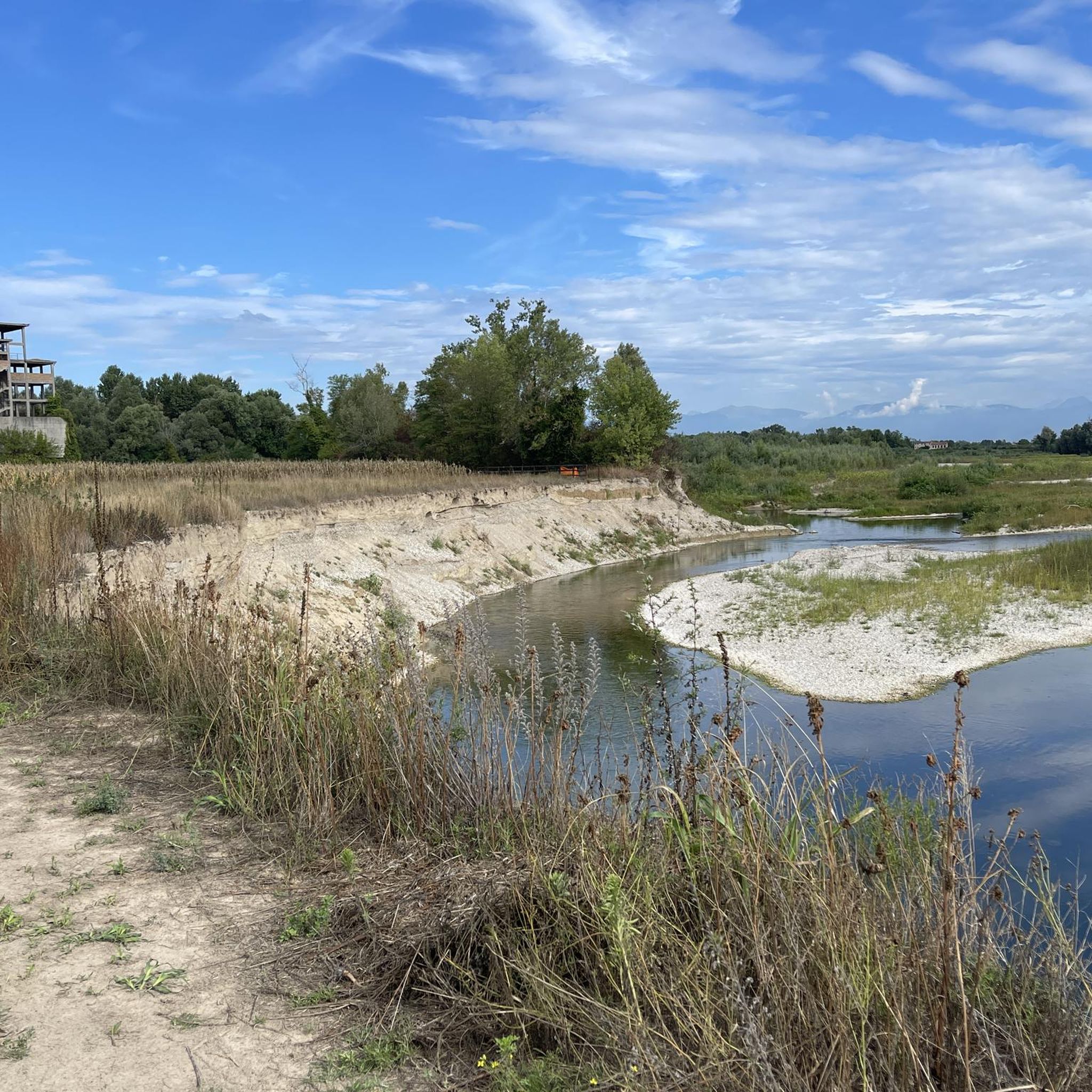
MTB Trails around San Biagio Di Callalta
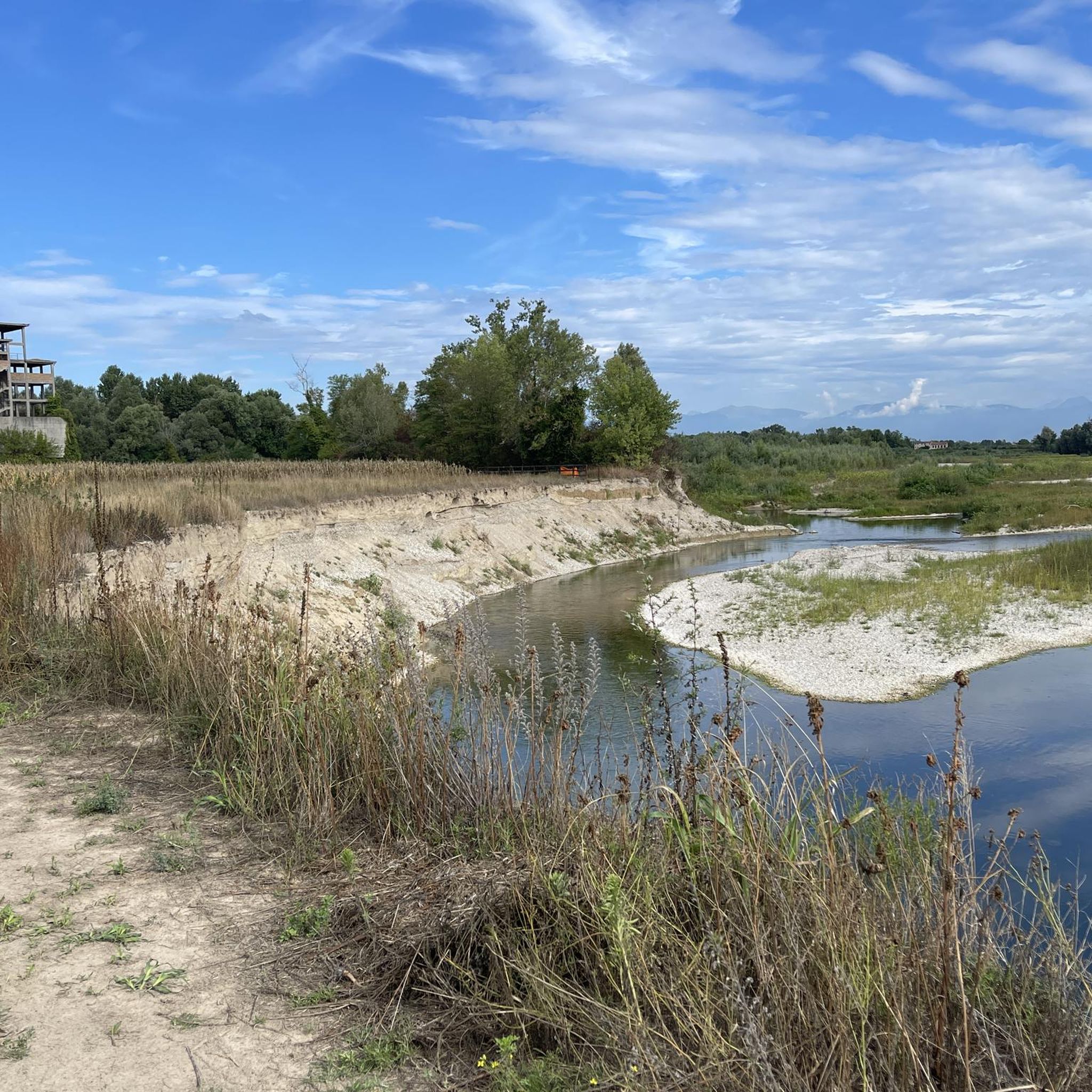
Hiking around San Biagio Di Callalta
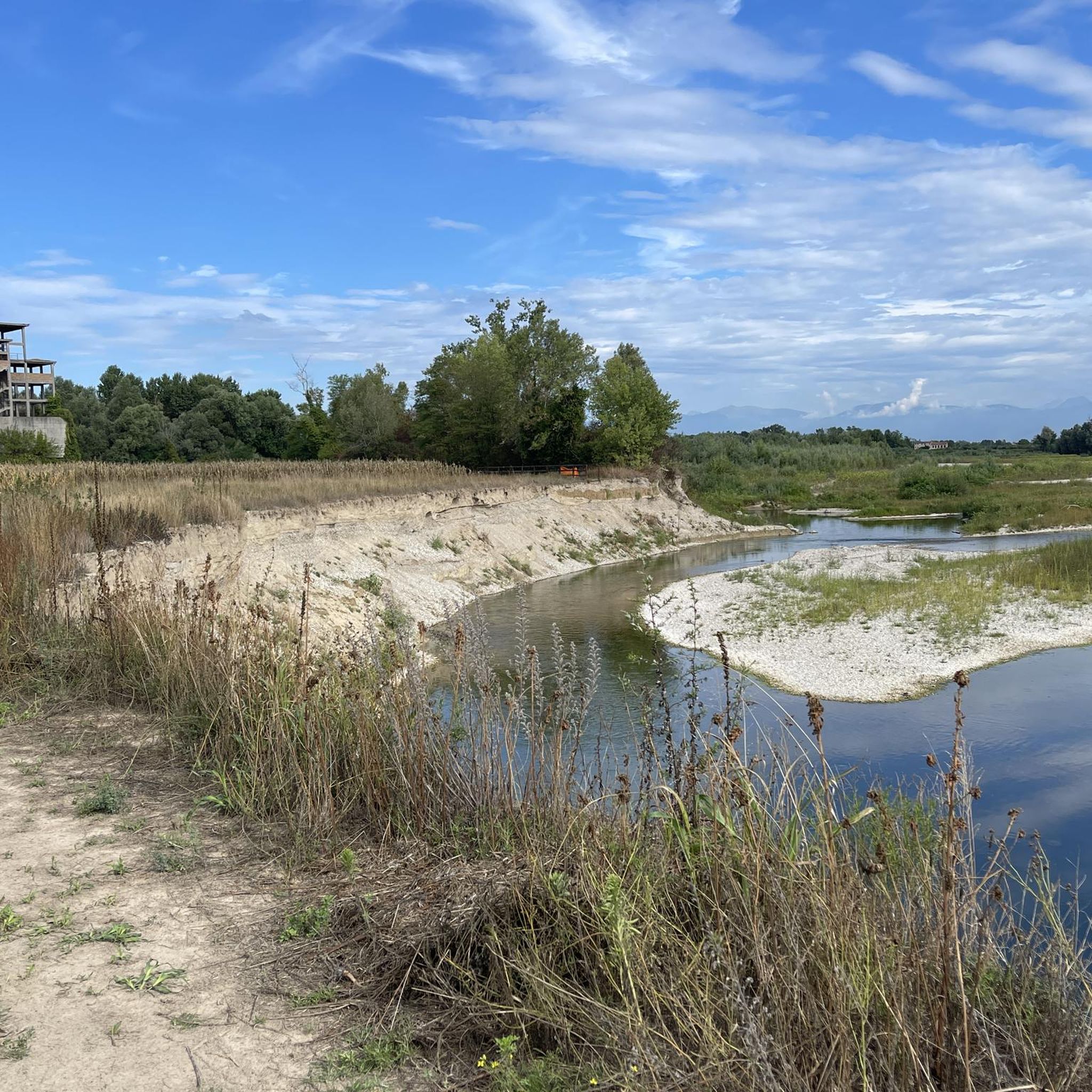
Cycling around San Biagio Di Callalta
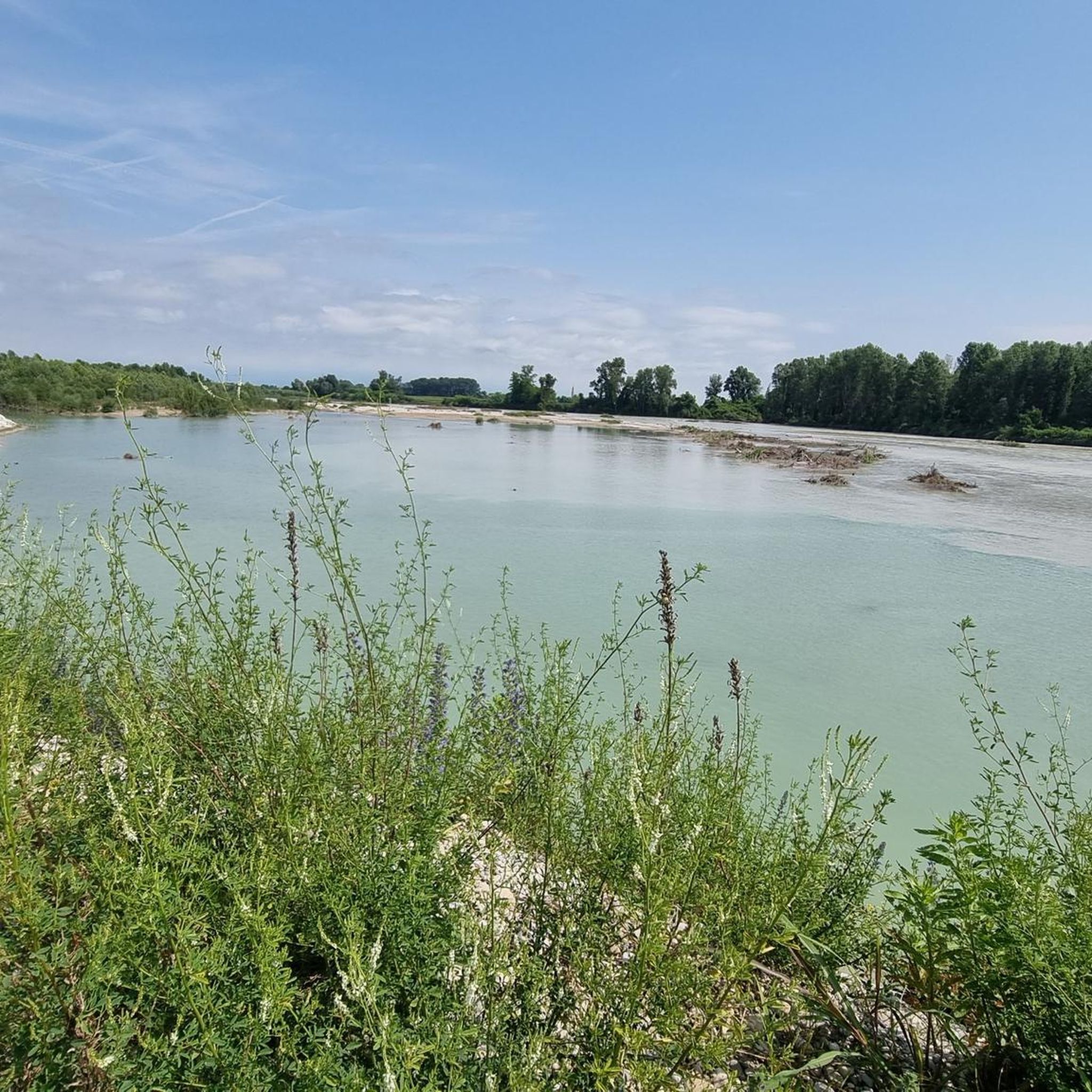
Running Trails around San Biagio Di Callalta
Other adventures around San Biagio Di Callalta

Tips from the Community

The hiking trail and the cemetery of the transport boats is unique.
0
0

Along the Restera, the picturesque cycle-pedestrian path that runs along the Sile river between Silea and Casier, lies one of the most fascinating industrial archaeological sites in the Veneto region: the Cimitero dei Burci (Ship Graveyard). In this stretch of water lie the wrecks of nineteen large historic wooden transport vessels, precisely called "burci". Used for centuries to transport goods from Treviso to Venice, these ships were deliberately sunk by their boatmen between 1974 and 1975 as a form of protest against the advent of road transport, which was marking the end of their era. Today, a system of wooden walkways suspended over the water allows you to walk right over the wrecks, which have been partially submerged and colonized by river flora and fauna, creating a unique and poetic blend of history and nature.
0
0

The Cimitero dei burci is located at the confluence between the new cut of the Sile and the branch of the Sil morto, in a sheltered bend of the Sile river. Its area is about 15,000 square meters.
0
0

A former port site, lovingly transformed into a park, with historical images. A must-see, and not just for historians.
2
0

The Botteniga is a resurgence river in the Veneto-Friuli plain. It rises a few kilometers north of the city of Treviso (San Pelaio); shortly after it receives the waters of the La Cerca canal, the Pegorile and the Piavesella di Nervesa and then divides into several branches at the gates of the walls of Treviso, near the Ponte de Pria: • The Cagnan Grande or della Pescheria; • The Cagnan Medio or canale dei Buranelli (0.743 km); • The Cagnan della Roggia or Siletto (1.117 km); • The Convertite or Santa Sofia canal (0.882 km, mostly buried); • the canal that laps the outside of the walls on the eastern side (the western one has been buried). This system is actually part of a notable work of hydraulic engineering designed in the sixteenth century by Giovanni Giocondo for the defense of the walls. All the branches finally flow into the hydrographic left of the Sile river. The waters of the Botteniga also feed the spring from which the Cantarane canal flows (0.447 km, now mostly filled in).
0
0

Splendid place, and very suggestive!! I did it on a touring bike and it was perfect!! From Padua … then the Sile river is beautiful!! Have a good trip everyone. Thierry
1
0

Place where ships have surrendered to time. Shipwrecks are the source of inspiration for your fictional story.
8
0

The old name of the Meolo river is Pero. This is why, in these parts, river and place names blend together
0
0
Frequently Asked Questions
What are the main natural features that define the landscape around San Biagio Di Callalta?
The natural landscape around San Biagio Di Callalta is significantly shaped by its important waterways and protected areas. Key features include the Meolo River and its sources, and the Sile River Regional Natural Park, which encompasses parts of the municipality. These areas are characterized by spring-fed rivers, rich woods, and diverse biodiversity.
What unique natural monuments can I explore within the Sile River Regional Natural Park?
Within the Sile River Regional Natural Park, you can discover unique sites like the Burci Boat Cemetery. This natural monument features a series of wooden walkways suspended over the Sile River, where half-sunken wooden boats create a unique habitat and a fascinating, somewhat melancholic sight.
Are there any historical natural monuments in the area?
Yes, the Old River Port of Noventa di Piave is a historical site that also functions as a natural monument. Once a vital trade hub, it is now a park with a landing place and barbecue area, reflecting its past significance along the Piave River.
What kind of outdoor activities can I do near these natural monuments?
The area offers various outdoor activities, particularly cycling and running. You can find numerous routes, such as the 'Sile River Cycle Path' or 'Piave River loop from San Biagio di Callalta'. For more detailed options, explore the cycling routes or running trails around San Biagio Di Callalta.
Where can I experience the unique spring-fed rivers of the Veneto plain?
You can experience the unique spring-fed rivers by visiting the Source of the Meolo River. This river originates from groundwater springs east of Breda di Piave and flows through San Biagio di Callalta. The area around its sources is considered a site of community interest due to its natural value and historical context.
Are there any natural monuments suitable for families?
Many natural monuments in the area are family-friendly. The Botteniga River, for instance, offers an oasis of peace near Treviso, perfect for a relaxed family outing. The Sile River Regional Natural Park also provides well-equipped pedestrian and cycle paths suitable for all ages.
What is the significance of the Sile River in the region?
The Sile River is one of Europe's longest spring-fed rivers, flowing from its sources to the Venetian lagoon. It's known for its consistent water flow, which historically supported mills and served as a vital trade route. The river's course is characterized by abundant resurgence springs, rich woods, and significant biodiversity, making it a central natural element of the region.
Can I find any impressive individual trees or natural landmarks?
Yes, you can discover the Majestic Black Poplar. This impressive tree stands alone in the countryside, characterized by agricultural crops, and is often described as a 'giant in the desert' by visitors.
What kind of wildlife can I expect to see in the Sile River Regional Natural Park?
The Sile River Regional Natural Park is home to numerous species of marsh plants, birds, and freshwater reptiles. Birdwatchers can spot diverse species such as Cormorants, Great Crested Grebes, and various ducks, especially in the sections where resurgence phenomena are most evident, featuring small lakes and marshy areas.
Are there opportunities for slow tourism, like walking or cycling, along the rivers?
Absolutely. The Sile River Regional Natural Park is ideal for 'slow tourism,' offering well-equipped pedestrian and cycle paths, such as the GiraSile, running along its banks. These paths allow visitors to enjoy walks, bike rides, or even boat trips, observing the diverse flora and fauna while appreciating the blend of natural landscapes and historical elements.
What is the best time of year to visit the natural monuments around San Biagio Di Callalta?
The region's natural monuments, particularly those along the rivers and within the Sile River Regional Natural Park, are enjoyable throughout much of the year. Spring and autumn offer pleasant temperatures for walking and cycling, with vibrant flora in spring and beautiful foliage in autumn. Summer is also suitable, especially for activities near the water, though it can be warmer.
Are there any historical elements to discover along the Meolo River?
Yes, along the course of the Meolo River, you can find country residences built by Venetian families between the 15th and 19th centuries, as well as the former Abbey of Santa Maria di Pero. These historical structures add a cultural dimension to the natural experience of exploring the riverbanks.
Most popular routes around San Biagio Di Callalta
Most popular attractions around San Biagio Di Callalta

Get inspired with the komoot mobile app


Explore more
Extend your search for the best caves by checking out these guides of the top ones around San Biagio Di Callalta:
