Top 14 Natural Monuments around Istrana
Best natural monuments around Istrana are primarily found within the broader Treviso Province, notably the Regional Natural Park of the Sile River. This area is characterized by Europe's longest spring-fed river, featuring numerous resurgences, small lakes, and marshlands. The landscape offers a unique ecosystem rich in biodiversity, including marsh plants, birds, and freshwater reptiles. Historical elements like ancient mills and villas are also integrated into the natural setting.
Best natural monuments around Istrana
- The most popular natural monuments is Gran…
Last updated: June 28, 2026
Great Forest of the Fontanassi
Highlight • Forest
Translated by Google •
Tip by

Botteniga River
Highlight • River
Translated by Google •
Tip by

Sign up now to discover places like this
Get recommendations on the best single tracks, peaks, & plenty of other exciting outdoor places.
Sign up for free
Mulino Cervara Nature Oasis
Highlight • Natural
Translated by Google •
Tip by

Campi Chiusi
Highlight • Natural Monument
Translated by Google •
Tip by

Fontanasso dea Coa Longa
Highlight • River
Translated by Google •
Tip by
Sign up for free to discover even more natural monuments around Istrana.
Sign up for free
Already have an account?
Start today with a free account
Your next adventure awaits.
Login or Signup
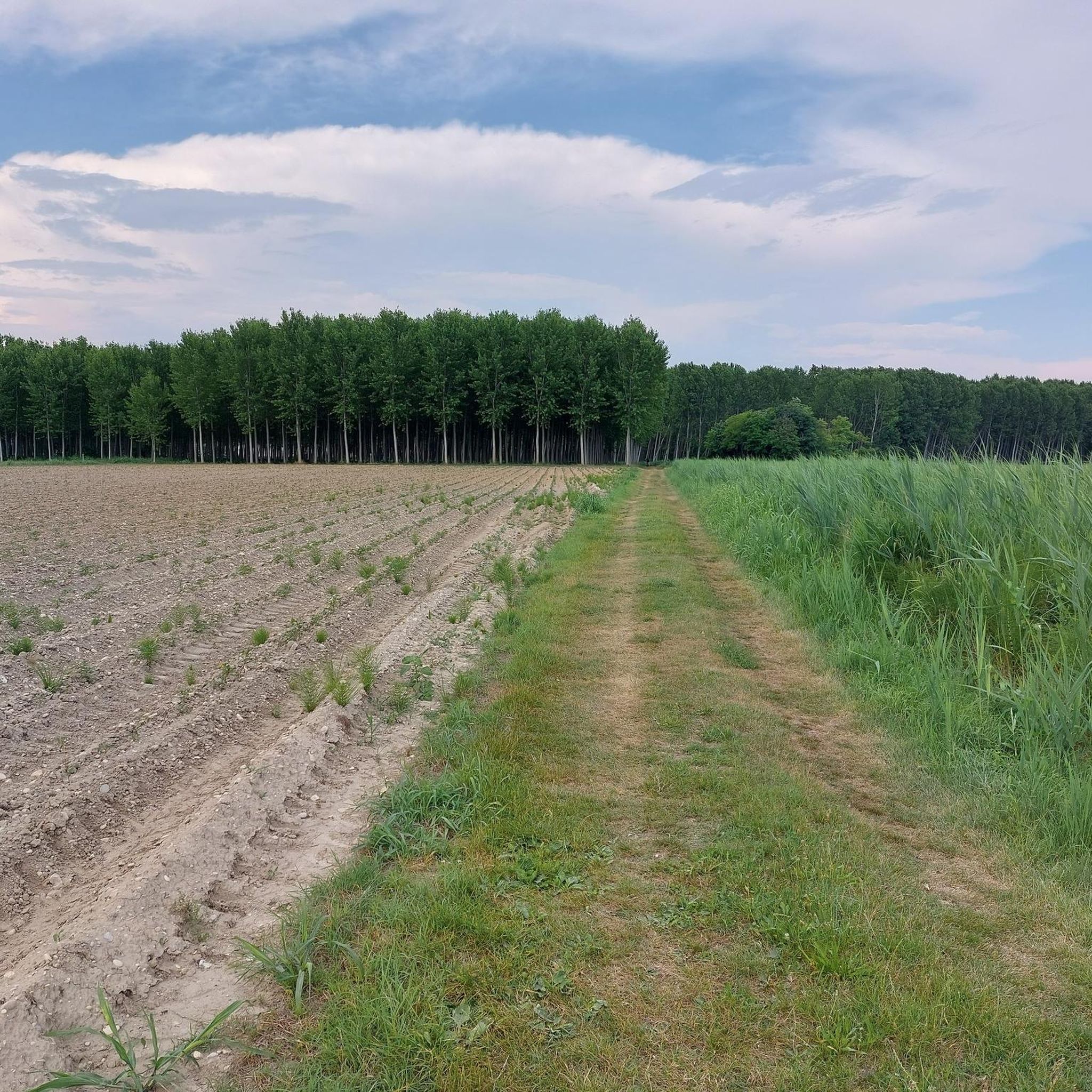

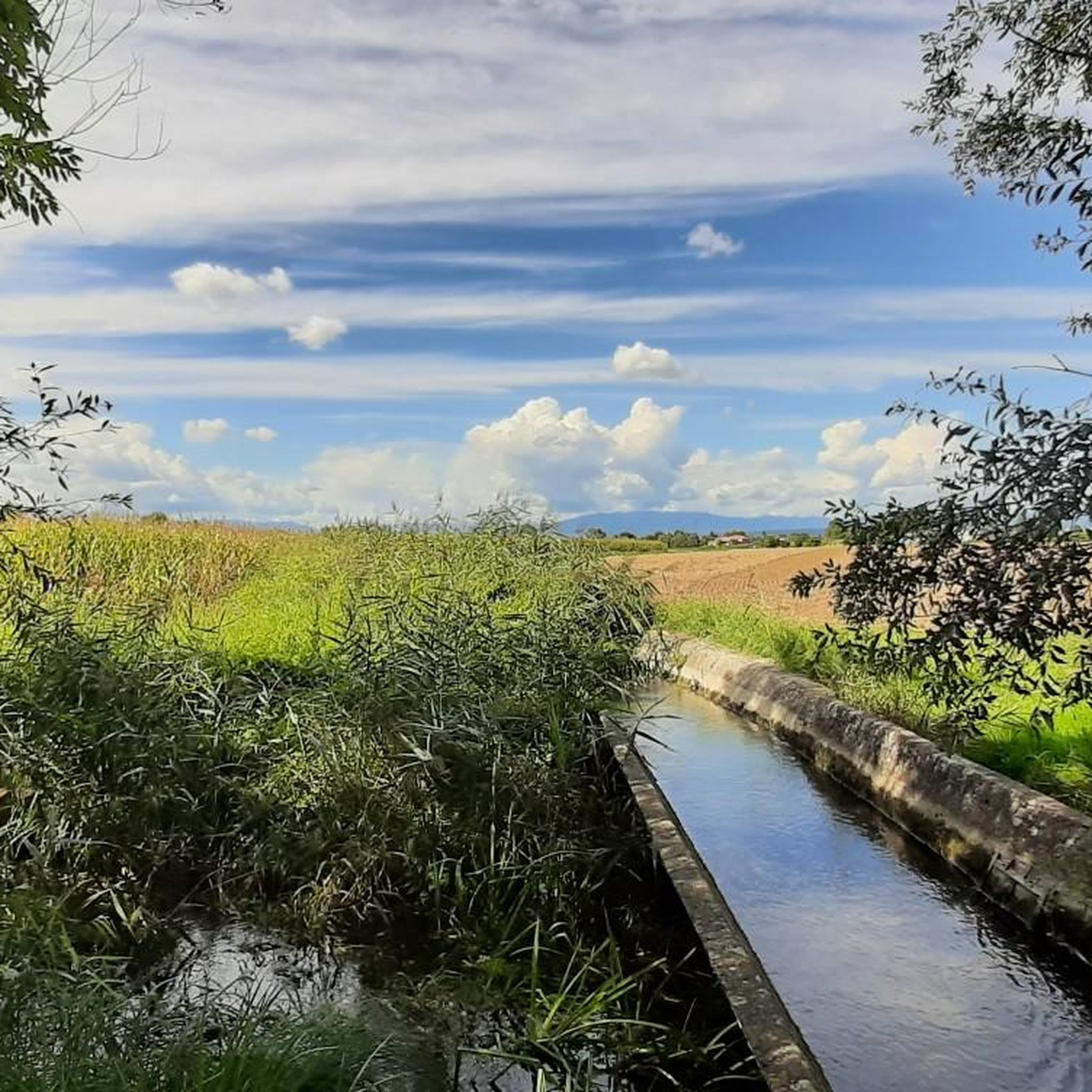
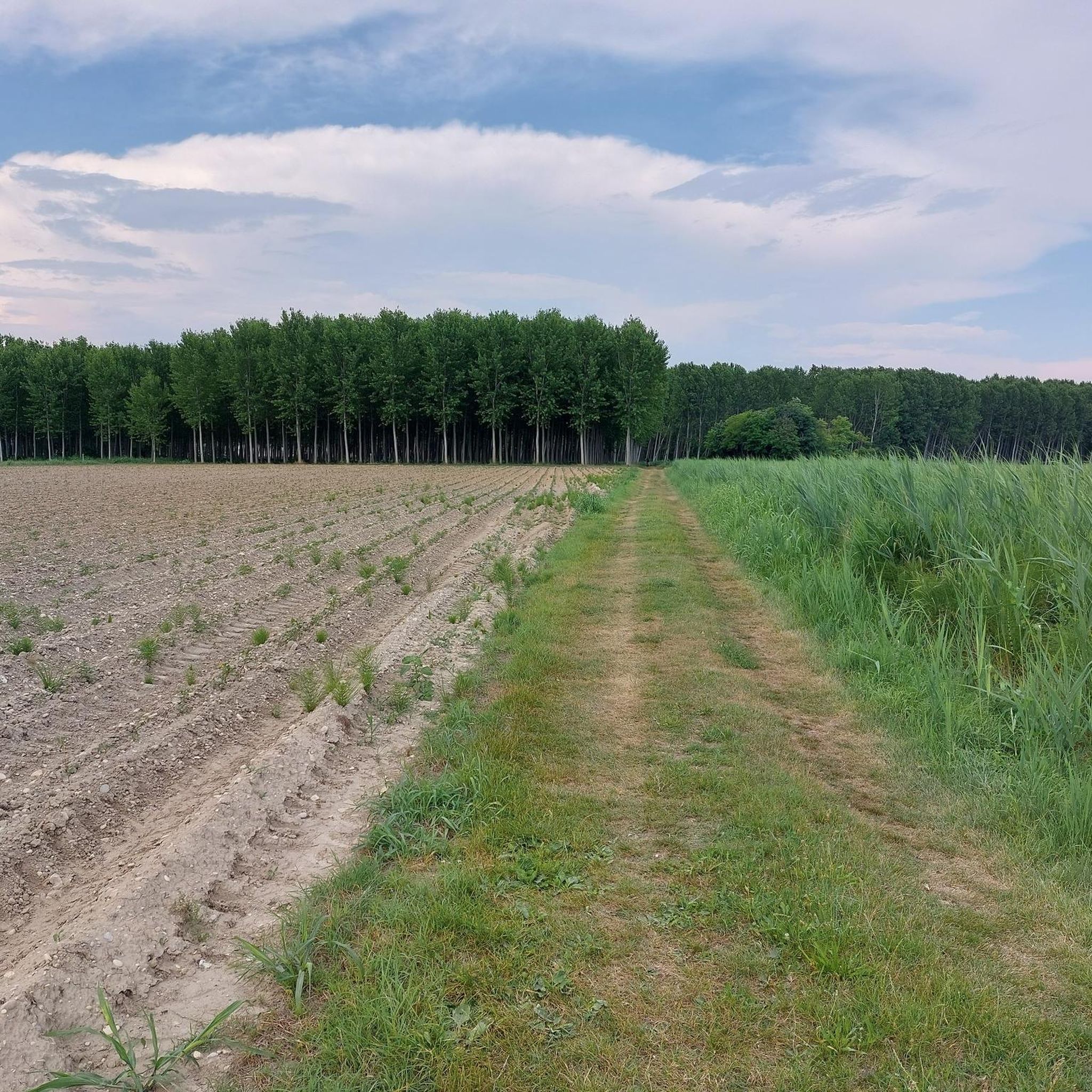
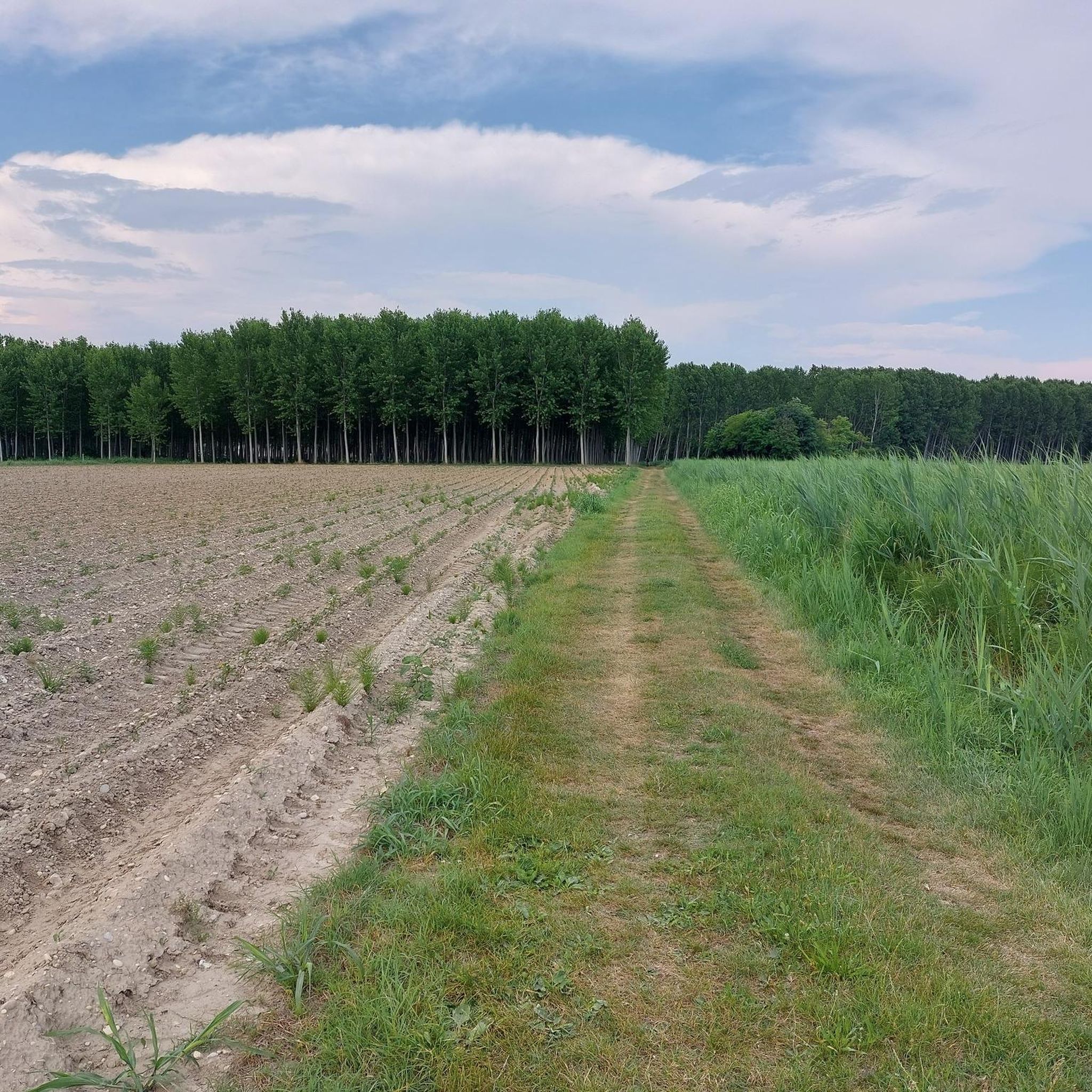
Tips from the Community

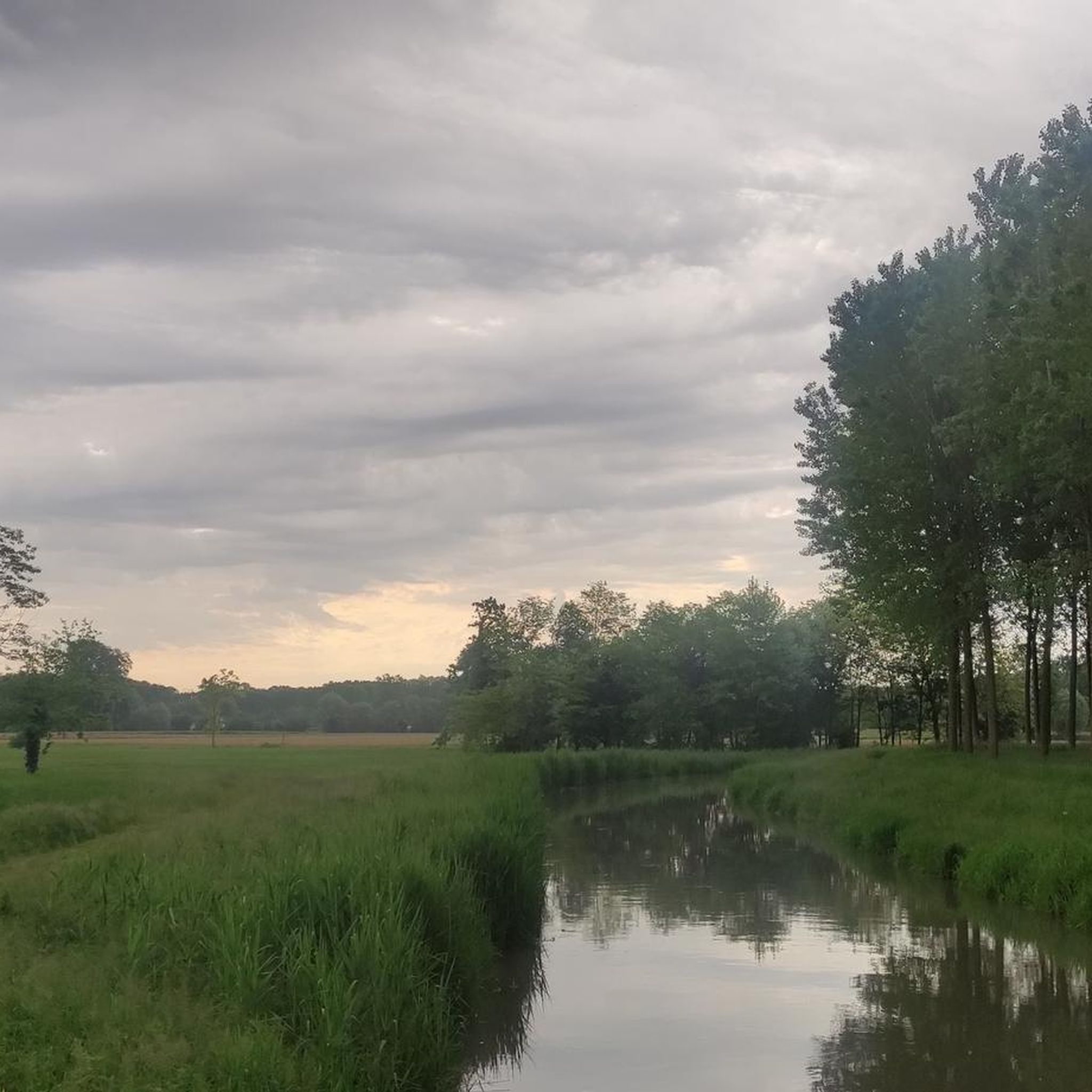
Il Gran Bosco dei Fontanassi is a suggestive area of springs always accessible from which the waters of the Sile, the longest spring river in Italy, originate. The paths are cool and silent, passable by MTB, with some sections where it is necessary to proceed on foot 🚲. In the heart of the forest is the Fontanasso dea Coa Longa: "fontanasso" means spring, "coa longa" means long tail of clear water 💧 The nearest parking is at Porta dell’Acqua, the point where the aquifer that gives rise to the Sile emerges and from which the short path to the springs and the Fontanasso starts.
1
0

The Gran Bosco dei Fontanassi is a jewel of biodiversity located between Treviso and Quinto, where the phenomenon of springs gives life to an enchanted landscape. In this precious wetland of the Parco del Sile, water spontaneously emerges from the earth, creating crystal-clear pools at a constant temperature. Walking among black alders and willows, it is possible to spot herons and kingfishers in a regenerating silence. It is an ancient stretch of forest that testifies to the original richness of the plain.
1
0

Quite muddy in winter, but a magical atmosphere 🍂
0
0

A magical place, nestled in the middle of the woods, with absolute silence. A stop on the benches to gaze at the Fontanassi, underground spring waters, is a must.
0
0

pay attention to the bottom
1
0

The Botteniga is a resurgence river in the Veneto-Friuli plain. It rises a few kilometers north of the city of Treviso (San Pelaio); shortly after it receives the waters of the La Cerca canal, the Pegorile and the Piavesella di Nervesa and then divides into several branches at the gates of the walls of Treviso, near the Ponte de Pria: • The Cagnan Grande or della Pescheria; • The Cagnan Medio or canale dei Buranelli (0.743 km); • The Cagnan della Roggia or Siletto (1.117 km); • The Convertite or Santa Sofia canal (0.882 km, mostly buried); • the canal that laps the outside of the walls on the eastern side (the western one has been buried). This system is actually part of a notable work of hydraulic engineering designed in the sixteenth century by Giovanni Giocondo for the defense of the walls. All the branches finally flow into the hydrographic left of the Sile river. The waters of the Botteniga also feed the spring from which the Cantarane canal flows (0.447 km, now mostly filled in).
0
0

very characteristic and well-kept area. Don't miss it to see where the sile is born
0
0
Frequently Asked Questions
What are the most notable natural monuments to visit near Istrana?
The area around Istrana is rich in natural beauty, primarily centered around the Regional Natural Park of the Sile River. Key natural monuments include Gran Bosco Fontanassi, known for its unique spring-fed waters that give rise to the Sile River, and the Mulino Cervara Nature Oasis, a protected wildlife area with a historical mill. You can also explore the Botteniga River, which meets the Sile near Treviso and offers a peaceful oasis.
Are there family-friendly natural monuments around Istrana?
Yes, several natural monuments are suitable for families. The Mulino Cervara Nature Oasis is a great option, offering a chance to observe wildlife and explore a historical mill. Botteniga River and Campi Chiusi are also categorized as family-friendly, providing gentle environments for walks and exploration.
What kind of natural features can I expect to see in the natural monuments near Istrana?
You will encounter a diverse range of natural features, primarily shaped by the Sile River, Europe's longest spring-fed river. This includes numerous resurgences (springs), small lakes, extensive marshlands, and woodlands. The 'fontanassi' springs at Gran Bosco Fontanassi are a particularly unique phenomenon, where groundwater rises spontaneously to form the river. The Mulino Cervara Nature Oasis preserves a significant marshland environment.
What outdoor activities can I do near these natural monuments?
The area offers excellent opportunities for 'slow' tourism. You can enjoy walking, cycling, and birdwatching. The Regional Natural Park of the Sile River features a network of pedestrian and cycling paths, such as the 'GiraSile' cycling route. For more specific routes, you can explore options for Gravel biking around Istrana, Cycling around Istrana, and Road Cycling Routes around Istrana.
Are there specific trails or walks within the Regional Natural Park of the Sile River?
Yes, the Regional Natural Park of the Sile River offers numerous trails. A notable path is 'La Porta dell'Acqua' in Casacorba di Vedelago, which allows you to follow a fascinating stretch of the Sile's rising branches and clearly see some spring sources. The 'GiraSile' cycling route also provides extensive exploration opportunities within the park.
What is the best time to visit the natural monuments around Istrana?
The natural monuments are beautiful year-round, but spring and autumn are particularly good for birdwatching due to migrations. The Mulino Cervara Nature Oasis is generally open to the public on weekends from March to November, with hours varying seasonally. Visiting during these periods allows for comfortable exploration of the paths and observation of wildlife.
Can I spot wildlife at the natural monuments?
Absolutely. The Regional Natural Park of the Sile River and especially the Mulino Cervara Nature Oasis are rich in biodiversity. You can spot various species of marsh plants, birds like cormorants, great crested grebes, coots, and ducks, particularly during spring and autumn migrations. The oasis even has hidden photography blinds for birdwatching.
Are there historical or cultural sites integrated with the natural monuments?
Yes, the region beautifully blends natural and historical elements. The Sile River's historical importance is reflected in ancient villas, mills, and furnaces dating back to the 15th to 18th centuries found within the park. The Mulino Cervara Nature Oasis features a historical 16th-century mill, which has been converted into an ethnographic museum, adding a cultural dimension to your visit.
What are 'Campi Chiusi' and why are they significant?
Campi Chiusi represent a unique historical agricultural organization developed by Benedictine monks starting in the 11th century. They consist of a network of ditches subdividing land cultivated exclusively with stable grass. This system exploited constant water presence and shading from tall trees to maintain a humid microclimate, allowing for multiple cuttings of grass per season. Though water flow has diminished, they are still appreciated for their lush green appearance.
What do visitors enjoy most about the natural monuments around Istrana?
Visitors particularly appreciate the unique spring-fed river ecosystem, the rich biodiversity, and the tranquil marsh environments. The integration of historical elements like ancient mills and villas within the natural settings also adds a unique charm. The opportunities for walking, cycling, and birdwatching in a peaceful environment are highly valued.
Is there an entrance fee for the Mulino Cervara Nature Oasis?
Yes, there is an entrance fee for the Mulino Cervara Nature Oasis. As of 2022, a ticket without entertainment was €5.00, and with entertainment (visit + owls) was €8.00. Family tickets and free admission for children under 5 and people with disabilities were also available. Residents of Quinto di Treviso received a reduced rate. It's advisable to check their official website for the most current pricing and opening hours.
Most popular routes around Istrana
Most popular attractions around Istrana

Get inspired with the komoot mobile app


Explore more
Extend your search for the best caves by checking out these guides of the top ones around Istrana:
