Top 5 Natural Monuments around San Donà Di Piave
Natural monuments around San Donà Di Piave are situated in the Veneto region, offering diverse natural attractions. The area is characterized by its riverine landscapes, including the Piave River and its floodplains, alongside significant forested areas. These sites provide opportunities for recreation and observing local flora and fauna. The region's geography features a mix of waterways and lowland forests, contributing to its biodiversity.
Best natural monuments around San Donà Di Piave
- The most popular natural monuments is Old River Port…
Last updated: June 28, 2026
Sile River mouth
Highlight • River
Translated by Google •
Tip by

Old River Port of Noventa di Piave
Highlight • Historical Site
The origin of the river port …
Translated by Google •
Tip by
Sign up now to discover places like this
Get recommendations on the best single tracks, peaks, & plenty of other exciting outdoor places.
Sign up for free
Confluence of the Monticano and Livenza Rivers
Highlight • River
Translated by Google •
Tip by

Viewpoint Over the Lagoon
Highlight • Viewpoint
Translated by Google •
Tip by

Bosco Olmè
Highlight • Forest
Translated by Google •
Tip by

Sign up for free to discover even more natural monuments around San Donà Di Piave.
Sign up for free
Already have an account?
Start today with a free account
Your next adventure awaits.
Login or Signup
Popular around San Donà Di Piave
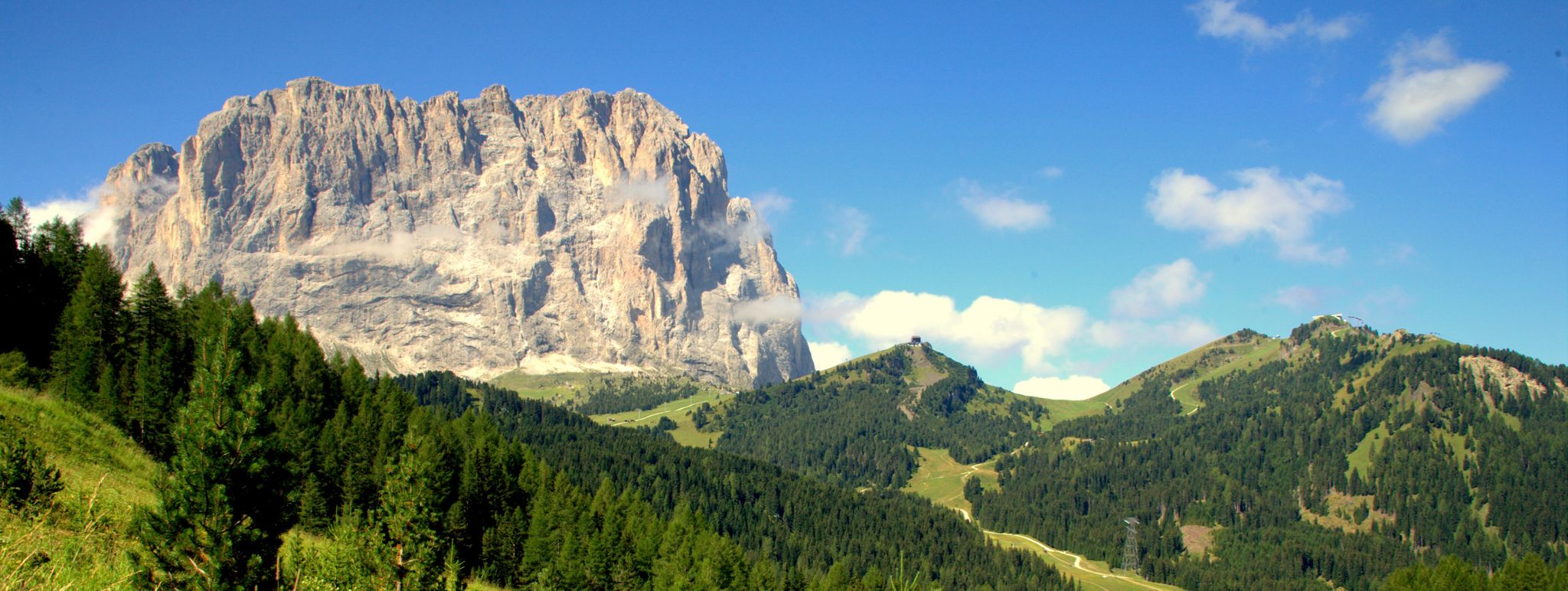
Via Venezia Alpina – hiking across the Alps to the Adriatic Sea
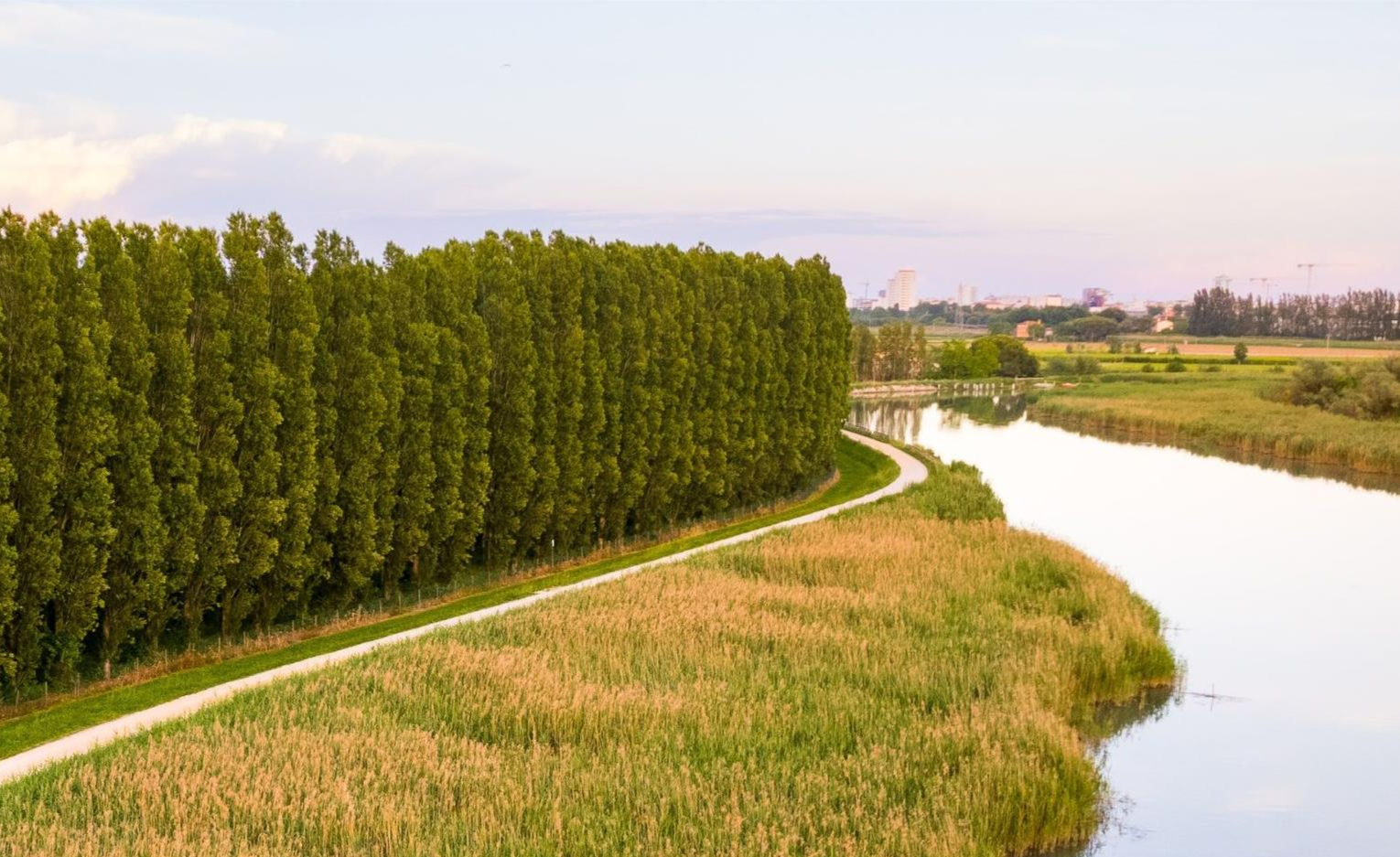
Cycling around Jesolo – between Sile, Piave and lagoon
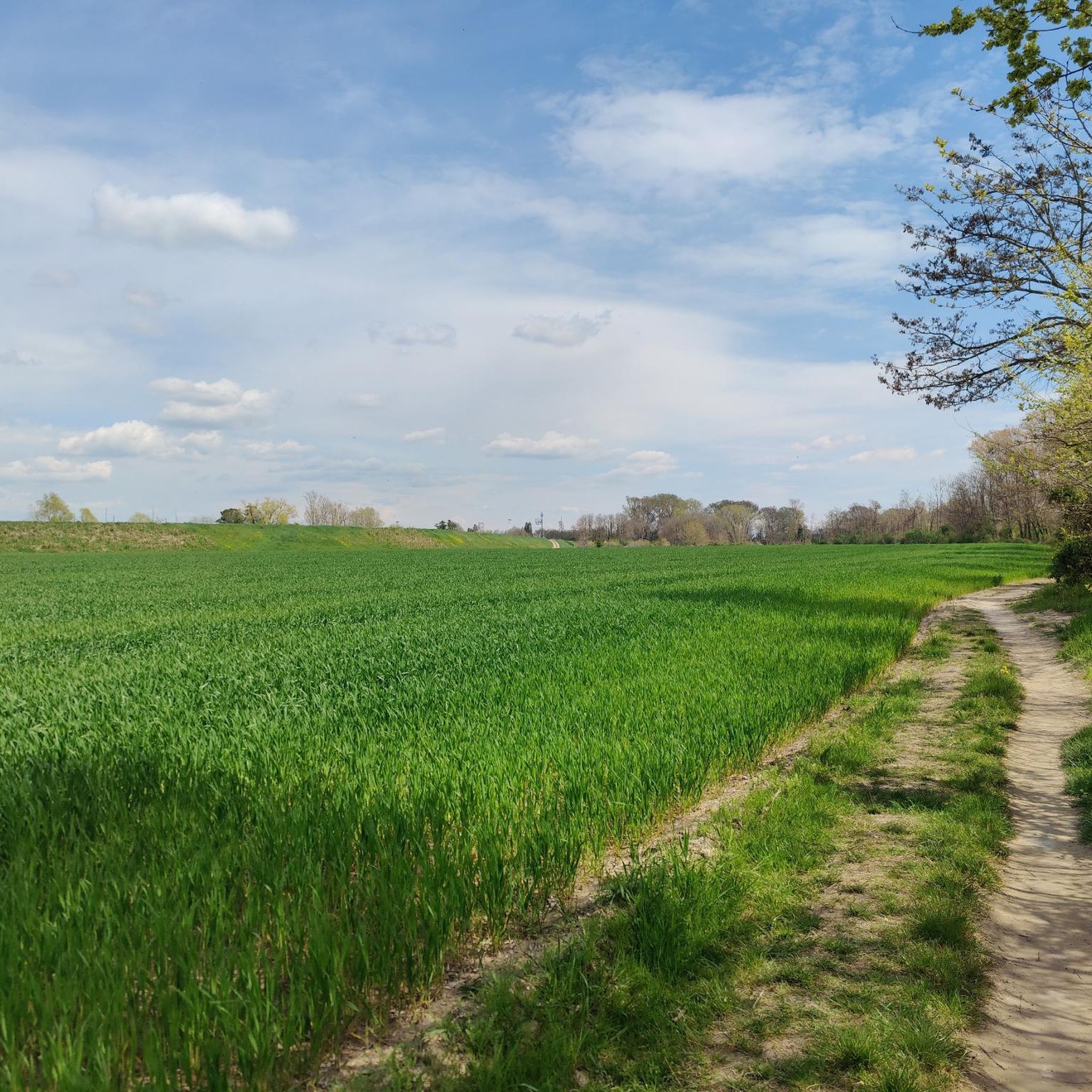
MTB Trails around San Donà Di Piave
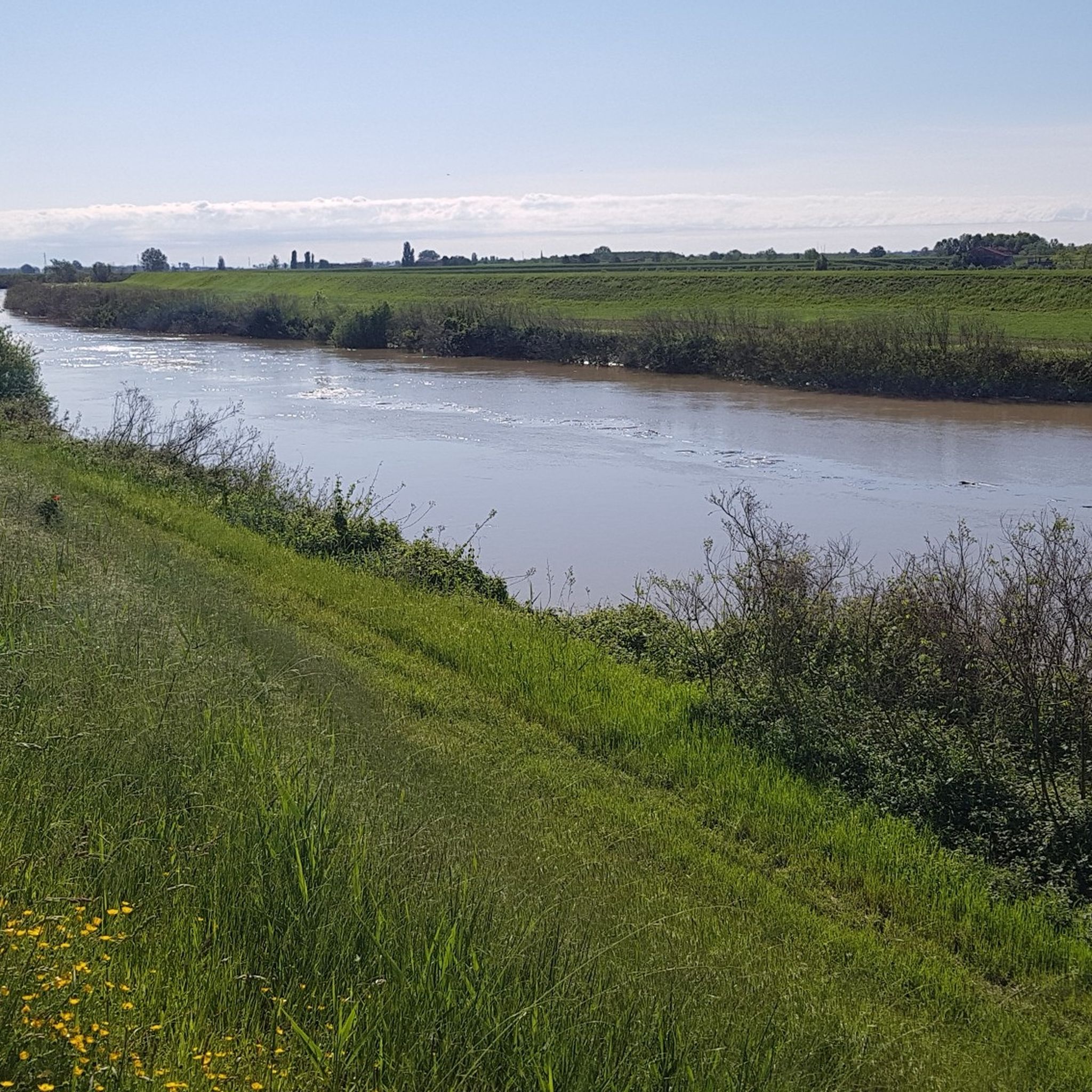
Cycling around San Donà Di Piave
Road Cycling Routes around San Donà Di Piave

Gravel biking around San Donà Di Piave
Running Trails around San Donà Di Piave
Hiking around San Donà Di Piave


Tips from the Community

A former port site, lovingly transformed into a park, with historical images. A must-see, and not just for historians.
2
0
A well-positioned observation tower along the cycling route. From the tower, you'll have a magnificent panoramic view of the lagoon to the west.
0
0

peace and quiet, a tour for everyone.
0
0

where the Monticano flows into the Livenza. The track is new, just widened and well beaten
0
0

Here we have reached the end of the descent of the Monticano river to the confluence with the Livenza river.
1
0

The park that stands at the ancient river port of Noventa di Piave can be reached from the city center through the embankment tunnel. The origin of the river port of Noventa dates back to the 10th century and is due to the will of Pietro Orseolo II (991-1009) Doge of the Serenissima. Thanks to his diplomatic skills, the doge managed to obtain a series of concessions on the Venetian mainland from the German emperor Otto III (980-1002). Among these in 996, the year in which the emperor went down to Italy to be crowned by the pope, he obtained the power to build a port and a market on the Piave, where Noventa now stands. The choice fell on this area because it was the terminal point of navigation on the Piave and was crossed by a road, the Calnova, which followed the path of an ancient Roman road linking the city of Altino and the territory of Opitergino (Oderzo). .
15
0

All roads are very well developed for cyclists. The paths are perfectly marked.
6
0
Once it flowed into Portegrandi di Quarto d'Altino, but in 1683 the Serenissima diverted its course via the Taglio del Sile canal, which transferred its waters to the old bed of the Piave, which was in turn diverted further east (for which the last stretch is also called Piave Vecchia). Finally, it flows into the Adriatic, dividing Lido di Jesolo from the Cavallino coast (Port of Piave Vecchia).
16
0
Frequently Asked Questions
What natural features can I explore around San Donà Di Piave?
The region around San Donà Di Piave is rich in diverse natural features, primarily centered around the Piave River. You can explore extensive floodplains like the Golena del Piave, significant forested areas such as Bosco di Bandiziol e Prassacon and Bosco Olmè, and various river sections including the Sile River mouth. These sites offer a mix of waterways, riparian vegetation, and lowland forests.
Are there any significant forest natural monuments in the area?
Yes, two notable forest natural monuments are Bosco di Bandiziol e Prassacon and Bosco Olmè. Bosco di Bandiziol e Prassacon, located in nearby San Stino di Livenza, is the most extended lowland forest in Eastern Veneto, covering almost 120 hectares with diverse tree species and a pond for ornithological observation. Bosco Olmè is a natural wood of 28 hectares, known for its ancient forest characteristics and rich undergrowth.
What makes the Piave River a central natural monument in this region?
The Piave River is central to the natural landscape of San Donà Di Piave, featuring prominent sites like the Parco Fluviale del Piave, which is a significant green lung with spontaneous riparian growth and diverse wildlife. The broader Golena del Piave (Piave Floodplain) offers extensive natural trails and canals. Historically, the river was vital, as seen at the Old River Port of Noventa di Piave, which was once a bustling port.
Where can I observe wildlife near San Donà Di Piave?
For wildlife observation, the Parco Fluviale del Piave is an excellent spot, home to numerous bird species like blackbirds, tits, and woodpeckers, as well as small animals such as grass snakes, slow worms, and hedgehogs. Bosco di Bandiziol e Prassacon also features a pond for ornithological observation and a diverse ecosystem, making it suitable for birdwatching and spotting various flora.
Are there any unique river confluences or geological features to see?
Yes, you can visit the Confluence of the Monticano and Livenza Rivers. This river viewpoint offers a peaceful experience where the Monticano flows into the Livenza, with a newly widened and well-beaten track suitable for everyone. Another interesting feature is the Sile River mouth, notable for its historical diversion in 1683 to prevent clogging the Venetian lagoon.
Are there family-friendly natural monuments suitable for children?
Absolutely! The Parco Fluviale del Piave is ideal for families, featuring unpaved internal paths, play areas with a pirate boat, zipline, and a labyrinth, as well as designated picnic and barbecue spots. Other family-friendly highlights include the Old River Port of Noventa di Piave, the Confluence of the Monticano and Livenza Rivers, and the Lone Tree of Via Barbaranella, all offering accessible and enjoyable experiences.
What outdoor activities can I do near these natural monuments?
The area offers a variety of outdoor activities. You can enjoy hiking on trails like the 'Trail Along the Piave' or 'Ponte della Vittoria – View of the Piave River loop'. For cycling, there are options like the 'BIM Basso Piave Cycle Path' or 'Venetian Lagoon and Flamingos – Piave Vecchia Cycle Path loop'. Mountain biking enthusiasts can explore routes such as 'Lungo il fiume Piave da San Donà di Piave'. Find more details on these activities in the Gravel biking, Hiking, and MTB Trails guides for San Donà Di Piave.
Are there easy walking trails among the natural monuments?
Yes, many natural monuments offer easy walking trails. The Parco Fluviale del Piave has unpaved internal paths perfect for leisurely strolls. Bosco di Bandiziol e Prassacon features well-maintained perimeter tracks and dirt paths. For dedicated hiking, routes like the 'Trail Along the Piave loop from San Donà di Piave' are rated as easy, providing accessible options for all.
Is there parking available at the natural monuments?
While specific parking details vary by location, many natural monuments, especially larger parks like Parco Fluviale del Piave, typically offer parking facilities or are easily accessible from urban areas where parking can be found. For the Old River Port of Noventa di Piave, the park can be reached from the city center, implying nearby parking options.
What is the best time of year to visit the natural monuments around San Donà Di Piave?
The natural monuments around San Donà Di Piave are enjoyable throughout much of the year. Spring and autumn offer pleasant temperatures for walking and cycling, with vibrant flora in spring and beautiful foliage in autumn. Summer is also suitable, especially for activities near the river, though it can be warmer. Winter provides a quieter, more serene experience, particularly in the forested areas.
Are any natural monuments around San Donà Di Piave wheelchair accessible?
Yes, some natural monuments offer good accessibility. The Confluence of the Monticano and Livenza Rivers features a newly widened and well-beaten track, making it accessible. Additionally, Bosco di Bandiziol e Prassacon is noted for its well-maintained perimeter tracks and dirt paths, which are accessible even for people with reduced mobility.
Can I bring my dog to the natural attractions?
Many natural areas in Italy, including parks and trails, are generally dog-friendly, especially if dogs are kept on a leash. For instance, the Parco Fluviale del Piave and the various trails along the Piave River are typically welcoming to dogs. However, it's always advisable to check specific park regulations on-site or online before your visit, as rules can vary.
Are there natural monuments with historical significance?
Yes, several natural monuments in the area have historical ties. The Old River Port of Noventa di Piave dates back to the 10th century and was a crucial river port. The Sile River mouth is significant for its historical diversion in 1683 by the Serenissima Republic of Venice. You can also combine a visit to the Parco Fluviale del Piave with the nearby Museo della Bonifica (Land Reclamation Museum) for more historical context.
What do visitors particularly enjoy about the natural monuments in this region?
Visitors appreciate the tranquility and natural beauty of the region. The peaceful tours along well-beaten tracks, such as at the Confluence of the Monticano and Livenza Rivers, are highly valued. The opportunity for leisurely walks, bike rides, and family outings in places like the Parco Fluviale del Piave, along with the rich biodiversity and historical context, makes these sites particularly appealing.
Most popular routes around San Donà Di Piave
Most popular attractions around San Donà Di Piave

Get inspired with the komoot mobile app


Explore more
Extend your search for the best caves by checking out these guides of the top ones around San Donà Di Piave:
