Top 13 Natural Monuments around Portogruaro
Best natural monuments around Portogruaro include a diverse range of natural features, from ancient trees to protected river ecosystems and coastal reserves. The region is characterized by the Lemene River, which flows through the town, and its surrounding green spaces. These natural areas offer opportunities to explore the arboreal heritage and protected habitats of the eastern Venetian plain. The landscape provides a blend of natural scenery and cultural heritage, making it suitable for outdoor exploration.
Best natural monuments around Portogruaro
…Last updated: June 28, 2026
Palù del Bandiziol
Highlight • Lake
Showing Translation
Tip by

Vallevecchia Nature Reserve
Highlight • Natural Monument
Translated by Google •
Tip by

Sign up now to discover places like this
Get recommendations on the best single tracks, peaks, & plenty of other exciting outdoor places.
Sign up for free
Villanova Oak (national monument)
Highlight • Natural Monument
Translated by Google •
Tip by

San Pietro Ford on the Versiola
Highlight (Segment) • River
Translated by Google •
Tip by

Fontana di Venchieredo
Highlight • Natural Monument
"Between Cordovado and Venchieredo, one mile between the two towns, there is a large and clear fountain that also has the voice of containing many cooling and healthy …
Translated by Google •
Tip by

Sign up for free to discover even more natural monuments around Portogruaro.
Sign up for free
Already have an account?
Start today with a free account
Your next adventure awaits.
Login or Signup

Other adventures around Portogruaro

Tips from the Community

A true natural paradise, one of the last remaining areas with wetlands. Well-maintained forest paths, country lanes, gravel roads, and paved sections, as well as stretches along the dikes, invite you to cycle. Tip: visit while it is still so natural.
0
0

Il Guado di San Pietro, located near Bagnarola, is a place where history blends with the nature of the springs. This ancient crossing on the Versiola canal owes its name to the nearby church of San Pietro, a Romanesque jewel mentioned as early as the 12th century. In the past, the ford represented a fundamental transit point for wayfarers and pilgrims heading to the Abbey of Sesto, offering a safe passage in a territory dominated by water. Today, the area retains a suspended and evocative atmosphere, immersed in lush vegetation of alder and willow trees. The small church, with its fifteenth-century frescoes, testifies to the deep rural spirituality of Friuli. It is an essential stop for those who travel along the nature trails connecting the village to the Mulini di Stalis.
0
0

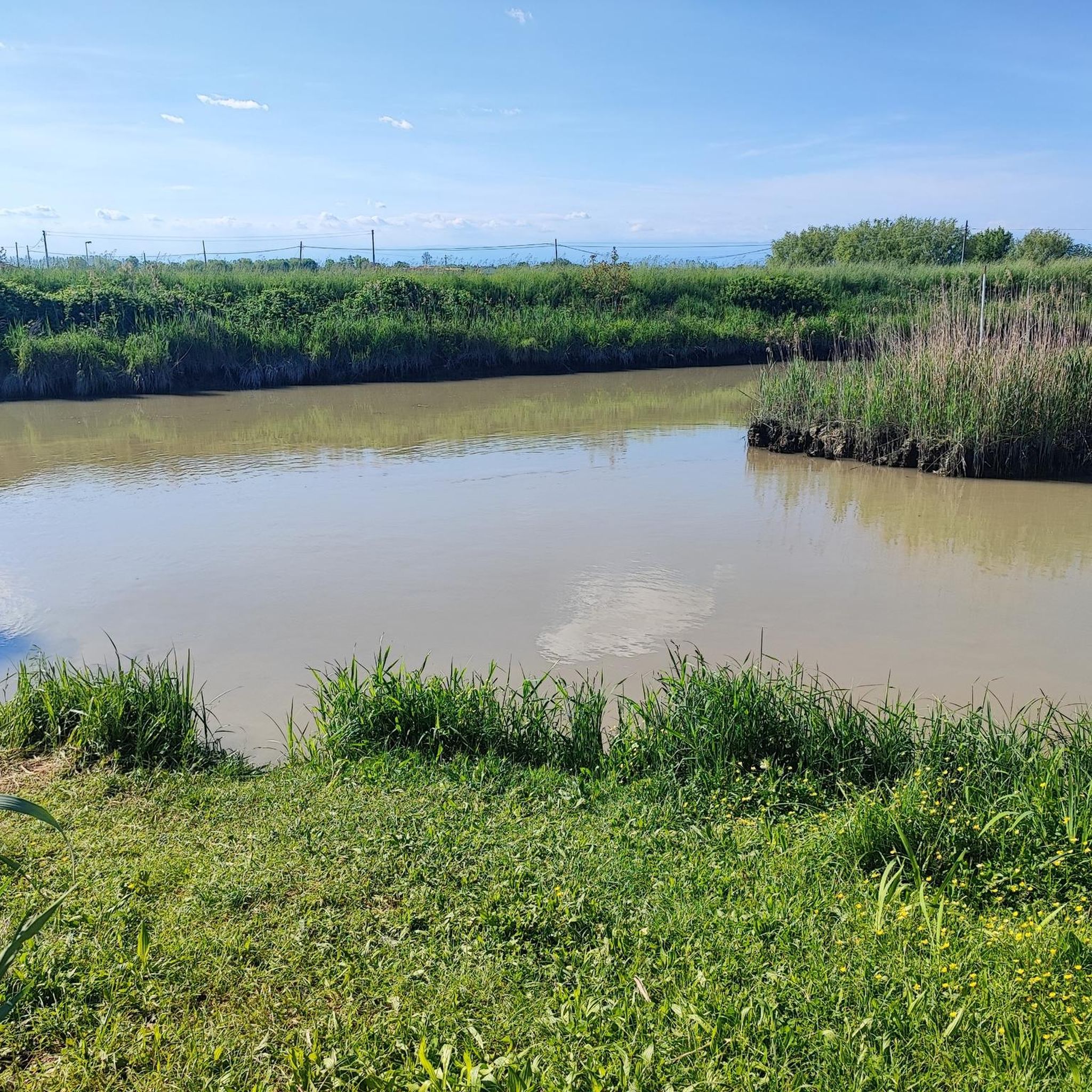
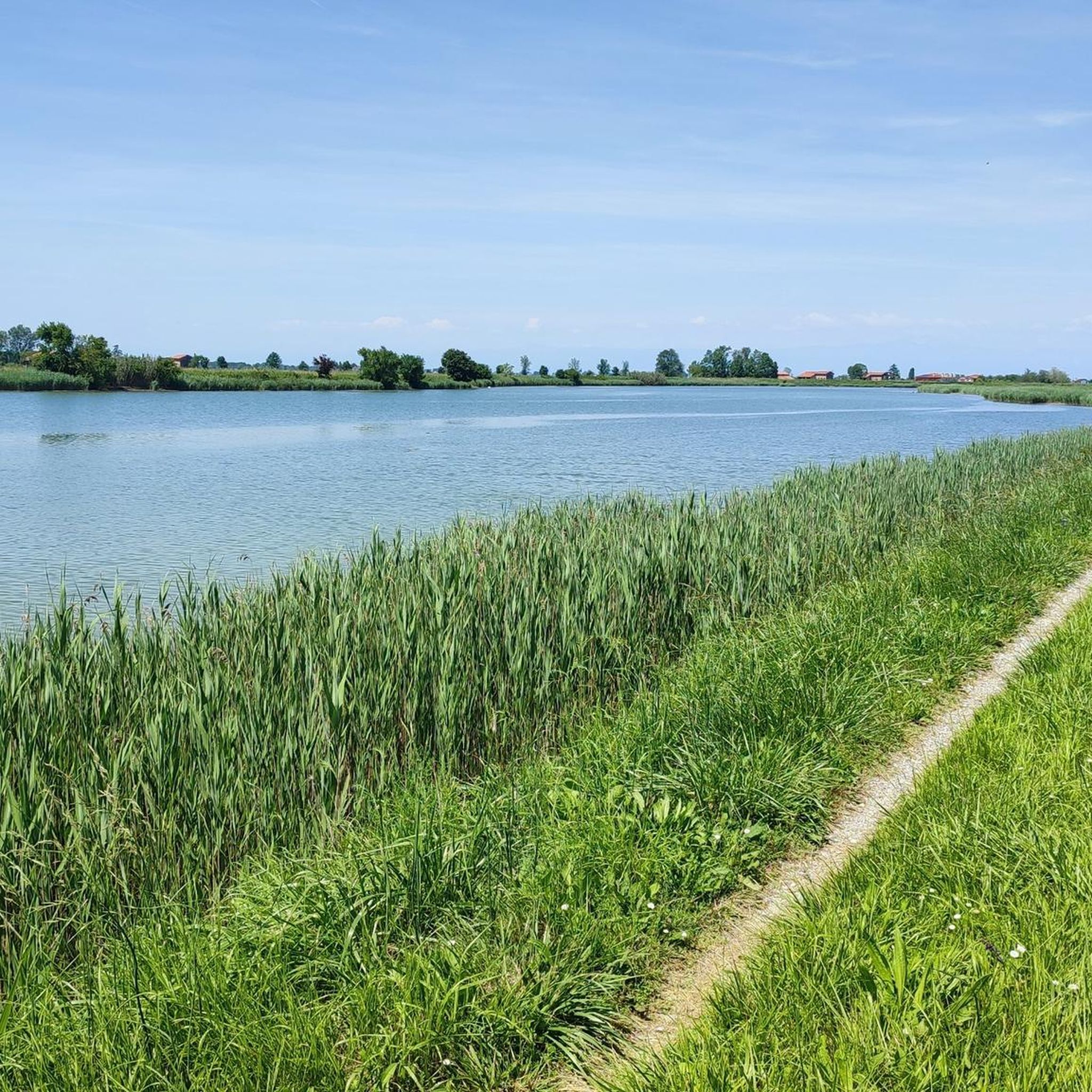
The Sanstino territory was characterized in its southern part by large lagoons and marshes until a few decades ago. Until the first half of the 20th century, these environments proved very harmful to humans, in various aspects, as they were a source of diseases, such as malaria, and were not sufficiently productive. Thus, with major land reclamation works, the land was taken from the water to make it cultivable and to obtain products that allowed many families to live. However, the lagoons were also a huge reservoir of biodiversity with many species of animals and plants that were largely destroyed during the land reclamation operations. It is also for this reason that, within the project for the historical reconstruction of the Bandiziol and Prassaccon woods, it was desired to leave a further mark of what the territory and landscape of S. Stino once were, by creating a wetland area, partly similar to the numerous wetlands once present even within the woods, called "bassone". This intervention is not only an operation of "philological" recovery of the pre-reclamation hydraulic system but, above all, presents a significant environmental value as it reconstructs the natural habitat of various bird species. The small lake is located in the eastern part of the Bosco di Bandiziol, covers an area of approximately 10,000 sq m and has a rounded shape with small islands within it. To better reproduce different lake habitats, the small lake has varying depths, from a few centimeters to over 2 meters, thus offering many bird species the opportunity to find a suitable environment to stay. In fact, in the shallower waters and marginal areas, it is possible to see herons, egrets, plovers, mallards, and other surface ducks. In the rest of the lake, there are divers, cormorants, and diving ducks that find food in open water or on deep bottoms. The islands and the winding perimeter shapes were created specifically to allow the avifauna to hide and find refuge, so that it can be disturbed as little as possible by human presence. In fact, the conformation of the banks and the vegetation (reeds, herbaceous and shrubby vegetation) offer all the necessary environments for the rest, feeding, and nesting of birds.
11
0

The Palù del Bandiziol is a wetland formed by a sulfur spring that, at its source, gives off the characteristic smell of rotten eggs. This wetland is of great naturalistic value due to the presence of numerous bird species.
1
0

Now, next to the ford, there is a comfortable metal walkway
0
0

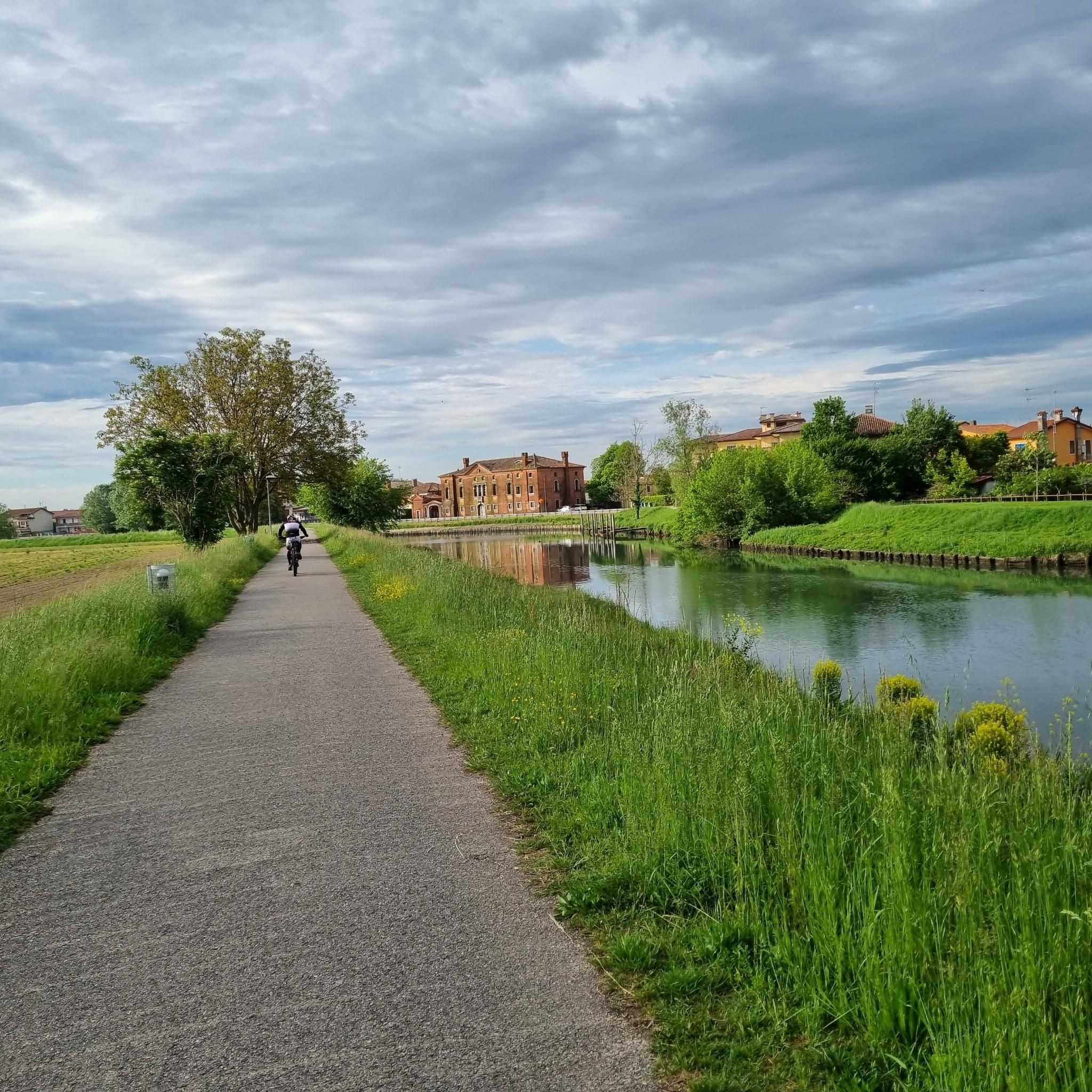
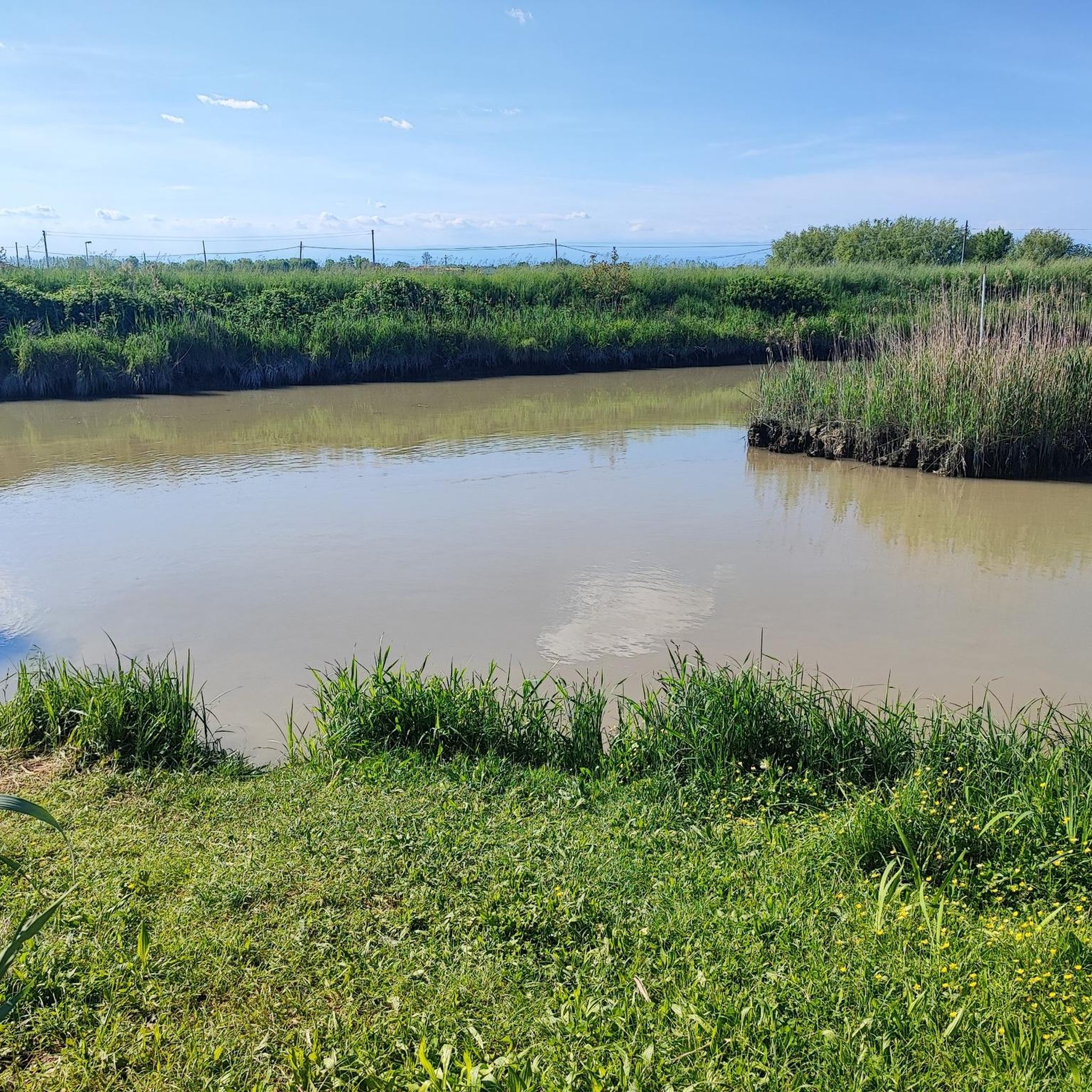
On the border between Veneto and Friuli Venezia Giulia there is a very beautiful path immersed in nature, which starts from Gruaro and crosses the Versiola river, until reaching the Stalis mills. A historical and naturalistic path in the countryside full of canals and bodies of water.
1
0
Bosco Bandiziol, a green lung between San Stino di Livenza and Loncon
0
0

Great for walks and rides in nature. To visit it I would avoid the summer months for the rest every season has its reason
0
0
Frequently Asked Questions
What unique natural features can I explore around Portogruaro?
The region offers a diverse range of natural features. You can visit the ancient Villanova Oak (national monument), a sacred tree symbolizing the arboreal heritage of the eastern Venetian plain. The Vallevecchia Nature Reserve features diverse ecosystems, including a natural, wild, and sandy beach. Additionally, the Stella River in Precenicco is a navigable regional nature reserve ideal for birdwatching.
Are there any natural areas suitable for families with children?
Yes, several natural monuments are family-friendly. The Villanova Oak (national monument) is an impressive sight for all ages. The Vallevecchia Nature Reserve offers plenty of space for walks and exploring the beach. The Stella River in Precenicco also provides boat excursions that can be enjoyed by families, offering opportunities for birdwatching.
Where can I go for wildlife spotting near Portogruaro?
For wildlife spotting, the Stella River in Precenicco is an excellent choice. Its regional nature reserve status means it's a prime location for birdwatchers, where you might spot marsh harriers, mute swans, and various heron species. The Observation Tower at Brussa Wetlands also offers wide views over a water landscape, perfect for observing birds.
What kind of outdoor activities can I do near these natural monuments?
The area around Portogruaro is great for various outdoor activities. You can find numerous routes for gravel biking, road cycling, and running. For example, there are gravel biking routes like the 'Portogruaro – Casoni of Caorle loop' or road cycling routes such as 'Portogruaro’s historic canals – Historic Centre of Portogruaro loop'. Running trails include 'Portogruaro – Lemene River in Portovecchio loop'. You can find more details on these activities in the Gravel biking around Portogruaro, Road Cycling Routes around Portogruaro, and Running Trails around Portogruaro guides.
Are there any historical natural sites in the area?
Yes, the Villanova Oak (national monument) is a significant historical natural site. Estimated to be around five centuries old, and possibly even older by local tradition, it's known as the 'Oak of the neighborhood' because local family heads historically held meetings around it. It's a living symbol of the region's arboreal heritage and past.
What is the best time of year to visit the natural monuments around Portogruaro?
While the natural monuments can be enjoyed year-round, many visitors suggest avoiding the peak summer months for places like the Vallevecchia Nature Reserve due to heat. Spring and autumn offer pleasant temperatures for exploring, with lush greenery or vibrant fall colors. Each season offers a unique reason to visit, from birdwatching in spring to tranquil walks in cooler weather.
Can I find easy walks or trails suitable for all fitness levels?
Yes, many natural areas offer easy paths. The Vallevecchia Nature Reserve is great for walks and rides in nature, with generally flat terrain. Walking along the Lemene River in Portogruaro also provides picturesque and accessible routes. For specific trail difficulties, it's always good to check the route details in the relevant komoot guides.
Are there any natural monuments that are considered 'hidden gems'?
The Fontana di Venchieredo, nestled between Cordovado and Venchieredo, is often described as a picturesque and pastoral scene. This clear fountain, surrounded by meadows, woods, and a hospitable shade of alders and willows, has historically been a gathering spot. It offers a tranquil and enchanting experience, away from more crowded areas.
What are the main natural features of the Lemene River in Portogruaro?
The Lemene River flows directly through Portogruaro, shaping its landscape and history. While not a monument itself, its banks and surrounding greenery, such as the Villa Comunale and Parco della Pace, offer natural beauty within the urban setting. The river is also famously home to the historic 14th-century Sant'Andrea Watermills, which are deeply integrated with its natural flow, providing a blend of natural scenery and cultural heritage.
Is the Alvisopoli Forest a natural monument, and what does it offer?
The Alvisopoli Forest, also known as Oasi WWF Alvisopoli, is recognized as an important WWF oasis, highlighting its ecological significance. It provides a serene environment for nature lovers, with green itineraries and biking paths that allow visitors to immerse themselves in the quiet countryside. It's an excellent spot for appreciating protected natural habitats and enjoying tranquility.
What do visitors particularly enjoy about the natural monuments in Portogruaro?
Visitors appreciate the diverse experiences offered. Many enjoy the impressive size and historical significance of the Villanova Oak (national monument). The Vallevecchia Nature Reserve is loved for its natural, wild beach and peaceful environment. The Stella River in Precenicco is highly rated for its unique natural environment and birdwatching opportunities.
Are there opportunities for cycling near the natural monuments?
Absolutely. The region offers extensive cycling opportunities. You can find numerous routes for both gravel biking and road cycling that pass by or are close to natural monuments. For instance, the 'Lemene River in Portovecchio – Gate of Sesto al Reghena loop' is a challenging gravel route, and the 'Villa Mocenigo in Alvisopoli – Gravel Path loop' offers an easier road cycling option. Explore more in the Gravel biking around Portogruaro and Road Cycling Routes around Portogruaro guides.
Most popular routes around Portogruaro
Most popular attractions around Portogruaro

Get inspired with the komoot mobile app


Explore more
Extend your search for the best caves by checking out these guides of the top ones around Portogruaro:
