Top 13 Natural Monuments around Montoggio
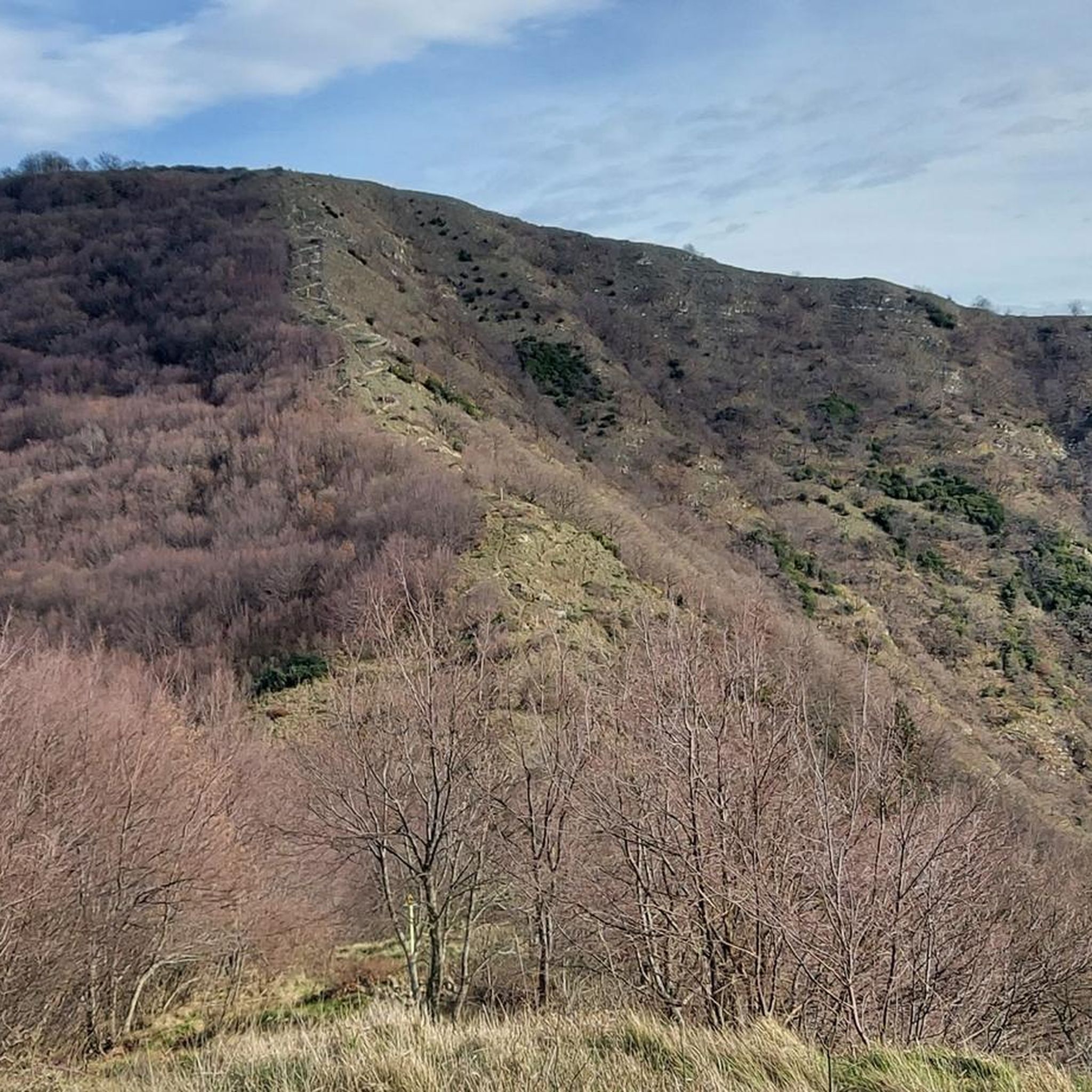
Best natural monuments around Montoggio are situated within the Ligurian Apennines, providing access to varied natural landscapes. The area features prominent mountains and unique geological formations. Exploring these natural features offers insights into the region's natural history and provides opportunities for outdoor activities.
Best natural monuments around Montoggio
- The most popular natural monuments is Mount Antola, a summit that is the highest peak dominating the Po valley and the sea. Located in the heart of its natural park, it…
Last updated: October 15, 2026
Mount Antola
Highlight • Summit
Translated by Google •
Tip by

Villetta Di Negro Park and Waterfall
Highlight • Parking
Translated by Google •
Tip by

Sign up now to discover places like this
Get recommendations on the best single tracks, peaks, & plenty of other exciting outdoor places.
Castello della Pietra
Highlight • Castle
Translated by Google •
Tip by

Monte Fasce Summit
Highlight • Summit
Translated by Google •
Tip by

Biosphere, Porto Antico di Genova
Highlight • Monument
Translated by Google •
Tip by

Sign up for free to discover even more natural monuments around Montoggio.
Already have an account?
Start today with a free account
Your next adventure awaits.
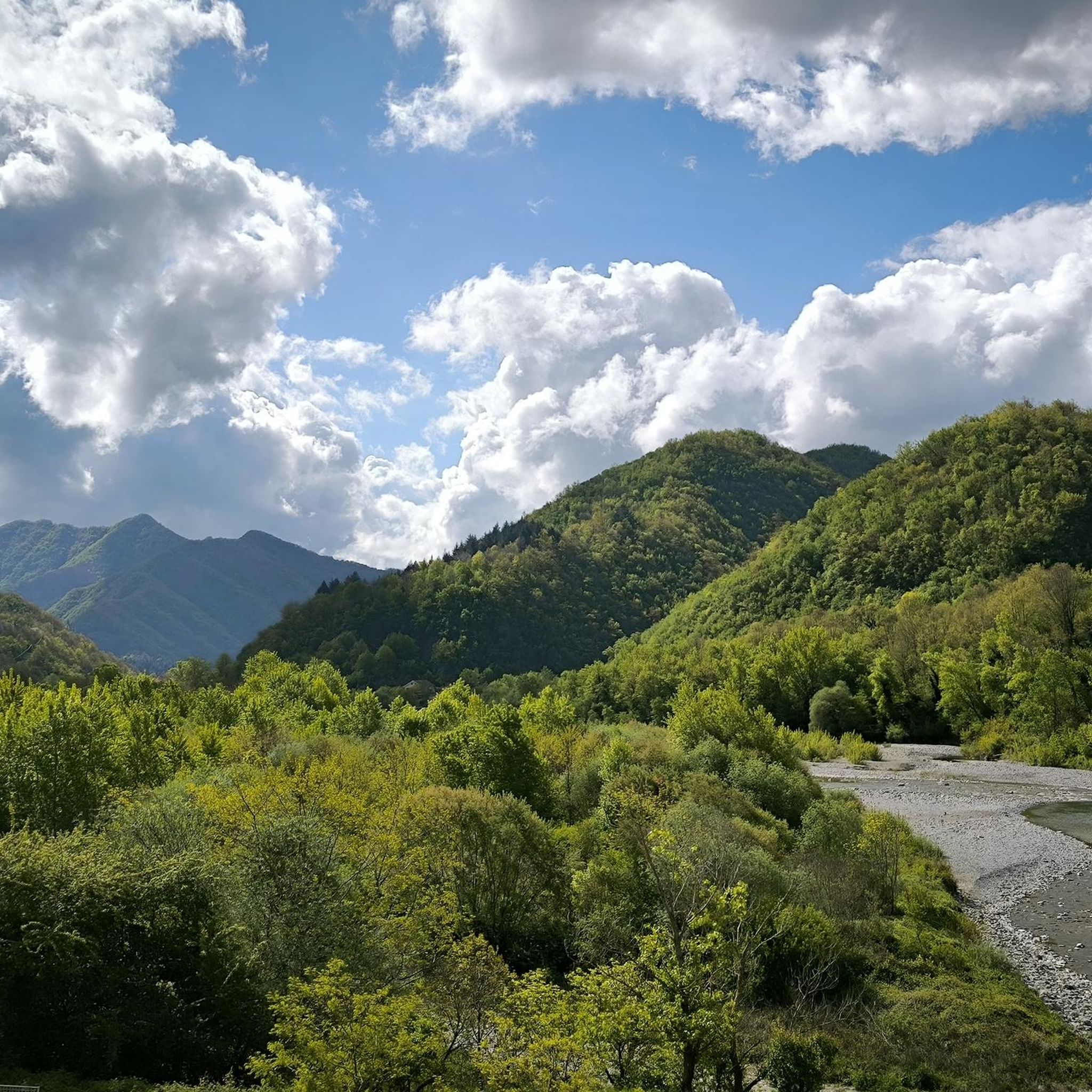
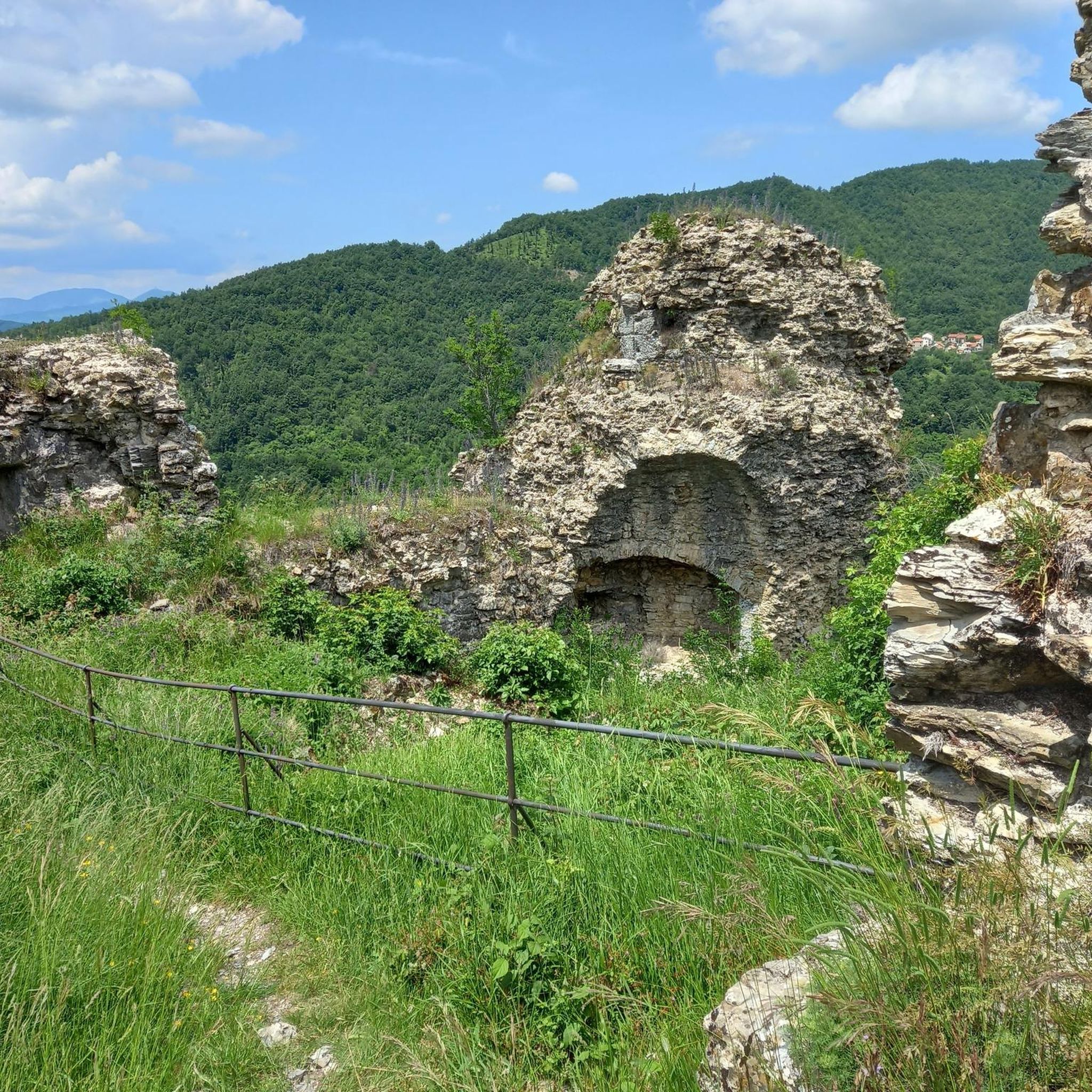
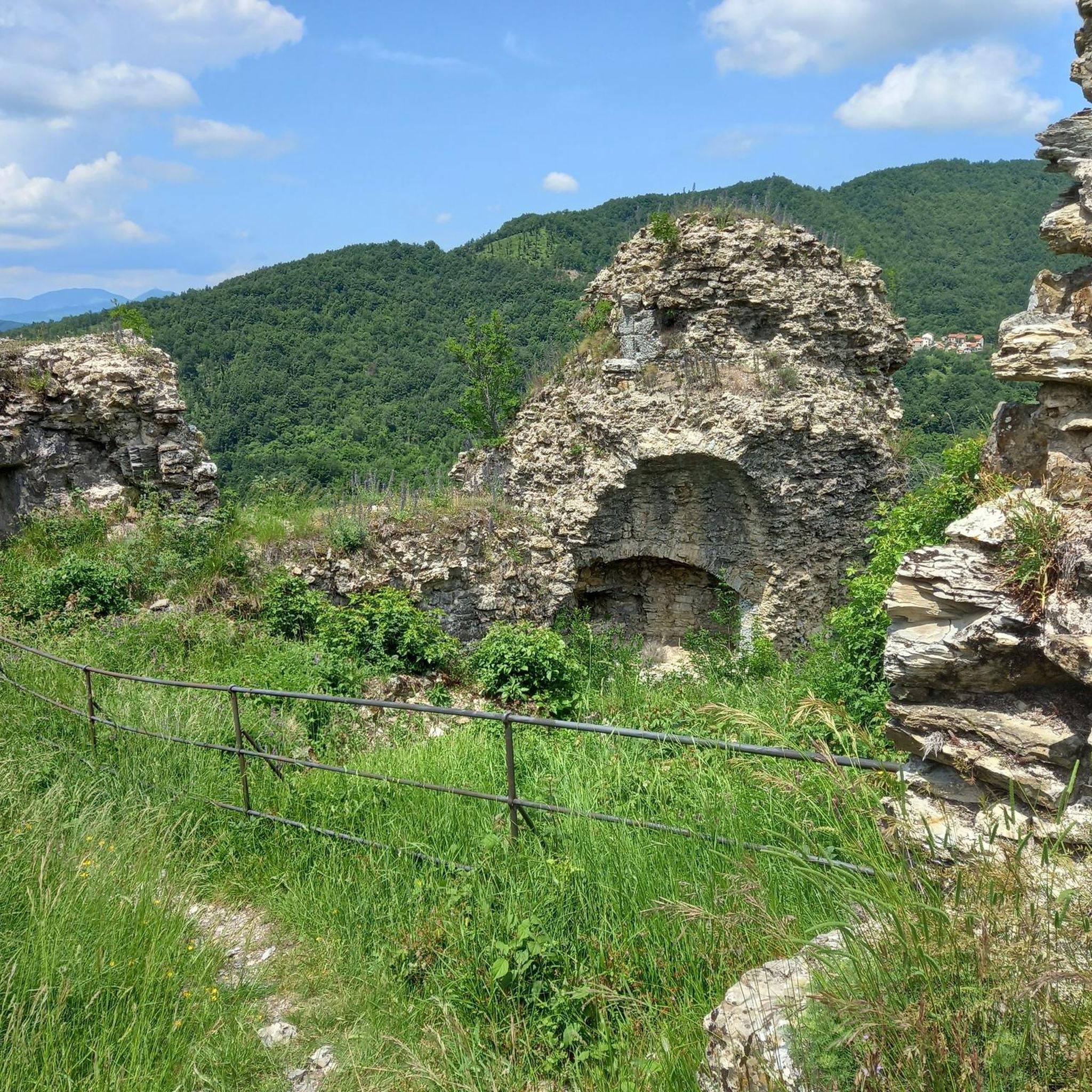
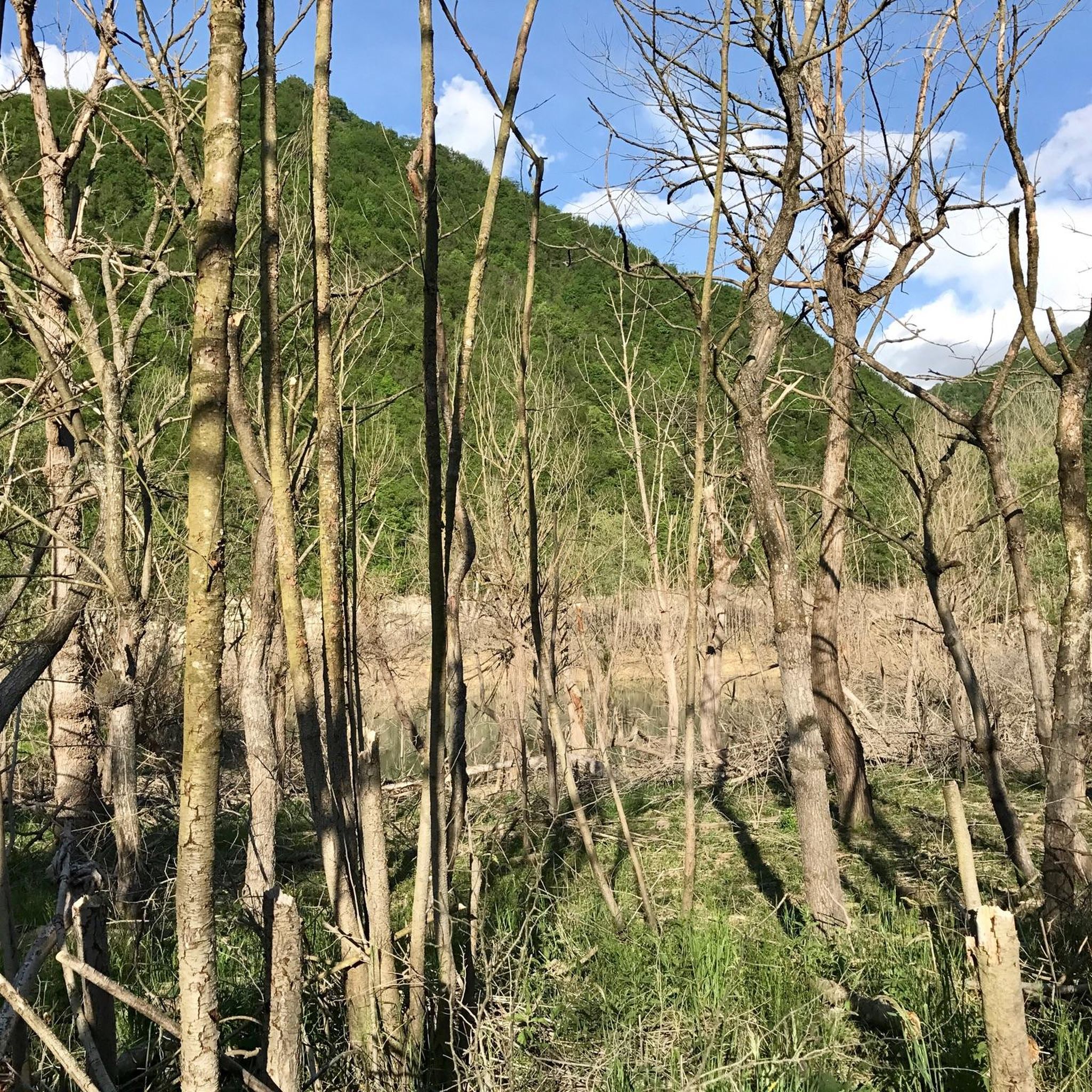
Tips from the Community


Whether you choose to climb from the parking lot below the castle (moderate difficulty, about 40 minutes on a well-marked path, steps, and a walkway) or follow the "Castellani's Path" from Vobbia (about two hours, including stops), the arrival near the castle is breathtaking! Spectacular, simply! This view is worth the effort (by car) to reach the tiny village of Vobbia, which, however, is located in an area rich in natural beauty! For information, visit this wonderful website: https://www.parcoantola.it/pagina.php?id=47
0
0


The Biosphere (glass & steel dome by Renzo Piano) next to the Apuarium in Porto Antico Genoa. An ingenious design, worth seeing in the old harbor.
12
0

Villetta Di Negro, for many Genoese “Dinegro” just to save space, is a municipal park in the center of the city of Genoa, on a small hill overlooking Piazza Corvetto and Piazzale Mazzini, partially covered with the bastions, called “Luccoli”, the walls dating back to the 17th century. The villa was built at the beginning of the 19th century by the Marquis Gian Carlo Di Negro and the park was decorated both with tall trees and paths with flowerbeds leading to the main villa, from which the view extended to the sea, with the presence of numerous statues, in keeping with the classical style of the period. In the second half of the 19th century, after the death of the Marquis Di Negro, the complex was bought by the City of Genoa and the villa was used as the Botanical Garden of the University of Genoa. During the bombings of World War II, the villa was practically destroyed except for the terrace overlooking the buildings in Piazza Fontane Marose, and in the following years it was rebuilt in modern style to house the Edoardo Chiossone Museum of Oriental Art. In the period between the two world wars, the garden was enriched both with alien plants and with two artificial "caves", one large and one small. In addition, the waterfall was designed by creating overhangs and pools to make the flow of water more spectacular.
1
0

Monte loved by the Genoese in summer and winter
0
0

beautiful and fun, definitely an experience to try at least once...
0
0

Nice observation point over the castle and one of the towers where you could once climb. Great for a souvenir photo. you must not suffer from vertigo, exposed sides and a small climb to the top must be done with care and suitable shoes.
0
0
Frequently Asked Questions
What are some prominent natural monuments near Montoggio?
The region around Montoggio offers several notable natural monuments. Mount Antola is a significant peak in its natural park, known for dominating views of the Po Valley and the sea. Another prominent feature is Monte Figne, a mountain in the Ligurian Apennines offering expansive 360-degree panoramic views from the Mediterranean Sea to the distant western Alps. Monte Fasce Summit also provides splendid views of the Ligurian Riviera and the Apennines.
What kind of views can I expect from the natural monuments around Montoggio?
You can expect breathtaking panoramic views. From Monte Figne, you can see from the Mediterranean Sea to the distant western Alps, including Monte Rosa and Gran Paradiso on clear days, as well as the Po Valley and the artificial lakes of Gorzente. Mount Antola offers views dominating both the Po Valley and the sea. Monte Fasce Summit provides a splendid perspective of the Ligurian Riviera and the Apennines. Even within Genoa, Villetta Di Negro Park offers good views over the city and its harbor.
Are there any historical natural monuments or sites with historical significance in the Montoggio area?
Yes, several natural monuments in the area have historical ties. Castello della Pietra, an example of Ligurian defensive architecture, towers over the Vobbia gorge and has a rich history, now restored and hosting cultural events. Monte Figne has served as a natural border for centuries, blending natural beauty with historical importance. Additionally, Villetta Di Negro Park in Genoa, while a municipal park, has historical roots as a botanical garden and features remnants of 17th-century bastions.
What outdoor activities can I do near the natural monuments around Montoggio?
The area around Montoggio's natural monuments is excellent for various outdoor activities. You can find numerous routes for cycling, gravel biking, and running. For example, there are challenging cycling routes like the Passo della Bocchetta loop, and running trails such as the Mount Buio – Mount Antola loop. You can explore more options on the dedicated guides for Cycling around Montoggio, Gravel biking around Montoggio, and Running Trails around Montoggio.
Are there hiking opportunities around Montoggio's natural monuments?
Absolutely. Mountains like Monte Figne offer diverse hiking trails, ranging from accessible paths to more technical sections with rocky terrain. Popular starting points for ascents to Monte Figne include Passo della Bocchetta and Isoverde. Mount Antola also has numerous trails leading to its summit, suitable for various skill levels. The Alta Via dei Monti Liguri, a long-distance trail, passes very close to Monte Figne's summit, offering extended options for experienced hikers.
Are there any unique geological features to explore near Montoggio?
Beyond the prominent mountains, the Montoggio area is characterized by interesting geological formations. Scientific literature mentions the Montoggio shales formation, which exhibits irregular surfaces and gentler slopes. You can also find features such as a waterfall along the Rialasco streambed and the unique morphology of the streambed along the upper Torbella Valley, which are identified as geological and geomorphological points of interest.
Are there family-friendly natural monuments to visit near Montoggio?
Yes, there are options suitable for families. Villetta Di Negro Park and Waterfall in Genoa is a municipal park with a waterfall, offering a pleasant green oasis that is family-friendly. The Biosphere, Porto Antico di Genova, designed by Renzo Piano, is another family-friendly attraction where you can learn about tropical flora and fauna in a unique spherical structure.
What is the best time to visit the natural monuments around Montoggio?
The best time to visit largely depends on the activity. For hiking and enjoying the panoramic views from mountains like Monte Figne, Monte Figne, and Mount Antola, spring and autumn generally offer pleasant temperatures and clear skies. Summer can also be good, especially at higher altitudes, but be prepared for warmer weather. Winter can be beautiful for snow-covered landscapes, but some trails may be more challenging or inaccessible due to snow and ice.
What do visitors enjoy most about the natural monuments around Montoggio?
Visitors highly appreciate the breathtaking vistas and the diverse outdoor opportunities. The expansive panoramic views from summits like Monte Figne, Mount Antola, and Monte Fasce Summit are frequently praised. Hikers enjoy the varied terrain and the sense of achievement. The historical significance of sites like Castello della Pietra and the tranquil beauty of places like Villetta Di Negro Park also contribute to a memorable experience.
Are there any natural monuments that are part of a protected area near Montoggio?
Yes, Monte Figne's north-western slopes are part of the Capanne di Marcarolo Piedmontese natural park, which contributes to the preservation of its diverse flora and fauna. Mount Antola is also located in the heart of its own natural park, highlighting the region's commitment to protecting its natural heritage.
Can I find waterfalls among the natural features near Montoggio?
Yes, the Montoggio area features hydrological points of interest, including a waterfall along the Rialasco streambed. Additionally, within Genoa, Villetta Di Negro Park boasts an artificial waterfall designed with overhangs and pools, adding to the park's scenic beauty.
Most popular attractions around Montoggio

Get inspired with the komoot mobile app


Explore more
Extend your search for the best caves by checking out these guides of the top ones around Montoggio:
