Top 14 Natural Monuments around Aosta
Natural monuments around Aosta Valley showcase a diverse alpine landscape, characterized by high peaks, extensive protected areas, and unique geological formations. The region, despite its size, features a significant portion of protected land, including national and regional parks. This area offers a variety of natural landmarks, from glacial lakes and wetlands to towering mountains and ancient forests. Visitors can explore these sites to observe diverse ecosystems and geological features.
Best natural monuments around Aosta
- The most popular natural monuments is…
Last updated: June 28, 2026
Lake Chamolé
Highlight • Lake
As you approach the lake you have a wonderful view of Mont Blanc, the valley of the Great Saint Bernard and the Gran Combin.
Translated by Google •
Tip by

Les Iles Nature Reserve
Highlight • Natural Monument
These lakes now provide refuge …
Translated by Google •
Tip by

Sign up now to discover places like this
Get recommendations on the best single tracks, peaks, & plenty of other exciting outdoor places.
Sign up for free
Col de Champillon
Highlight • Mountain Pass
Translated by Google •
Tip by

View of the Aosta Valley from the Côte de Gargantua Nature Reserve
Highlight • Viewpoint
Translated by Google •
Tip by

Green Waters
Highlight • Natural Monument
The mixture of these minerals brings out …
Translated by Google •
Tip by

Sign up for free to discover even more natural monuments around Aosta.
Sign up for free
Already have an account?
Start today with a free account
Your next adventure awaits.
Login or Signup
Popular around Aosta
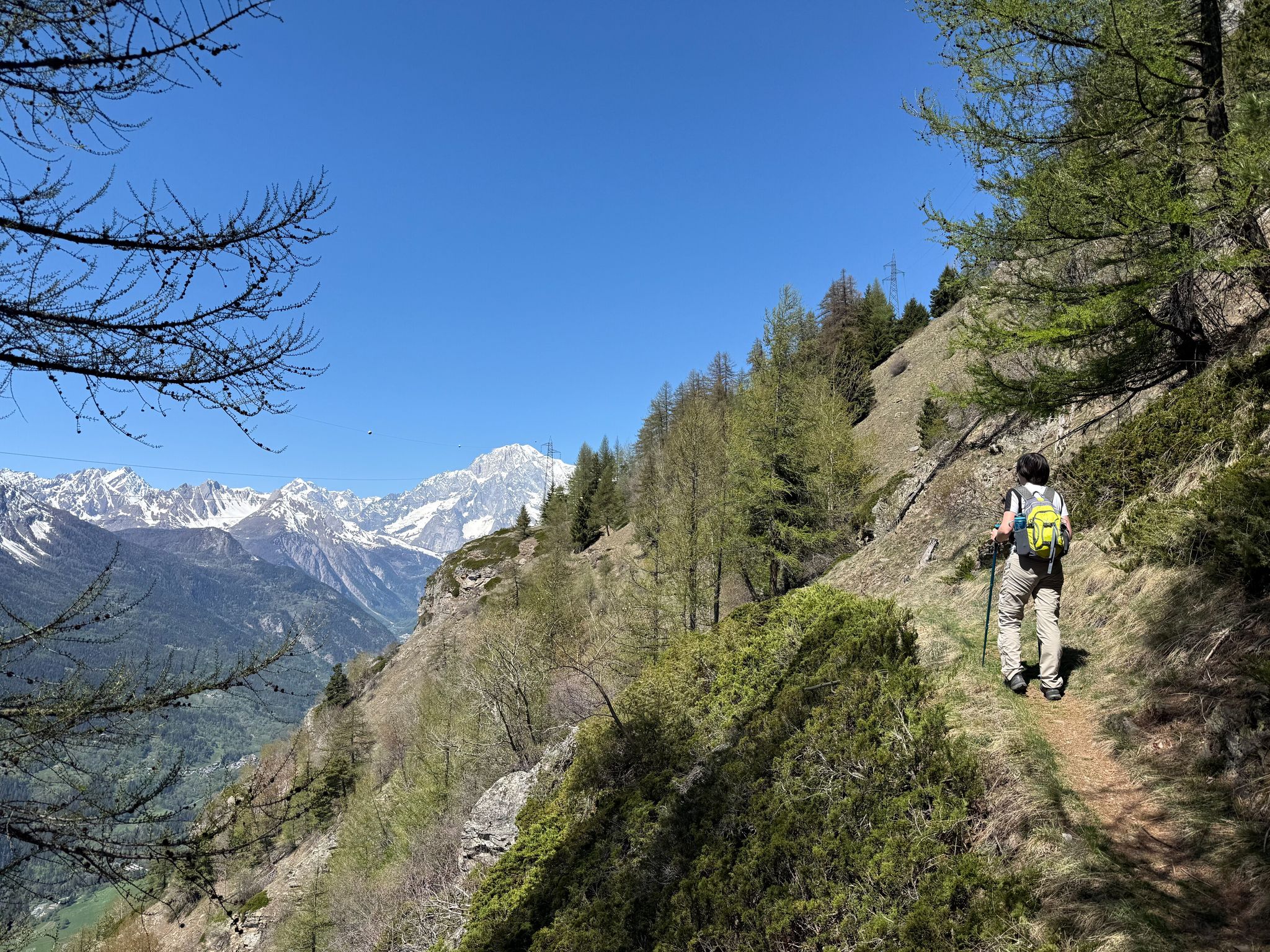
Cammino Balteo – castles, vineyards and trails of the Aosta Valley
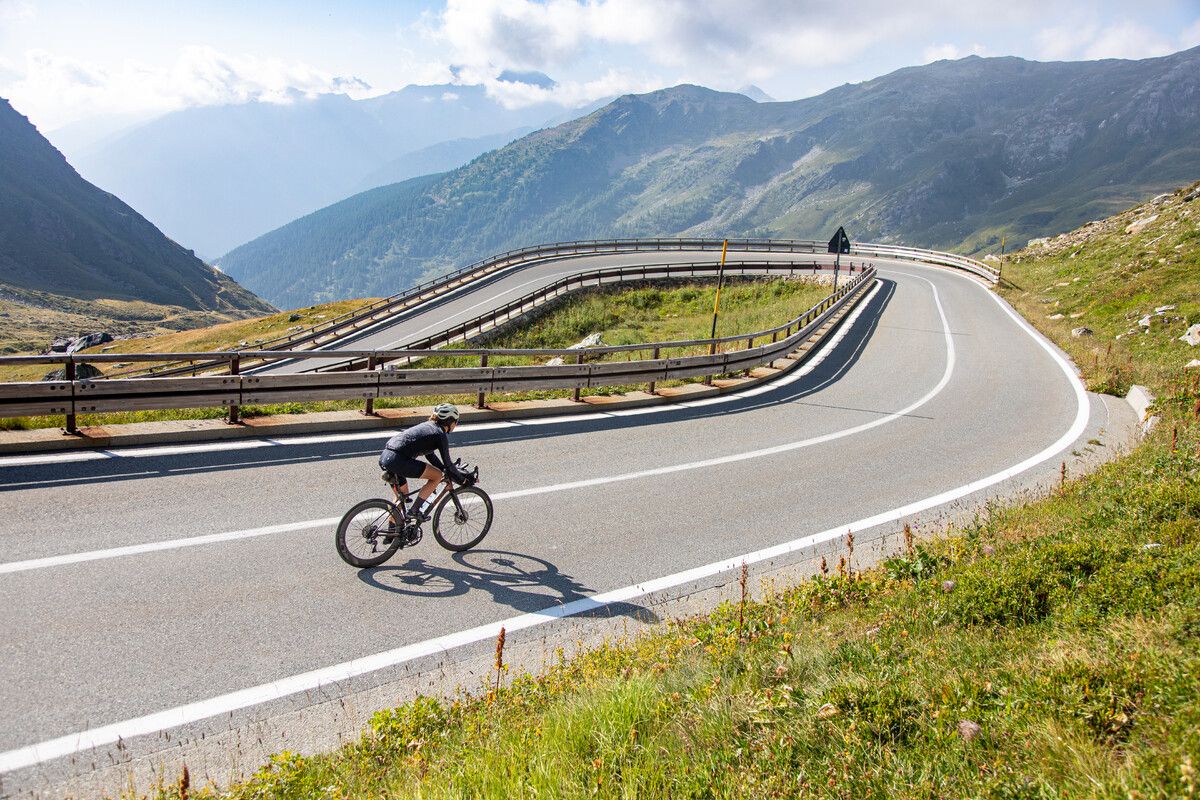
Road cycling in the Aosta Valley – major climbs and alpine routes
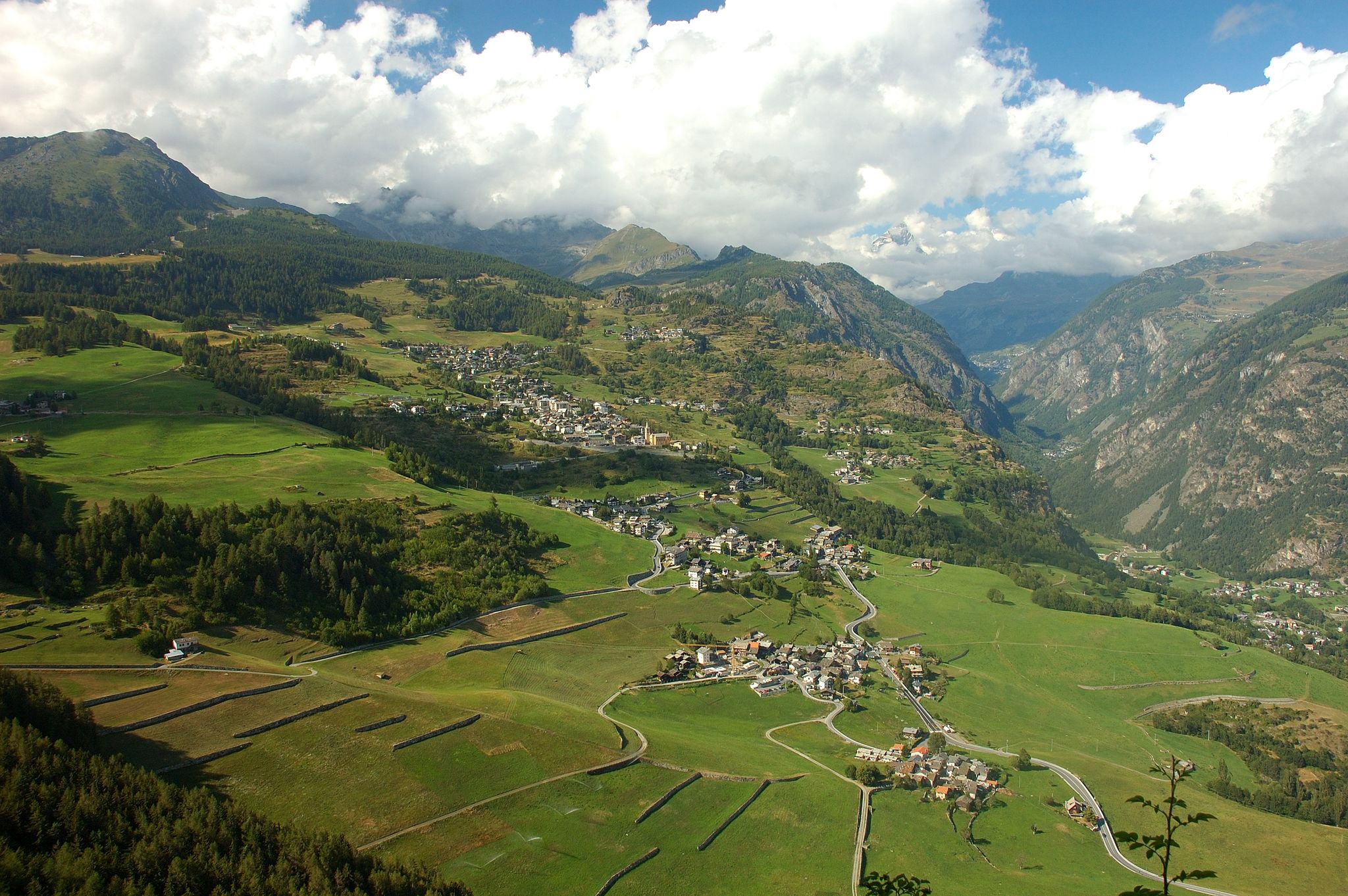
Paths, castles and views of Italy’s Aosta Valley – Cammino Balteo
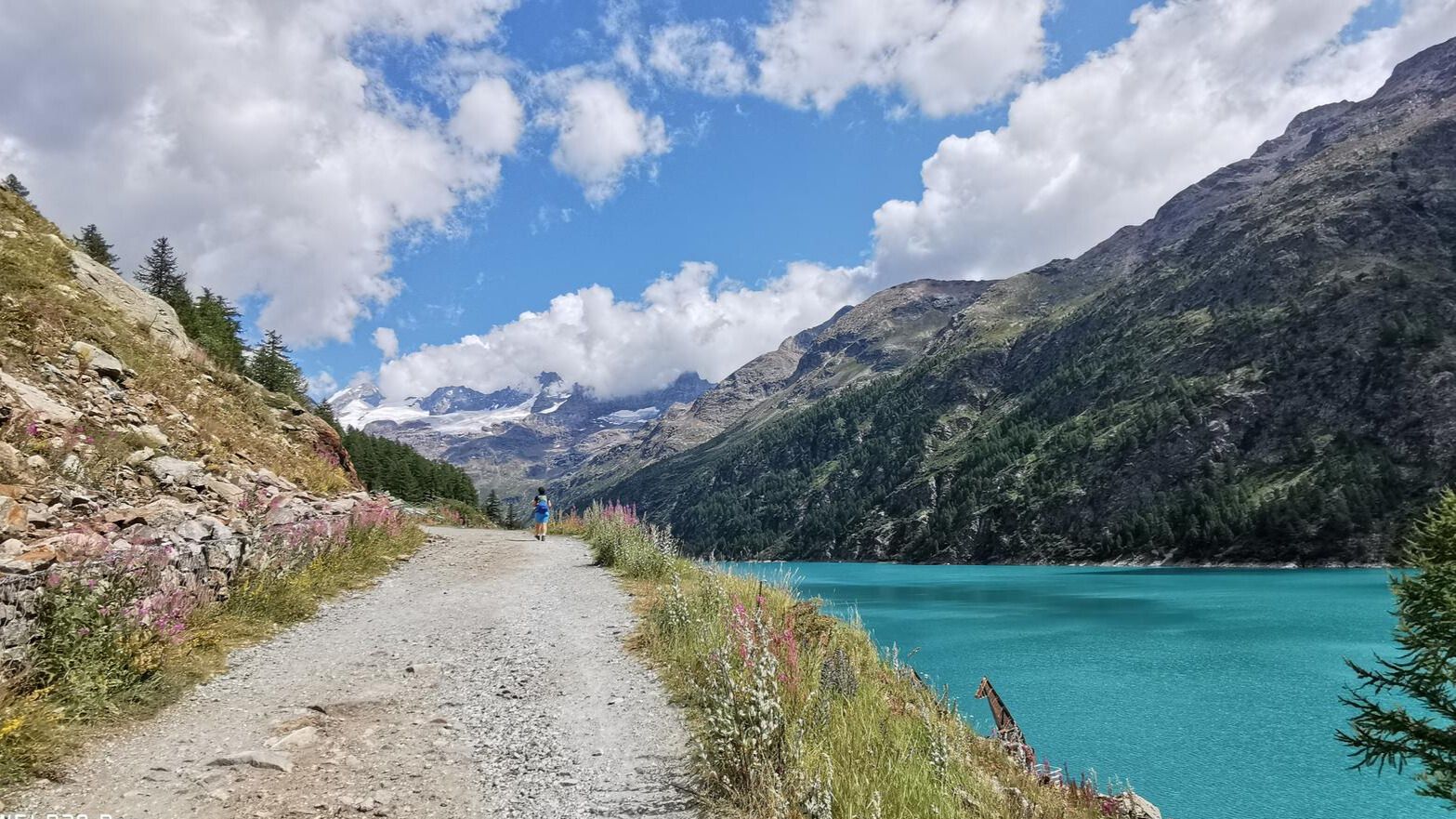
In the footsteps of the first mountaineers – Valpelline Trek
Mountain biking with a glacier backdrop – rides in Italy’s Aosta Valley
A cycling pilgrimage — history and nature on Italy’s Via Francigena
The magical Tour du Mont-Blanc by bike
Road Cycling Routes around Aosta
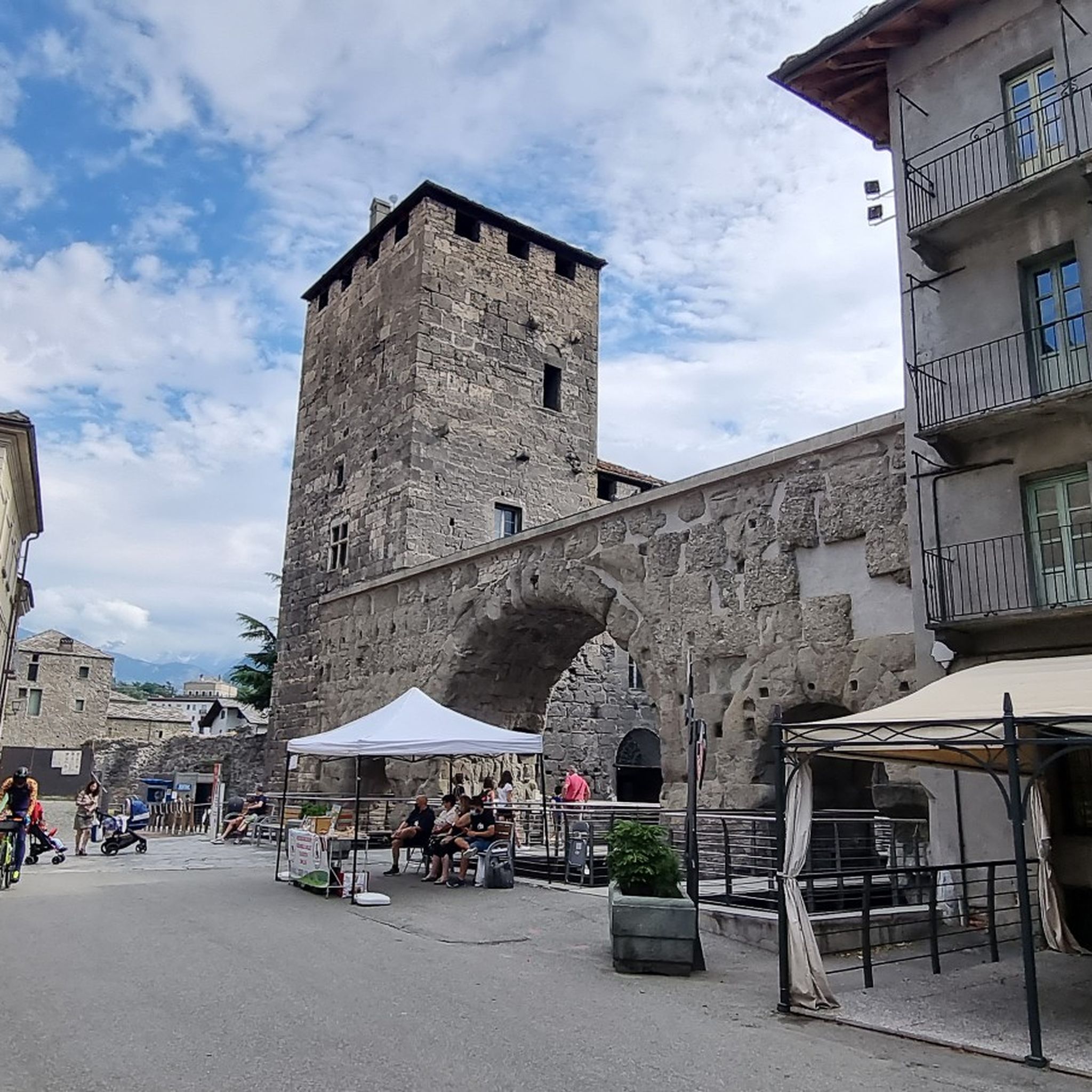
Cycling around Aosta
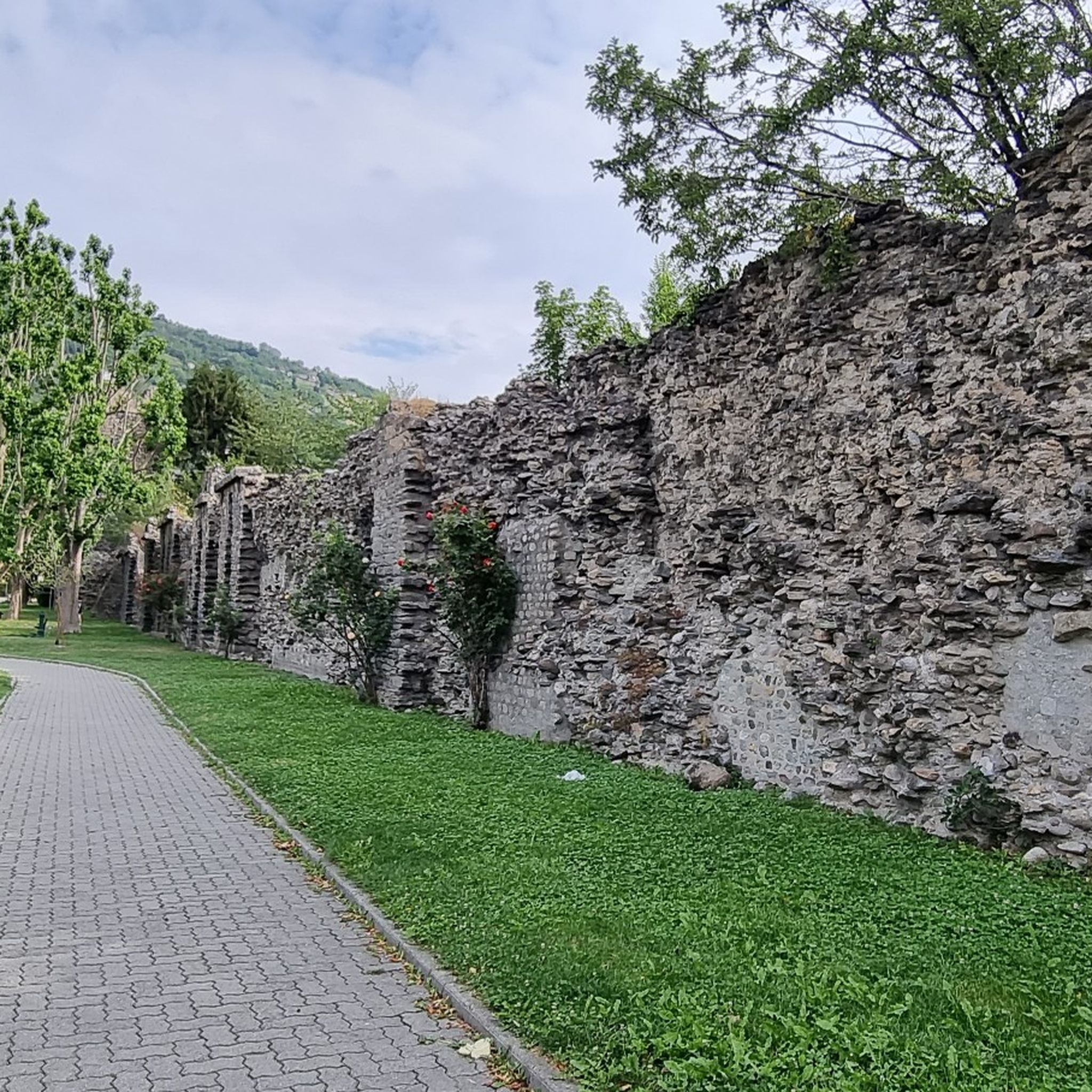
Hiking around Aosta
Other adventures around Aosta


Tips from the Community

Very panoramic hill, reachable only with bike on your shoulder
0
0

Les Iles: This area is a wetland in the central part of the valley, where former mining activities have led to the formation of lakes. These lakes now provide refuge and food for countless bird species. It is an important resting place for migratory birds and is also home to several breeding birds.
6
0

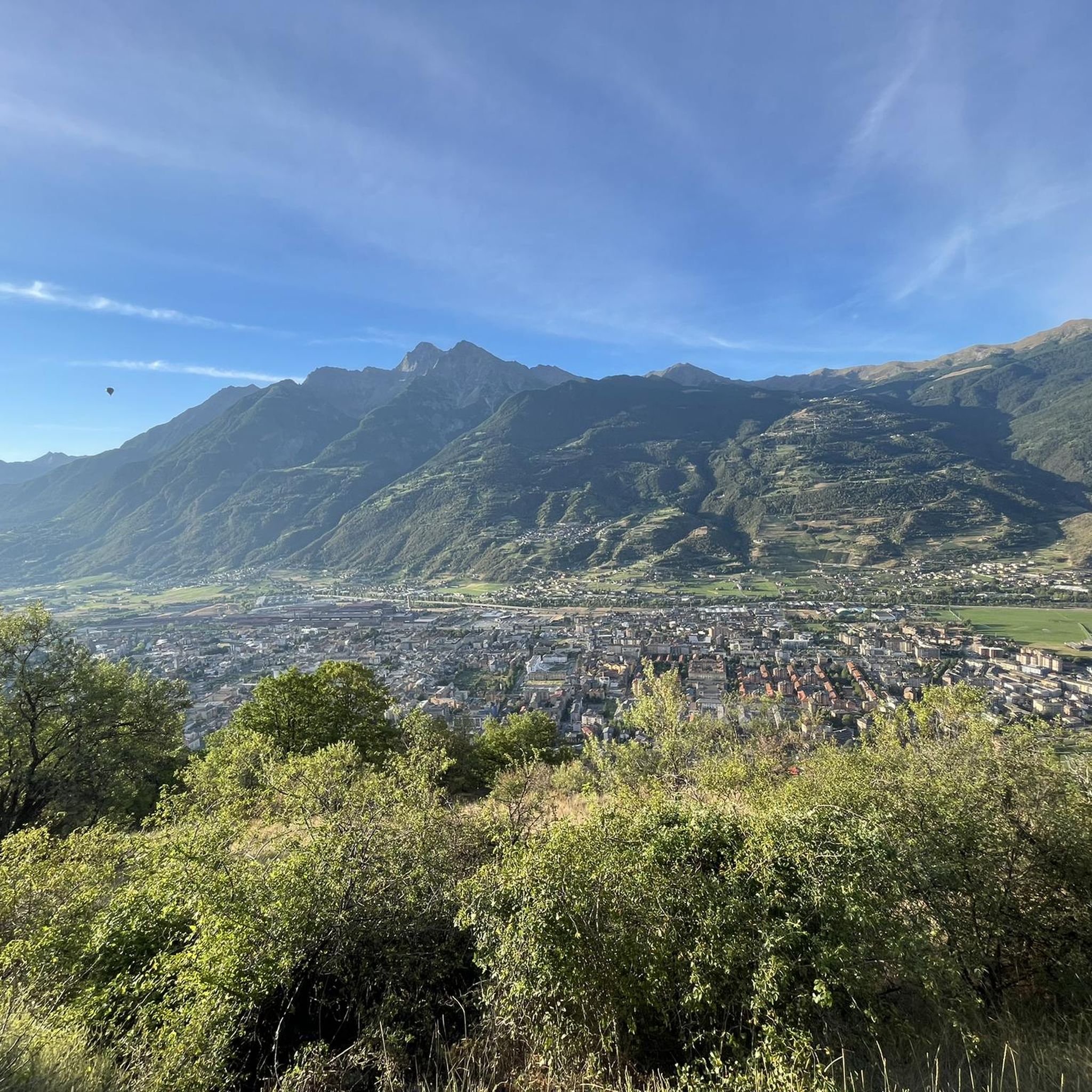
The Côte de Gargantua nature reserve, known for containing the elongated spur, the "giant's little finger" (as legend has it) is located in Gressan. The spur, born from deposits of glacial origin, has stimulated popular imagination and generated the legend which gives the name of this very particular area: the Côte would be the little finger of the giant Gargantua, a character invented by Rabelais, buried under a blanket of debris.
1
0

It's worth going to see it, then it's better to return via the short detour path because the descent towards Chamolé is not very enjoyable.
1
0
Small lake which is worth the short detour before taking the descent to Pila.
1
0

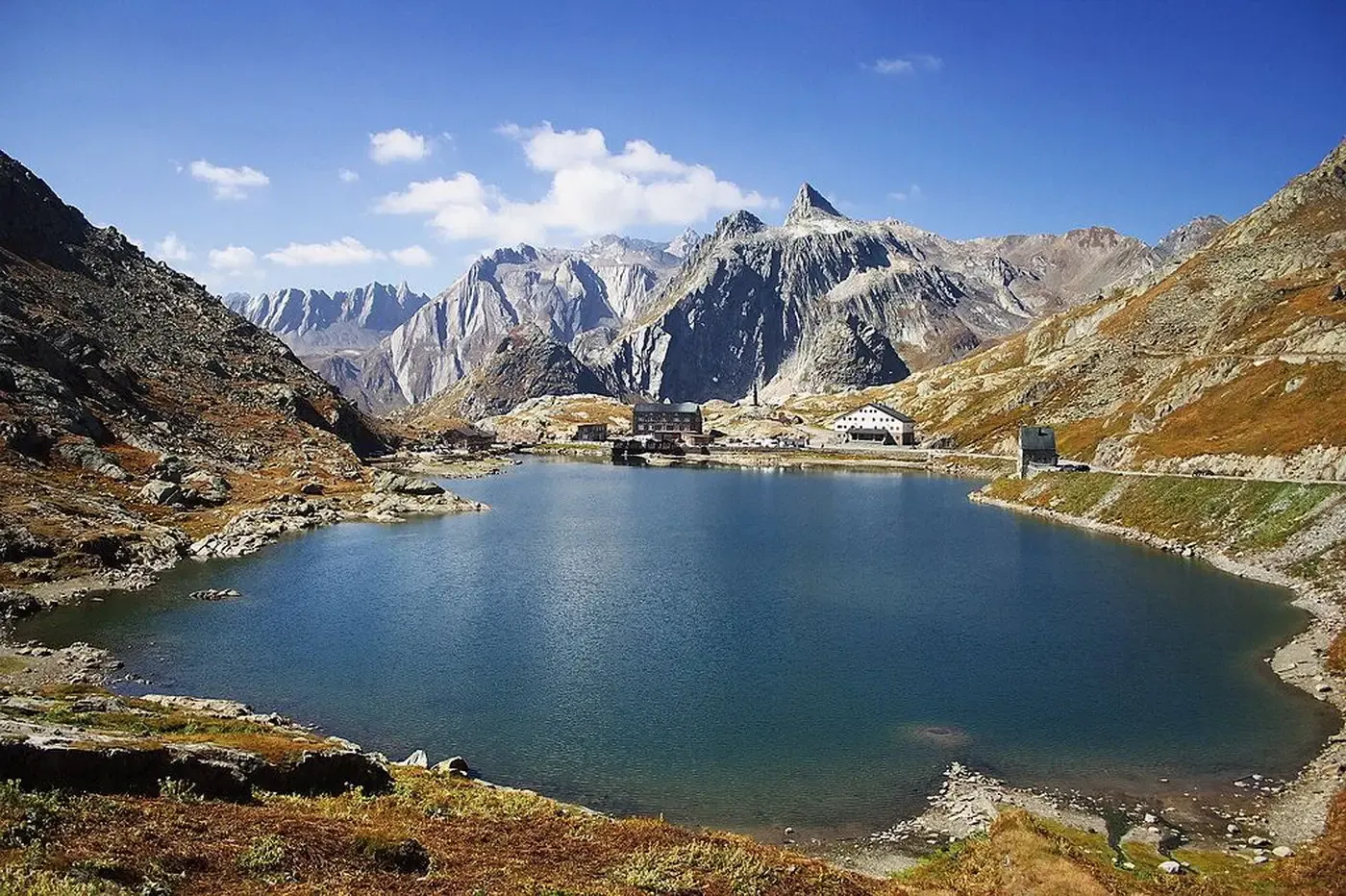
This mountain lake at an altitude of 2300 meters was once a glacier. As you approach the lake you have a wonderful view of Mont Blanc, the valley of the Great Saint Bernard and the Gran Combin.
26
0

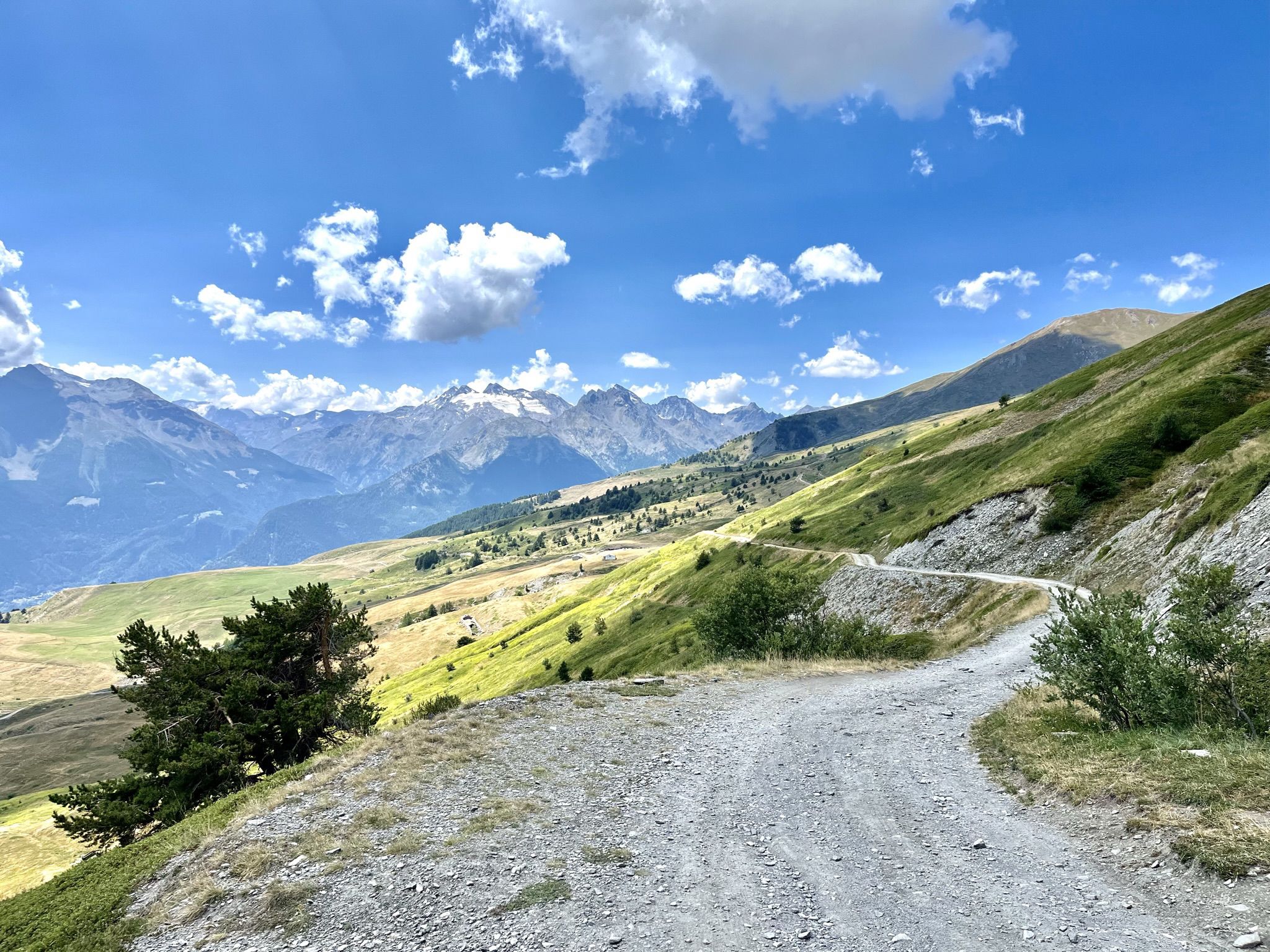
The Col de Champillon, located at an altitude of 2,709 meters, offers a breathtaking panoramic view. From the top of the pass it is possible to admire many legendary peaks, such as Mont Blanc, the southern face of the Grand Combin and, to the south, the Gran Paradiso massif. The terrain gets steep in some sections on both sides, but the trail is easy and non-technical, so you can definitely sprint on the way down.
4
0

Superb alpine lake on the slopes of the Testa Nera peak (2820m). Unmissable stopping point for those aiming for the Arbolle lake and its refuge.
3
0
Frequently Asked Questions
What are some of the most popular natural monuments in the Aosta Valley?
The Aosta Valley offers a variety of stunning natural monuments. Among the most appreciated are Lake Chamolé, a beautiful alpine lake with views of Mont Blanc, and Les Iles Nature Reserve, a vital wetland for birdwatching. Another popular spot is Col de Champillon, a mountain pass offering panoramic views of iconic peaks like Mont Blanc and Gran Paradiso.
What unique natural features can I find in the Aosta Valley's natural monuments?
The Aosta Valley is rich in diverse natural features. You can explore the unique wetland ecosystem of Les Iles Nature Reserve, which provides a crucial habitat for numerous bird species. Discover the striking colors of Green Waters, a natural phenomenon caused by dissolved minerals. The region also boasts numerous glacial lakes, such as Lake Chamolé, and majestic waterfalls like the Comboé Stream Waterfall.
Are there any significant mountain peaks or passes to visit in the Aosta Valley?
Yes, the Aosta Valley is home to some of the most iconic peaks in the Alps. You can experience the grandeur of Mont Blanc and the distinctive pyramid shape of the Matterhorn (Monte Cervino). For breathtaking panoramic views, visit Col de Champillon, located at 2,709 meters, which offers vistas of Mont Blanc, the Grand Combin, and the Gran Paradiso massif.
What outdoor activities can I do near the natural monuments in Aosta Valley?
The Aosta Valley provides extensive opportunities for outdoor activities. You can find numerous running trails, such as those detailed in the Running Trails around Aosta guide. For cyclists, there are options for gravel biking, including routes near Les Iles Nature Reserve, as highlighted in the Gravel biking around Aosta guide, and challenging road cycling routes like the ascent to Lake Place Moulin, found in the Road Cycling Routes around Aosta guide.
Are there family-friendly natural monuments to visit in the Aosta Valley?
Yes, several natural monuments in the Aosta Valley are suitable for families. Les Iles Nature Reserve is particularly family-friendly, offering easy paths for birdwatching and a peaceful environment. While many areas in the Aosta Valley involve alpine terrain, there are also numerous accessible trails and parks that cater to different age groups and activity levels.
What is the best time of year to visit the natural monuments in the Aosta Valley?
The best time to visit depends on your preferred activities. Summer (June to September) is ideal for hiking and exploring high-altitude areas like Lake Chamolé and Col de Champillon. Autumn offers vibrant foliage, especially in areas like Col de Joux, and is great for lower-altitude walks. Winter provides opportunities for snowshoeing and cross-country skiing in places like Val Ferret, with stunning snowy landscapes.
Can I spot wildlife in the natural parks of the Aosta Valley?
Absolutely. The Aosta Valley's protected areas are renowned for their wildlife. Gran Paradiso National Park, Italy's oldest national park, is a prime location to spot ibex (its symbol), chamois, and marmots. Mont Avic Natural Park also offers opportunities to observe diverse flora and fauna in its untouched natural environment.
Are there any natural monuments that are particularly good for birdwatching?
Yes, Les Iles Nature Reserve is an excellent spot for birdwatching. This wetland area serves as a crucial refuge and feeding ground for countless bird species, making it an important resting place for migratory birds and home to several breeding birds.
What kind of geological formations can be observed in the Aosta Valley?
The Aosta Valley showcases diverse geological formations. Many of its picturesque lakes, such as Lake Chamolé, are former glaciers. Mont Avic Natural Park is known for its unique geological features, and the region's high peaks like Mont Blanc and the Matterhorn are magnificent examples of alpine geology. The Green Waters highlight also demonstrates interesting mineral deposits.
Are there any natural monuments that offer views of Mont Blanc?
Yes, several natural monuments provide spectacular views of Mont Blanc. From the shores of Lake Chamolé, you can enjoy stunning vistas of Mont Blanc. Similarly, Col de Champillon offers a breathtaking panoramic view that includes Mont Blanc. The Val Ferret, above Courmayeur, also provides magical views of this majestic peak.
What are the main protected areas in the Aosta Valley?
The Aosta Valley is committed to preserving its natural heritage, with approximately 30% of its area designated as protected land. Key protected areas include Gran Paradiso National Park, Italy's oldest national park, and Mont Avic Natural Park, a regional park known for its untouched nature and unique ecosystems. The region also hosts several nature reserves, alpine botanical gardens, and sites within the Natura 2000 ecological network.
Are there any natural monuments with historical significance?
While the natural monuments themselves are primarily valued for their ecological and geological importance, some have historical connections. Gran Paradiso National Park, for instance, has a rich history linked to the protection of the ibex, which was saved from extinction by King Victor Emmanuel II, who established a royal hunting reserve there in 1856, leading to its eventual designation as Italy's first national park.
Most popular routes around Aosta
Most popular attractions around Aosta

Get inspired with the komoot mobile app


Explore more
Extend your search for the best caves by checking out these guides of the top ones around Aosta:
