Top 20 Natural Monuments around Lu Palau/Palau
Best natural monuments around Lu Palau/Palau are found within a landscape characterized by its coastal features, unique rock formations, and historical sites. This region offers a blend of natural beauty and ancient human history, with distinctive geological formations and archaeological monuments. The area provides opportunities to explore its natural environment and cultural heritage.
Best natural monuments around Lu Palau/Palau
- The most popular natural monuments is Cala Serena, a beach that features crystal clear waters and fine sand. This small…
Last updated: October 15, 2026
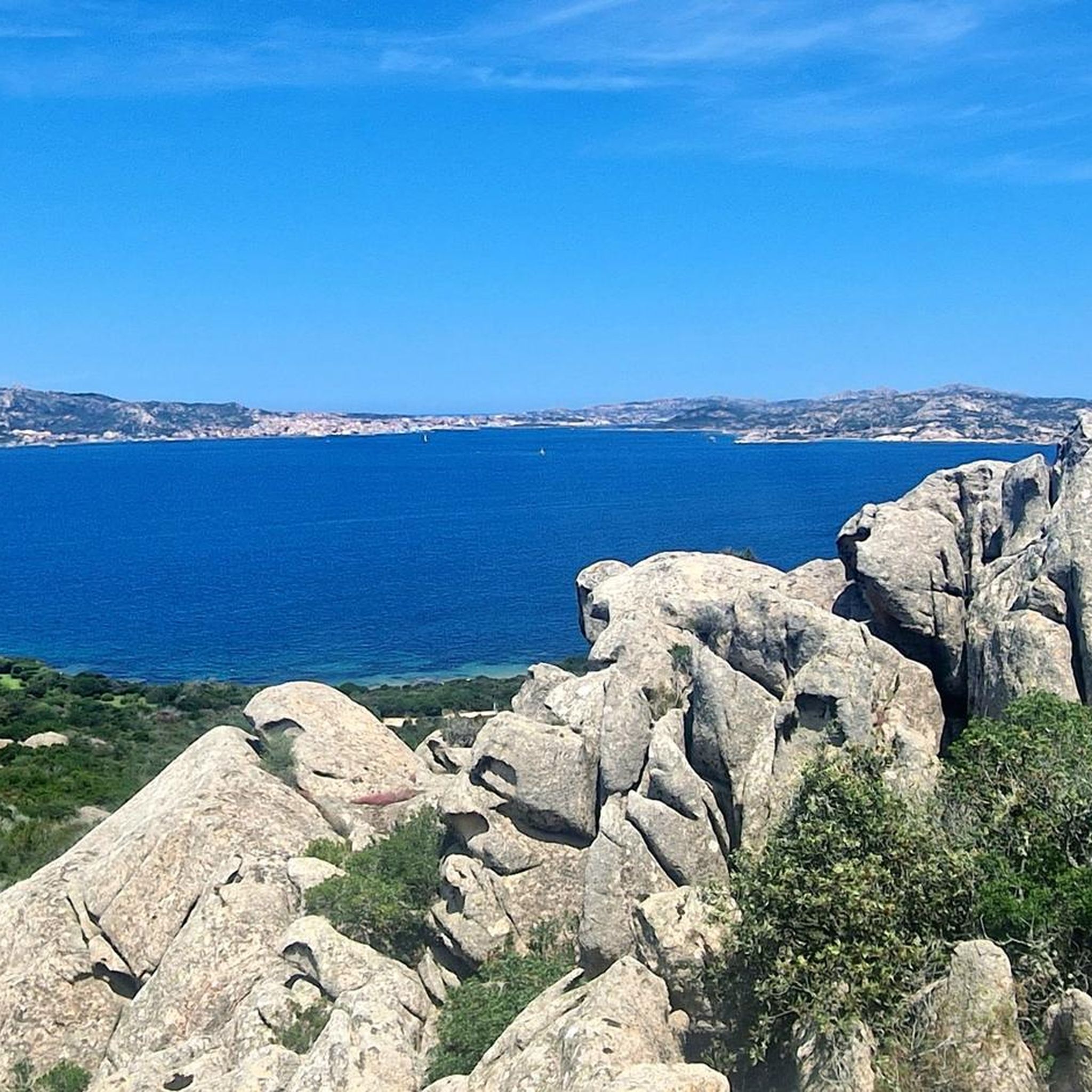
Bear Rock (Roccia dell'Orso)
Highlight • Natural Monument
Translated by Google •
Tip by

Cala Serena
Highlight • Beach
Translated by Google •
Tip by

Sign up now to discover places like this
Get recommendations on the best single tracks, peaks, & plenty of other exciting outdoor places.
Giant’s Tomb of Coddu Vecchiu
Highlight • Historical Site
Translated by Google •
Tip by

Cala Tahiti
Highlight • Beach
Translated by Google •
Tip by

Malchittu Nuragic Temple
Highlight • Historical Site
It lies on a hollow between two granite hills 120 meters above sea level and was …
Translated by Google •
Tip by

Sign up for free to discover even more natural monuments around Lu Palau/Palau.
Already have an account?
Start today with a free account
Your next adventure awaits.

Other adventures around Lu Palau/Palau

Tips from the Community

I recommend avoiding the trail leading to Poggio Stefano to avoid the risk of being reported. The trail lies within a protected area, and accessing it without authorization from the National Park is considered a criminal offense under the Presidential Decree of May 17, 1996. The same applies to anyone hiking the trail to Cala Coticcio without an authorized guide.
1
0

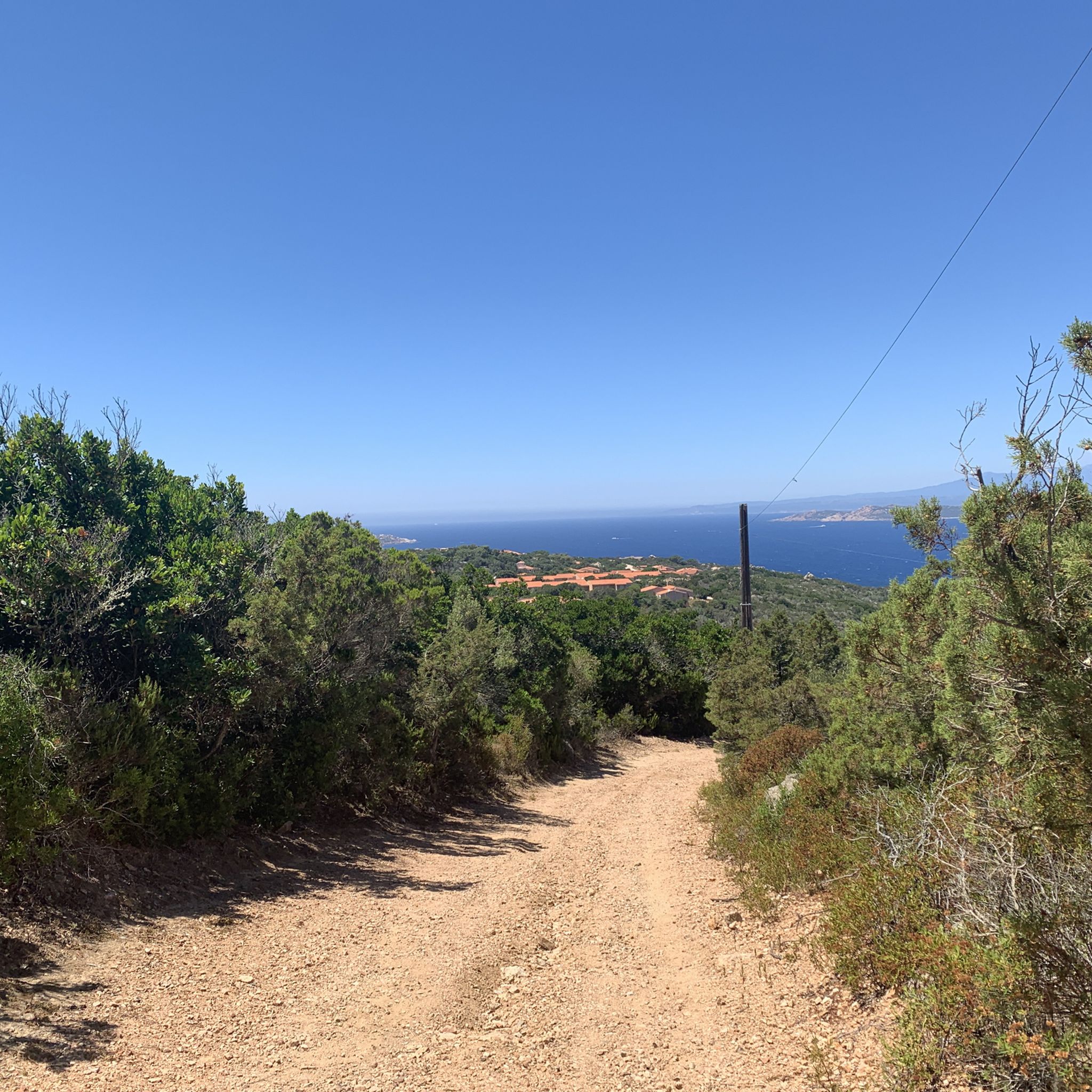
The bay was a dream, the bike path there was breakneck! We had to push and carry the bike more than we could ride, and definitely NO ONE has ever visited the three adjacent bays by bike (except us 😂😂). Please don't try this.
0
0
Great view and great place for a break
0
0

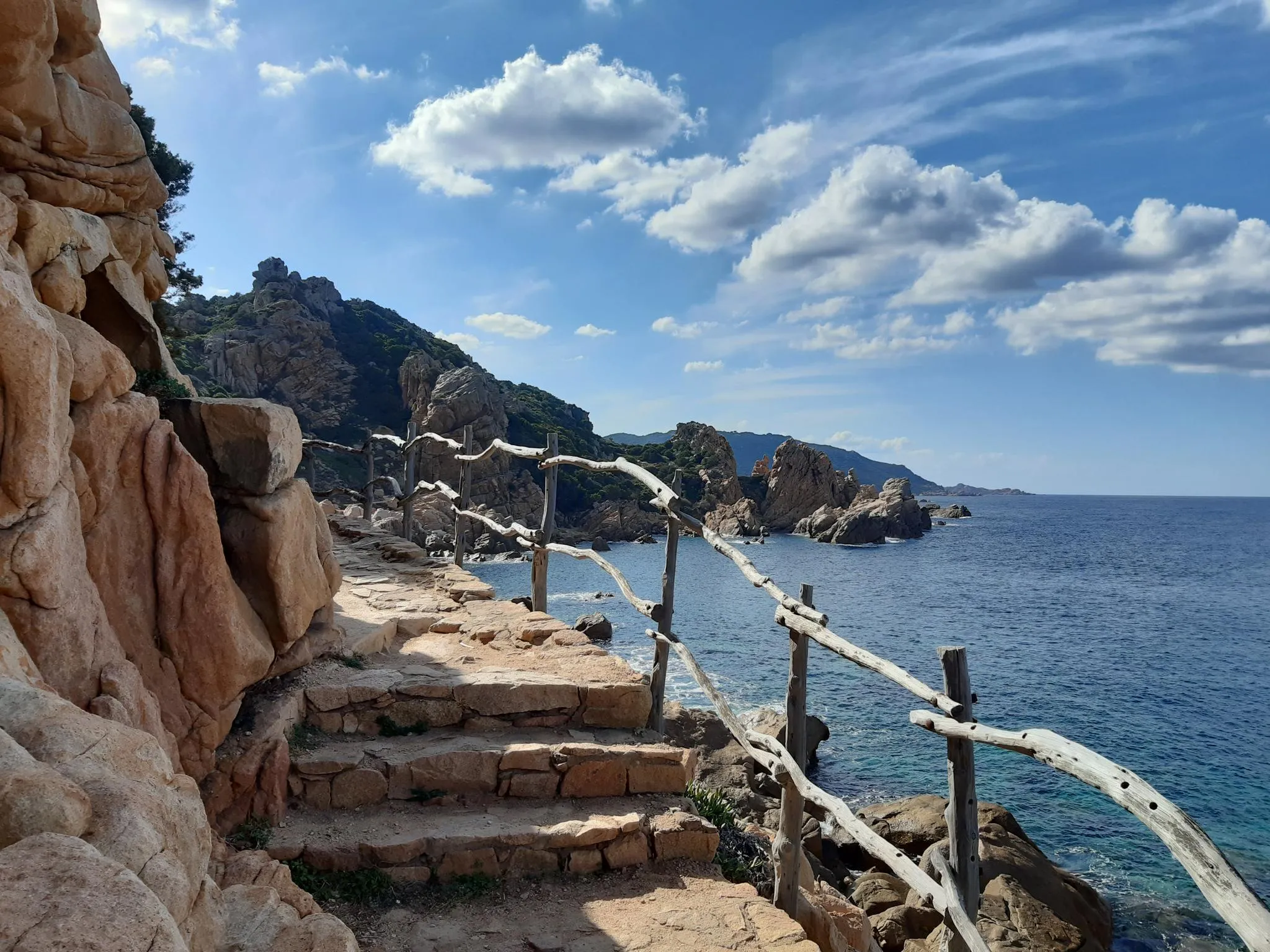
Cala Serena is worth a hike. A rocky path with beautiful views leads from Cala Garibaldi to the bay. Thanks to the somewhat difficult access, the bay is only sparsely visited. Particularly striking is the wetland with a lake and lush vegetation directly behind the beach. The bay is extremely beautiful for swimming: no rocks, but a wonderful fine sandy bottom with incredibly clear water that shines turquoise in the sun. Small silver fish with a distinctive black spot on the base of their tails populate the underwater world. The bay is shallow and deeply indented, making it ideal for children.
0
1

A beautiful Nuragic giant's tomb, not far from Arzachena, nestled in a lovely landscape with orchards. It lies close to the road from Arzachena to Luogosanto.
0
0

We were approached at the parking lot by two employees of the nature park saying that it was forbidden (or only possible with a guide) to visit the beach.
2
0

The giant tomb of Coddu 'Ecchju is a magnificent example of Nuragic funerary architecture. It is an imposing communal tomb, likely containing the remains of the deceased from the nearby village of La Prisgiona. This Bronze Age monument was constructed in two phases: The exedra was added to a gallery tomb (10.50 m long) or semicircular chamber built around 1800 BC (probably between 1600 and 1400 BC). This chamber was enclosed by a series of slabs set into the ground, with a large, arched stele (4.04 m high) in the center, decorated with a relief frame and featuring a small door at its base, likely used for placing offerings inside the tomb. The deceased was probably buried from above by removing one of the slabs covering the corridor. The burial of the deceased was likely carried out from above by removing one of the slabs covering the corridor. ``` The burial chamber was enclosed within a large mound of earth and stones, encompassing the area behind the exedra. This mound served the practical function of housing the mound itself, but also defined the ceremonial space where ancestor rites were performed, as evidenced by the numerous ceramic vessels found in the area. Ancestor worship was of great importance in the Nuragic culture. Source: https://www.gesecoarzachena.it/?page_id=1246
1
0
Frequently Asked Questions
What are some of the most unique natural monuments to visit around Lu Palau/Palau?
Beyond the well-known spots, you can explore the fascinating Giant’s Tomb of Coddu Vecchiu, an imposing communal tomb from the Nuragic culture showcasing ancient funerary architecture. Another unique site is the Malchittu Nuragic Temple, an interesting and well-preserved cult building nestled between granite hills, offering insights into Bronze Age rituals.
Are there any family-friendly natural monuments in the Lu Palau/Palau area?
Yes, several natural monuments are suitable for families. Cala Serena, a beautiful beach on Caprera island with crystal clear waters, is marked as family-friendly. The Giant’s Tomb of Coddu Vecchiu is also noted as family-friendly, offering an educational historical experience.
What kind of natural features can I expect to see at these monuments?
The natural monuments around Lu Palau/Palau offer a diverse range of features. You'll find unique rock formations like the famous Bear Rock (Roccia dell'Orso), which provides panoramic views. There are also stunning coastal bays and beaches such as Cala Serena and Cala Tahiti, known for their clear waters and scenic beauty.
What historical or cultural sites are considered natural monuments in this region?
The region beautifully blends natural beauty with ancient history. The Giant’s Tomb of Coddu Vecchiu is an imposing Bronze Age communal tomb, and the Malchittu Nuragic Temple is an interesting cult building, both offering a glimpse into the Nuragic culture amidst natural settings.
What outdoor activities can I do near the natural monuments around Lu Palau/Palau?
The area around Lu Palau/Palau is excellent for various outdoor activities. You can find numerous running trails, such as the 'Palau Marina loop from Le Saline' or 'Palau Marina – Palau Vecchio Pine Forest loop'. For cycling enthusiasts, there are routes like 'View of Spargi Island – Caprera Causeway loop'. Mountain biking is also popular, with trails like 'Palau: Bear Rock and Monte Altura Fortress Loop'. You can explore these and more on the respective guide pages for Running Trails, Cycling, and MTB Trails around Lu Palau/Palau.
Are there any hiking opportunities to reach these natural monuments?
Yes, many natural monuments are accessible via hiking. For instance, reaching Cala Serena often involves a hike, as visitors have noted chaining bikes and walking the rest of the way. Similarly, the path to the Malchittu Nuragic Temple is a trail that passes by natural gorges in the granite.
What do visitors enjoy most about the natural monuments in Lu Palau/Palau?
Visitors frequently highlight the breathtaking views, especially from spots like Bear Rock (Roccia dell'Orso). The crystal clear waters and fine sand of beaches like Cala Serena are also highly praised for swimming. The historical sites, such as the Giant’s Tomb of Coddu Vecchiu, are appreciated for their ancient architecture and historical significance.
What should I know about visiting Cala Tahiti?
Cala Tahiti is a beautiful beach, but it's important to note that it lies within a protected area. Access without authorization from the National Park, often requiring an authorized guide, is considered a criminal offense. Visitors have reported being approached by park employees regarding unauthorized access, so it's best to check current regulations before planning your visit.
What is the best time of year to visit the natural monuments around Lu Palau/Palau?
While specific seasonal advice for Lu Palau/Palau isn't provided, generally, the spring and early autumn months (April-May and September-October) offer pleasant weather for exploring natural monuments and engaging in outdoor activities like hiking and cycling, avoiding the peak summer heat and crowds.
Are there any natural monuments that offer panoramic views?
Yes, the Bear Rock (Roccia dell'Orso) is renowned for offering spectacular panoramic views of the surrounding landscape. The Malchittu Nuragic Temple also provides a great view from its location between two granite hills.
How long does it typically take to visit the natural monuments in the area?
The duration of your visit can vary greatly depending on the monument. For a site like Bear Rock, you might spend an hour or two enjoying the views. Historical sites like the Giant’s Tomb of Coddu Vecchiu or the Malchittu Nuragic Temple could take 1-2 hours for exploration. Beaches like Cala Serena might entice you to stay longer for swimming and relaxation.
What kind of wildlife can be observed around the natural monuments?
While the guide data for Lu Palau/Palau doesn't specify local wildlife, the broader region of Palau (the island nation) is known for its diverse ecosystems. Coastal areas and lagoons are rich in marine life, including various fish species, corals, and potentially seabirds. Inland areas might offer opportunities to spot endemic birds and plants, especially in more remote or protected zones.
Most popular routes around Lu Palau/Palau
Most popular attractions around Lu Palau/Palau

Get inspired with the komoot mobile app


Explore more
Extend your search for the best caves by checking out these guides of the top ones around Lu Palau/Palau:
