Top 7 Natural Monuments around Bonolva/Bonorva
Best natural monuments around Bonolva/Bonorva showcase Sardinia's geological history and ecological diversity. The region features ancient volcanic formations, diverse forests, and culturally significant springs. These sites offer opportunities to explore the area's natural landscape and historical elements. Bonolva/Bonorva's surroundings provide a range of natural attractions for outdoor exploration.
Best natural monuments around Bonolva/Bonorva
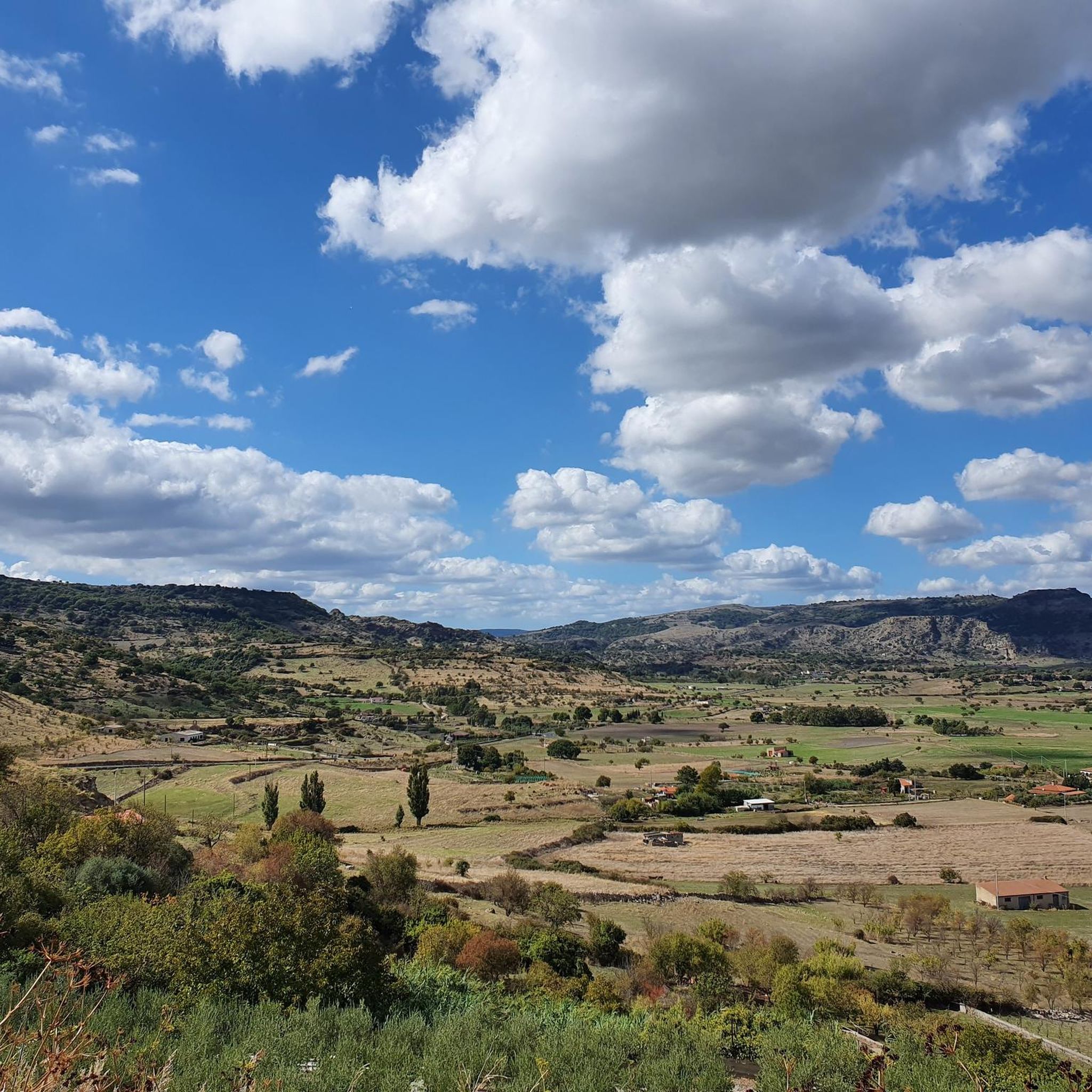
- The most popular natural monuments is Punta Palai, a summit that offers spectacular views in good weather. A hike to this viewpoint is considered highly worthwhile. …
Last updated: October 15, 2026
Punta Palai
Highlight • Summit
Translated by Google •
Tip by

Sacred Spring of Su Lumarzu
Highlight • Historical Site
The paved rectangular atrium …
Translated by Google •
Tip by

Sign up now to discover places like this
Get recommendations on the best single tracks, peaks, & plenty of other exciting outdoor places.
Riu Ilde Waterfall
Highlight • Waterfall
Translated by Google •
Tip by

Domus de Janas of Sant'Andrea Priu
Highlight • Historical Site
The once 20 Domus de Janas (rock tombs) of Sant' Andria Priu (Italian: Ipogeo S. Andrea Priu) are located in a 10-meter-high trachyte wall on the southern edge …
Translated by Google •
Tip by

Shepherds' Huts and Archaeological Area of Ortachis
Highlight • Historical Site
Translated by Google •
Tip by

Sign up for free to discover even more natural monuments around Bonolva/Bonorva.
Already have an account?
Start today with a free account
Your next adventure awaits.

Tips from the Community

Here the Riu Ilde rushes and gurgles wonderfully.
1
0
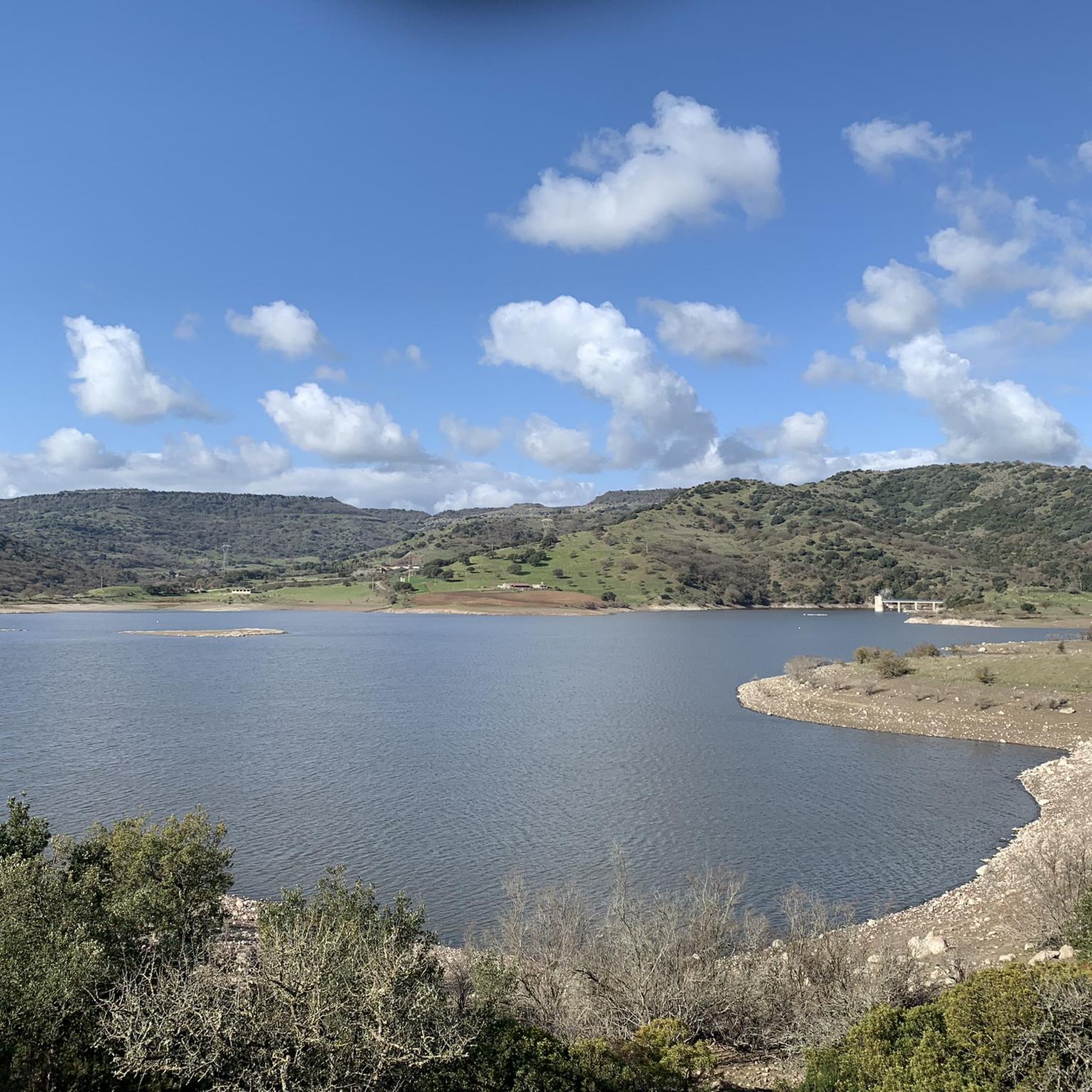
A short walk through the wonderfully green forest leads to this pretty waterfall. It gurgles and splashes wonderfully. The Riu Ilde is relatively easy to cross at a slightly higher elevation, allowing you to get even closer to the waterfall.
1
0
A hike to Punta Palai is highly worthwhile. In good weather, the views are spectacular.
1
0

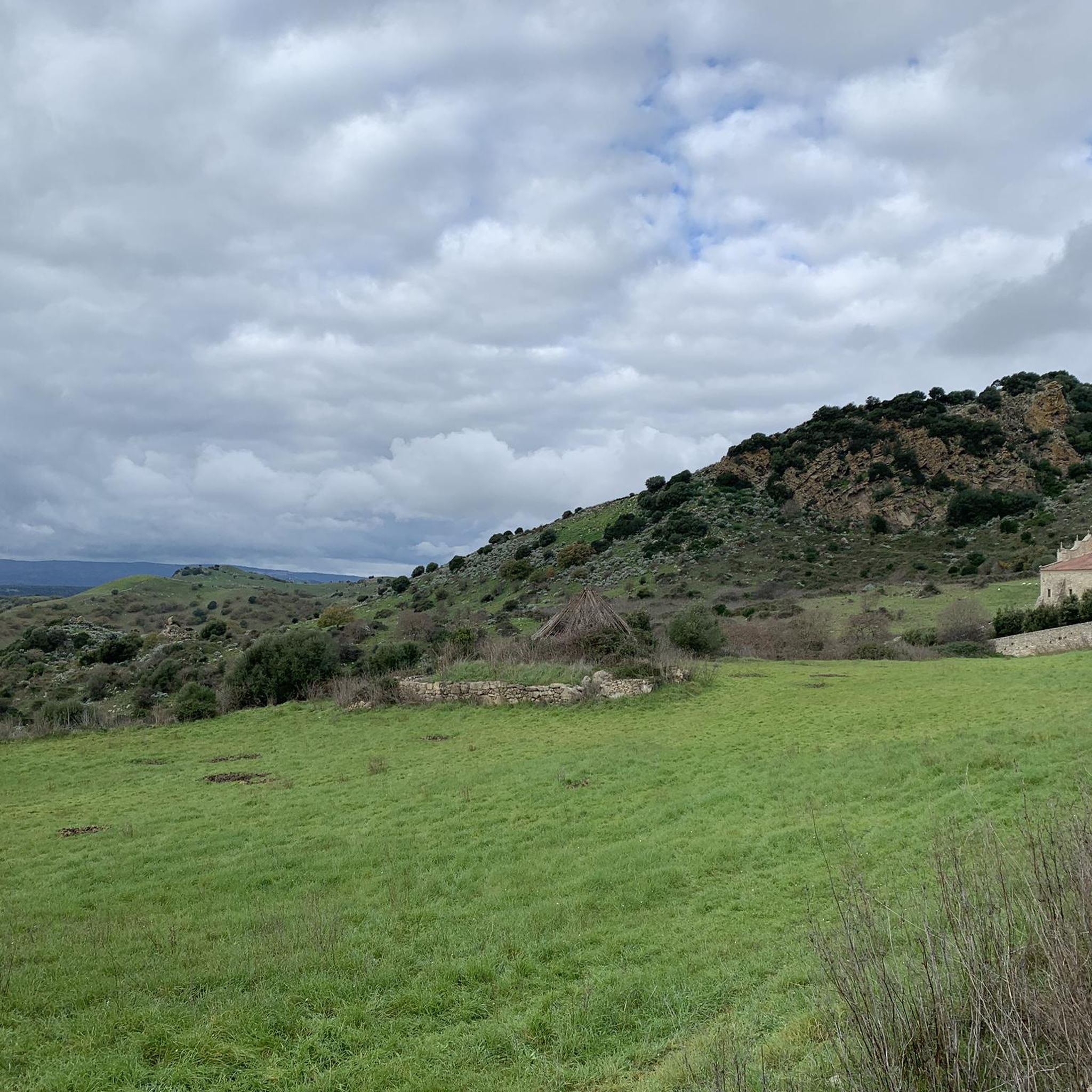
Visible from the road, accessible through a gate (or by climbing over the low wall) you can see the ruins of old shepherds' huts, old houses and the remains of megalithic constructions (such as the base of an unusually built nuraghe resting on a rock face).
3
0

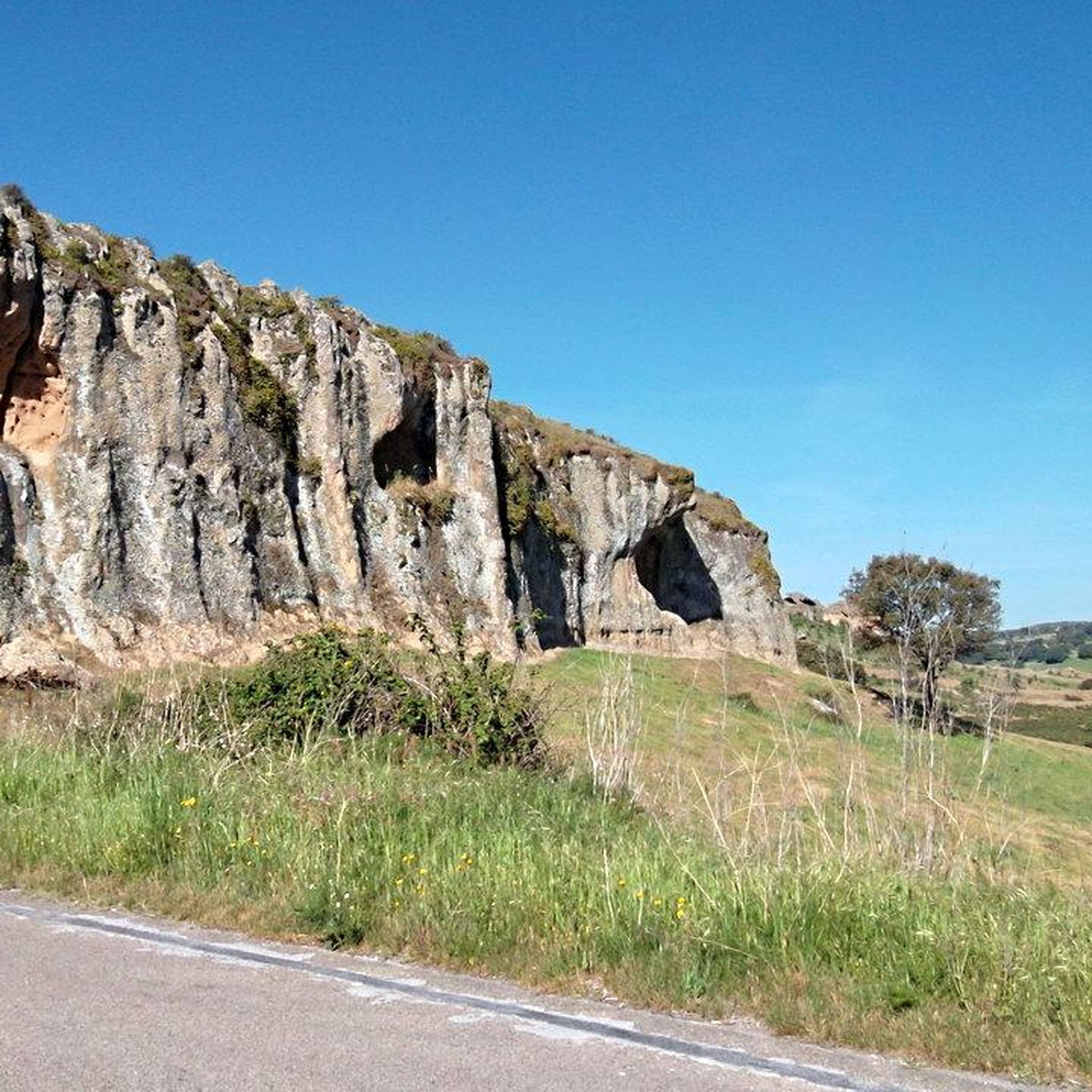
from Wikipedia: The once 20 Domus de Janas (rock tombs) of Sant' Andria Priu (Italian: Ipogeo S. Andrea Priu) are located in a 10-meter-high trachyte wall on the southern edge of the Campeda plateau near Bonorva in the metropolitan city of Sassari on Sardinia. The 15 preserved structures date from the Ozieri culture (around 3000 BC).
0
0


Very nice little walk with the reward of a pretty waterfall and a park with table and barbecue
1
0
The monument, a small cult spring from the Nuragic period, consists of an atrium and a small cell where the vein of the spring is collected. The paved rectangular atrium (5.15 x 1.80 m) has seating along the walls (height 0.30 m; width 0.40 m) and a small alcove. The masonry (height 2 m; width 3 m) consists of regular rows of carefully squared basalt blocks. From the atrium one enters the small cell through an entrance with a trapezoidal light (0.65 m wide; 0.64 m high) obtained in a monolithic slab. The small room (diameter 0.97 m; height 1.60 m), built of roughly worked but carefully joined blocks of basalt, has a "tholos" roof closed by a large horizontal slab. In Christian times, a Latin cross was engraved on the underside of the end plate. The water flows through a channel carved into the sill of the entrance to the spring to a drainage channel built under the floor of the atrium itself. The settlement of the place lasted until late antiquity, as evidenced by coins from the fourth century. AD Found in the time of Taramelli while clearing the porch. Source: http://www.sardegnacultura.it/j/v/253?v=2&c=2488&t=1&s=21393
0
0
Frequently Asked Questions
What unique geological formations can I explore near Bonorva?
The region around Bonorva is rich in geological wonders. You can visit Punta Palai, a summit offering spectacular views of the volcanic landscape. Further afield, explore Pedra Mendalza, a remarkable natural monument formed from a volcanic chimney, or the broader Volcanic Craters of Meilogu, including Mount Annaru-Pòddighe, which features an almost intact crater.
Are there any ancient forests or unique botanical sites to visit?
Yes, Sos Nibberos is a protected wooded area renowned as the largest yew forest in Italy. It features majestic and ancient yew trees, some thousands of years old, along with holly and a rare botanical endemism known as the Arrigoni bramble. Its dense canopy creates an evocative atmosphere perfect for exploration.
Where can I find waterfalls or scenic viewpoints in the area?
For a beautiful waterfall, head to the Riu Ilde Waterfall, accessible after a short walk through a green forest. For panoramic views, a hike to Punta Palai is highly recommended, offering spectacular vistas in good weather. Additionally, Mount Limbara, a prominent landmark in northern Sardinia, provides breathtaking scenery and panoramic views extending to the Gulf of Asinara.
Are there natural monuments with historical or archaeological significance?
Absolutely. The Sacred Spring of Su Lumarzu is a well-preserved Nuragic cult spring, demonstrating ancient reverence for water. You can also visit the Domus de Janas of Sant'Andrea Priu, a historical site with rock tombs carved into a trachyte wall dating back to the Ozieri culture around 3000 BC. Another interesting site is the Shepherds' Huts and Archaeological Area of Ortachis, featuring ruins of old huts and megalithic constructions.
What outdoor activities can I do near these natural monuments?
The region offers a variety of outdoor activities. You can find numerous hiking trails, including routes that take you to Punta Palai and the Riu Ilde Waterfall. For more options, explore the hiking routes around Bonorva. Mountain biking and road cycling are also popular, with dedicated MTB trails and road cycling routes available.
Are there family-friendly natural monuments around Bonorva?
Yes, the Riu Ilde Waterfall is considered family-friendly. It involves a short, pleasant walk through a forest, leading to a beautiful waterfall where children can enjoy the gurgling water and the surrounding park area, which often includes tables and barbecue facilities.
What is the best time to visit the natural monuments in Bonorva?
The volcanic craters of Meilogu are particularly interesting for walks in autumn and winter when a small lake forms inside the crater. During warmer months, you can descend into the crater to observe its geological structure. Generally, spring and autumn offer pleasant temperatures for exploring the region's natural sites, avoiding the peak summer heat.
What do visitors enjoy most about the natural monuments in Bonorva?
Visitors frequently highlight the spectacular views from summits like Punta Palai. The serene beauty of the Riu Ilde Waterfall after a forest walk is also highly appreciated. The historical and archaeological significance of sites like the Domus de Janas of Sant'Andrea Priu and the Sacred Spring of Su Lumarzu also captivate those interested in ancient cultures.
Can I find any hidden natural gems or less-known spots?
While not entirely hidden, the ancient yew forest of Sos Nibberos offers a unique and almost fairy-tale-like atmosphere, being the largest of its kind in Italy. The geological formations like Pedra Mendalza and the volcanic craters of Meilogu also provide fascinating, less-traveled paths for those seeking unique natural experiences beyond the most popular sites.
Are there opportunities for wildlife observation near Bonorva's natural monuments?
The diverse ecosystems around Bonorva, particularly in areas like Sos Nibberos and Mount Limbara, support various wildlife. While specific sightings are not guaranteed, these natural environments provide habitats for local fauna. Exploring these areas quietly and respectfully increases your chances of observing birds and other animals in their natural settings.
What are the characteristics of the volcanic landscape in the Meilogu region?
The Meilogu region, where Bonorva is located, is defined by its volcanic origins. It features numerous extinct volcanoes and distinctive conical hills. Mount Annaru-Pòddighe near Giave is a notable example, an almost intact crater reaching nearly 500 meters. The rich, fertile soils resulting from this volcanic activity also support abundant pastures, contributing to the area's unique landscape.
Are there any natural monuments suitable for easy walks or short visits?
The walk to Riu Ilde Waterfall is a relatively easy and short excursion, making it suitable for a quick visit or a leisurely stroll. The Sacred Spring of Su Lumarzu is also easily accessible, offering a glimpse into ancient history and natural spring water without requiring extensive hiking.
Most popular attractions around Bonolva/Bonorva

Get inspired with the komoot mobile app


Explore more
Extend your search for the best caves by checking out these guides of the top ones around Bonolva/Bonorva:
