Top 9 Natural Monuments around Muros
Natural monuments around Muros, a coastal town in Galicia, Spain, offer diverse natural attractions. The region is characterized by its dramatic granite coastline, estuaries, and significant ecological areas. Visitors can explore a variety of landscapes, from mountains and lakes to extensive beaches and historical sites. The area provides opportunities to observe unique geological formations and rich biodiversity.
Best natural monuments around Muros
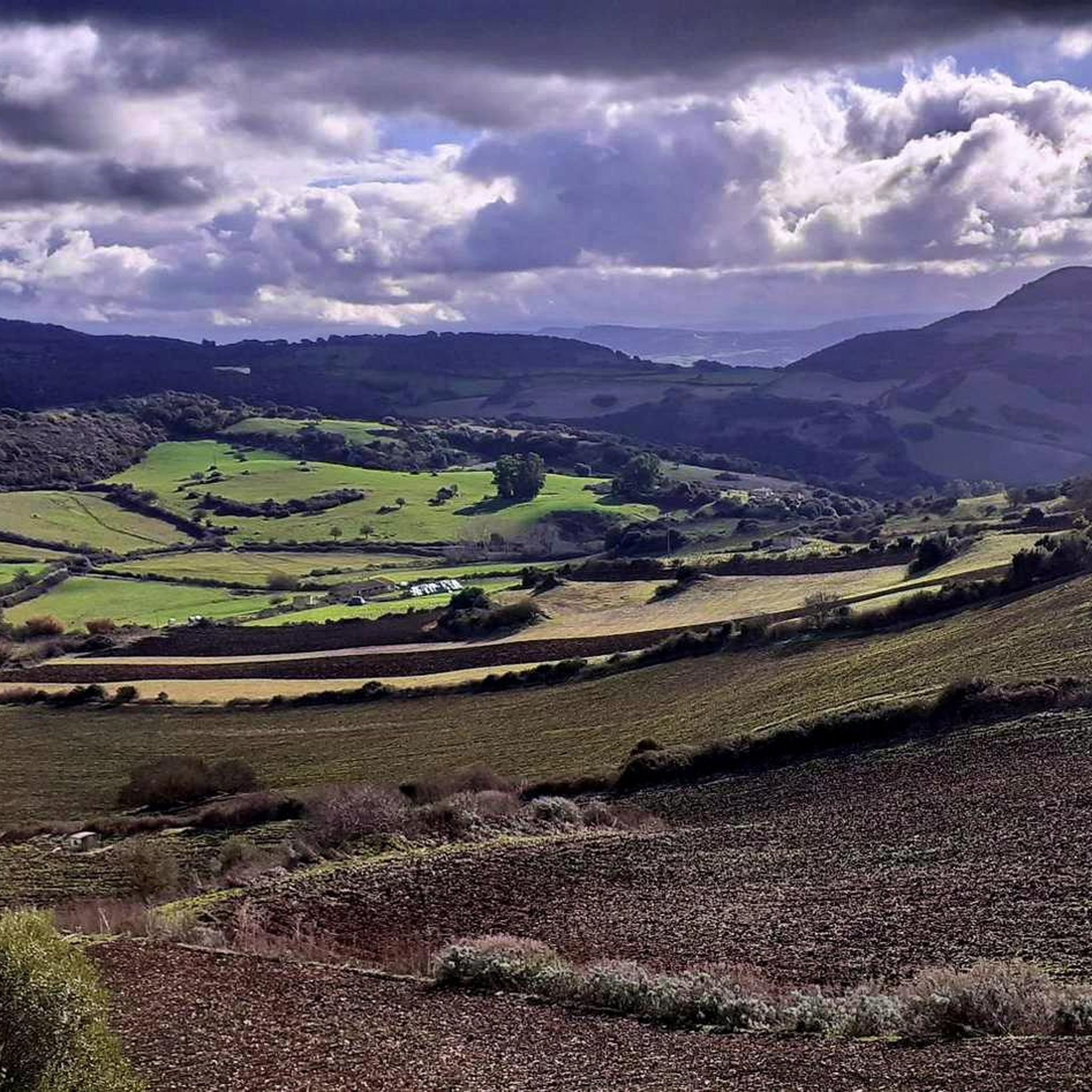
- The most popular natural monuments is The fascinating surroundings of Sassari, a viewpoint that features a landscape…
Last updated: October 15, 2026
Rosello Fountain
Highlight • Monument
Showing Translation
Tip by

The tomb of Molafà (Sardinia, Italy)
Highlight • Historical Site
Translated by Google •
Tip by

Sign up now to discover places like this
Get recommendations on the best single tracks, peaks, & plenty of other exciting outdoor places.
The fascinating surroundings of Sassari
Highlight • Viewpoint
Tours in the Sassari area develop mainly in five directions: east towards Osilo and Nulvi, north east towards Sorso and Sennori, north west towards Porto Torres …
Tip by

San Lorenzo Village and Limestone Cliffs
Highlight • Settlement
Translated by Google •
Tip by

Necropolis of Mesu ‘e Montes
Highlight • Historical Site
Left Ossi in the direction of Florinas, after …
Tip by
Sign up for free to discover even more natural monuments around Muros.
Already have an account?
Start today with a free account
Your next adventure awaits.

Tips from the Community

The Fontana di Rosello is the most emblematic monument of Sassari and one of the historical symbols of Sardinia. Built between 1603 and 1606 by Genoese masters in the late Renaissance style, it stands on an ancient spring used since Roman times to supply water to the city and the nearby port of Turris Libisonis (modern-day Porto Torres). Its most striking feature is the twelve mouths from which water gushes, representing the months of the year, and the four allegorical statues of the seasons, symbolizing the incessant passage of time. For centuries it was the main water supply point for the inhabitants of Sassari and today it is one of the most photographed and representative monuments of the city.
5
0

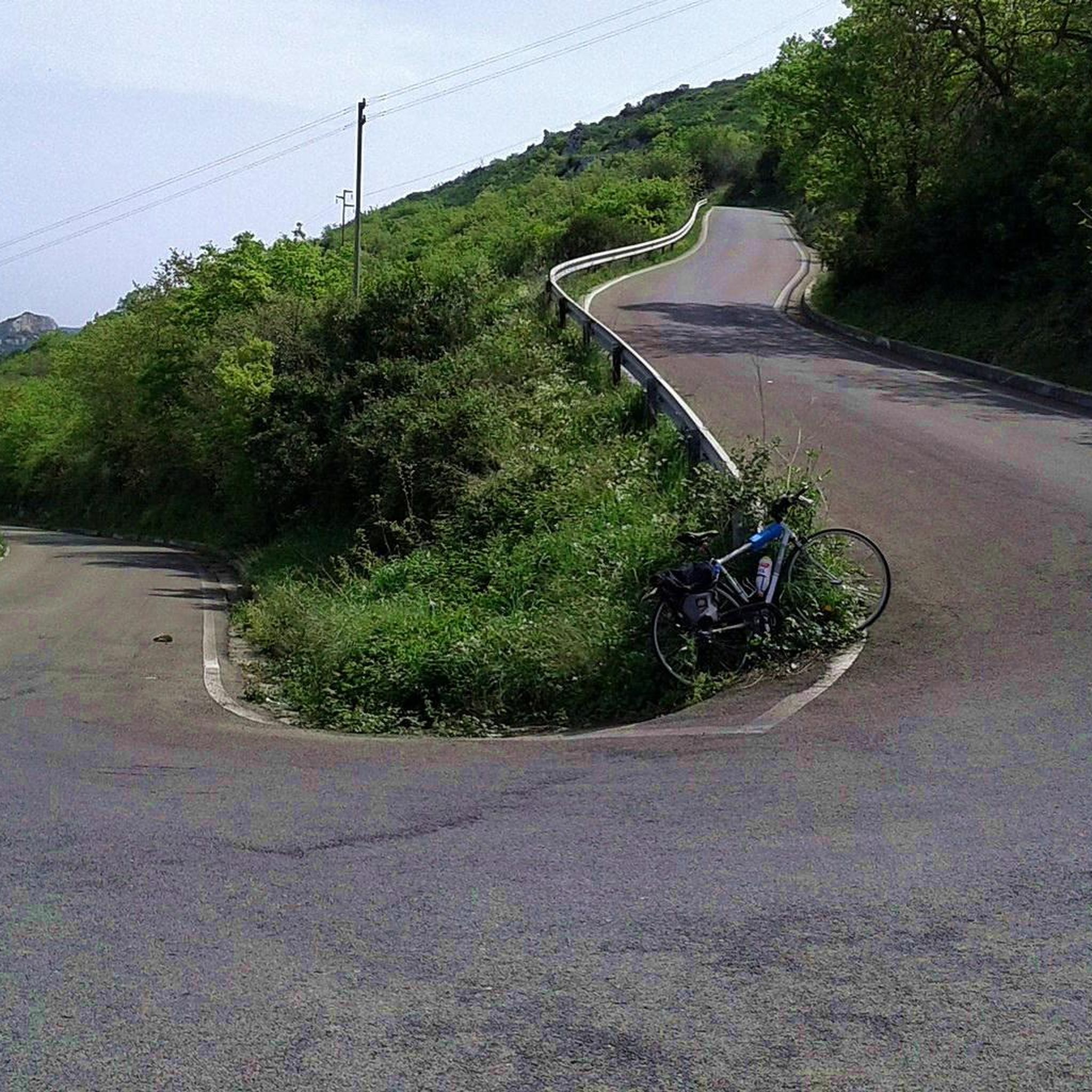
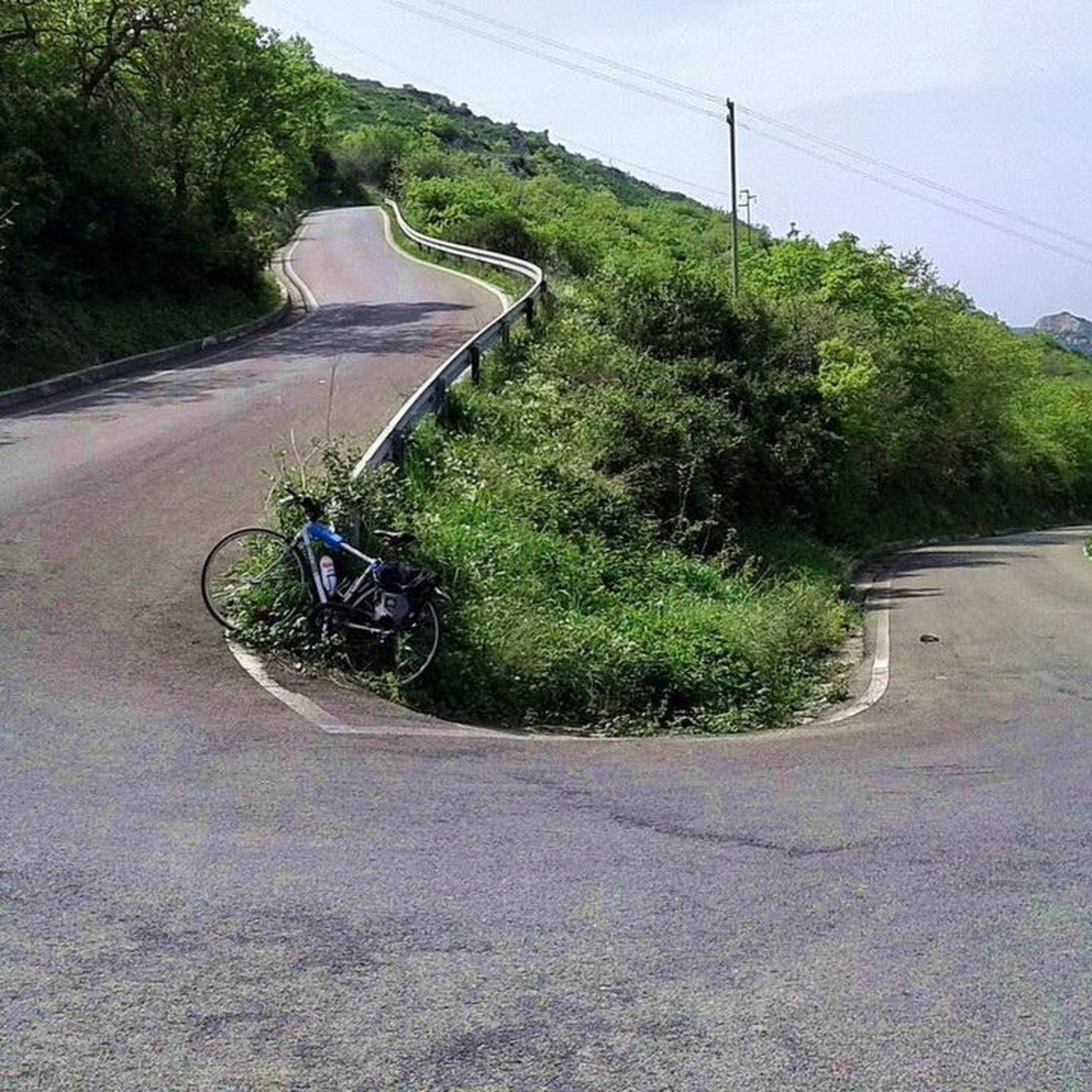
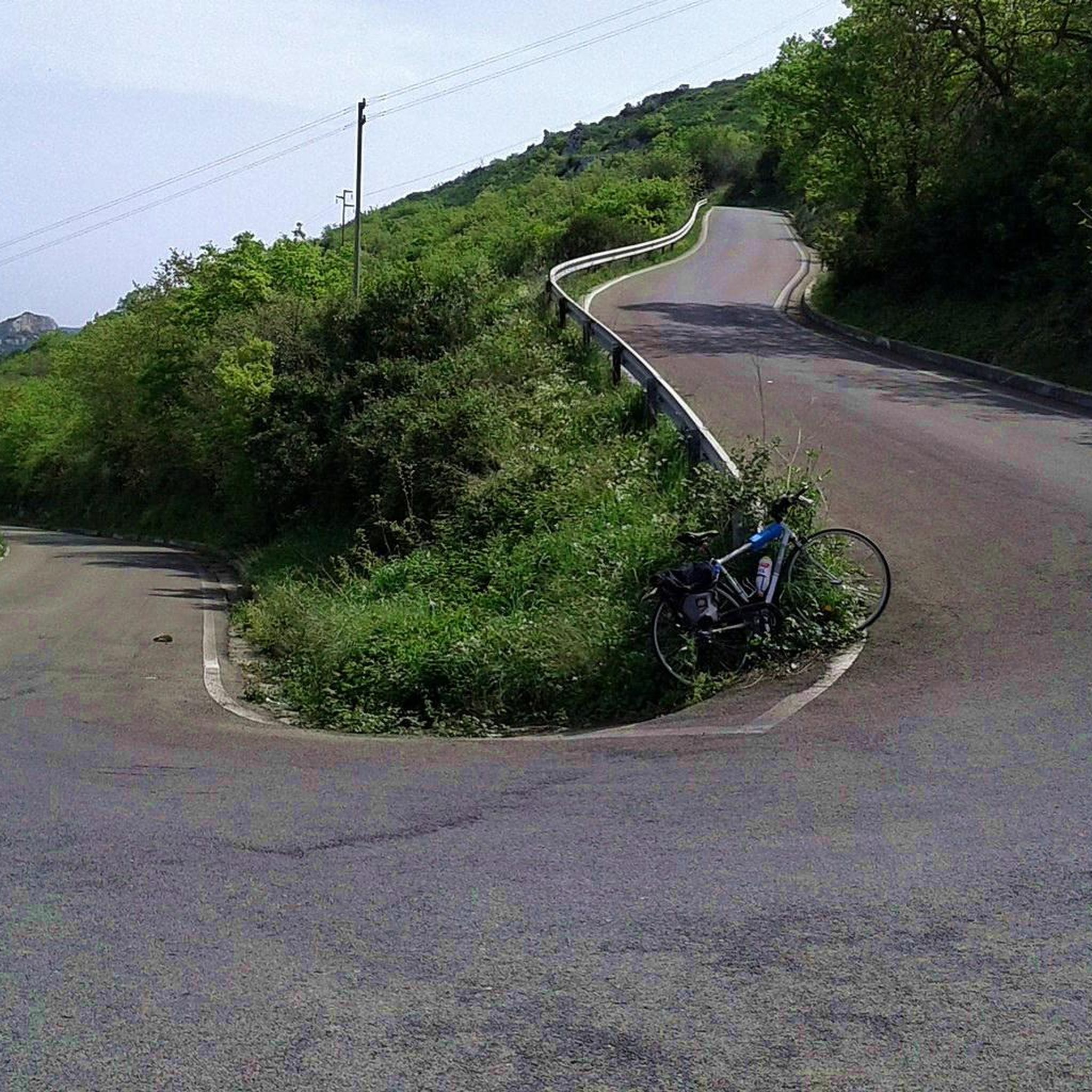
Nice ride to do both on road bike and gravel, roads with little traffic with asphalt in good condition. You pass through small villages after being able to fill your water bottles or make a short stop at the bar to refresh yourself
0
0

Congratulations for the always splendid photos!
0
0

The town of Baddimanna is located on the northern outskirts of Sassari, adjacent to the Monte Rosello district and stretches eastwards over a hilly area, connecting to the hills of Filigheddu and Monti Bianchinu through a network of local roads. In the heart of Baddimanna there is the Park of the same name, which constitutes one of the largest green areas in the city: it extends for around ten hectares and is home to a pine forest, in which there are also other species such as mastic and various spontaneous flowers. Created about seventy years ago following a devastating fire, the Park has undergone progressive degradation which has made it less usable for the population; but in the 1920s the area was redeveloped, suitably equipped and made usable for citizens. The park named after Baden-Powell, founder of Scouting, is equipped with various picnic facilities with wooden tables and benches, waste collection baskets, children's games, a dog area and a cycle-pedestrian path; there is a kiosk bar and a restaurant. Furthermore, inside the park there is a monument dedicated to the soldiers of the Sassari Brigade. It is located in via Prati and the entrance time varies from 9am - 5pm to 9am - 9pm depending on the seasons.
5
0

Marble fountain house, built during the Renaissance. The water bubbles from eight lion and four dolphin heads.
3
0

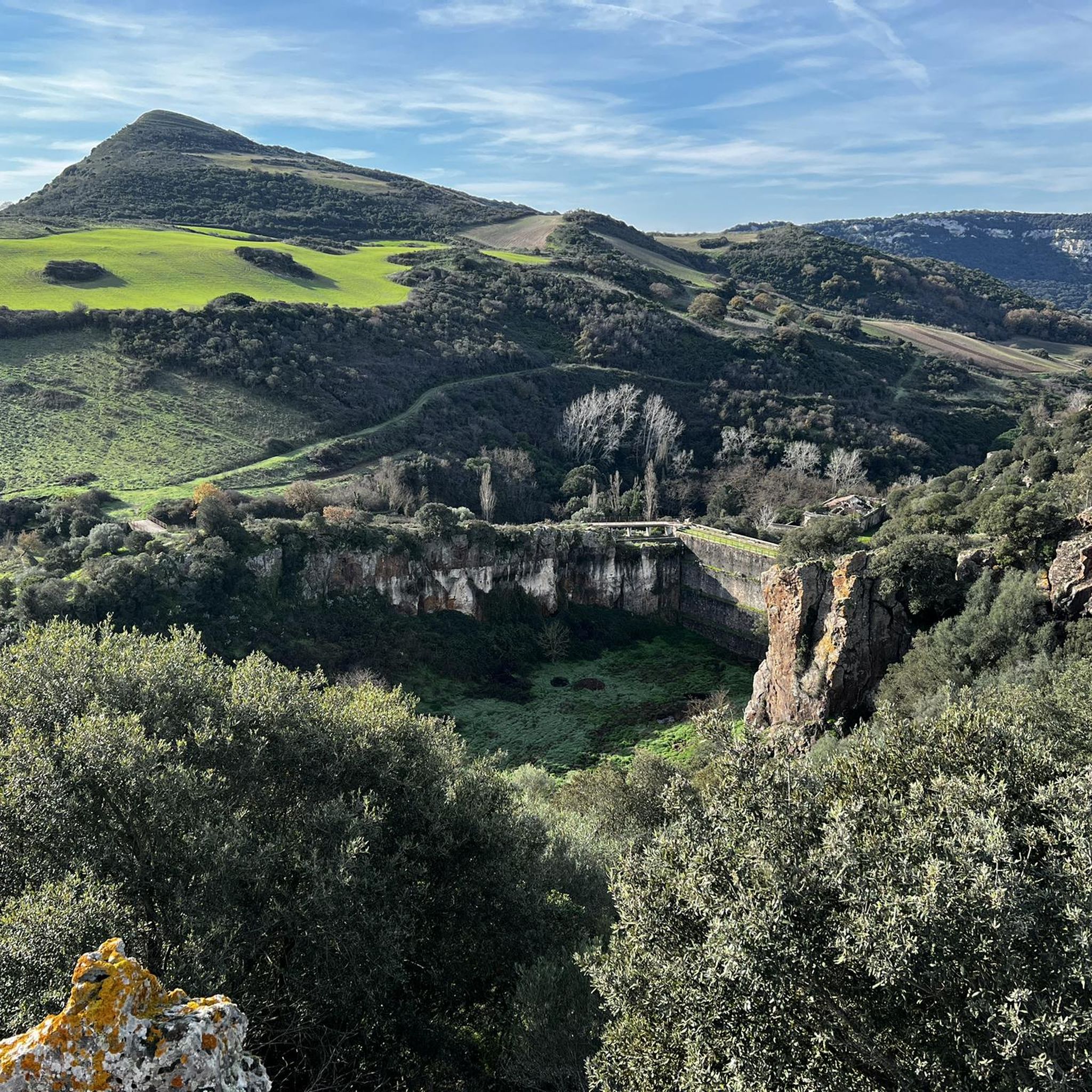
The small town is immersed in the wild Sardinian hinterland, the peculiarity of the village is that it is surrounded by rocks with sinuous limestone formations
0
0
The Rosello fountain is one of the symbols of the city of Sassari. It was built in 1295 and renovated in 1605 in the late Renaissance style.
1
0

Small town topped by spectacular limestone formations.
0
0
Frequently Asked Questions
What are the most prominent natural monuments to visit around Muros?
The Muros region in Galicia is rich in natural beauty. Key natural monuments include Monte Louro, a distinctive granite mountain offering panoramic views and unique geological formations, and the Mirador da Curota, known for its unparalleled vistas across the Rías Baixas. The Ría de Muros e Noia itself is a significant natural monument, characterized by its dramatic coastline and rich marine life.
Are there any natural monuments suitable for family visits in the Muros area?
Yes, the natural monuments around Muros offer various family-friendly aspects. For instance, the extensive Area Maior beach at the foot of Monte Louro provides space for relaxation, and the nearby Lagoa de Xalfas is excellent for bird-watching, which can be an engaging activity for children. While the provided highlights are not directly in Muros, the general area offers diverse landscapes suitable for families.
What kind of unique geological features can I expect to see?
The Muros region is known for its striking granite formations. At Monte Louro, you can observe eroded granite rocks that have formed peculiar shapes, locally known as “cacholas y pías” (crevices, caves, and basin-like holes). The dramatic granite coastline of the Ría de Muros e Noia also presents impressive geological scenery.
Where can I find the best panoramic views of the Rías Baixas?
For the most expansive views, head to the Mirador da Curota. Although slightly outside Muros in A Pobra do Caramiñal, it is considered the point of greatest visibility in the Rías Baixas. On clear days, you can see the entire coastline from Cabo Fisterra to the Portuguese border, including several estuaries and the Atlantic Islands of Galicia.
Are there opportunities for bird-watching near the natural monuments?
Absolutely. The Lagoa de Xalfas, also known as Louro lake, at the foot of Monte Louro, is a vital area for bird-watching. Especially during winter, you can spot various species such as herons, teals, northern shovelers, and tufted ducks. Otters are also occasionally seen in the mornings.
What historical or archaeological sites are associated with the natural monuments in Muros?
The Muros area has a rich history intertwined with its natural landscapes. Near Monte Louro and Lagoa de Xalfas, you can find petroglyphs and ancient water mills. The Ría de Muros e Noia also features archaeological significance with ancient petroglyphs like Laxe das Rodas and remnants of pre-Roman settlements such as Castro de Baroña visible from its shores.
What outdoor activities can I do near these natural monuments?
The region around Muros offers a variety of outdoor activities. You can explore numerous trails for mountain biking, cycling, and running. For example, there are challenging MTB Trails around Muros, scenic Cycling routes around Muros, and various Running Trails around Muros, catering to different fitness levels.
Can I find hiking trails with varying difficulty levels near the natural monuments?
Yes, the natural monuments in the Muros area are surrounded by diverse terrain suitable for various hiking experiences. While specific trails for Monte Louro or Mirador da Curota are not detailed here, the region's landscape, with its hills, valleys, and coastal paths, suggests a range of difficulties. You can find routes from moderate to difficult for activities like cycling and mountain biking, indicating similar variety for hiking.
What is the best time of year to visit the natural monuments around Muros?
The Muros region, being a coastal area in Galicia, generally enjoys a mild climate. While specific recommendations for natural monuments are not provided, the best time to visit for outdoor activities and enjoying the views would typically be during the spring, summer, and early autumn months when the weather is most favorable for exploration and bird-watching.
Are there any specific natural monuments that are particularly popular with visitors?
Visitors often appreciate the diverse landscapes and unique features. While the provided data points to highlights in a different region, the general appeal of natural monuments in Muros lies in its stunning coastal features, such as the Ría de Muros e Noia, the panoramic vistas from Mirador da Curota, and the ecological significance of areas like Monte Louro and Lagoa de Xalfas.
What kind of wildlife might I encounter near the natural monuments?
The natural monuments around Muros are home to diverse wildlife. At Lagoa de Xalfas, you can observe various bird species, especially during winter migrations, including herons, teals, and ducks. Otters are also occasionally spotted. Around Monte Curota, it's common to see wild horses and cows, adding to the area's ecological charm.
Are there any natural monuments that are also recognized for their conservation status?
Yes, Monte Louro is recognized as a Special Conservation Area and a Point of Geological Interest due to its unique geological formations and ecological value. Additionally, both A Curota and A Curotiña (near Mirador da Curota) were declared National Natural Interest Sites in 1993 for their exceptional panoramic vistas.
Most popular attractions around Muros

Get inspired with the komoot mobile app


Explore more
Extend your search for the best caves by checking out these guides of the top ones around Muros:
