Top 11 Natural Monuments around Cherèmule/Cheremule
Best natural monuments around Cherèmule/Cheremule are found in a landscape shaped by its volcanic past and rich in ancient archaeological sites. The area features prominent natural landmarks such as Monte Cuccuruddu, an extinct volcano, and the volcanic craters of Meilogu. Numerous Domus de Janas and Nuraghe structures are integrated with the natural rock formations, showcasing a deep historical connection to the land. This region offers a unique insight into Sardinia's geology and ancient heritage.
Best natural monuments around Cherèmule/Cheremule
- The…
Last updated: June 28, 2026
Domus de Janas di S’Ena de Cannuja
Highlight • Cave
Translated by Google •
Tip by

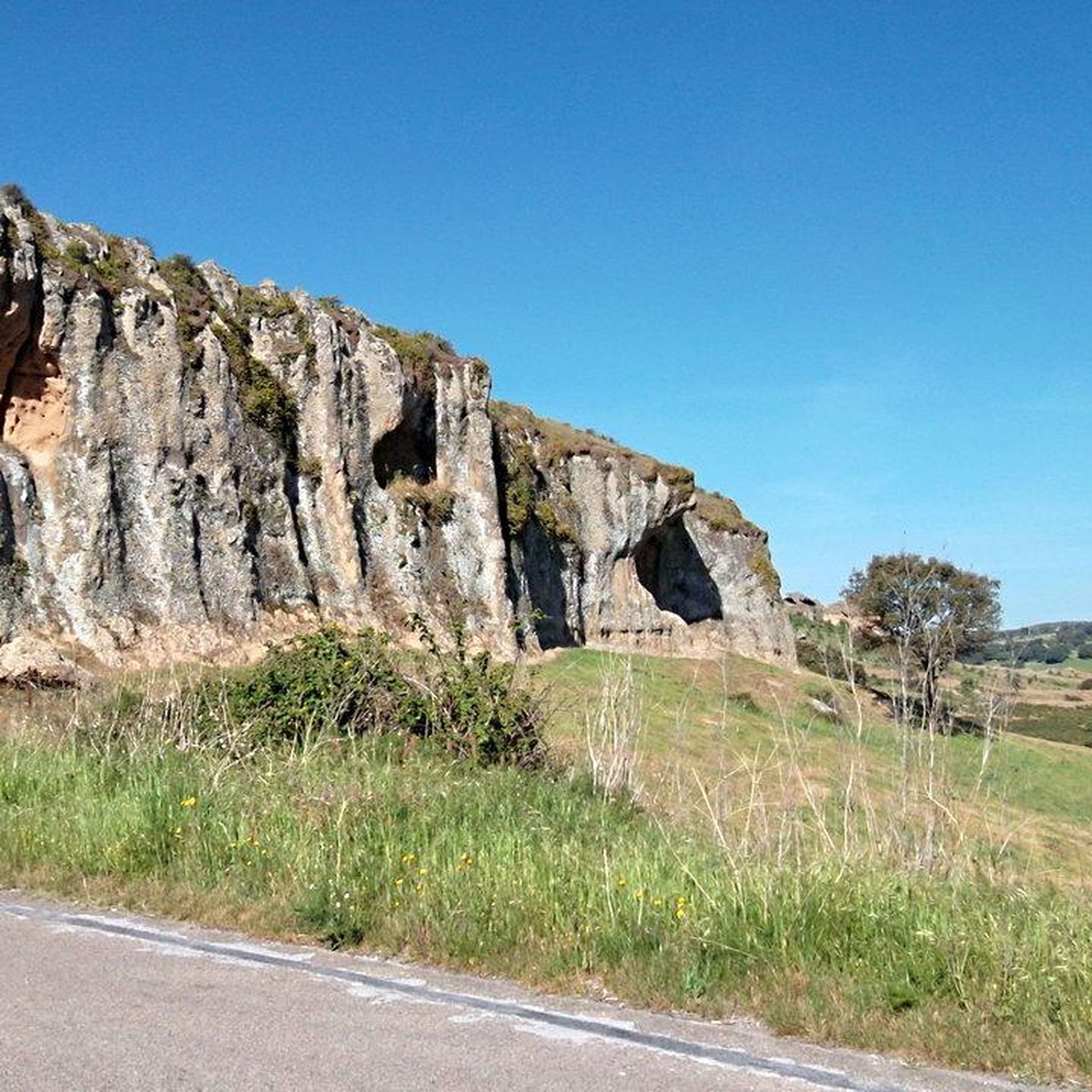
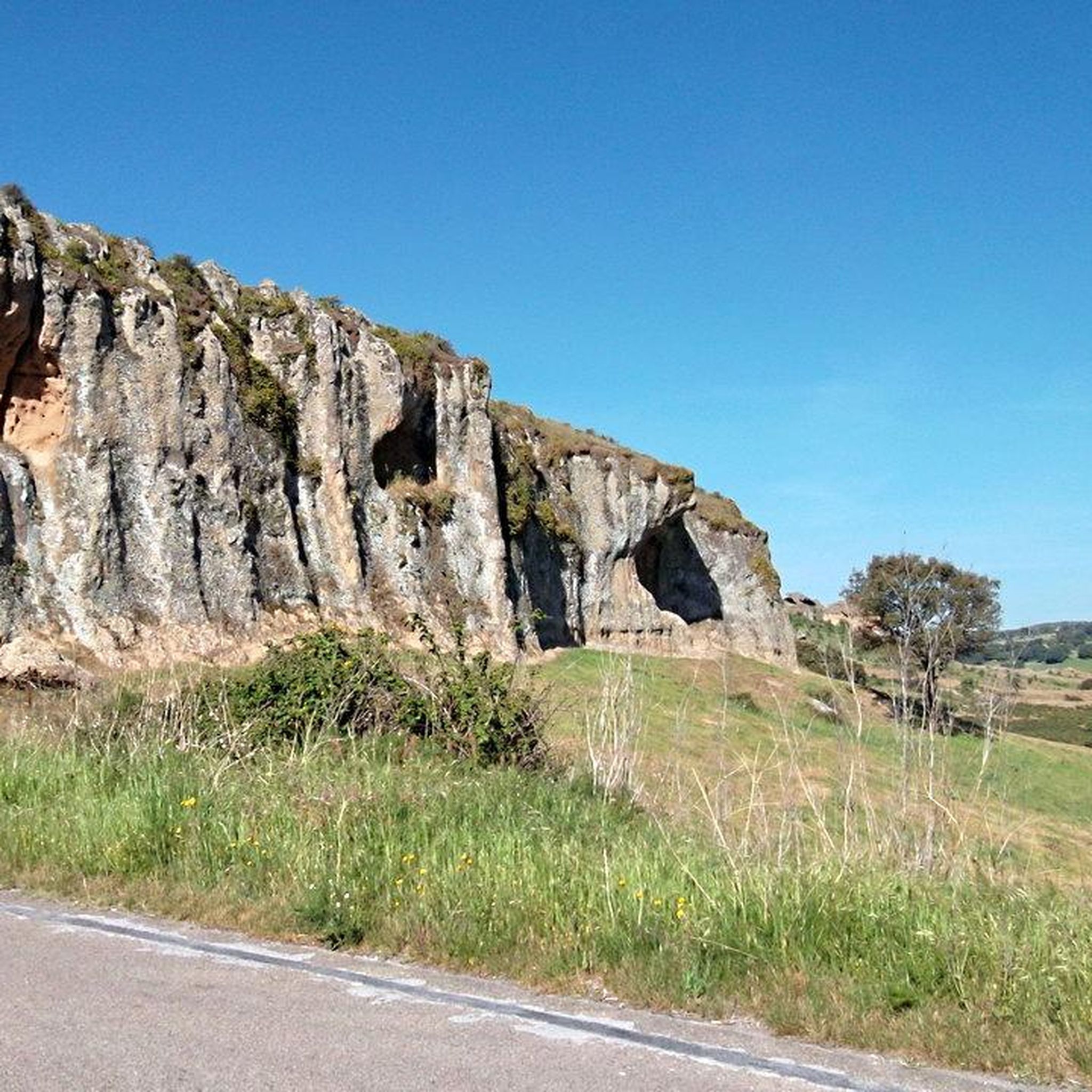
Rock Formations and Caves of the Sardinian Highlands
Highlight (Segment) • Cave
Translated by Google •
Tip by

Sign up now to discover places like this
Get recommendations on the best single tracks, peaks, & plenty of other exciting outdoor places.
Sign up for free
Sacred Spring of Su Lumarzu
Highlight • Historical Site
The paved rectangular atrium …
Translated by Google •
Tip by

Puttu Codinu Necropolis
Highlight • Historical Site
Translated by Google •
Tip by

Nuraghe Torru
Highlight • Historical Site
Translated by Google •
Tip by
Sign up for free to discover even more natural monuments around Cherèmule/Cheremule.
Sign up for free
Already have an account?
Start today with a free account
Your next adventure awaits.
Login or Signup
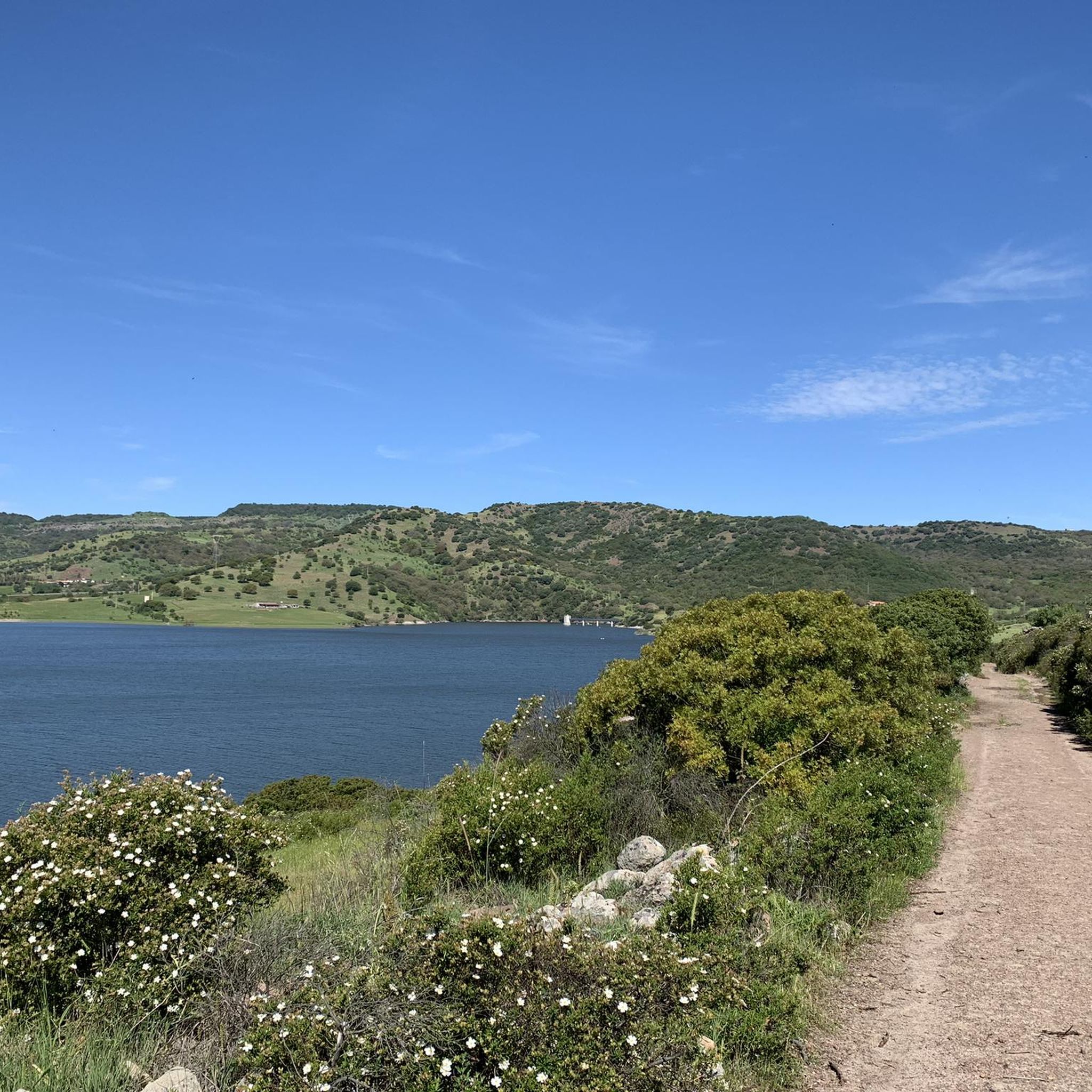
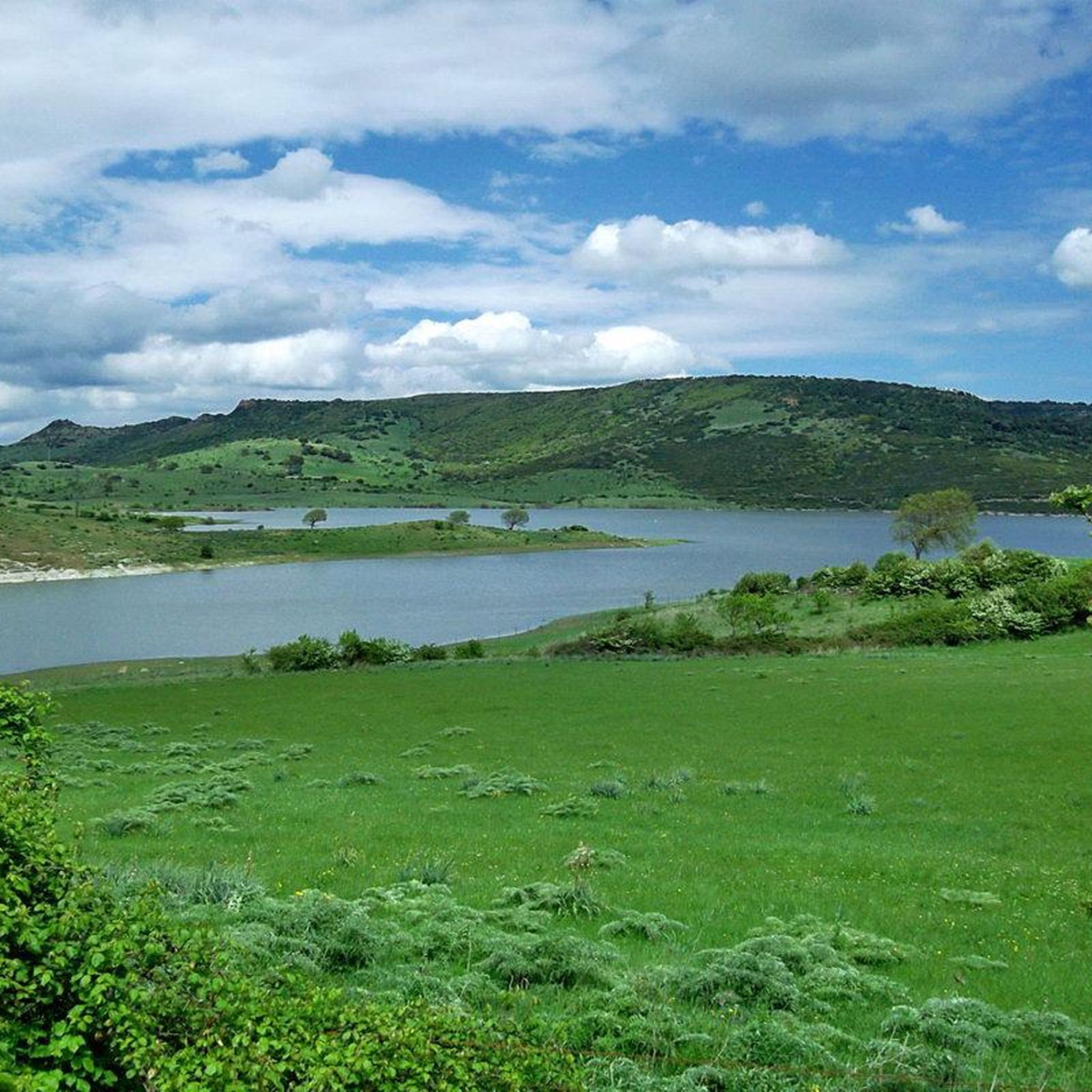
Tips from the Community

An adventurous approach, barking dogs, thorny undergrowth. The dolmens were great, but unfortunately the hiking trail was not well maintained, so we turned back with our son.
0
0

Plains with a primordial appearance, large green spaces bordered by imposing rock formations, isolated or in rows, with caves dug by nature and inhabited by man over the millennia
0
0

The caves are accessible from the road across a meadow. However, there are no paths, despite other claims to the contrary. We didn't find one, and the thistles and thorns make hiking less enjoyable. The area and the view are, of course, wonderful.
0
0

The necropolis of Puttu Codinu ("rock well") is an archaeological site located in the municipality of Villanova Monteleone, province of Sassari, near the state road 292 that leads to Monteleone Rocca Doria. A necropolis with nine hypogeal tombs was found on the site, in an area with rocks emerging from the surrounding land. The tombs were found by chance during recent excavation work. It is believed that the site began to be used in the recent Neolithic (3500 BC). Source: Wikipedia https://it.wikipedia.org/wiki/Necropoli_di_Puttu_Codinu
0
0

The path passes through the Domus de Janas of S'Ena de Cannuja, ancient pre-Nuragic tombs carved into the rock, dating back to the 3rd millennium BC. This necropolis includes six tombs dug into a trachytic ridge. The tombs were presumably reached using carvings dug into the rock face similar to those still preserved in the Domus de Janas Sos Furrighesos necropolis in Anela.
1
0
At the top of Mount Torru there is a vast amphitheater which houses the majestic Torru nuraghe, dominating the entire peak. The nuraghe, a typical megalithic building of ancient Sardinia, was developed during the Nuragic age between 1900 and 730 BC. This structure, built with blocks of soft trachyte, rests directly on the rock which acts as a natural bastion. The view from here is wide and breathtaking.
1
0

The monument, a small cult spring from the Nuragic period, consists of an atrium and a small cell where the vein of the spring is collected. The paved rectangular atrium (5.15 x 1.80 m) has seating along the walls (height 0.30 m; width 0.40 m) and a small alcove. The masonry (height 2 m; width 3 m) consists of regular rows of carefully squared basalt blocks. From the atrium one enters the small cell through an entrance with a trapezoidal light (0.65 m wide; 0.64 m high) obtained in a monolithic slab. The small room (diameter 0.97 m; height 1.60 m), built of roughly worked but carefully joined blocks of basalt, has a "tholos" roof closed by a large horizontal slab. In Christian times, a Latin cross was engraved on the underside of the end plate. The water flows through a channel carved into the sill of the entrance to the spring to a drainage channel built under the floor of the atrium itself. The settlement of the place lasted until late antiquity, as evidenced by coins from the fourth century. AD Found in the time of Taramelli while clearing the porch. Source: http://www.sardegnacultura.it/j/v/253?v=2&c=2488&t=1&s=21393
0
0
Frequently Asked Questions
What geological features define the natural monuments around Cheremule?
The landscape around Cheremule is primarily shaped by its volcanic past. You'll find prominent features like the extinct volcano Monte Cuccuruddu and the protected Volcanic Craters of Meilogu. These contribute to a unique terrain of small hills, some pointed, some rounded, and some cut by plains, offering a fascinating insight into Sardinia's geological history.
What ancient historical sites are integrated with the natural landscape?
Cheremule is rich in ancient archaeological sites deeply intertwined with its natural features. You can explore numerous Domus de Janas (pre-Nuragic hypogeic necropolises) and Nuraghe structures. These ancient constructions are often carved directly into natural rock formations, showcasing a profound historical connection to the land.
Can I visit ancient tombs or necropolises in the area?
Yes, the region offers several significant ancient necropolises. The Domus de Janas di S’Ena de Cannuja is an ancient necropolis of pre-Nuragic tombs carved into a trachytic ridge, featuring six tombs from the 3rd millennium BC. Another notable site is the Puttu Codinu Necropolis, with nine hypogeal tombs, believed to have been used since the recent Neolithic period.
Are there any Nuraghe structures to see near Cheremule?
Absolutely. The area is home to impressive Nuraghe structures. You can visit Nuraghe Torru, a majestic megalithic building located at the top of Mount Torru, offering expansive views. Another significant site is Nuraghe Majore, a well-preserved single-tower nuraghe built against trachyte rock, partially integrating into its base masonry.
What outdoor activities can I do near the natural monuments?
The Cheremule area offers a variety of outdoor activities. You can explore numerous trails for mountain biking, cycling, and road cycling. For example, there are MTB routes like the 'Lake Bidighinzu Loop' or cycling tours such as 'Thiesi historic centre – Lago di Monteleone loop'. You can find more details on these activities and routes in the MTB Trails around Cherèmule/Cheremule, Cycling around Cherèmule/Cheremule, and Road Cycling Routes around Cherèmule/Cheremule guides.
What is the best time of year to visit the natural monuments around Cheremule?
While specific seasonal weather details are not provided, generally, spring and autumn offer pleasant temperatures for exploring outdoor sites in Sardinia, avoiding the intense heat of summer. These seasons are ideal for hiking and visiting archaeological sites.
Are the natural monuments around Cheremule family-friendly?
Many of the natural monuments and archaeological sites can be explored by families, though some may involve adventurous approaches or uneven terrain. For instance, the Domus de Janas di S’Ena de Cannuja offers an interesting historical experience, but visitors have noted that paths can be unmaintained in some areas. It's advisable to check specific highlight tips for accessibility and trail conditions if visiting with young children.
What makes the Rock Formations and Caves of the Sardinian Highlands unique?
The Rock Formations and Caves of the Sardinian Highlands are unique for their primordial appearance, featuring vast green spaces bordered by imposing rock formations. These formations contain caves naturally carved over millennia, which have also been inhabited by humans throughout history, offering a blend of natural beauty and ancient human presence.
What is the Sacred Spring of Su Lumarzu?
The Sacred Spring of Su Lumarzu is a small cult spring from the Nuragic period. It consists of a paved rectangular atrium with seating and a small cell where the spring's vein is collected. The structure is built with carefully squared basalt blocks and features a 'tholos' roof. Water flows through a channel, and the site shows evidence of settlement until late antiquity.
What kind of forests can be found in the Cheremule area?
Cheremule is surrounded by green forests that contribute to its natural beauty. Notable examples include the Monte Cuccuruddu pine forest, which extends from the slopes of the extinct volcano, and the Forest of Su Tippiri, another significant natural attraction in the area.
Is parking available at the natural monuments around Cheremule?
Information on specific parking facilities for each natural monument is not always detailed. For some sites, like the Domus de Janas di S’Ena de Cannuja, access might involve parking near a road and walking across meadows. It's recommended to check local signage or visitor information upon arrival, as dedicated parking lots may vary.
Most popular routes around Cherèmule/Cheremule
Most popular attractions around Cherèmule/Cheremule

Get inspired with the komoot mobile app


Explore more
Extend your search for the best caves by checking out these guides of the top ones around Cherèmule/Cheremule:
