Top 11 Natural Monuments around Thiesi
Best natural monuments around Thiesi are characterized by the region's volcanic origins and diverse geological formations. The area in Sardinia, Italy, features a landscape shaped by ancient volcanic activity, resulting in distinctive natural features. Visitors can explore a variety of sites, including ancient rock-cut tombs and impressive rock formations. These natural attractions offer insights into the geological and historical past of the region.
Best natural monuments around Thiesi
- The most popular natural monuments is Rock Formations and Caves of the…
Last updated: June 28, 2026
Domus de Janas di S’Ena de Cannuja
Highlight • Cave
Translated by Google •
Tip by

Rock Formations and Caves of the Sardinian Highlands
Highlight (Segment) • Cave
Translated by Google •
Tip by

Sign up now to discover places like this
Get recommendations on the best single tracks, peaks, & plenty of other exciting outdoor places.
Sign up for free
Necropolis of Mesu ‘e Montes
Highlight • Historical Site
Left Ossi in the direction of Florinas, after …
Tip by
Puttu Codinu Necropolis
Highlight • Historical Site
Translated by Google •
Tip by

Nuraghe Torru
Highlight • Historical Site
Translated by Google •
Tip by
Sign up for free to discover even more natural monuments around Thiesi.
Sign up for free
Already have an account?
Start today with a free account
Your next adventure awaits.
Login or Signup
Tips from the Community

An adventurous approach, barking dogs, thorny undergrowth. The dolmens were great, but unfortunately the hiking trail was not well maintained, so we turned back with our son.
0
0

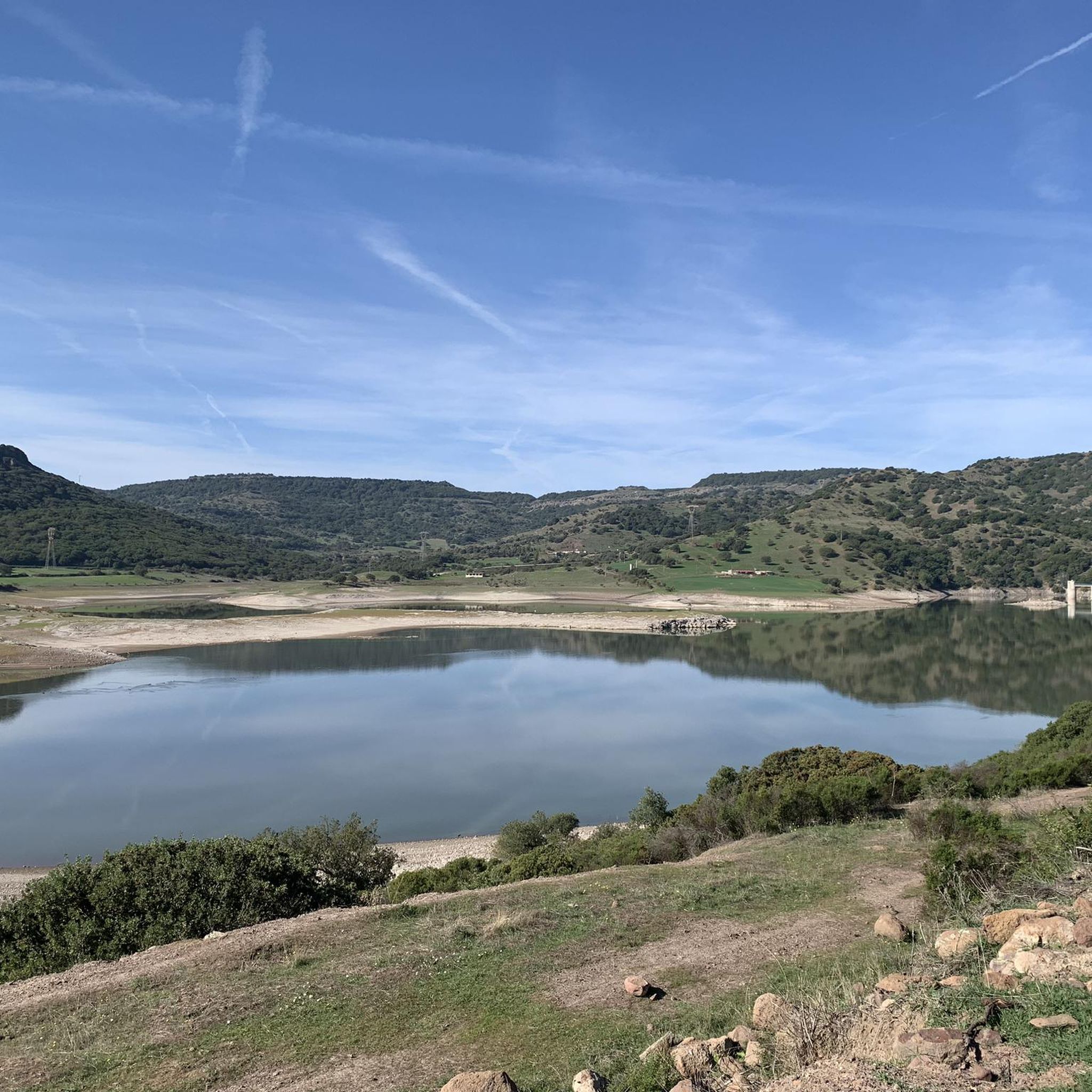
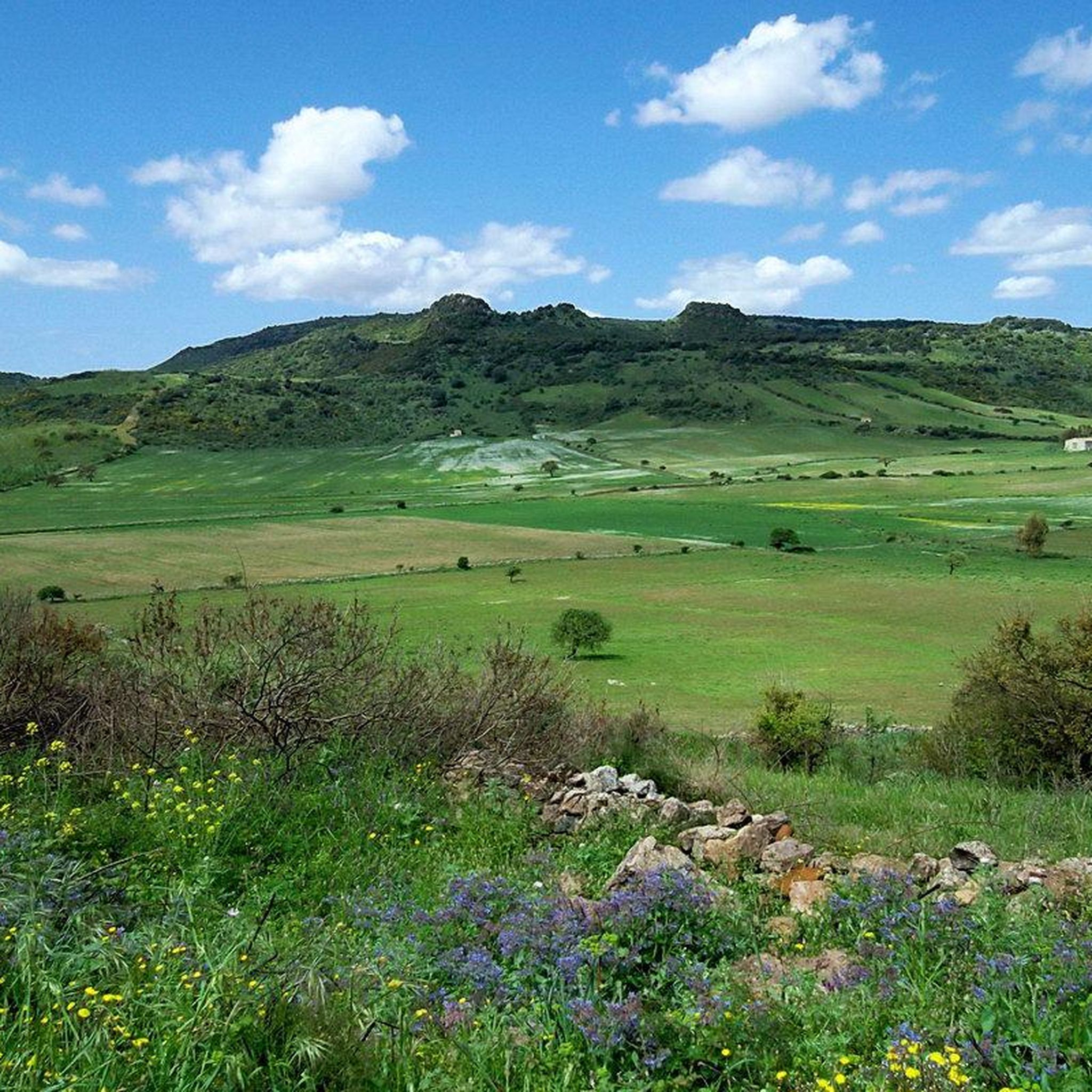
Plains with a primordial appearance, large green spaces bordered by imposing rock formations, isolated or in rows, with caves dug by nature and inhabited by man over the millennia
0
0

The caves are accessible from the road across a meadow. However, there are no paths, despite other claims to the contrary. We didn't find one, and the thistles and thorns make hiking less enjoyable. The area and the view are, of course, wonderful.
0
0

The necropolis of Puttu Codinu ("rock well") is an archaeological site located in the municipality of Villanova Monteleone, province of Sassari, near the state road 292 that leads to Monteleone Rocca Doria. A necropolis with nine hypogeal tombs was found on the site, in an area with rocks emerging from the surrounding land. The tombs were found by chance during recent excavation work. It is believed that the site began to be used in the recent Neolithic (3500 BC). Source: Wikipedia https://it.wikipedia.org/wiki/Necropoli_di_Puttu_Codinu
0
0

The path passes through the Domus de Janas of S'Ena de Cannuja, ancient pre-Nuragic tombs carved into the rock, dating back to the 3rd millennium BC. This necropolis includes six tombs dug into a trachytic ridge. The tombs were presumably reached using carvings dug into the rock face similar to those still preserved in the Domus de Janas Sos Furrighesos necropolis in Anela.
1
0
At the top of Mount Torru there is a vast amphitheater which houses the majestic Torru nuraghe, dominating the entire peak. The nuraghe, a typical megalithic building of ancient Sardinia, was developed during the Nuragic age between 1900 and 730 BC. This structure, built with blocks of soft trachyte, rests directly on the rock which acts as a natural bastion. The view from here is wide and breathtaking.
1
0
In the territory south of Ossi there is an imposing necropolis on a limestone ridge of the southern slopes of Mount Mamas. Left Ossi in the direction of Florinas, after 10 km on the SP 3, on the left you see a dirt road that leads quickly to a large open space, where you can leave your bike under a big oak tree. Here a path, well delimited by low dry stone walls, climbs (for 400 m.) to the funeral complex. The necropolis consists of 18 domus de janas, all multicellular (in two of them there are up to 12 rooms), richly adorned with pilasters, panels, false doors, taurine protomes, spiral or wolf teeth motifs. Some tombs reproduce the structure of the pre-nuragic houses with great realism: horizontal, or single or double sloping roofs, central beams and lateral joists, support pillars, zigzag and sawtooth motifs, fireplaces… everything carved in the rock. Remember to bring a torch. The place is free to access and is clearly indicated by a sign at the beginning of the dirt road.
1
0
Frequently Asked Questions
What kind of natural monuments can I expect to see around Thiesi?
Thiesi, located in Sardinia's Logudoro-Meilogu region, is characterized by its volcanic origins, offering a landscape rich in distinctive natural features. You'll find ancient volcanic cones like Colle Santu Bainzu, impressive cave systems such as the Rock Formations and Caves of the Sardinian Highlands, and unique rock formations. The area also features historical sites integrated with natural settings, like ancient rock-cut tombs.
Are there any historical or archaeological natural monuments in the area?
Yes, Thiesi is rich in historical natural monuments. You can explore sites like Domus de Janas di S’Ena de Cannuja, an ancient pre-Nuragic necropolis carved into a trachytic ridge, featuring six tombs from the 3rd millennium BC. Another significant site is the Necropolis of Mesu ‘e Montes, an imposing necropolis on a limestone ridge with 18 multicellular domus de janas, many adorned with intricate carvings.
Can I explore caves around Thiesi?
Absolutely. The region is known for its cave systems. The Rock Formations and Caves of the Sardinian Highlands offer plains with a primordial appearance and large green spaces bordered by imposing rock formations, including caves inhabited by humans over millennia. Additionally, the Grotta di Monte Majore (Sa Korona of Monte Majore) is a notable natural cave with a wide entrance, impressive concretions, and a large bat colony.
Are there hiking opportunities near these natural monuments?
Yes, there are several hiking opportunities around Thiesi that allow you to explore the natural monuments. You can find various trails, including those that lead to geological formations and historical sites. For more detailed routes and options, you can check out the Hiking around Thiesi guide.
What is the difficulty level of hiking trails near Thiesi's natural monuments?
Hiking trails around Thiesi vary in difficulty. For instance, the 'The extinct volcanoes of the Meilogu' route is rated easy, while 'Discovering Monte Santo' is moderate. Some paths to sites like Domus de Janas di S’Ena de Cannuja might involve adventurous approaches with thorny undergrowth, making them less maintained. It's advisable to check individual route details for specific difficulty ratings.
Are the natural monuments around Thiesi suitable for families?
While some natural monuments like the Domus de Janas di S’Ena de Cannuja might have less maintained paths, making them challenging for very young children, many areas offer accessible natural beauty. For family-friendly walks, look for easier hiking routes in the Hiking around Thiesi guide, such as 'The extinct volcanoes of the Meilogu' which is rated easy.
Are there any viewpoints offering panoramic views?
Yes, the area offers stunning panoramic views. Nuraghe Torru, located at the top of Mount Torru, provides expansive and breathtaking views of the surrounding landscape. This historical site combines cultural significance with a natural vantage point.
What is the best time of year to visit the natural monuments in Thiesi?
Sardinia generally enjoys a Mediterranean climate. Spring (April-May) and autumn (September-October) are often considered the best times to visit, as the weather is mild and pleasant for outdoor activities like hiking and exploring natural sites, avoiding the intense heat of summer.
Is parking available at the natural monuments?
Parking availability varies by site. For the Necropolis of Mesu ‘e Montes, there's a large open space where you can leave your vehicle. For other sites, like Grotta di Monte Majore or Colle Santu Bainzu, it's recommended to check local information or visitor tips for specific parking details, as some areas might require roadside parking or have limited facilities.
What do visitors enjoy the most about Thiesi's natural monuments?
Visitors appreciate the unique blend of geological history and ancient culture. The primordial appearance of the plains, the imposing rock formations, and the caves that have been inhabited for millennia are frequently highlighted. The historical sites like the Domus de Janas and Nuraghe Torru, with their rich past and stunning views, also receive high praise from the komoot community.
Are there any natural monuments with unique geological significance?
Thiesi's natural monuments are deeply rooted in the region's volcanic origins. Colle Santu Bainzu, an extinct volcanic cone, is a prime example, showcasing the geological past of Sardinia. The distinctive rock formations and cave systems throughout the area are also a direct result of ancient volcanic activity, making them geologically significant.
Can I find dog-friendly trails near Thiesi's natural monuments?
While specific dog-friendly designations for each natural monument are not always available, many natural trails in the broader Thiesi area are suitable for walks with dogs, provided they are kept on a leash and you clean up after them. Always check local regulations and respect wildlife when exploring with pets.
How long does it typically take to explore some of these natural monuments?
The time required to explore varies. A site like Nuraghe Torru might take an hour or two to hike to and appreciate the views. Exploring a necropolis like Mesu ‘e Montes, especially with its multiple rooms, could take a couple of hours. For larger cave systems or combined hikes, plan for a half-day or more.
Most popular attractions around Thiesi

Get inspired with the komoot mobile app


Explore more
Extend your search for the best caves by checking out these guides of the top ones around Thiesi:
