Top 5 Natural Monuments around Mara
Best natural monuments around Mara, a region in north-western Sardinia, are characterized by diverse geological formations and historical sites. The area features basaltic massifs, ancient caves, and unique mineral springs. These natural features contribute to the region's landscape, offering insights into its geological past and pre-Nuragic cultures. The terrain includes plains, gorges, cliffs, and hills, providing varied natural environments.
Best natural monuments around Mara
- The most popular natural monuments is Rock Formations and Caves of the Sardinian Highlands, a…
Last updated: June 28, 2026
Rock Formations and Caves of the Sardinian Highlands
Highlight (Segment) • Cave
Translated by Google •
Tip by

Puttu Codinu Necropolis
Highlight • Historical Site
Translated by Google •
Tip by

Sign up now to discover places like this
Get recommendations on the best single tracks, peaks, & plenty of other exciting outdoor places.
Sign up for free
Su Mudeju Mineral Springs
Highlight • Natural Monument
Translated by Google •
Tip by

Mount Traessu
Highlight • Summit
Translated by Google •
Tip by

Sa Ucca de su Tintirriolu Cave
Highlight • Cave
Translated by Google •
Tip by
Start today with a free account
Your next adventure awaits.
Login or Signup
Tips from the Community

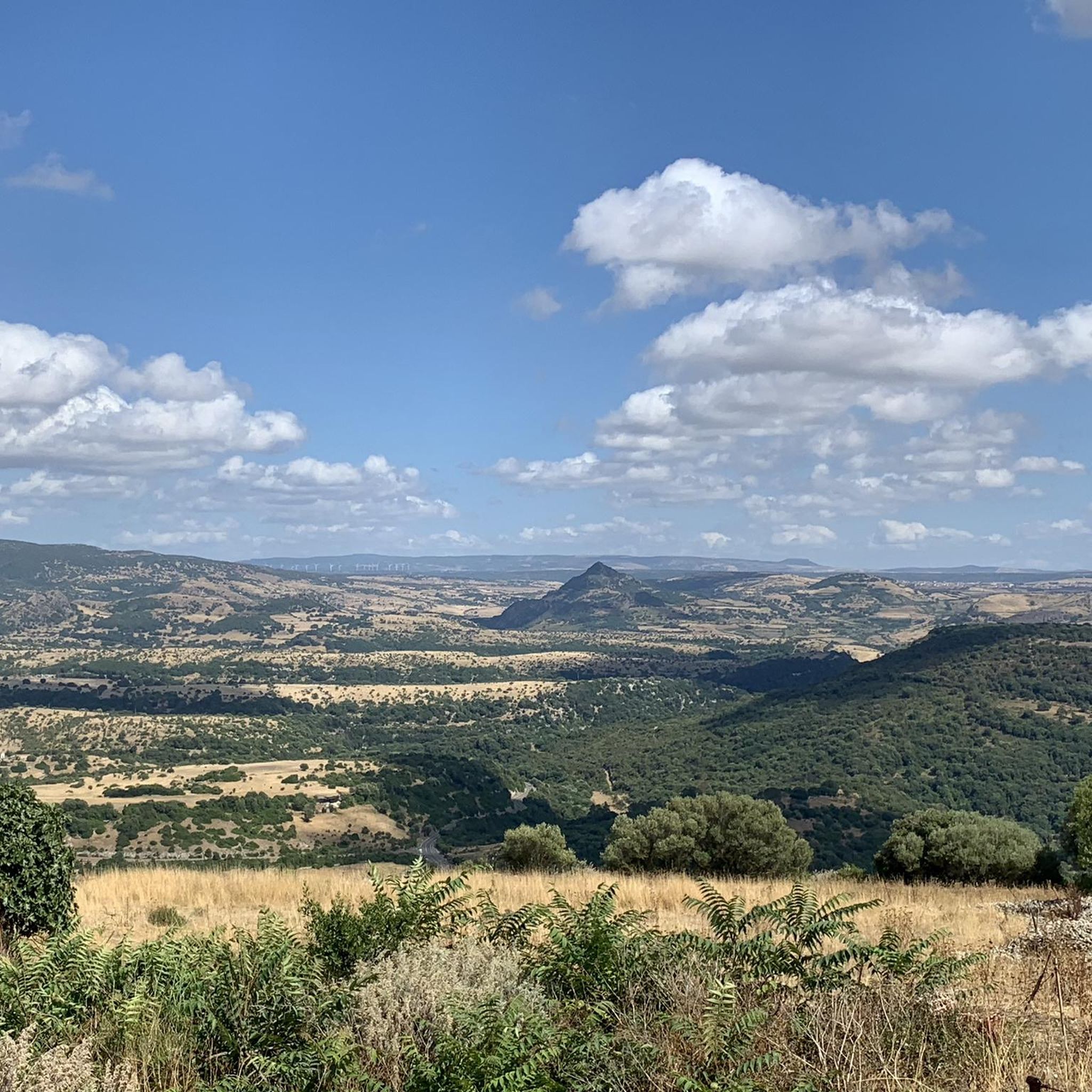
Plains with a primordial appearance, large green spaces bordered by imposing rock formations, isolated or in rows, with caves dug by nature and inhabited by man over the millennia
0
0

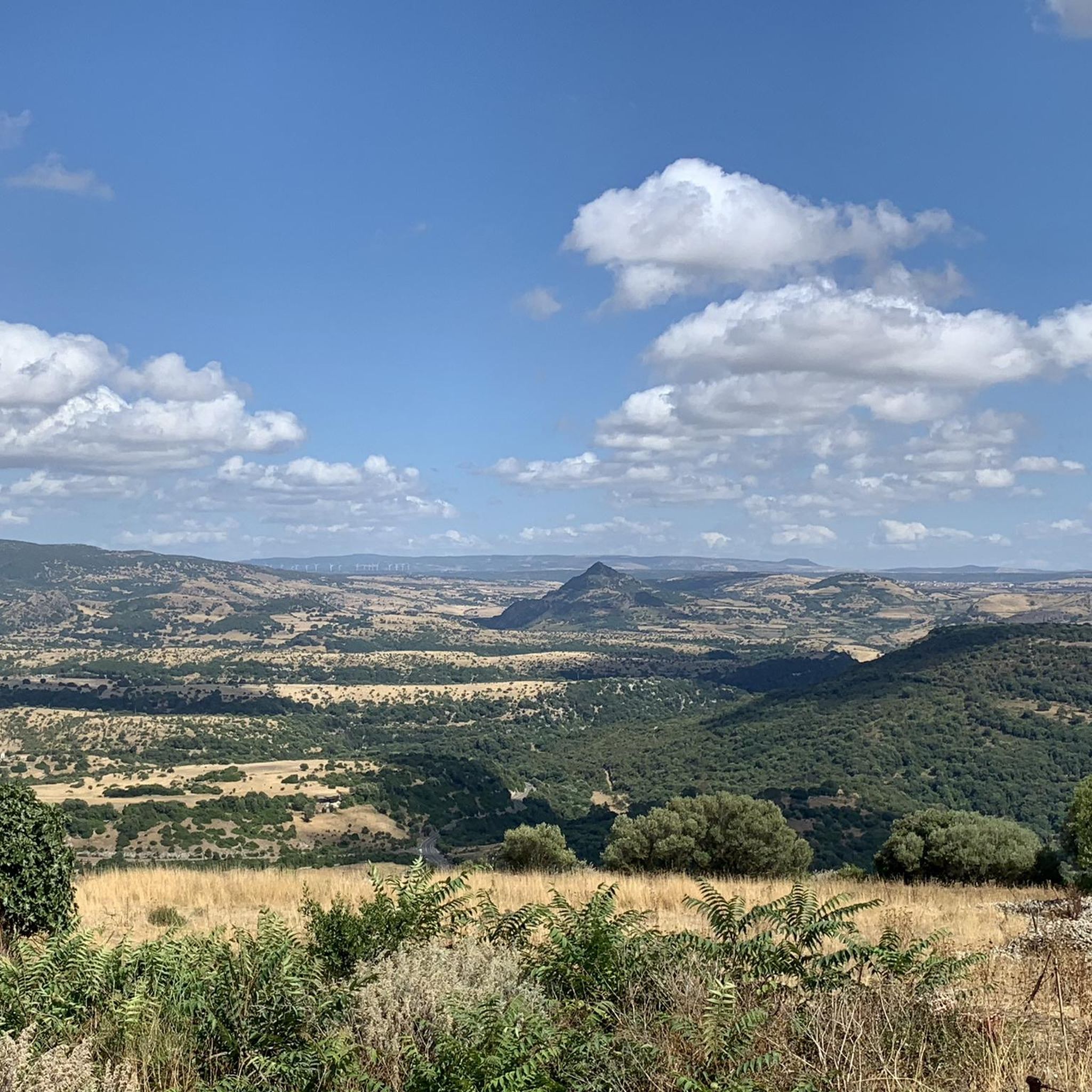
The necropolis of Puttu Codinu ("rock well") is an archaeological site located in the municipality of Villanova Monteleone, province of Sassari, near the state road 292 that leads to Monteleone Rocca Doria. A necropolis with nine hypogeal tombs was found on the site, in an area with rocks emerging from the surrounding land. The tombs were found by chance during recent excavation work. It is believed that the site began to be used in the recent Neolithic (3500 BC). Source: Wikipedia https://it.wikipedia.org/wiki/Necropoli_di_Puttu_Codinu
0
0

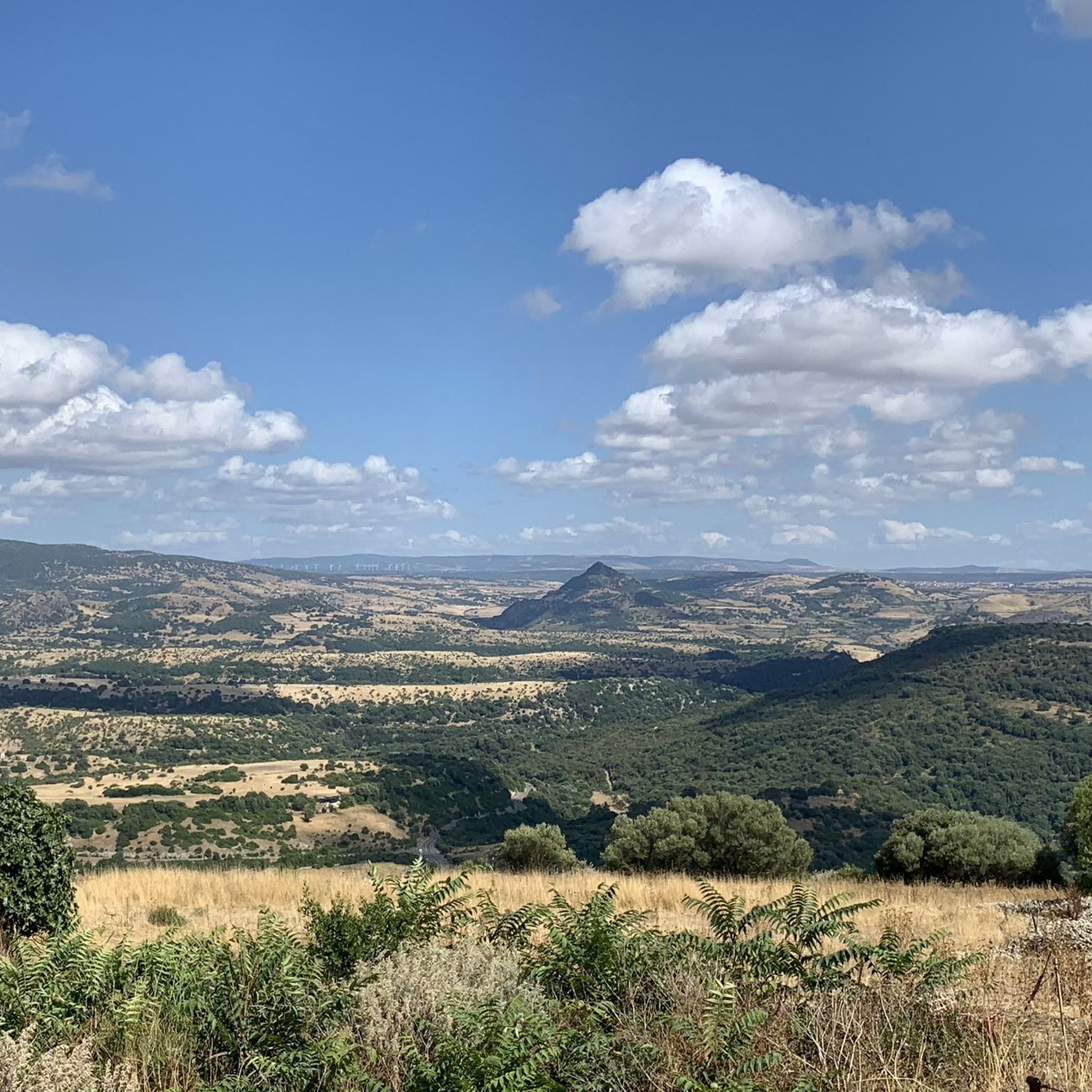
These are mineral water sources naturally endowed with a light carbonation. You can reach it by temporarily deviating from the 292. The lay-by offers three taps, two directly in front of the road which offer moderately fizzy water, and one 50 meters further down with slightly more fizzy water and with more dissolved salts.
1
0

The archaeological finds in this cave were fundamental in giving the name to the pre-Nuragic culture of Bonu Ighinu (the name of this area), which developed in Sardinia during the 4th millennium BC. (4000-3400 BC). It is considered the first culture in Sardinia to have used natural cavities as sepulchres, which then formed small necropolises.
0
0
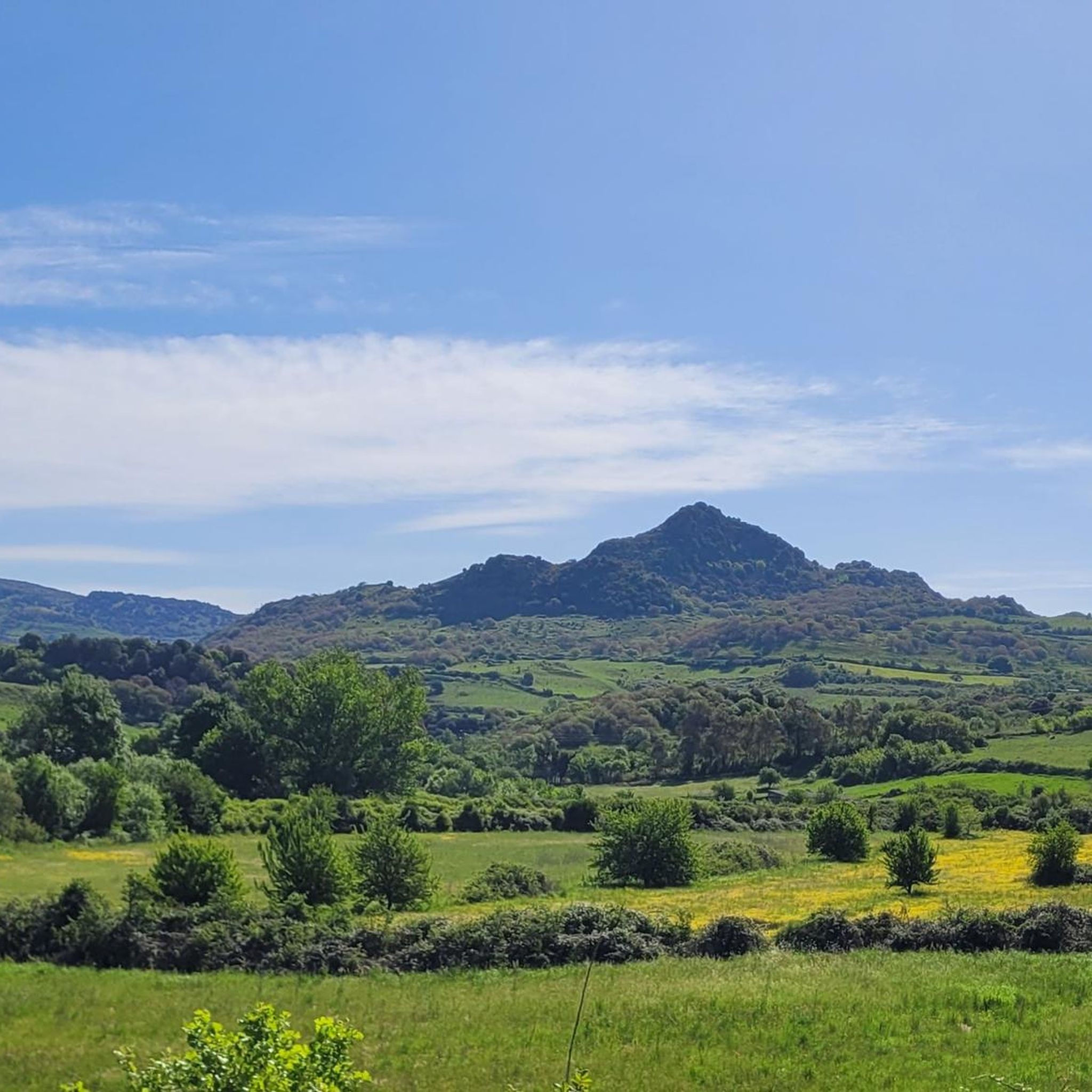
It is a basaltic massif located in the territory of the municipalities of Cossoine, Giave and Mara, in north-western Sardinia. Rich in gorges, cliffs and caves, the relief reaches a height of 717 meters and dominates a vast stretch of territory in the province of Sassari.
0
1
Frequently Asked Questions
What types of natural monuments can I explore around Mara?
The Mara region in Sardinia offers a diverse range of natural monuments, including ancient caves, impressive rock formations, unique mineral springs, and basaltic massifs. These features provide insights into the area's geological past and pre-Nuragic cultures.
Are there any historical natural monuments in the Mara region?
Yes, the region is rich in historical natural monuments. For instance, the Puttu Codinu Necropolis is an archaeological site featuring nine hypogeal tombs believed to have been used since the Neolithic period around 3500 BC. Additionally, the Sa Ucca de su Tintirriolu Cave holds significant archaeological finds that named the pre-Nuragic Bonu Ighinu culture.
Where can I find unique natural water sources in Mara?
You can visit Su Mudeju Mineral Springs, which are natural water sources with light carbonation. They offer multiple taps with naturally fizzy water, some with more dissolved salts, providing a refreshing stop.
What are the best places for panoramic views in the Mara area?
For expansive views, consider visiting Mount Traessu. This basaltic massif reaches a height of 717 meters and dominates a vast stretch of territory in the province of Sassari, offering excellent panoramic vistas.
Are there family-friendly natural monuments in Mara?
Yes, Su Mudeju Mineral Springs is categorized as family-friendly, offering a pleasant and accessible natural attraction for visitors of all ages to enjoy the unique mineral waters.
What kind of outdoor activities can I do near these natural monuments?
The Mara region is excellent for various outdoor activities. You can find numerous cycling routes, including road cycling, mountain biking, and touring bicycle options. For example, explore the Road Cycling Routes around Mara or the MTB Trails around Mara.
Are there hiking opportunities around the natural monuments?
While specific hiking trails directly to each natural monument aren't detailed, the region's diverse terrain, including gorges, cliffs, and hills, provides ample opportunities for exploration. Many of the cycling routes, particularly MTB trails like those around Mount Traessu, can also be adapted for hiking or walking.
What makes the Rock Formations and Caves of the Sardinian Highlands unique?
The Rock Formations and Caves of the Sardinian Highlands are notable for their primordial appearance, vast green spaces, and imposing rock formations. These natural caves have been used by humans for millennia, adding a layer of historical significance to their natural beauty.
What is the terrain like around Mara's natural monuments?
The terrain around Mara's natural monuments is quite varied, featuring plains with a primordial appearance, large green spaces, rolling hills, and significant basaltic massifs like Mount Traessu, which is rich in gorges, cliffs, and caves.
What do visitors appreciate most about the natural monuments in Mara?
Visitors frequently appreciate the diverse geological formations and historical significance of the sites. The ancient caves and necropolises offer a glimpse into the past, while the mineral springs provide a unique natural experience. The panoramic views from summits like Mount Traessu are also highly valued.
Are there any less crowded natural attractions in the Mara region?
While specific crowd levels aren't detailed, exploring the various caves and historical sites like Sa Ucca de su Tintirriolu Cave or the Puttu Codinu Necropolis, especially outside peak tourist seasons, can offer a more tranquil experience compared to more widely known attractions.
Most popular routes around Mara
Most popular attractions around Mara

Get inspired with the komoot mobile app


Explore more
Extend your search for the best caves by checking out these guides of the top ones around Mara:
