Top 20 Natural Monuments around Calascio
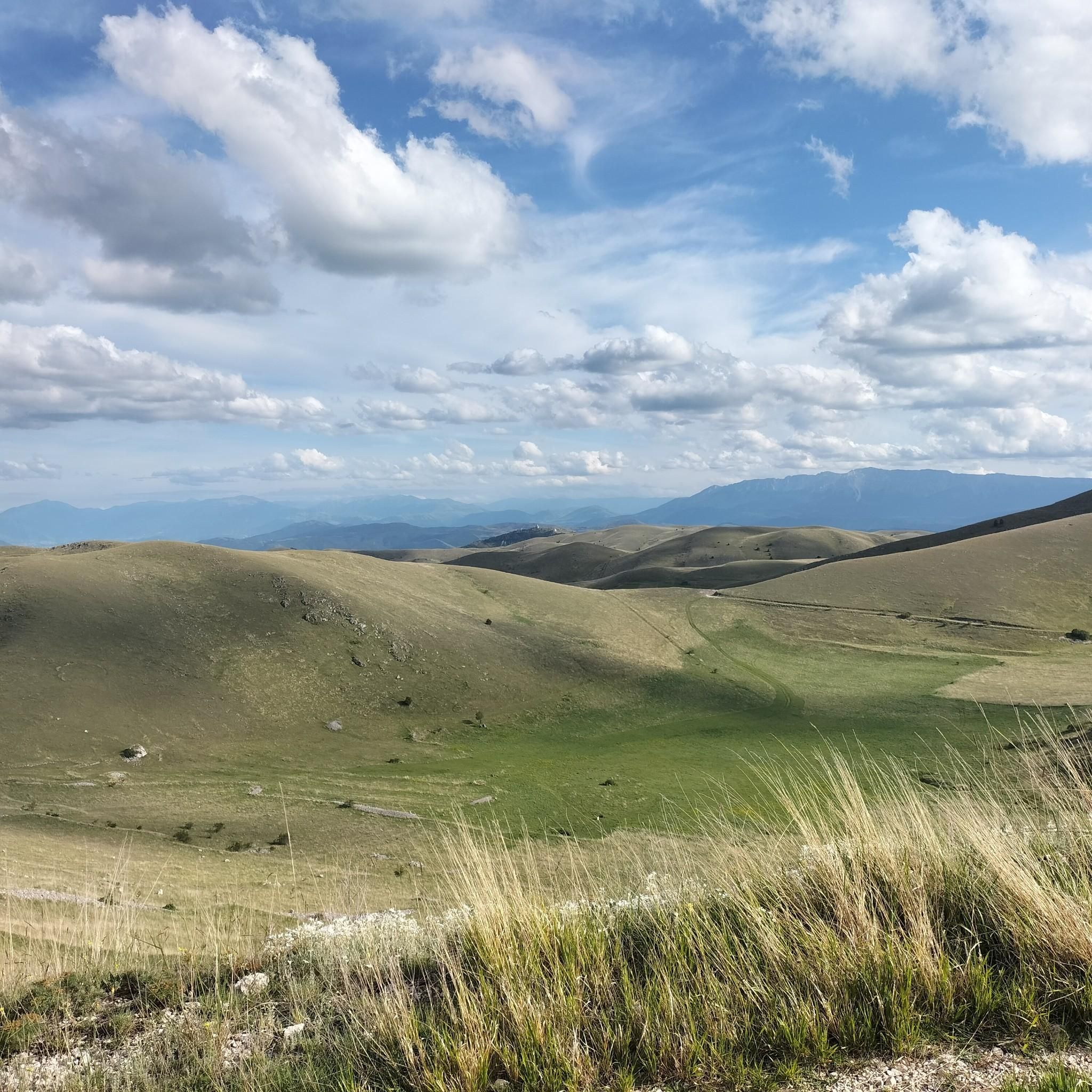
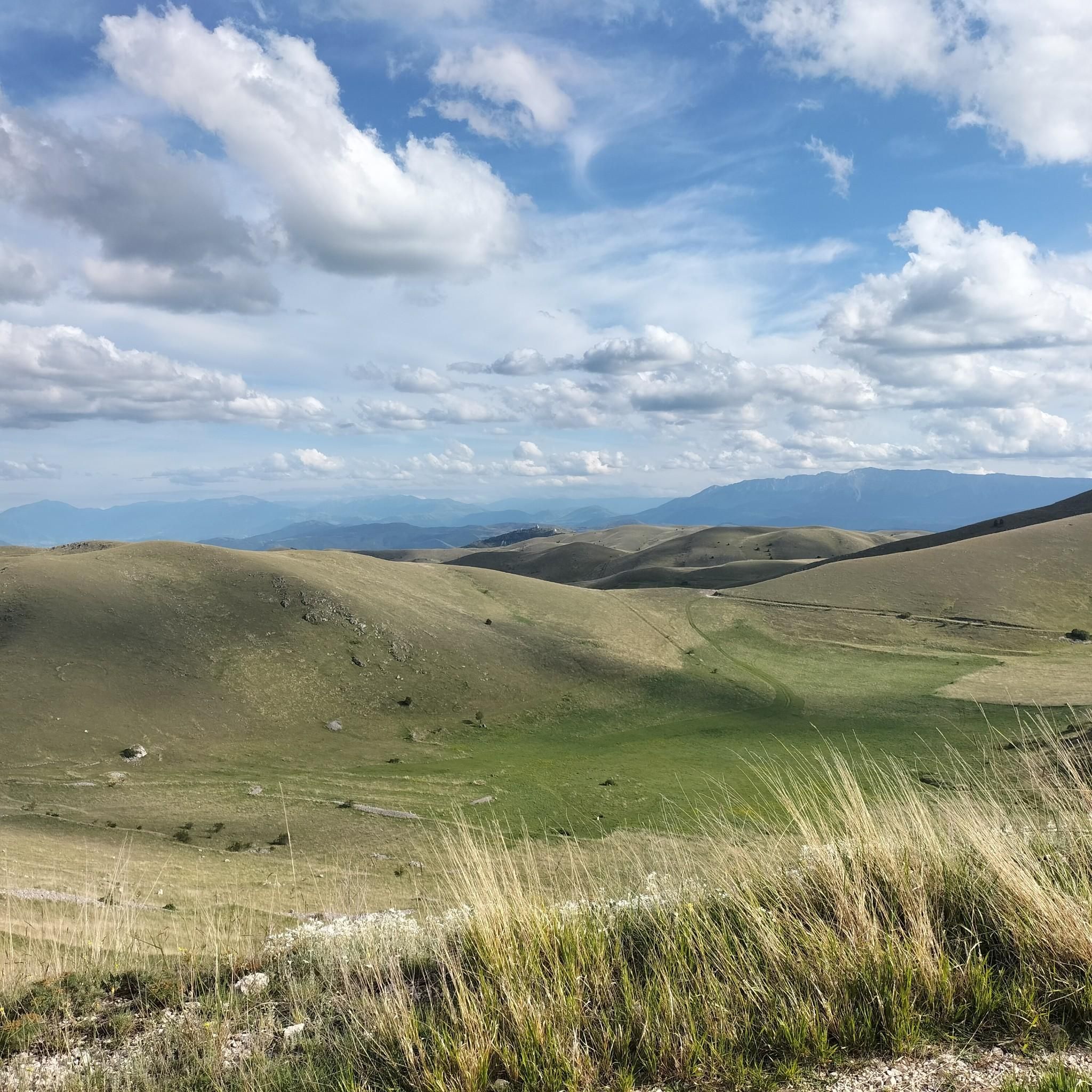
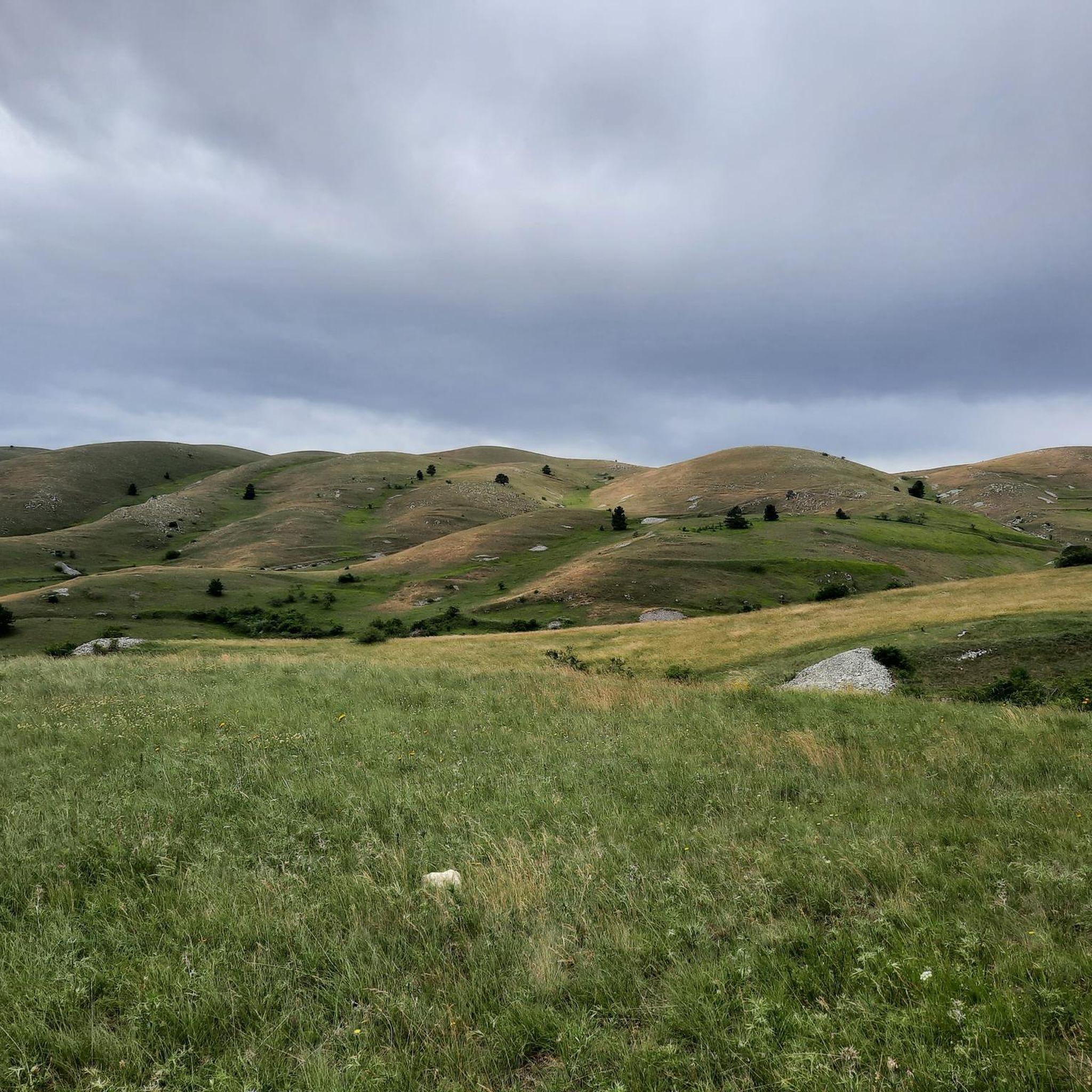
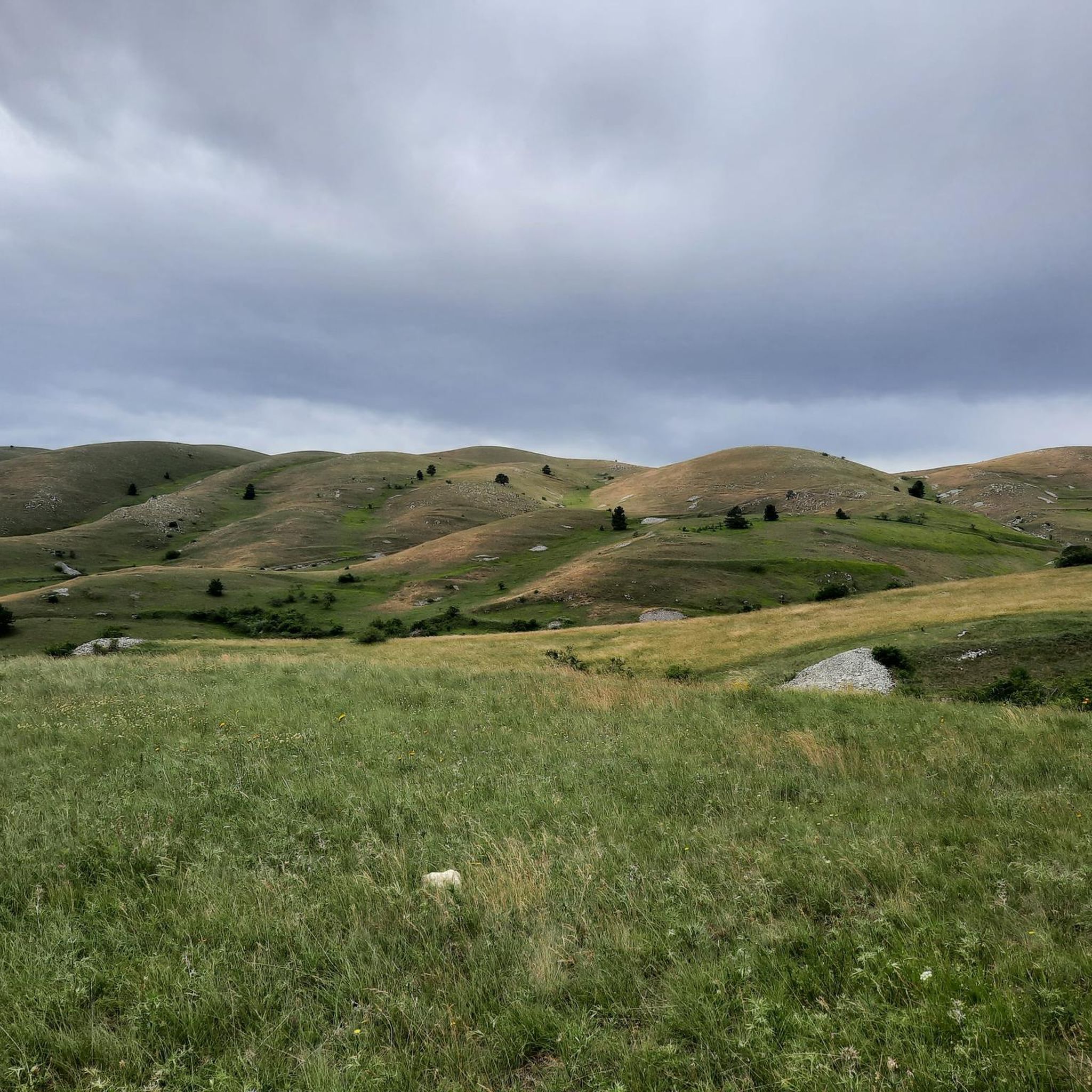
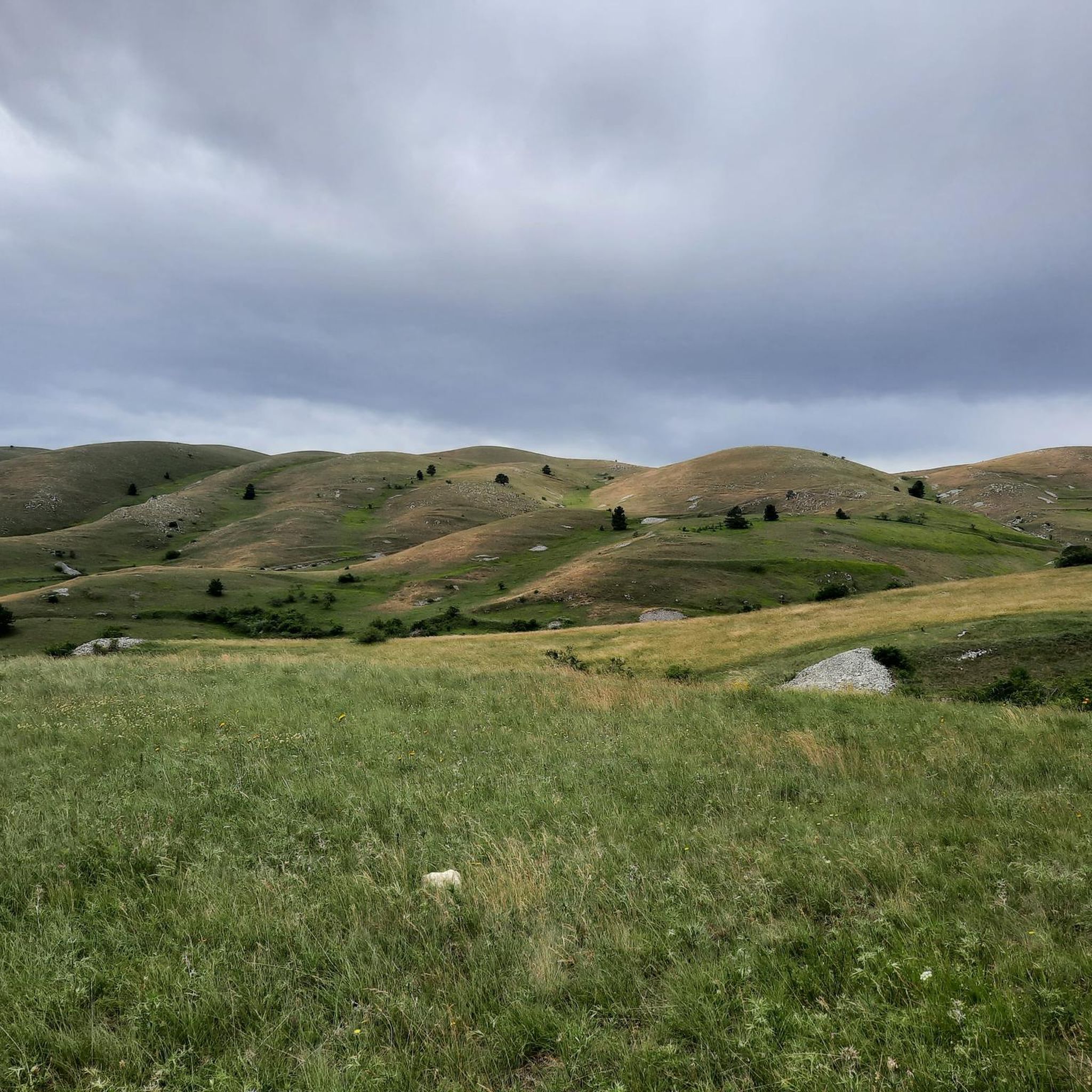
Best natural monuments around Calascio are situated within the Gran Sasso and Monti della Laga National Park. This region features diverse landscapes, including dense forests, expansive meadows, and rugged limestone formations. The interplay of these elements creates a picturesque and dramatic scenery. The area offers a wealth of natural features for visitors to explore.
Best natural monuments around Calascio
- The most popular natural monuments is Rocca Calascio Castle, a castle that is one of the highest in Italy, located…
Last updated: October 15, 2026
Rocca Calascio Castle
Highlight • Castle
Translated by Google •
Tip by

Monte Aquila Summit
Highlight • Summit
Translated by Google •
Tip by

Sign up now to discover places like this
Get recommendations on the best single tracks, peaks, & plenty of other exciting outdoor places.
Monte Camicia summit
Highlight • Summit
Translated by Google •
Tip by

Scoppaturo Canyon
Highlight • Canyon
Translated by Google •
Tip by

Capo la Serra Pass
Highlight • Mountain Pass
Translated by Google •
Tip by
Sign up for free to discover even more natural monuments around Calascio.
Already have an account?
Start today with a free account
Your next adventure awaits.


Tips from the Community

The summit is easily reachable from the hotel in Campo Imperatore or from Vado di Corno. Suitable for those approaching the world of high-altitude hiking.
0
0

Given the steepness, trekking poles are recommended.
0
0

It will be my next destination
3
0

what beautiful places to cycle
0
0

A Classic from Campo Imperatore, I recommend excursions even for those who are new to the area, beautiful panorama
0
0

Easy route for any level of preparation, almost flat. You walk on grass and gravel (inside the canyon). The surrounding view is enchanting, it is worth going there. You can park in the nearby refuges or in the parking lot along the road.
0
0

A really impressive gorge, where you wouldn't expect to find it. It's a lovely place to walk through, there's a marked path.
1
1

Wonderful canyon, location of films by Terence Hill and Bud Spencer..
0
0
Frequently Asked Questions
What kind of natural features can I expect to see around Calascio?
The region around Calascio, nestled within the Gran Sasso and Monti della Laga National Park, offers diverse natural features. You'll find dense forests, expansive meadows, and verdant pastures, all set against a backdrop of rugged limestone formations. The area is particularly known for its dramatic geological landscapes and high-altitude viewpoints.
Which natural monuments offer the best panoramic views in the Calascio area?
For breathtaking panoramic views, consider visiting Rocca Calascio Castle, which provides unparalleled vistas of the Gran Sasso National Park and the Tirino Valley. Other excellent viewpoints include Monte Aquila Summit, offering insights into the Gran Sasso area and views of Corno Grande, and Monte Camicia summit for an impressive 360° panorama.
Are there any mountain passes around Calascio that are considered natural monuments?
Yes, the area features significant mountain passes that are recognized as natural monuments. Capo la Serra Pass marks the watershed between the Campo Imperatore plateau and Castel del Monte, offering wonderful views. Another notable pass is Maccione Pass, which provides a moment of respite on the climb to Campo Imperatore and offers views reminiscent of the 'Little Tibet'.
What outdoor activities can I do near the natural monuments around Calascio?
The natural monuments around Calascio are excellent starting points for various outdoor activities. You can explore numerous mountain hikes, including challenging routes to summits like Monte Camicia. The region also offers fantastic opportunities for road cycling, with routes leading to Campo Imperatore, and diverse running trails.
What is the best time of year to visit the natural monuments in Calascio?
The best time to visit depends on your preferred activities. Spring and autumn offer pleasant temperatures for hiking and exploring the diverse landscapes. Summer is ideal for high-altitude treks, though it can be busy. Winter provides a unique experience for snowshoeing or skiing, especially on routes like Monte Camicia, but requires appropriate gear and caution due to snowfields and cold winds.
Are there family-friendly natural monuments or easy walks around Calascio?
While many trails in the Gran Sasso National Park can be challenging, the path leading to Rocca Calascio Castle is a popular and accessible option for families, offering stunning views without extreme difficulty. For easier walks, look for trails around the lower elevations of the national park, which provide a chance to connect with nature away from crowded spots.
What makes the geology of the natural monuments around Calascio unique?
The geology around Calascio is characterized by rugged limestone formations, which form a distinctive and dramatic backdrop to the landscape. This white limestone, particularly evident around Rocca Calascio, creates a striking contrast with the surrounding mountains and contributes significantly to the unique character and picturesque scenery of the Gran Sasso massif.
What do visitors enjoy most about the natural monuments in Calascio?
Visitors consistently highlight the 'wild nature' and 'breathtaking views' as key attractions. The integration of historical landmarks like Rocca Calascio with the unspoiled natural beauty, the diverse landscapes, and the extensive hiking opportunities are frequently praised. The area is appreciated for its dramatic scenery and the immersive experience it offers in the natural environment.
Can I find challenging hiking trails to natural monuments near Calascio?
Absolutely. The region is a paradise for experienced hikers. Summits like Monte Camicia summit are known for challenging ascents, rewarding with splendid 360° panoramas. Monte Aquila Summit also offers a challenging but highly rewarding mountain hike with fantastic views of Corno Grande and Campo Imperatore.
Are there any historical sites intertwined with the natural monuments in Calascio?
Yes, the most prominent example is Rocca Calascio Castle. While man-made, this medieval fortress is deeply intertwined with the region's natural beauty, offering unparalleled panoramic views from its high-altitude perch. Its integration with the surrounding mountain landscape makes it a natural monument in its own right, combining medieval charm with wild, unspoiled nature.
What kind of wildlife can I expect to encounter in the Gran Sasso and Monti della Laga National Park around Calascio?
The Gran Sasso and Monti della Laga National Park is home to diverse wildlife. While specific sightings are never guaranteed, the park is known for species such as the Apennine wolf, chamois, deer, and various birds of prey. Exploring the trails quietly and respectfully increases your chances of observing the local fauna in their natural habitat.
Is it possible to visit the natural monuments around Calascio during winter?
Visiting during winter is possible and offers a unique, serene experience, but it requires careful planning and appropriate gear. Higher elevations and summits like Monte Camicia can have significant snowfields, making them suitable for experienced hikers with winter equipment such as snowshoes or skis. Always check weather forecasts and trail conditions before heading out.
Most popular routes around Calascio
Most popular attractions around Calascio

Get inspired with the komoot mobile app


Explore more
Extend your search for the best caves by checking out these guides of the top ones around Calascio:
