Top 17 Natural Monuments around Lòcula/Loculi
Natural monuments around Lòcula/Loculi are characterized by a diverse landscape, including the prominent Monte Albo massif. This region in Sardinia features significant geological formations, such as limestone peaks and karst topography, alongside rich biodiversity. The area offers a blend of natural grandeur and historical significance, with ancient sites integrated into the environment. These features provide varied opportunities for exploration and observation of natural and cultural elements.
Best natural monuments around Lòcula/Loculi
- The most popular natural monuments is Christ of Monte…
Last updated: June 28, 2026
Christ of Monte Tuttavista
Highlight • Summit
Translated by Google •
Tip by

Grotta di Ispinigoli
Highlight • Cave
Translated by Google •
Tip by

Sign up now to discover places like this
Get recommendations on the best single tracks, peaks, & plenty of other exciting outdoor places.
Sign up for free
Giants' Tomb S'Ena e Thomes
Highlight • Historical Site
Translated by Google •
Tip by

Marble Quarry of Orosei
Highlight • Structure
Translated by Google •
Tip by

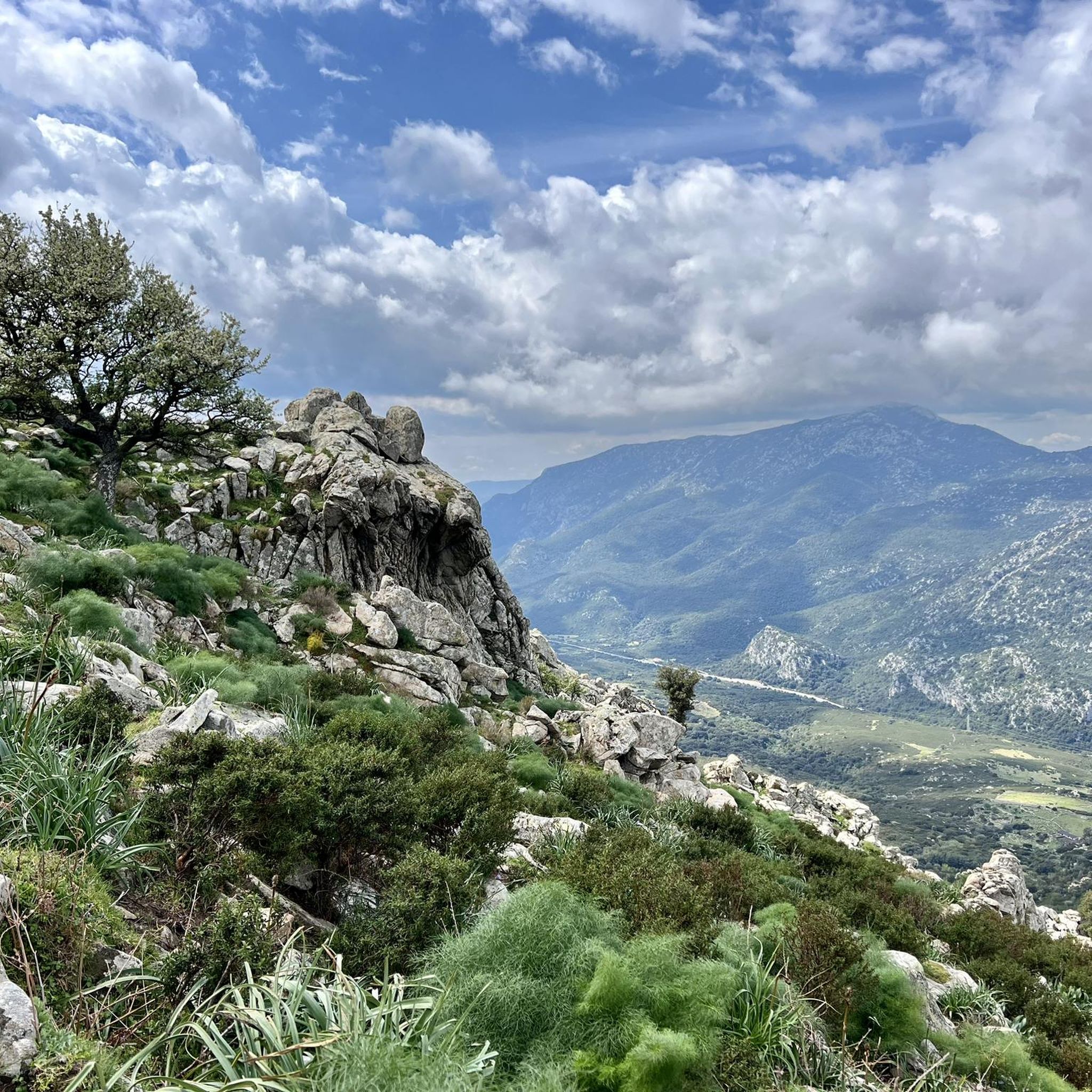
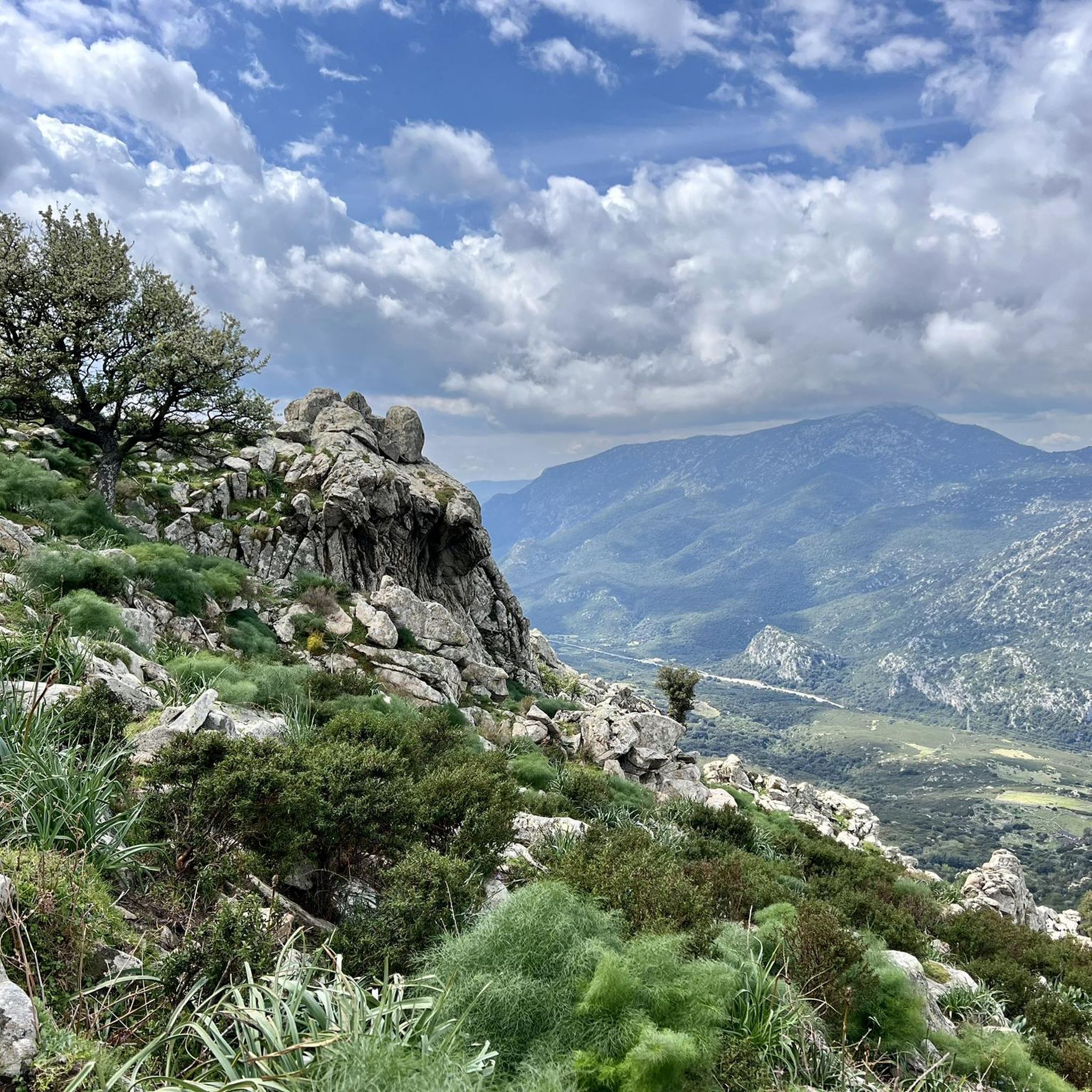
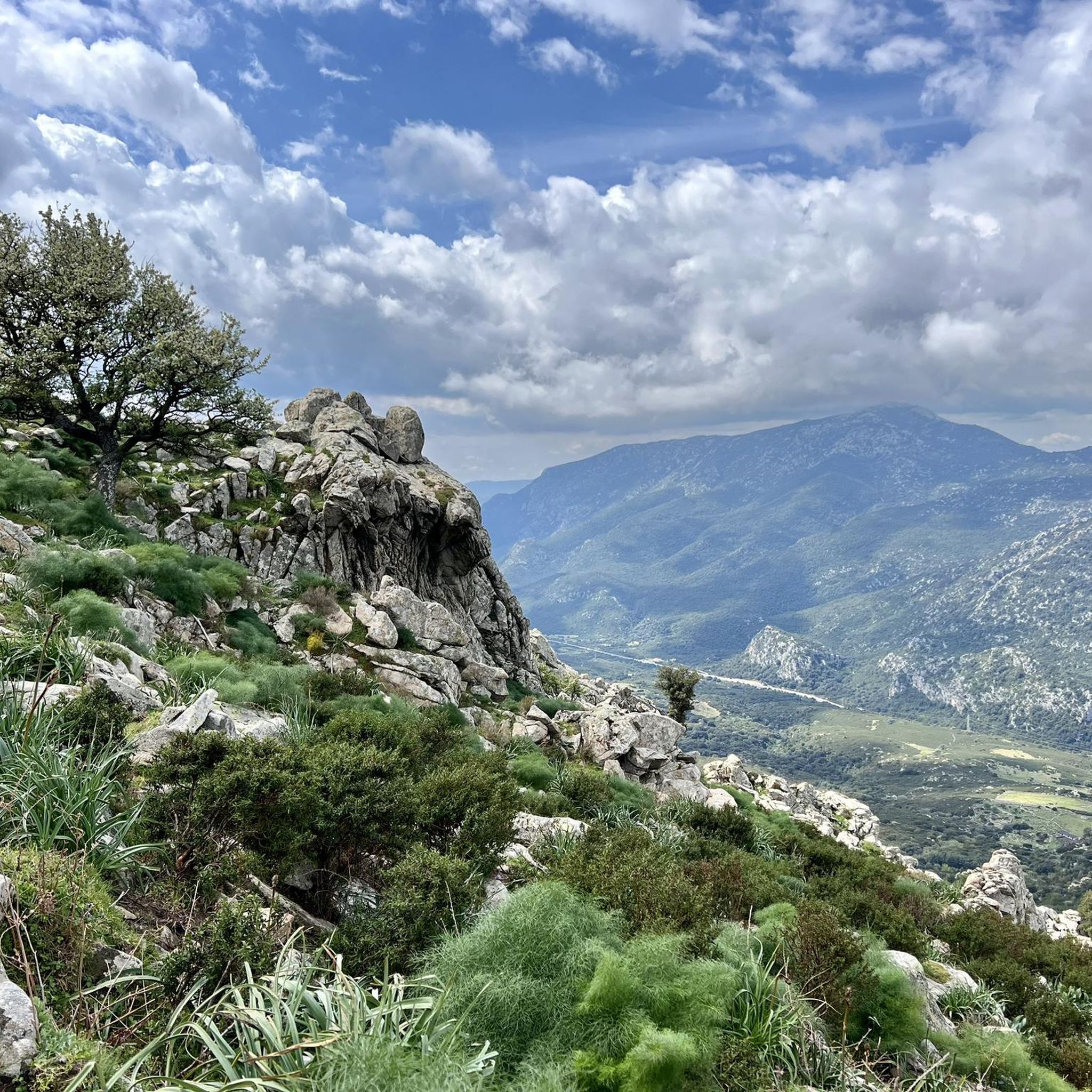
Punta Caterina Plateau, Monte Albo
Highlight • Viewpoint
Translated by Google •
Tip by

Sign up for free to discover even more natural monuments around Lòcula/Loculi.
Sign up for free
Already have an account?
Start today with a free account
Your next adventure awaits.
Login or Signup

Tips from the Community

A quiet plateau with huge boulders/climbing areas. Little to no shade. Therefore, bring plenty of water!
0
0

Work from the Bronze Age (18th to 16th century BC) is part of the Nuragic Sardinia, restored in 1977
0
0

A beautifully designed and monumental cross with the larger-than-life body of the crucified Christ crowns Monte Tuttavista. However, Italy's most famous crucifix is not found on the mountaintops, but in literature: The author Giovanni Guareschi, spiritual father of the protagonists 'Don Camillo' and 'Peppone,' incorporated another main character into his stories – known and loved far beyond the country's borders: the crucified Christ, who speaks to Don Camillo from the high altar. The author himself makes the following comment: "So one must explain: If the priests feel offended by Don Camillo, they can smash a candlestick on my skull for all I care; if the communists feel offended by Peppone, they can break a club on my back; but if someone feels offended by Christ's speeches, there's nothing one can do. Whoever speaks in my stories... is my Christ, that is, the voice of my conscience. My personal business, my cause. And therefore: each for himself, and God for all." (G. Guareschi)
0
0

It's really crazy how big the blocks are cut out here
0
0

Wonderful view after the steep climb
0
0

The tomb dates from the Bronze Age and has a dolmen structure with a central stele. The large exedra is made up of slabs stuck into the ground and arranged in descending order of size from the stele. The burial hall, rectangular and about 11 m long, is covered with large stone slabs arranged in a jack arch.
2
0
The Giant's Tomb of S'Ena'e Thomes is an archaeological site from the Nuragic period in the municipality of Dorgali in the province of Nuoro, Sardinia.
2
0

Top of the mountain, 360° view
0
0
Frequently Asked Questions
What are the main natural features to explore around Lòcula/Loculi?
The region is dominated by the Monte Albo massif, often called the "Sardinian Dolomite," known for its dramatic limestone formations and karst topography. You'll find extensive forests of ancient holm and oak trees, alongside unique "lunar landscapes" in the northern parts of the mountain range.
What makes Monte Albo a significant natural monument?
Monte Albo is significant due to its striking geological features, including the twin peaks of Turuddò and Catirina, and its extensive karst topography with gorges, caves, and vertical cliffs. It's also a biodiversity hotspot, home to various wildlife and endemic species, and integrates ancient historical sites within its natural environment.
Are there any notable caves or impressive geological formations to visit?
Yes, you can visit Grotta di Ispinigoli, an impressive deep grotto famous for housing Europe's largest stalactite column. Guided tours are available to explore its unique formations.
What kind of wildlife can I expect to see in the natural monuments area?
The Monte Albo massif is a biodiversity hotspot. Visitors might encounter mouflons, wild boars, martens, and wild cats. Birdwatchers can look for royal eagles and golden eagles. The area is also home to endemic species like the Monte Albo cave salamander.
Are there historical or archaeological sites integrated into the natural monuments?
Absolutely. The area has been inhabited since the Neolithic period. You can find remnants like the domus de Japas (Neolithic burial chambers carved into cliffs) and megalithic dolmen-type burials. A notable example is the Giants' Tomb S'Ena e Thomes, a Bronze Age archaeological site featuring a dolmen structure and a burial hall.
What outdoor activities can I do near these natural monuments?
The region offers diverse outdoor activities. You can explore hiking trails, mountain biking routes, and scenic road cycling paths. For detailed routes and inspiration, check out the guides for hiking, gravel biking, and road cycling around Lòcula/Loculi.
Are there any scenic drives or viewpoints in the area?
Yes, the Scenic road along the cliffs of Monte Albo offers panoramic views of the massif. Additionally, the summit of Christ of Monte Tuttavista provides a magnificent viewpoint over 800 meters high, featuring a bronze Christ statue.
Are there any family-friendly natural monuments or activities?
While many trails can be challenging, the Scenic road along the cliffs of Monte Albo is noted as family-friendly for cycling. Exploring the general area of Monte Albo offers opportunities for nature observation that can be enjoyed by families, though specific accessibility for very young children or strollers might vary by trail.
What is the best time to visit the natural monuments around Lòcula/Loculi?
The spring and autumn months are generally ideal for visiting, offering pleasant temperatures for hiking and exploring. Summers can be hot, especially for strenuous activities, while winters are milder but some higher trails might be less accessible.
What unique geological features can be observed in the region?
The region is characterized by its striking white limestone ridge, which has been shaped over millennia by natural forces. You can observe dramatic vertical cliffs, sinkholes, and complex underground water systems, all part of the extensive karst topography that gives Monte Albo its distinctive appearance.
Can I learn more about the natural and cultural aspects of Monte Albo?
Yes, centers like the Montalbo di Lodè Centre for Environmental Education and Sustainability (CEAS) provide resources for learning about the naturalistic, historical, and cultural aspects of Monte Albo, offering deeper insights into the region's unique heritage.
Are there any industrial or man-made sites that are considered natural monuments?
Yes, the Marble Quarry of Orosei is an interesting site. Since the 1950s, marble and granite mining has developed into a significant industry here, exporting high-quality stone worldwide. It offers a unique perspective on how human activity interacts with the natural landscape.
Most popular routes around Lòcula/Loculi
Most popular attractions around Lòcula/Loculi

Get inspired with the komoot mobile app


Explore more
Extend your search for the best caves by checking out these guides of the top ones around Lòcula/Loculi:
