Top 5 Natural Monuments around Sindìa/Sindia
Best natural monuments around Sindìa/Sindia are found in a region known for its diverse landscapes in Sardinia, Italy. The municipality offers access to a variety of natural attractions, showcasing the island's geological features and historical significance. Its proximity to the coast and inland areas provides a range of natural settings, from volcanic reliefs to ancient olive groves. Visitors can explore summits, archaeological complexes, and unique geological formations that define the Sardinian environment.
Best natural monuments around Sindìa/Sindia
- The most popular…
Last updated: June 28, 2026
Monte Agudu (Sa Rocca de Tiu Antoni Gana)
Highlight • Summit
Translated by Google •
Tip by

San Leonardo di Siete Fuentes Park
Highlight • Forest
Translated by Google •
Tip by
Sign up now to discover places like this
Get recommendations on the best single tracks, peaks, & plenty of other exciting outdoor places.
Sign up for free
Tamuli Archaeological Site
Highlight • Historical Site
Translated by Google •
Tip by

Monte Sant'Antonio
Highlight • Summit
of nature submerged in the woods and in the Mediterranean scrub. Country churches and archaeological sites abound …
Translated by Google •
Tip by

Nuragic Site of Tamuli
Highlight • Historical Site
Translated by Google •
Tip by

Sign up for free to discover even more natural monuments around Sindìa/Sindia.
Sign up for free
Already have an account?
Start today with a free account
Your next adventure awaits.
Login or Signup
Tips from the Community

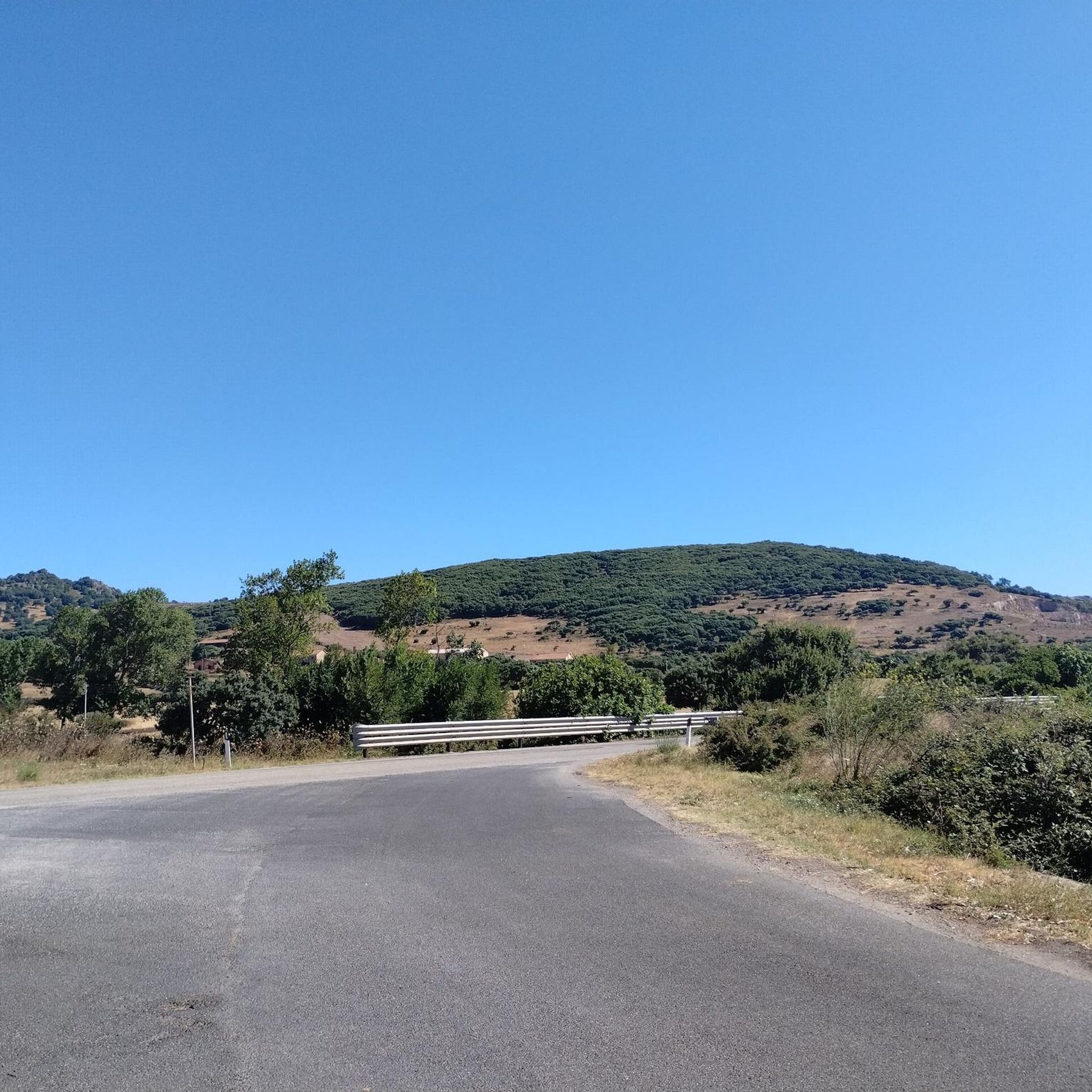
Also known as Monte Agudu, it rises imposingly reaching almost 900m in altitude. On the summit there are the remains of a probable late-Nuragic sanctuary
2
0

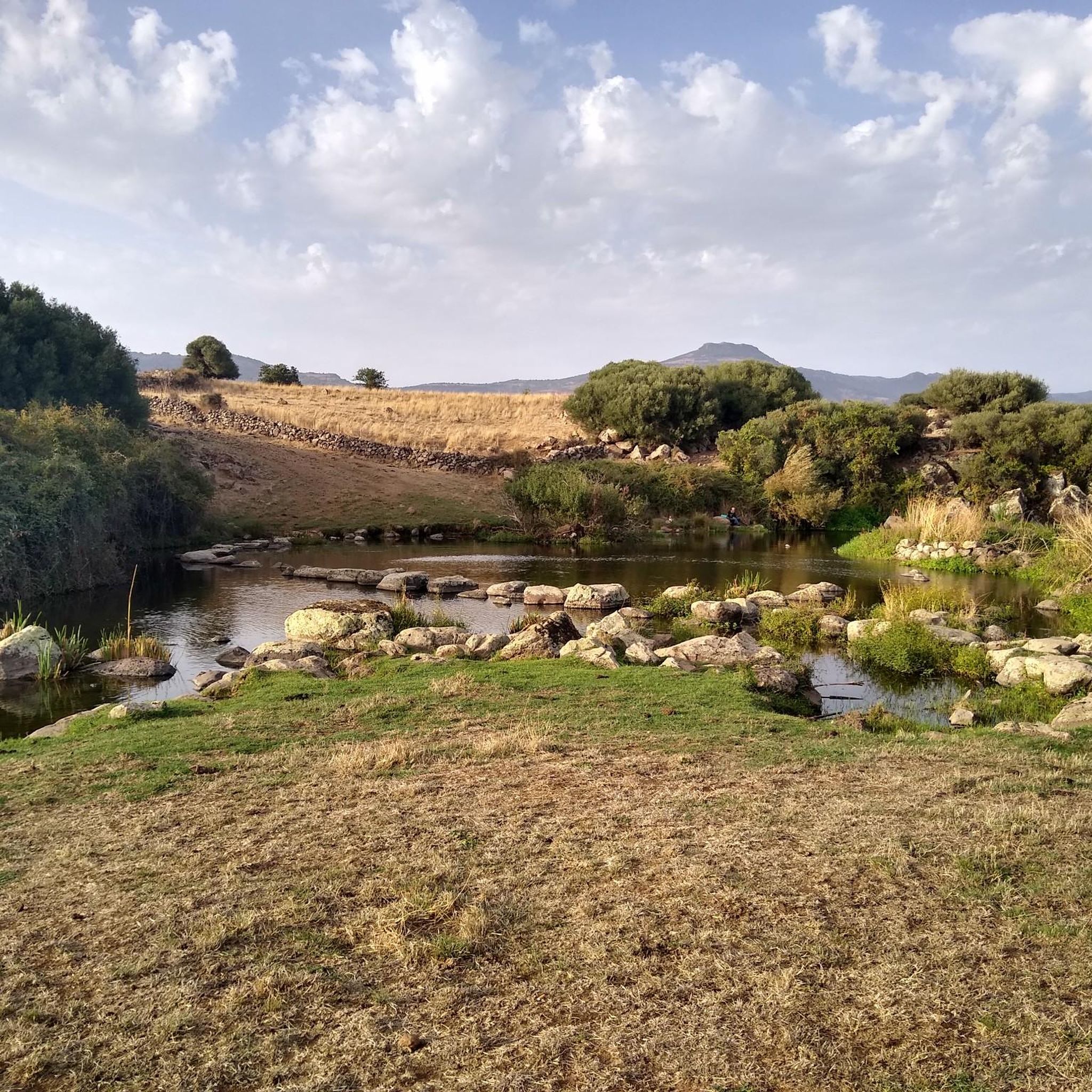
The San Leonardo Park in Siete Fuentes is rich in vegetation including oak, holm oak and elm trees. Inside the park there are historical springs. It is an ideal place to stop and taste some Sardinian specialties at the various refreshment points.
2
0

The Monte di Sant'Antonio is a relief of volcanic origin, a suggestive corner of nature submerged in the woods and in the Mediterranean scrub. Country churches and archaeological sites abound throughout the area. Here there is also the statue of the Madonna, of Sant'Antonio di Padova, and a nuraghe is hidden in the thick vegetation.
1
0

Nuragic complex dating back to the Bronze Age. It is famous for its "bétili", i.e. conical basalt monoliths arranged in the funerary area of the archaeological site.
1
0

The nuragic complex of Tamùli is an important archaeological site dating back to the Middle Bronze Age. It is located at a height of 720 m, on the slope of Mount Sant'Antonio, where the Marghine chain joins the Montiferru and is part of the municipality of Macomer, in the province of Nuoro, which is about 5 km away. Source: https://it.wikipedia.org/wiki/Comlesso_archeologico_di_Tamuli
2
1
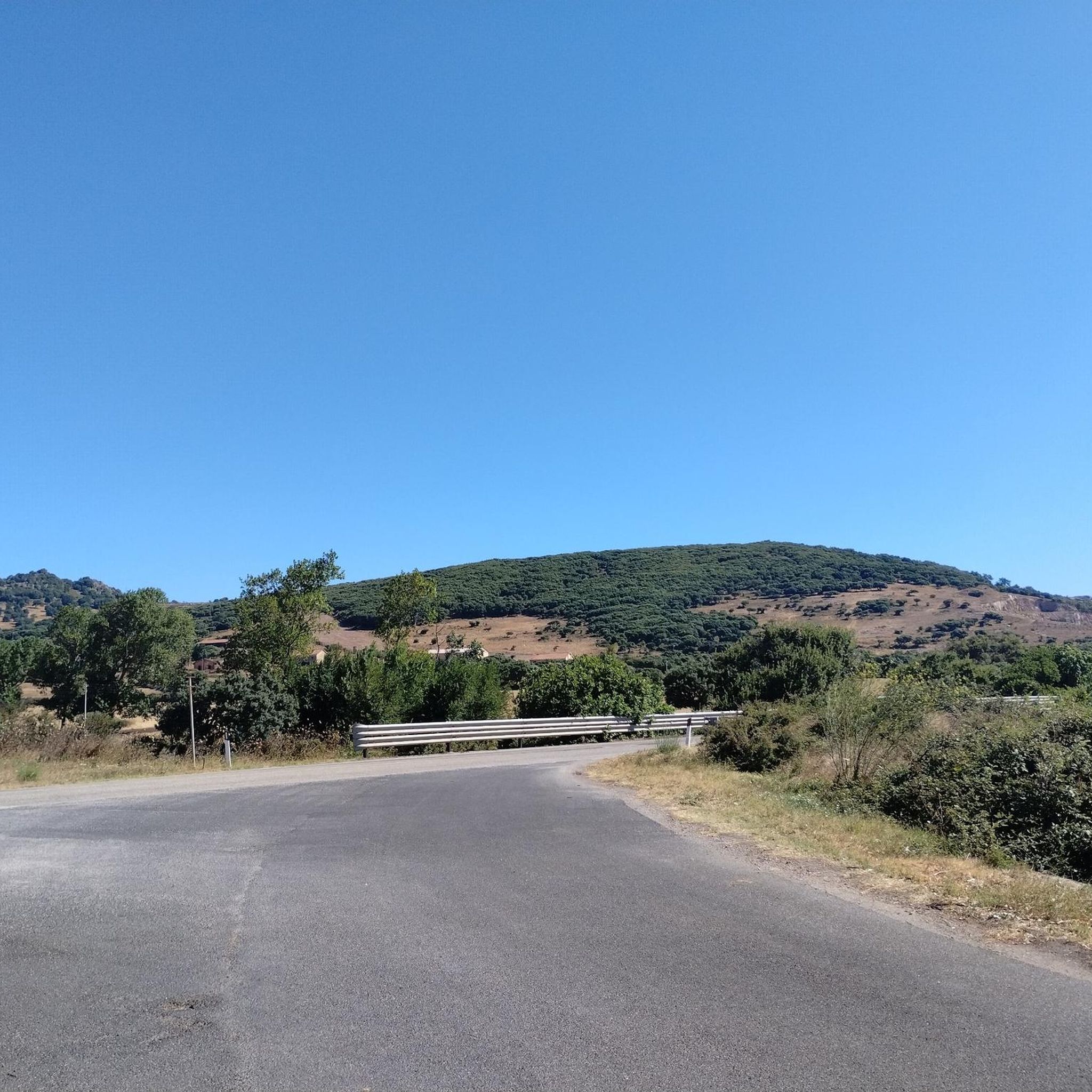
Street side entrance to the park of San Leonardo, where you can access the springs of the same name and the area equipped for picnics and barbecues
3
1


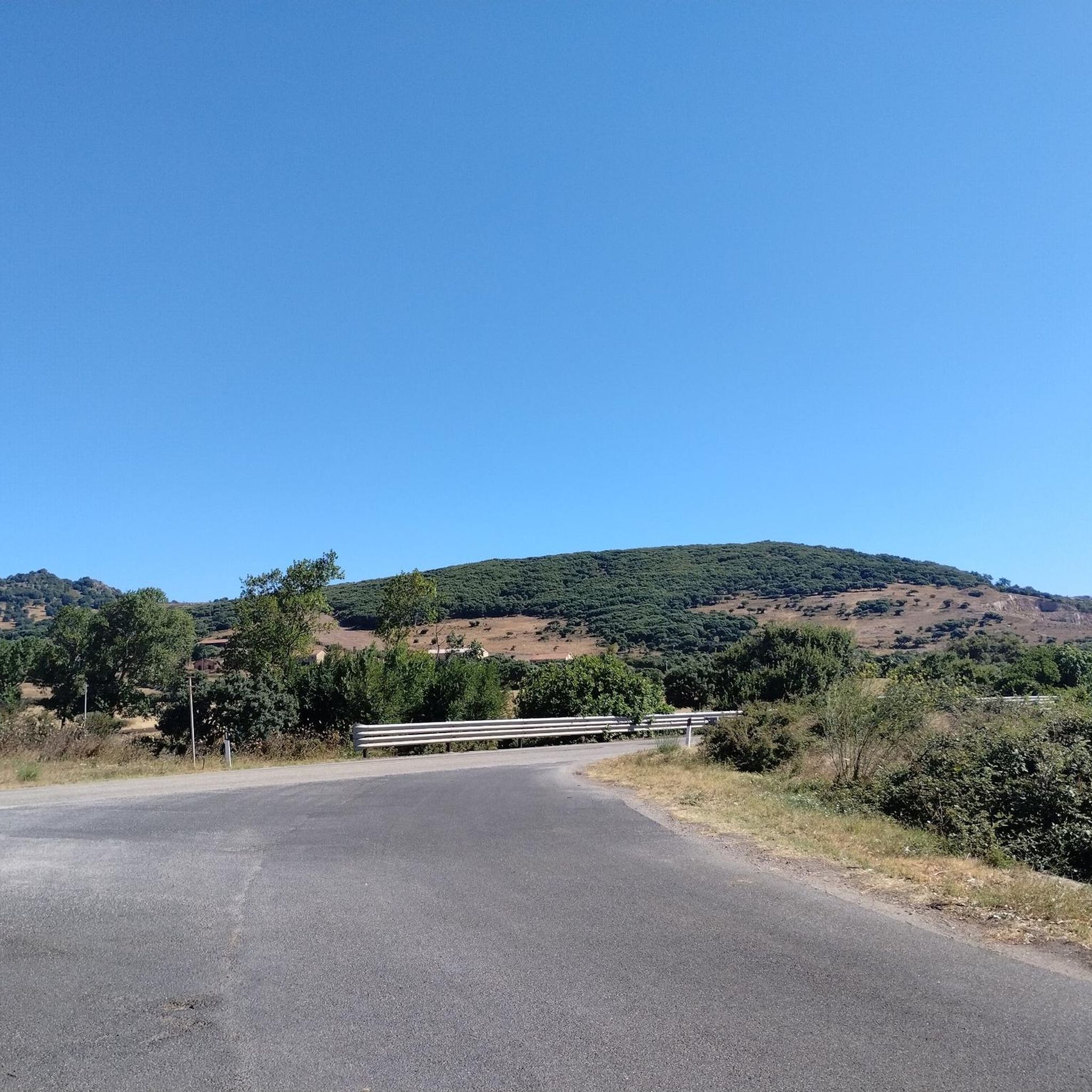
Tamuli Archaeological Area
4
1
Frequently Asked Questions
What unique natural features can I explore near Sindìa/Sindia?
Beyond the local summits, the region offers diverse natural features. You can visit Monte Agudu (Sa Rocca de Tiu Antoni Gana), a summit with remains of a late-Nuragic sanctuary, or explore Monte Sant'Antonio, a volcanic relief covered in woods and Mediterranean scrub. Further afield, Sardinia boasts unique geological formations like the majestic Pan di Zucchero (Sugar Loaf) off the coast of Iglesias, a towering limestone stack, or the dramatic limestone spire of Perda Longa di Baunei.
Are there any historical or archaeological natural monuments in the area?
Yes, Sindìa/Sindia is rich in historical natural monuments. The Tamuli Archaeological Site is a significant Nuragic complex from the Middle Bronze Age, famous for its six betyls, which are conical anthropomorphic stones. Additionally, Monte Agudu features remains of a probable late-Nuragic sanctuary on its summit.
What outdoor activities can I do near these natural monuments?
The area around Sindìa/Sindia is excellent for various outdoor activities. You can find numerous cycling routes, including touring bicycle and road cycling options, that pass by some of these natural monuments. For example, there are routes like the 'Monte Sant'Antonio and the archaeological site of the Tamuli – loop tour from Macomer' for touring bicycles, or 'From Macomer to Tinnura for the Nuragic site of Tamuli — ring tour' for road cycling. Running trails are also available, such as the 'Running loop from Tresnuraghes'. You can find more details on these activities in the Cycling around Sindìa/Sindia, Road Cycling Routes around Sindìa/Sindia, and Running Trails around Sindìa/Sindia guides.
Are there family-friendly natural monuments around Sindìa/Sindia?
Yes, for families looking for a relaxed natural spot, Su Cantaru e S'otzu Rest Area and Ancient Spring offers a great shady area equipped with tables, perfect for resting during a tour. While not explicitly listed as 'family-friendly' in all categories, many natural sites like the Tamuli Archaeological Site can be engaging for older children interested in history and unique geological formations.
What is the best time of year to visit the natural monuments near Sindìa/Sindia?
Sardinia generally enjoys a Mediterranean climate, making spring (April-May) and autumn (September-October) ideal for visiting natural monuments. During these seasons, the weather is pleasantly mild, perfect for hiking and exploring without the intense heat of summer or the cooler, wetter conditions of winter. This allows for comfortable exploration of sites like Monte Agudu or the coastal areas.
Can I find any hidden natural gems or less-known spots?
While the main highlights are well-known, Sardinia has many lesser-explored natural wonders. For a truly unique experience, consider Su Stampu de Su Turrunu in the Addolì forest, a natural tunnel carved by water erosion featuring a 16-meter waterfall and lush vegetation. Another hidden gem is the Oliveto Storico S'Ortu Mannu near Villamassargia, an ancient olive grove with 700 centuries-old trees, including 'sa Reina,' a 900-year-old olive tree.
What kind of terrain can I expect on trails around Sindìa/Sindia's natural monuments?
The terrain around Sindìa/Sindia's natural monuments varies. For instance, the path to Monte Agudu involves ascending a summit, while areas around the Tamuli Archaeological Site are generally more accessible. Some routes, like those leading to the Nuragic Site of Tamuli, may have rough road surfaces in places. Expect a mix of volcanic reliefs, wooded areas, and potentially rocky paths, reflecting Sardinia's diverse geology.
Are there any natural monuments with significant viewpoints?
Yes, several natural monuments offer spectacular views. Monte Agudu, rising to almost 900 meters, provides expansive panoramas. Similarly, Monte Sant'Antonio, a volcanic relief, is known for its scenic beauty. Further away, the Domo Andesitico di Acquafredda near Siliqua, topped by a medieval castle, offers vast views across the Cixerri valley and even to the Mediterranean on clear days.
What makes the natural monuments around Sindìa/Sindia unique compared to other areas in Sardinia?
The natural monuments around Sindìa/Sindia stand out for their blend of geological diversity and historical significance. The area features volcanic reliefs like Monte Sant'Antonio, ancient summits with archaeological remains such as Monte Agudu, and unique Nuragic complexes like the Tamuli Archaeological Site. This combination offers visitors a chance to experience both the natural beauty and the rich ancient history of Sardinia in one region.
Are there any coastal natural monuments accessible from Sindìa/Sindia?
While Sindìa/Sindia itself is inland, its proximity to the coast allows access to stunning coastal natural monuments. The unspoiled coast around Bosa, just a short distance away, offers natural beauty along the Temo River. Further along Sardinia's coastline, you can find iconic formations like Pan di Zucchero, a massive limestone stack, or Perda Longa di Baunei, a dramatic limestone spire against the sea, both offering breathtaking views and unique geological formations.
What do visitors enjoy most about the natural monuments near Sindìa/Sindia?
Visitors particularly appreciate the blend of natural beauty and historical intrigue. The community has shared photos and given upvotes for sites like Monte Agudu, highlighting its imposing presence and ancient sanctuary remains. The unique betyls at the Tamuli Archaeological Site are also a significant draw, offering a glimpse into Sardinia's Bronze Age history. The serene and natural setting of Monte Sant'Antonio, with its woods and archaeological sites, is also highly valued.
Are there any natural monuments that are particularly good for photography?
Many natural monuments in the region offer excellent photographic opportunities. The panoramic views from Monte Agudu and Monte Sant'Antonio are popular for capturing the landscape. The unique anthropomorphic stones at the Tamuli Archaeological Site provide distinct cultural subjects. For dramatic natural scenery, the coastal formations like Pan di Zucchero and Perda Longa di Baunei are exceptionally photogenic, especially at sunrise or sunset.
Most popular attractions around Sindìa/Sindia

Get inspired with the komoot mobile app


Explore more
Extend your search for the best caves by checking out these guides of the top ones around Sindìa/Sindia:
