Top 13 Natural Monuments around Montieri
Best natural monuments around Montieri are found in Tuscany's Metalliferous Hills, an area known for its unique geological and mining history. The landscape features a blend of scenic beauty and distinctive geological formations. This region offers opportunities for outdoor exploration, showcasing the interplay between human activity and natural environments. Montieri's natural sites reflect its rich geological past.
Best natural monuments around Montieri
- The most popular natural monuments is Biancane Nature Park, a natural monument where geothermal energy has shaped…
Last updated: October 1, 2026
Biancane Nature Park
Highlight • Natural Monument
Translated by Google •
Tip by

Le Biancane Geothermal Park
Highlight (Segment) • Natural Monument
Translated by Google •
Tip by

Sign up now to discover places like this
Get recommendations on the best single tracks, peaks, & plenty of other exciting outdoor places.
Sasso Pisano Village
Highlight • Settlement
Translated by Google •
Tip by

Roccatederighi
Highlight • Settlement
Translated by Google •
Tip by

Trail to the Le Cornate summit
Highlight • Trail
Absolute peace. Surefootedness required.
Translated by Google •
Tip by

Sign up for free to discover even more natural monuments around Montieri.
Already have an account?
Start today with a free account
Your next adventure awaits.

Tips from the Community

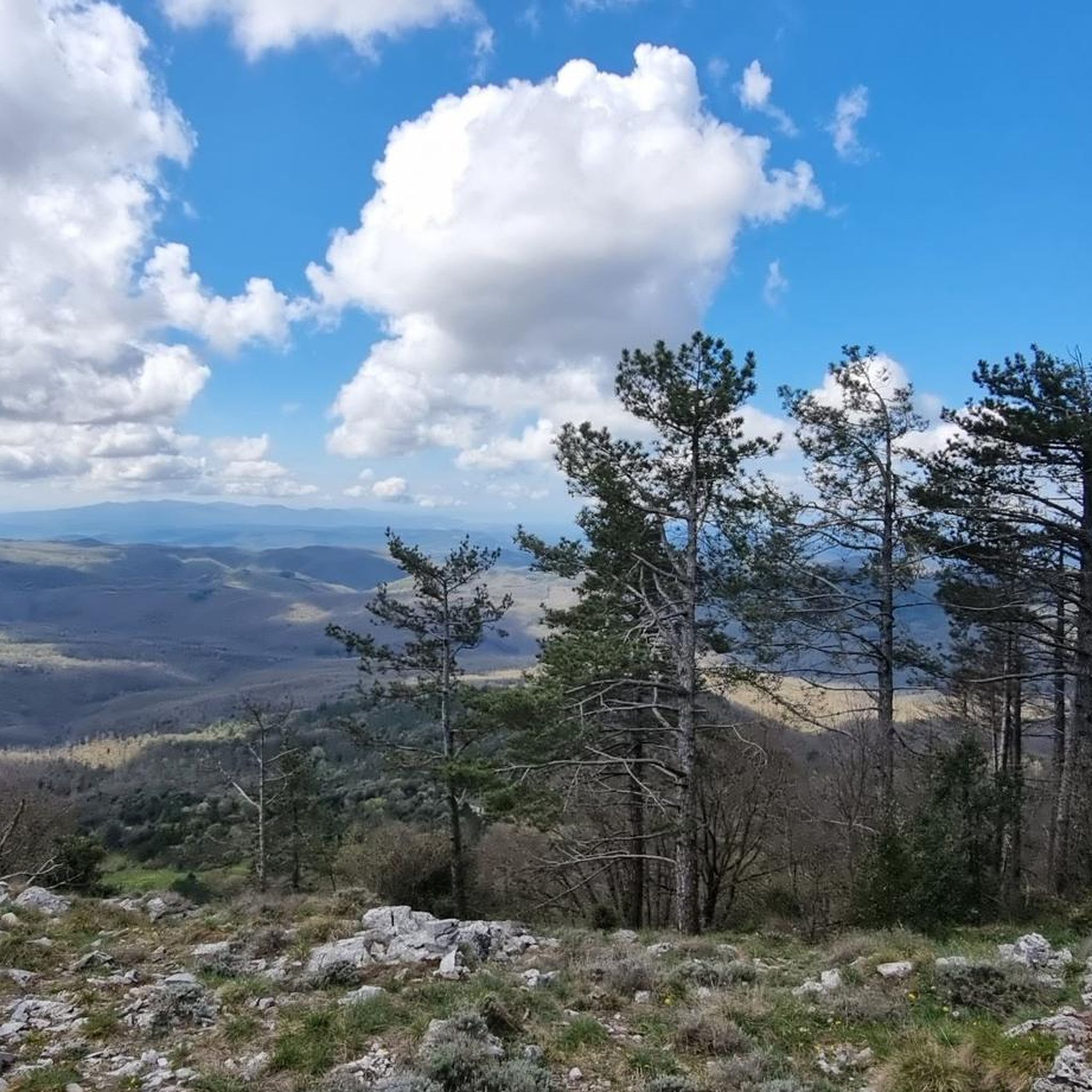
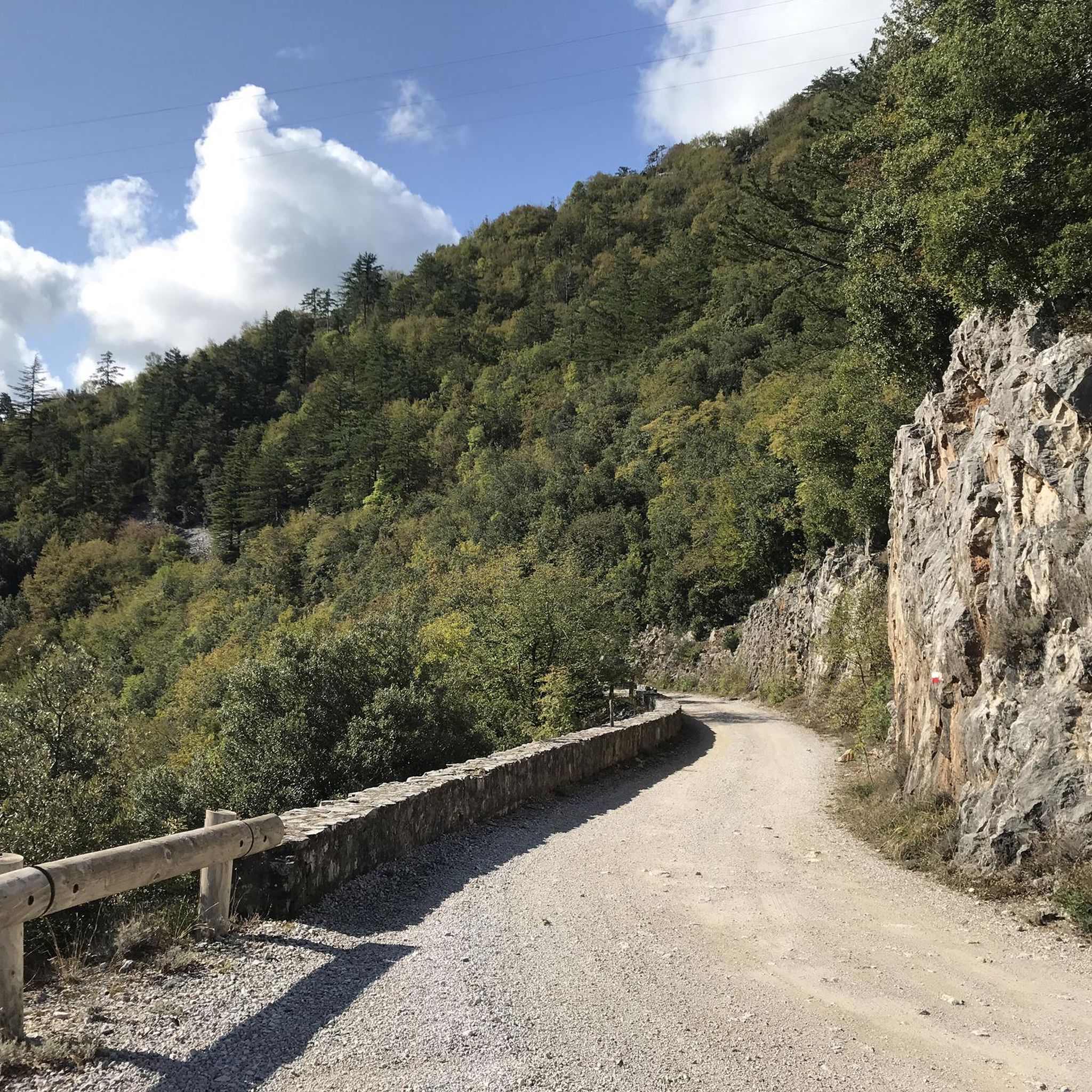
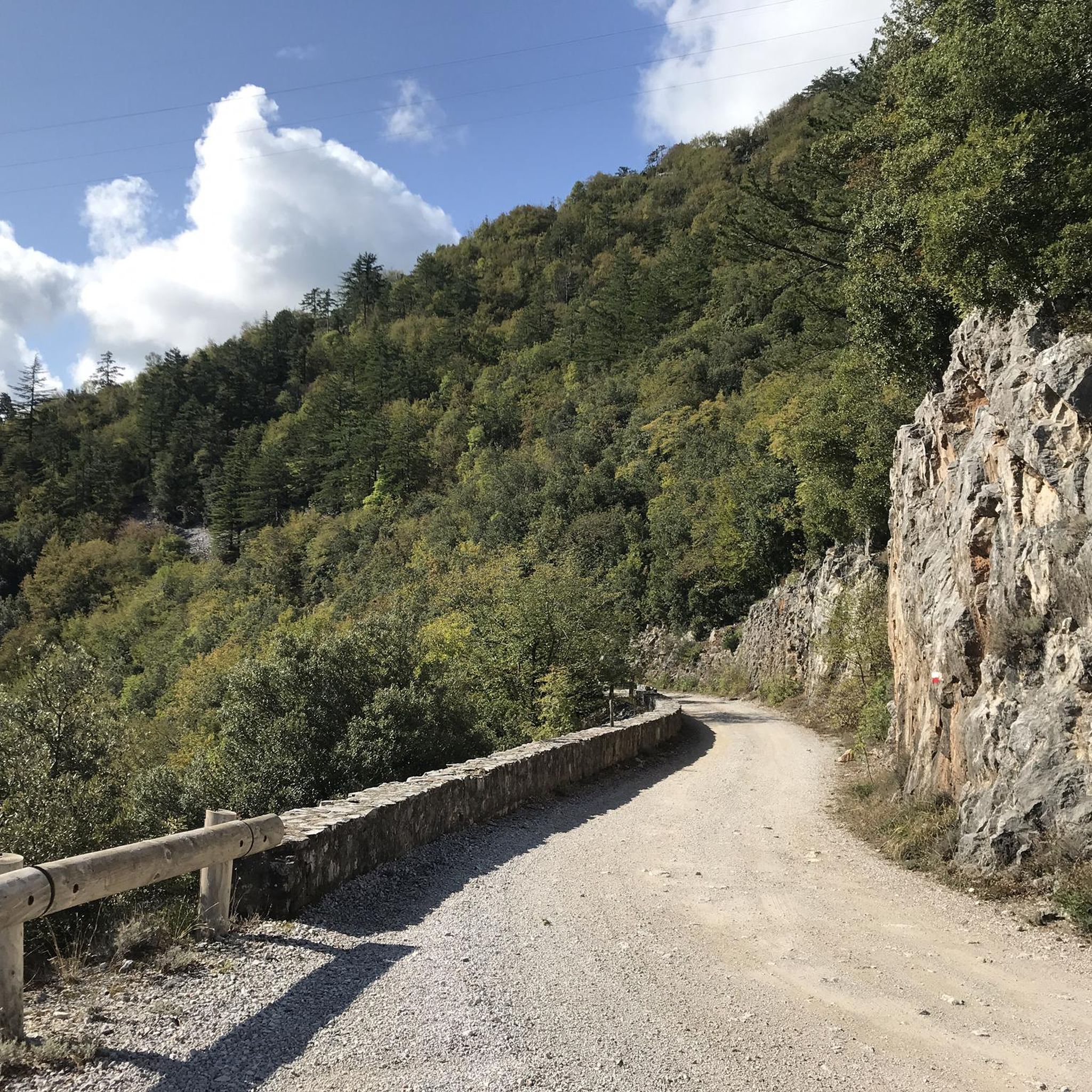
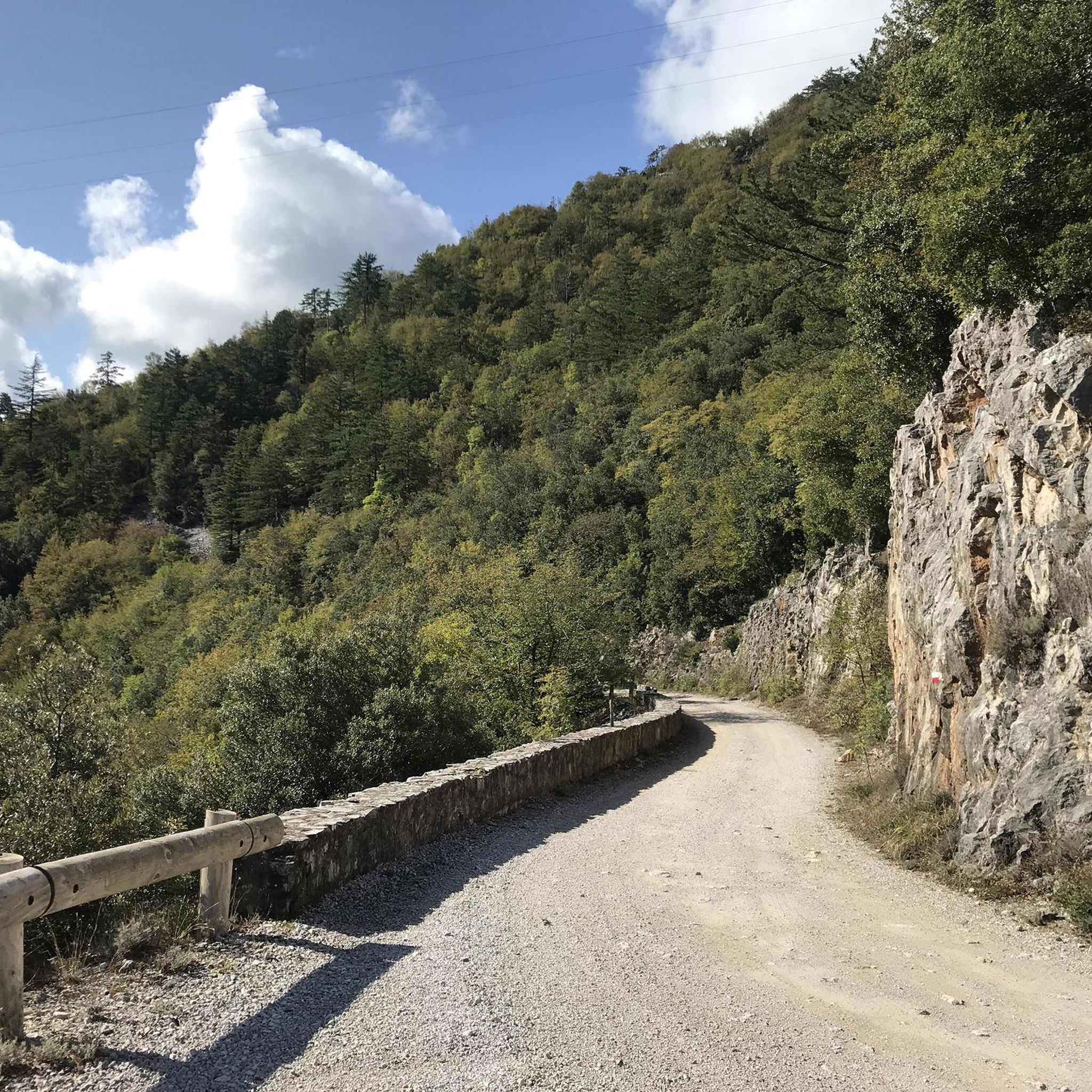
The Path to Cornate di Gerfalco usually starts from the village of Gerfalco and requires about 2.5 - 3 hours to complete the loop. Trail Details Elevation and Summit: Cornate di Gerfalco (approx. 1060–1081 m a.s.l.) is the highest peak in the Colline Metallifere in Tuscany. Elevation gain: About 400–430 meters uphill. Difficulty: Hiking (E), suitable for those with basic fitness and a sure foot.
0
0
The Biancane Geothermal Nature Park is an extraordinary protected area located in the municipality of Monterotondo Marittimo, in the province of Grosseto. This place owes its name to the characteristic pure white color of the rocks, chemically modified by volcanic emissions and acidic vapors that transform limestone into gypsum. The park offers a suggestive journey into the geothermal manifestations of Tuscany, including: Soffioni and fumaroles: Cracks in the ground from which water vapor emerges at high temperatures (around 100 °C). Putizze and thermal springs: Pools of boiling mud and emissions of hydrogen sulfide that give off the classic smell of sulfur. Lunar landscape: The combination of bleached rocks, reddish colors due to iron oxidation, and perennial steam creates a unique atmosphere in the world. Access to the park is generally free and it is equipped with paths and walkways to walk safely among the steam vents.
1
0
Sasso Pisano is a charming medieval village perched on a rocky outcrop in the Devil's Valley, a hamlet of the municipality of Castelnuovo di Val di Cecina (Pisa). This village is famous throughout Tuscany for its extraordinary geothermal nature, characterized by fumaroles, geysers, and spontaneous borax vents that create a fascinating "lunar" landscape.
0
0

The village of Sasso Pisano is a charming hamlet in the municipality of Castelnuovo di Val di Cecina, located in the province of Pisa, in the heart of the picturesque geothermal area of Tuscany.
1
0
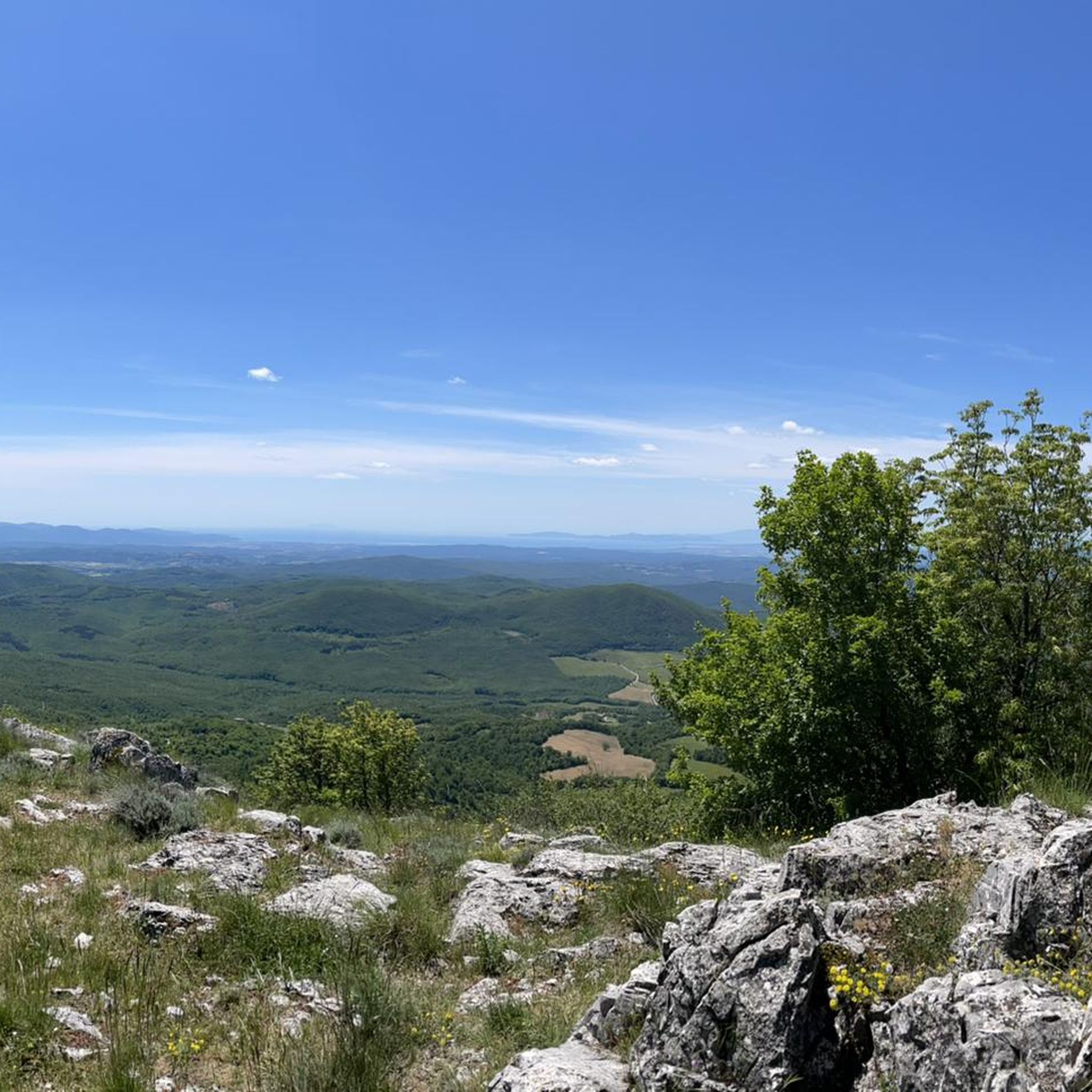
Le Cornate di Gerfalco (1060-1081 m a.s.l.) represent the highest peak of the Metalliferous Hills in Tuscany, located between the provinces of Grosseto and Siena. They are part of the Cornate and Fosini Nature Reserve and offer a panorama that ranges from the Tuscan Archipelago to Corsica and the Apennines.
1
0
Every August 14th the Palio dei Ciuchi takes place, a very heartfelt folkloristic event where the five districts (Corso, Ventosa, Torre, Tramonto and Nobili) compete for a banner painted by local artists. During the same month, "Medioevo nel Borgo" is also organized, a suggestive medieval festival known throughout Tuscany with jugglers, musicians, acrobats and stalls with artisanal products, for a leap into the past.
1
0
Roccatederighi stands on a spur of Mount Sassoforte, from which you can enjoy a wide and splendid panorama of the Maremma. The town still retains its medieval charm intact, in addition to the suggestive arched entrance gate and some tower houses. But the peculiarity of this village is given by the close link it has with the rock on which it rests, trachyte, a volcanic rock that has been exploited to build houses and other buildings, dig alleys and squares, and of which boulders and outcrops can be seen in various parts of the center. you can also find the remains of the ancient fortress and some sections of the original walls, dating back to the fourteenth century. In the upper part stands the tower, rebuilt in 1910 with a large clock that marks the time of this corner of Tuscany.
1
0

Frequently Asked Questions
What unique natural features can I explore around Montieri?
Montieri is rich in unique natural features, largely shaped by its geological and mining history. You can explore geothermal phenomena at sites like Biancane Nature Park, where you'll see steam columns, bubbling mud lagoons, and colorful mineral formations. The area also features ancient woodlands like Il Piano, offering tranquil strolls, and dramatic landscapes such as the 'red ravines' of Le Roste Geosite, a testament to past copper production.
Are there natural monuments around Montieri that are suitable for families?
Yes, several natural monuments around Montieri are family-friendly. Le Biancane Geothermal Park is noted as suitable for children, offering an engaging experience with its unique white rocks and colorful minerals. The ancient chestnut wood of Il Piano also provides a refreshing and shaded retreat perfect for leisurely family strolls and picnics.
Where can I find panoramic views of the Montieri region?
For breathtaking panoramic views, ascend to the viewpoint atop Montieri's hill. From this vantage point, you can admire a sweeping landscape that stretches from Monte Amiata all the way to the island of Corsica, offering a stunning perspective of the surrounding Maremma region.
What kind of wildlife can I expect to see in the natural areas near Montieri?
The Cornate and Fosini Natural Reserve is a haven for wildlife. Visitors might spot wildcats, martens, roe deer, fallow deer, porcupines, weasels, and skunks. The reserve is also home to rare insects such as *Carabus alysidotus*, *Thecla betulae*, and *Maculinea arion*, making it a great spot for nature enthusiasts.
What outdoor activities can I do near Montieri's natural monuments?
The Montieri area offers a variety of outdoor activities. You can enjoy hiking and horseback riding in the Cornate and Fosini Natural Reserve. For cycling enthusiasts, there are numerous routes, including challenging touring bicycle rides like the 'from the Borgo di Montieri to Ciciano — Ring tour' or road cycling routes such as the 'Ponte della Pia – Abbey of San Galgano loop'. Explore more options on the Cycling around Montieri or Running Trails around Montieri guide pages.
Are there any historical or mining-related sites among Montieri's natural monuments?
Yes, Montieri's natural monuments are deeply intertwined with its mining history. The La Buca delle Fate is a medieval tunnel excavated in red siliceous rock, believed to be related to ancient mining activities. Additionally, Le Roste Geosite, with its 'red ravines' and stacks of red scoria, vividly showcases the area's copper production heritage and is a fascinating site for industrial archaeology.
What is the best way to experience the geothermal areas around Montieri?
To best experience the geothermal areas, such as Biancane Nature Park, consider taking a guided tour. Wearing trekking shoes is recommended for exploring the trails. You can observe natural geothermal manifestations like steam columns, bubbling mud lagoons, and gaseous emanations up close. Many visitors enjoy the loop from Monterotondo to Sasso Pisano for a comprehensive experience.
Are there any specific trails or routes recommended for exploring the natural monuments?
Many visitors recommend exploring the geothermal parks, such as Biancane Nature Park and Fumaroles in Valle del Diavolo, as part of a loop from Monterotondo to Sasso Pisano. This allows you to see various suggestive smokers and small geysers. For a challenging running experience, consider 'The Smoking Lands between Sasso Pisano and Monterotondo Trail' found on the Running Trails around Montieri guide.
What makes the Cornate and Fosini Natural Reserve unique?
The Cornate and Fosini Natural Reserve is unique for its geological significance and diverse ecosystem. It features the 'red cave' on the Cornate, where red material used for the Siena Cathedral floor was once extracted. The 'Cornate' itself is a striking rocky mountain with a moon-like appearance, reflecting the area's silver rock formations. It's an ideal spot for geology and nature enthusiasts.
What do visitors enjoy most about the natural monuments in Montieri?
Visitors particularly enjoy the unique geological landscapes, especially the geothermal parks with their striking white rocks and colorful mineral displays. The blend of natural beauty with the rich mining history, offering insights into the interplay between human activity and the environment, is also highly appreciated. The tranquility of ancient woodlands and the expansive panoramic views are frequently highlighted as well.
Is there an entrance fee for the geothermal parks like Le Biancane?
No, admission to Le Biancane Geothermal Park is free. There are also two car parks available, one at the bottom and one further up, making it easily accessible for visitors.
What is the significance of the 'red ravines' at Le Roste Geosite?
The 'red ravines' at Le Roste Geosite are a significant natural monument near Boccheggiano. They are characterized by impressive stacks of red scoria, which are remnants of copper production methods used in the late 19th century. These distinctive red 'mountains' not only present a captivating geological phenomenon but also serve as a historical testament to the significant mining activities that once thrived in the area.
Most popular attractions around Montieri

Get inspired with the komoot mobile app


Explore more
Extend your search for the best caves by checking out these guides of the top ones around Montieri:
