Top 18 Natural Monuments around Castel Del Piano
Best natural monuments around Castel Del Piano are found within a landscape characterized by the slopes of Monte Amiata, featuring extensive chestnut and beech forests, olive groves, and vineyards. This region offers a diverse natural environment, including significant geological formations and thermal springs. The area is known for its well-preserved natural settings and opportunities for outdoor exploration. It provides a compelling destination for those interested in natural beauty and conservation efforts.
Best natural monuments around Castel Del Piano
- The most…
Last updated: June 28, 2026
The White Whale (Bagni San Filippo)
Highlight • Natural Monument
Translated by Google •
Tip by

Bagno Vignoni Thermal Baths
Highlight • Natural Monument
Bagno Vignoni, …
Translated by Google •
Tip by

Sign up now to discover places like this
Get recommendations on the best single tracks, peaks, & plenty of other exciting outdoor places.
Sign up for free
Madonna of the Scouts on Mount Amiata
Highlight • Monument
Translated by Google •
Tip by

Parco dei Mulini Archaeological Site and Thermal Springs
Highlight • Historical Site
Translated by Google •
Tip by

Fosso Bianco Hot Springs
Highlight • Natural Monument
═════════════════
180th excursion and 2nd time in Val d'Orcia | ring from San Quirico d'Orcia passing …
Translated by Google •
Tip by

Sign up for free to discover even more natural monuments around Castel Del Piano.
Sign up for free
Already have an account?
Start today with a free account
Your next adventure awaits.
Login or Signup
Popular around Castel Del Piano
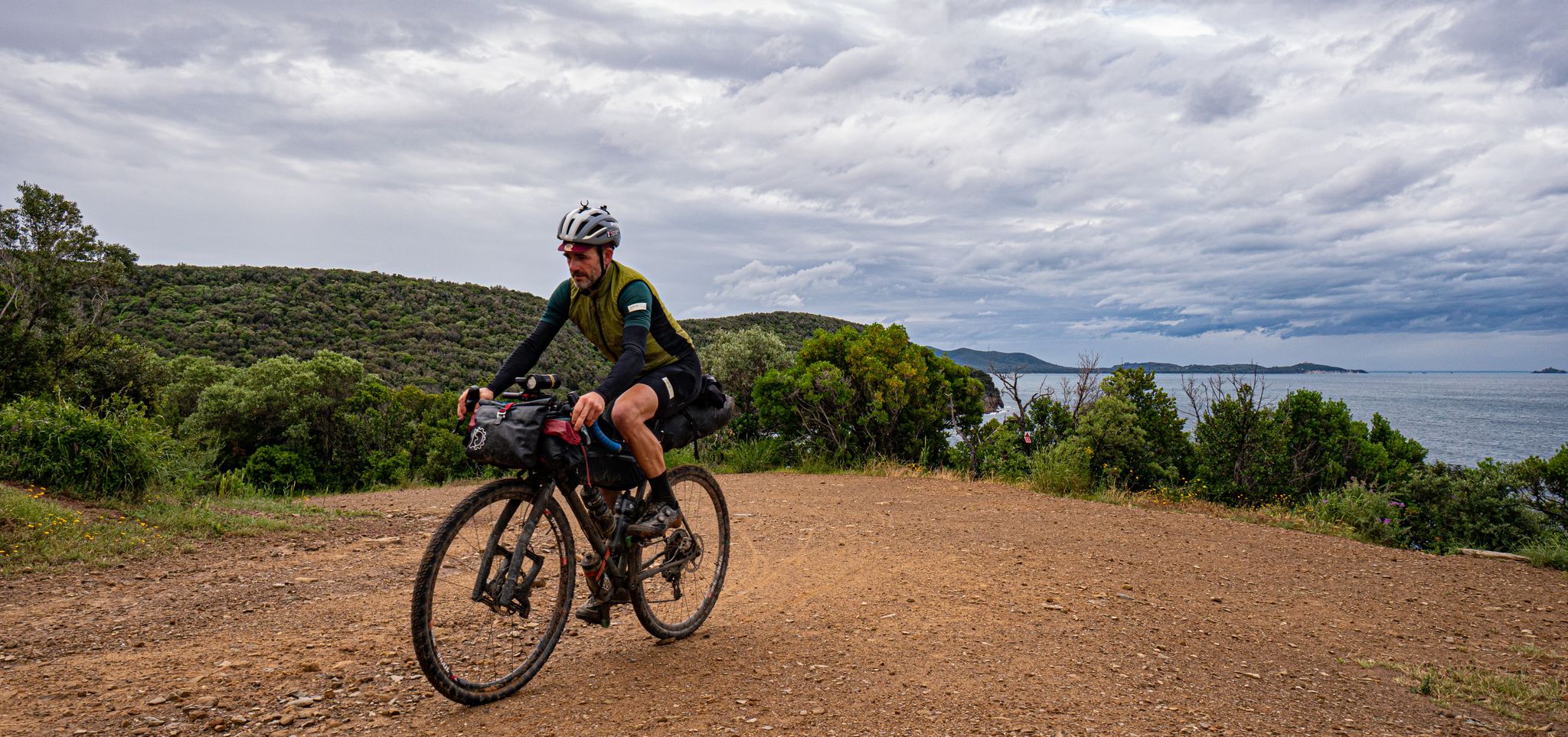
Maremma Challenge — A Tuscan, mixed terrain bikepacking loop
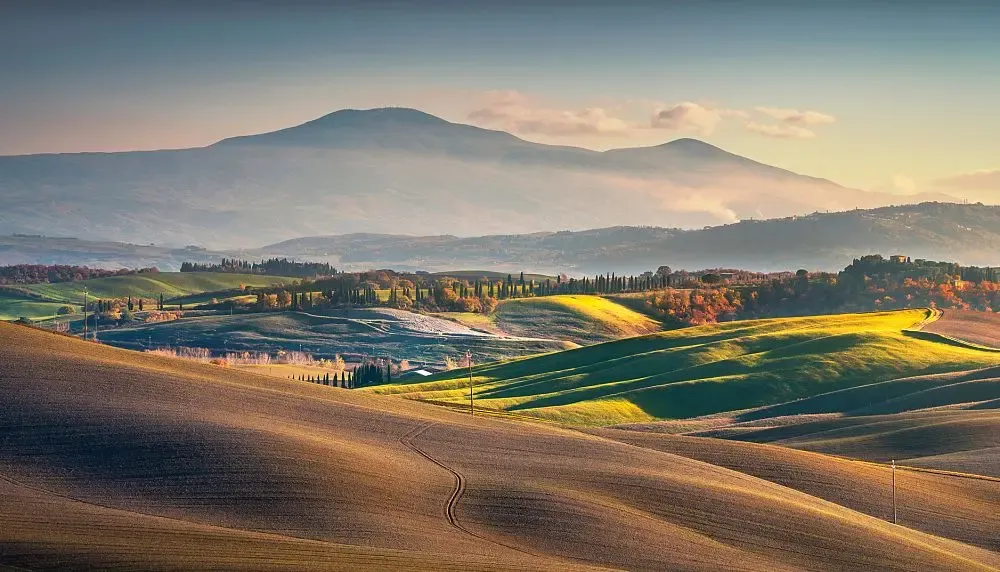
In bici nei dintorni di Grosseto e del Monte Amiata con DINAclub
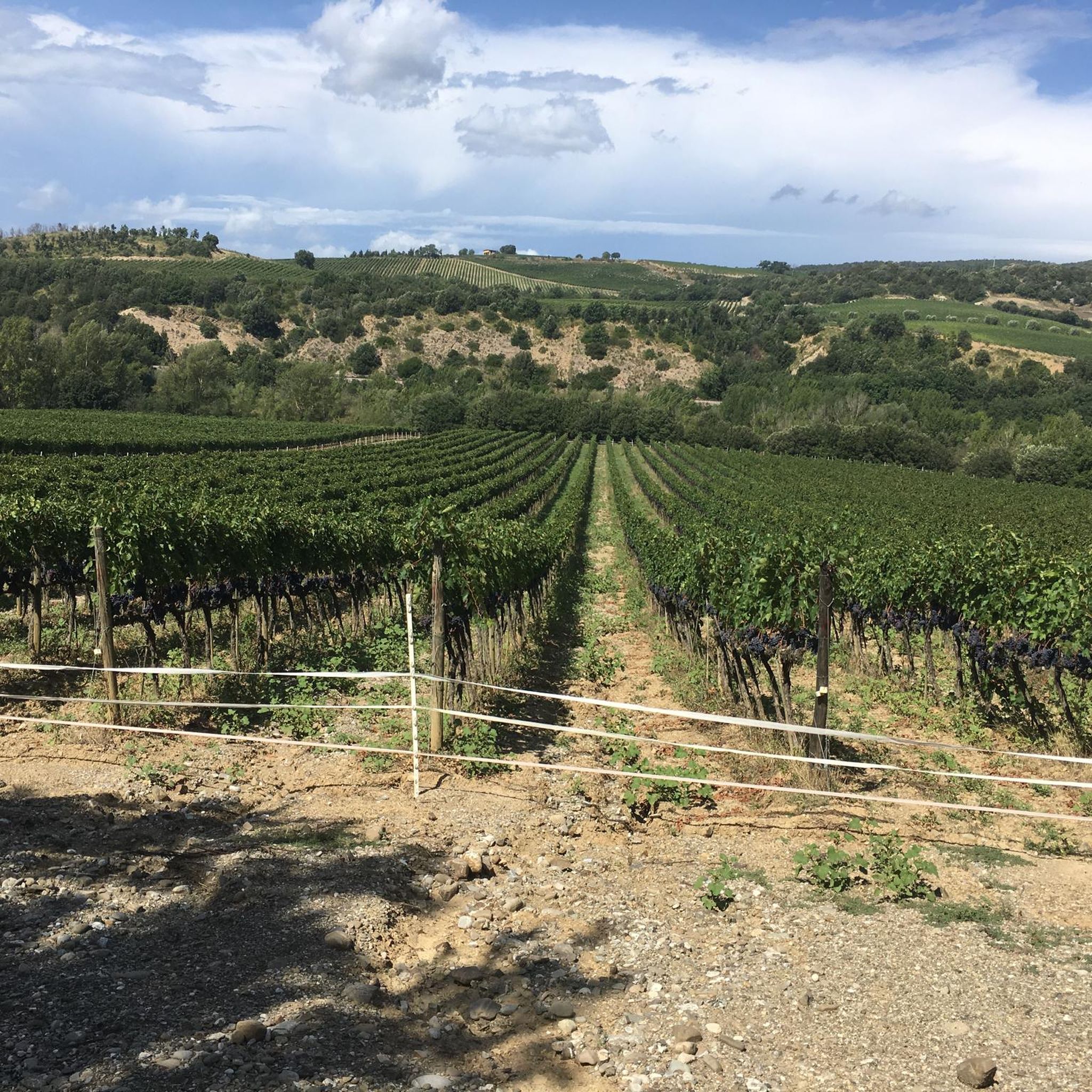
Road Cycling Routes around Castel Del Piano
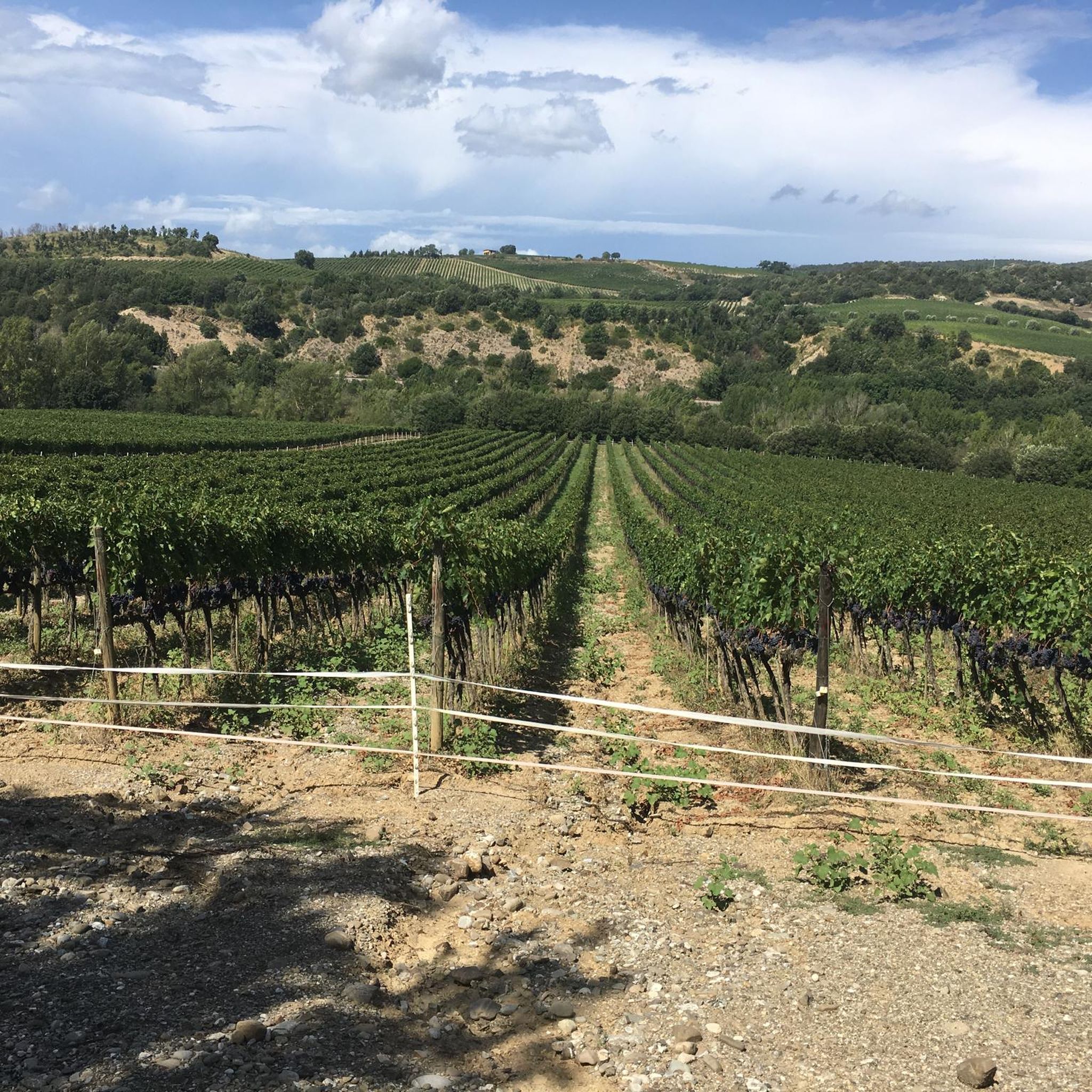
Hiking around Castel Del Piano
Cycling around Castel Del Piano

Gravel biking around Castel Del Piano
MTB Trails around Castel Del Piano
Running Trails around Castel Del Piano


Tips from the Community

La Balena Bianca is the most imposing limestone formation in the free thermal baths of Bagni San Filippo. It is a monumental waterfall of white limestone created by the deposit of thermal waters that spring up at 48°C a little further upstream. The place is truly fascinating, but there are also some negative aspects that, for fairness, I want to mention to avoid the surprise effect and to know what you are getting into: The first is certainly accessibility, the path to reach this natural wonder is decidedly muddy, there is no real path, if it has rained recently, you will find yourself having to walk in the mud. So if you want to come, I advise you to bring high waterproof boots to put on in case you find mud (very likely). The second sore point is the carelessness of people, the entire area is devoid of regulation and controls, left to the mercy of the crowd, so you can imagine the situation that arises on weekends or holidays. If you want to come and swim here, my advice is to come on a weekday early in the morning, or also late in the evening, not on weekends.
1
0

Ruins of the thermal baths above, and below, paradise with light blue water in the pools. A dream.
0
0

At present (March 2025) there is no water flowing here.
2
0

2 thermal swimming pools, one of them with waterfalls that flow along the slopes ═════════════════ 180th excursion and 2nd time in Val d'Orcia | ring from San Quirico d'Orcia passing through Ripa d'Orcia, Bagno Vignoni and Vignoni Alto and visit to the Mulino di Saturnia waterfalls and the Fosso Bianco in Bagni San Filippo ═════════════════ 👇 here is the video in 4K 👇 https://youtu.be/MUBZ51VCcuE
2
0

Bagno Vignoni is a small medieval village built more than a thousand years ago, in the heart of the Val d'Orcia. Peculiar to this village is the main square, consisting of a thermal pool (where it is not possible to swim) which makes the landscape truly unique. Below the hill on which the village stands there are two other pools with thermal water. The water flows from above the city to the ponds, overflows and flows into the river.
3
0

Bagno Vignoni is a small medieval village built a thousand years ago amidst rolling hills and winding roads. There is a swimming pool in the main square, and below the hill there are two pools with thermal waters. Water flows from above the town down to the ponds, overflows through them and flows into the river.
3
0

Impressive sulfur spring, whose hot water runs over the rock and has given it its typical color. The spot under the rock offers the hotter spring water. It is somewhat more difficult to access than the upper springs, which are not quite as hot. Once you get used to the heat, you really don't want to get out of the pool. Except for the parking fee, the springs are free and freely accessible. Early mornings before 10am or on rainy days give you the best chance of a swim without too many other people. One of our holiday highlights in Tuscany.
1
0

Nice route and characteristic Madonnina!
0
0
Frequently Asked Questions
What are the most popular natural monuments around Castel Del Piano?
The region around Castel Del Piano is renowned for its thermal springs and unique geological formations. Among the most visited are The White Whale (Bagni San Filippo), famous for its waterfalls and white sinter terraces formed by warm thermal waters, and Fosso Bianco Hot Springs, offering two thermal swimming pools, one with waterfalls. Another beloved spot is Bagno Vignoni Thermal Baths, known for its historic central square featuring a large thermal pool and the freely accessible thermal waters in the nearby "Parco dei Mulini".
Are there family-friendly natural monuments in the area?
Yes, several natural monuments around Castel Del Piano are suitable for families. Bagno Vignoni Thermal Baths and Fosso Bianco Hot Springs are both noted as family-friendly, offering opportunities to enjoy warm thermal waters. Additionally, the Parco Faunistico del Monte Amiata provides an immersive experience in nature, perfect for family outings and observing local wildlife in spacious enclosures.
What kind of natural features can I expect to see around Castel Del Piano?
The area is rich in diverse natural features. You'll find extensive chestnut and beech forests, particularly on the slopes of Monte Amiata, along with olive groves and vineyards. The region is also characterized by significant geological formations, including calcareous rocks, sandstones, and striking trachyte rock formations. Clear springs and rivers are abundant, and the most prominent features are the warm thermal springs that have created unique landscapes like the white pools and sinter terraces at Bagni San Filippo.
What outdoor activities can I do near these natural monuments?
The region offers a variety of outdoor activities. You can explore numerous hiking trails that crisscross the area, including paths to the Monte Amiata summit and loops around Macinaie Meadow. For cycling enthusiasts, there are many routes available, including challenging mountain biking trails and scenic gravel biking paths. The thermal springs also provide opportunities for relaxation and swimming. For more detailed route information, you can explore guides like Cycling around Castel Del Piano, MTB Trails around Castel Del Piano, and Gravel biking around Castel Del Piano.
Are there hiking trails near the natural monuments?
Yes, the area around Castel Del Piano and its natural monuments is excellent for hiking. You can find trails leading through the vast chestnut and beech forests of Monte Amiata, offering routes for various fitness levels. Specific trails include paths to the Monte Amiata summit and the "Way of the Chestnuts." The Parco Faunistico del Monte Amiata also features well-marked trails, some leading to the summit of Monte Labbro with panoramic views. For more hiking options, check out the komoot guides for the region.
What is the best time to visit the natural monuments around Castel Del Piano?
The natural monuments around Castel Del Piano, particularly the thermal springs and forests, can be enjoyed year-round. Spring and autumn offer pleasant temperatures for hiking and exploring the forests, with vibrant foliage. Summer is ideal for enjoying the warm thermal waters and outdoor activities, though it can be busier. Even in winter, the thermal springs provide a unique and warm experience, and the snow-covered landscapes of Monte Amiata offer a different kind of beauty.
What cultural or historic sites are near the natural monuments?
While primarily focused on natural beauty, the region also has historical significance. Bagno Vignoni Thermal Baths is a historic site itself, with its Renaissance-era central square built over ancient thermal springs used by Etruscans and Romans. Nearby, the "Parco dei Mulini" showcases ancient mills powered by the thermal waters. Additionally, the Madonna of the Scouts on Mount Amiata is a man-made monument with historical significance, located on the summit of Monte Amiata.
What makes the Parco Faunistico del Monte Amiata a significant natural monument?
The Parco Faunistico del Monte Amiata is a significant natural monument because it's situated within the Monte Labbro Regional Natural Reserve, a Special Area of Conservation (SAC) and Special Protection Area (SPA). It's dedicated to safeguarding local fauna, including endangered species like the Apennine wolf, deer, and the Amiata donkey. The park offers an immersive experience with well-marked trails through diverse landscapes, allowing visitors to observe animals in natural habitats and appreciate the region's rich biodiversity and conservation efforts.
Can I swim in the thermal waters at Bagni San Filippo?
Yes, at The White Whale (Bagni San Filippo), the warm thermal waters along the Fosso Bianco have created a series of white pools and sinter terraces where visitors can swim and relax. The mineral-rich water is known for its unique geological formations and therapeutic properties.
What is the 'Parco dei Mulini' and its connection to the thermal baths?
The 'Parco dei Mulini' (Park of the Mills) is located near Bagno Vignoni Thermal Baths. It's an archaeological site featuring the ruins of ancient mills that were historically powered by the thermal waters flowing from the village. Today, visitors can freely access the thermal waters here, which flow at a temperature of 52°C, making them some of the hottest in Tuscany. The run-off sulphurous thermal water also leaves wonderfully colored sediments.
What do visitors enjoy most about the natural monuments around Castel Del Piano?
Visitors particularly enjoy the unique experience of bathing in the warm thermal springs, especially at spots like The White Whale (Bagni San Filippo) and Fosso Bianco Hot Springs. The impressive natural formations created by the mineral-rich water, such as the white pools and sinter terraces, are a major draw. Many also appreciate the serene beauty of the extensive forests and the panoramic views from Monte Amiata, making it a perfect destination for relaxation and outdoor exploration.
Are there any specific geological formations worth noting?
Yes, the region is geologically fascinating. The landscape is characterized by the meeting of calcareous rocks and sandstones, supporting unique vegetation. The thermal springs themselves are a result of significant geological activity, creating distinctive formations like the white sinter terraces at Bagni San Filippo. You can also find striking trachyte rock formations along trails like the "Way of the Chestnuts," showcasing the volcanic origins of Monte Amiata.
Most popular routes around Castel Del Piano
Most popular attractions around Castel Del Piano

Get inspired with the komoot mobile app


Explore more
Extend your search for the best caves by checking out these guides of the top ones around Castel Del Piano:
