Top 20 Natural Monuments around Castiglione D'Orcia
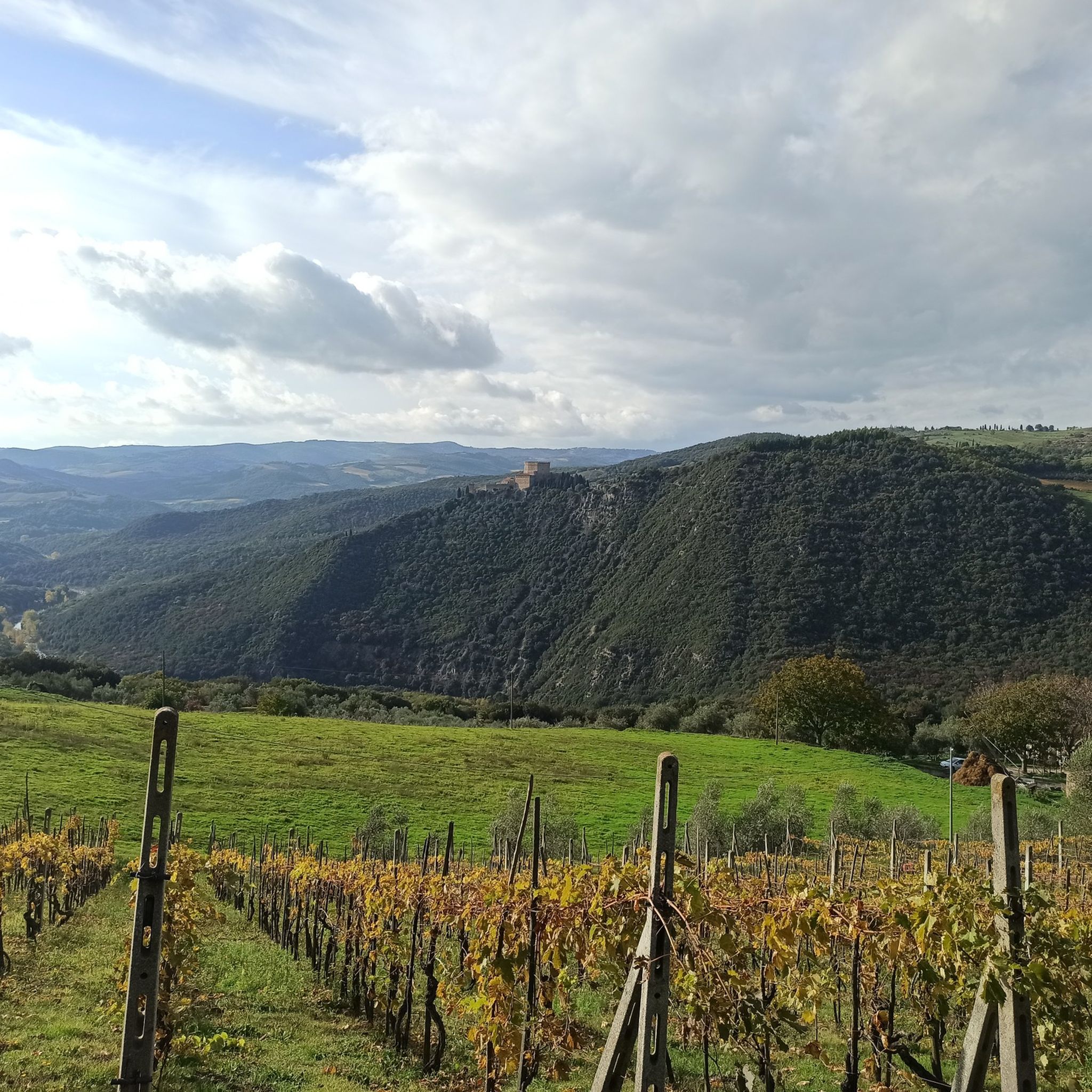
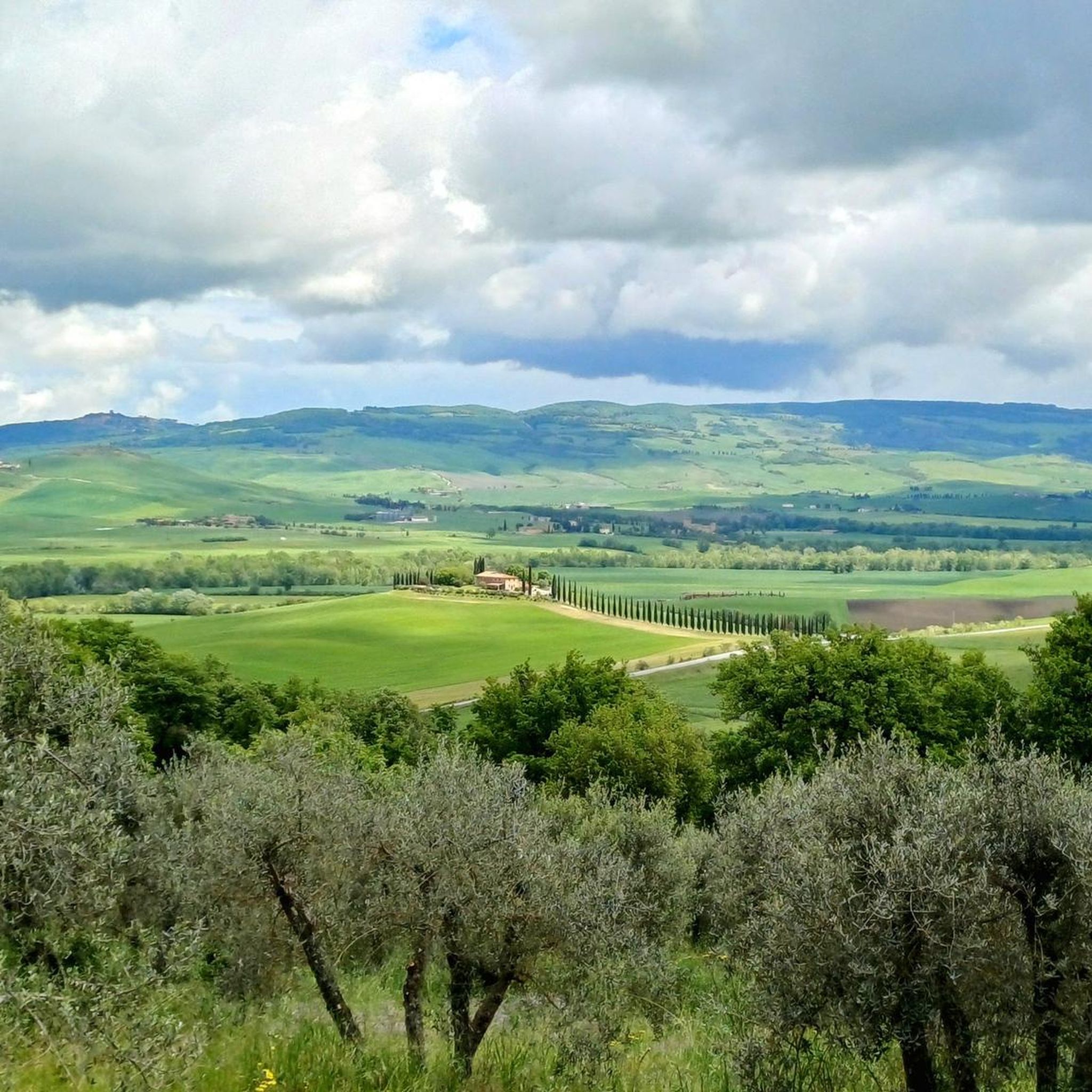
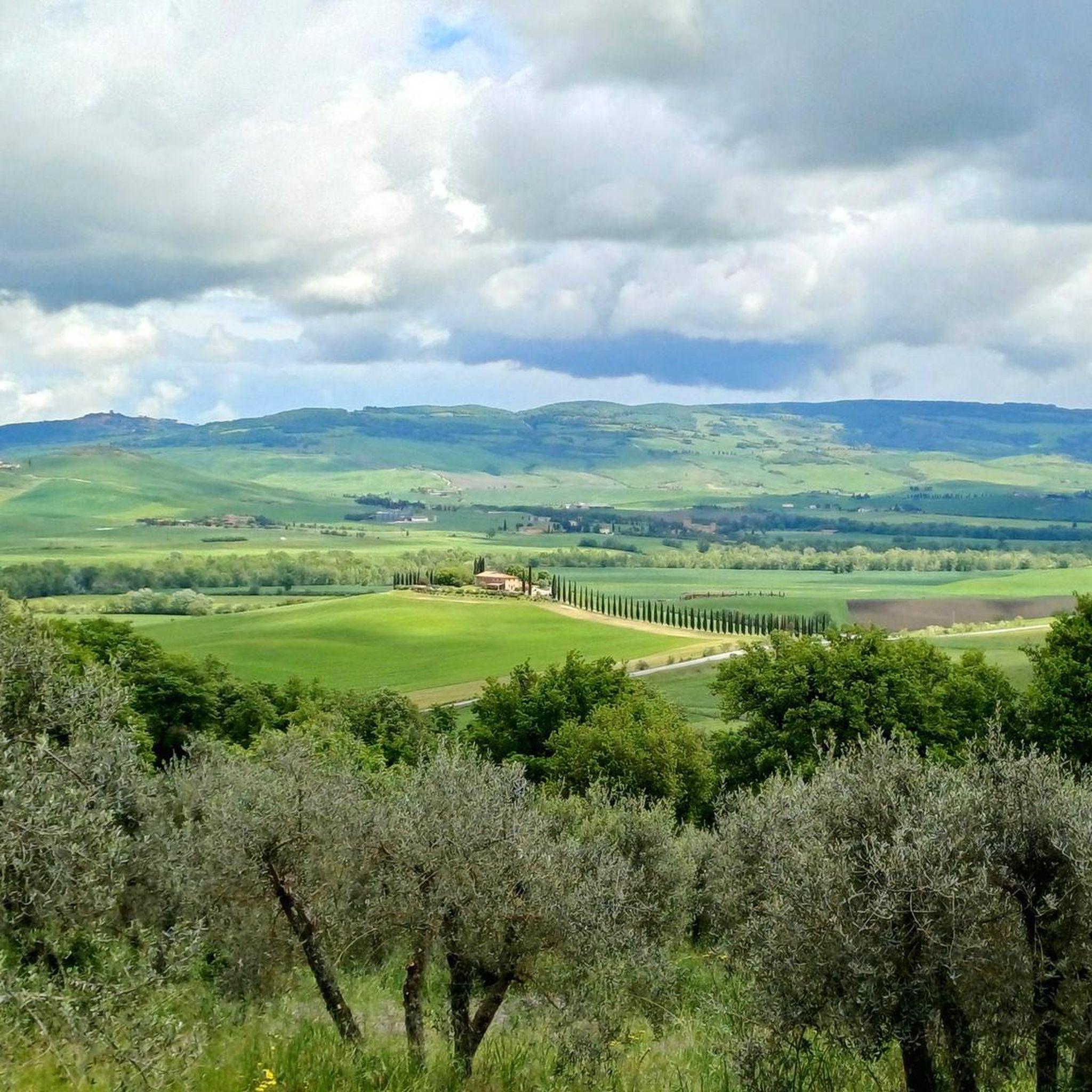
Best natural monuments around Castiglione D'Orcia are found within the UNESCO World Heritage-listed Val d'Orcia, an area known for its unique geological and scenic beauty. The region features geothermal wonders, distinctive clay formations, and iconic landscapes. These natural features contribute to the area's diverse terrain, offering varied experiences for visitors. Castiglione D'Orcia provides access to these natural landmarks and viewpoints.
Best natural monuments around Castiglione D'Orcia
- The most popular natural monument is The White Whale (Bagni San Filippo), a…
Last updated: June 28, 2026
The White Whale (Bagni San Filippo)
Highlight • Natural Monument
Translated by Google •
Tip by

Horti Leonini Gardens
Highlight • Natural Monument
Showing Translation
Tip by

Sign up now to discover places like this
Get recommendations on the best single tracks, peaks, & plenty of other exciting outdoor places.
Sign up for free
Checche Oak
Highlight • Natural Monument
The place is well kept, the oak …
Translated by Google •
Tip by

Bagno Vignoni Thermal Baths
Highlight • Natural Monument
Bagno Vignoni, …
Translated by Google •
Tip by

Madonna of the Scouts on Mount Amiata
Highlight • Monument
Translated by Google •
Tip by

Sign up for free to discover even more natural monuments around Castiglione D'Orcia.
Sign up for free
Already have an account?
Start today with a free account
Your next adventure awaits.
Login or Signup

Tips from the Community

The Horti Leonini are a splendid Renaissance garden in the heart of San Quirico d’Orcia, created in the 16th century at the behest of Diomede Leoni. Characterized by perfect geometry and precisely manicured boxwood hedges, they represent a rare example of a public Italian garden. Divided between a flat formal section and a more natural area that climbs towards the woods, they offer a pleasant contrast between order and spontaneity. In the center is a statue of Cosimo III de’ Medici, while the paths invite quiet walks immersed in greenery. They are an ideal place for a relaxing break, amidst art, history, and landscape harmony.
1
0
La Balena Bianca is the most imposing limestone formation in the free thermal baths of Bagni San Filippo. It is a monumental waterfall of white limestone created by the deposit of thermal waters that spring up at 48°C a little further upstream. The place is truly fascinating, but there are also some negative aspects that, for fairness, I want to mention to avoid the surprise effect and to know what you are getting into: The first is certainly accessibility, the path to reach this natural wonder is decidedly muddy, there is no real path, if it has rained recently, you will find yourself having to walk in the mud. So if you want to come, I advise you to bring high waterproof boots to put on in case you find mud (very likely). The second sore point is the carelessness of people, the entire area is devoid of regulation and controls, left to the mercy of the crowd, so you can imagine the situation that arises on weekends or holidays. If you want to come and swim here, my advice is to come on a weekday early in the morning, or also late in the evening, not on weekends.
1
0

The Horti Leonini are a magnificent example of a classic Italian garden, laid out around 1580 by Diomede Leoni, after whom it is named. Leoni was a connoisseur of ancient and Renaissance art who, on behalf of the Medici, acquired works of art from Roman circles. Francesco I de' Medici himself gifted him a plot of land in the heart of San Quirico d'Orcia, where the Horti, which still retain their original appearance, would later be established. The gardens are divided into two sections: The lower, diamond-shaped area is enclosed by walls and clipped holm oaks and consists of triangular flowerbeds bordered by a double boxwood hedge. At its center is a sculpture attributed to the Sienese artist Bartolomeo Mazzuoli, depicting Cosimo III de' Medici (1688). In the other section stands the head of Janus Bifrons, a Roman-era sculpture that symbolically marks the boundary between the more natural and the formally designed parts of the garden. A travertine staircase leads to the upper plaza.
0
0

Now part of the Collection https://www.komoot.com/de-de/collection/3600632/-naturdenkmaeler-besondere-baeume-und-weitere-schaetze-der-natur
2
0

centuries-old oak tree that tells and tells us its "value"
0
0

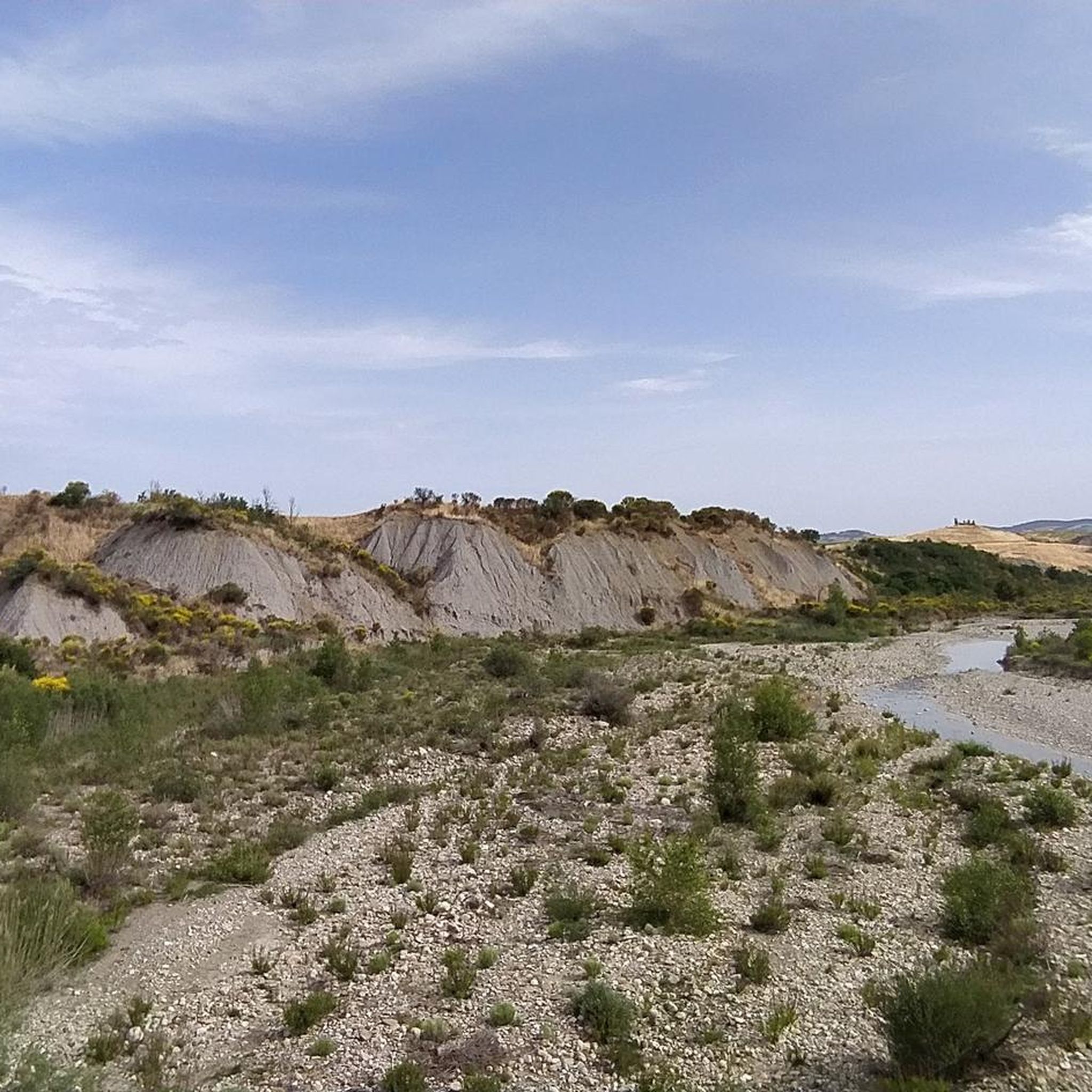
At present (March 2025) there is no water flowing here.
2
0

The Quercia delle Checche, a majestic oak tree of almost 300 years old, stands proudly in the heart of Val d'Orcia, in the town of Le Checche, Pienza. With its impressive height of 19 meters, a trunk circumference of almost 5 meters and a crown that extends over more than 34 meters, this tree is a living monument of nature. Despite the cracks and broken branches over the years, the oak remains a symbol of strength and endurance. Recognized as Italy's first green monument, the Quercia delle Checche is an enchanting testament to time and a must-see for every nature lover.
2
0

The Horti Leonini are a public garden located in the ancient bastions of San Quirico d'Orcia (province of Siena). The Horti have maintained their original structure to this day, constituting a well-preserved example of a classic 16th-century Italian garden and a model of park arrangement revived in subsequent centuries. taken from: https://it.wikipedia.org/wiki/Horti_Leonini ═════════════════ 👇 here is the video in 4K 👇 https://youtu.be/MUBZ51VCcuE
0
0
Frequently Asked Questions
What are the most popular natural monuments around Castiglione D'Orcia?
Among the most popular natural monuments, visitors highly appreciate The White Whale (Bagni San Filippo), a unique natural hot spring with striking white calcareous deposits. Another beloved spot is the Checche Oak, a monumental tree over 370 years old. The Madonna of the Scouts on Mount Amiata also draws visitors for its expansive views from the extinct volcano.
Are there family-friendly natural monuments to visit near Castiglione D'Orcia?
Yes, several natural monuments are suitable for families. The Checche Oak is easily accessible from the main road and offers a brief, impressive stop. The Horti Leonini Gardens provide a beautiful, well-preserved example of a 16th-century Italian garden, perfect for a leisurely stroll. While the main square's thermal pool in Bagno Vignoni Thermal Baths isn't for swimming, the nearby 'Parco dei Mulini' offers free access to thermal waters for bathing, which can be a fun experience for families.
What unique geological features can I explore in the Castiglione D'Orcia area?
The region is rich in distinctive geological features. The most prominent are the natural hot springs like The White Whale (Bagni San Filippo), known for its striking white calcareous deposits forming the 'Balena Bianca.' The broader Val d'Orcia also features the 'Crete Senesi,' clay hills eroded into characteristic gullies (calanchi) and bare, rounded reliefs called biancane, offering a rugged, almost lunar landscape. Mount Amiata, an extinct volcano, also significantly shapes the region's geology and contributes to the thermal waters.
What outdoor activities can I do near these natural monuments?
The area around Castiglione D'Orcia, including its natural monuments, is excellent for various outdoor activities. You can find numerous MTB trails, running trails, and road cycling routes. For instance, you can cycle a 'Val d'Orcia Panorama' loop or run a trail to the 'Cypress Hill at Gallina' from Castiglione d'Orcia. Many routes pass by or offer views of these natural landmarks.
Are there hiking trails near the natural thermal baths like Bagni San Filippo or Bagno Vignoni?
Yes, both Bagni San Filippo and Bagno Vignoni are excellent starting points for hiking. Near Bagni San Filippo, you can find routes like the 'Strada Bianca – Panorama of the Tuscan Hills loop.' For Bagno Vignoni, trails such as the 'Bagno Vignoni Thermal Spring – View of Rocca d'Orcia loop' or the 'Bagno Vignoni Thermal Spring – Vignoni Alto Village loop' are available. These trails allow you to explore the surrounding Val d'Orcia landscape and often offer views of other natural monuments. You can find more details on running or MTB guides for the area.
What is the best time of year to visit the natural monuments in Castiglione D'Orcia?
The Val d'Orcia region, including Castiglione D'Orcia, is beautiful year-round. Spring (April-May) offers lush green landscapes and blooming wildflowers, ideal for hiking. Autumn (September-October) brings stunning golden and russet hues to the hills, perfect for photography and enjoying the thermal baths as the weather cools. Summer (June-August) is warm and sunny, great for outdoor activities, though the thermal springs can be particularly refreshing. Even winter has its charm, with a serene, often misty landscape.
Can I bring my dog to the natural monuments and trails around Castiglione D'Orcia?
Many natural areas and trails in the Val d'Orcia are dog-friendly, allowing you to enjoy the natural monuments with your pet. For example, the areas around the Checche Oak and the general Val d'Orcia landscape are suitable for walks with dogs. When visiting specific sites or reserves, it's always advisable to keep your dog on a leash and check for any specific local regulations or restrictions, especially around thermal spring areas or protected reserves like the Ripa d'Orcia Regional Natural Reserve.
Are there any cultural or historical sites integrated with the natural monuments?
Yes, the region beautifully blends natural and historical elements. The Horti Leonini Gardens in San Quirico d'Orcia are a prime example, being a classic 16th-century Italian garden within ancient bastions. Bagno Vignoni Thermal Baths, with its Renaissance-era square built directly over ancient thermal springs, has a rich history dating back to Etruscan and Roman times. The Madonna of the Scouts on Mount Amiata is a significant monument on the summit of the extinct volcano, offering both natural beauty and historical context.
What are the 'biancane' and 'calanchi' formations in Val d'Orcia?
The 'biancane' and 'calanchi' are distinctive geological features of the Val d'Orcia, part of the 'Crete Senesi' clay hills. 'Calanchi' are deep gullies formed by erosion, creating dramatic, rugged landscapes. 'Biancane' are bare, rounded, whitish reliefs that contrast with the surrounding vegetation, giving the landscape an almost lunar appearance. These formations are a testament to the dynamic geological processes that have shaped the region and offer unique photographic opportunities.
Where can I find accommodation or amenities near the natural monuments?
Castiglione D'Orcia itself offers various accommodation options, cafes, and restaurants. Smaller villages like Bagno Vignoni, located near its thermal baths, also provide amenities. For those visiting Bagni San Filippo, there are facilities available in the village. The entire Val d'Orcia region is well-equipped for tourism, with agriturismos, hotels, and eateries scattered throughout, ensuring you're never too far from comfort after exploring the natural beauty.
Is public transport available to reach the natural monuments?
While public transport options exist in the Val d'Orcia, reaching some of the more secluded natural monuments might require a combination of bus services and walking, or a private vehicle. For popular spots like Bagni San Filippo or Bagno Vignoni, local bus services connect to nearby towns. However, for maximum flexibility and to explore the diverse landscapes and hidden gems, renting a car is often recommended. Always check local bus schedules in advance for specific routes and timings.
Most popular routes around Castiglione D'Orcia
Most popular attractions around Castiglione D'Orcia

Get inspired with the komoot mobile app


Explore more
Extend your search for the best caves by checking out these guides of the top ones around Castiglione D'Orcia:
