Top 10 Natural Monuments around Chianciano Terme
Best natural monuments around Chianciano Terme are found amidst the rolling hills of Tuscany, nestled between the Val d'Orcia and Valdichiana. This region is characterized by its thermal waters, extensive nature reserves, and iconic landscapes. Visitors can explore a variety of natural features, from ancient forests to serene lakes, offering diverse outdoor experiences. The area provides numerous opportunities for hiking and appreciating the distinct Tuscan scenery.
Best natural monuments around Chianciano Terme
- The most popular natural monuments is Lago di…
Last updated: October 15, 2026
Lake Chiusi
Highlight • Lake
Showing Translation
Tip by

Checche Oak
Highlight • Natural Monument
The place is well kept, the oak …
Translated by Google •
Tip by

Sign up now to discover places like this
Get recommendations on the best single tracks, peaks, & plenty of other exciting outdoor places.
Belverde Archaeological Natural Park and Archeodrom
Highlight • Historical Site
Showing Translation
Tip by
Lago di Montepulciano Nature Reserve
Highlight • Lake
Translated by Google •
Tip by

Cypress Hill at Gallina
Highlight • Viewpoint
Translated by Google •
Tip by

Sign up for free to discover even more natural monuments around Chianciano Terme.
Already have an account?
Start today with a free account
Your next adventure awaits.
Popular around Chianciano Terme
Other adventures around Chianciano Terme

Tips from the Community

Small but nice lake with a beautiful green area
0
0

Lake Chiusi is the second largest natural lake in Tuscany by surface area, located in the Valdichiana Senese about 4 km from the historic center of Chiusi. Historically also known as "Chiaro di Luna" (Moonlight), its waters mark the eastern border between Tuscany and Umbria. It represents one of the remaining wetland areas of the vast pre-reclamation marshland that covered the entire valley floor.
0
1
The Riserva Naturale Lago di Montepulciano is a protected area of 453 hectares located in Valdichiana Senese, on the border between Tuscany and Umbria. This precious marshy ecosystem represents one of the most relevant wetlands in central Italy, serving as a fundamental stopover, wintering, and nesting site for numerous species of migratory birds along the route between Europe and Africa.
0
0

The Belverde Archaeological Natural Park, at the foot of Monte Cetona, is a place where nature and history intertwine in a suggestive way. Immersed in the woods, the park preserves a system of caves that were inhabited by humans since prehistoric times. Next to the Archaeological Park, the Archeodromo of Monte Cetona offers a faithful reconstruction of a prehistoric village, allowing for a direct understanding of the life of the ancient communities that inhabited these lands.
0
0
Lake Chiusi, a remnant of the ancient Valdichiana swamp, is today a natural oasis rich in biodiversity, ideal for relaxation, walks, and birdwatching. A must-try is brustico, a typical fishermen's dish in which lake fish is cooked directly on lake reeds, acquiring a characteristic smoky and intense aroma.
1
0

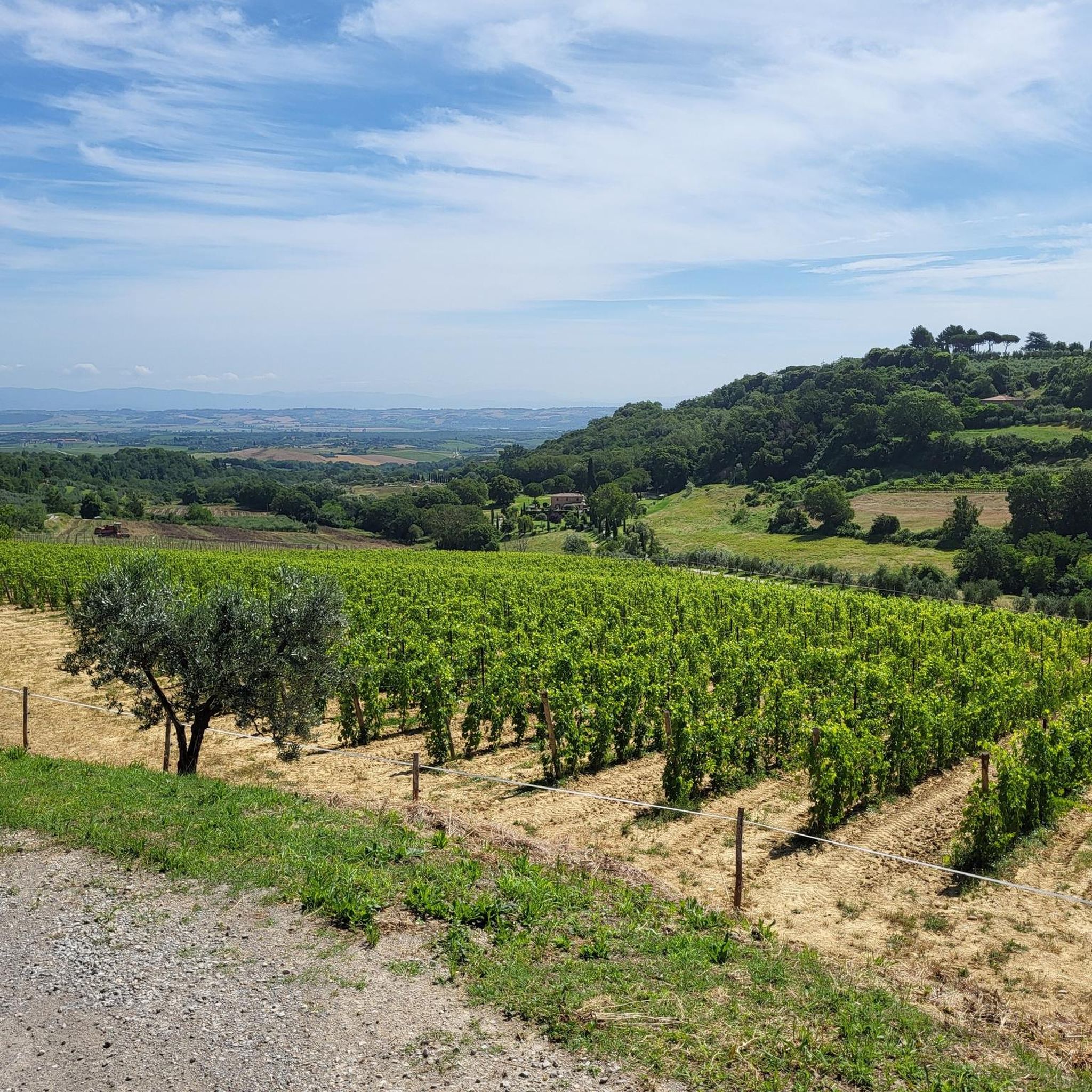
The Montepulciano Lake Regional Nature Reserve is an oasis of tranquility and beauty. Here, you can admire various species of both resident and migratory birds. The dense reed bed on the western shore creates a highly evocative aquatic environment.
1
0

Now part of the Collection https://www.komoot.com/de-de/collection/3600632/-naturdenkmaeler-besondere-baeume-und-weitere-schaetze-der-natur
2
0

Worth a visit. Ideal for a quiet outing!
1
0
Frequently Asked Questions
What are some notable natural monuments to visit around Chianciano Terme?
Beyond the most popular ones, you can explore the ancient Checche Oak, a monumental tree over 370 years old. Another significant site is the Belverde Archaeological and Nature Park, which combines natural caves with historical insights into primeval burial rituals. The iconic Cypress Trees in Val d'Orcia, located within the Lucciolabella reserve, also offer a classic Tuscan landscape.
Are there family-friendly natural monuments or trails in the Chianciano Terme area?
Yes, many natural monuments are suitable for families. The Lago di Montepulciano Nature Reserve is excellent for birdwatching and gentle walks. The Checche Oak is easily accessible from the main road for a quick, impressive stop. The Belverde Archaeological and Nature Park offers an archaeological educational trail and reconstructed Bronze Age village, which can be engaging for children.
When is the best time to visit the natural monuments in Chianciano Terme?
The region's natural beauty, particularly the Val d'Orcia and Valdichiana, offers stunning scenery year-round. Spring and autumn are ideal for hiking and outdoor activities, with pleasant temperatures and vibrant colors. Spring brings blooming wildflowers, while autumn showcases rich golden and red hues across the hills. Summer is also beautiful, though it can be hot, making early morning or late afternoon visits preferable for longer excursions.
What kind of outdoor activities can I do near these natural monuments?
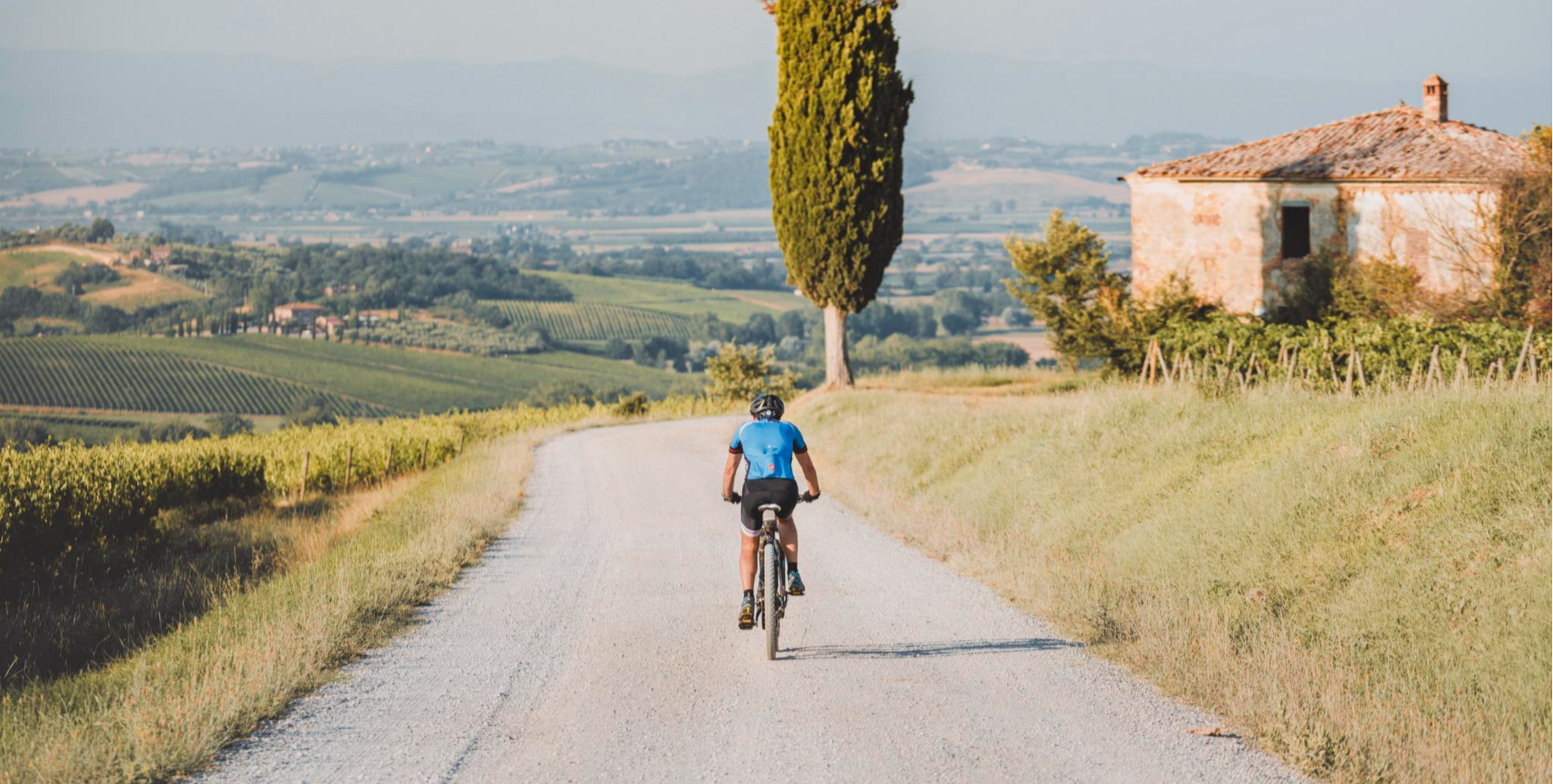
The area around Chianciano Terme is perfect for various outdoor activities. You can find numerous hiking trails, such as the moderate 'Podere Fontelellere Vineyard loop' or the easy 'Hiking loop from Chianciano Terme'. There are also options for gravel biking and running. For more details on routes, you can explore the Hiking around Chianciano Terme guide or the Gravel biking around Chianciano Terme guide.
Can I see wildlife at the natural monuments around Chianciano Terme?
Yes, especially at the Lago di Montepulciano Nature Reserve. This oasis is known for its diverse birdlife, including both resident and migratory species, which can be observed within its dense reed beds. The Pietraporciana Nature Reserve, with its ancient beech forest, also provides a habitat for various woodland creatures, though they may be more elusive.
Are there natural monuments with great viewpoints in the area?
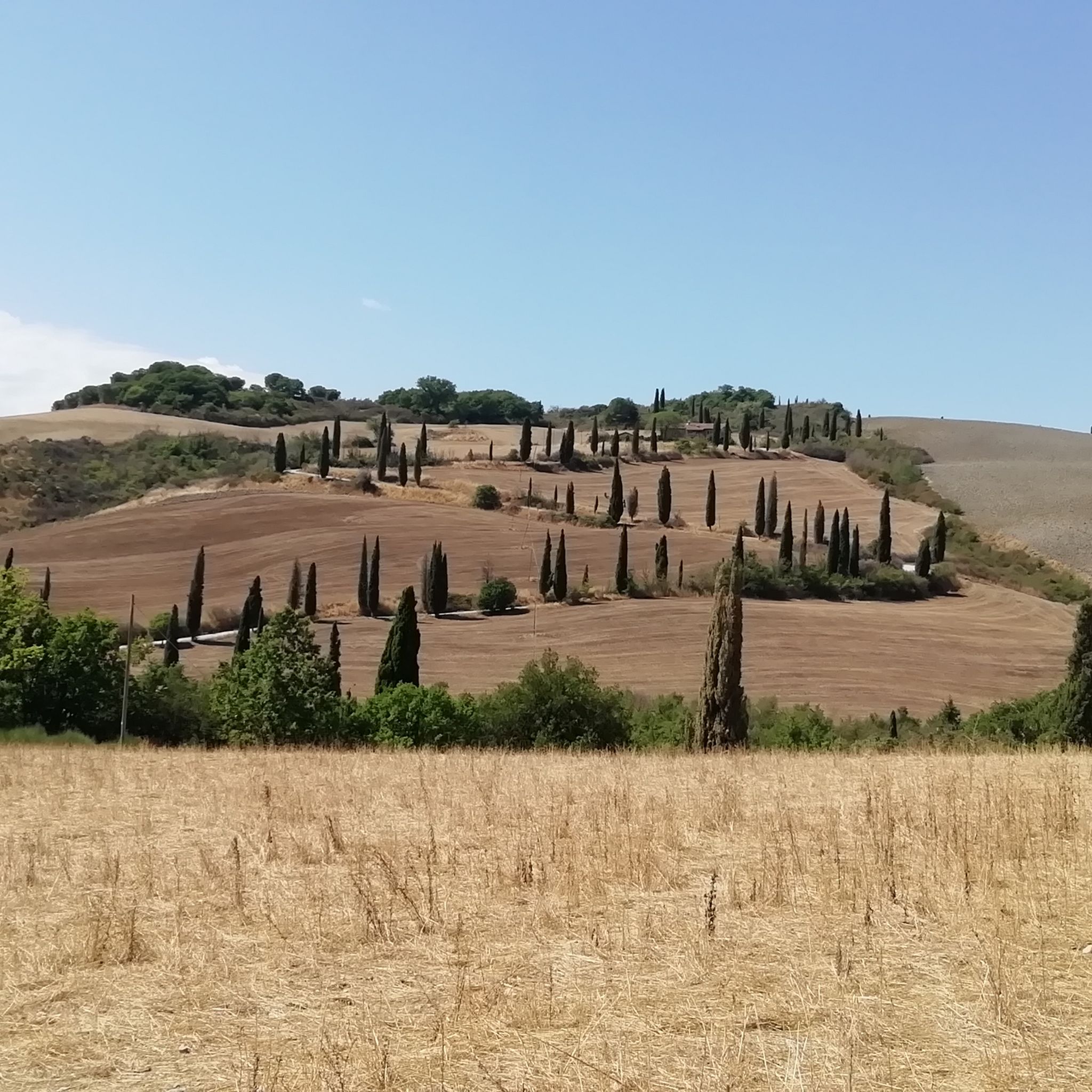
Absolutely. The Cypress Hill at Gallina offers special views of golden fields and the classic Val d'Orcia landscape. From the Pietraporciana Nature Reserve, a path leads to the top of the hill, providing breathtaking panoramic views that extend across the Val d'Orcia and Valdichiana, reaching as far as Monte Amiata. The Belverde Archaeological and Nature Park also features a wide panorama of the Valdichiana from its rocky outcrop.
What is the significance of the thermal waters in Chianciano Terme?
Chianciano Terme is renowned for its thermal waters, which are a significant natural feature and have contributed to its reputation as a 'city of health'. The large thermal parks, Parco Acqua Santa and Parco Fucoli, are home to four types of beneficial waters rich in bicarbonate, sulfate, and calcium. These waters are utilized for their therapeutic properties, and the parks themselves offer lush, well-maintained green spaces for relaxation.
Are dogs allowed on trails and at natural monuments?
While many natural areas in Tuscany are dog-friendly, it's always best to check specific regulations for each reserve or park. Generally, dogs are welcome on trails if kept on a leash. For example, the Pietraporciana Nature Reserve is suitable for walks with dogs. However, sensitive areas like bird sanctuaries (e.g., Lago di Montepulciano Nature Reserve) might have restrictions to protect wildlife.
Is parking available at these natural monuments?
For many natural monuments, parking is generally available nearby. For instance, the Checche Oak is located along the main road with convenient access. For places like the Pietraporciana Nature Reserve, there's typically a visitor center or designated parking areas. When visiting more remote spots, it's advisable to check specific access points beforehand.
What makes the Val d'Orcia and Valdichiana valleys surrounding Chianciano Terme special?
Chianciano Terme is nestled between the Val d'Orcia, a UNESCO World Heritage Site, and the fertile Valdichiana valley. This region is celebrated for its picturesque rolling hills, iconic cypress trees, and ever-changing colors throughout the seasons. It offers a dream-like scenery with stunning sunsets and views of Mount Cetona and Mount Amiata, providing a quintessential Tuscan landscape for exploration and outdoor activities.
Are there any easy-to-access natural monuments for a quick visit?
Yes, the Checche Oak is very easy to access as it's located directly along a main road, making it a perfect quick stop. The thermal parks in Chianciano Terme, such as Parco Acqua Santa, also offer easily accessible, well-maintained green spaces for a relaxing natural experience without extensive hiking.
What are the terrain and difficulty levels of trails near the natural monuments?
The terrain varies from gentle paths around lakes and thermal parks to more challenging routes in hilly areas like the Pietraporciana Nature Reserve. You can find easy walking loops, such as a 5.8 km 'Hiking loop from Chianciano Terme', and moderate trails like the 'Podere Pietraporciana – Pietraporciana Refuge loop'. For more strenuous activities, there are difficult gravel biking routes in the wider region. Always check the specific route details for elevation and surface information.
Most popular routes around Chianciano Terme
Most popular attractions around Chianciano Terme

Get inspired with the komoot mobile app


Explore more
Extend your search for the best caves by checking out these guides of the top ones around Chianciano Terme:
