Top 20 Natural Monuments around Irvonu/Ilbono
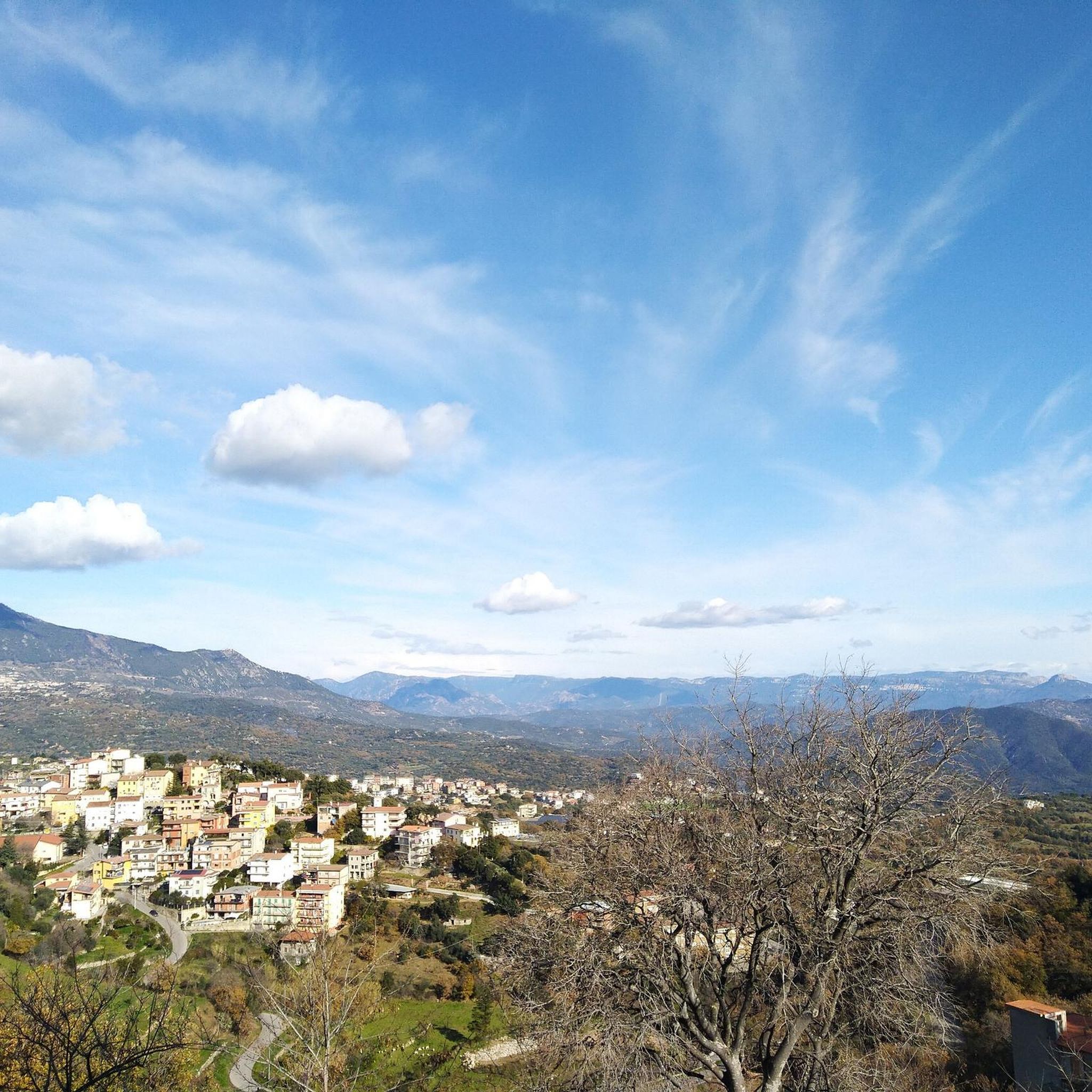
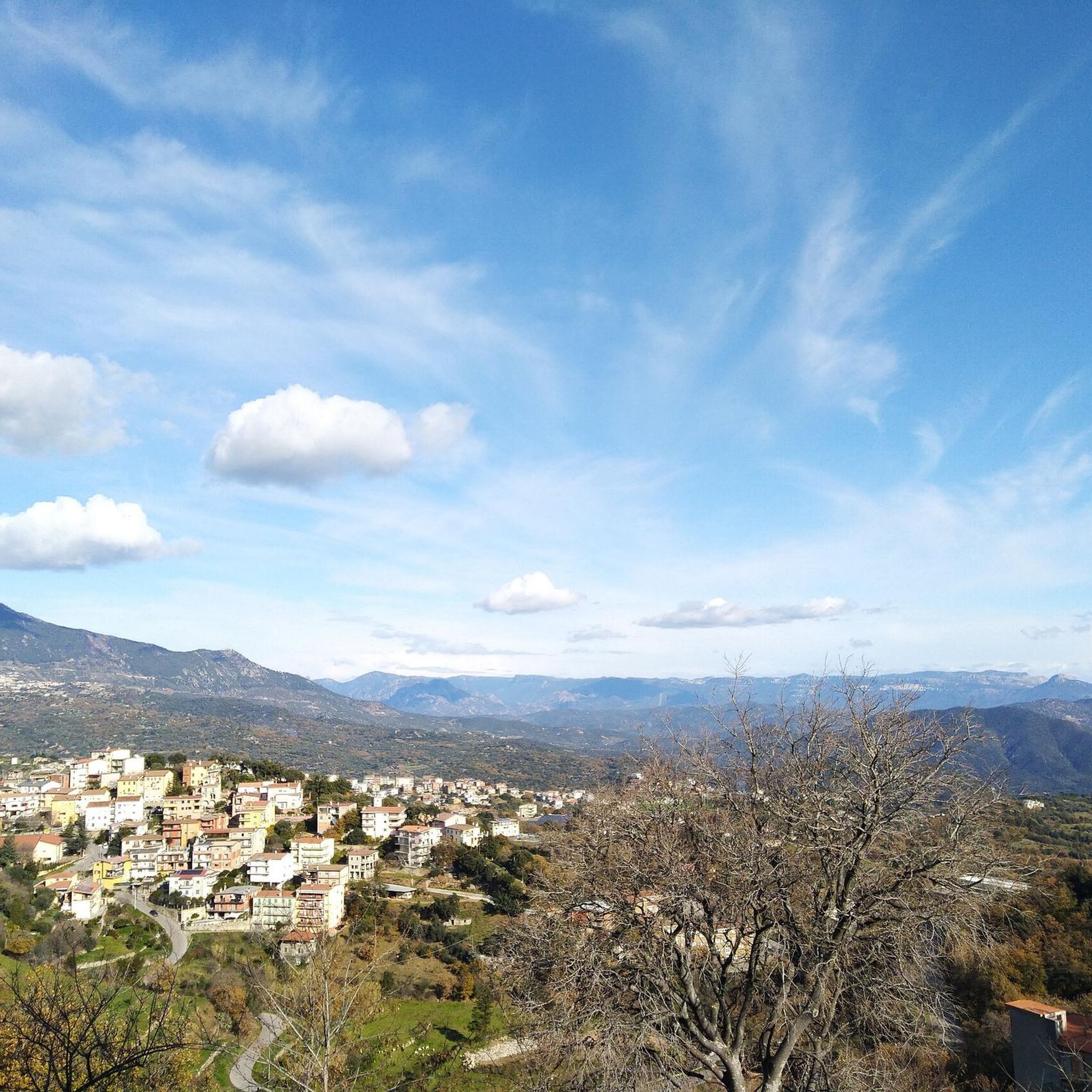
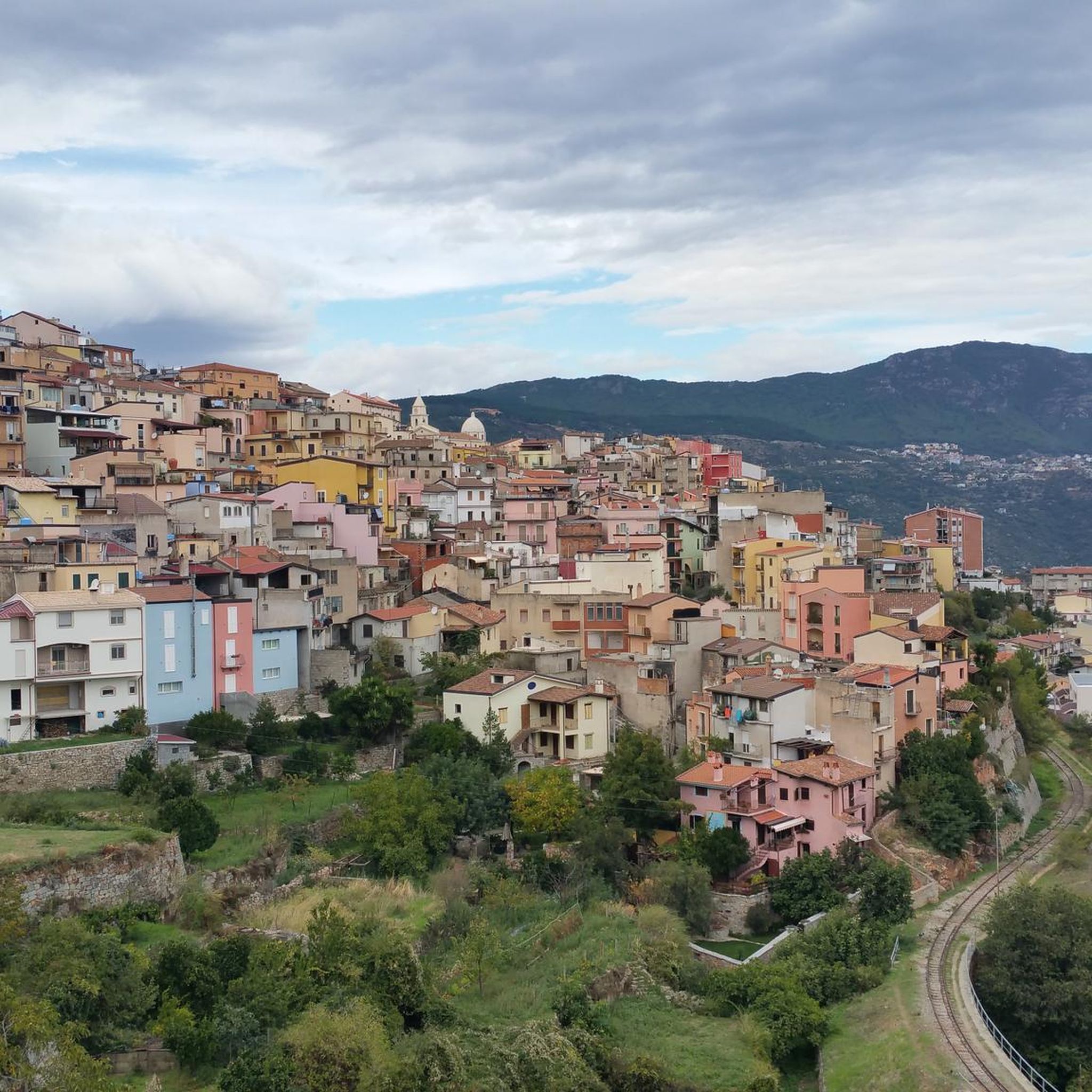
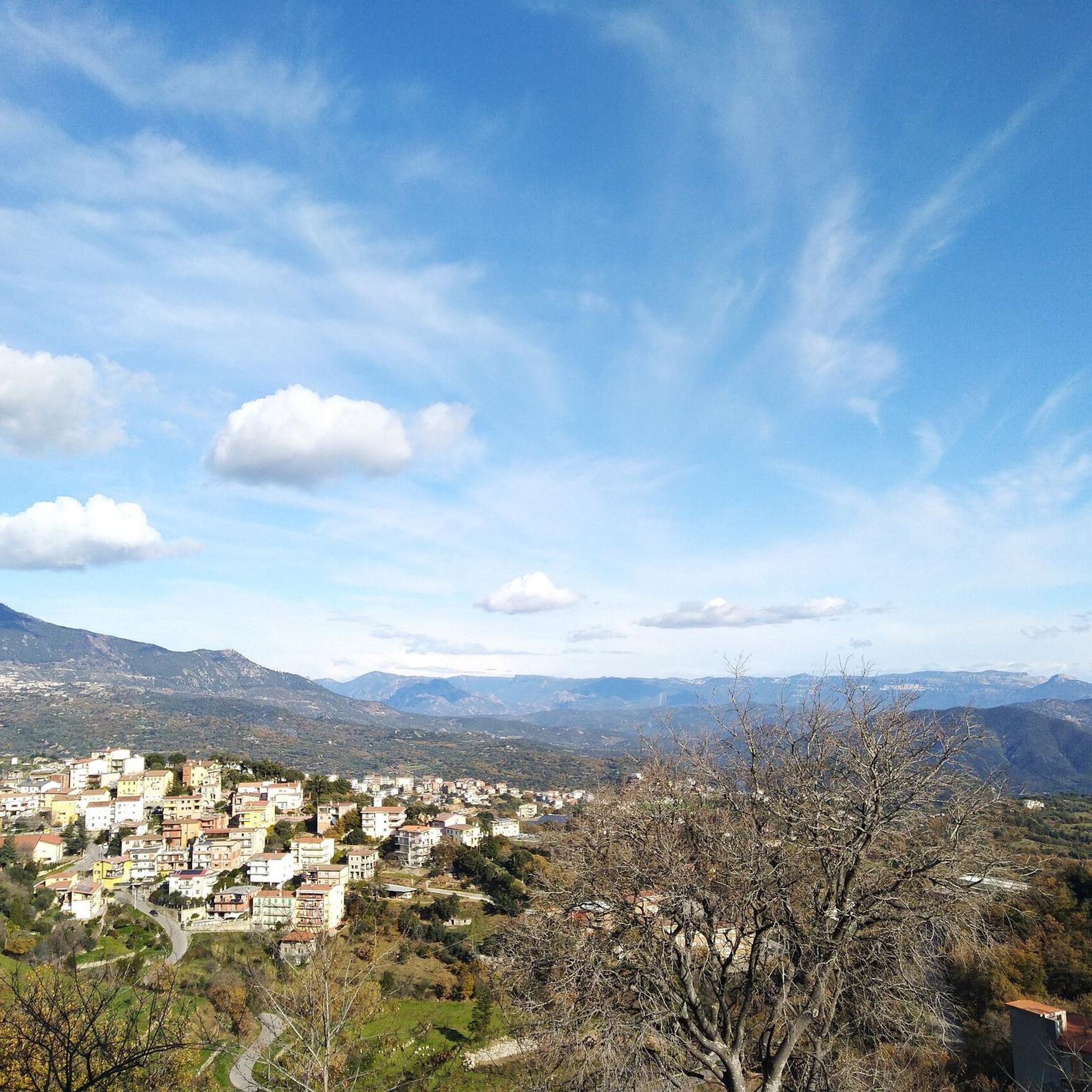
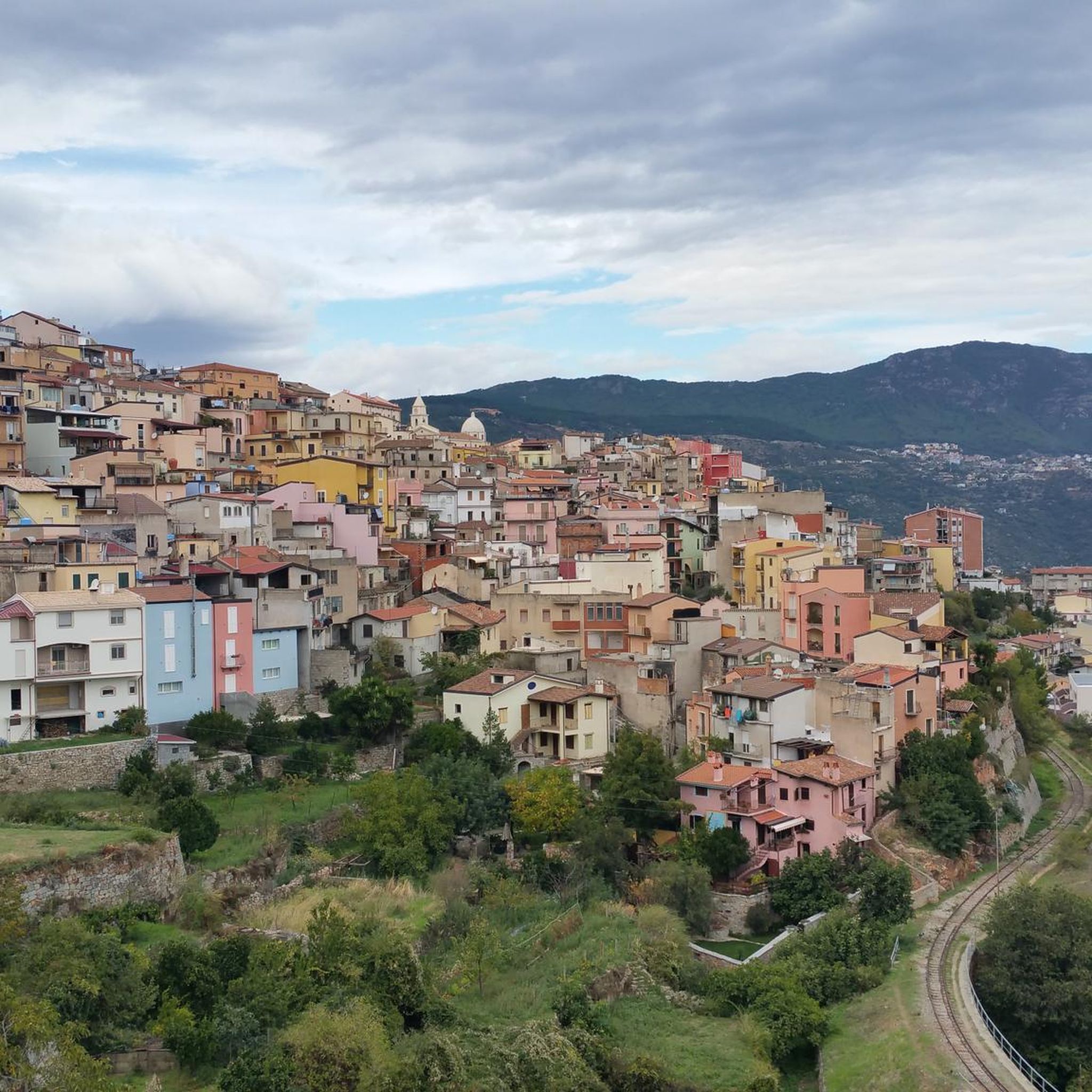
Best natural monuments around Irvonu/Ilbono are found in a region characterized by a rolling landscape on the southern slopes of the Gennargentu massif in Sardinia, Italy. The area features distinctive natural and archaeological elements. These include geological and geomorphological formations, alongside culturally significant sites integrated into the natural environment. The territory offers a blend of natural beauty and historical significance.
Best natural monuments around Irvonu/Ilbono
- The most popular natural monuments is Arbatax Red Rocks, a natural monument featuring interesting…
Last updated: October 15, 2026
Perda e Liana
Highlight • Natural Monument
Translated by Google •
Tip by

Su Marmuri Cave
Highlight • Cave
Showing Translation
Tip by

Sign up now to discover places like this
Get recommendations on the best single tracks, peaks, & plenty of other exciting outdoor places.
Moresca Cove
Highlight • Beach
Translated by Google •
Tip by

Arbatax Red Rocks
Highlight • Natural Monument
Translated by Google •
Tip by

Statue of St. Michael the Archangel on Monte Idolo
Highlight • Monument
Translated by Google •
Tip by

Sign up for free to discover even more natural monuments around Irvonu/Ilbono.
Already have an account?
Start today with a free account
Your next adventure awaits.

Tips from the Community

Rocce Rosse near Arbatax – impressive red porphyry rocks directly by the sea. A real highlight on the coast and particularly beautiful in the sunlight in the evening hours.
2
0

Mandatory stop. The cave is absolutely spectacular and fully worth the ticket price (12€, for a 90-minute guided tour).
4
0

A uniquely shaped, towering tower, a natural monument, symbol of Ogliastra, and a key morphological feature of central-eastern Sardinia. Perhaps once a gathering place for the Nuragic peoples, it later became, in popular legend, the entrance to the underworld. It protrudes from the earth like a giant finger reaching toward the sky and, especially in this wild area, is a landmark visible from afar for hikers. Perda 'e Liana is an extraordinary rock formation declared a natural monument in 1993. The peculiar "mountain," known in Sardinian as Taccu or Tonneri, rises in the Gairo Sant'Elena area: it is the greatest witness to the erosive effects of weathering that have been affecting the vast limestone cover of Ogliastra on the border with Barbagia di Seulo for several million years. Erosion gradually isolated the "tower," forming its base. It is the highest (1293 m) of the numerous Ogliastra limestone mountains, the northern foothills of the Tonneri plateau, about two kilometers away, to which it is connected by the s'Arcu 'e su Pirastu Trottu pass. Perhaps in ancient times, they formed a single mountain ridge. Source and further information: https://www.sardegnaturismo.it/de/entdecken/perda-e-liana
0
0

On Monte IDOLO, hikers will not come across a summit cross - as is often the case. The small sacred monument that instead rises above Sardinia is a statue of SAN MICHELE ARCANGELO. The heavenly messenger is equipped with powerful wings, which give him an imposing figure. However, one will look in vain for a sword or a lance, which are often given to him as an attribute.
0
0

The Rocce Rosse (Red Rocks) cove is located east of the port of Arbatax. It offers a backdrop of white rock and high red granite cliffs that give it a unique and extremely fascinating appearance. The environment could be a little better designed.
3
0

A highlight especially at dusk 🪨
1
0

The rock is a highlight. The surroundings can't compete with it.
2
0
The “Red Rock” is an eye-catcher. The environment, not so much.
5
0
Frequently Asked Questions
What unique geological features can I explore around Irvonu/Ilbono?
The region is known for its distinctive geological formations. You can visit the Arbatax Red Rocks, which are striking red porphyritic cliffs shaped by natural elements. Another notable feature is Perda e Liana, an extraordinary towering rock formation that stands as a key morphological landmark in central-eastern Sardinia.
Are there any family-friendly natural monuments in the Irvonu/Ilbono area?
Yes, several natural monuments are suitable for families. The Arbatax Red Rocks are easily accessible and offer interesting formations for all ages. Nearby, Moresca Cove provides a beautiful beach with crystal clear water, ideal for a relaxing family outing.
What historical or cultural sites are integrated with the natural landscape around Irvonu/Ilbono?
The area is rich in ancient human remains and Nuragic complexes integrated into natural formations. You can find 'Domus de Janas' (houses of the fairies), which are prehistoric tombs carved into natural boulders, and Nuragic structures like Nuraghe Scerì, often built upon granite towers. These sites showcase the deep connection between ancient inhabitants and their natural environment.
What outdoor activities can I do near the natural monuments of Irvonu/Ilbono?
The region offers various outdoor activities. You can find numerous cycling routes, including cycling tours and gravel biking trails. For road cycling enthusiasts, there are also challenging road cycling routes that offer scenic views of the landscape.
Is there a cave worth visiting among the natural monuments?
Yes, the Su Marmuri Cave is a spectacular stalactite cave that can be explored with a guide. It's known for its impressive size and formations. Remember to bring warm clothes as the temperature inside is consistently around 10°C.
What is the best time of year to visit the natural monuments around Irvonu/Ilbono?
Sardinia generally offers pleasant weather for outdoor activities for much of the year. Spring (April-May) and autumn (September-October) are often ideal, with milder temperatures perfect for exploring geological sites and archaeological formations. Summer can be hot, especially for hiking, but is excellent for coastal natural monuments like Moresca Cove.
Are there any viewpoints offering panoramic scenery of the region?
Absolutely. Perda e Liana, a towering rock formation, offers expansive views of the surrounding landscape. Additionally, the Statue of St. Michael the Archangel on Monte Idolo provides a great vantage point with views of the coast and surrounding towns.
Can I find natural monuments that are also good for swimming?
Yes, Moresca Cove is a centrally located beach on the Arbatax peninsula, offering beautiful scenery and crystal clear water for a good bathing experience. It's easily reachable, especially if you're visiting the nearby Arbatax Red Rocks.
What makes the Gennargentu Massif significant to the Irvonu/Ilbono area?
Ilbono is nestled on the southern slopes of the Gennargentu Massif, which is Sardinia's most significant mountain range. This massif provides a rugged and picturesque backdrop to the town, contributing to the area's unique rolling landscape and offering opportunities to appreciate mountainous natural environments.
What do visitors particularly enjoy about the natural monuments around Irvonu/Ilbono?
Visitors appreciate the blend of natural beauty and historical significance. The unique geological formations like the red porphyritic rocks and towering rock formations are highly praised. The integration of ancient archaeological sites within the natural landscape also offers a compelling experience, showcasing the long-standing relationship between humans and the Sardinian environment.
Are there any natural monuments that are less crowded or considered 'hidden gems'?
While specific crowd levels vary, exploring the archaeological sites integrated into the natural environment, such as the 'Domus de Janas' or Nuraghe Scerì, can offer a more intimate experience. These sites, often found within natural rock formations, provide a unique blend of history and nature away from more popular coastal spots.
How long should I plan to explore the natural monuments in the Irvonu/Ilbono region?
The time needed depends on which sites you wish to visit. For a single site like the Su Marmuri Cave, allow a couple of hours for the guided tour. If you plan to visit multiple locations like the Arbatax Red Rocks and Moresca Cove, a half-day or full-day trip would be more appropriate to fully enjoy the experience.
Most popular routes around Irvonu/Ilbono
Most popular attractions around Irvonu/Ilbono

Get inspired with the komoot mobile app


Explore more
Extend your search for the best caves by checking out these guides of the top ones around Irvonu/Ilbono:
