Top 20 Natural Monuments around Ivrea
Best natural monuments around Ivrea are shaped by ancient glaciers, creating a landscape of unique geological features. The region, situated in Piedmont, Italy, offers a diverse environment with morainic hills, glacial lakes, and significant wetlands. These areas provide opportunities for understanding geological history and observing a variety of flora and fauna. The natural monuments offer diverse recreational activities for visitors.
Best natural monuments around Ivrea
- The most popular natural monuments is Lake Pistono and the Archaeological Park of the Stilt…
Last updated: October 15, 2026
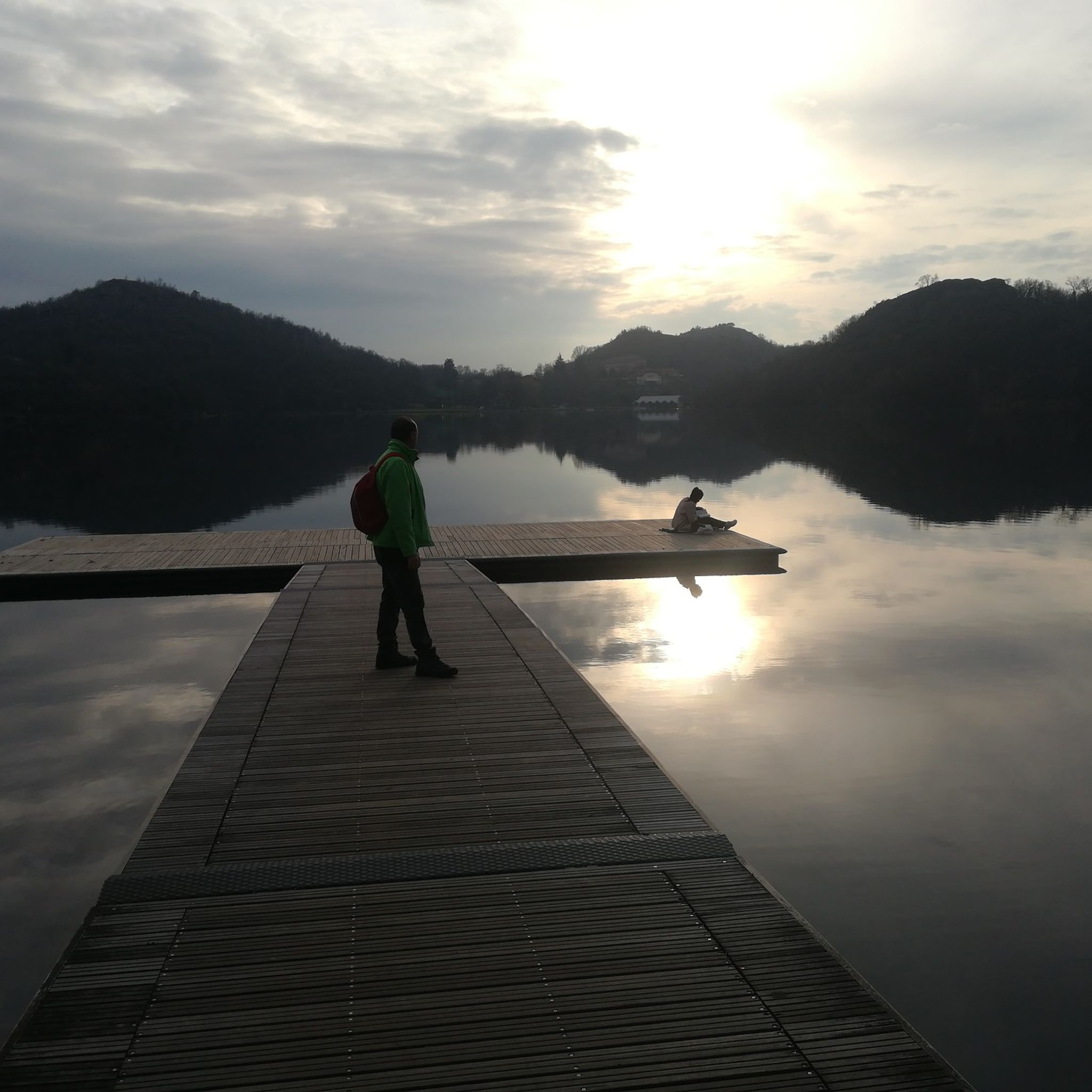
Lake Pistono and the Archaeological Park of the Stilt Houses
Highlight • Lake
Translated by Google •
Tip by

The Dancing Lands
Highlight • Natural Monument
Translated by Google •
Tip by

Sign up now to discover places like this
Get recommendations on the best single tracks, peaks, & plenty of other exciting outdoor places.
Bessa Gold Mining Archaeological Site
Highlight • Natural Monument
It is located between Biella and Ivrea, included in the municipalities …
Translated by Google •
Tip by

Pile-dwelling Village at Lake Viverone
Highlight • Historical Site
Translated by Google •
Tip by

Pera Cunca Sacrificial Stone
Highlight • Natural Monument
Translated by Google •
Tip by

Sign up for free to discover even more natural monuments around Ivrea.
Already have an account?
Start today with a free account
Your next adventure awaits.
Popular around Ivrea
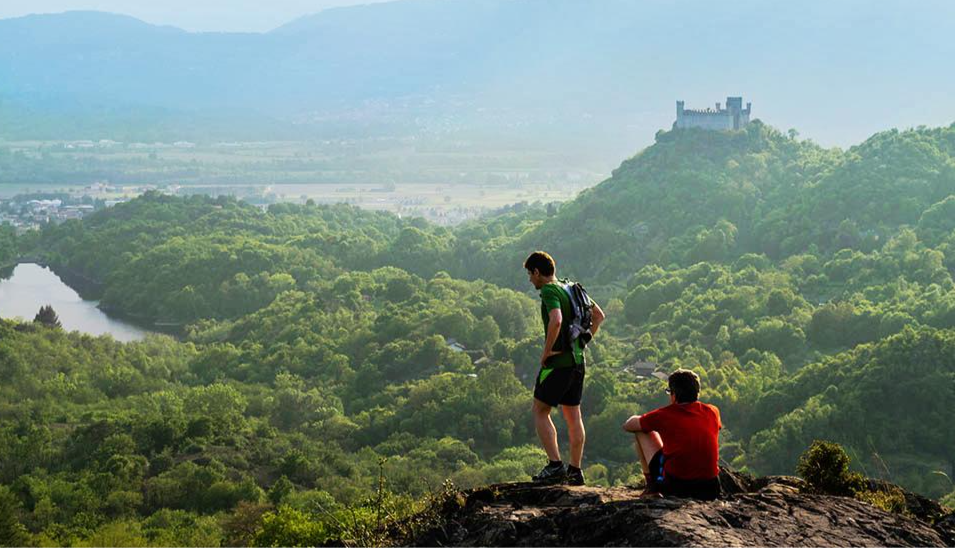
Car Free Piedmont – hiking face to face with nature
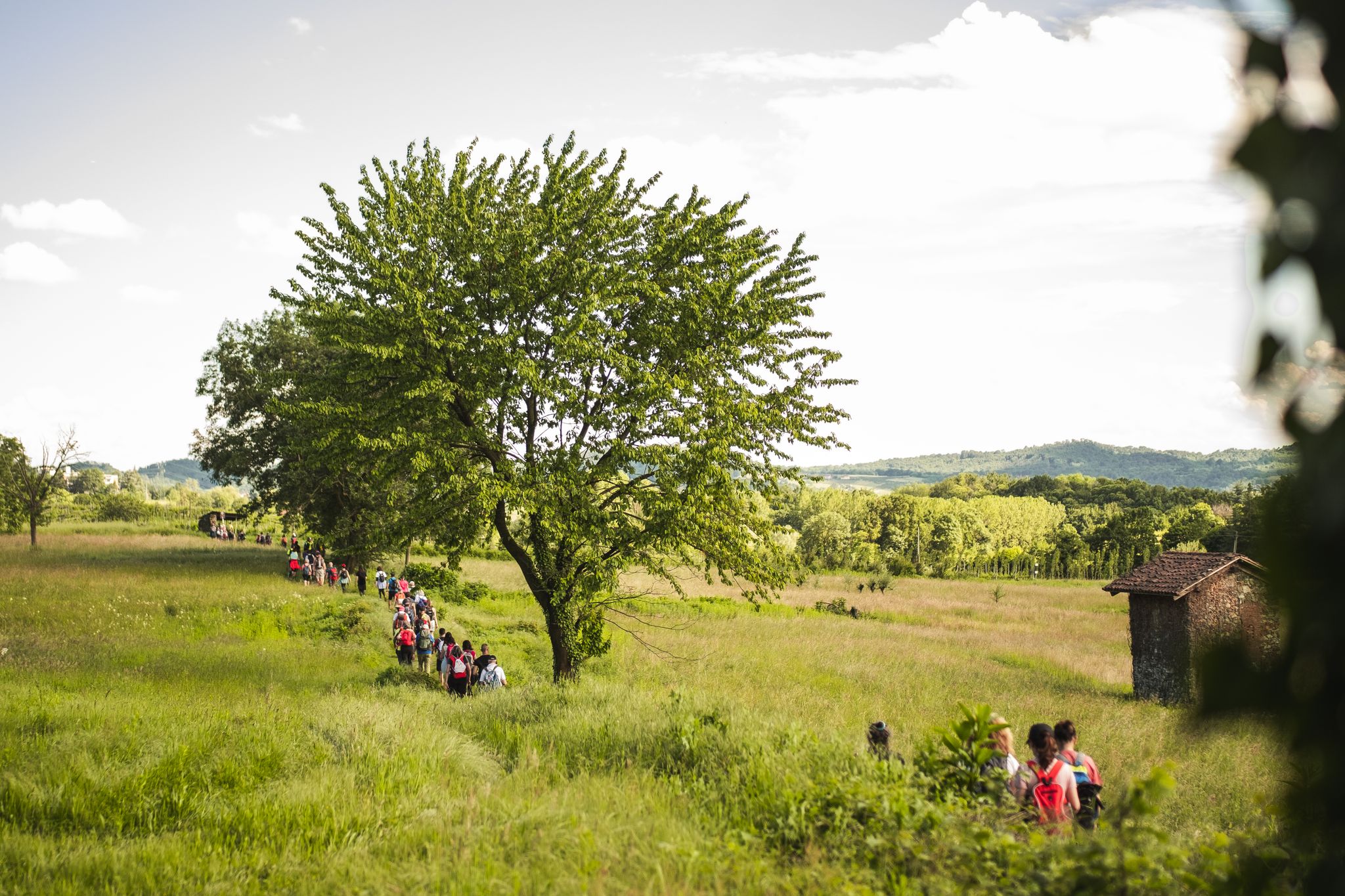
Via Francigena in Canavese – complete route and 'for all' section
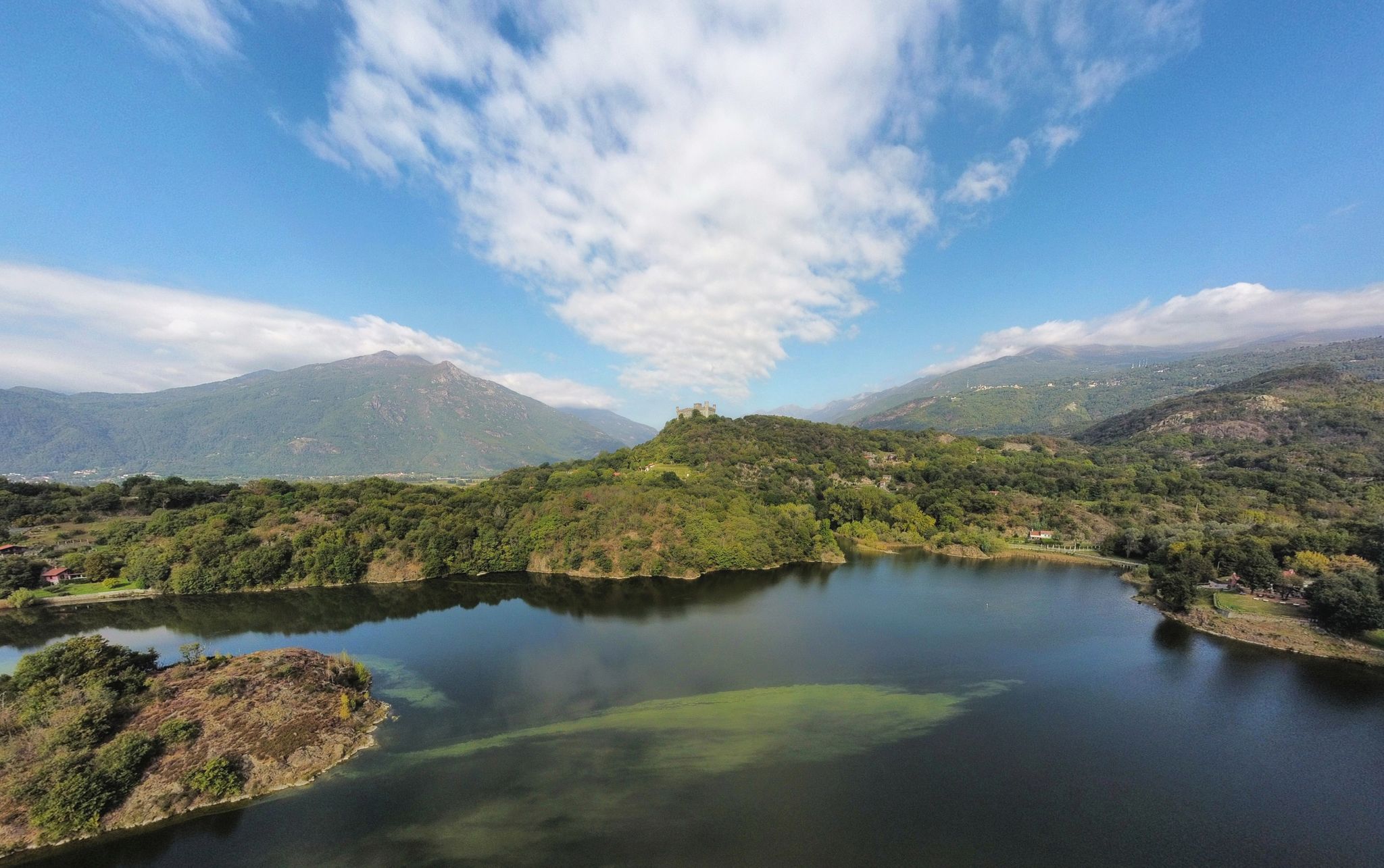
Between lakes and boulders – MTB the Ivrea Morainic Amphitheatre High Trail
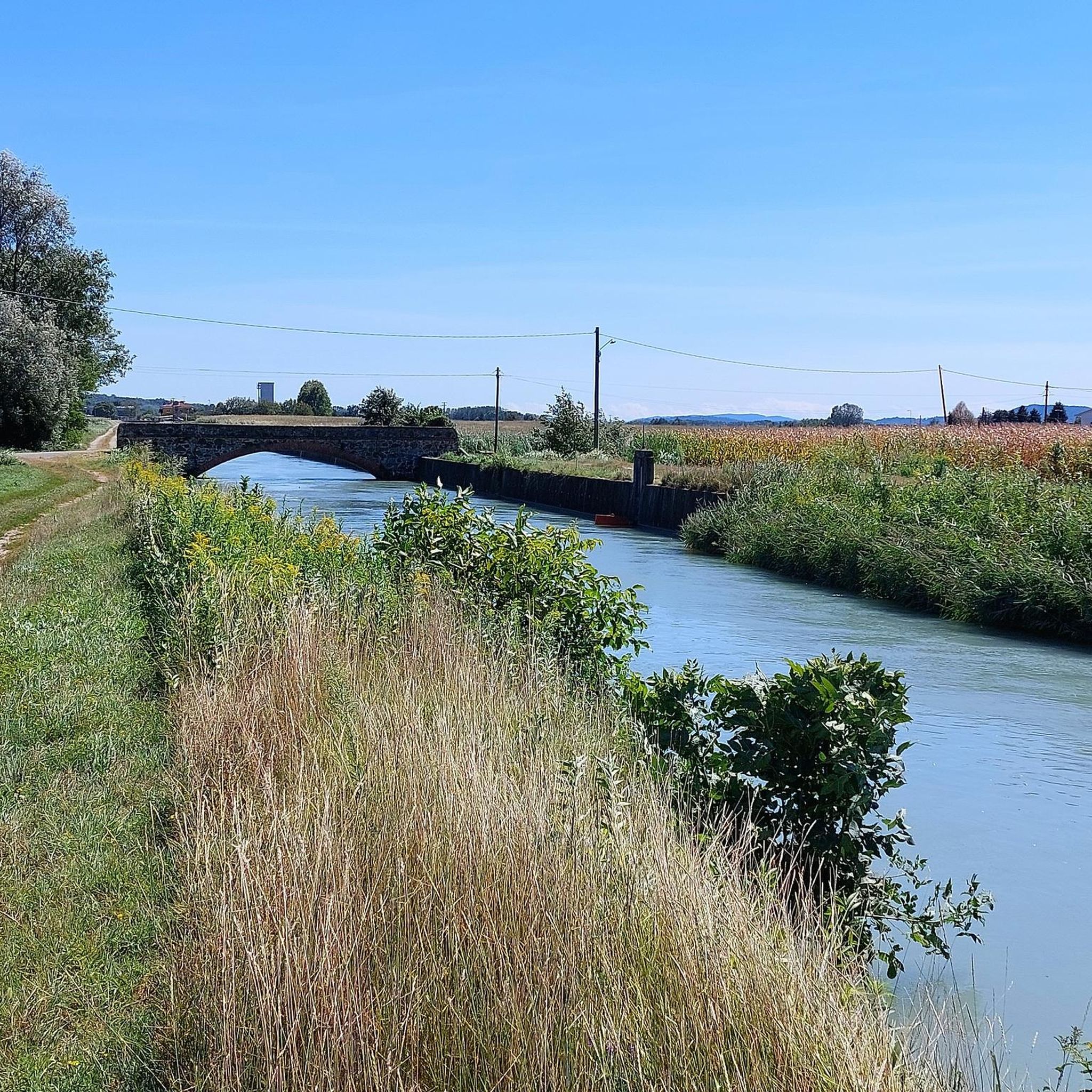
Road Cycling Routes around Ivrea
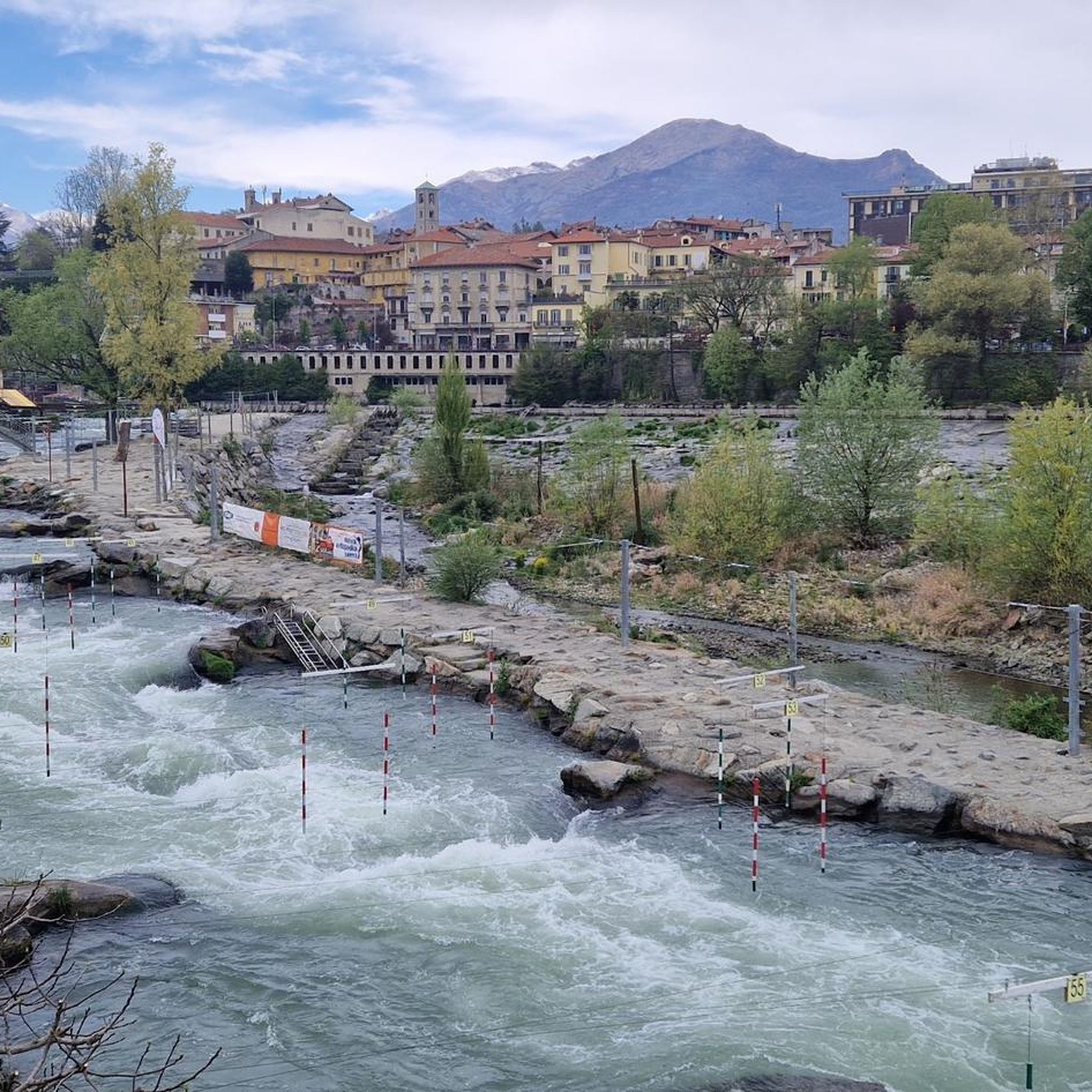
Hiking around Ivrea
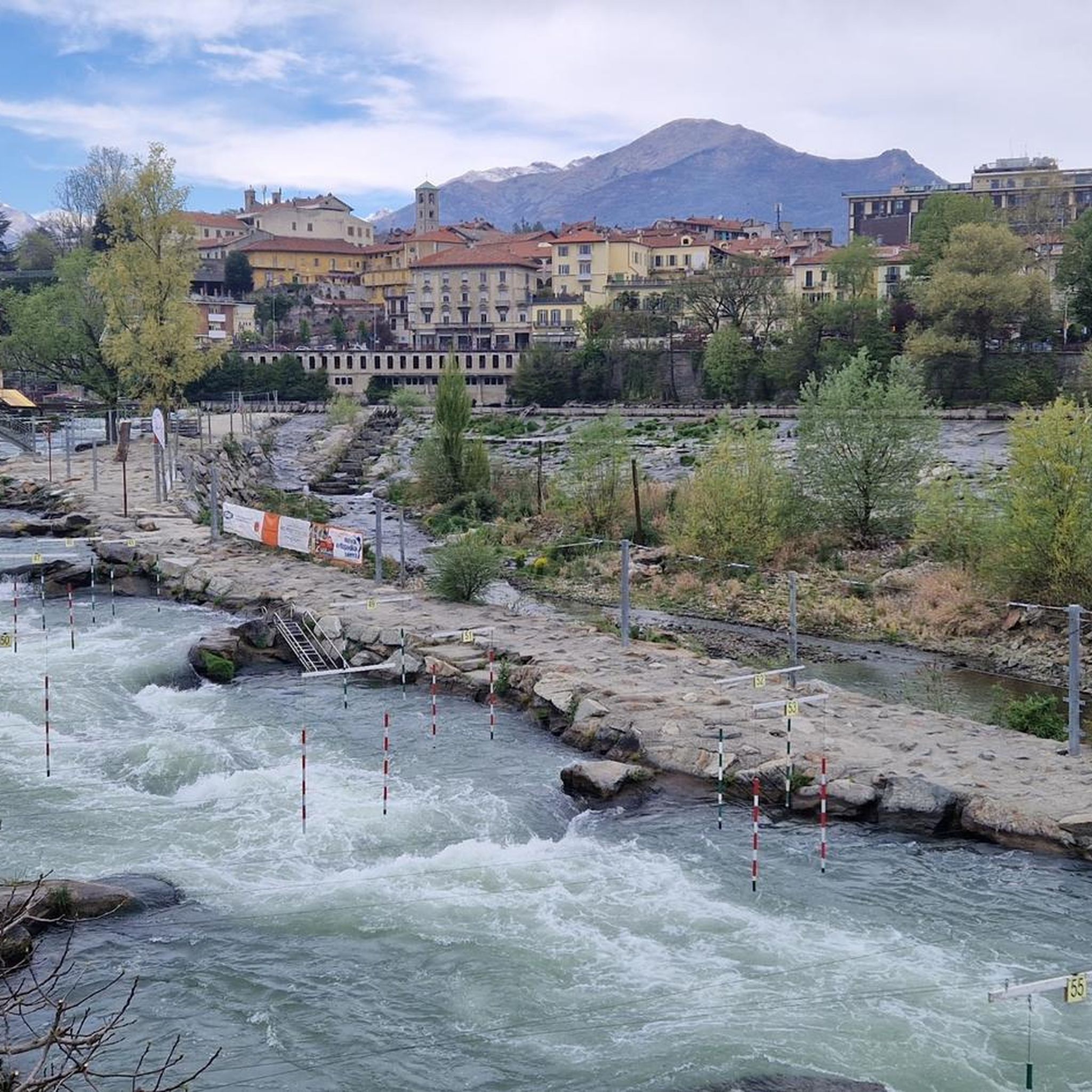
Cycling around Ivrea
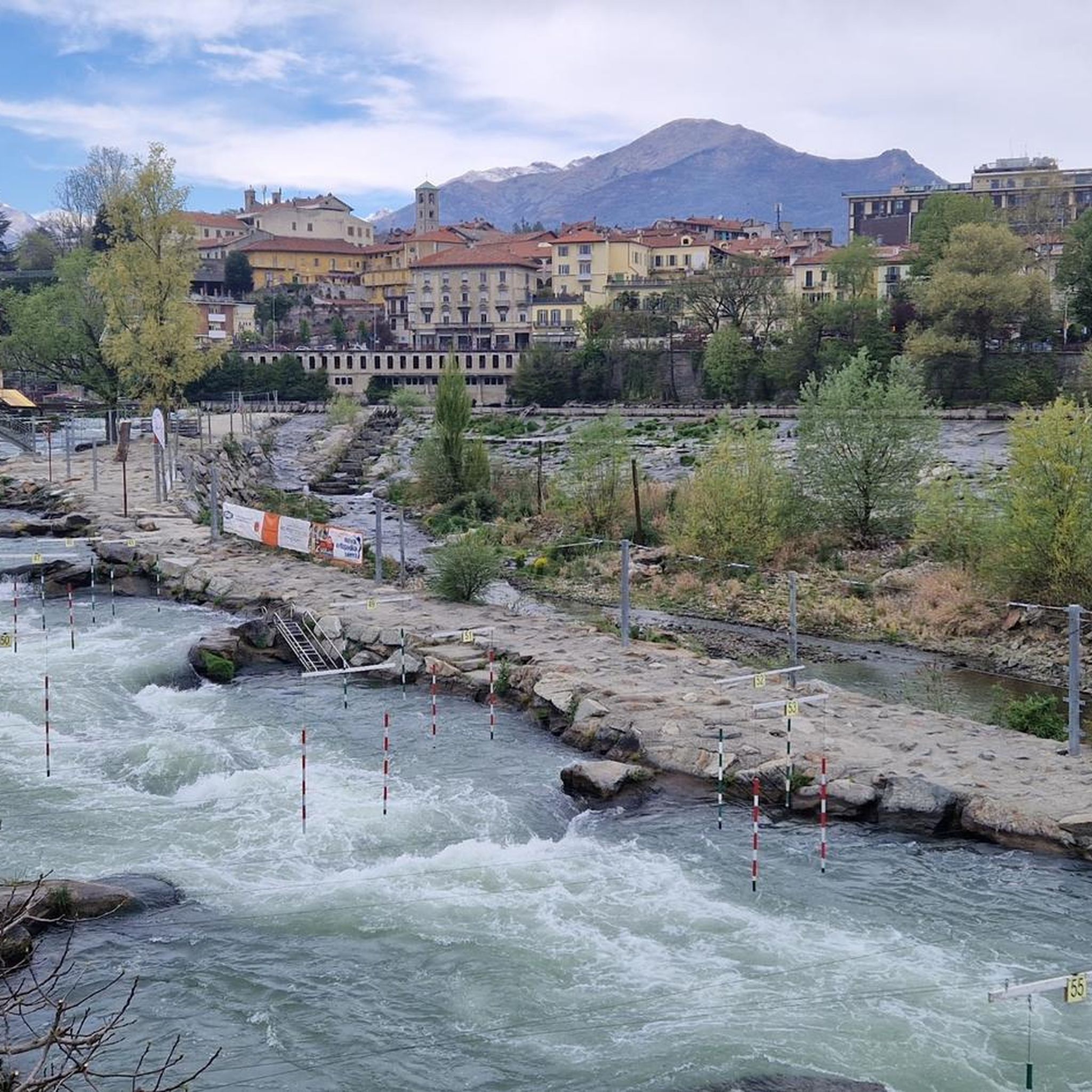
MTB Trails around Ivrea
Running Trails around Ivrea

Gravel biking around Ivrea
Other adventures around Ivrea


Tips from the Community

Must do, at least once, interesting place.
1
0

It is a unique place of its kind. In a rather small and circumscribed area 2 steps from the Montalto lake (also called "Rabbit" lake) there is an area with a very dark soil composed of water, peat, earth and medium-sized trees. Especially when the ground is wet or it has rained previously if you jump on the surface, it moves creating small waves making the surrounding trees dance. A real show! You can reach the dancing lands from 2 different dirt tracks. For those with good technical skills the entry or exit paths in both directions are also fun to pedal.
0
0

Regardless of whether you reach the Serra di Ivrea or not, even wandering around these lakes, taking advantage of the good signage present, pays off! There is a nice variety of environments and paths, from single track to dirt road, ending on cobblestone sections, never too banal, especially in the wet... the lake environments are beautiful, given that most of these lakes are not very urbanized, the stilt houses rebuilt on the shore of Lake Pistono are very beautiful, they certainly deserve a stop. Places also suitable for children, given that in the lake area the differences in altitude are very modest... just watch out for hikers, because the paths are open to everyone!
4
0

In this beautiful peat bog in Montaldo Dora there is a very particular natural phenomenon, which gives the place its name. The Terre Ballerine are in fact called this way because of the particular consistency of the ground, which makes those who walk on it feel like they are walking on a mattress.
1
0


The oasis they built with a wooden construction overlooking the lake is very pleasant
3
0

In Lake Viverone, the remains of around 5000 poles driven into the ground which supported the structures of a very ancient large pile-dwelling village dating back to the Bronze Age have been extraordinarily preserved. The site has an important archaeological value, artefacts such as swords, axes, pins and ornaments have been discovered, which have allowed us to reconstruct the life of a Bronze Age community. The site is now a World Heritage Site.
5
0

Well-preserved stilt houses that create a very suggestive context and are certainly worth a visit
2
0
Frequently Asked Questions
What unique natural monuments can I explore around Ivrea?
The Ivrea region, shaped by ancient glaciers, offers several unique natural monuments. You can explore the vast Morainic Amphitheatre of Ivrea, the longest moraine hill in Europe known as the Serra d'Ivrea, and several glacial lakes. Notable highlights include Lake Pistono and the Archaeological Park of the Stilt Houses, which combines natural beauty with historical insights, and the Bessa Gold Mining Archaeological Site, with its unique lunar landscape from ancient Roman mining.
What geological features are prominent in the Ivrea natural monuments area?
The landscape around Ivrea is profoundly shaped by ancient glaciers. Key geological features include the Morainic Amphitheatre of Ivrea, considered the most significant glacial amphitheater in Europe, and the Serra d'Ivrea, Europe's longest moraine hill. These formations resulted from the immense Balteo glacier, leaving behind rolling hills, glacier-carved lakes, and scattered erratic boulders.
Are there hiking trails near the natural monuments around Ivrea?
Yes, there are numerous hiking opportunities. The Serra d'Ivrea offers many marked routes through its wild nature. You can also find trails around the glacial lakes, such as the loop route around Lago Sirio, which passes the 'Terre Ballerine' (Dancing Lands). For more options, explore the hiking guide for Ivrea, which includes routes like 'Lago Sirio – loop in the Riserva Laghi di Ivrea' and 'Lago Nero Trail through Ivrea Morainic Amphitheatre'.
What cycling routes are available near Ivrea's natural monuments?
The region is excellent for cycling. You can find routes that take you through the Morainic Amphitheatre and past various lakes. For instance, the cycling guide for Ivrea features tours like 'From Ivrea to Lake Viverone – loop tour' and 'From Ivrea to the Bessa Nature Reserve – loop tour', allowing you to experience the diverse landscape on two wheels.
Are there family-friendly natural monuments or activities in the Ivrea area?
Many natural monuments around Ivrea are suitable for families. Lake Pistono and the Archaeological Park of the Stilt Houses offers both natural beauty and an educational reconstruction of an ancient village. The Parco Naturale del Lago di Candia is also family-friendly, with educational facilities for nature observation. Easy walking paths around some of the glacial lakes are also great for families.
What historical or archaeological sites are integrated with the natural monuments?
The Ivrea area uniquely blends natural beauty with historical significance. The Archaeological Park of the Stilt Houses at Lake Pistono features a reconstruction of a 6500-year-old village. The Pile-dwelling Village at Lake Viverone is a UNESCO World Heritage Site with preserved remains from the Bronze Age. Additionally, the Bessa Gold Mining Archaeological Site showcases the remnants of one of the largest open-pit gold mines from Roman times.
Where can I observe diverse flora and fauna in the Ivrea natural monuments region?
The Parco Naturale del Lago di Candia is a crucial wetland area and a haven for biodiversity, boasting 425 plant species and over 200 bird species, including pelicans and blue herons. The Morainic Amphitheatre of Ivrea also supports diverse flora and fauna, such as crayfish, bittern, and wild flax. Lake Viverone is particularly noted for its immense variety of avifauna, making it an excellent spot for bird watching.
What is the best time to visit the natural monuments around Ivrea?
The natural monuments around Ivrea can be enjoyed throughout much of the year. Spring and autumn offer pleasant temperatures for hiking and cycling, with vibrant foliage or blooming flowers. Summer is ideal for activities around the lakes, such as swimming in Lago Sirio. Bird watching is particularly rewarding during migratory seasons in spring and autumn at locations like the Parco Naturale del Lago di Candia and Lake Viverone.
Are there any natural monuments beyond the main lakes and moraines?
Yes, beyond the prominent glacial lakes and morainic formations, you can discover other unique natural monuments. The Bessa Gold Mining Archaeological Site, while historical, is also a natural monument with a distinctive landscape. Another interesting site is the Pera Cunca Sacrificial Stone, an important erratic boulder with ancient cultural significance, located on the southernmost slopes of the Morainic Amphitheatre.
Can I find wild swimming spots near the natural monuments?
Yes, Lago Sirio is particularly popular for swimming during the summer months. It is spring-fed, contributing to its deep and calm waters. It's a designated Site of Community Importance, highlighting its environmental significance and suitability for recreational activities like swimming.
What are the 'Five Lakes of Ivrea' and where are they located?
The 'Five Lakes of Ivrea' are all of glacial origin and nestled within the Morainic Amphitheatre. They include Lago Sirio, Lago Pistono, Lago Nero, Lago Campagna, and Lago San Michele. Lago Sirio is the largest and most well-known, located between Ivrea and Chiaverano.
What is the significance of the Parco Naturale del Lago di Candia?
The Parco Naturale del Lago di Candia is a crucial wetland area and was the first provincial park in Italy, established in 1995. It's a haven for biodiversity, recognized as a Site of Community Importance (SIC) and a Special Protection Area (ZPS) under the Natura 2000 network. It's an important stopping point for migratory and wintering birds and features educational facilities for nature observation.
Most popular attractions around Ivrea

Get inspired with the komoot mobile app


Explore more
Extend your search for the best caves by checking out these guides of the top ones around Ivrea:
