Top 20 Natural Monuments around Salassa
Best natural monuments around Salassa are found in Italy's Piedmont region, a landscape characterized by its proximity to the Canavese plain and the foothills of the Graian Alps. This area offers diverse natural attractions, from mountain peaks to unique geological formations. The region features a mix of mountainous terrain, wooded hills, and ancient glacial remnants, providing varied opportunities for outdoor exploration.
Best natural monuments around Salassa
- The most popular natural monuments is Cima Mares, a summit belonging to the…
Last updated: June 28, 2026
Cima Mares
Highlight • Summit
Translated by Google •
Tip by

Sanctuary of Sacro Monte di Belmonte
Highlight • Religious Site
Translated by Google •
Tip by

Sign up now to discover places like this
Get recommendations on the best single tracks, peaks, & plenty of other exciting outdoor places.
Sign up for free
Glacial Erratic Boulders of Vialfrè
Highlight • Natural Monument
Translated by Google •
Tip by

Monti Pelati Mountain Bike Trail
Highlight (Segment) • MTB Park
Translated by Google •
Tip by

Erratic Boulders Trail - Boulder No. 1
Highlight • Natural Monument
Translated by Google •
Tip by

Sign up for free to discover even more natural monuments around Salassa.
Sign up for free
Already have an account?
Start today with a free account
Your next adventure awaits.
Login or Signup
Tips from the Community

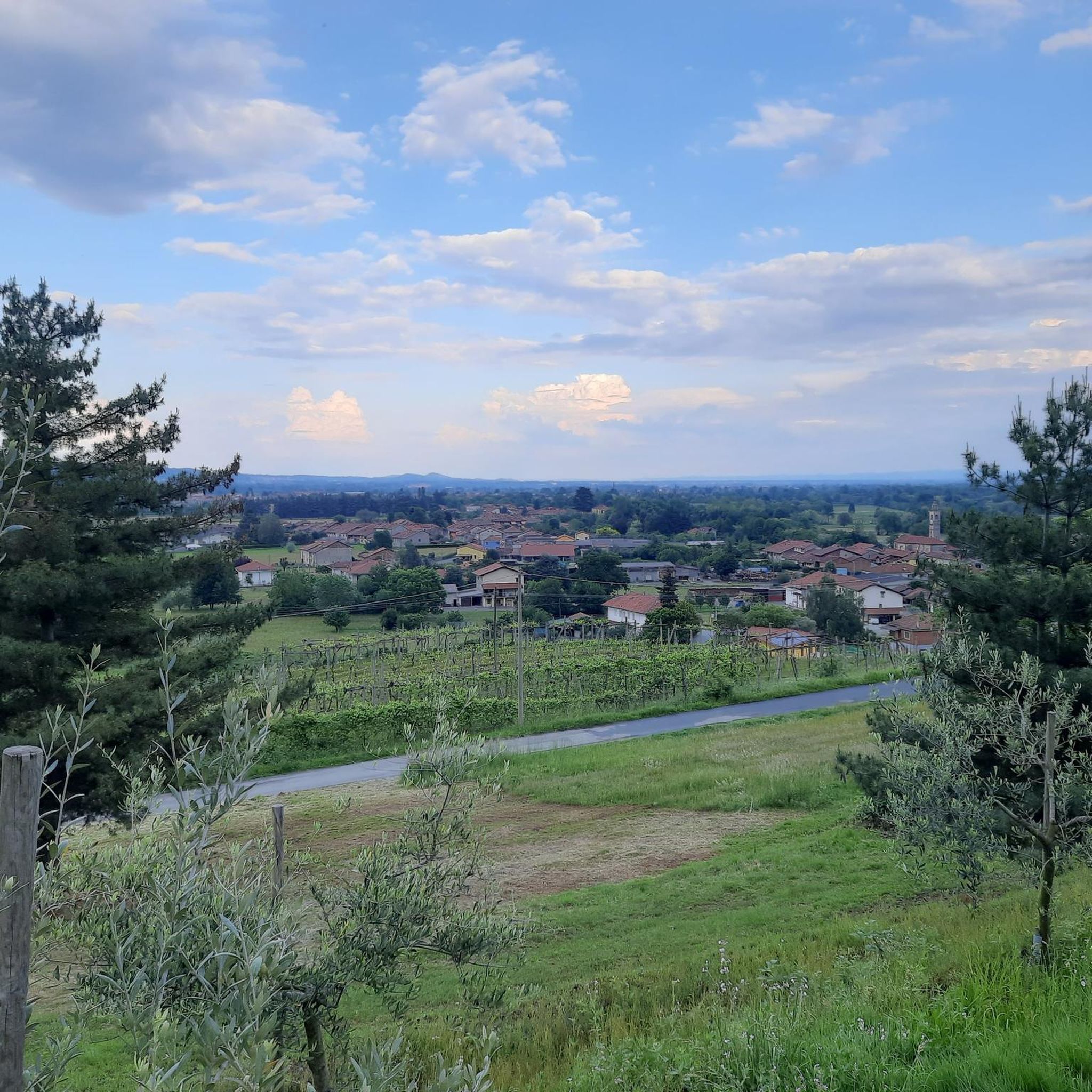
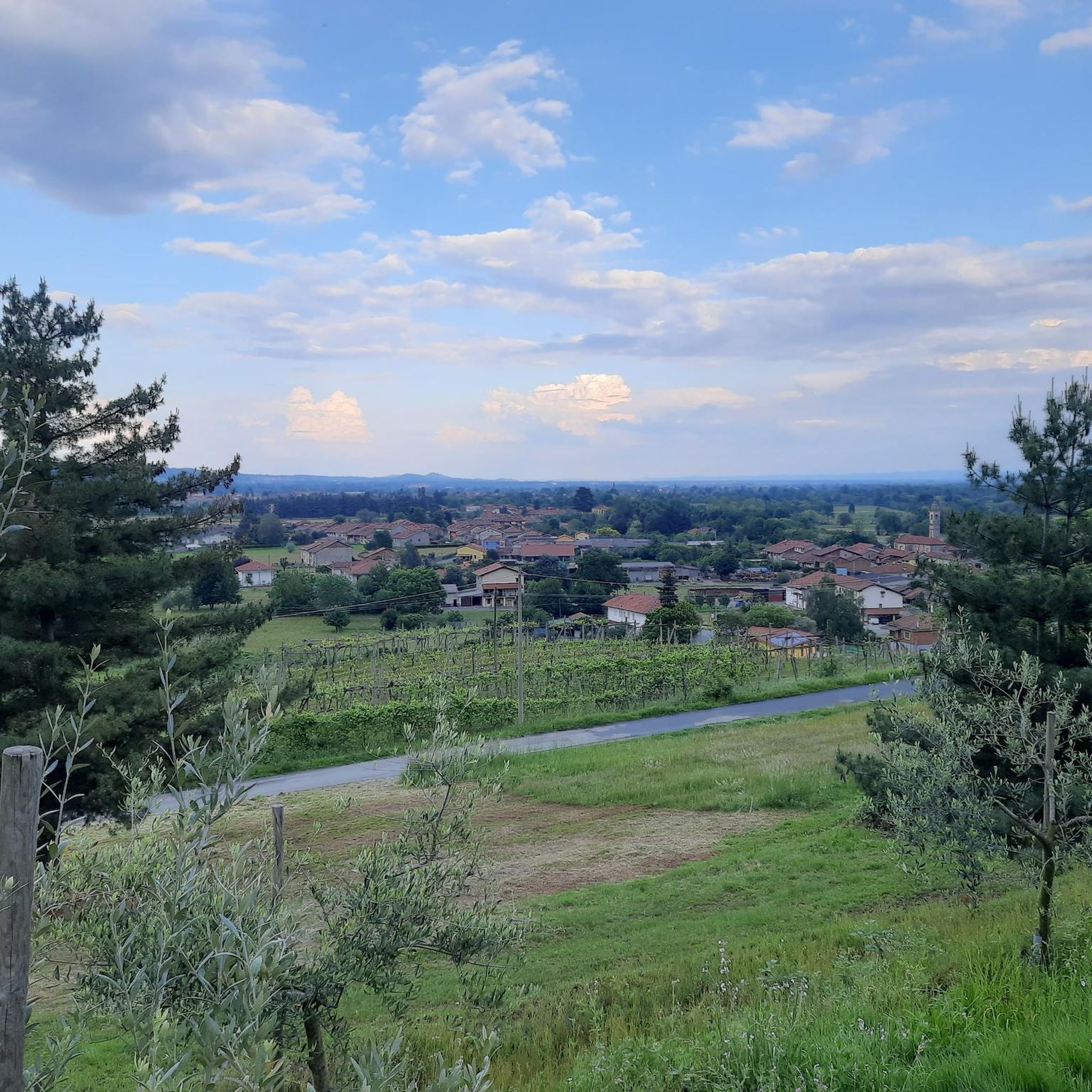
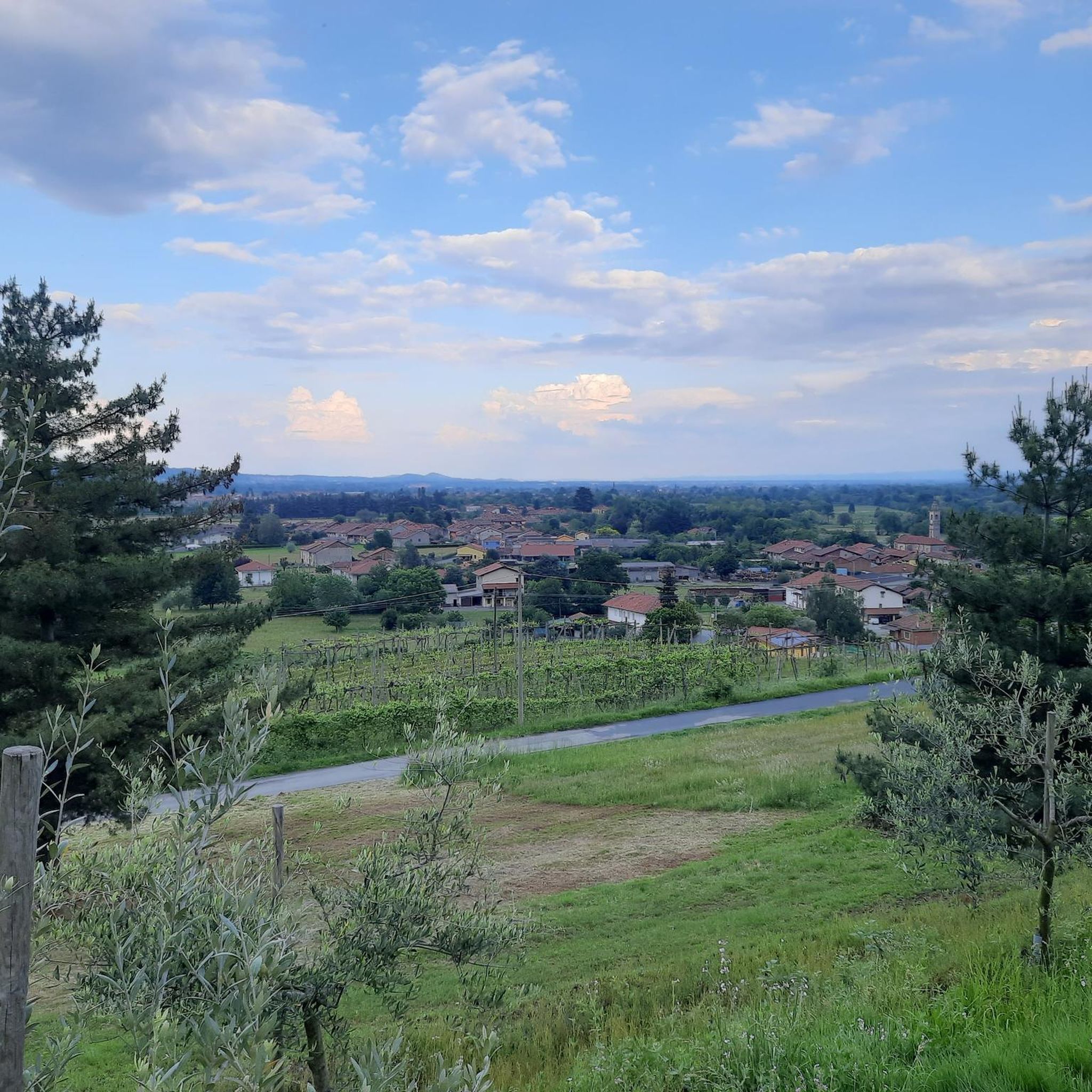
On Cima Mares there isn't much, apart from a cross and the repeaters, but the panorama is worth the effort to climb it, the view actually ranges from the Maritime Alps, which are very clearly distinguishable in conditions of good visibility, then moving your gaze to the right you encounter Monviso, a good part of the peaks of Cuneese and the lower Susa valley, because the upper part is screened by the silhouette of Monte Soglio, which forms the watershed between the Orco valley and the Lanzo valleys. To the right, overlooking the upper part of the valley towards Ceresole, you can admire the satellites of G. Paradiso and other minor peaks, which however almost all exceed 2500 meters and offer a grandiose spectacle.
0
0

sanctuary with panoramic terraces
0
0

place with a remarkable view
0
0
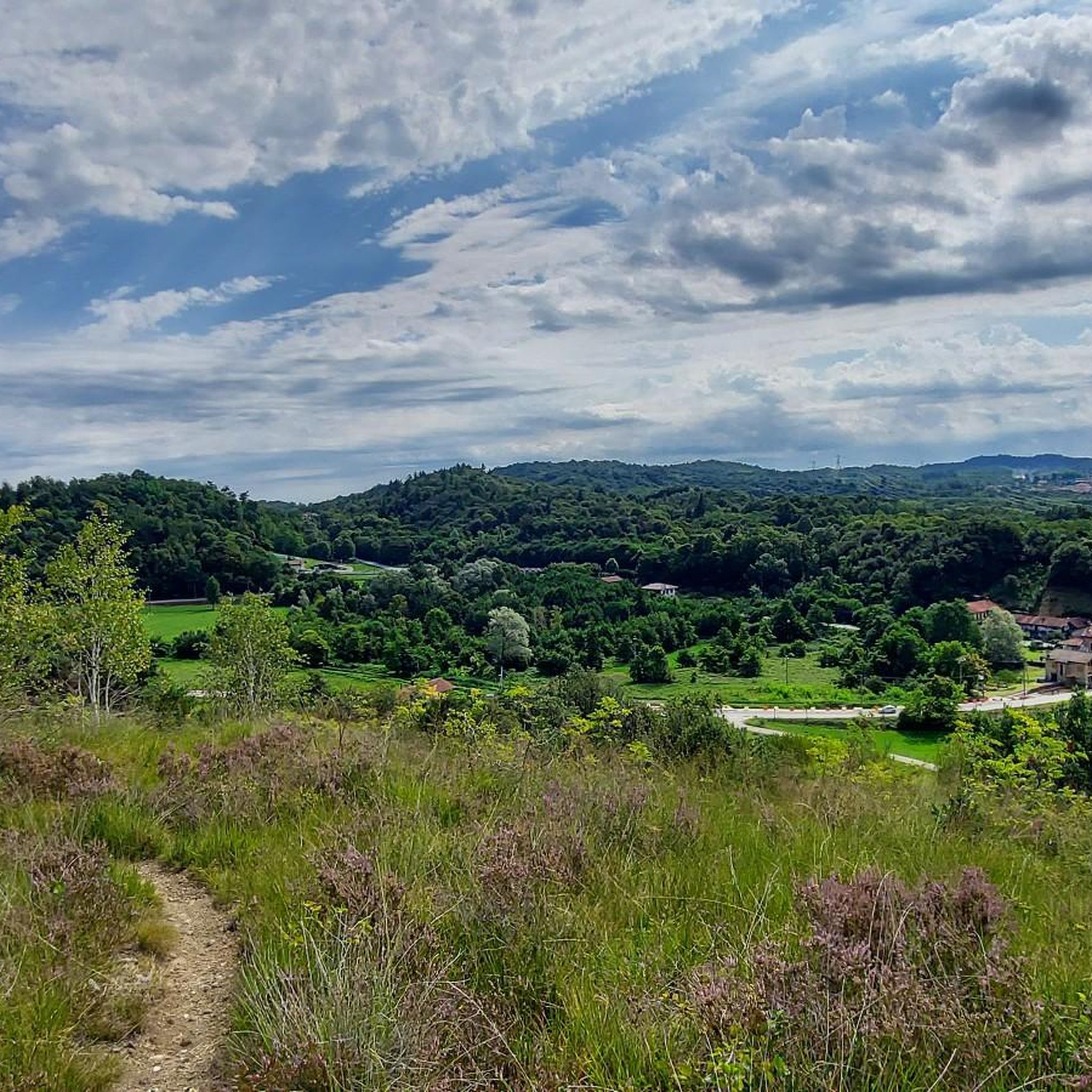
After crossing Vialfrè along via Roma and via Borghetto, after a trail that runs alongside a fence you find yourself... in a meadow! Luckily, a providential sign guides you, to the left, to the start of the erratic boulders trail, other signs, to follow, show the right path first along an asphalt road, finally, with another left turn at a hairpin bend, back on the right path. Here begins a nice flowing stretch, never difficult (S2 max), but not at all trivial, because the ground, almost always pebbly, requires constant attention when driving. The trail is not critical, in the sense that, even "skipping" some deviations, you still find yourself on other paths almost parallel to the one I took. In the end, all the paths converge almost in the same point... in front of the highway to Aosta: following the trail, other nice paths lead to Villate.
0
0

The erratic boulders represent one of the most curious and typical aspects of glacial morphologies and are an interesting feature of the Morainic Amphitheater of Ivrea. Due to their imposing size, they have always aroused the interest of man, who in the past often used them as sacrificial altars. The erratic boulders originate from the Balteo glacier in the Pleistocene period: its erosive action gave rise to large debris, which was transported even for great distances with the advance of the ice. At the end of the glaciation, during the retreat phase of the glacier, the boulders were deposited on the ground, sometimes remaining resting on the surface, There are many erratic boulders in this stretch of moraine hill, but only 9, the largest and most beautiful, have been reported. This is the first, from which a ring starts that takes you to see them all and returns to the starting point. However, be aware that between boulder 3 and boulder 6 there are steps and you need to bring your bike.
0
0
Here, during the Ice Age, the Balteo Glacier transported enormous boulders to its surface, which were then released when rising temperatures melted the ice.
0
0

A spectacle of nature and history
1
0

Very panoramic, 360 degree view
0
0
Frequently Asked Questions
What are some popular natural monuments to visit near Salassa?
Among the highly regarded natural monuments near Salassa, you'll find Cima Mares, a summit offering extensive panoramic views. Another significant site is the Sanctuary of Sacro Monte di Belmonte, which combines historical and natural beauty. The Monti Pelati Mountain Bike Trail area is also popular for its unique rock formations and distinct flora.
What kind of natural features can I expect to see around Salassa?
The region around Salassa offers a diverse range of natural features. You can explore mountain summits like Cima Mares, unique geological formations such as the Glacial Erratic Boulders of Vialfrè, and special natural reserves like the one surrounding Sacro Monte di Belmonte. There are also serene water features like Lake Paolet.
Are there any UNESCO World Heritage sites among the natural monuments near Salassa?
Yes, the Sanctuary of Sacro Monte di Belmonte, located on a hill covered by thick vegetation, is a UNESCO World Heritage site. It's recognized for its religious and historical importance, as well as the natural beauty of its surrounding Special Natural Reserve.
Are there hiking opportunities near the natural monuments around Salassa?
Absolutely. Many natural monuments offer excellent hiking opportunities. For instance, the area around the Sanctuary of Sacro Monte di Belmonte features a circular path through ancient forests. You can also find trails leading to summits like Cima Mares. For more options, explore the Running Trails around Salassa guide, which includes routes like the 'Sacred Mountain of Belmonte loop from Valperga'.
Can I go mountain biking near these natural monuments?
Yes, mountain biking is a popular activity. The Monti Pelati Mountain Bike Trail is a natural reserve known for its challenging routes and unique geology. You can find more mountain biking options in the MTB Trails around Salassa guide, including routes like the 'Sacro Monte di Belmonte Loop from Valperga'.
What other outdoor activities are available near Salassa's natural monuments?
Beyond hiking and mountain biking, the region offers various outdoor activities. You can find numerous cycling routes, such as those listed in the Cycling around Salassa guide, which include scenic loops like 'View of Castello di Valperga – Pian del Lupo loop'. The diverse landscapes are also suitable for general nature observation and photography.
Where can I find unique geological formations near Salassa?
For unique geological formations, visit the Glacial Erratic Boulders of Vialfrè. These enormous prehistoric boulders were transported by ancient glaciers. Another site with distinct geology is the Monti Pelati Mountain Bike Trail area, characterized by its unusual rock composition and special flora.
Is there wildlife to observe in the natural monuments around Salassa?
Yes, the region is rich in wildlife. The nearby Parco Nazionale del Gran Paradiso, Italy's first national park, is famous for its Alpine ibex, marmots, and golden eagles. Closer to Salassa, Lake Paolet is a site of great naturalistic importance, home to many species, including the endangered Pelobates fosco insubrico toad.
Are there any natural monuments with historical significance?
The Sanctuary of Sacro Monte di Belmonte is a prime example, being a UNESCO World Heritage site with evidence of settlements dating back to prehistoric and Longobard times. The Glacial Erratic Boulders of Vialfrè also tell a story of ancient geological history from the Ice Age.
Are the natural monuments around Salassa suitable for families?
Many natural monuments offer accessible and enjoyable experiences for families. Sites like the Sacro Monte di Belmonte provide serene environments for walks through forests. The paths to the Glacial Erratic Boulders of Vialfrè can also be an interesting and educational outing for children.
What is the best time of year to visit the natural monuments near Salassa?
The best time to visit largely depends on the specific monument and desired activity. Spring and autumn generally offer pleasant temperatures for hiking and exploring the wooded areas and lower elevations. Summer is ideal for higher alpine regions like the Gran Paradiso, while winter can offer unique snowy landscapes, though some areas may be less accessible.
What do visitors say about the natural monuments around Salassa?
Visitors frequently praise the extraordinary views, such as those from Cima Mares, which is described as an 'authentic panoramic balcony'. The Sanctuary of Sacro Monte di Belmonte is appreciated for its 'beautiful place of historical, religious and naturalistic interest'. The region's natural monuments have garnered over 110 upvotes and more than 80 photos shared by the komoot community, highlighting their appeal.
Are there any natural reserves or national parks accessible from Salassa?
Yes, Salassa is well-positioned near significant protected areas. The Riserva Naturale Speciale del Sacro Monte di Belmonte is a Special Natural Reserve close by. Further afield, but accessible, is the vast Parco Nazionale del Gran Paradiso, Italy's first national park, offering stunning alpine landscapes and rich biodiversity.
Most popular routes around Salassa
Most popular attractions around Salassa

Get inspired with the komoot mobile app


Explore more
Extend your search for the best caves by checking out these guides of the top ones around Salassa:
