Top 20 Natural Monuments around Romano Canavese
Best natural monuments around Romano Canavese are situated within the broader Ivrea Morainic Amphitheater, a significant glacial formation characterized by moraine walls and numerous lakes. This region in Piedmont, Italy, offers diverse geological features and ecological sites. The area provides opportunities to explore unique natural phenomena and landscapes shaped by ancient glaciers. Visitors can find a variety of natural attractions showcasing the area's distinct geological history.
Best natural monuments around Romano Canavese
- The most popular natural monuments is Lake Candia…
Last updated: October 15, 2026
Lake Pistono and the Archaeological Park of the Stilt Houses
Highlight • Lake
Translated by Google •
Tip by

The Dancing Lands
Highlight • Natural Monument
Translated by Google •
Tip by

Sign up now to discover places like this
Get recommendations on the best single tracks, peaks, & plenty of other exciting outdoor places.
Pile-dwelling Village at Lake Viverone
Highlight • Historical Site
Translated by Google •
Tip by

Lake Candia
Highlight • Lake
Translated by Google •
Tip by
Pera Cunca Sacrificial Stone
Highlight • Natural Monument
Translated by Google •
Tip by

Sign up for free to discover even more natural monuments around Romano Canavese.
Already have an account?
Start today with a free account
Your next adventure awaits.

Tips from the Community

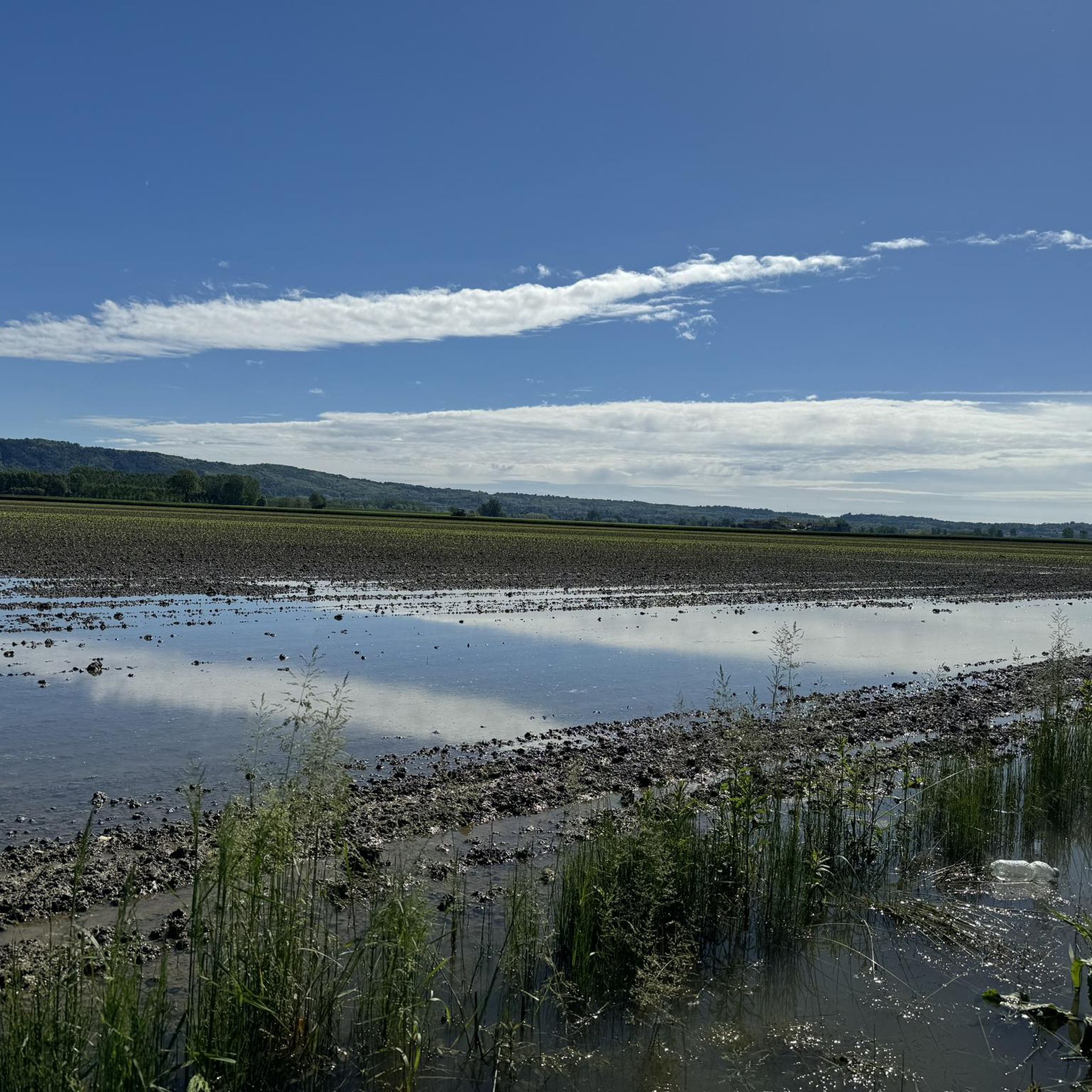
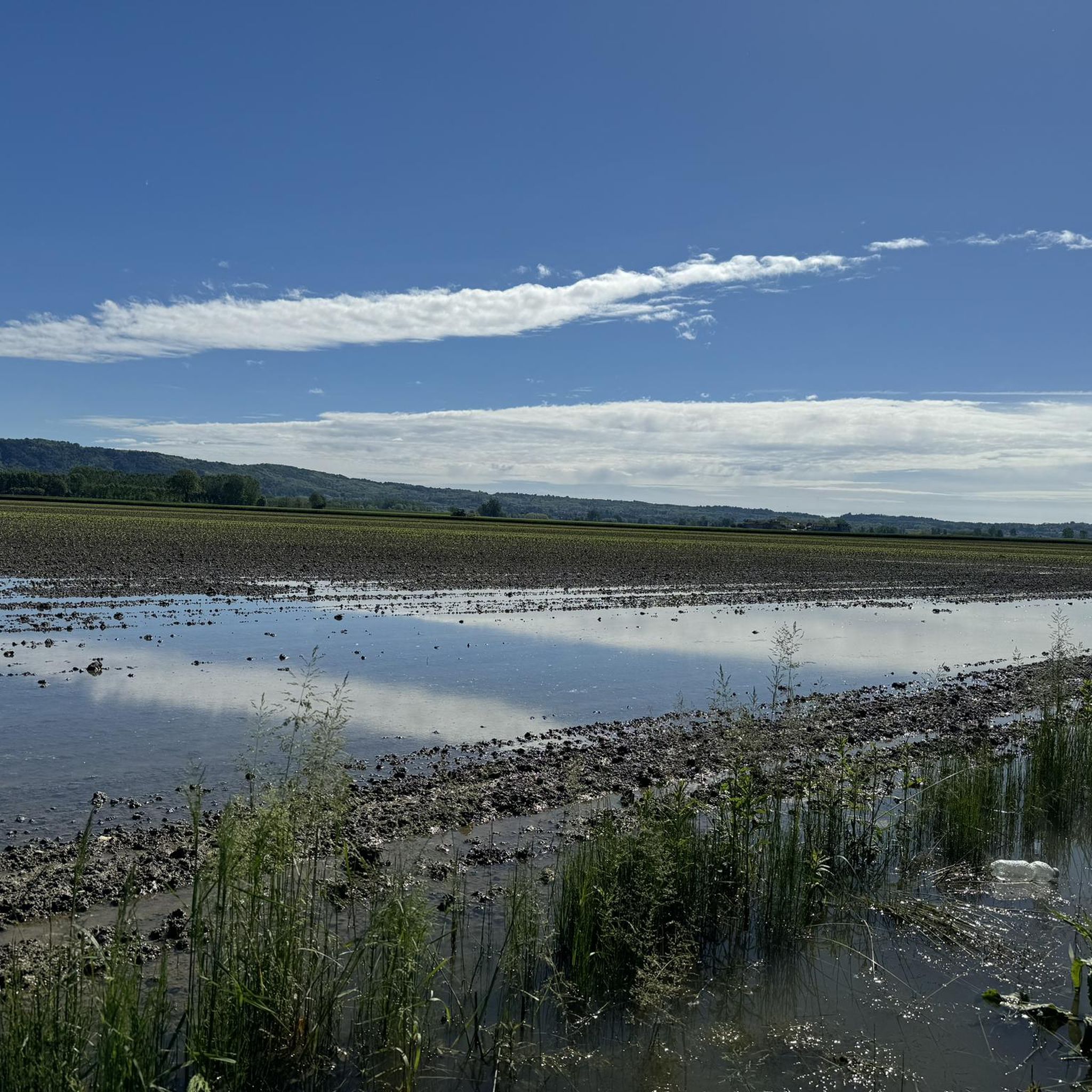
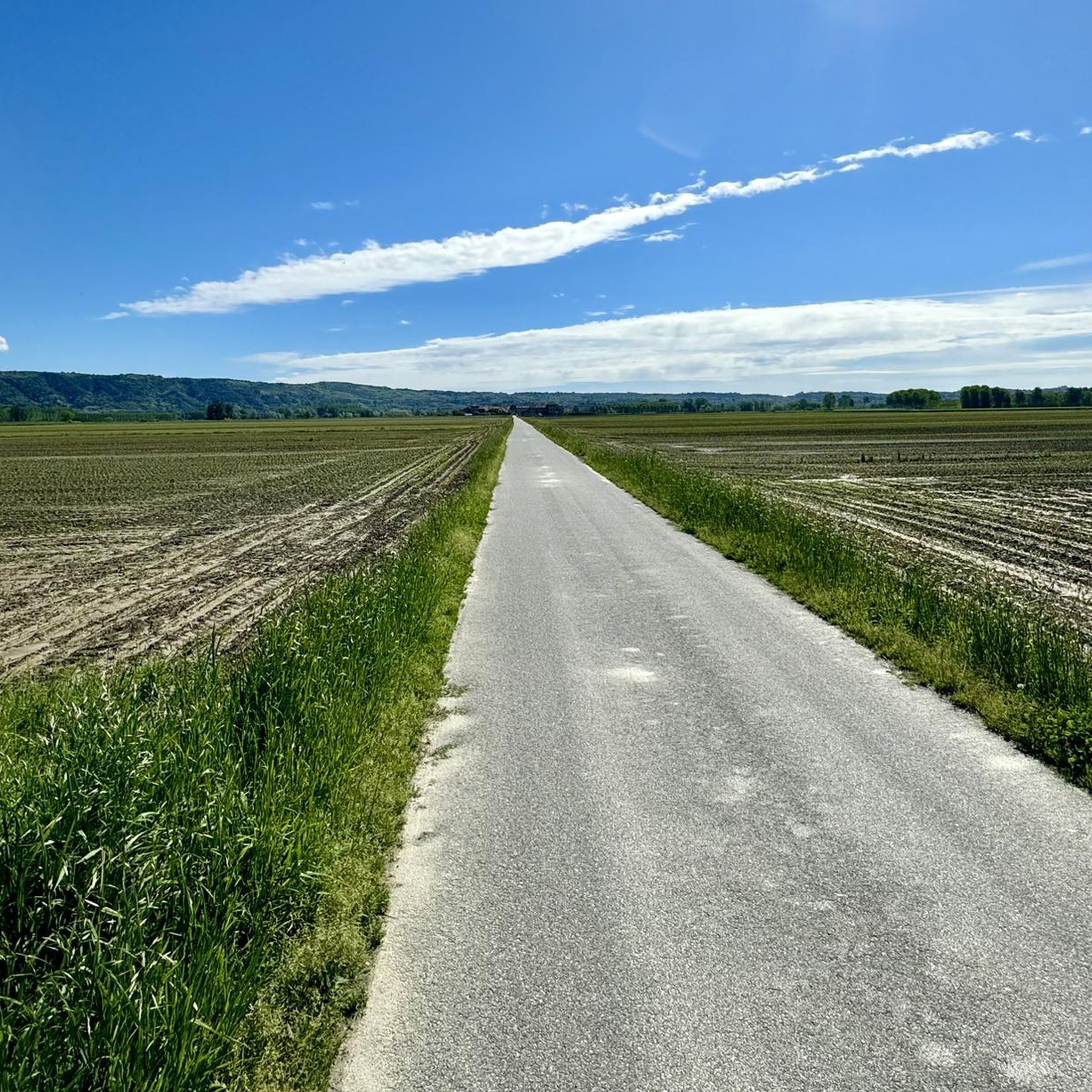
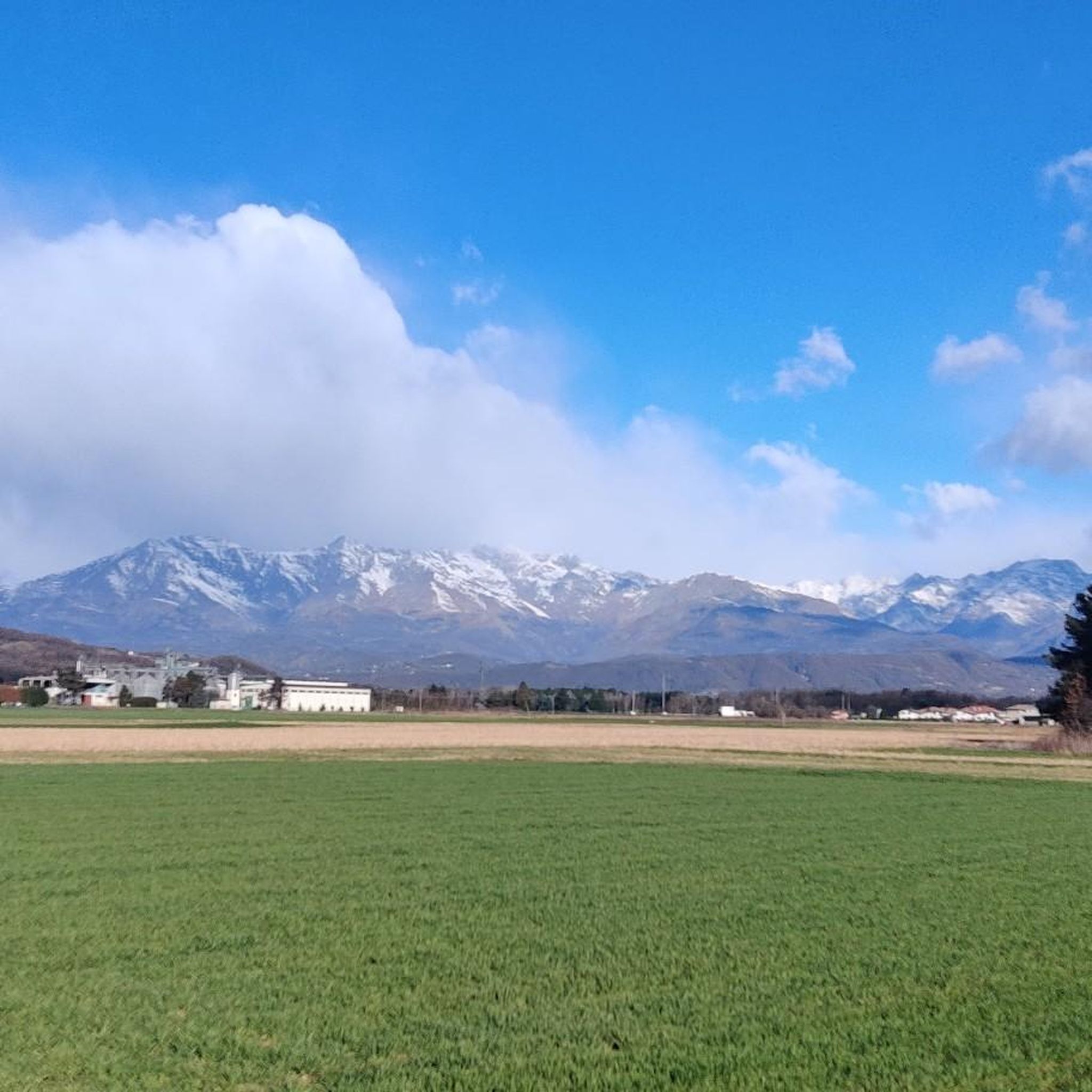
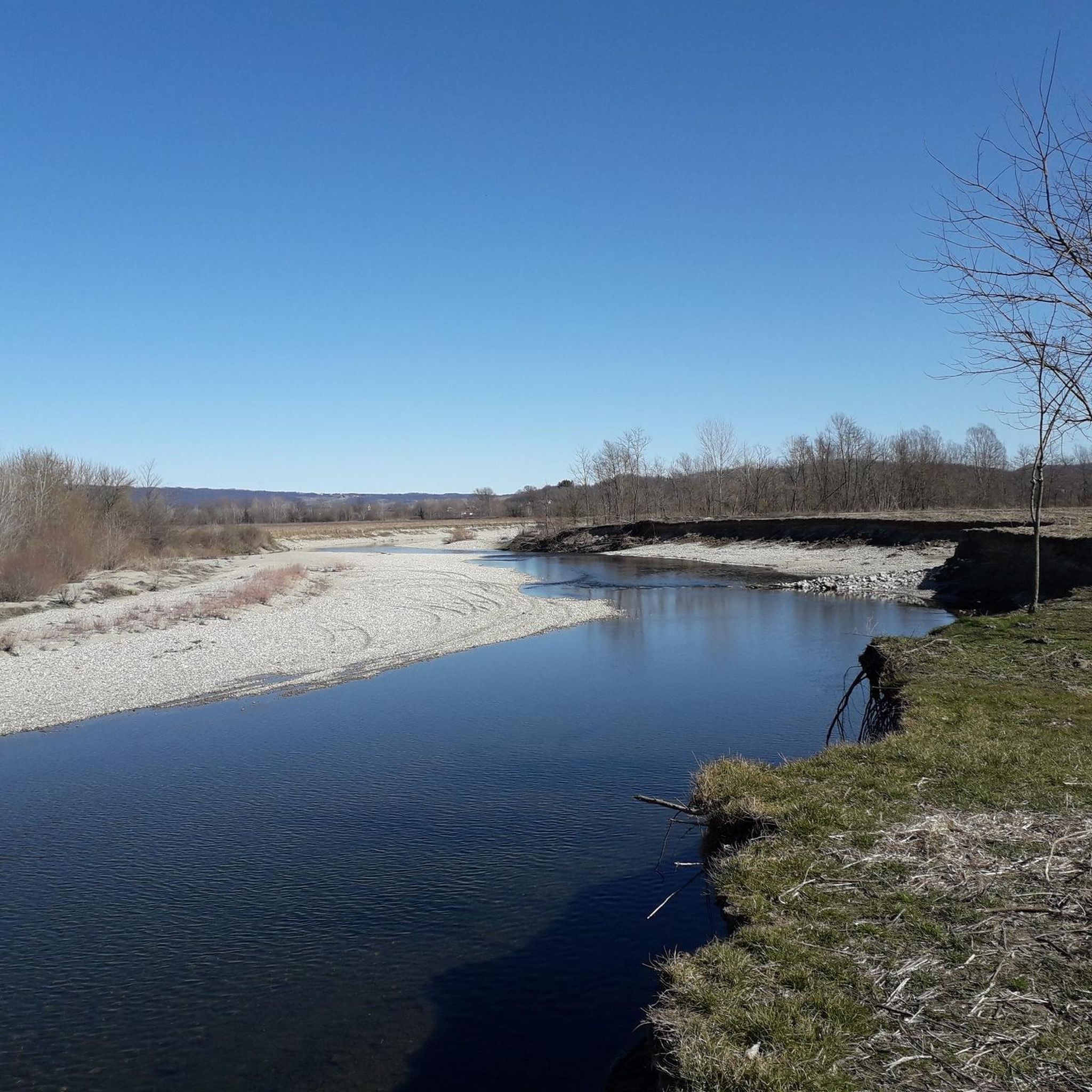
The area depicted in these images is located a short distance from the parking lot where it's best to leave your car and explore (on foot or by bike) the countless trails that surround the lake. This is one of the few truly accessible areas along the entire perimeter because, perhaps to protect the lake's fragile ecosystem, the trail that circles it is kept at a constant distance. In any case, aside from the lake, the entire surrounding rural area is worth a visit, still pleasantly unspoiled. A trip in autumn is highly recommended for the myriad colors of the vegetation. Both cyclists and walkers should be careful, as I didn't notice any distinction between trails reserved for mountain bikes and those reserved for pedestrians; many secondary paths have dead ends!
0
0

A photo on the park's pier is a must. Stunning view...
0
0

It is a unique place of its kind. In a rather small and circumscribed area 2 steps from the Montalto lake (also called "Rabbit" lake) there is an area with a very dark soil composed of water, peat, earth and medium-sized trees. Especially when the ground is wet or it has rained previously if you jump on the surface, it moves creating small waves making the surrounding trees dance. A real show! You can reach the dancing lands from 2 different dirt tracks. For those with good technical skills the entry or exit paths in both directions are also fun to pedal.
0
0
Regardless of whether you reach the Serra di Ivrea or not, even wandering around these lakes, taking advantage of the good signage present, pays off! There is a nice variety of environments and paths, from single track to dirt road, ending on cobblestone sections, never too banal, especially in the wet... the lake environments are beautiful, given that most of these lakes are not very urbanized, the stilt houses rebuilt on the shore of Lake Pistono are very beautiful, they certainly deserve a stop. Places also suitable for children, given that in the lake area the differences in altitude are very modest... just watch out for hikers, because the paths are open to everyone!
4
0

In this beautiful peat bog in Montaldo Dora there is a very particular natural phenomenon, which gives the place its name. The Terre Ballerine are in fact called this way because of the particular consistency of the ground, which makes those who walk on it feel like they are walking on a mattress.
1
0


The oasis they built with a wooden construction overlooking the lake is very pleasant
3
0
Frequently Asked Questions
What unique natural phenomena can I experience near Romano Canavese?
One of the most unique experiences is visiting The Dancing Lands. This small forest has soil composed of peat resting on water, creating an elastic ground that makes walking feel like traversing a mattress. When you jump, the ground moves, making the surrounding trees appear to 'dance'.
What geological features define the natural landscape around Romano Canavese?
The region is primarily shaped by the impressive Ivrea Morainic Amphitheater, an ancient glacial formation. This area features significant moraine walls, numerous glacial lakes, and diverse geological wonders. You can observe the impact of ancient glaciers throughout the landscape.
Are there family-friendly natural monuments near Romano Canavese?
Yes, several natural monuments are suitable for families. Lake Candia is a popular spot, especially in summer, offering a natural park for activities. The Dancing Lands also offers an easy and fun experience for all ages. Additionally, Lake Pistono and the Archaeological Park of the Stilt Houses combines natural beauty with historical exploration, which can be engaging for families.
What outdoor activities can I do near these natural monuments?
The area around Romano Canavese offers a variety of outdoor activities. You can explore numerous hiking trails, including sections of the Alta Via dell'Anfiteatro Morainico di Ivrea. There are also many options for mountain biking and gravel biking. For more details on routes, check out the hiking guide, MTB trails guide, and gravel biking guide for the region.
Are there any historical or archaeological sites combined with natural monuments?
Absolutely. You can visit Lake Pistono and the Archaeological Park of the Stilt Houses, which offers views of Lake Pistono and Montalto castle alongside a reconstruction of an ancient village. Another significant site is the Pile-dwelling Village at Lake Viverone, a UNESCO World Heritage site preserving remains of a Bronze Age settlement.
What is the best time of year to visit the natural monuments around Romano Canavese?
The natural monuments are generally enjoyable throughout the year, but spring and autumn offer particularly pleasant temperatures for hiking and exploring. During these seasons, the landscapes are vibrant with new growth or rich autumn colors. Summer is also popular, especially for activities around the lakes.
Are there easy walks or beginner-friendly natural monuments?
Yes, The Dancing Lands is easily accessible via dirt tracks with minimal elevation changes, making it suitable for all fitness levels. The trails around Lake Candia also offer relatively flat paths within its natural park, perfect for leisurely strolls.
What do visitors particularly enjoy about the natural monuments in this region?
Visitors often highlight the unique sensory experience of The Dancing Lands, describing it as impressive and worth trying. The tranquility and scenic beauty of lakes like Lake Viverone and Lake Candia are also frequently praised, offering peaceful stops and picturesque views.
Can I find viewpoints offering scenic views of the natural landscape?
Yes, the region provides several scenic viewpoints. From Lake Pistono, you can enjoy splendid views of the lake itself and the Montalto castle. Many spots within the broader Ivrea Morainic Amphitheater also offer panoramic vistas of the glacial landscape and its numerous lakes.
Are there any ancient ritual sites among the natural monuments?
Yes, the Pera Cunca Sacrificial Stone is an important erratic boulder with distinctive cavities and channels. Traditionally known as a 'boulder-altar,' it is believed to have been used for pagan rites in antiquity, offering a glimpse into the region's ancient spiritual practices.
What types of lakes can be found in the Romano Canavese area?
The area is rich in glacial lakes, formed by ancient ice movements. Notable examples include Lake Candia, Lake Pistono, and Lake Viverone. These lakes are integral to the scenic beauty and offer various recreational opportunities.
Are there specific hiking trails to explore the natural monuments?
Yes, the Ivrea Morainic Amphitheater offers various hiking opportunities, including the Alta Via dell'Anfiteatro Morainico di Ivrea. You can find several routes, such as the 'Alta Via dell'Anfiteatro Morenico di Ivrea' and the 'Ivrea Morainic Amphitheater High Route: Romano Canavese Link Trail', which allow you to explore this unique landscape. More details are available in the hiking guide for Romano Canavese.
Most popular routes around Romano Canavese
Most popular attractions around Romano Canavese

Get inspired with the komoot mobile app


Explore more
Extend your search for the best caves by checking out these guides of the top ones around Romano Canavese:
