Top 18 Natural Monuments around Piode
Best natural monuments around Piode include a selection of captivating natural attractions in the Valsesia valley. This region features significant geological formations and scenic alpine landscapes. The area is characterized by its river environment along the Sesia and its surrounding mountain peaks. Piode offers a diverse natural setting for exploration.
Best natural monuments around Piode
- The most popular natural monument is Summit of Monte Barone, a summit that dominates the Sessera valley and the Strona di Postua valley. This…
Last updated: October 1, 2026
Bocchetto Sessera Pass
Highlight • Mountain Pass
Showing Translation
Tip by

Summit of Monte Barone
Highlight • Summit
Translated by Google •
Tip by

Sign up now to discover places like this
Get recommendations on the best single tracks, peaks, & plenty of other exciting outdoor places.
Labirinto di Stavello
Highlight • Structure
Translated by Google •
Tip by

Balma Quarries Park
Highlight • Climb
Showing Translation
Tip by
Monte Bo in Valsesia
Highlight • Summit
Translated by Google •
Tip by

Sign up for free to discover even more natural monuments around Piode.
Already have an account?
Start today with a free account
Your next adventure awaits.
Tips from the Community

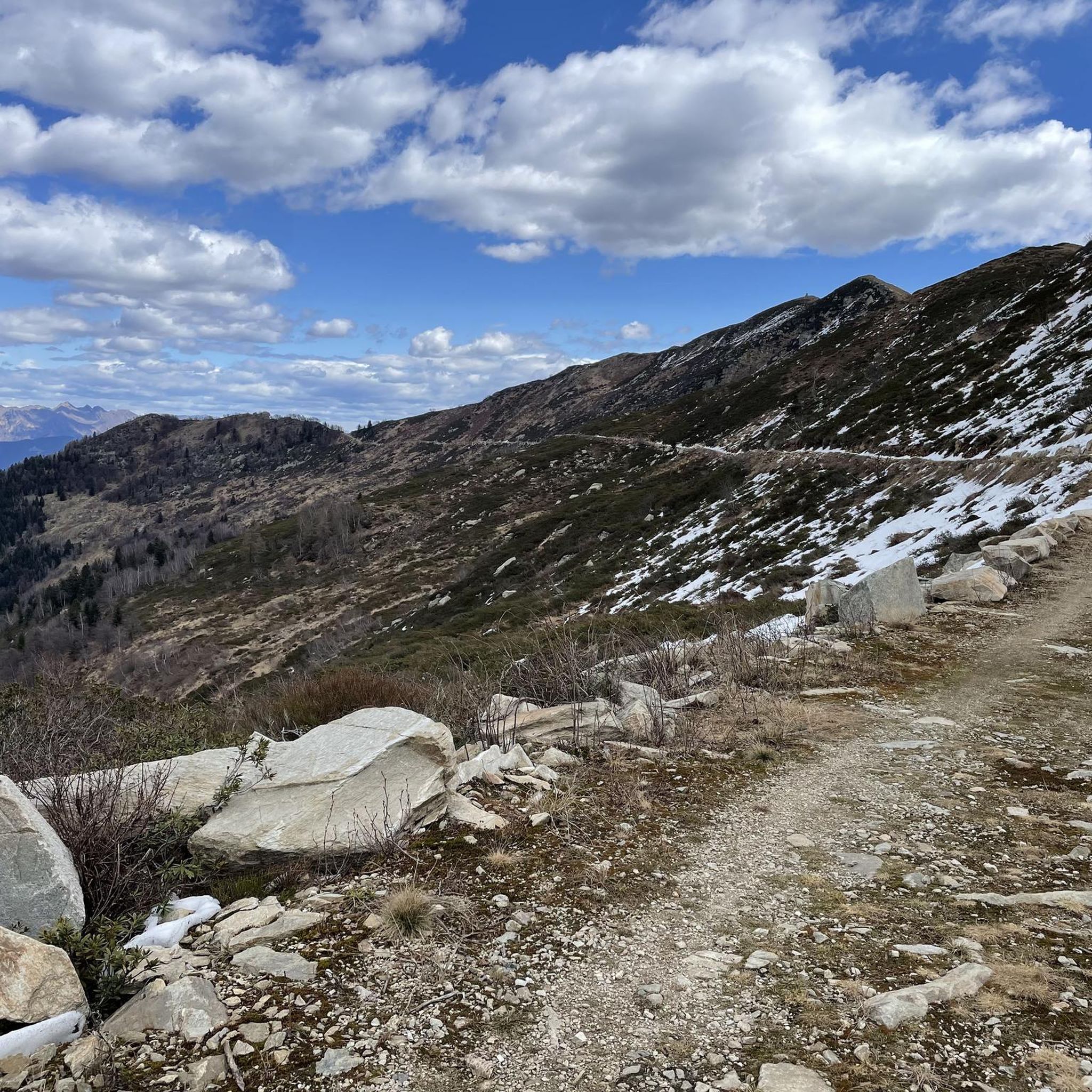
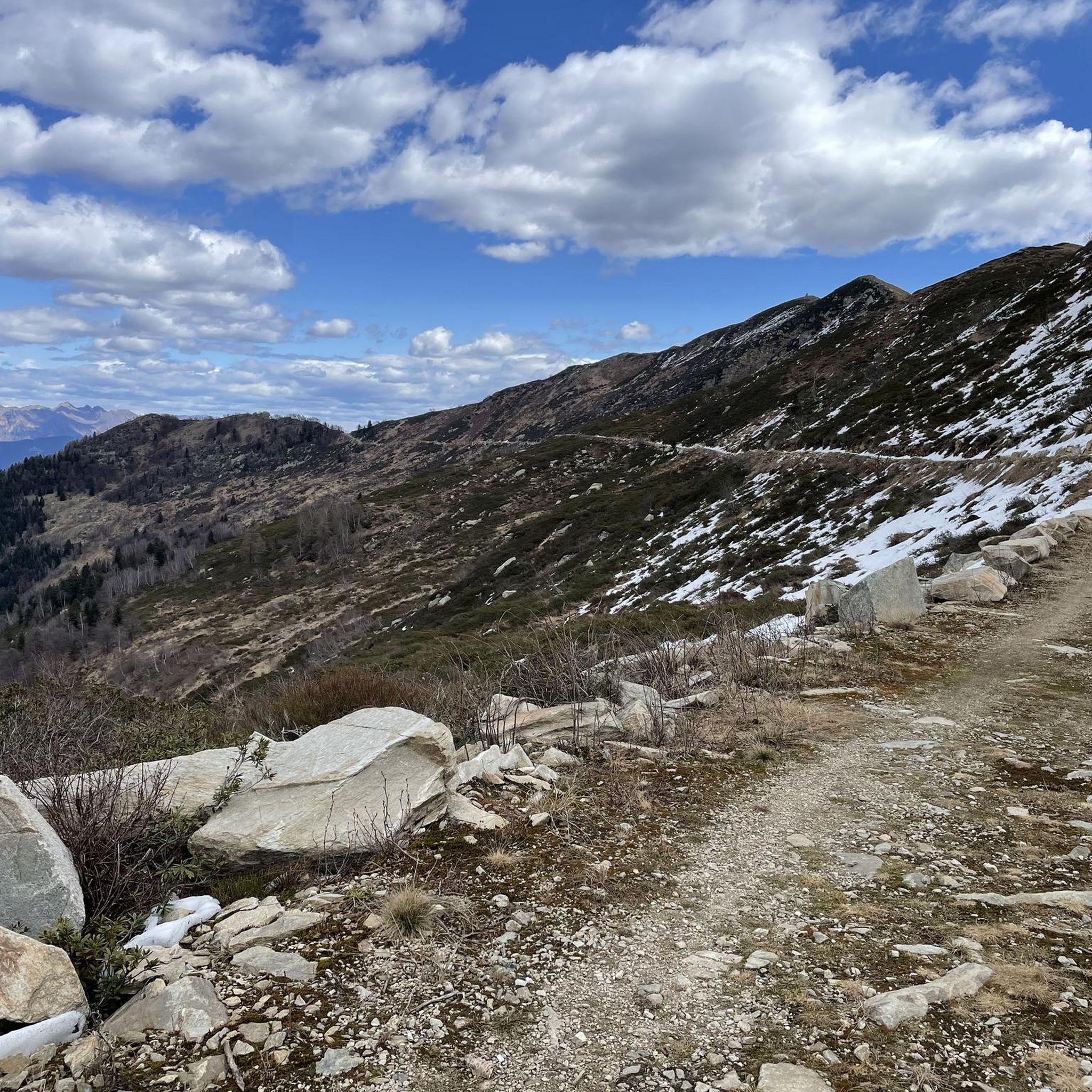
The **Passo (or Bocchetto) di Bocchetto Sessera is an alpine pass located in the Biella Alps, in the Province of Biella (Piedmont, Italy). It connects the Valle dello Strona di Mosso with the Val Sessera, between the mountains Monte Marca (1,558 m) and Monticchio (1,697 m).
14
0
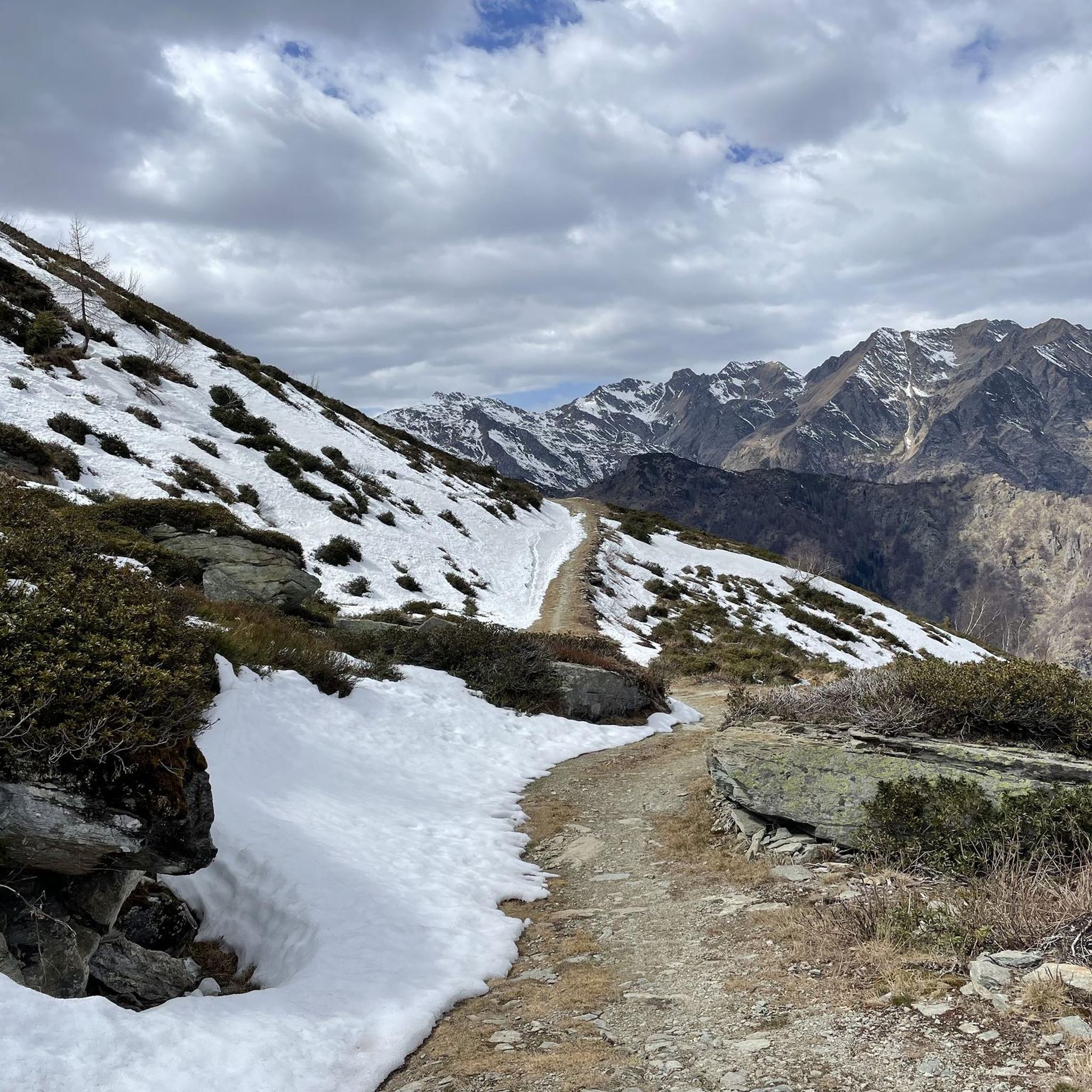
The Parco delle Cave della Balma is a natural area of a quarry or recovered extraction zone located in the territory of Campiglia Cervo / Biella (Piedmont, Italy), near Biella San Paolo, highly appreciated by hikers and mountain bike lovers.
14
0

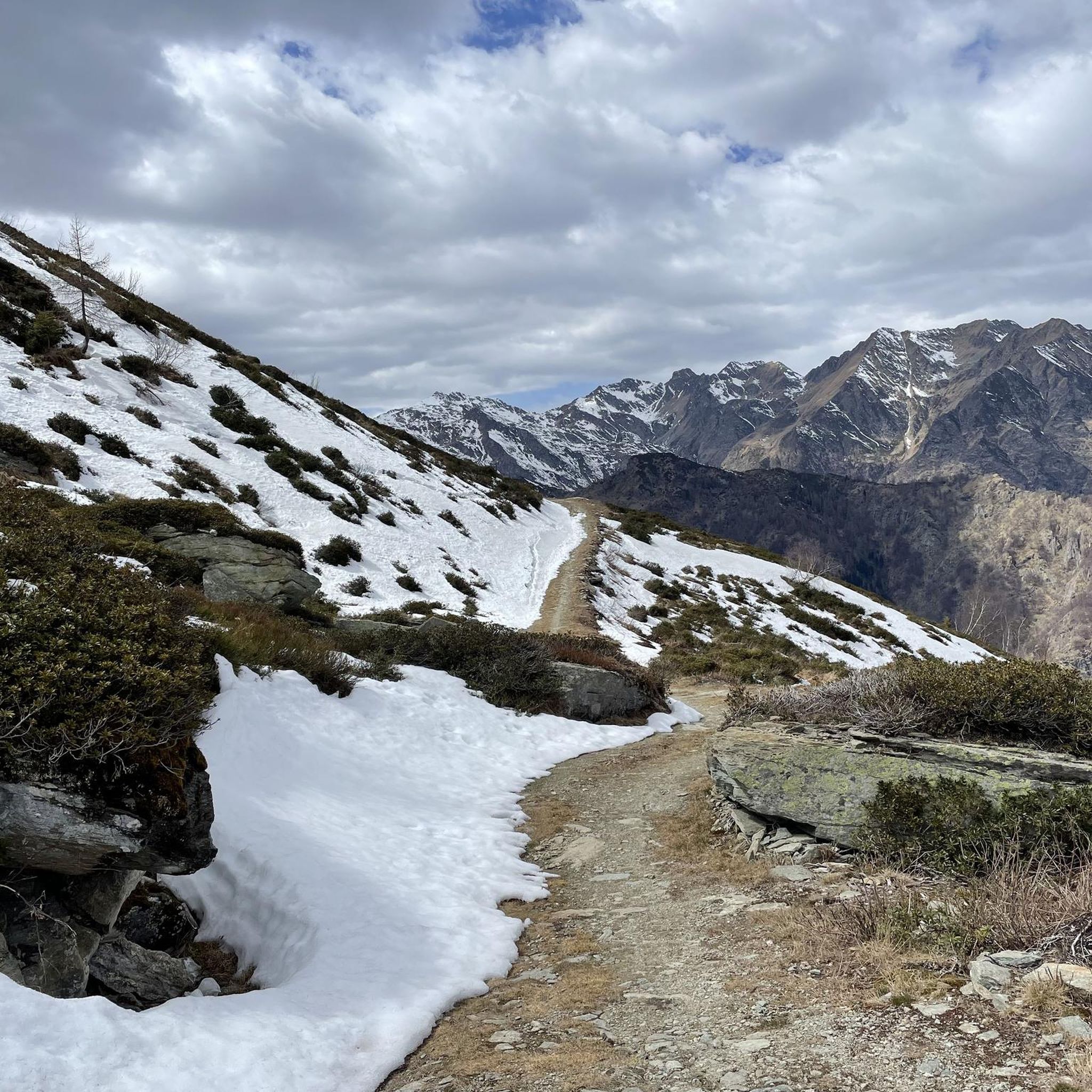
Summit.... Breathtaking view
0
0

Main entrance to the Oasi Zegna, from which many paths start, including the "Bosco del Sorriso" path and others
2
0
The Stavello Labyrinth is one of the attractions of the Oasi Zegna, located in Bocchetta di Stavello in the municipality of Valdilana (BI). Built in 2021 on an area previously occupied by bowling greens, the labyrinth is a large stone spiral with a diameter of 29 meters, inspired by the Cretan model with 11 spirals. The path, over 480 meters long, was built using local stones of various shapes and sizes. Designed as a meditative path, the labyrinth invites visitors to an experience of introspection and awareness. Its unicursal path, which recalls the shape of a brain, symbolizes the inner journey of the human being. Walking through the labyrinth slowly and in silence allows you to reflect on yourself, promoting a deep connection with the surrounding nature and with your own interiority. It is an experience accessible to everyone, without technical difficulties, ideal for those looking for a moment of pause and reflection immersed in the greenery of the Oasi Zegna.
1
0


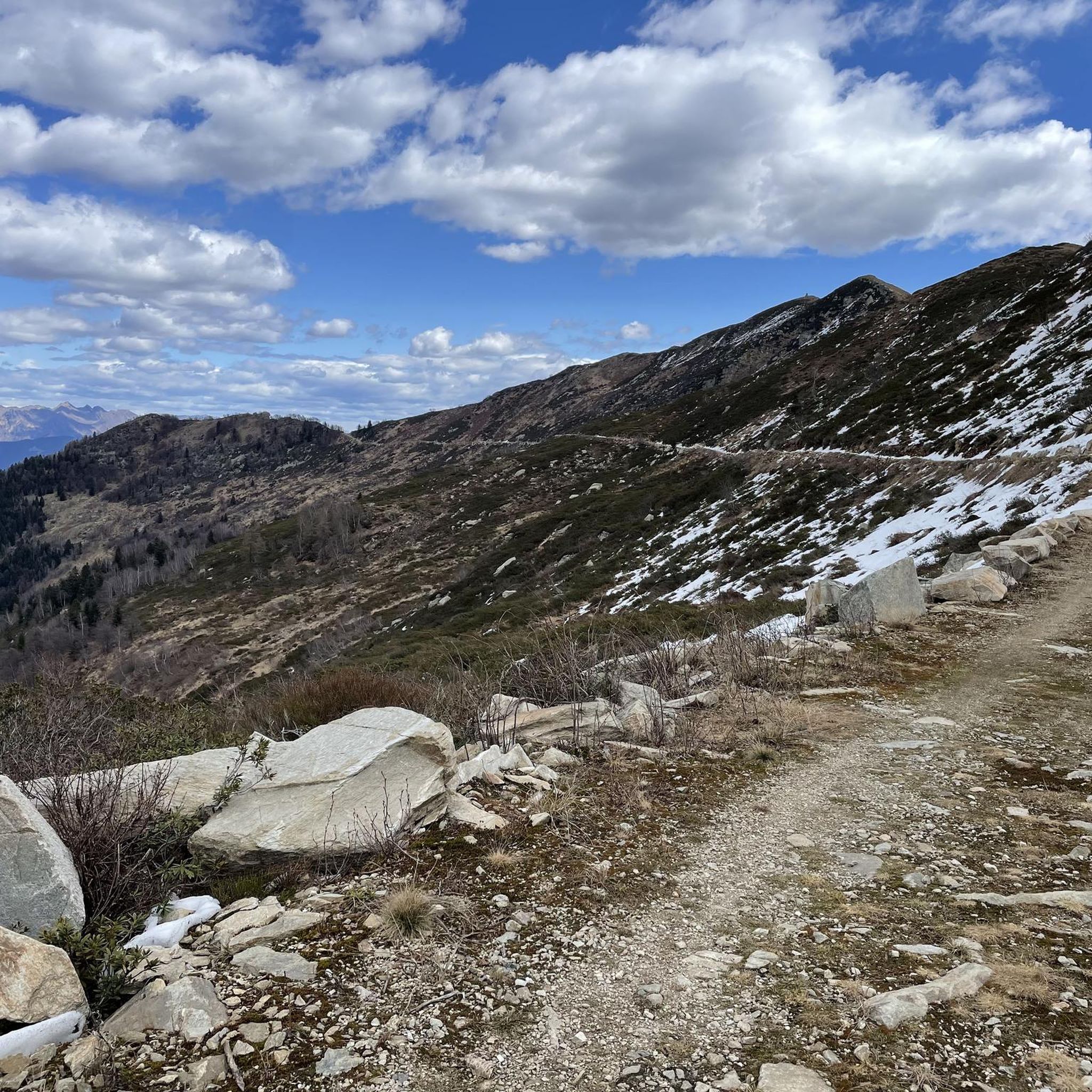
Of this mountain, after well over a hundred climbs, I know all the sides, it's a shame that some of the slopes inside the Val Sessera, e.g. the one for Rattarun and then Alpe Boscoso then climbing to Navagli and Alpe Campo and Cima ... are, for some stretches in the lower valley, a bit swallowed up by vegetation. The normal route from Ciota to the refuge is very popular, but for example the descent via Spelonca-Cascinetta still offers a nice ring that is more "wild" and very little frequented.
1
0

area of ancient abandoned granite quarries. The most famous and easily accessible, called Balma, is equipped as a rock gym, the others are abandoned
1
1
Frequently Asked Questions
What types of natural monuments can I explore around Piode?
The Piode area, nestled in the Valsesia valley, offers a diverse range of natural monuments. You'll find significant geological formations like the 'gigantic boulders' near the Sanctuary of the Madonna delle Pietre Grosse, impressive summits such as Monte Barone and Monte Bo in Valsesia, and unique rock formations like the Pera Furà Arch. The region also features scenic alpine landscapes, including historical pastures and picturesque lakes.
Are there any natural monuments suitable for families or those seeking accessible routes?
Yes, the Labirinto di Stavello in the Oasi Zegna is a large stone labyrinth designed as a meditative and accessible path. It's an experience suitable for everyone, including families, offering a moment of reflection immersed in nature without technical difficulties.
What outdoor activities can I do near the natural monuments in Piode?
Piode is an excellent base for various outdoor activities. The Sesia River and its tributary, the Sorba stream, are popular for fly-fishing, rafting, kayaking, and canyoning. For those who enjoy cycling, there are numerous routes, including challenging mountain bike trails and touring bicycle options. You can find more details on routes in the Cycling around Piode and MTB Trails around Piode guides.
Are there hiking trails to reach these natural monuments?
Absolutely. Many natural monuments are accessible via hiking trails. For instance, the Sanctuary of the Madonna delle Pietre Grosse can be reached via a path leading towards the Meggiana alpine pasture. The historical pastures of Meggiana, Alpe Pizzo, and Bo Valsesia also offer paths through forests with magnificent views. You can explore various hiking options in the Hiking around Piode guide, which includes routes like the 'Alpe Meggiana, Monte Bo and Lago del Pizzo − loop tour'.
What are some of the more challenging natural monuments for experienced hikers?
For experienced hikers, the ascent to the Summit of Monte Barone (2044m) or Monte Bo in Valsesia (2072m) offers rewarding challenges with extensive panoramic views. These summits are known for their demanding trails, providing a true alpine experience.
What is the best time of year to visit the natural monuments around Piode?
The best time to visit largely depends on your preferred activities. For hiking and enjoying the alpine pastures and lakes, late spring through early autumn (May to October) offers pleasant weather. During these months, trails are generally clear of snow, and the flora is vibrant. Winter can offer opportunities for snow-related activities, but access to higher elevations might be limited due to snow.
Can I find historical or cultural sites alongside the natural monuments?
Yes, the region beautifully blends natural beauty with historical significance. The Sanctuary of the Madonna delle Pietre Grosse, for example, is built among impressive boulders and holds local legends of divine protection, making it a site of both natural and spiritual interest. Its unique architecture, with a bell tower perched on a boulder, is a distinctive example in Valsesia.
Where can I experience panoramic views of the Valsesia valley and Monte Rosa?
For breathtaking panoramic views, consider visiting the historical pastures of Meggiana, Alpe Pizzo, and Bo Valsesia. The ascent to the summit of Monte Bo di Valsesia (2072m) provides an extensive panorama, particularly of the Rassa valleys and the majestic Monte Rosa massif. The Bocchetto Sessera Pass also offers excellent panoramic vistas at about 1,400m.
What kind of wildlife and flora can I expect to see?
The Piode area is rich in natural diversity. Along the Sesia River, the Piode Reserve is known for its fish, making it a prime spot for fly-fishing. The paths leading to the alpine pastures traverse forests of conifers and beeches, where you can observe various alpine flora. The pristine alpine scenery also supports diverse wildlife, though specific sightings can vary.
Are there any natural lakes or water features to visit?
Yes, the Laghetto del Pizzo is a picturesque small lake encountered along the routes to the historical pastures. It's a favorite destination for hikers, offering serene natural beauty and reflecting the Monte Rosa ranges. The Sesia River itself is a significant natural water feature, offering various water sports.
What is the <a href="https://www.komoot.com/highlight/3618588" target="_blank" rel="noopener">Bocchetto Sessera Pass</a> known for?
The Bocchetto Sessera Pass is a mountain pass at about 1,400m that connects the Strona valley with the Sessera valley. It's renowned for its panoramic views and serves as a starting point for interesting mountain biking routes, some of which lead towards Valsesia.
Can I find less crowded natural spots around Piode?
While popular spots attract many, exploring the extensive network of trails to the historical pastures like Alpe Pizzo and Bo Valsesia can offer more secluded experiences, especially on weekdays or during off-peak hours. The paths through the conifer and beech forests provide immersive natural settings away from the main tourist hubs.
Most popular attractions around Piode

Get inspired with the komoot mobile app


Explore more
Extend your search for the best caves by checking out these guides of the top ones around Piode:
