Top 4 Natural Monuments around Santhià
Best natural monuments around Santhià include diverse natural attractions shaped by glacial activity and riverine environments. The region features significant natural areas such as the Parco Naturale delle Lame del Sesia, characterized by unique river stretches and remnants of lowland forests. Glacial origins are evident in the formation of lakes like Viverone and Bertignano, offering clear waters and panoramic views. These areas provide a contrast to the surrounding agricultural landscape, highlighting the ecological importance of these natural features.
Best natural…
Last updated: October 15, 2026
Pile-dwelling Village at Lake Viverone
Highlight • Historical Site
Translated by Google •
Tip by

Lake Bertignano
Highlight • Lake
Translated by Google •
Tip by

Sign up now to discover places like this
Get recommendations on the best single tracks, peaks, & plenty of other exciting outdoor places.
Lake Bertignano
Highlight • Lake
Translated by Google •
Tip by

Roman Sepulchral Roc della Regina
Highlight • Historical Site
Translated by Google •
Tip by

Plane Trees With Shared Branch
Highlight • Natural Monument
Translated by Google •
Tip by

Sign up for free to discover even more natural monuments around Santhià.
Already have an account?




Tips from the Community

These plane trees have a common branch. They probably joined together over time.
0
0

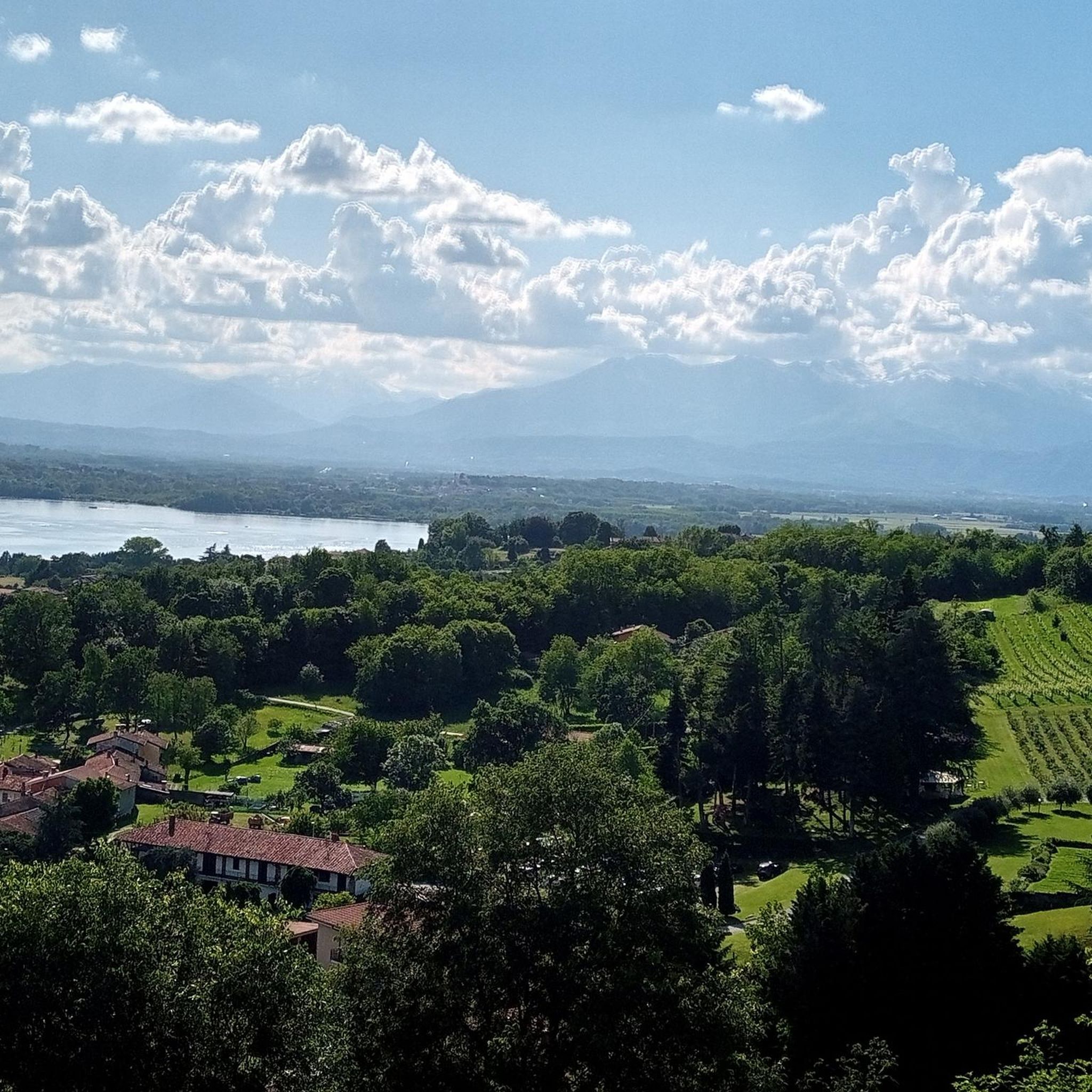
Lake that takes its name from the Bertignano di Viverone hamlet, quite large but not as much as Lake Viverone (third among the largest lakes in Piedmont). In the northern part there are many pylons that make the environment a bit ugly. It is possible to do a circular tour on foot, on roads that run along the entire lake.
1
0
Large erratic boulder with a large cavity in its center, easily accessible by dirt roads.
0
0

The oasis they built with a wooden construction overlooking the lake is very pleasant
3
0

In Lake Viverone, the remains of around 5000 poles driven into the ground which supported the structures of a very ancient large pile-dwelling village dating back to the Bronze Age have been extraordinarily preserved. The site has an important archaeological value, artefacts such as swords, axes, pins and ornaments have been discovered, which have allowed us to reconstruct the life of a Bronze Age community. The site is now a World Heritage Site.
5
0

Small and quiet lake where you can take 4 steps
0
1

Well-preserved stilt houses that create a very suggestive context and are certainly worth a visit
2
0

A few meters below the water level, the remains of approximately 5000 poles stuck in the ground have been preserved, evidence of an ancient pile-dwelling village dating back to the Bronze Age. The settlement is one of the 111 "Prehistoric Pile-dwelling Sites of the Alpine Arc" protected by UNESCO. The place is definitely enchanting: water lilies, poplars, aquatic birds...
6
0
Frequently Asked Questions
What are the most significant natural areas to explore around Santhià?
Beyond individual monuments, the region boasts two significant natural areas: the Parco Naturale delle Lame del Sesia – Riserva di Casalbeltrame, known for its unique riverine environment, lowland forests, and heron nesting sites, and Lake Viverone, a large glacial lake offering clear waters, rich biodiversity, and scenic views. Both provide excellent opportunities for experiencing the local nature.
Are there any natural monuments with historical significance near Santhià?
Yes, several. The Pile-dwelling Village at Lake Viverone is a UNESCO World Heritage site, preserving remains of an ancient Bronze Age settlement beneath the lake's surface. Additionally, the Roman Sepulchral Roc della Regina is an erratic boulder with a sepulchral pit dug during Roman times, blending natural geology with ancient history.
What kind of wildlife can I expect to see in the natural monuments around Santhià?
The Parco Naturale delle Lame del Sesia is particularly renowned for its birdlife, featuring some of Italy's largest 'garzaie' or heron nesting areas. You can spot little egrets, grey herons, cormorants, and cattle egrets. Lake Viverone and its 'wild shore' also serve as a haven for ducks, grebes, gulls, and various migratory species, making both locations ideal for birdwatching.
Are there family-friendly natural monuments around Santhià?
Absolutely. Many natural monuments are suitable for families. Lake Viverone offers swimming, boating, and a scenic trail. Lake Bertignano provides a tranquil setting for exploration. Even the unique Plane Trees With Shared Branch can be an interesting stop for children.
What outdoor activities can I do near these natural monuments?
The natural areas around Santhià are perfect for various outdoor activities. You can enjoy hiking, cycling, and birdwatching. For specific routes, consider exploring the Hiking around Santhià guide, the Gravel biking around Santhià guide, or the Road Cycling Routes around Santhià guide for trails that often pass by these natural attractions.
What is the best time to visit the natural monuments around Santhià?
The natural monuments around Santhià can be enjoyed year-round. Spring and autumn offer pleasant temperatures for hiking and cycling, with vibrant flora and fauna. Summer is ideal for water activities at Lake Viverone. Birdwatching is excellent throughout the year, especially in the Parco Naturale delle Lame del Sesia.
Are there any easy walking trails suitable for beginners or families near the natural monuments?
Yes, the Parco Naturale delle Lame del Sesia offers self-guided trails suitable for walking or cycling. Around Lake Viverone, there's a 6.5-mile trail that encircles the lake, passing beaches and birdwatching spots, which is generally accessible. For more options, check the Hiking around Santhià guide for easy routes like the Santhià - Via Francigena Loop.
Can I visit the natural monuments with my dog?
Many natural areas in Italy are dog-friendly, especially on trails and in open spaces, provided dogs are kept on a leash and owners clean up after them. Specific rules may apply in nature reserves like the Parco Naturale delle Lame del Sesia or around protected archaeological sites. It's always best to check local signage or park regulations for the most current information.
What makes Lake Bertignano a special natural monument?
Lake Bertignano is a special conservation area formed by the retreat of the Balteo glacier, much like the larger Lake Viverone. It offers a tranquil environment and is notable for its geological origins. It's a peaceful spot to experience the glacial legacy of the region.
Where can I find unique geological features or viewpoints around Santhià?
The region's landscape is shaped by glacial activity. Roman Sepulchral Roc della Regina is a large erratic boulder, a striking geological feature. Both Lake Viverone and Lake Bertignano offer panoramic views, especially of the surrounding hills and the Alps, showcasing the area's unique glacial origins.
Are there any natural monuments that are less known but worth discovering?
While not as widely known as the lakes, the Plane Trees With Shared Branch offer a curious natural phenomenon where two trees have grown to share a common branch. It's a unique and peaceful spot that highlights the interesting aspects of local flora.
What do visitors enjoy most about the natural monuments around Santhià?
Visitors frequently appreciate the tranquility and natural beauty of the area. The clear waters of Lake Viverone and the rich biodiversity of the Parco Naturale delle Lame del Sesia are often highlighted. The blend of natural landscapes with historical elements, such as the pile-dwelling village, also adds a unique appeal.
Most popular routes around Santhià
Most popular attractions around Santhià

Get inspired with the komoot mobile app


Explore more
Extend your search for the best caves by checking out these guides of the top ones around Santhià:
