Top 20 Natural Monuments around Rassa
Best natural monuments around Rassa are found in the Valsesia region of Piedmont, Italy, a village situated at the confluence of the Gronda and Sorba streams. The area is characterized by its natural beauty, including narrow valleys and mountainous terrain. This landscape offers opportunities for various outdoor activities, including trekking and exploring diverse natural features.
Best natural monuments around Rassa
- The most popular natural monuments is Bocchetto Sessera Pass, a mountain pass at about 1,400 m connecting the Strona…
Last updated: June 28, 2026
Bocchetto Sessera Pass
Highlight • Mountain Pass
Showing Translation
Tip by

Lake Vargno
Highlight • Lake
Translated by Google •
Tip by

Sign up now to discover places like this
Get recommendations on the best single tracks, peaks, & plenty of other exciting outdoor places.
Sign up for free
The Legend of the Old Woman
Highlight • Monument
Translated by Google •
Tip by

Barma Lakes
Highlight • Lake
Translated by Google •
Tip by

Oropa Stream Waterfall
Highlight • Waterfall
Translated by Google •
Tip by

Sign up for free to discover even more natural monuments around Rassa.
Sign up for free
Already have an account?
Start today with a free account
Your next adventure awaits.
Login or Signup
Tips from the Community

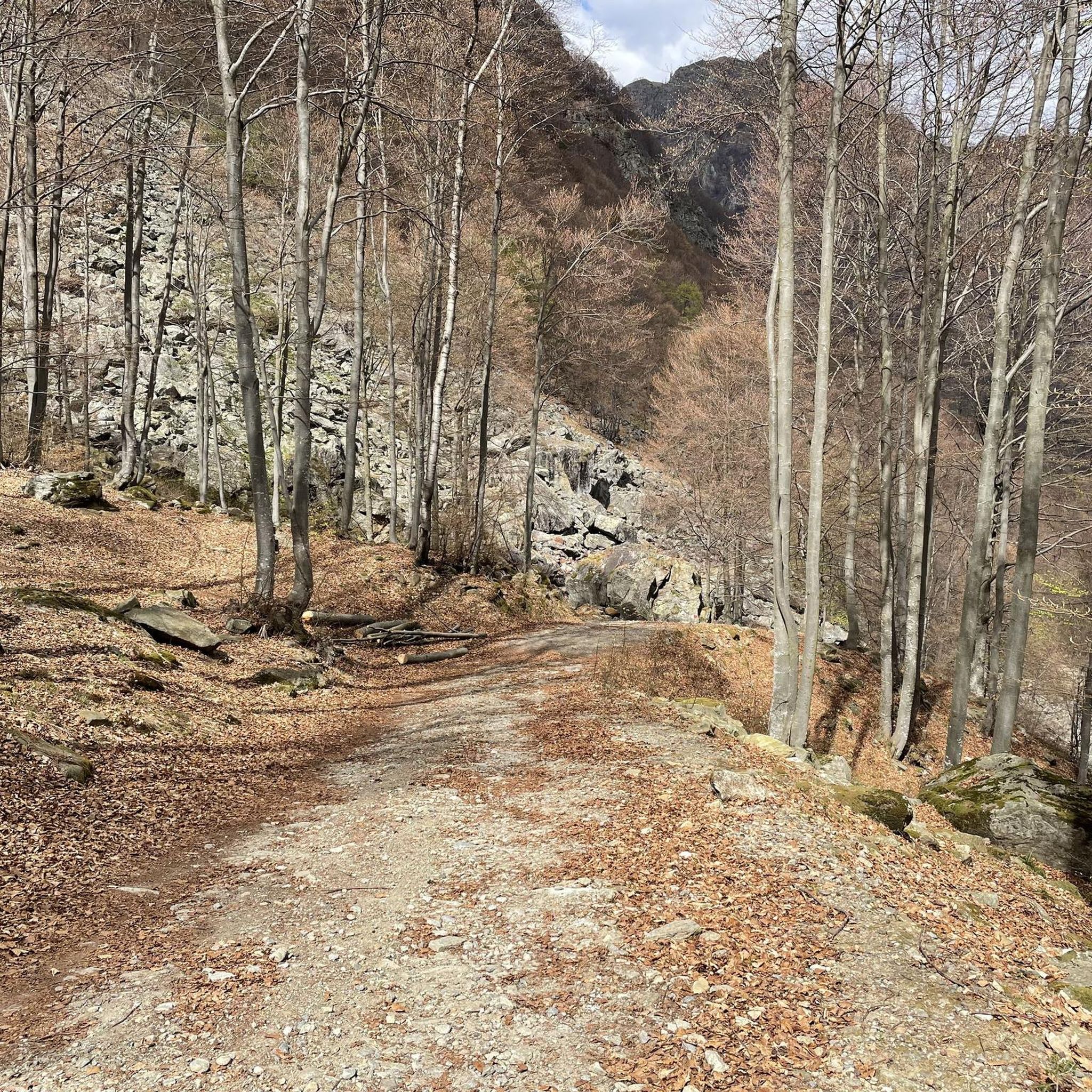
The **Passo (or Bocchetto) di Bocchetto Sessera is an alpine pass located in the Biella Alps, in the Province of Biella (Piedmont, Italy). It connects the Valle dello Strona di Mosso with the Val Sessera, between the mountains Monte Marca (1,558 m) and Monticchio (1,697 m).
14
0

Main entrance to the Oasi Zegna, from which many paths start, including the "Bosco del Sorriso" path and others
2
0
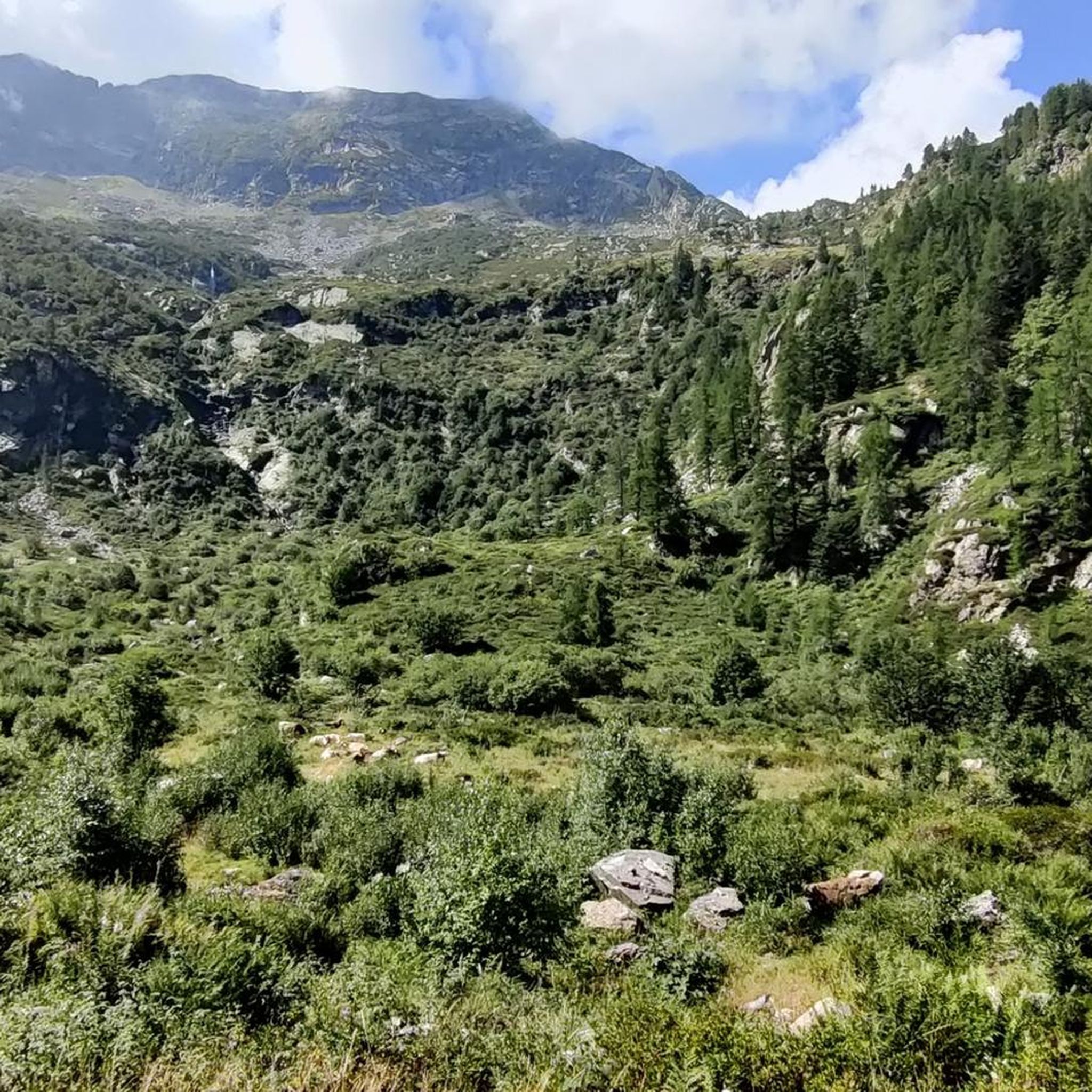
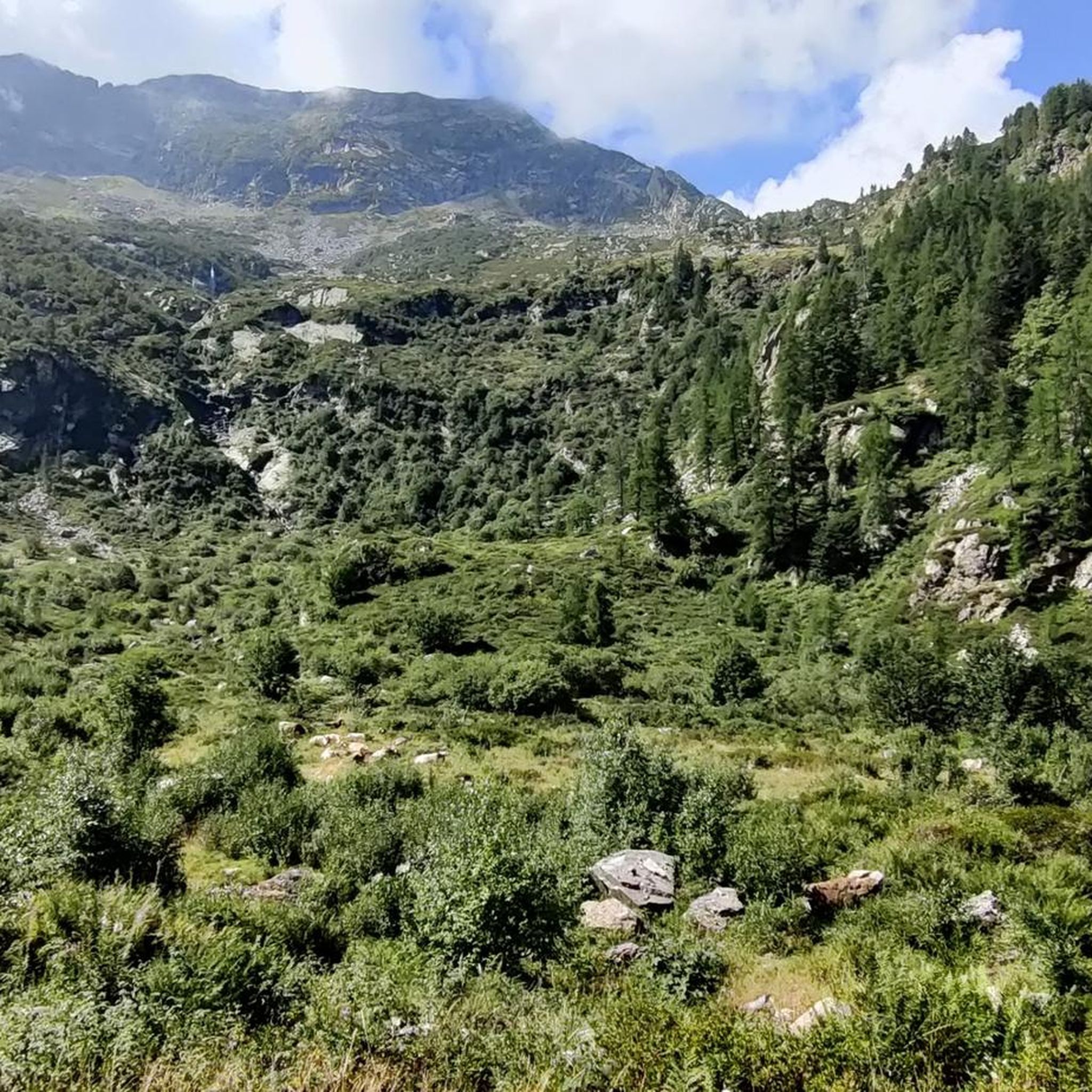
At 2020 meters, Lake Barma (or Balma) is a lake of glacial origin sunken between the Gragliasca peak, Lei Long and Balma d’Oropa on the left, Mont Mars and Monte Rosso on the right, and the Balma d’Oropa hill in front. With 31,320 square meters of extension, it is the largest lake included in the Mont Mars Nature Reserve. On its shores, from the second half of June, rhododendrons, mountain lilies, round cotton grasses, mountain arnica and wild orchids bloom.
1
0

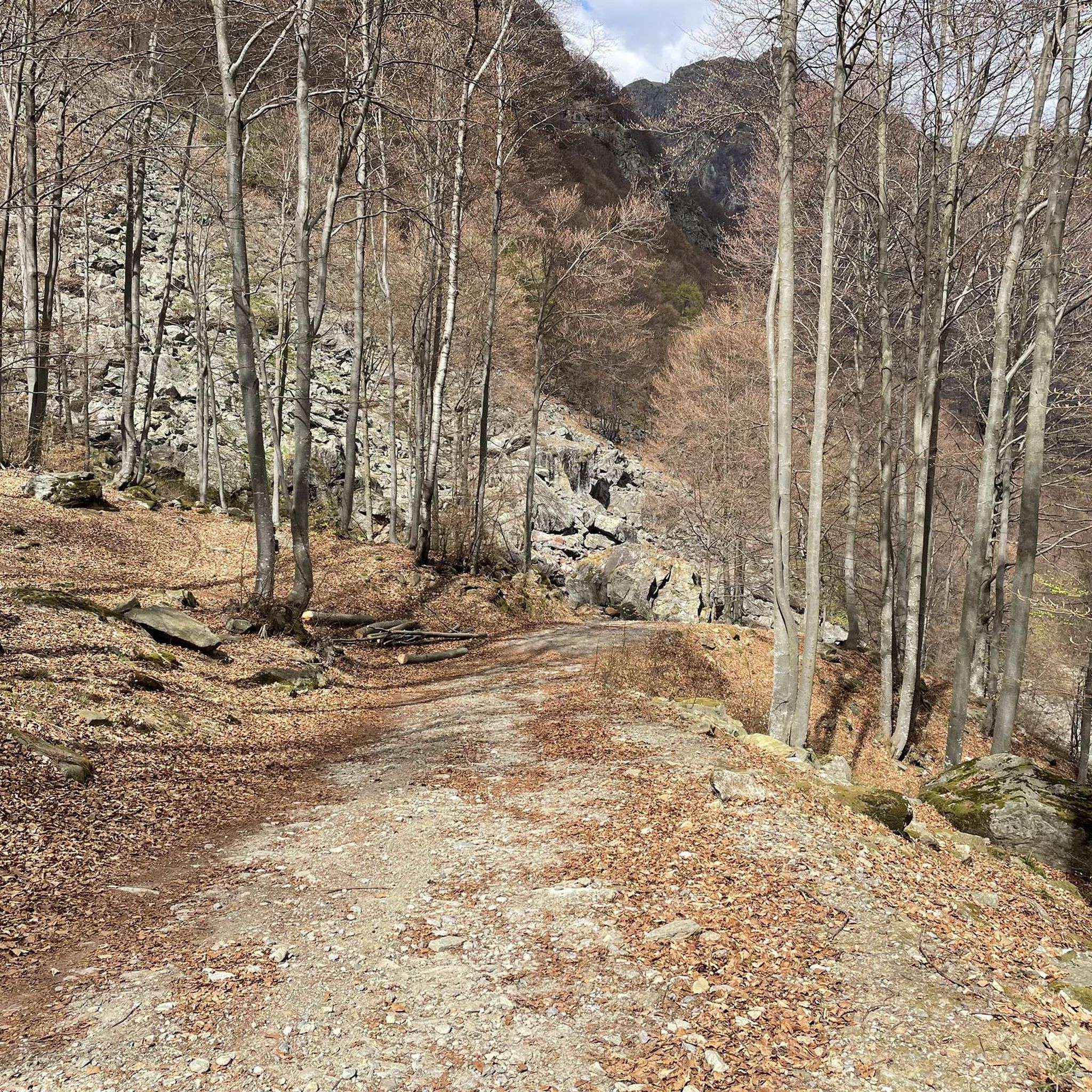
itinerary designed by Arch. Maffei, where there are bas-reliefs that evoke the legend of the place
1
0

Legend has it that a young warrior fell in love with a beautiful girl. The wedding was organized and the rock not far from the lake was set up and decorated as an altar. The bride waited for her groom all day and night, but in vain. The next morning a man came to inform her that her groom had been found killed in a forest. The young woman buried him at the bottom of the lake and remained there for her entire life in the company of a bear, to guard her love. The young woman, having become old, was considered over the years a sorceress to whom the locals asked advice, remedies, spells and medicines. Upon her death, she was also buried at the bottom of the lake and according to Celtic traditions, the two spirits in love merged together.
1
0
waterfalls of the Oropa stream on the path to Mucrone
0
0

Between the sanctuary of Oropa and the Rosazza refuge, at this point you can see a small but pretty waterfall of the Oropa stream. The water flows between several boulders to create a truly remarkable play of colors and reflections.
0
2

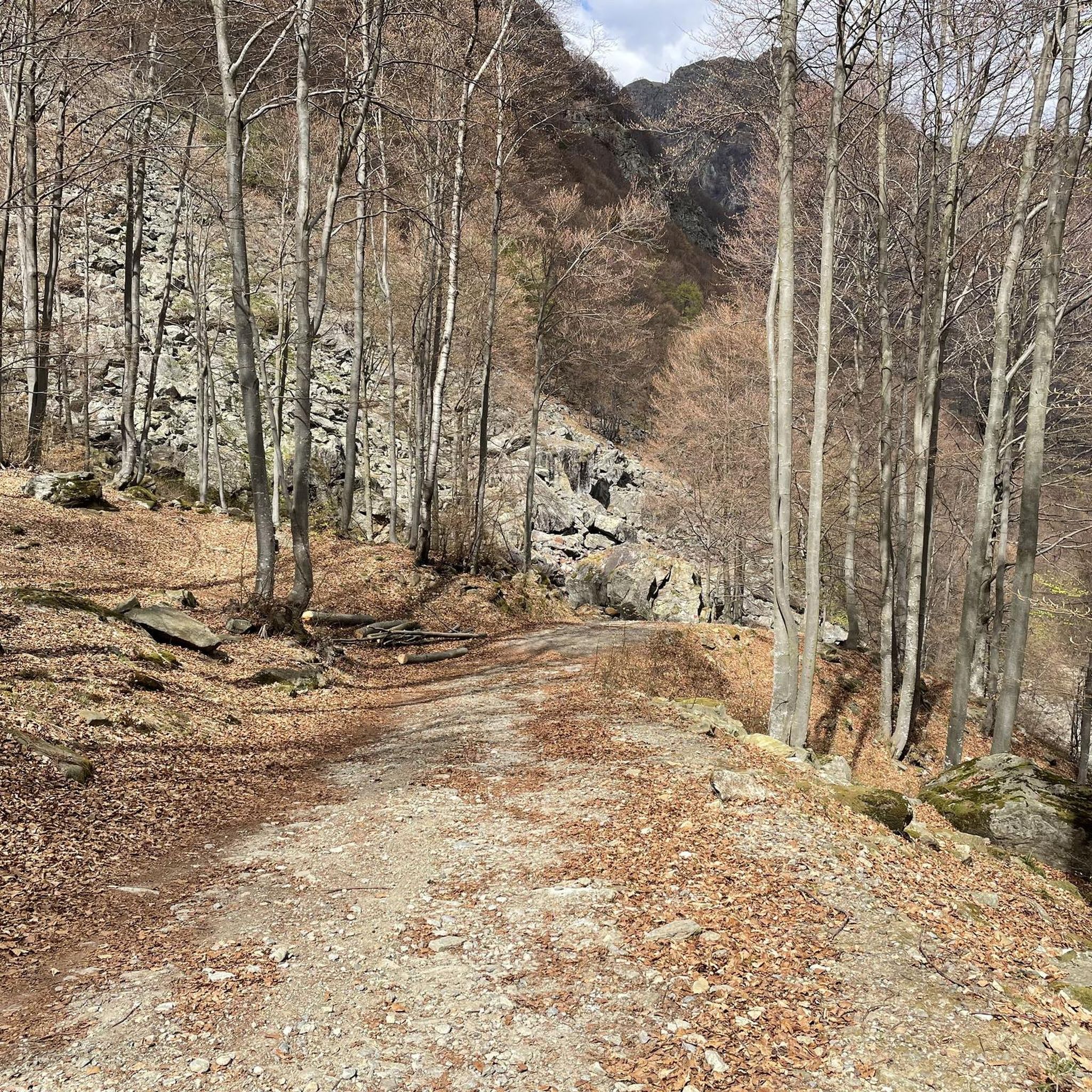
Convenient road from the sanctuary, beautiful to look at and cool to rinse off
0
1
Frequently Asked Questions
What are some of the unique natural features to explore around Rassa?
Rassa, nestled in the Valsesia region, offers a diverse range of natural features. You can explore the captivating environments of the Valleys of Gronda and Sorba, known for their narrow and elongated landscapes. Another notable feature is the dramatic Oropa Stream Waterfall, where water flows between boulders creating a beautiful play of colors. For stunning mountain views, consider visiting Bocchetto Sessera Pass.
What kind of landscapes can I expect to see in the Rassa area?
The Rassa area is characterized by its untouched mountain scenery, featuring a mix of narrow valleys, mountainous terrain, and serene lakes. You'll find diverse environments ranging from the confluence of streams in the Gronda and Sorba valleys to high-altitude peaks like Monte Bo di Valsesia, offering panoramic views of the Monte Rosa group. The landscape is ideal for those seeking to experience wild, natural beauty.
Are there any significant historical natural landmarks near Rassa?
Yes, within Val Sorba, you can find the "Bare Wall" (Parete Calva), a famous gorge deeply embedded in local legends and history. It was historically a refuge for Fra Dolcino and his followers, adding a layer of historical intrigue to its natural grandeur. This dramatic gorge is a notable natural landmark worth exploring for its unique blend of nature and history.
What hiking opportunities are available near Rassa's natural monuments?
The mountainous terrain around Rassa is a prime destination for trekking enthusiasts, offering numerous trails with varying degrees of difficulty. You can find routes like the challenging Monte Bo di Valsesia Loop from Rassa or the moderate Trail 261 to Alpe Salei and Lago della Seia. Other notable routes include the itinerary of Fra Dolcino and the Rassa-Oropa pilgrimage path, allowing full immersion in the region's stunning natural landscapes.
Can I enjoy river sports in Rassa?
Yes, Rassa is uniquely situated at the confluence of the Gronda and Sorba streams, with two charming side valleys named after them. The presence of these streams makes the area particularly suitable for various river sports, offering opportunities to engage with the water in a beautiful natural setting.
Where can I find panoramic views of Monte Rosa near Rassa?
For breathtaking panoramic views of the majestic Monte Rosa group and the main Valsesia valley, you should head to Monte Bo di Valsesia. At 2072 meters, this mountain is situated on the ridge dividing Val Sorba from the Meggiana basin. The challenging hike to Monte Bo is rewarded with sublime vistas, and a small natural lake, Lago del Pizzo, can also be found nearby.
Are there any beautiful lakes to visit around Rassa?
Absolutely! Rassa is surrounded by several beautiful lakes. You can visit Lake Vargno, situated at the foot of the Mont Mars Nature Reserve, offering views of peaks like Punta Leretta and Monte Rosso. Another option is Barma Lakes, two splendid lakes with the Balma Refuge nearby. For a longer hike, Lago della Seia is accessible via a moderate Alpine trail from Rassa.
Is Rassa suitable for family-friendly outdoor activities?
Yes, Rassa offers several options for families. While some trails are challenging, there are also family-friendly natural monuments and walks. For instance, Lake Vargno is noted as family-friendly, and the general environment of the valleys provides accessible areas for exploration. Always check specific trail difficulties for younger children.
What is the best time of year to visit Rassa's natural monuments?
The best time to visit Rassa's natural monuments largely depends on the activities you plan. Spring and summer offer lush greenery and pleasant temperatures for hiking and river sports. Autumn brings beautiful foliage, while winter provides opportunities for ski mountaineering, though some areas may be less accessible due to snow. Always check local weather forecasts before your visit.
How can I reach Rassa using public transport?
While Rassa is a somewhat secluded village, information on public transport schedules and bus routes to Rassa in Piedmont can be found through regional transport services. For more detailed information on reaching Rassa and the Valsesia region, you might find resources on the official tourism websites helpful, such as visitvalsesiavercelli.it.
Are there options for accommodation or dining in Rassa?
Rassa, recognized as one of the 'Most Beautiful Villages of Italy,' offers some options for accommodation and dining, reflecting its charming village character. While specific establishments are not detailed here, you can expect to find local eateries and guesthouses that cater to visitors. For more information on services in the village, you can consult local tourism resources like visitpiemonte.com.
What do visitors particularly appreciate about the natural monuments around Rassa?
Visitors to Rassa's natural monuments often appreciate the untouched mountain scenery and the diverse range of outdoor activities available. The area is praised for its amazing views, particularly from spots like Monte Bo di Valsesia and Bocchetto Sessera Pass. The tranquility of lakes like Lake Vargno and the unique geological formations like the "Bare Wall" also draw significant interest.
Most popular attractions around Rassa

Get inspired with the komoot mobile app


Explore more
Extend your search for the best caves by checking out these guides of the top ones around Rassa:
