Top 16 Natural Monuments around Calasca-Castiglione
Best natural monuments around Calasca-Castiglione are found within the Anzasca Valley, a region characterized by its alpine terrain and the Anza River. This area, nestled in Piedmont, offers a blend of geological formations and expansive mountain scenery. The natural landscape is defined by the Monte Rosa Massif and the river's course, providing diverse natural attractions. Visitors can explore various natural features, from waterfalls to mountain passes, showcasing the region's raw natural beauty.
Best natural monuments around Calasca-Castiglione
- The most popular…
Last updated: October 15, 2026
Golden Madonna Statue at Monte Moro Pass
Highlight • Monument
Translated by Google •
Tip by

Sajont Waterfall
Highlight • Waterfall
Translated by Google •
Tip by

Sign up now to discover places like this
Get recommendations on the best single tracks, peaks, & plenty of other exciting outdoor places.
Moncucco Peak
Highlight • Summit
Translated by Google •
Tip by

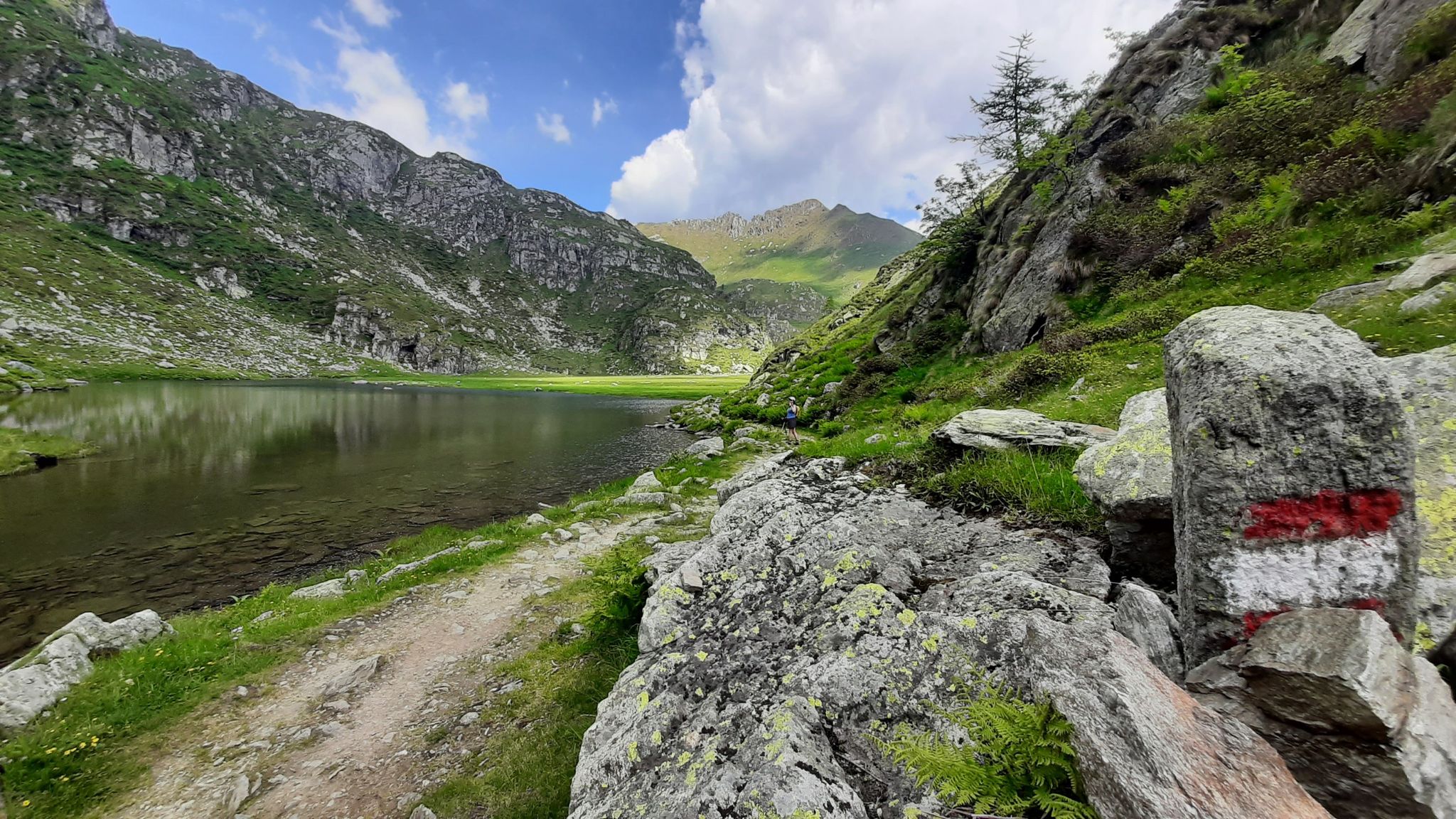
Lake Campiccioli
Highlight • Lake
Translated by Google •
Tip by

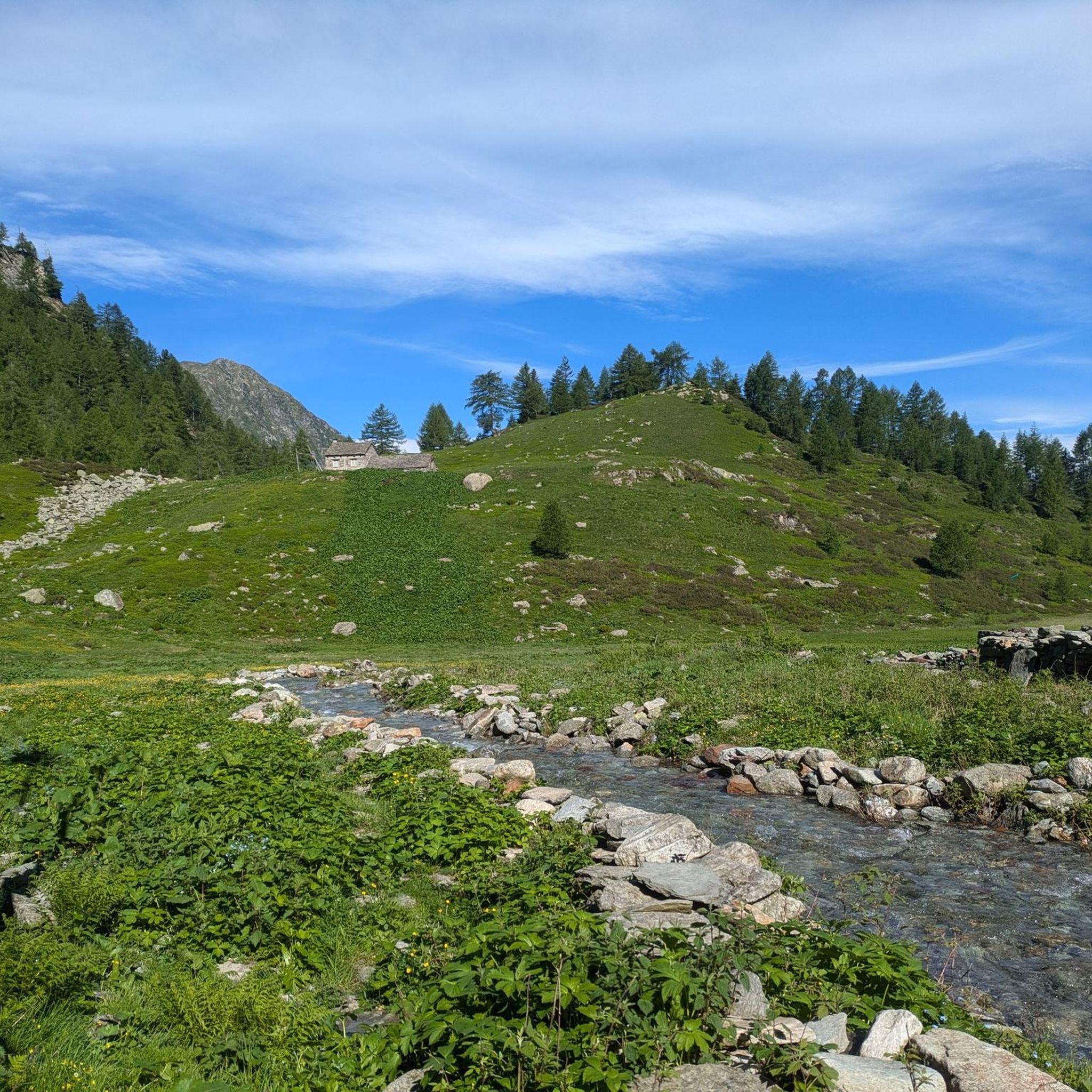
Alpe Lut
Highlight • Mountain Hut
Translated by Google •
Tip by

Sign up for free to discover even more natural monuments around Calasca-Castiglione.
Already have an account?
Start today with a free account
Your next adventure awaits.
Popular around Calasca-Castiglione

Other adventures around Calasca-Castiglione

Tips from the Community

Was worshipped by smugglers
0
0


The Monte Moro Pass is located on the border between Switzerland and Italy, connecting the Saas Valley in Valais to the Anzasca Valley in Piedmont. The unique feature of this pass is that it is accessible via a medieval mule track. The route and photos are available at: https://treksrandos.fr/alpes/valais/alpes-pennines/col-de-monte-moro/
0
1

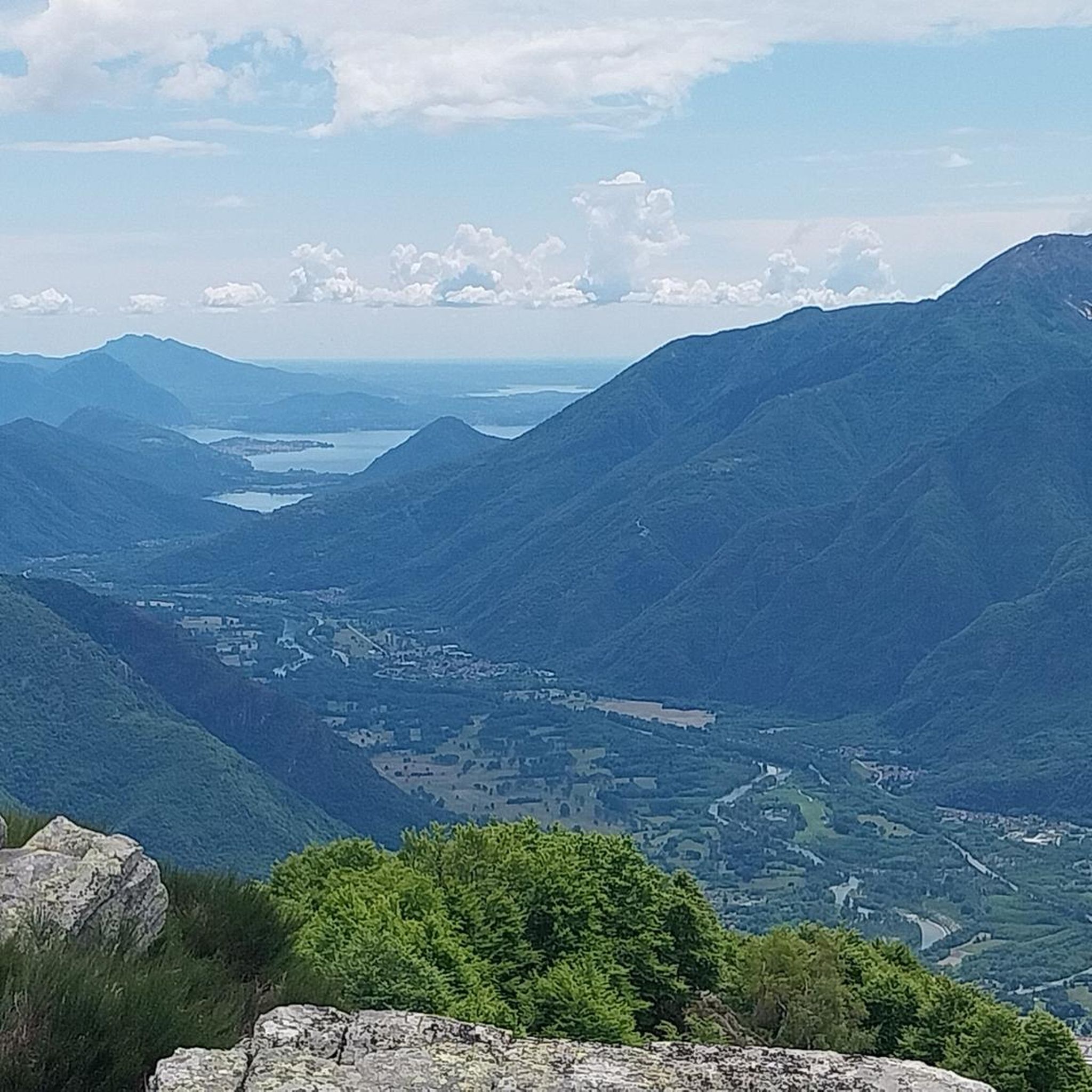
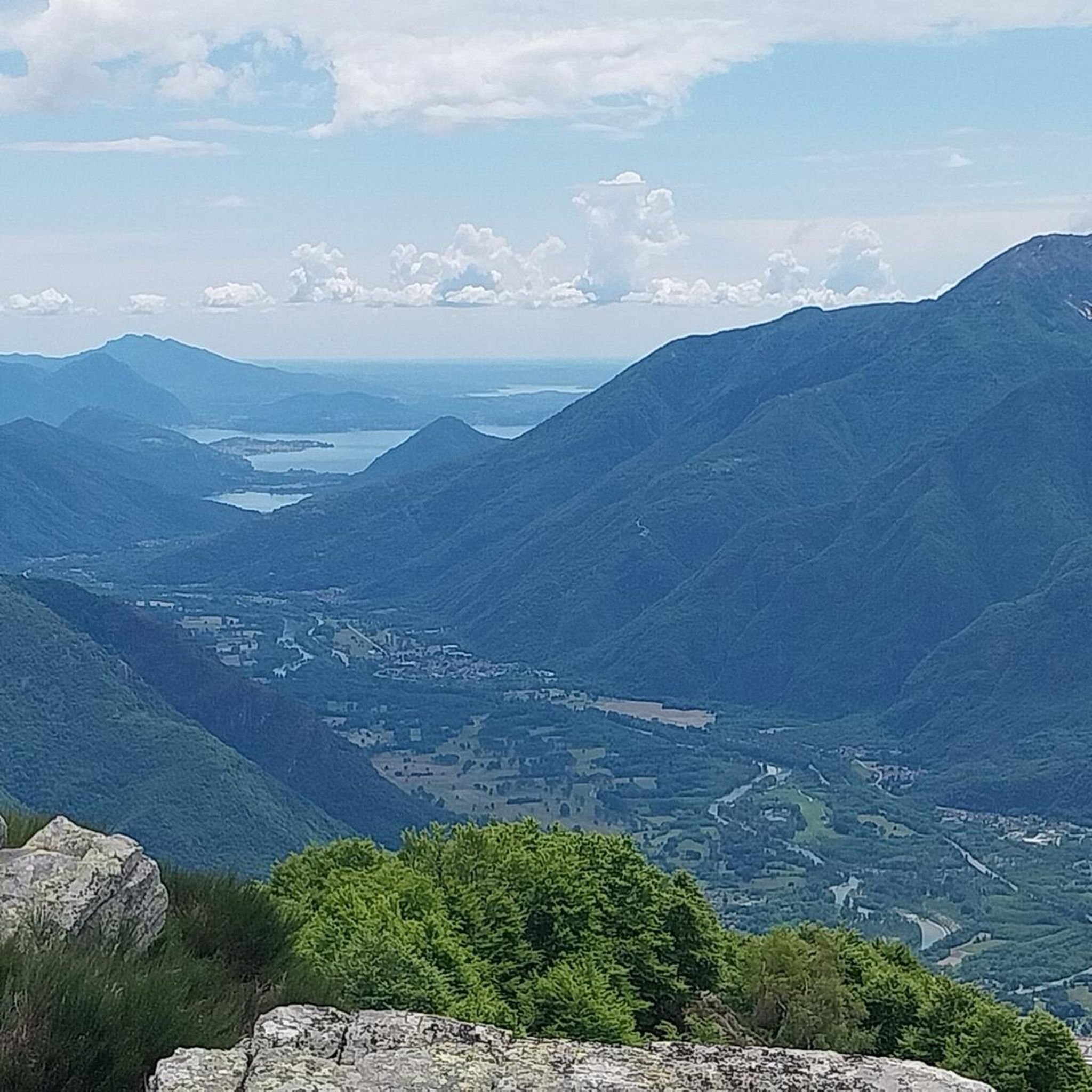
A fantastic place with a very beautiful view you can enjoy the Toce plain from the height of 700 m you are above Premosello in the province of Verbania, to reach this place from Premosello you have to pedal for seven 8 km with slopes on asphalt also challenging over 30% the suitable bicycle and the bikes , A lot of attention on the return downhill because if you let go of the bicycle you can reach 50 km per hour in a few seconds
0
0

Frequently Asked Questions
What unique geological features can I explore around Calasca-Castiglione?
The region is home to several unique geological formations. A notable example is the area around the Sanctuary of the Madonna della Gurva, where an enormous boulder appears to defy gravity, almost levitating above the ground, connected by only a small section of rock. The term 'Gurva' itself refers to a gorge carved by the Anza River, highlighting the powerful natural forces at play. You can find more information about the sanctuary and its natural setting here: Sanctuary of the Madonna della Gurva.
Are there any impressive waterfalls to visit in the area?
Yes, the Sajont Waterfall is a must-see. Formed by the Sajont stream, it plunges dramatically into the waters of Lake Antrona. Visitors can even pass behind the waterfall using special iron walkways, offering a unique perspective. Be mindful that the circular route might have some damage to railings and the floor, and the metal walkway can be slippery in wet or cold conditions.
What lakes can I visit near Calasca-Castiglione?
You can visit Lake Campiccioli, located above Lago di Antrona. It offers a breathtaking natural spectacle, and you can walk around the lake on a flat path, enjoying spectacular views from the dam and even exploring a small glacier. The path to reach it is tortuous and not suitable for small children.
Where can I find the best mountain views of the Monte Rosa Massif?
For extensive views of the Monte Rosa east face, head to the Golden Madonna Statue at Monte Moro Pass. This mountain pass on the border between Italy and Switzerland offers panoramic vistas of Italy, the Saas Valley, and the impressive Monte Rosa east face. It's recommended to reach this destination early, as clouds often come up from Italy from midday.
What outdoor activities can I do near these natural monuments?
The Anzasca Valley provides numerous opportunities for outdoor activities. You can find various cycling routes, including touring, mountain biking, and road cycling. For example, there are challenging MTB trails like the 'Lago di Campliccioli Dam – View of Lake Antrona loop from Antronapiana' or road cycling routes such as 'From Pieve Vergonte to Macugnaga'. Explore more options on the dedicated guides for Cycling, MTB Trails, and Road Cycling Routes around Calasca-Castiglione.
Are there any natural monuments with historical or cultural significance?
Yes, the Sanctuary of the Madonna della Gurva, while a religious site, is deeply intertwined with the natural landscape, featuring a unique geological formation. Additionally, the historical 'Via del Pane' (Bread Route) in Calasca-Castiglione winds through ancient hamlets and woods, revealing a dense system of terraced landscapes and dry stone walls. These human-made structures showcase a long history of harmonious integration between human activity and the steep mountain slopes, transforming the landscape in perfect balance with nature. You can learn more about the Bread Route here: Hiking the Hamlets of Calasca – La Via del Pane.
What defines the broader natural landscape of the Anzasca Valley?
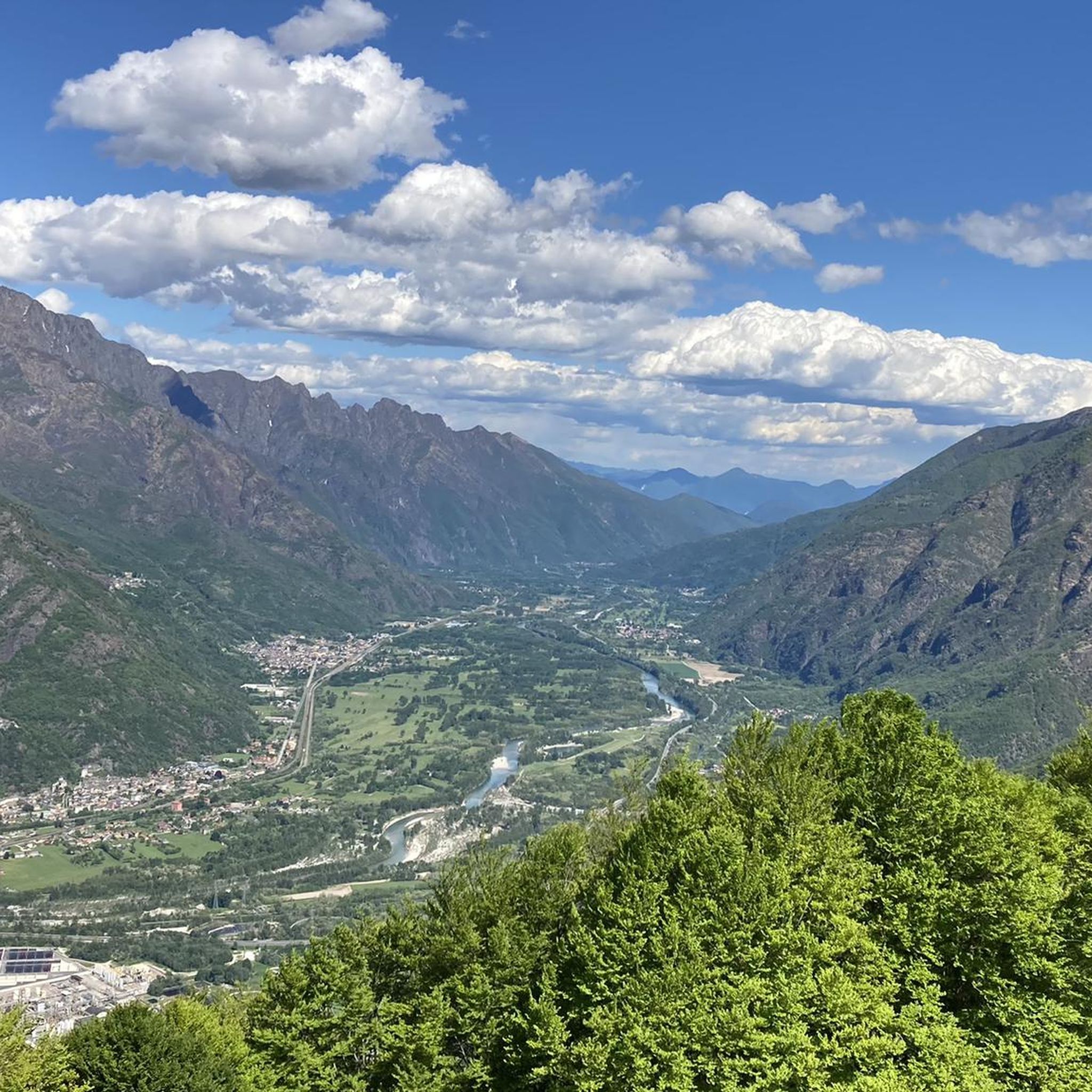
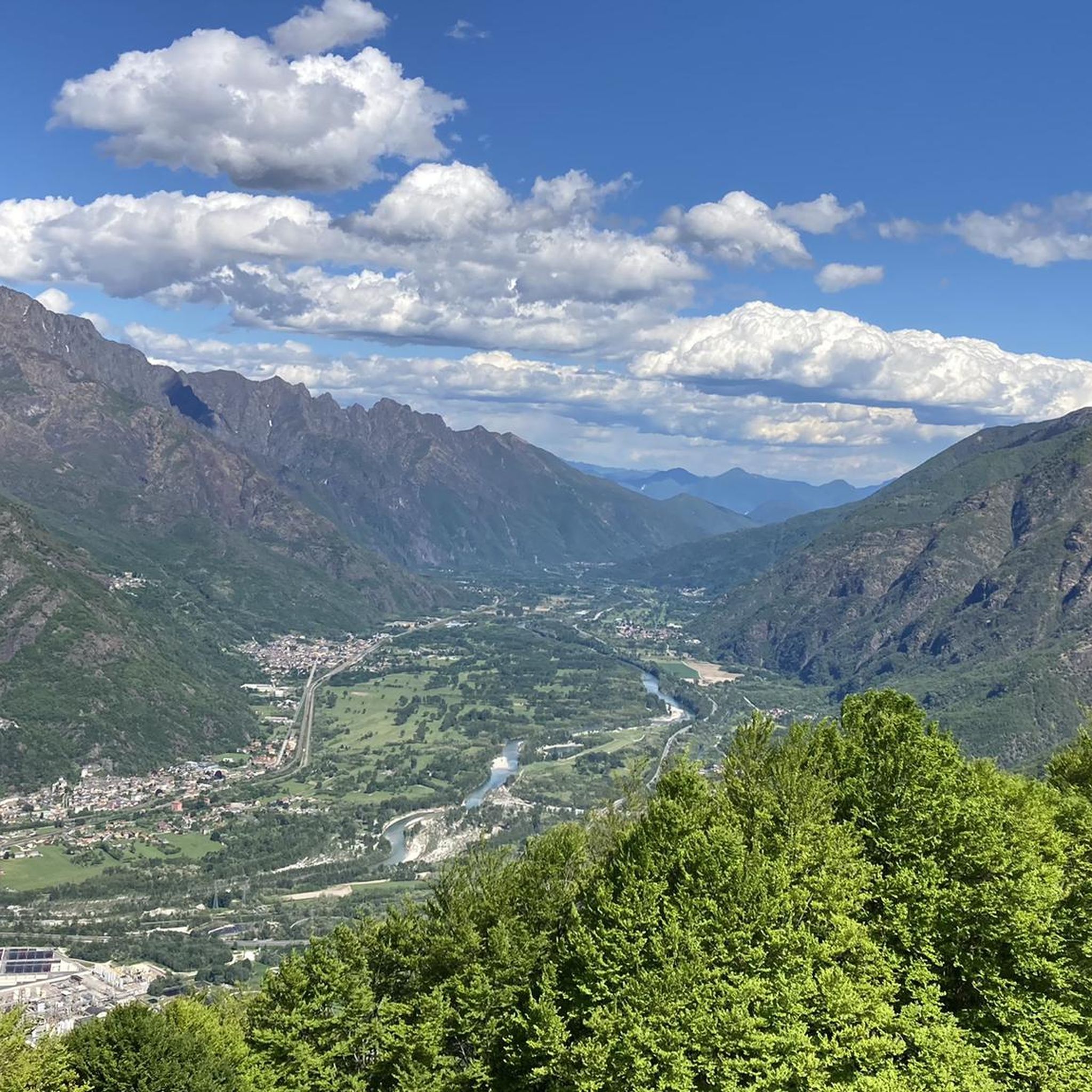
The Anzasca Valley is characterized by its alpine terrain and the powerful Anza River, an Alpine torrent originating from the glaciers of Monte Rosa. The majestic Monte Rosa Massif, with its impressive eastern face, looms over the valley, particularly towards Macugnaga, defining the grandeur of the region's natural environment. The valley offers expansive mountain vistas and diverse natural features.
What do visitors enjoy most about the natural monuments in Calasca-Castiglione?
Visitors particularly enjoy the dramatic geological formations and expansive alpine scenery. The unique experience of passing behind the Sajont Waterfall, the breathtaking views from the Monte Moro Pass, and the serene beauty of Lake Campiccioli are frequently highlighted. The blend of natural wonder and opportunities for outdoor activities like hiking and cycling also contributes to a memorable experience.
Is <a href="https://www.komoot.com/highlight/3449486" target="_blank" rel="noopener">Moncucco Peak</a> a good natural monument for panoramic views?
Yes, Moncucco Peak is the reference peak of Domodossola at 1902m and offers beautiful panoramic views. It's reachable with various options from Alpe Lusentino, also known as the 'Domobianca' lifts. The climb can even be done with an E-MTB for those seeking an active ascent.
Are there any natural monuments that are also good viewpoints for resting?
Yes, Alpe Lut is a fantastic place with a very beautiful view, allowing you to enjoy the Toce plain from a height of 700m. It's located above Premosello and offers a great spot to take a break, especially after a climb. It even has drinking water available.
What is the best time of year to visit the natural monuments around Calasca-Castiglione?
The best time to visit largely depends on the specific monument and desired activity. Generally, late spring to early autumn (May to October) offers the most favorable weather for hiking and exploring alpine areas, with accessible trails and pleasant temperatures. For high-altitude passes like Monte Moro, summer months (July-August) are ideal, though it's always wise to start early to avoid afternoon clouds.
Most popular routes around Calasca-Castiglione
Most popular attractions around Calasca-Castiglione

Get inspired with the komoot mobile app


Explore more
Extend your search for the best caves by checking out these guides of the top ones around Calasca-Castiglione:
