Top 15 Natural Monuments around Bannio Anzino
Best natural monuments around Bannio Anzino are found within the Anzasca Valley, a region known for its diverse natural landscapes. This area, nestled in the Italian Alps, features a variety of natural attractions including mountain passes, alpine lakes, and waterfalls. The terrain offers numerous opportunities for outdoor activities amidst its natural settings. Bannio Anzino serves as a base for exploring these natural features and the wider Monte Rosa area.
Best natural monuments around Bannio Anzino
- The most popular natural monuments…
Last updated: June 28, 2026
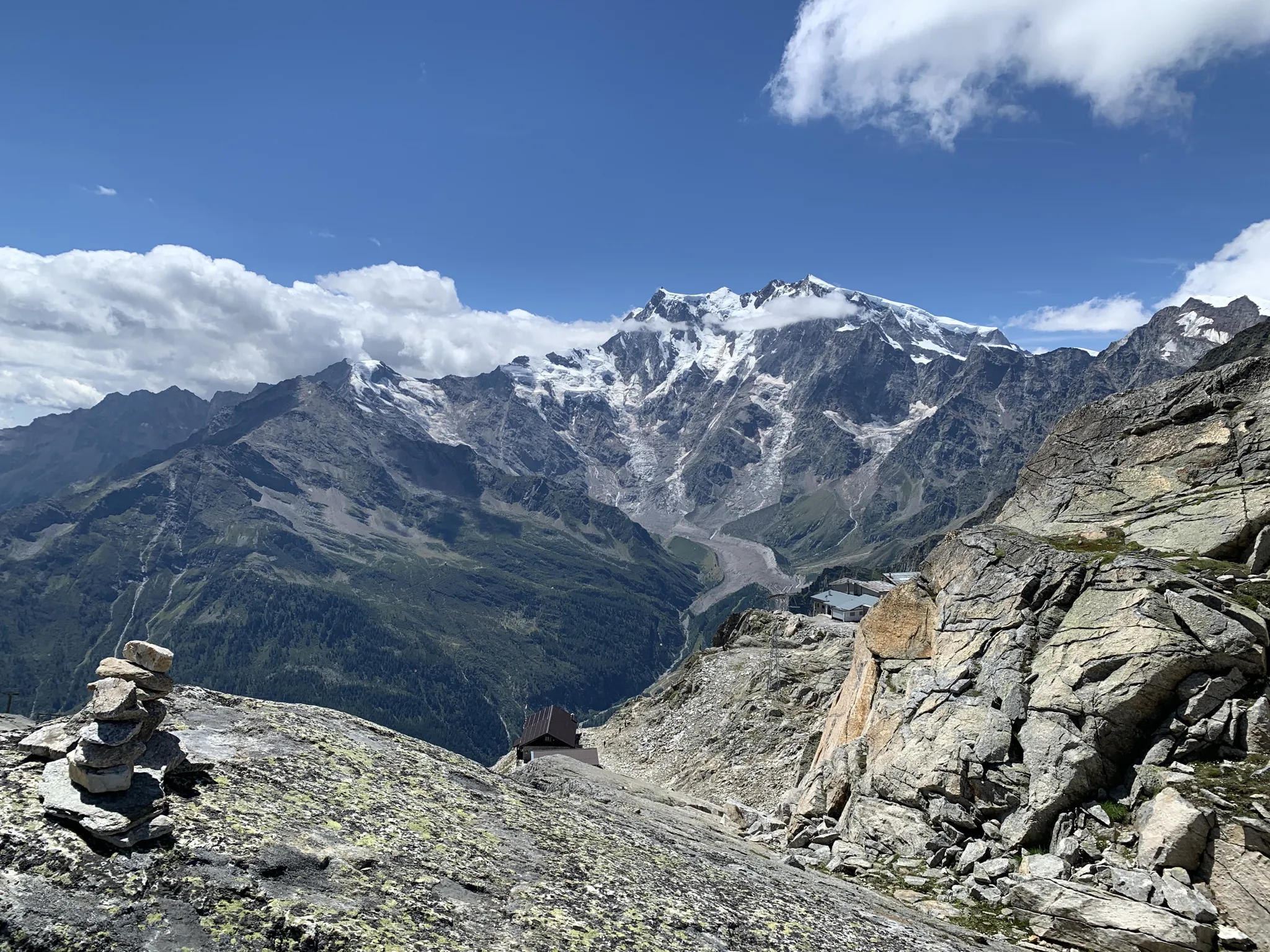
Golden Madonna Statue at Monte Moro Pass
Highlight • Monument
Translated by Google •
Tip by

Colle del Turlo (2738 m)
Highlight • Mountain Pass
Translated by Google •
Tip by

Sign up now to discover places like this
Get recommendations on the best single tracks, peaks, & plenty of other exciting outdoor places.
Sign up for free
Sajont Waterfall
Highlight • Waterfall
Translated by Google •
Tip by

Lake Campiccioli
Highlight • Lake
Translated by Google •
Tip by

Rio Passone Waterfalls
Highlight • Waterfall
Translated by Google •
Tip by

Sign up for free to discover even more natural monuments around Bannio Anzino.
Sign up for free
Already have an account?
Start today with a free account
Your next adventure awaits.
Login or Signup
Other adventures around Bannio Anzino

Tips from the Community


Was worshipped by smugglers
0
0

The Monte Moro Pass is located on the border between Switzerland and Italy, connecting the Saas Valley in Valais to the Anzasca Valley in Piedmont. The unique feature of this pass is that it is accessible via a medieval mule track. The route and photos are available at: https://treksrandos.fr/alpes/valais/alpes-pennines/col-de-monte-moro/
0
1

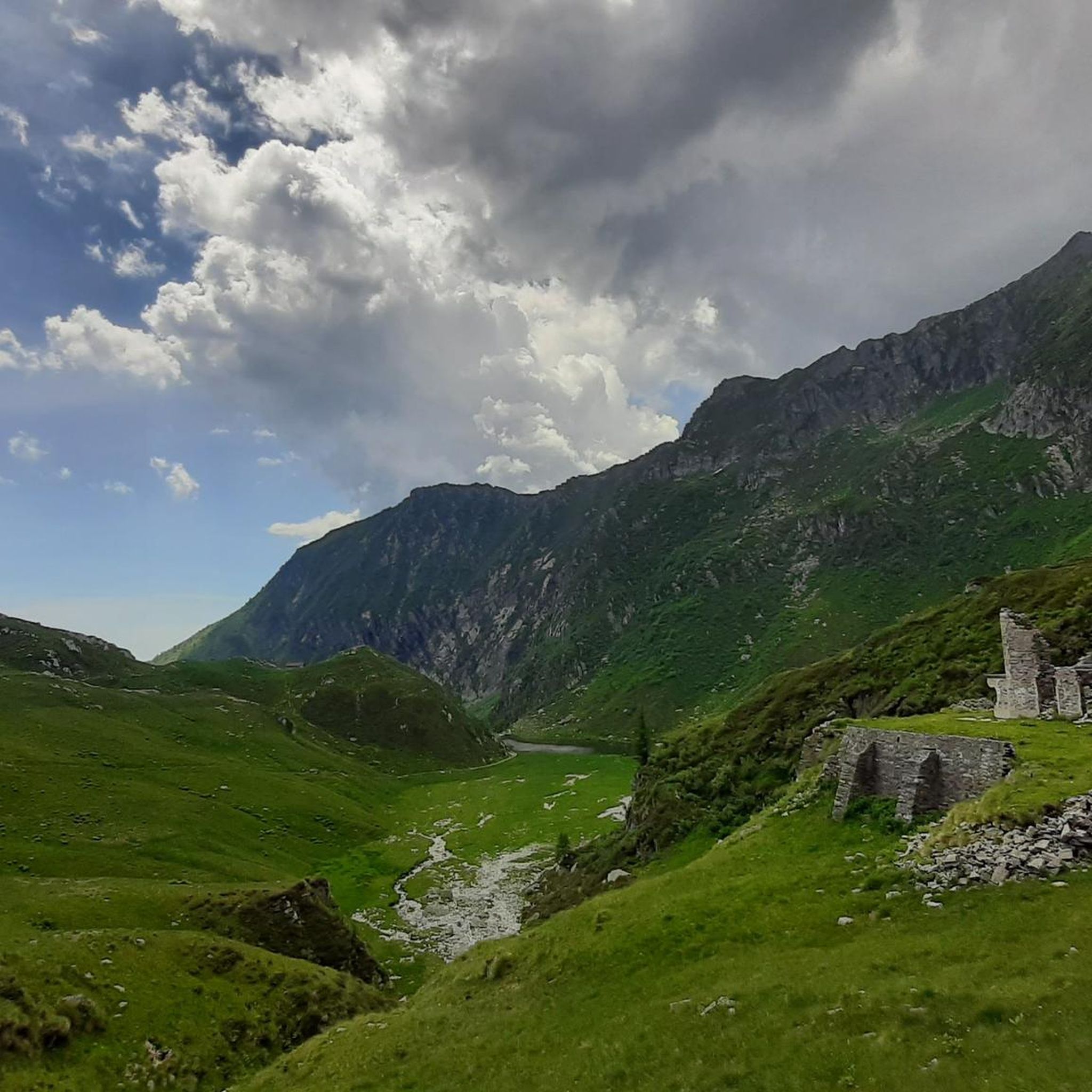
Lago di Campiccioli, located above Lago di Antrona, offers a breathtaking natural spectacle. Reachable in 40 minutes of climbing, you can walk around the lake on a flat path, with spectacular views from the dam and the possibility of exploring a small glacier. A beautiful place, but the path is tortuous and not suitable for small children.
2
0


At the beginning of May 2024, the path under/behind the waterfall was still closed
0
0

The circular route is currently not possible as there is some damage to the railing and the floor.
3
2

Frequently Asked Questions
What are some of the most popular natural monuments to visit around Bannio Anzino?
The region around Bannio Anzino, nestled in the Anzasca Valley, offers several remarkable natural features. Among the most appreciated are the Sajont Waterfall, where you can walk behind the cascading water, and Lake Campiccioli, an alpine lake with stunning views and a flat path for walking. Another significant natural landmark is the Golden Madonna Statue at Monte Moro Pass, which offers expansive views of the Monte Rosa east face and the surrounding valleys.
Are there any other notable mountain passes in the area besides Monte Moro Pass?
Yes, another significant mountain pass is Colle del Turlo (2738 m). This pass connects the Val Quarazza with the upper Sesia valley and is an important part of the Monte Rosa Tour. Historically, it served as a crucial link for trade and migration, with its name 'Türli' meaning 'small door' in the Walser language.
What kind of natural features can I expect to see in the Anzasca Valley near Bannio Anzino?
The Anzasca Valley is rich in diverse natural landscapes. You can expect to encounter stunning mountain peaks offering panoramic views, pristine alpine lakes, and cascading waterfalls. The valley itself, with its varied terrain of mountains, forests, and waterways like the Anza River, provides a vast natural environment for exploration.
Are there any other waterfalls to explore besides Sajont Waterfall?
Absolutely. In addition to the well-known Sajont Waterfall, you can also discover the Rio Passone Waterfalls. These beautiful waterfalls flow from the Passone stream amidst a serene larch forest, offering a less crowded spot to enjoy nature's wonders and the soothing sound of water.
What outdoor activities can I do near these natural monuments?
The region around Bannio Anzino is ideal for various outdoor activities. You can enjoy extensive hiking, with trails leading to mountain pastures and peaks offering breathtaking views. For more specific routes, you can explore options like the B19 Trail: Parcineto to Pizzetto Peak or the Bocchetto - Alpe Pie di Baranca Loop. Find more details on Hiking around Bannio Anzino. There are also opportunities for running and road cycling, with guides available for Running Trails around Bannio Anzino and Road Cycling Routes around Bannio Anzino.
What is the best time to visit Bannio Anzino for exploring its natural monuments?
The best time to visit Bannio Anzino for exploring its natural monuments and enjoying outdoor activities is generally during the warmer months, from late spring to early autumn (May to October). During this period, the mountain trails are more accessible, the weather is pleasant for hiking, and the alpine landscapes are at their most vibrant. Some high-altitude passes might still have snow early in the season.
Are there family-friendly natural attractions or hikes suitable for children?
While some trails to higher-altitude lakes or passes can be challenging, there are options for families. For instance, the walk around Lake Campiccioli offers a relatively flat path once you reach the lake, though the ascent to the lake itself is described as tortuous and not suitable for very small children. Exploring the lower mountain pastures and hamlets, such as those found on trails starting from Fontane, can also provide enjoyable and less strenuous natural experiences for families.
Can I bring my dog to the natural monuments and trails in the Anzasca Valley?
Many natural trails and areas in the Anzasca Valley are dog-friendly, allowing you to explore with your canine companion. However, it's always advisable to keep your dog on a leash, especially in areas with wildlife or livestock, and to follow local regulations regarding waste disposal. Specific rules might apply in certain protected areas or near sensitive natural sites, so checking local signage is recommended.
What are some of the best viewpoints to experience the natural beauty of the region?
For breathtaking panoramic views, the Golden Madonna Statue at Monte Moro Pass is highly recommended, offering vistas of the Monte Rosa east face and surrounding valleys. The routes to various mountain peaks accessible from Bannio Anzino, such as those above Fontane leading towards Alpe Soi, also provide exceptional views of the Olocchia Valley and the wider alpine landscape.
How accessible are the natural monuments by public transport or car parking?
Access to Bannio Anzino itself is possible by car, and parking is generally available within the village or at trailheads for various routes. Public transport options, such as local buses, connect villages within the Anzasca Valley, but direct access to all natural monuments might require a combination of public transport and hiking. For specific monuments, it's best to research the nearest parking areas or bus stops.
What makes the Anzasca Valley itself a significant natural monument?
The Anzasca Valley, where Bannio Anzino is located, is considered a vast natural monument due to its comprehensive display of diverse alpine ecosystems. It encompasses a rich tapestry of mountains, dense forests, and waterways like the Anza River, all contributing to a stunning natural environment. The valley offers endless opportunities for exploration, showcasing the raw beauty and ecological significance of the Italian Alps.
Are there any historical aspects tied to the natural monuments in the region?
Yes, some natural landmarks also hold historical significance. For example, the Colle del Turlo (2738 m) was historically a fundamental link for the Walser settlers who founded the first settlements in Alagna, and it was later developed as a military cart track. The Monte Moro Pass also has historical importance as a route once used by smugglers, adding a layer of human history to its natural grandeur.
Most popular attractions around Bannio Anzino

Get inspired with the komoot mobile app


Explore more
Extend your search for the best caves by checking out these guides of the top ones around Bannio Anzino:
