Top 5 Natural Monuments around Acqui Terme
Best natural monuments around Acqui Terme include significant geological features and historical sites. Acqui Terme, located in the Piedmont region of Italy, is renowned for its thermal waters and is nestled within the Monferrato hills, a UNESCO World Heritage site. The town's identity is deeply connected to its natural thermal springs, which have been utilized since Roman times. These natural monuments offer insights into the region's unique geology and cultural heritage.
Best natural monuments around Acqui Terme
- The most popular…
Last updated: June 28, 2026
La Bollente Hot Spring Fountain
Highlight • Natural Monument
Translated by Google •
Tip by

Monte Marino Summit
Highlight • Summit
Translated by Google •
Tip by

Sign up now to discover places like this
Get recommendations on the best single tracks, peaks, & plenty of other exciting outdoor places.
Sign up for free
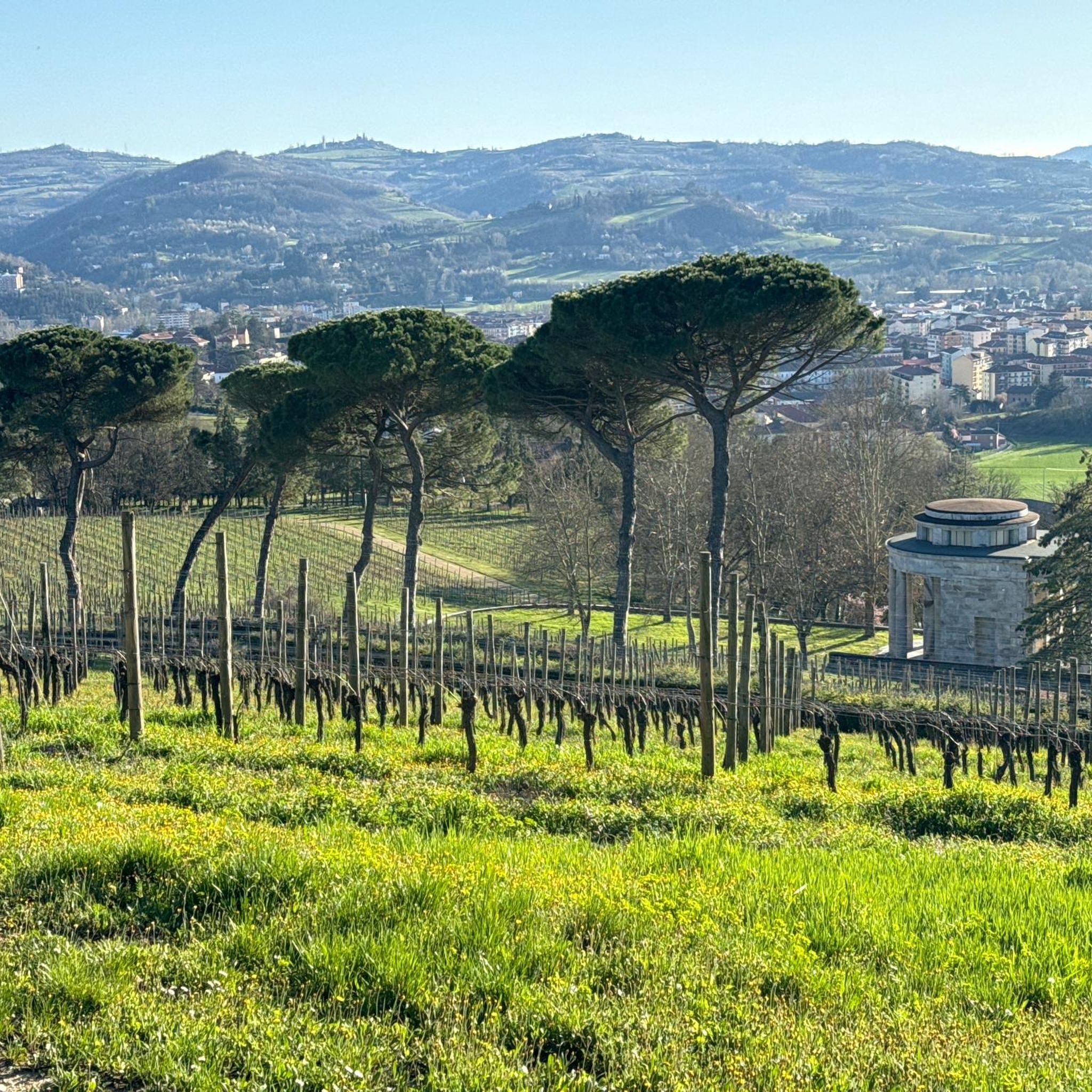
Viewpoint of Riccaldone Vineyards
Highlight • Viewpoint
Translated by Google •
Tip by

Walnut of Saint John
Highlight • Natural Monument
Translated by Google •
Tip by

Monumental Willow Tree
Highlight • Natural Monument
Translated by Google •
Tip by
Start today with a free account
Your next adventure awaits.
Login or Signup


Other adventures around Acqui Terme

Tips from the Community

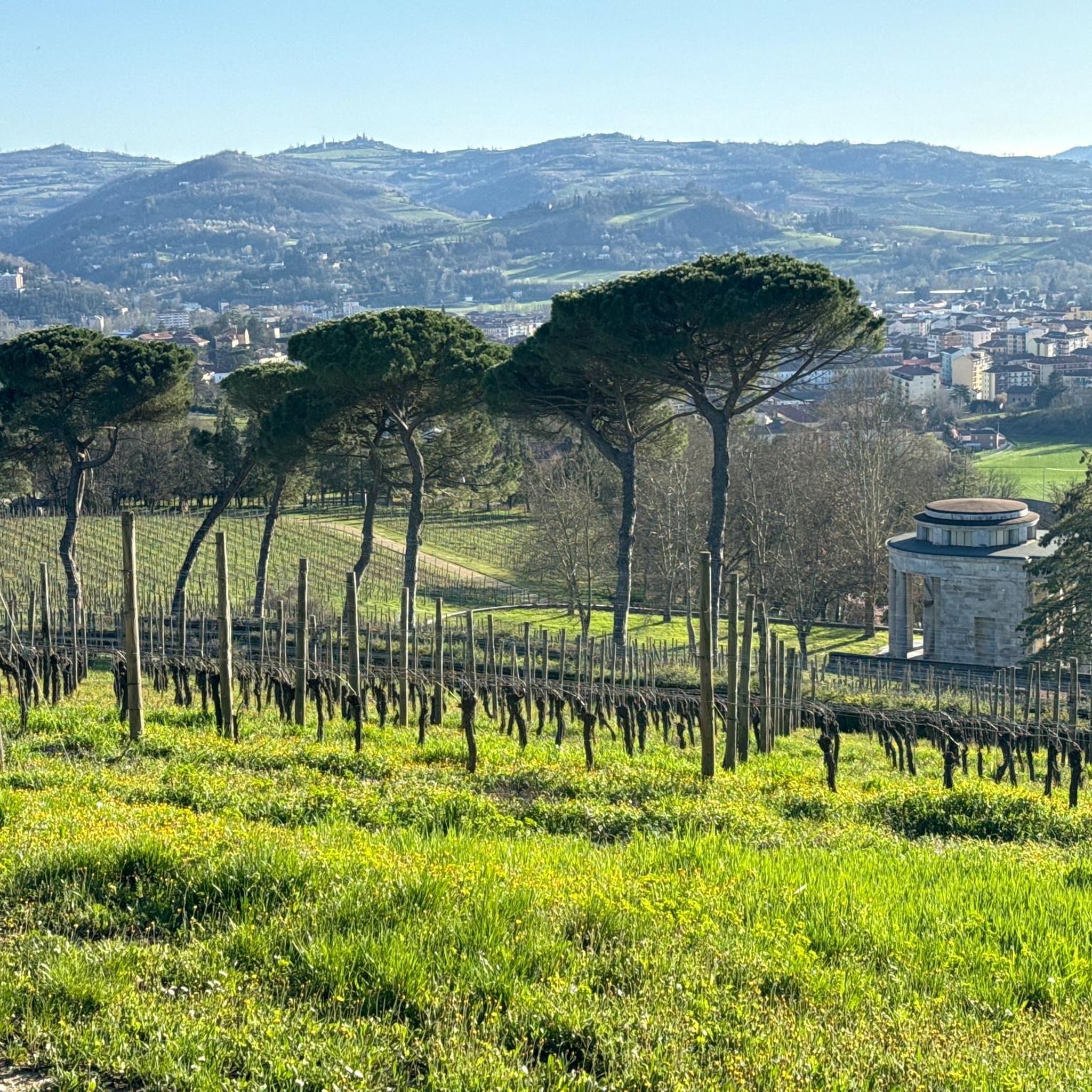
Monumental tree located among the vineyards of Fontanile, not far from the town
0
0

Thermal spring in the city center
0
0

Thermal water fountain located in the center of an elegant square that well represents the nature of the city's waters
1
0

on-site drinking fountain and water rack
3
0

In the middle of downtown Acqui Terme, Piazza Bollente is probably the main attraction of the beautiful city. Here stands the small Greek fountain temple, Fontana della Bollente, built in 1879, from which 74.5 degree hot, sulphurous water gushes. In addition to sulphur, it also contains iodine, salt and bromine and is healing for the respiratory tract and bloodstream.
2
0

La Bollente is an elegant octagonal-shaped shrine-temple inaugurated in 1879 in the square of the same name. This structure of eclectic language highlights a thermal spring from which sulphurous-salty-bromine-iodine water flows at a temperature of 74.5°. A local legend reports the custom of the city of Acqui of immersing newborn children for a few moments in the Bollente spring: whoever survives, according to the popular tale, is named "sgaiento", that is, scalded. Known and used since Roman times, the Bollente spring is mainly used in Acqui's health facilities. Next to the Bollente you can also see the Civic Tower built in 1763 on the foundations of a gate of the ancient city wall dating back to the era of the Municipalities.
0
0

Very beautiful square with the famous Bollente, a source of sulphurous water.
0
0

Imposing tree, whose particular shape is the work of lightning that struck 60 years ago. Note how young specimens of English oak, cherry and walnut radiate on its stem: in fact, the wood of the willow provides a valid substrate for the growth of other plants. Cavities and degraded wood also give it a high ecological value as a habitat for animal species.
0
0
Frequently Asked Questions
What are the most unique natural features to explore in Acqui Terme?
Acqui Terme is renowned for its thermal springs. The most prominent is La Bollente Hot Spring Fountain, where water gushes at 74.5°C. Other notable springs include Acqua Marcia, known for its distinct smell and therapeutic properties, and Lago delle Sorgenti, which forms a lake with therapeutic mud. These springs highlight the region's unique geology and its long history as a spa town.
Are there family-friendly natural monuments around Acqui Terme?
Yes, several natural monuments are suitable for families. La Bollente Hot Spring Fountain in the town center is an easy and fascinating visit. The Viewpoint of Riccaldone Vineyards offers beautiful panoramas that can be enjoyed by all ages. Additionally, the Walnut of Saint John and the Monumental Willow Tree are interesting natural sights that are generally accessible for families.
What is the historical importance of the natural monuments in Acqui Terme?
The natural monuments in Acqui Terme are deeply intertwined with its history. La Bollente Hot Spring Fountain has been utilized since Roman times, establishing Acqui Terme as a significant bathing center. The elegant octagonal shrine housing La Bollente, built in 1879, further underscores its monumental status. The nearby Fontanino Acqua Marcia is also found near the remains of the Roman aqueduct, linking it to the town's ancient past.
Can I collect or experience the thermal waters directly from the natural springs?
Yes, at La Bollente Hot Spring Fountain, many locals and visitors collect the mineral-rich water directly from the spring for free. The water is known for its therapeutic properties. The Fontanino Acqua Marcia also allows visitors to experience its distinct sulphurous water, valued for inhalation treatments.
Are there hiking opportunities near the natural monuments around Acqui Terme?
Yes, the area around Acqui Terme offers various hiking opportunities. For instance, Monte Marino Summit is a popular destination for hikers, featuring a summit cross and elevated perspectives. You can find several routes, including the 'Climb to Monte Stregone and Monte Marino from Acqui Terme' or the 'Monte Marino Summit Cross loop from Acqui Terme', by exploring the Running Trails around Acqui Terme guide.
What kind of views can I expect from the natural monuments?
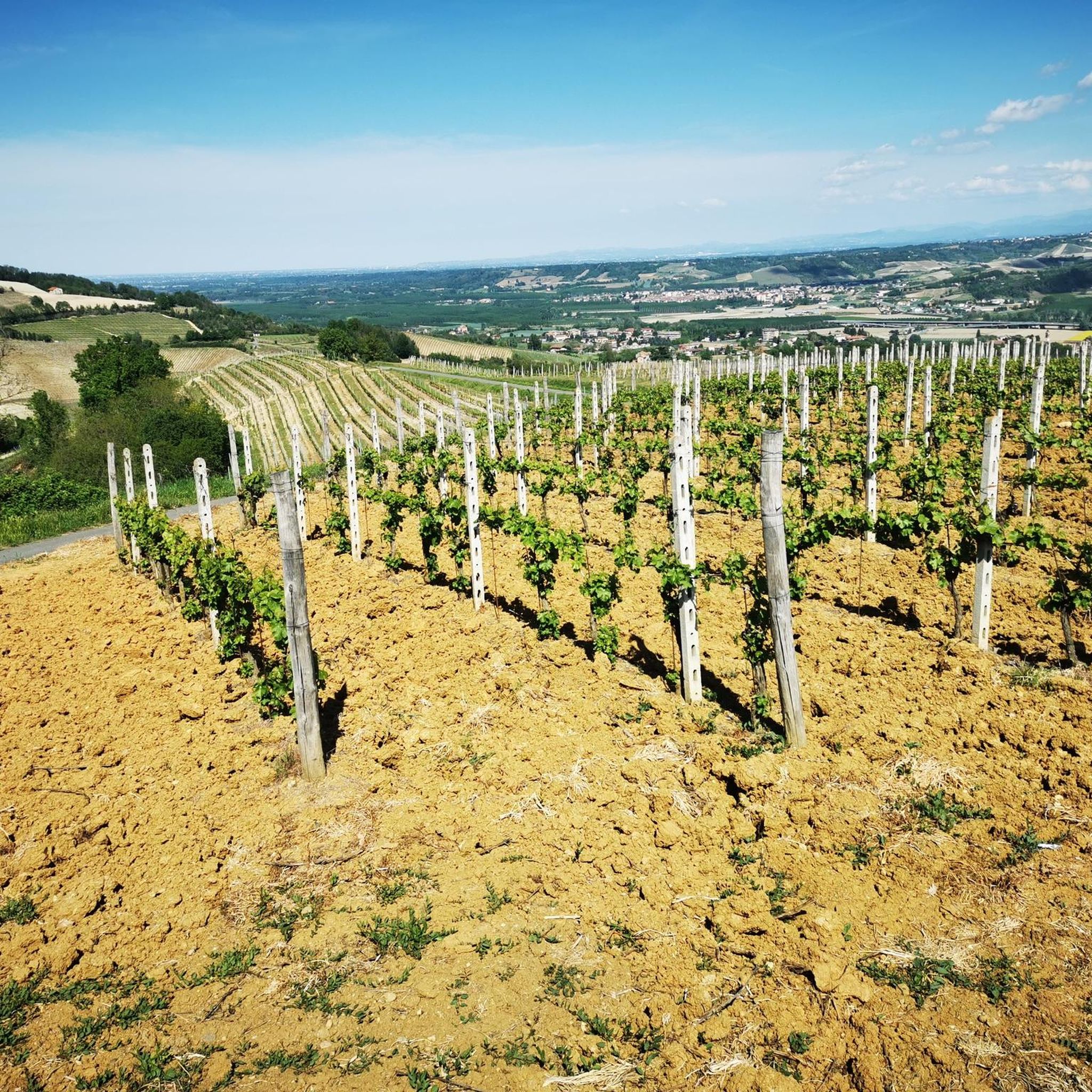
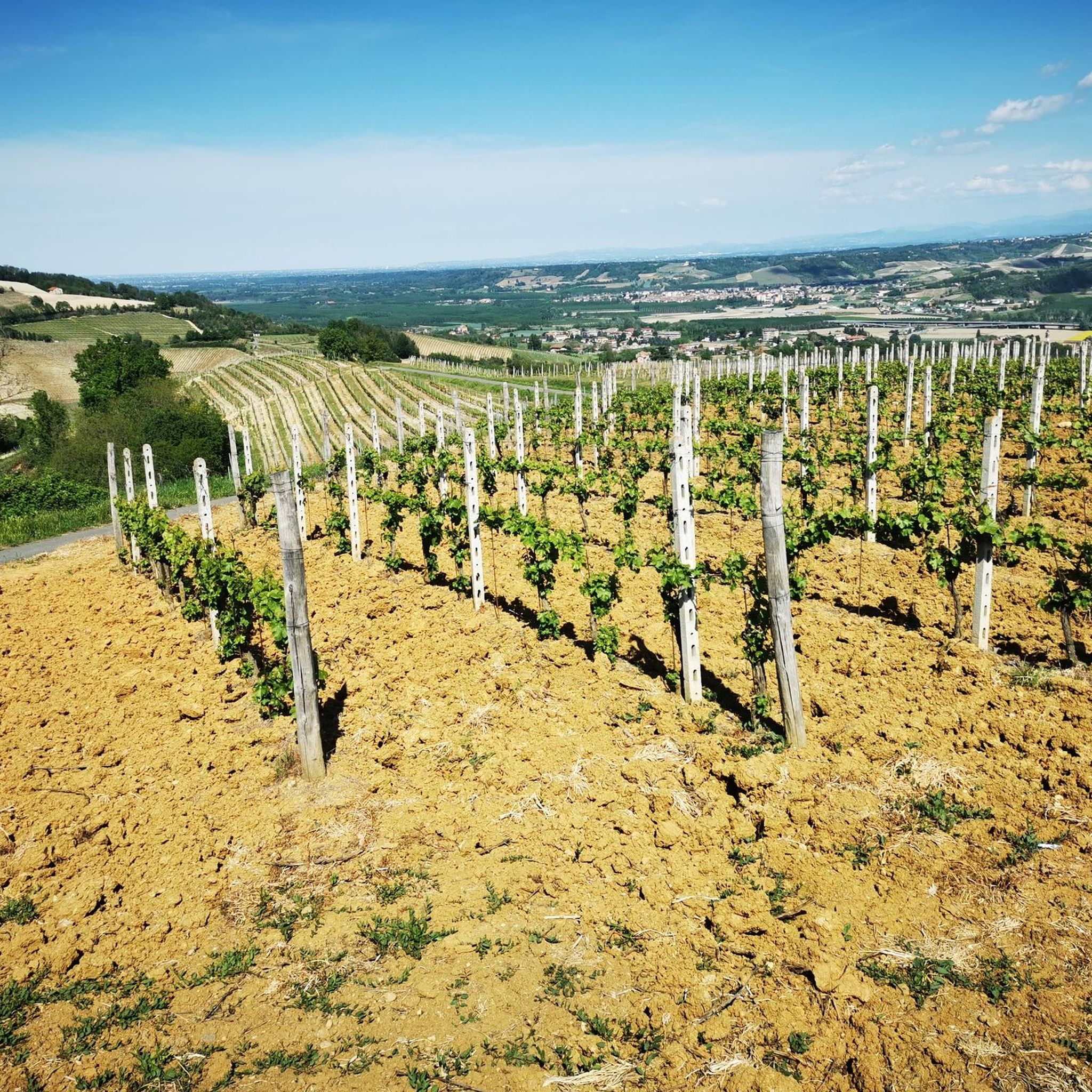
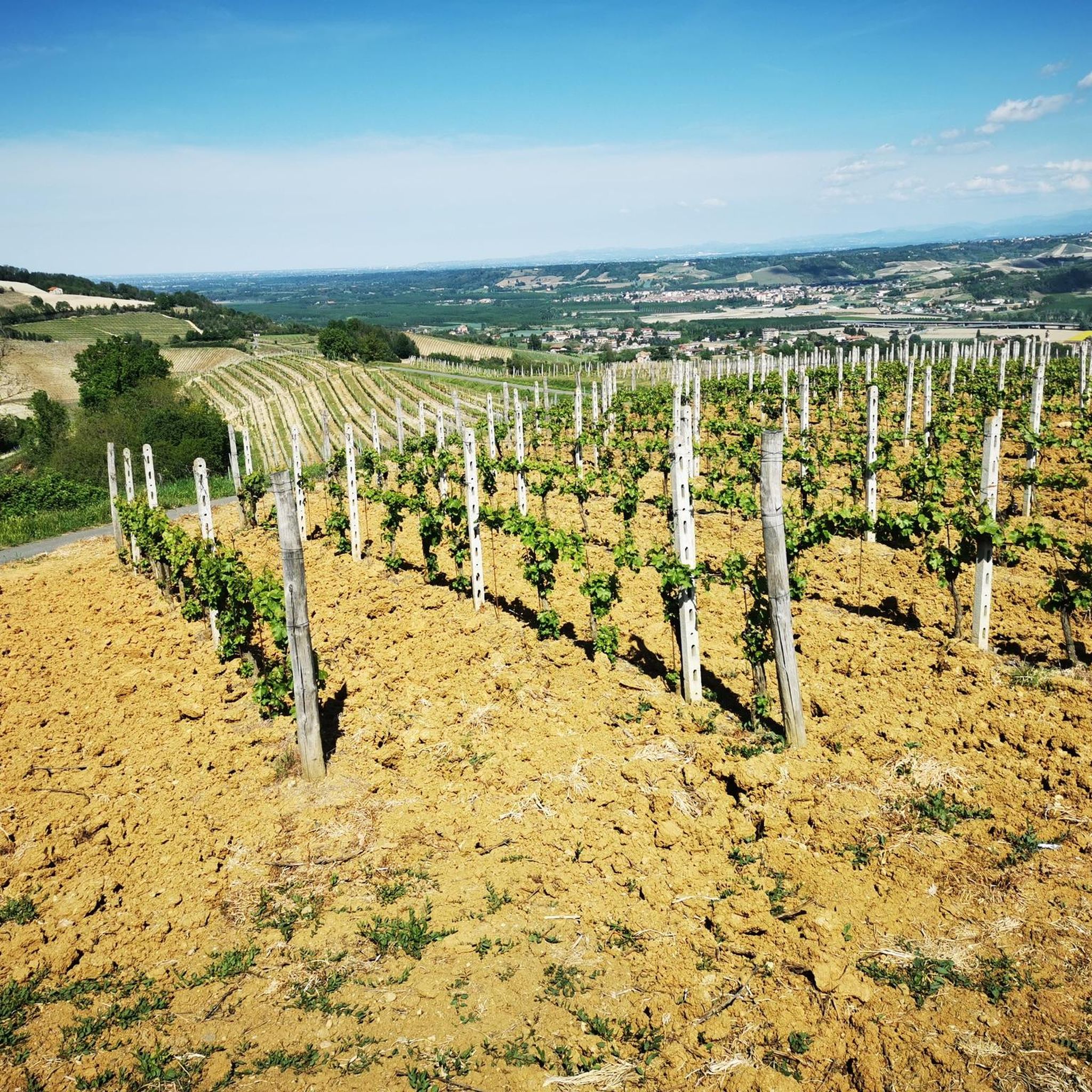
The natural monuments offer diverse scenic views. From the Viewpoint of Riccaldone Vineyards, you can expect spectacular panoramas of the surrounding hills and vineyards. Monte Marino Summit provides elevated perspectives of the landscape from its highest point, marked by a summit cross.
What makes the thermal waters of Acqui Terme special?
The thermal waters of Acqui Terme, particularly from La Bollente Hot Spring Fountain, are unique due to their high temperature (74.5°C) and rich mineral composition. They are sulfureo-salso-bromo-iodica, containing high concentrations of sulfur, bromine, and iodine, which are valued for their therapeutic properties, especially for respiratory issues, rheumatism, and arthritis. Acqua Marcia also offers distinct sulphides with antioxidant power.
Can I find cycling routes near the natural monuments in Acqui Terme?
Absolutely. The region around Acqui Terme is excellent for cycling. You can find various routes, such as the 'Acqui Terme Cycle Path – Roman Aqueduct of Acqui Terme loop' or the 'Panoramic Ridge Road – Roman Aqueduct of Acqui Terme loop'. Explore these and more in the Cycling around Acqui Terme guide or the Road Cycling Routes around Acqui Terme guide.
What do visitors appreciate most about the natural monuments in Acqui Terme?
Visitors are often captivated by the unique natural phenomenon of La Bollente Hot Spring Fountain, appreciating its historical significance and the continuously flowing hot water. The stunning panoramas from spots like the Viewpoint of Riccaldone Vineyards are also highly praised. The overall blend of natural beauty, historical context, and opportunities for wellness makes the area very appealing.
Are there any unique trees or botanical natural monuments in the area?
Yes, the region features some unique botanical natural monuments. The Walnut of Saint John is notable for its historical folklore, said to bloom on June 24th. Additionally, the Monumental Willow Tree is an imposing specimen, recognized for its particular shape, which is the result of a lightning strike decades ago, and its ecological value as a habitat for other plants and animal species.
What is the best time to visit the natural monuments around Acqui Terme?
While the thermal springs like La Bollente Hot Spring Fountain are accessible year-round, the surrounding Monferrato hills and viewpoints are particularly pleasant during spring and autumn. These seasons offer mild weather ideal for hiking and cycling, and the vineyards provide beautiful colors. Summer can also be enjoyable, especially in the evenings, but be prepared for warmer temperatures.
Most popular routes around Acqui Terme
Most popular attractions around Acqui Terme

Get inspired with the komoot mobile app


Explore more
Extend your search for the best caves by checking out these guides of the top ones around Acqui Terme:
