Top 5 Natural Monuments around Cella Monte
Natural monuments around Cella Monte are defined by a unique interplay of geological features and human craftsmanship in the Monferrato region of Piedmont, Italy. The area is known for its "infernots," subterranean wine cellars hand-carved into the distinctive "pietra da cantoni" stone, which reveals a rich geological past. This landscape is part of the UNESCO World Heritage Site "The Wine Landscapes of Piedmont," characterized by rolling hills and extensive vineyards. Visitors can explore these unique underground structures and the picturesque…
Last updated: June 28, 2026
Sanctuary of the Madonna di Crea
Highlight • Religious Site
Translated by Google •
Tip by

Bialbero di Casorzo
Highlight • Natural Monument
Showing Translation
Tip by

Sign up now to discover places like this
Get recommendations on the best single tracks, peaks, & plenty of other exciting outdoor places.
Sign up for free
Vineyard Landscapes of Langhe, Monferrato and Roero
Highlight (Segment) • Viewpoint
Translated by Google •
Tip by

Church and Fountain of Sant'Eusebio
Highlight • Religious Site
Translated by Google •
Tip by
Start today with a free account
Your next adventure awaits.
Login or Signup

Tips from the Community

The Bialbero di Casorzo is one of the most famous natural curiosities of Piedmont, in Italy.
14
0
Place of worship kept in perfect condition.
9
1

The German-language television series "Treasures of the World - Heritage of Humanity" - which I highly recommend - is dedicated to short film clips featuring UNESCO World Heritage sites from all continents and eras. This includes the "Sacri Monti" in northern Italy (there are eight of these "Sacred Mountains" in Piedmont, and a ninth in Lombardy), which are presented to culture-loving viewers in a 15-minute segment. This can be accessed in the ARD Media Library at the following link =>> https://www.ardmediathek.de/video/schaetze-der-welt/heilige-berge-in-piemont-italien-folge-396/3sat/Y3JpZDovL3N3ci5kZS84ODgxMzc2
2
0

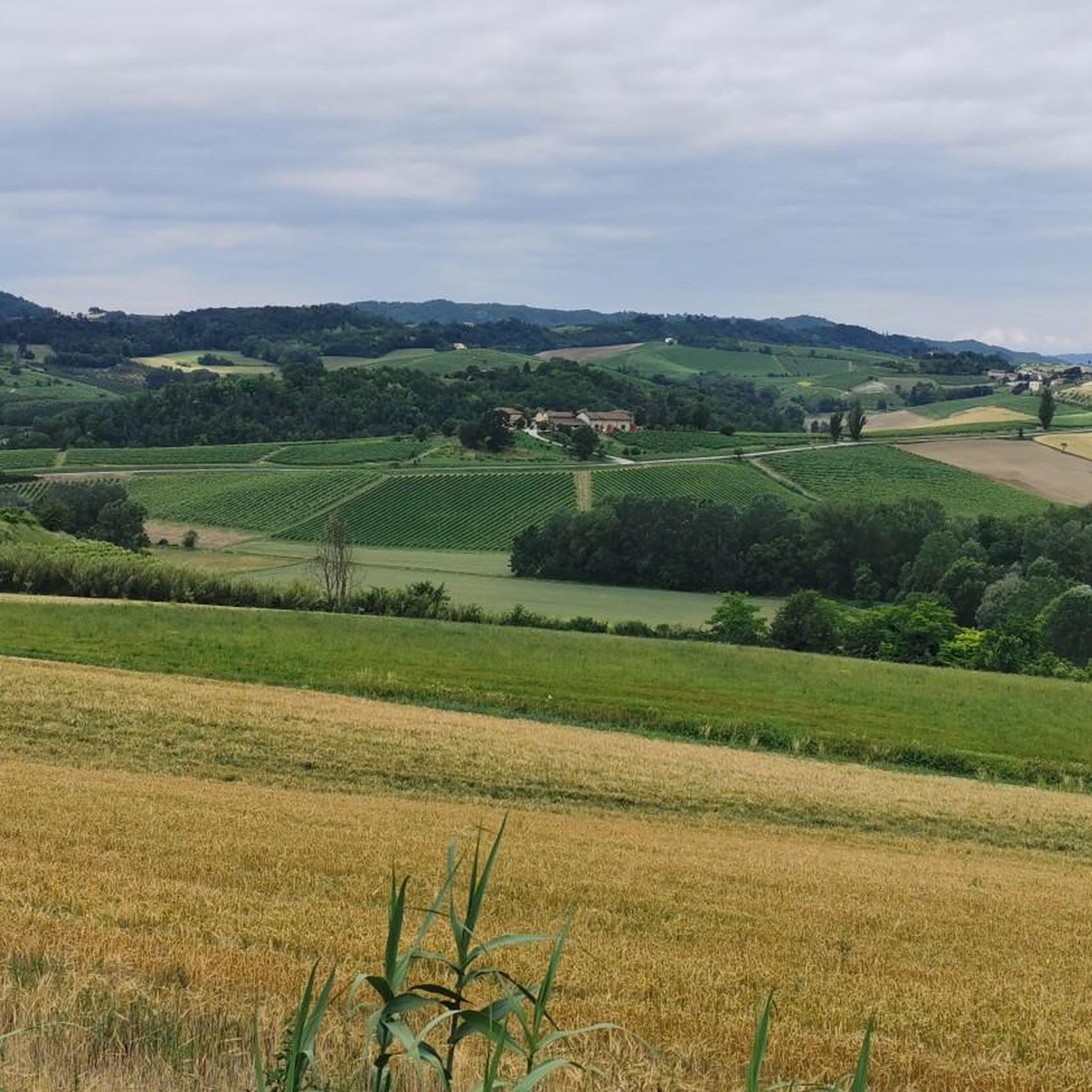
On the top of a hill immersed in a splendid landscape of vineyards, stands the Sacro Monte di Crea, founded in 1589. Inspired by the Sacro Monte di Varallo, it was born as a pilgrimage destination and today it is an enchanting place, perfect for walking among the greenery of the protected nature reserve. Along the route you will encounter 23 chapels and 5 hermitages, among which the evocative chapel of Paradise, dedicated to the Coronation of Mary, stands out. From here, your gaze is lost in a breathtaking panorama that embraces the Alpine chain and the surrounding rolling hills.
5
1

In the heart of Monferrato, on the top of a hill surrounded by a wonderful wine-growing landscape, stands the Sacro Monte di Crea, founded in 1589 on the initiative of Costantino Massino, Lateran prior of the Sanctuary of the Madonna Assunta. Costantino Massino proposed building a religious itinerary inspired by the Sacro Monte di Varallo, to encourage prayer and meditation and to renew the Marian devotion linked to the Sanctuary, a pilgrimage destination of considerable importance since the 11th century. The strong bond between the sanctuary and the ruling dynasty in Monferrato made the duke, the nobility, the high clergy and the local communities participate in the enterprise. In the first phase of the history of the Sacro Monte, which ended around 1657, important artists also active in the Sacri Monti of Orta, Varallo and Varese worked there, including Moncalvo, the Prestinari and the de Wespin, authors of the spectacular sculptural complex of the Chapel of Paradise (c. 23), created in the years between 1604 and 1612. During the 18th century, the Sacro Monte gradually fell into a state of abandonment and, between 1796 and 1801, the incursions of the French revolutionary troops contributed to the ruin of many structures, statues and frescoes. For several decades, the Sacro Monte was abandoned and only in 1820 a community of Franciscan friars, who had become responsible for the Sanctuary, began to restore some buildings. In 1885, a systematic restoration campaign began, supported by the bishop of Milan Nazari di Calabiana and destined to last until the 1920s. During this phase, in which some buildings were built from scratch, the famous symbolist sculptor Leonardo Bistolfi intervened in chapel 16, modeling the statues of the Ascent to Calvary. (c) https://www.sacrimonti.org/it/sacro-monte-di-crea
3
0

Church and fountain of Sant'Eusebio, patron saint of the entire Piedmont region, it was he who brought the oriental cult of the Black Madonna, to which the Cathedral of Vercelli and the Sacro Monte of Crea are linked; legend has it that passing by here he sat down and put down his stick; at that point the water began to gush;
2
0

The Biarancio di Casorzo is located between Grana Monferrato and Casorzo, in Piedmont. It is called 'Biarancio' as this tree is a mulberry tree on which a cherry tree has grown. The best season to admire the Biarancio is at the end of spring, when it is in bloom.
2
0

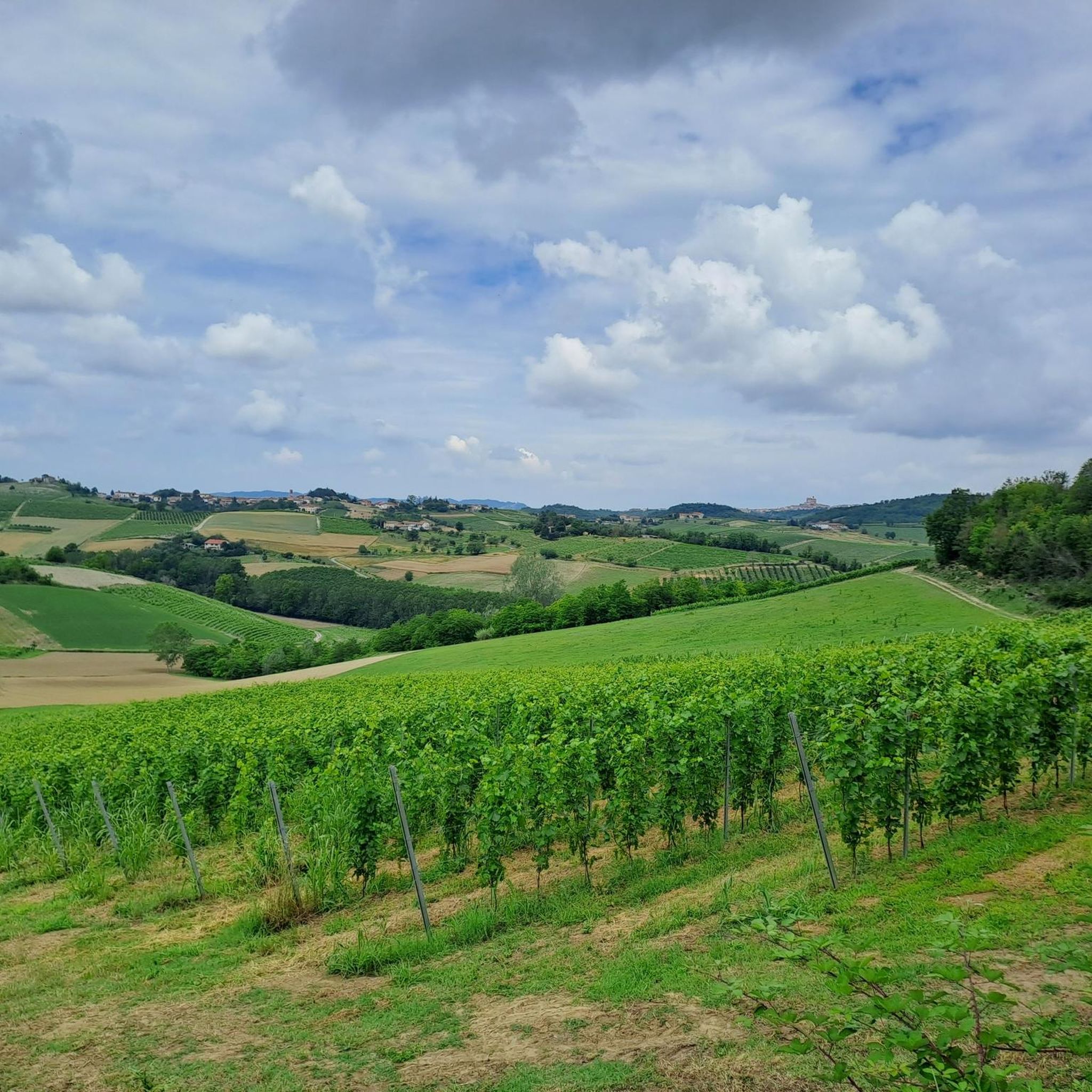
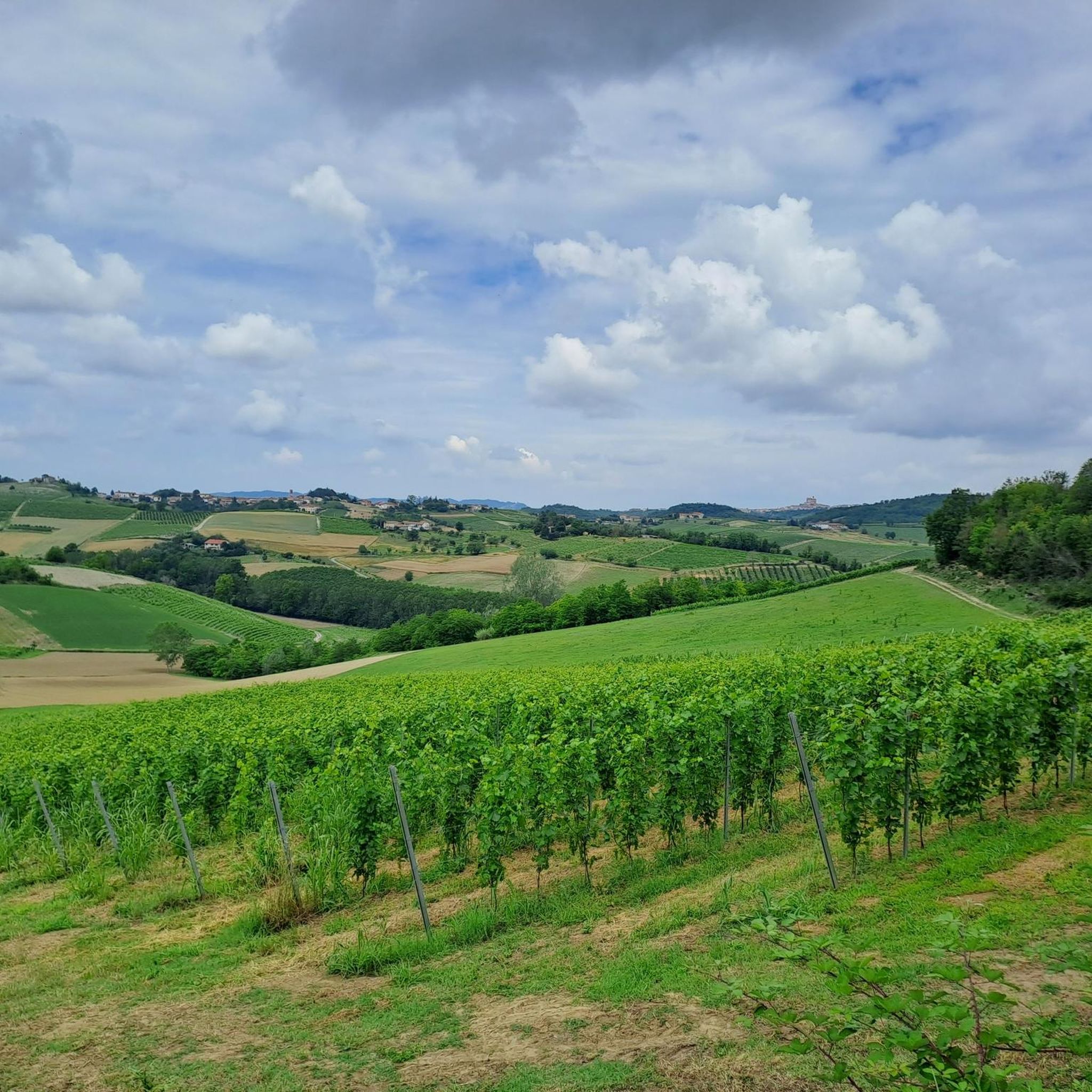
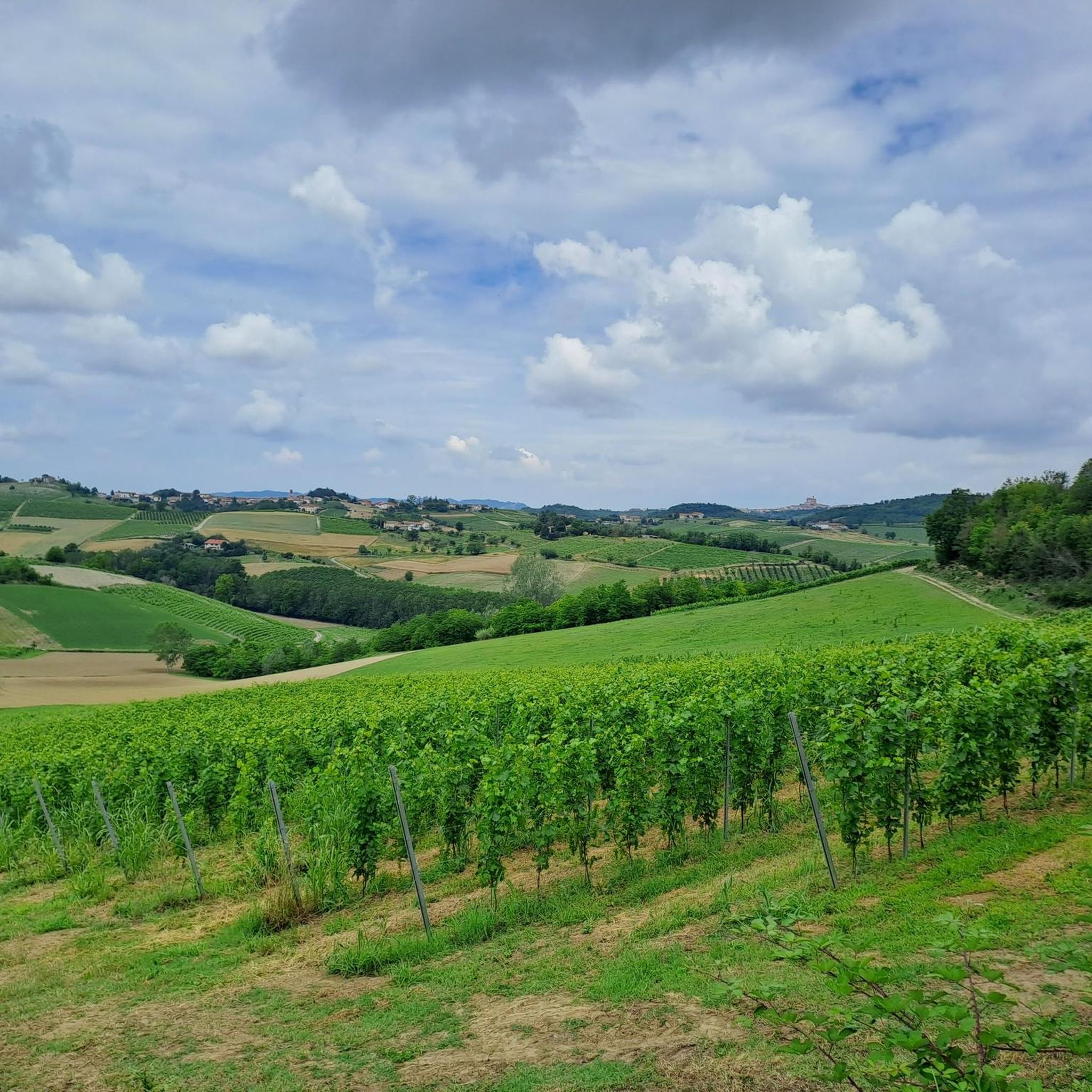
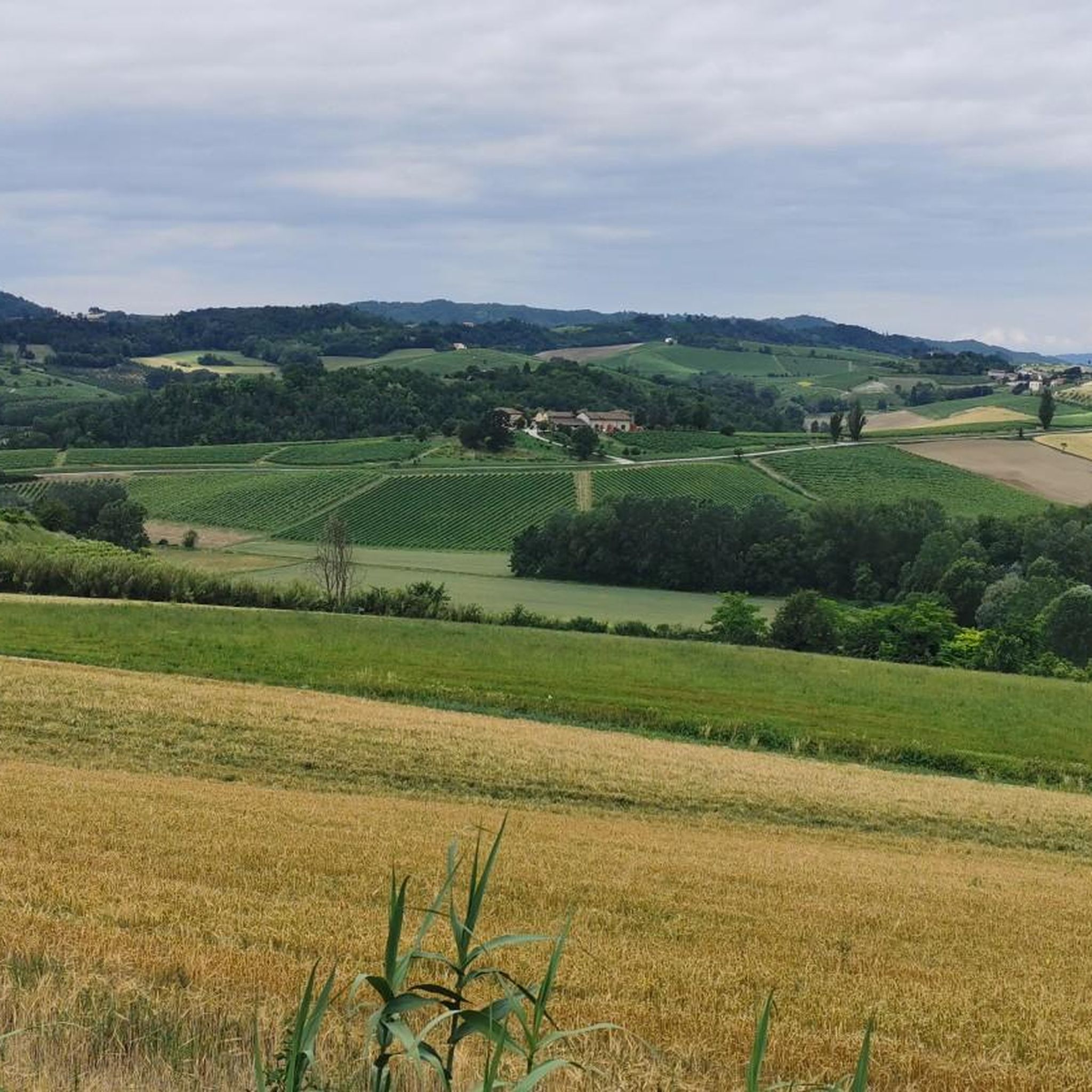
The UNESCO site of the wine-growing landscapes of Langhe, Monferrato and Roero is made up of six areas in the provinces of Alessandria, Asti and Cuneo and twenty-nine municipalities. The areas represent the exceptional quality of the Piedmontese wine-growing landscape and its profound and lively wine culture. The site is characterized by a rich and diversified system of farmhouses, wineries, wine industries, cooperative wineries, public and private wine shops, which in some cases constitute symbolic places for the history and development of national and international viticulture and enology.
1
0
Frequently Asked Questions
What are the most distinctive natural monuments to explore around Cella Monte?
The region around Cella Monte is renowned for its unique "infernots," which are subterranean wine cellars hand-carved into the distinctive "pietra da cantoni" stone. These represent a fascinating blend of natural geology and human ingenuity. Additionally, the broader Vineyard Landscapes of Langhe, Monferrato and Roero, a UNESCO World Heritage site, offers breathtaking panoramic views of the wine-growing hills.
What is an 'infernot' and why is it significant in Cella Monte?
An 'infernot' is a unique underground cellar, meticulously hand-carved into the local "pietra da cantoni" stone. This stone is rich in fossilized seashells, indicating the area was once submerged. Infernots are significant because they are architectural masterpieces designed to maintain constant temperature and humidity for wine storage, showcasing the region's deep winemaking culture and geological history. You can learn more about them at the Ecomuseo della Pietra da Cantoni in Cella Monte.
Are there any unusual natural phenomena to see near Cella Monte?
Yes, you can visit the Bialbero di Casorzo, a truly unique natural monument where a cherry tree has grown on top of a mulberry tree. It's a striking sight, especially in spring when the cherry tree blossoms while the mulberry tree is still bare.
What historical or religious sites are considered natural monuments in the area?
The Sanctuary of the Madonna di Crea is a significant religious building and natural monument situated on a hill amidst vineyards. It features 23 chapels and 5 hermitages, offering panoramic views of the Alpine chain and surrounding hills. Another notable site is the Church and Fountain of Sant'Eusebio, a place of worship with a legendary gushing fountain.
What kind of outdoor activities can I do near the natural monuments of Cella Monte?
The Monferrato region offers a variety of outdoor activities. You can explore numerous trails for mountain biking, cycling, and running. For example, you can find routes like the 'Monferrato of the Infernots Loop' for MTB, or scenic cycling tours such as 'Giro da Rosignano Monferrato'. Running enthusiasts can enjoy trails like the 'Castello di San Giorgio loop'. You can find more details on these activities in the dedicated guides for MTB Trails around Cella Monte, Cycling around Cella Monte, and Running Trails around Cella Monte.
Is the Cella Monte area suitable for family visits?
Yes, several natural monuments around Cella Monte are considered family-friendly. The Sanctuary of the Madonna di Crea offers pleasant walks among its chapels, and the Bialbero di Casorzo is a curious sight that children often enjoy. The general landscape with its vineyards and small villages provides a tranquil setting for family outings.
What is the best time of year to visit the natural monuments around Cella Monte?
Spring (March-April) is particularly recommended, especially for seeing the Bialbero di Casorzo when its cherry tree blossoms. The Monferrato region's vineyards are also vibrant during spring and early summer, offering picturesque scenery. Autumn is another excellent time, with harvest activities and beautiful fall colors across the wine landscapes.
Are there any viewpoints offering panoramic vistas of the Monferrato landscape?
Absolutely. The Vineyard Landscapes of Langhe, Monferrato and Roero, a UNESCO site, provides numerous panoramic roads through the Monferrato hills, with views extending to the Po Valley and even the Alps on clear days. The Sanctuary of the Madonna di Crea also offers breathtaking vistas from its hilltop location.
What do visitors appreciate most about the natural monuments in Cella Monte?
Visitors frequently praise the unique blend of natural beauty and cultural heritage. The 'infernots' are a particular highlight, offering a glimpse into traditional winemaking and geology. The picturesque vineyard landscapes, the tranquility of the rolling hills, and the historical significance of sites like the Sanctuary of the Madonna di Crea are also highly appreciated.
Where can I find more information about the Monferrato region and its unique features?
For additional context on the Monferrato region, including its cultural and natural significance, you can visit official tourism sites. For instance, you can explore information about Cella Monte on italia.it or delve deeper into the 'infernots' on visitpiemonte.com.
Are the natural monuments around Cella Monte accessible by public transport?
While Cella Monte is a small village, public transport options might be limited directly to all natural monuments. It's advisable to check local bus schedules for connections to Cella Monte and nearby towns. For exploring the broader wine landscape and more remote sites, having a car or utilizing local taxi services might be more convenient.
Can I bring my dog to the natural monuments and trails around Cella Monte?
Generally, the outdoor trails and vineyard landscapes are dog-friendly, though leash requirements should always be observed, especially near cultivated areas or in villages. For specific sites like the Sanctuary of the Madonna di Crea, it's best to check their individual policies regarding pets within religious grounds or buildings.
Most popular routes around Cella Monte
Most popular attractions around Cella Monte

Get inspired with the komoot mobile app


Explore more
Extend your search for the best caves by checking out these guides of the top ones around Cella Monte:
