Top 9 Natural Monuments around Garbagna
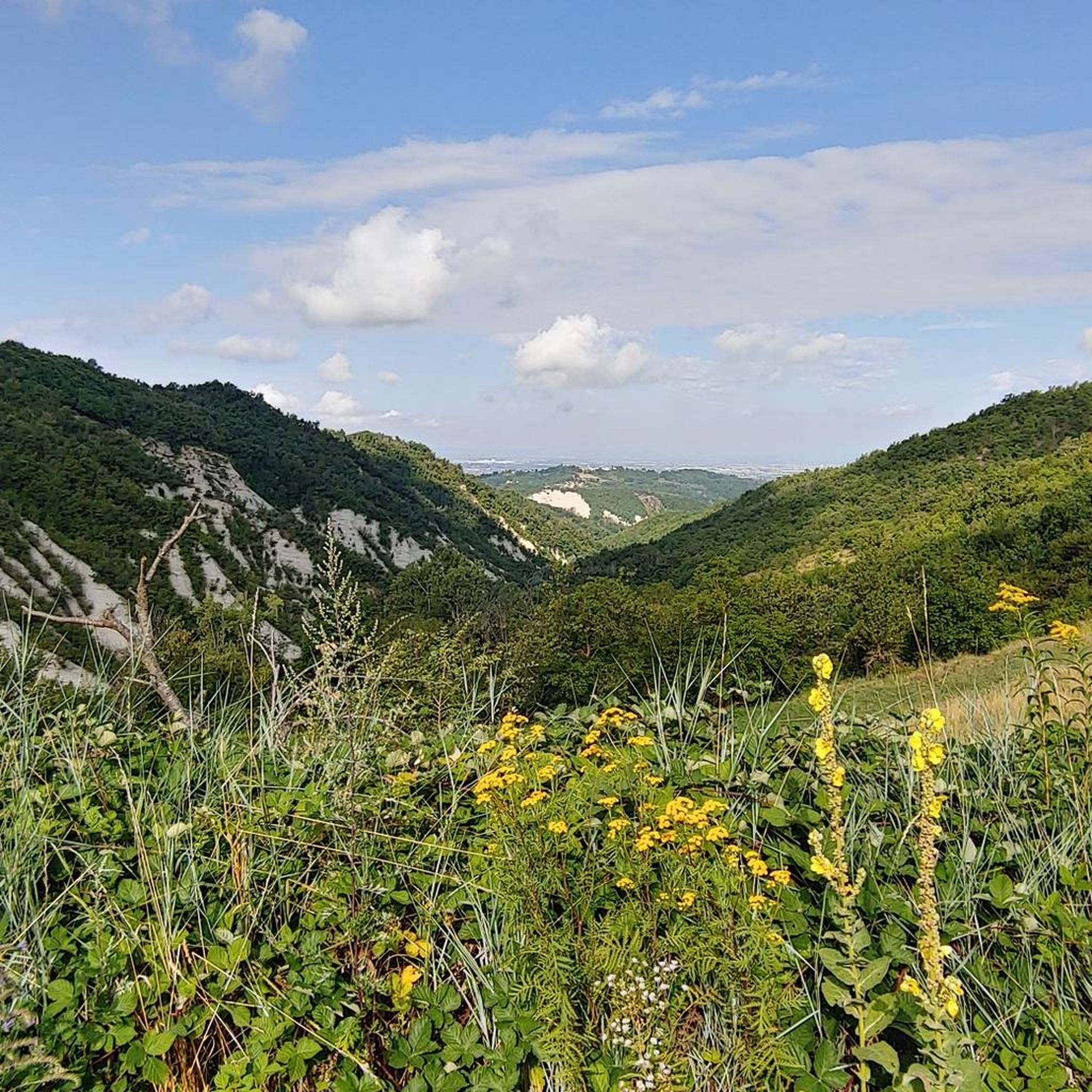
Natural monuments around Garbagna are found in a medieval village nestled in the heart of Piedmont, at the foot of the Ligurian Apennines. This region offers diverse natural attractions and geographical features. The landscape is characterized by mountains, valleys, and ancient rock formations. Garbagna provides a starting point for exploring the natural environment of the Ligurian Apennines and the Tortona Hills.
Best natural monuments around Garbagna
- The most popular natural monuments is Strette del Borbera, a gorge that offers…
Last updated: June 28, 2026
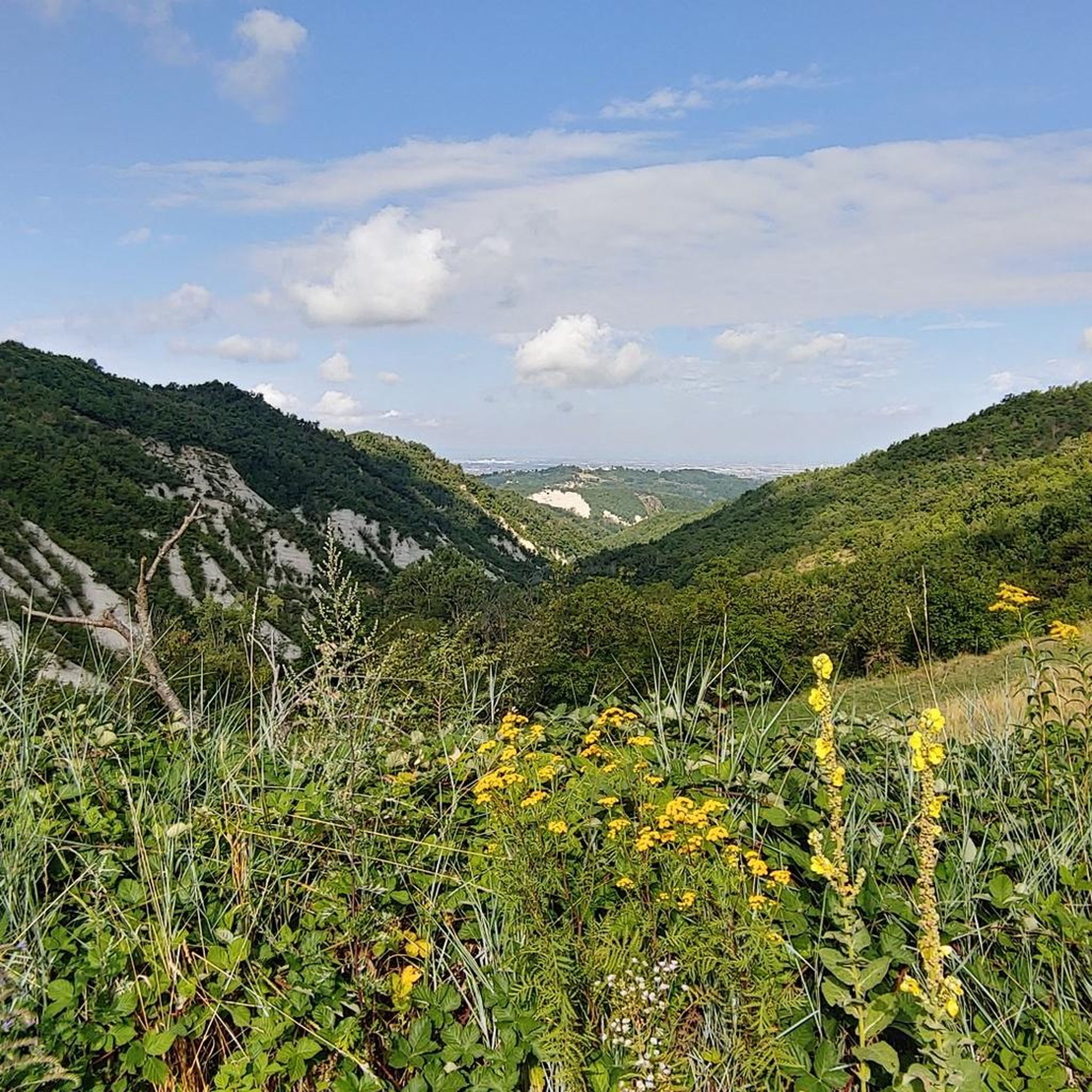
Guardamonte Rock Outcrops
Highlight • Natural Monument
Translated by Google •
Tip by

San Ponzo Cave
Highlight • Cave
Translated by Google •
Tip by

Sign up now to discover places like this
Get recommendations on the best single tracks, peaks, & plenty of other exciting outdoor places.
Sign up for free
Strette del Borbera
Highlight (Segment) • Gorge
Translated by Google •
Tip by

The Great Old Tree – Ancient Tree of San Ponzo
Highlight • Natural Monument
Translated by Google •
Tip by

The Borbera Stream Canyon
Highlight • Canyon
Translated by Google •
Tip by
Sign up for free to discover even more natural monuments around Garbagna.
Sign up for free
Already have an account?
Start today with a free account
Your next adventure awaits.
Login or Signup

Tips from the Community

Walking along this stream offers wonderful views.
17
0

Beautiful canyon with plenty of opportunities to get to the river and cool your feet.
2
0


The "Grande Vecchio" is a centuries-old tree near the caves of San Ponzo Semola. It is located half-hidden among the other plants on the plateau which houses the caves and the small Sanctuary. A rather battered plaque (and without the installation date) indicates an age of 370 years and an almost illegible caption. Further details are welcome
0
0

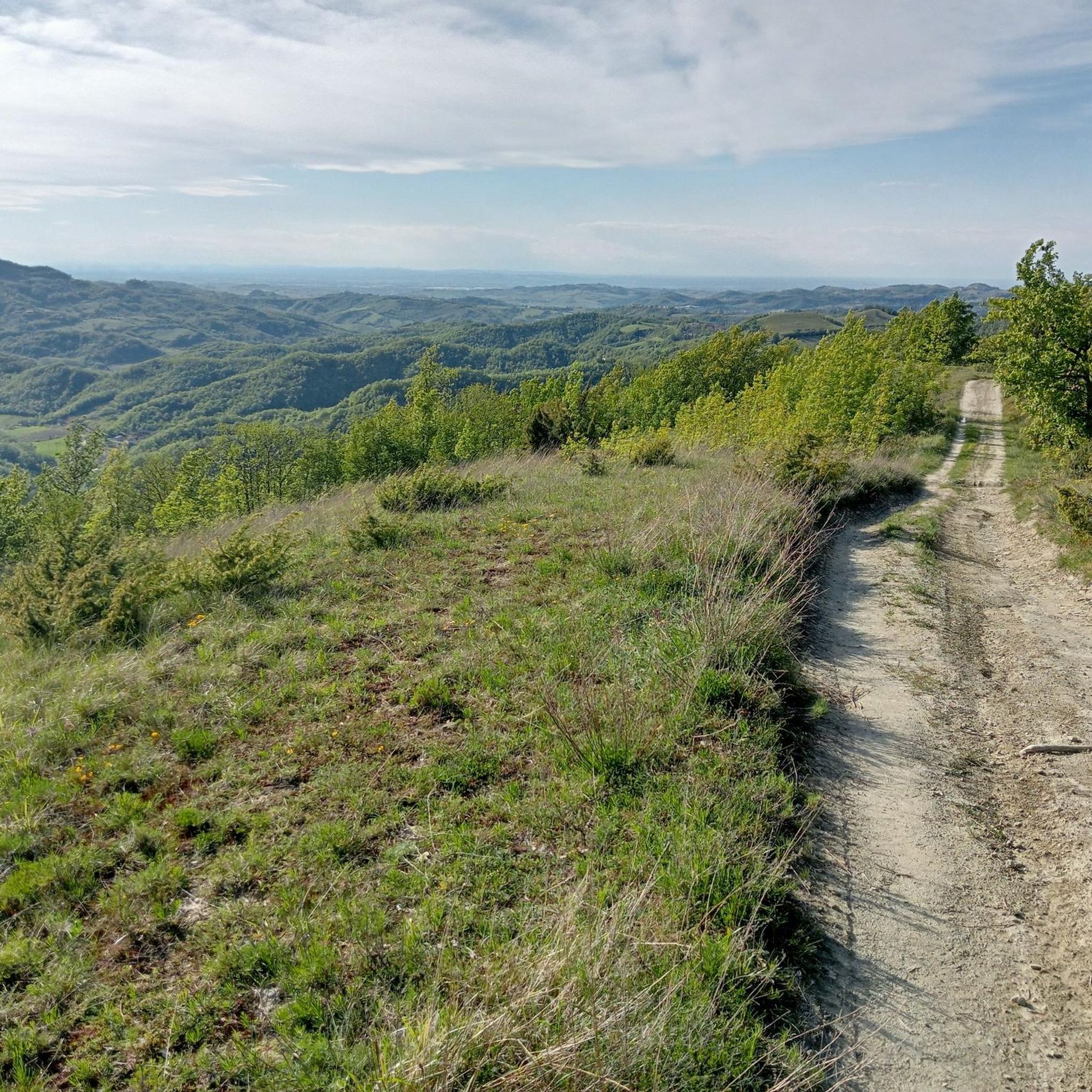
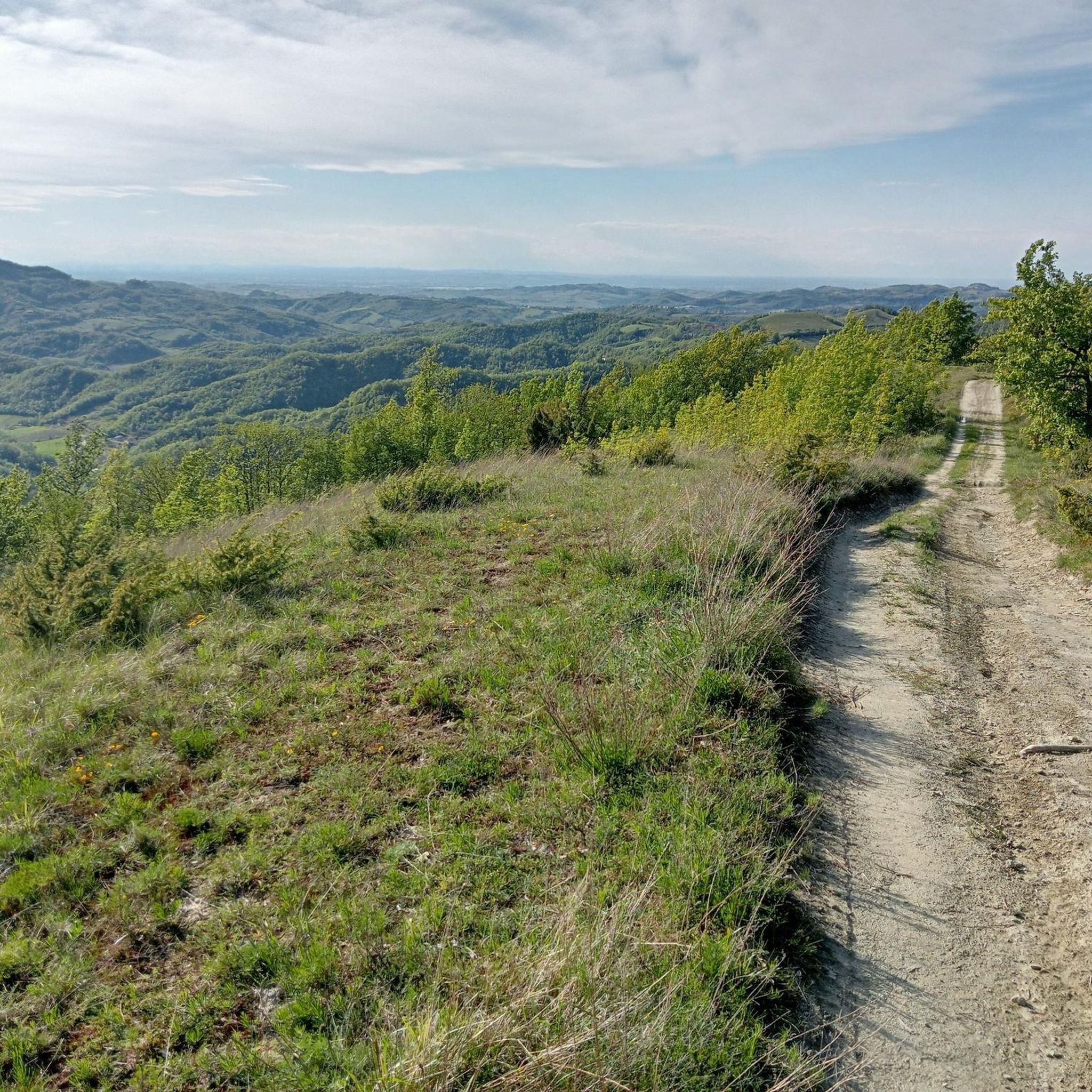
beautiful ride! Be careful only on rockside, you need driving skills and familiarity.
0
0
clean, fun and moderately easy trails...beautiful
0
0

suggestive to see it from above passing on the road
3
0

Excavated over millions of years by water infiltrations, the San Ponzo Caves became famous for the discovery of the Saint, the famous miracle worker. The first of the two caves, from which a spring flows, has been transformed into an oratory.
0
0
Frequently Asked Questions
What are some unique natural features to explore around Garbagna?
The Garbagna area offers a diverse range of natural monuments. You can explore the impressive Strette del Borbera, a splendid gorge carved by the river, or witness the spectacular views from the Guardamonte Rock Outcrops. The San Ponzo Cave offers a fascinating underground experience, while the Great Old Tree – Ancient Tree of San Ponzo stands as a centuries-old natural landmark.
Are there any natural monuments with historical or archaeological significance in the Garbagna area?
Yes, the Guardamonte Rock Outcrops are particularly notable. Beyond their scenic beauty, they hold historical and archaeological significance, showing evidence of settlements from the Middle Neolithic period to the Roman era. The area was strategically important in ancient times.
Where can I find panoramic views of the region?
For breathtaking panoramic views, the Guardamonte Rock Outcrops provide vistas stretching all the way to the Apennines. Additionally, Monte Giarolo and Monte San Vito Summit are known for offering magnificent 360-degree views, encompassing the Tortona hills, the Apennines, and on clear days, the distant Alps.
What kind of geological formations can be found around Garbagna?
The region is rich in geological interest. The Guardamonte Rock Outcrops preserve fossil remains of marine origin, indicating the presence of an ancient sea. The San Ponzo Cave is a natural cavity carved into sandstone rock over millions of years by water, and it's also recognized as an important fossil deposit.
Are there hiking opportunities near these natural monuments?
Absolutely. Many natural monuments are accessible via hiking trails. For instance, paths lead to the San Ponzo Cave through centuries-old chestnut woods. The rocky ledges of the Guardamonte Rock Outcrops are popular for trekking, and Monte San Vito Summit is accessible via paths, though some can be challenging. You can find various running trails in the area, including the "Cross on Monte San Vito loop" and "Monte San Vito Summit – View of Garbagna loop" which are both difficult, on the Running Trails around Garbagna guide.
What are the difficulty levels of hiking trails around Garbagna's natural monuments?
Hiking trails vary in difficulty. For example, the routes to Monte San Vito Summit can be challenging due to their depth and slope. The Guardamonte Rock Outcrops also feature via ferrata routes of varying difficulty, popular with climbers and trekking enthusiasts. Many trails are intermediate, but some, like the "Cross on Monte San Vito loop" running trail, are considered difficult.
When is the best time of year to visit the natural monuments near Garbagna?
The area is particularly appealing in spring when peach and almond trees are flowering, and in autumn during the harvest season with vibrant foliage. These seasons offer pleasant weather for exploring the natural monuments and enjoying the scenic beauty.
What other outdoor activities are available near Garbagna's natural monuments?
Besides hiking, the region offers opportunities for road cycling and gravel biking. You can find various routes, such as the "Historic Center of Garbagna – Val Borbera loop" for road cycling or the "Val Borbera – Strette del Borbera loop" for gravel biking. Explore more options on the Road Cycling Routes around Garbagna and Gravel biking around Garbagna guides.
Are there any natural monuments with unique legends or stories?
Yes, the San Ponzo Cave is steeped in local legend. It is believed to be the refuge where the hermit and martyr San Ponzo lived in prayer and penance during the 3rd century AD. A spring near the caves is even considered miraculous by pilgrims.
How can I access the Guardamonte Rock Outcrops?
The Guardamonte Rock Outcrops can be reached from Lombardy, by following from Voghera to Varzi and going up from Bagnaria. Alternatively, from Piedmont, you can follow from Tortona to Fabbrica Curone and go up from Gremiasco or San Sebastiano Curone. The area is also popular for mountain biking, with dedicated trails like Rock Side and River Side.
Is there a particularly ancient or notable tree in the area?
Yes, near the San Ponzo Cave, you can find the "Grande Vecchio" Tree – Ancient Tree of San Ponzo. This centuries-old tree is a notable natural element, contributing to the ancient ambiance of the region.
What makes the Borbera Stream Canyon a significant natural monument?
The Borbera Stream Canyon is a spectacular natural monument where the torrent has carved its way through the rocks over years, creating a visually impressive landscape. It offers wonderful views and plenty of opportunities to get to the river and cool your feet.
Most popular routes around Garbagna
Most popular attractions around Garbagna

Get inspired with the komoot mobile app


Explore more
Extend your search for the best caves by checking out these guides of the top ones around Garbagna:
