Top 20 Natural Monuments around Sordevolo
Best natural monuments around Sordevolo include a variety of natural attractions. Sordevolo, a village situated on a terrace at the foot of Mount Mucrone, provides access to diverse natural landscapes. The region is known for its unique geological formations and historical sites, offering a blend of natural beauty and cultural significance. Among these, the Bessa Gold Mining Archaeological Site stands out as a significant natural monument and a key Sordevolo natural attraction.
Best natural monuments around Sordevolo
- The most popular…
Last updated: June 28, 2026
Bocchetto Sessera Pass
Highlight • Mountain Pass
Showing Translation
Tip by

Bessa Gold Mining Archaeological Site
Highlight • Natural Monument
It is located between Biella and Ivrea, included in the municipalities …
Translated by Google •
Tip by

Sign up now to discover places like this
Get recommendations on the best single tracks, peaks, & plenty of other exciting outdoor places.
Sign up for free
Lake Vargno
Highlight • Lake
Translated by Google •
Tip by

Climb to Oropa from Biella
Highlight (Segment) • Religious Site
Translated by Google •
Tip by
Burnel di Nomaglio
Highlight • Natural Monument
Translated by Google •
Tip by

Sign up for free to discover even more natural monuments around Sordevolo.
Sign up for free
Already have an account?
Start today with a free account
Your next adventure awaits.
Login or Signup


Tips from the Community

The Burnel is an ancient cup-marked stone located halfway along Via Maestra, the road that crosses the center of Nomaglio. On its surface, the cup marks engraved in prehistoric times are still visible, small hemispherical cavities whose exact function remains a subject of debate among scholars — perhaps linked to propitiatory rites or cult practices. In more recent times, the stone was adapted into a fountain, with a basin carved out for water, and on the stone, you can also observe the grooves left by the blades and knives that the villagers used to come here to sharpen. The name "burnel" indicates precisely this: a fountain with a stone basin. It is an object that, in a few square centimeters, tells of centuries of daily use superimposed on prehistoric traces, and has accompanied the life of the village for times much older than the stone houses with the typical Canavese arches that surround it.
0
0

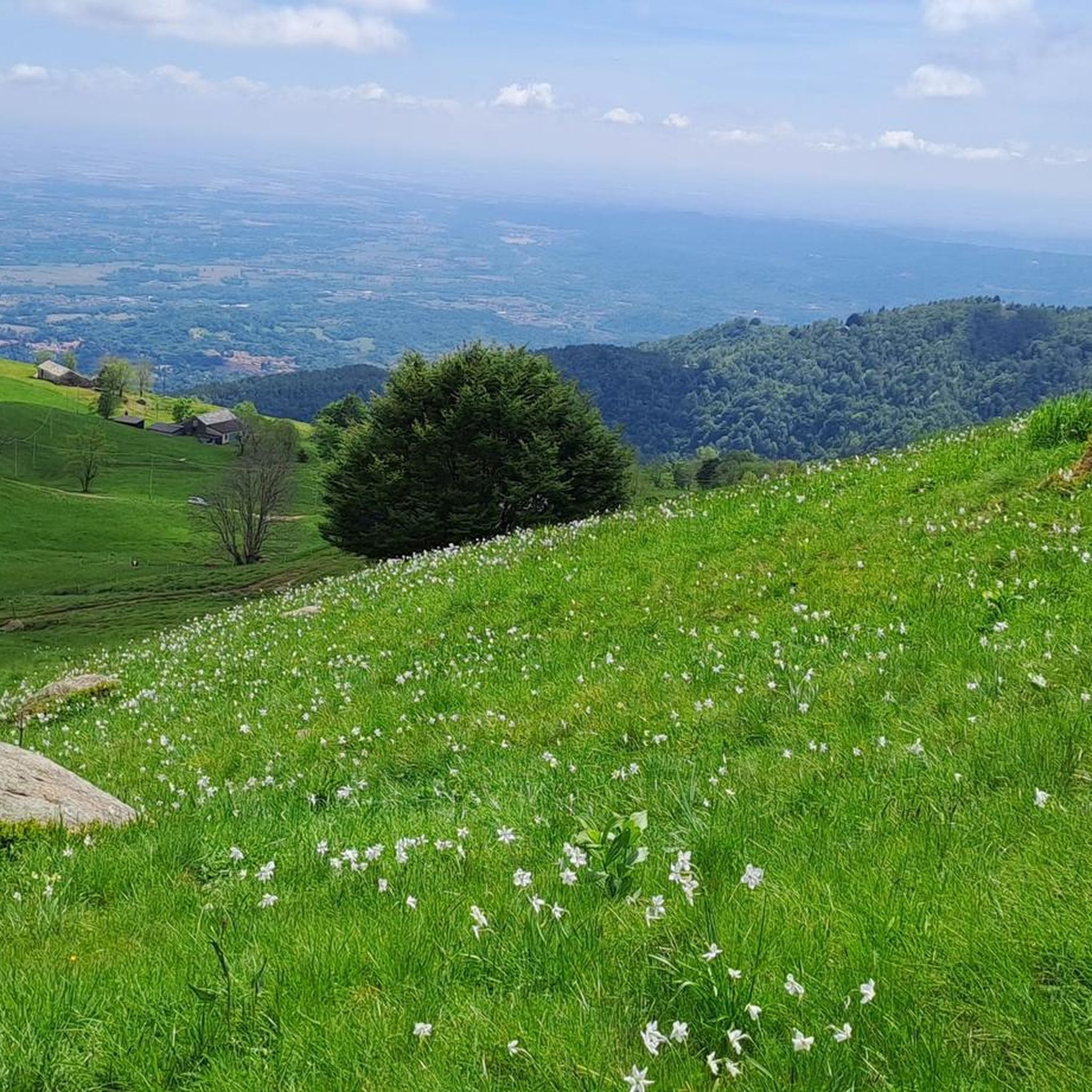
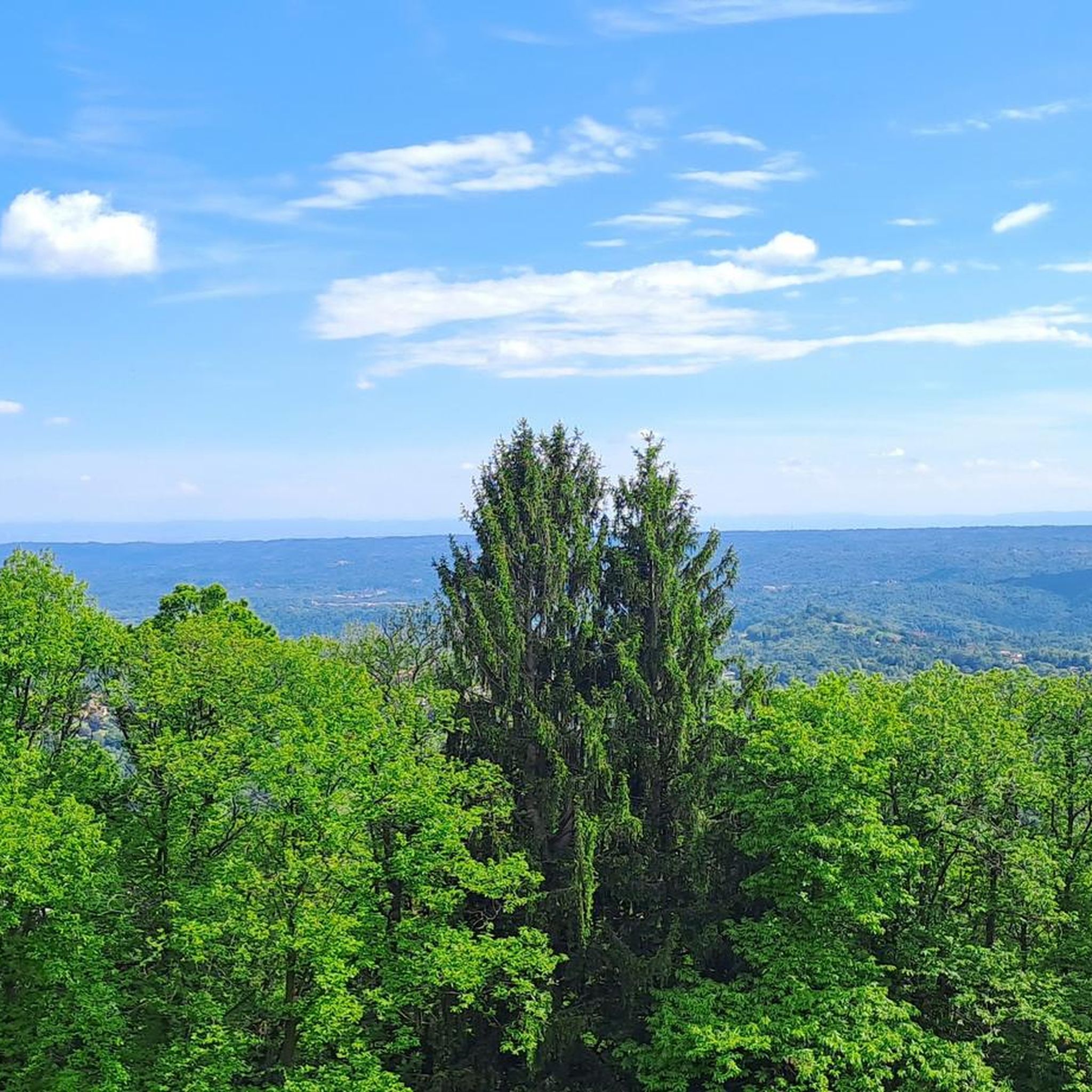
The **Passo (or Bocchetto) di Bocchetto Sessera is an alpine pass located in the Biella Alps, in the Province of Biella (Piedmont, Italy). It connects the Valle dello Strona di Mosso with the Val Sessera, between the mountains Monte Marca (1,558 m) and Monticchio (1,697 m).
14
0

Nomaglio is a small but pleasant, characteristic village that deserves a quick stop and a bike ride.
0
0

Main entrance to the Oasi Zegna, from which many paths start, including the "Bosco del Sorriso" path and others
2
0

Must do, at least once, interesting place.
1
0
The climb is very tough but once you get to the top the sanctuary is beautiful.
17
0

Oropa is an important Catholic pilgrimage site in the Piedmont Alps, about 12 kilometers northwest of Biella, Italy. It lies in a picturesque valley at an altitude of approximately 1,159 meters. In brief: * Pilgrimage site: One of the most important Marian pilgrimage sites in the Alps, dedicated to the Black Madonna. * History: According to tradition, the pilgrimage dates back to Saint Eusebius in the 4th century. * Sacro Monte: The Holy Mountain of Oropa, with 12 chapels depicting the life of the Virgin Mary, has been a UNESCO World Heritage Site since 2003. * Basilicas: Consists of the old basilica (17th century), where the Black Madonna is venerated, and the newer, larger Basilica Superior (20th century). * Nature and activities: Surrounded by mountains, it offers opportunities for hiking, trekking, and mountaineering. There is also a botanical garden and an adventure park. * UNESCO World Heritage Site: Recognized along with eight other "Sacri Monti" in the region for its religious, cultural, and scenic significance. Oropa is a place of spiritual significance, impressive architecture, and natural beauty, attracting many pilgrims and visitors annually.
2
0

The climb to the Sanctuary of Oropa from Biella is a Piedmont classic. It is about 13 km intense and constant, which do not allow respite with always challenging slopes. The iconic and hardest stretch is the last kilometer on the scenic pavé, made legendary by Pantani's feat in the Giro '99.
4
0
Frequently Asked Questions
What makes the natural monuments around Sordevolo unique?
The natural monuments around Sordevolo offer a unique blend of natural beauty and historical significance. You can explore landscapes dramatically transformed by ancient human activity, such as the Bessa Gold Mining Archaeological Site, alongside serene mountain passes like Bocchetto Sessera Pass and picturesque lakes such as Lake Vargno.
Are there any natural monuments with significant historical context?
Yes, the Bessa Gold Mining Archaeological Site is a prime example. This natural monument is characterized by a 'lunar appearance' with vast mounds of stones, a result of ancient gold mining by the Ictimuli people, led by the Romans over two millennia ago. It offers a tangible link to a significant period of Roman history.
What kind of landscapes can I expect to see when visiting these natural monuments?
Visitors can expect diverse landscapes, from the unique 'lunar' terrain of the Bessa Gold Mining Archaeological Site, with its stone mounds and dense vegetation, to the panoramic mountain views from Bocchetto Sessera Pass. You'll also find tranquil alpine lakes like Lake Vargno and the Barma Lakes, nestled amidst mountainous backdrops.
Are there family-friendly natural monuments around Sordevolo?
Absolutely. The Bessa Gold Mining Archaeological Site is considered family-friendly, offering an engaging historical and natural experience. Lake Vargno is also a great option, with paths that are mostly free of technical difficulties, making it suitable for families to enjoy a scenic walk.
What outdoor activities can I do near these natural monuments?
The region around Sordevolo offers a variety of outdoor activities. You can find numerous options for hiking, road cycling, and gravel biking. For instance, challenging climbs like the one to Oropa are popular among cyclists, while many trails offer scenic routes for hikers.
Are there specific hiking trails near the natural monuments?
Yes, there are several hiking trails. For example, near the natural monuments, you can explore routes like the 'Oropa to Monte Mucrone Trail' or the 'Poggio Frassati Trail from Tracciolino'. You can find more detailed information and routes in the Hiking around Sordevolo guide.
What is the best season to visit the natural monuments around Sordevolo?
The best season to visit largely depends on your preferred activities. Spring and autumn offer pleasant temperatures for hiking and exploring the historical sites. Summer is ideal for enjoying the alpine lakes and higher mountain passes. For botanical attractions like Parco della Burcina or Giardino Botanico di Oropa, spring and early summer showcase the plants in full bloom.
Are there botanical attractions among the natural monuments or nearby?
While not strictly classified as natural monuments, the region boasts significant botanical sites. The Parco della Burcina in Biella is renowned for its diverse collection of flowers and plants. Additionally, the Giardino Botanico di Oropa, part of the WWF Oasis system, features approximately 500 species and subspecies of plants, making it ideal for botany enthusiasts.
Can I go cycling near the natural monuments?
Yes, the area is well-suited for cycling. You can find various road cycling routes, including challenging climbs like the 'Oropa Climb – Pantani Mountain – Oropa Sanctuary loop'. There are also options for gravel biking, such as the 'Bagneri Alpine Village – Waterfall in the Forest loop'.
What do visitors enjoy most about the natural monuments in this region?
Visitors frequently appreciate the breathtaking panoramic views from mountain passes like Bocchetto Sessera Pass and the serene beauty of lakes such as Lake Vargno. The unique historical aspect of the Bessa Gold Mining Archaeological Site also draws significant interest for its blend of nature and ancient human endeavor.
Are there any challenging natural monuments for experienced adventurers?
For those seeking a challenge, the Climb to Oropa from Biella is a notable natural monument. This route, leading to the Sanctuary of Oropa, is described as very tough with intense and constant slopes, offering a rewarding experience for experienced hikers and cyclists.
Most popular routes around Sordevolo
Most popular attractions around Sordevolo

Get inspired with the komoot mobile app


Explore more
Extend your search for the best caves by checking out these guides of the top ones around Sordevolo:
