Top 5 Natural Monuments around Cantarana
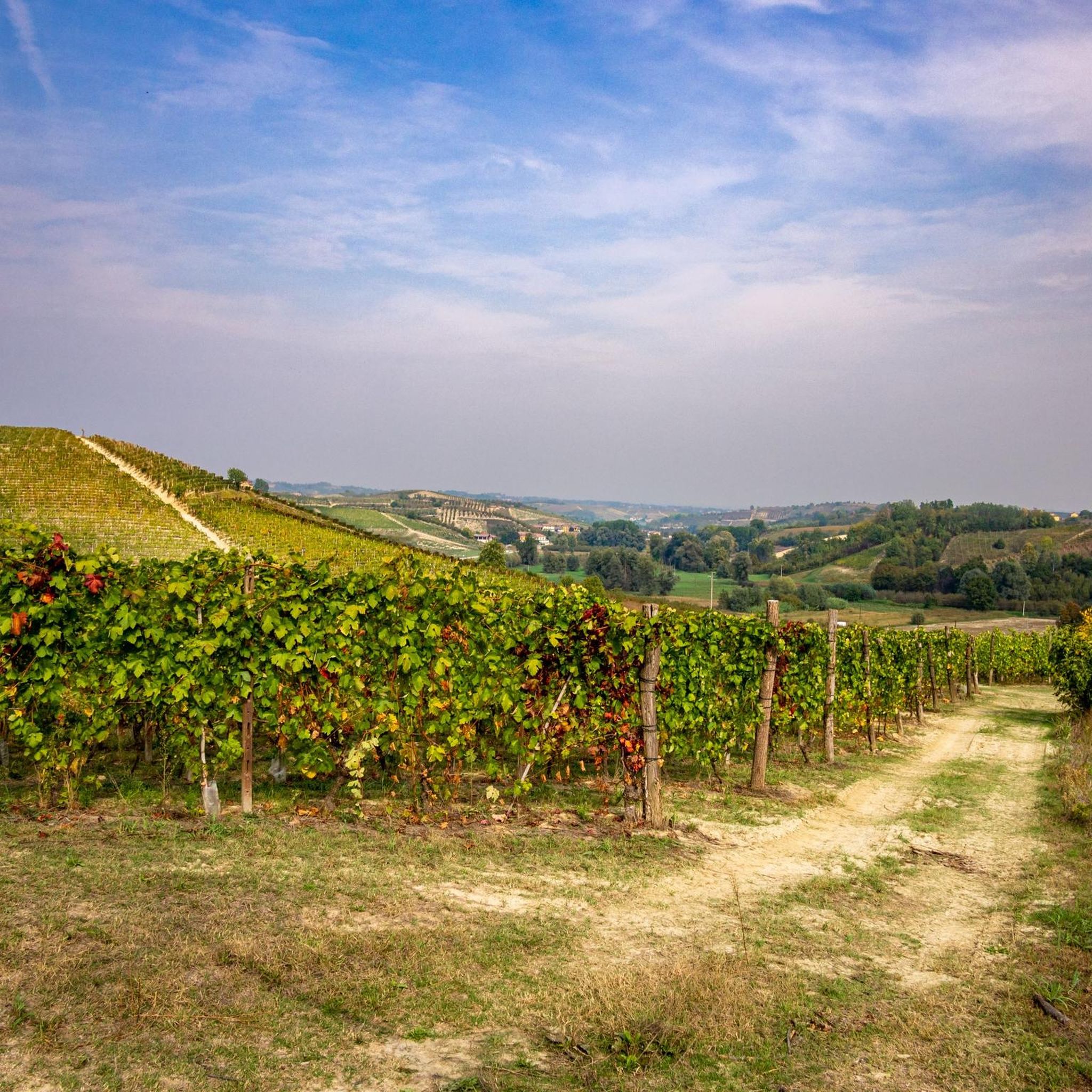
Best natural monuments around Cantarana are found within a region characterized by its unique geological history and rolling hills. Situated in the Astesana area of Piedmont, Italy, Cantarana features a landscape shaped by an ancient tropical sea, leaving behind significant paleontological heritage. The municipality itself comprises two distinct hilly areas, offering scenic vistas and a tranquil environment. This area provides opportunities to explore both prehistoric remnants and picturesque countryside.
Best natural monuments around Cantarana
- The most popular natural monuments is…
Last updated: June 28, 2026
Pralormo Castle
Highlight • Castle
Translated by Google •
Tip by

Sulphur Fountain of San Dionigi
Highlight • Natural Monument
Translated by Google •
Tip by

Sign up now to discover places like this
Get recommendations on the best single tracks, peaks, & plenty of other exciting outdoor places.
Sign up for free
Astigiano Paleontological Park
Highlight • Natural Monument
Translated by Google •
Tip by
Truffle hunters
Highlight (Segment) • Trail
Translated by Google •
Tip by

I Crutin (Natural Tuff Caves)
Highlight • Cave
Translated by Google •
Tip by

Sign up for free to discover even more natural monuments around Cantarana.
Sign up for free
Already have an account?
Start today with a free account
Your next adventure awaits.
Login or Signup
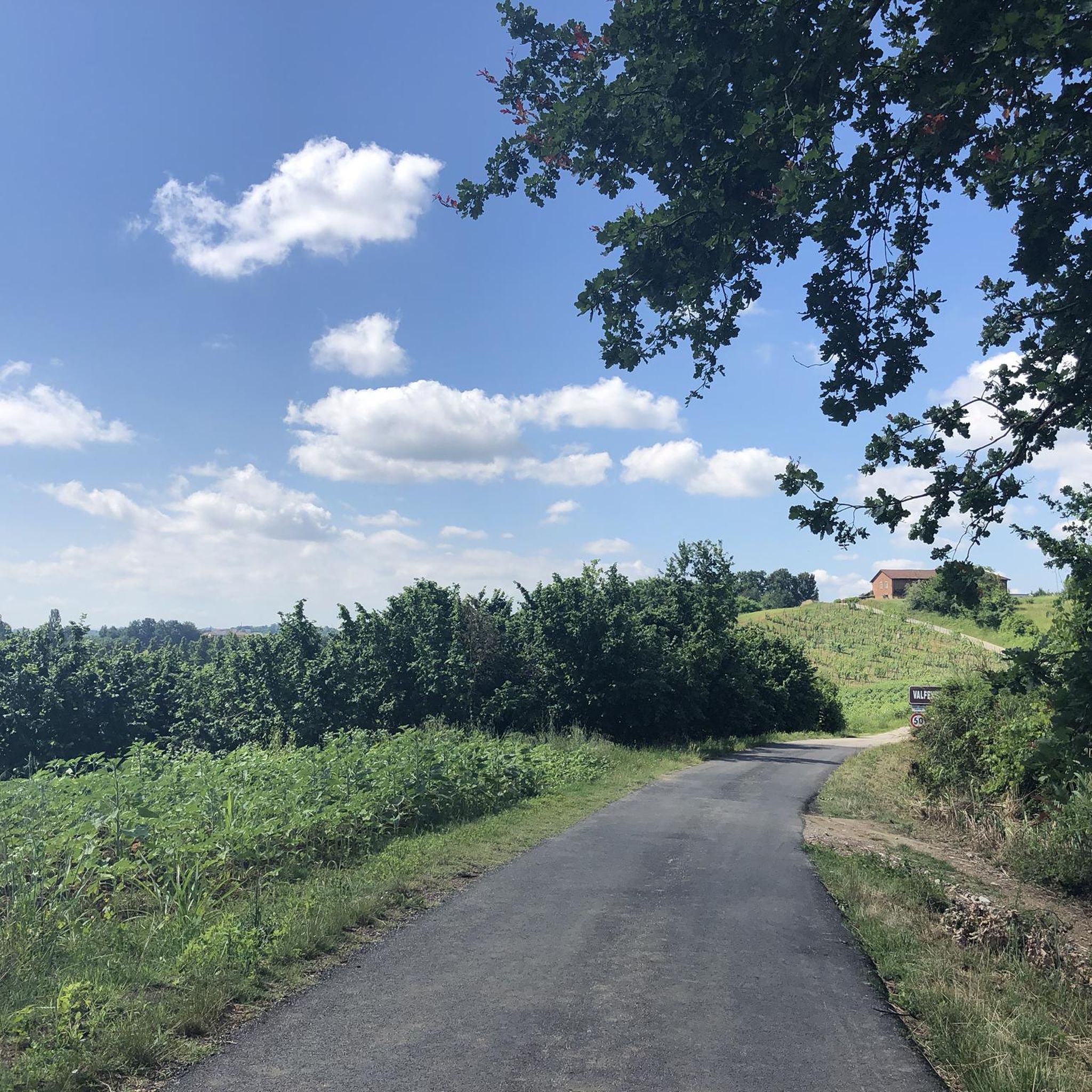
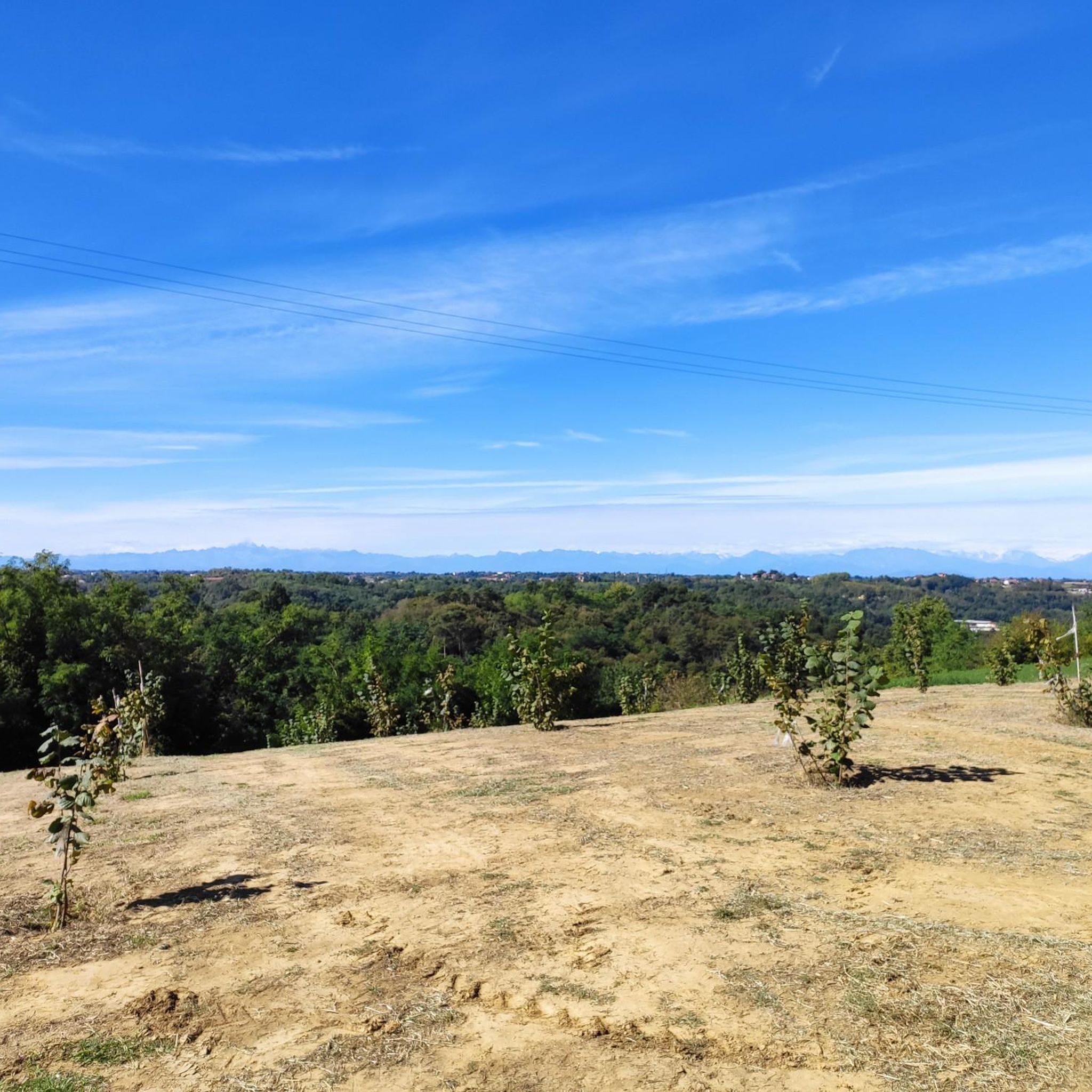
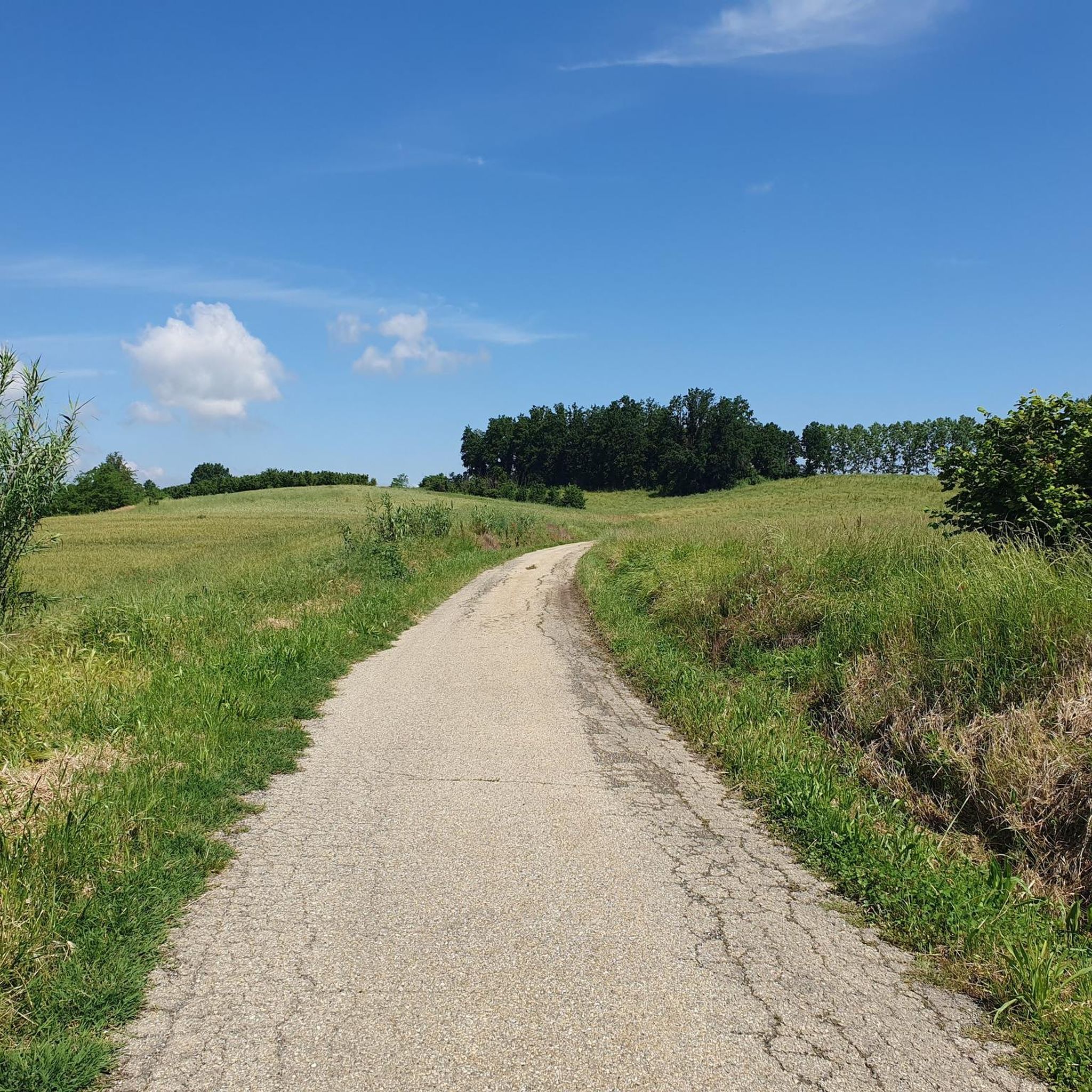
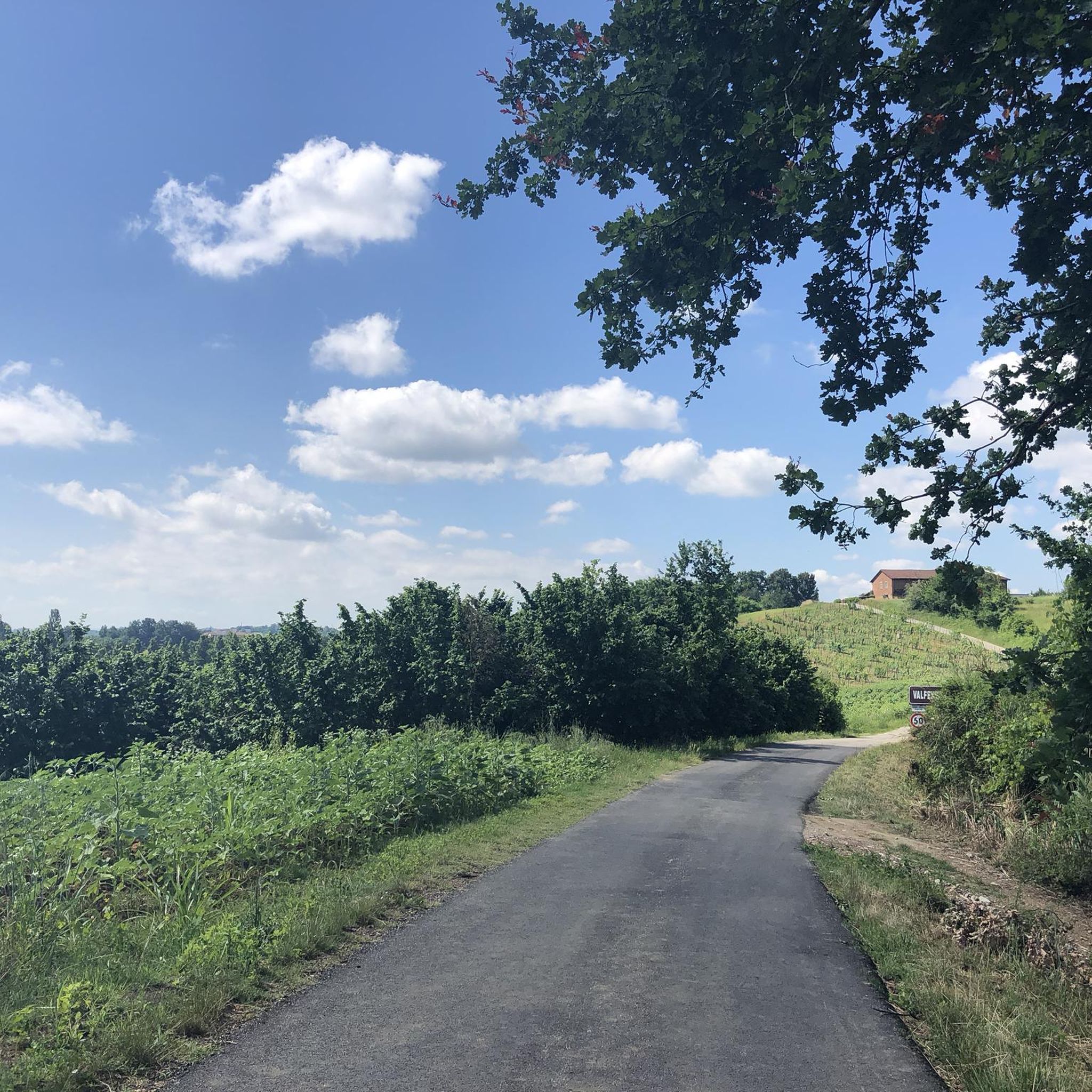
Tips from the Community

Castle in the town center, known for its tulip display in spring 🌷
0
0


The crutin understood in their natural form (not dug by man in the tuff for the purpose of preserving food and wine) are caves dug into the tuff when the sea reached the level of the mouth of the current caves.
0
0

path almost eaten by grass and brambles but it resists, and getting to the end is an achievement💪
0
0


Beautiful castle, in a panoramic position, very well preserved. It is private, but in certain periods of the year it can be visited (timetables and details on castellodipralormo.com). The climb is worth it, if only for the view of the plain below and the tour of the old town, which is well worth it.
1
0
Frequently Asked Questions
What unique natural features can I explore around Cantarana?
Cantarana is situated in a region with a rich paleontological heritage, as it was once covered by a tropical sea. This means you can find evidence of ancient marine life, including fossils. The area is also characterized by picturesque rolling hills, part of the Astesana and Monferrato regions, offering scenic views and a tranquil environment. You can experience this at sites like the Astigiano Paleontological Park.
Are there any historical natural monuments in the Cantarana area?
Yes, several natural monuments in the area also hold historical significance. For instance, the Sulphur Fountain of San Dionigi is a site with a rich past, where visitors can learn about its history from an on-site sign. Similarly, the Pralormo Castle, while primarily a castle, is considered a natural monument due to its extensive gardens and the famous 'Messer Tulipano' exhibition.
What kind of outdoor activities can I do near Cantarana's natural monuments?
The hilly landscape around Cantarana is ideal for various outdoor activities. You can enjoy hiking, mountain biking, and gravel biking. There are several routes available, such as the easy Cantarana Pilgrimage Trail or the more challenging Cisterna d'Asti Castle – Belvedere of Cisterna d'Asti loop for mountain biking. For more details on routes, you can explore the Hiking around Cantarana, MTB Trails around Cantarana, and Gravel biking around Cantarana guides.
Are there family-friendly natural monuments or trails in Cantarana?
Absolutely. Many natural monuments and areas around Cantarana are suitable for families. The Sulphur Fountain of San Dionigi and the Astigiano Paleontological Park are both listed as family-friendly. The Pralormo Castle, with its beautiful gardens and annual tulip exhibition, also offers a great experience for all ages. Additionally, the Zolfo locality (Montafia AT), known for its sulphurous water source, is also family-friendly.
What is the best time of year to visit the natural monuments around Cantarana?
The region's natural beauty, especially its rolling hills and vineyards, is particularly appealing in spring and autumn. Spring offers the vibrant blooms of events like the 'Messer Tulipano' at Pralormo Castle, while autumn showcases the rich colors of the vineyards. These seasons also provide pleasant weather for hiking and cycling.
Can I find any unique natural reserves or parks near Cantarana?
While Cantarana itself is known for its paleontological sites and hilly landscape, the wider Province of Asti features notable natural reserves. The Valleandona and Valle Botto Natural Reserves are particularly renowned for their abundant fossil findings, offering a direct glimpse into the region's ancient marine life. The Astigiano Paleontological Park also provides an immersive experience into the area's prehistoric past.
What do visitors enjoy most about the natural monuments in Cantarana?
Visitors frequently appreciate the blend of natural beauty and historical significance. The serene environment of the Astigiano Paleontological Park, with its greenery and bird chirping, is often highlighted as a 'beautiful experience.' The historical context of sites like the Sulphur Fountain of San Dionigi also adds to the appeal, offering a chance to connect with the region's past.
Are there any challenging trails for experienced hikers near Cantarana's natural monuments?
Yes, while many trails are easy to moderate, there are options for more experienced hikers. For instance, the 'Truffle hunters' trail is described as challenging, with parts almost eaten by grass and brambles, making reaching the end 'an achievement.' For more challenging routes, you can also look into the difficult-rated mountain biking and gravel biking trails listed in the nearby guides.
What is the significance of the 'Zolfo locality' near Cantarana?
The Zolfo locality (Montafia AT) is named for its sulphurous water source. 'Zolfo' means sulfur in Italian, indicating the presence of natural sulfur springs in the area. It's a natural monument that offers a unique geological feature and is suitable for family visits.
Can I visit a castle with natural elements around Cantarana?
Yes, the Pralormo Castle is a notable example. While a historical castle, it is also recognized for its natural elements, particularly its extensive gardens. It hosts the famous 'Messer Tulipano' exhibition annually, where over 75,000 tulips and daffodils bloom, making it a significant natural attraction in its own right. It can be visited for a fee at certain times of the year.
Are there any easy walking trails to explore the natural beauty of Cantarana?
Yes, there are several easy walking trails. The 'Cantarana Pilgrimage Trail' is an easy 6.6 km route, and the 'San Nazario Trail' is another easy option at 6.2 km. These trails allow you to enjoy the picturesque countryside and natural surroundings without significant difficulty. You can find more details in the Hiking around Cantarana guide.
What kind of wildlife can I expect to see around Cantarana's natural monuments?
The natural areas around Cantarana, particularly the Astigiano Paleontological Park, are noted for their vibrant ecosystems. Visitors often mention the 'continuous chirping of the birds that inhabit it,' suggesting a healthy bird population. The rolling hills and forested areas also provide habitats for various small mammals and insects typical of the Piedmont countryside.
Most popular routes around Cantarana
Most popular attractions around Cantarana

Get inspired with the komoot mobile app


Explore more
Extend your search for the best caves by checking out these guides of the top ones around Cantarana:
