Top 16 Natural Monuments around Pietraroja
Natural monuments around Pietraroja showcase a landscape shaped by geological history, diverse ecosystems, and significant natural features. This mountain municipality in the province of Benevento, Italy, is known for its extensive woods and water sources. The region offers a blend of natural beauty and scientific importance, making it suitable for outdoor exploration.
Best natural monuments around Pietraroja
- The most popular natural monument is Lavello Gorges, a gorge formed by the Titerno stream. Water has carved three gorges over millions…
Last updated: June 28, 2026
Lavello Gorges
Highlight • Gorge
Translated by Google •
Tip by

Mount Mutria
Highlight • Summit
Translated by Google •
Tip by

Sign up now to discover places like this
Get recommendations on the best single tracks, peaks, & plenty of other exciting outdoor places.
Sign up for free
Chapel of Saint Anthony on Mount Mutria
Highlight • Religious Site
Translated by Google •
Tip by

Fairy Cave
Highlight • Cave
Translated by Google •
Tip by

Belvedere del Pianellone: View over Lake Matese
Highlight • Viewpoint
Translated by Google •
Tip by

Sign up for free to discover even more natural monuments around Pietraroja.
Sign up for free
Already have an account?
Start today with a free account
Your next adventure awaits.
Login or Signup

Tips from the Community

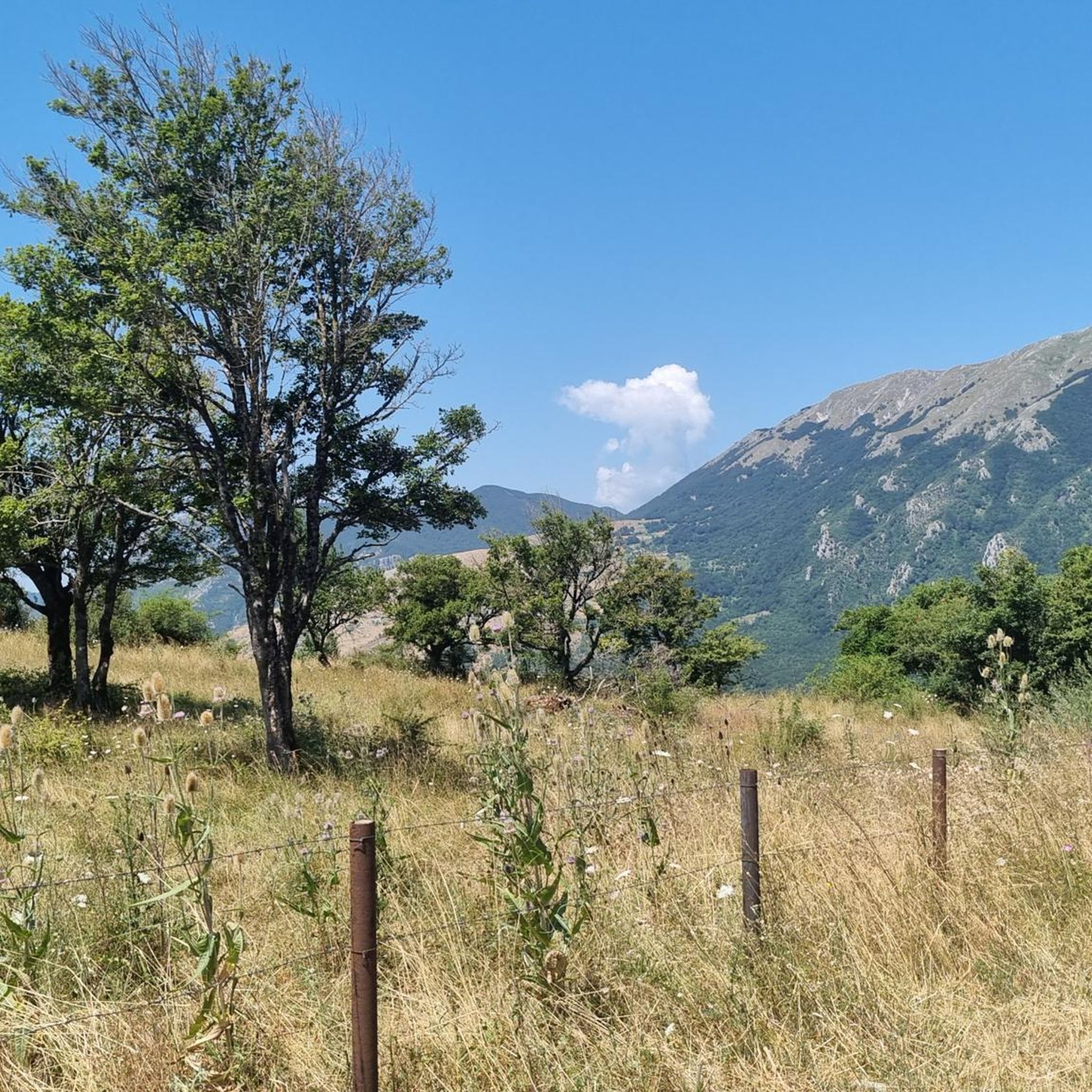
Monte Mutria is the highest peak of the Guardiaregia-Campochiaro Regional Reserve, with its 1823 meters of altitude. Near the top is the chapel of Sant'Antonio, built in the 1990s and a destination for summer pilgrimages. The panorama extends over the great mountains of the Apennines, and on the clearest days you can even see the sea.
2
0

This rooftop terrace offers a breathtaking view of the Maltese lake.
1
0

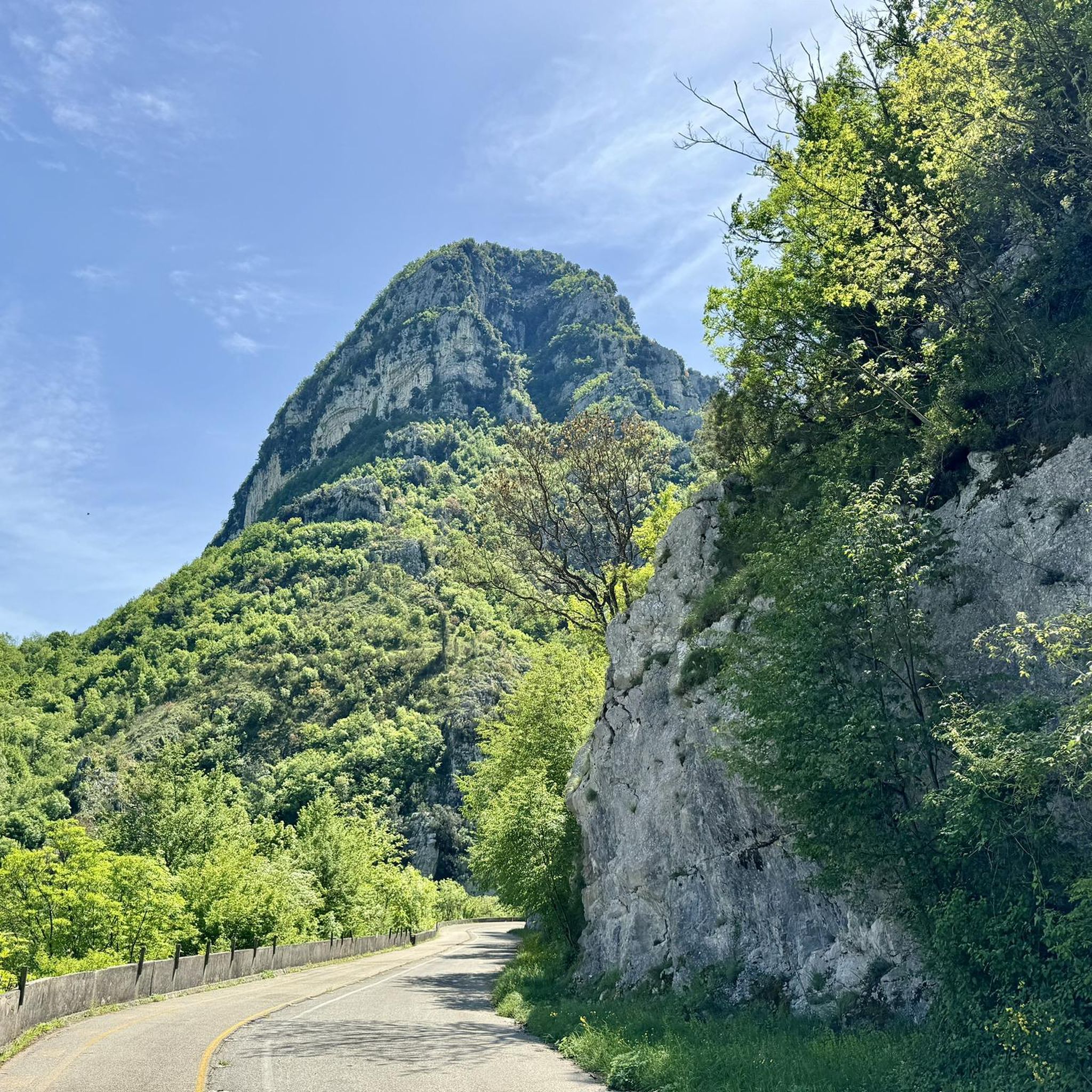
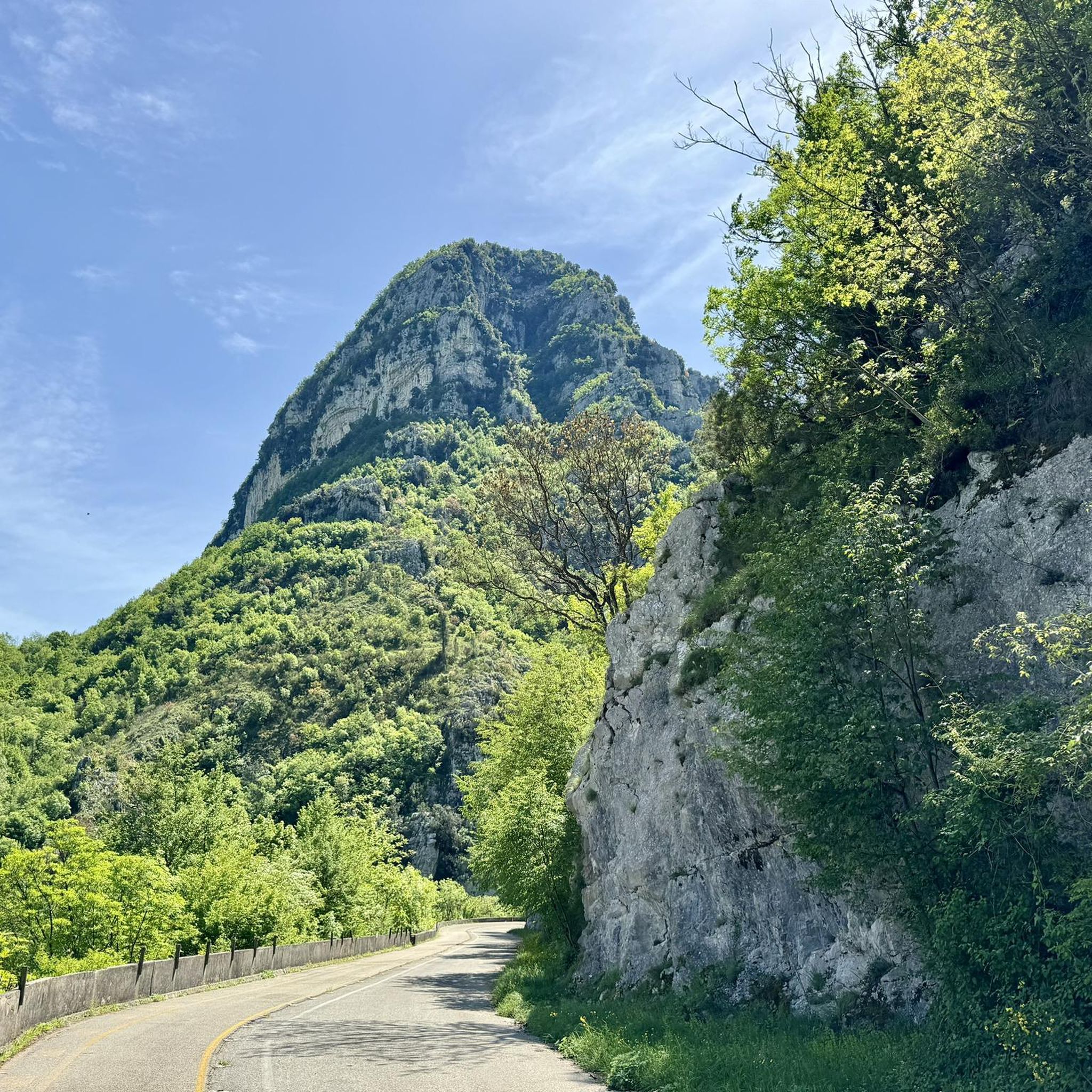
Three gorges along the Titerno stream dug by water over millions of years generating exceptional giant potholes up to 12 meters wide
3
0

You can enter the cave without any problems.
0
0

On summer weekends it is better to arrive early before the place is crowded with visitors, losing some of its charm
0
0

Very suggestive and peculiar ravine, accessible to all
0
0

With 1823m s.l.m. you can see the great Sasso, the Maiella, the lake of Matese, the mountain of Matese, and up to the sea if the weather is clear.
1
0
Frequently Asked Questions
What are some of the most notable natural monuments to explore around Pietraroja?
Pietraroja is home to several impressive natural monuments. Among the most popular are the Lavello Gorges, known for their giant potholes carved by the Titerno stream. Another must-see is Mount Mutria, the highest peak in the Matese massif, offering extensive panoramic views. You can also visit the Fairy Cave, a very suggestive and accessible ravine.
Are there significant geological sites or fossil discoveries in Pietraroja?
Yes, Pietraroja is internationally recognized for its Geopaleontological Site. This site is a crucial source of exceptionally well-preserved fossils from the Lower Cretaceous period, including Scipionyx samniticus, famously known as "Ciro," the first dinosaur discovered in Italy. The limestone formations themselves are significant, revealing a past lagoonal environment.
What kind of hiking opportunities are available near Pietraroja's natural monuments?
The area around Pietraroja offers diverse hiking opportunities, from easy walks to more challenging trails. For instance, you can find routes like the "Monte Mutria Summit Loop" or the "Forre di Lavello Loop Trail." You can explore more options and detailed routes in the Hiking around Pietraroja guide.
Where can I find the best panoramic views of the region?
For breathtaking panoramic views, head to Mount Mutria. From its summit, you can often see as far as the Tyrrhenian and Adriatic seas on clear days. Another excellent viewpoint is the Belvedere del Pianellone, which offers a stunning vista over Lake Matese.
Are there family-friendly natural monuments or activities around Pietraroja?
Absolutely. The Fairy Cave is noted as being accessible to all and is a very suggestive ravine, making it a good option for families. Additionally, many of the natural areas provide gentle paths suitable for family walks, allowing everyone to enjoy the fresh and verdant environment.
When is the best time of year to visit Pietraroja's natural monuments?
The best time to visit Pietraroja's natural monuments is generally during the warmer months, from late spring to early autumn (May to October). This period offers pleasant weather for hiking and exploring the outdoors. Summer weekends can be popular, especially at spots like the Lavello Gorges, so arriving early is recommended to avoid crowds.
What unique natural features can I expect to see in the Titerno Gorge?
The Titerno Gorge is a dramatic canyon carved by the Titerno river, featuring steep, towering walls and lush vegetation. The river has created impressive natural rock sculptures and deep incisions in the landscape, with some sections reaching 30-35 meters deep and a maximum vertical drop of 38 meters. It's a captivating site for geology enthusiasts.
What outdoor activities, besides hiking, can I do near these natural monuments?
Beyond hiking, the region around Pietraroja is suitable for road cycling. You can find various routes, such as the "Porta Vecchia of Via Nicola – Lavello Gorges loop from Cusano Mutri." For more cycling options, refer to the Road Cycling Routes around Pietraroja guide. The Titerno Gorge also offers opportunities for canyoning in certain sections.
Are there any religious sites associated with the natural monuments?
Yes, near the summit of Mount Mutria, there is a chapel dedicated to Sant'Antonio. This chapel, built in the 1990s, serves as a destination for summer pilgrimages and is visible from nearby villages on clear days.
What do visitors enjoy most about the natural monuments around Pietraroja?
Visitors particularly appreciate the stunning natural beauty and the sense of escape into nature. The unique geological formations, such as the giant potholes in the Lavello Gorges, and the panoramic vistas from Mount Mutria, are frequently highlighted. The area's rich biodiversity and extensive woods also contribute to a refreshing outdoor experience.
Are there any easy running trails near Pietraroja's natural monuments?
Yes, there are several running trails suitable for various fitness levels. For an easier option, you might consider the "Monte Orso Loop Trail." You can find more running routes and details in the Running Trails around Pietraroja guide.
What kind of flora and fauna can be found on Mount Mutria?
The slopes of Mount Mutria are characterized by dense pine and beech forests. These provide a habitat for various flora, including blueberries, wild strawberries, and numerous species of edible mushrooms and truffles. The diverse ecosystems support a range of wildlife typical of mountain environments, though specific species are not detailed.
Most popular attractions around Pietraroja

Get inspired with the komoot mobile app


Explore more
Extend your search for the best caves by checking out these guides of the top ones around Pietraroja:
