Top 17 Natural Monuments around Gioia Sannitica
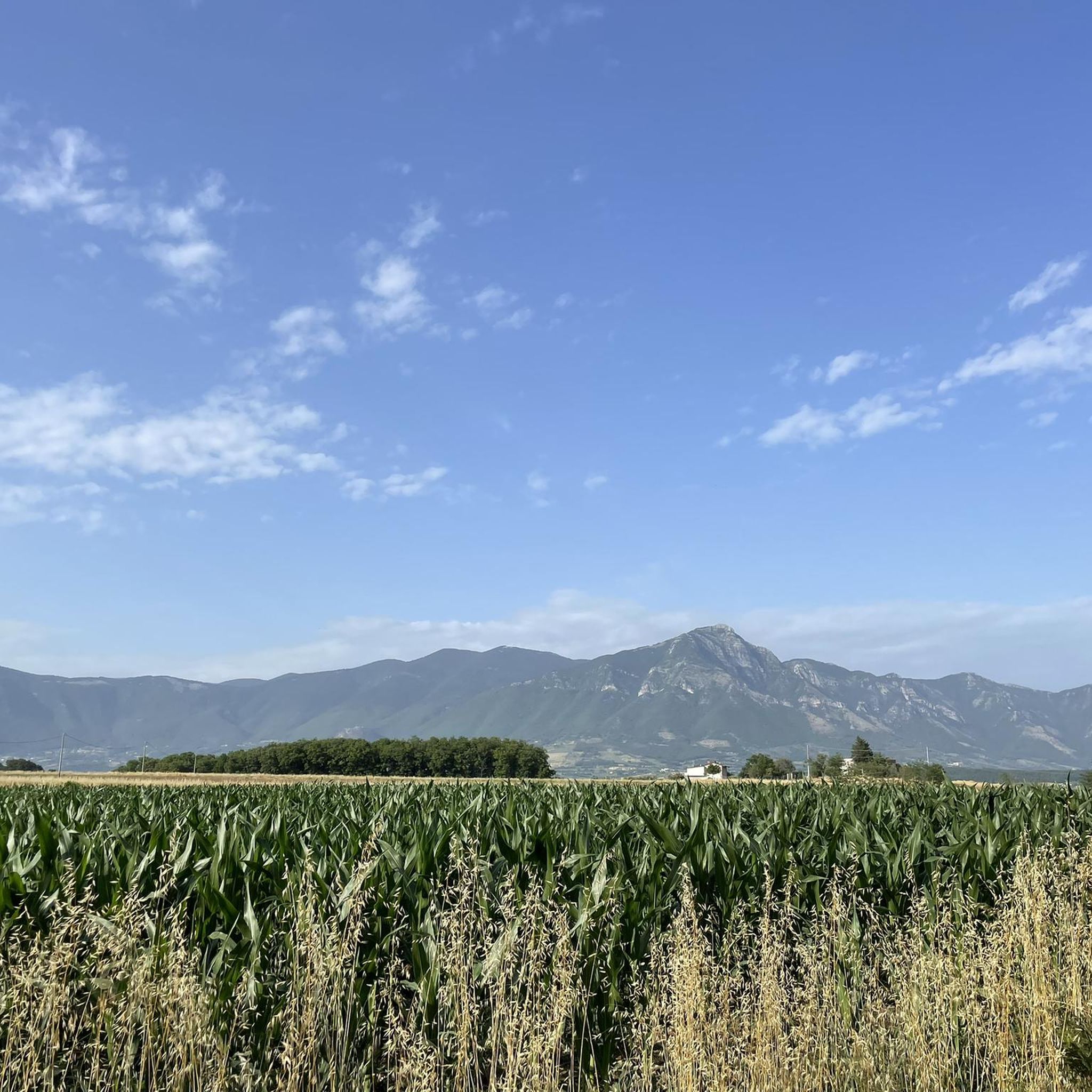
Best natural monuments around Gioia Sannitica are located within Campania, Italy, showcasing diverse geological features. The landscape is characterized by the Matese massif, featuring prominent mountain peaks and striking gorges. These sites offer opportunities for exploring natural landscapes and unique geological formations. The region is known for its mountain ranges, grottoes, and karst crevasses.
Best natural monuments around Gioia Sannitica
- The most popular natural monument is Lavello Gorges, a gorge formed by the Titerno stream. Over millions of years,…
Last updated: June 28, 2026
La Gallinola Summit
Highlight • Summit
Translated by Google •
Tip by

Lavello Gorges
Highlight • Gorge
Translated by Google •
Tip by

Sign up now to discover places like this
Get recommendations on the best single tracks, peaks, & plenty of other exciting outdoor places.
Sign up for free
Mount Mutria
Highlight • Summit
Translated by Google •
Tip by

Chapel of Saint Anthony on Mount Mutria
Highlight • Religious Site
Translated by Google •
Tip by

Punta Giulia (Anticima della Gallinola)
Highlight • Summit
Translated by Google •
Tip by

Sign up for free to discover even more natural monuments around Gioia Sannitica.
Sign up for free
Already have an account?
Start today with a free account
Your next adventure awaits.
Login or Signup

Other adventures around Gioia Sannitica

Tips from the Community

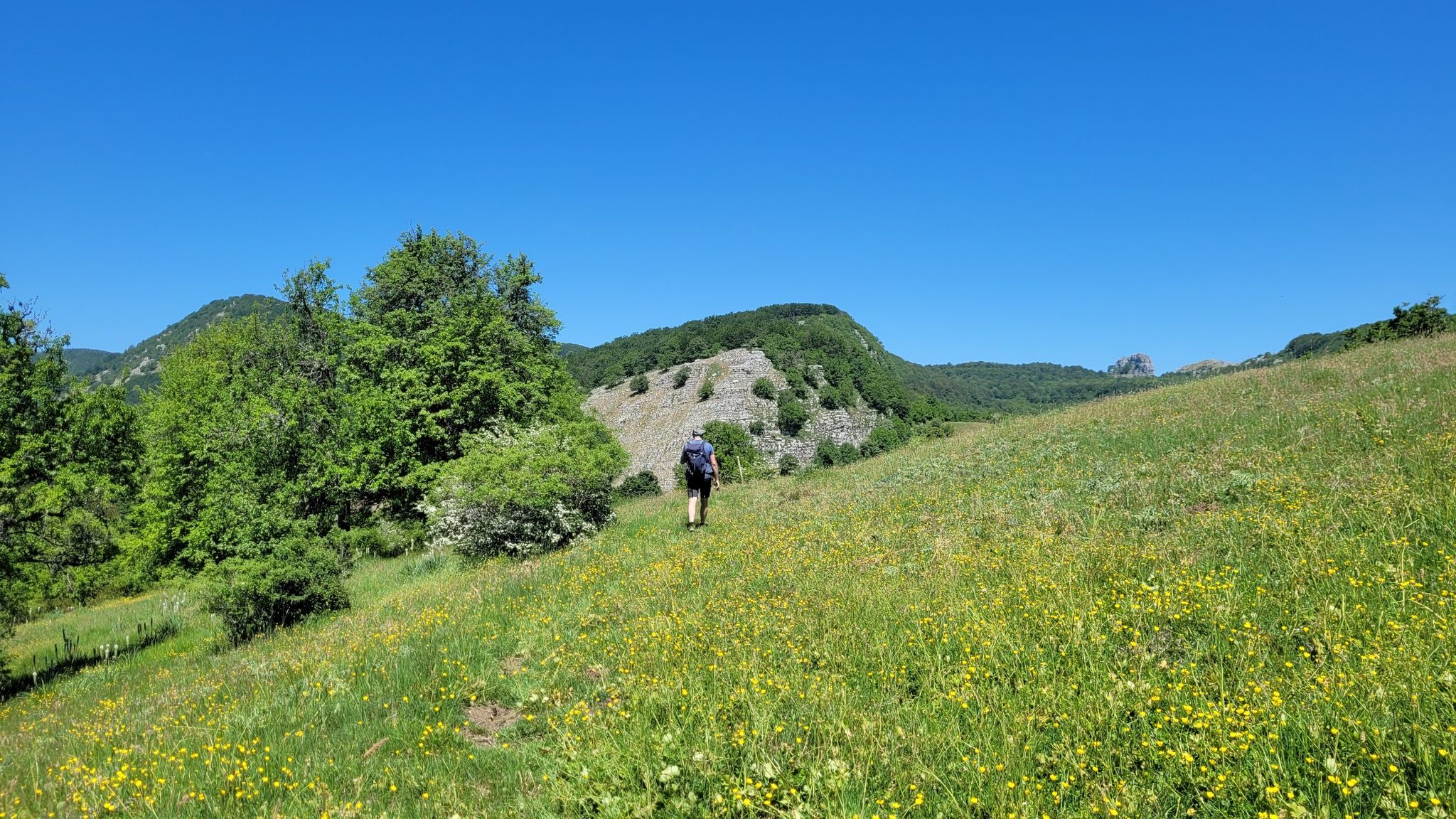
Gallinola (1,923 m above sea level) is the second highest peak in the Matese range and is located in Molise. It can be reached from Campitello Matese via a 5.5 km hike and an elevation gain of just under 500 meters. The view from the summit is spectacular, stretching from the Maiella to the Tyrrhenian Sea, clearly visible in good weather.
1
0

Challenging route with a difference in altitude of about 600m, starting from the Ecocamous refuge located in the Santa Maria valley. During the route you will encounter woods, valleys and a beautiful view of Lake Matese. The route leads to the highest peak in Campania, La Gallinola (1923m)
0
0

Getting there from the Santa Maria refuge was a slog but when you admire the view you understand that it's worth it
3
0

Monte Mutria is the highest peak of the Guardiaregia-Campochiaro Regional Reserve, with its 1823 meters of altitude. Near the top is the chapel of Sant'Antonio, built in the 1990s and a destination for summer pilgrimages. The panorama extends over the great mountains of the Apennines, and on the clearest days you can even see the sea.
2
0

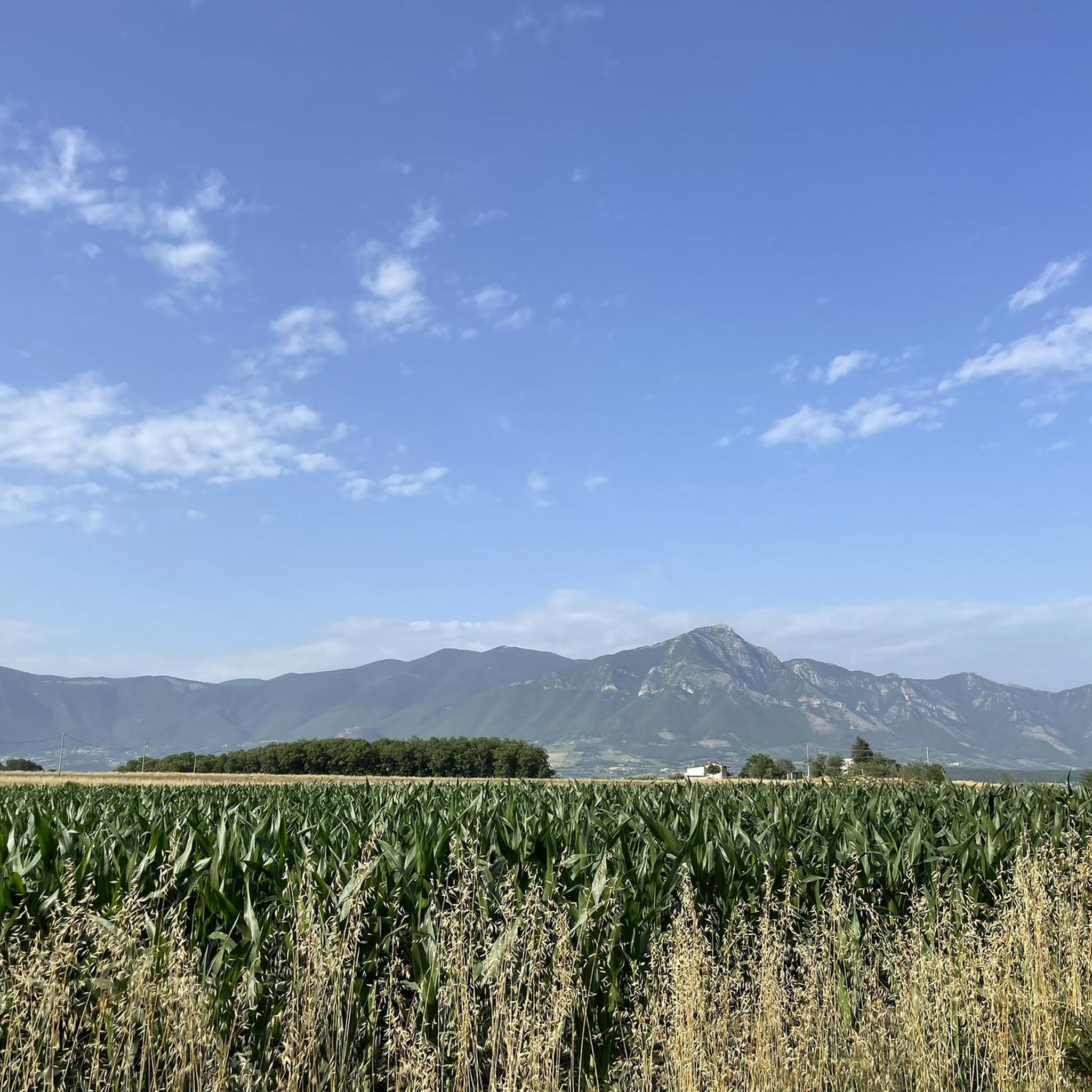
Gallinola is part of the Matese massif, and with its 1923 meters it is the highest point in Campania. From here the breathtaking panorama is guaranteed.
4
0

Three gorges along the Titerno stream dug by water over millions of years generating exceptional giant potholes up to 12 meters wide
3
0


On summer weekends it is better to arrive early before the place is crowded with visitors, losing some of its charm
0
0
Frequently Asked Questions
What unique geological features can I explore around Gioia Sannitica?
The region is rich in geological wonders. You can explore the dramatic Lavello Gorges, where the Titerno stream has carved out giant sinkholes up to 12 meters wide. The Matese mountain range also features numerous grottoes and karst crevasses, such as the intriguing Fairy Cave, which is easily accessible.
Are there family-friendly natural monuments to visit near Gioia Sannitica?
Yes, the Fairy Cave is considered family-friendly and easily accessible. Its suggestive ravine offers a peculiar and enjoyable experience for all ages. While some mountain trails can be challenging, many areas within the Matese Regional Park offer gentler paths suitable for families.
What are the best natural monuments for panoramic views?
For breathtaking panoramic views, head to La Gallinola Summit, the highest point in Campania at 1923 meters. Another excellent choice is Mount Mutria, which offers extensive panoramas of the Apennine mountains, with the sea visible on clear days. Punta Giulia (Anticima della Gallinola) also provides stunning vistas.
What outdoor activities can I do near these natural monuments?
The area around Gioia Sannitica is ideal for various outdoor activities. You can find numerous MTB trails, such as those detailed in the MTB Trails around Gioia Sannitica guide. There are also many options for road cycling and general cycling, with routes available in the Cycling around Gioia Sannitica and Road Cycling Routes around Gioia Sannitica guides. Hiking is also very popular, especially to the various summits and gorges.
Are there hiking trails to the natural monuments, and what are their difficulty levels?
Yes, there are hiking trails leading to many natural monuments. For instance, reaching La Gallinola Summit from the Santa Maria refuge involves a challenging route with about 600m of altitude difference. Mount Mutria also presents an intermediate challenge. The Lavello Gorges offer easier walks along the river, though some sections might be more rugged.
When is the best time to visit the natural monuments around Gioia Sannitica?
The Matese mountains and surrounding natural monuments are generally best visited during spring, summer, and early autumn. Summer weekends at popular spots like the Lavello Gorges can get crowded, so arriving early is recommended. Clear days are ideal for enjoying the extensive panoramas from summits like Mount Mutria.
What should I wear when hiking to the natural monuments?
Given the varied terrain, from riverbeds to mountain summits, it's advisable to wear sturdy hiking boots with good ankle support. Layers of clothing are recommended, as weather conditions can change, especially at higher altitudes. Don't forget sun protection, water, and snacks, particularly for longer or more challenging routes.
Are there any cultural or historical elements associated with these natural sites?
Yes, some natural monuments have cultural significance. Near the summit of Mount Mutria, there is the chapel of Sant'Antonio, a destination for summer pilgrimages. Additionally, local folklore surrounds Mount Monaco, which is said to house the 'Briganti grotto' where a box of gold coins was hidden, and the dense forest of 'Campo del Monaco' was home to a hermit.
Can I bring my dog to the natural monuments and trails?
While specific rules for every trail are not detailed, many natural areas in Italy, including parts of regional parks, generally allow dogs on a leash. It's always best to check local regulations for the specific natural monument or trail you plan to visit, especially within protected areas like the Guardiaregia-Campochiaro Regional Reserve, to ensure compliance.
How long does it typically take to visit these natural monuments?
The duration of your visit can vary greatly depending on the monument and your activity. A quick stop at an accessible site like the Fairy Cave might take an hour or two. However, a hike to a summit like La Gallinola Summit or Mount Mutria can be a half-day or full-day excursion, depending on your starting point and pace.
What do visitors enjoy most about the natural monuments around Gioia Sannitica?
Visitors particularly appreciate the breathtaking panoramas from the mountain peaks, the unique geological formations like the giant sinkholes in the Lavello Gorges, and the opportunities for trekking and connecting with nature. The sense of achievement after a challenging hike to a summit like La Gallinola Summit is also a highlight for many.
Are there cafes or accommodation options near the natural monuments?
Gioia Sannitica itself offers local cafes, pubs, and accommodation options. While specific amenities directly at every natural monument might be limited, you'll find facilities in the nearby towns and villages. For example, the starting point for some hikes to La Gallinola Summit is near the Ecocamous refuge in the Santa Maria valley, which could offer some services.
Most popular routes around Gioia Sannitica
Most popular attractions around Gioia Sannitica

Get inspired with the komoot mobile app


Explore more
Extend your search for the best caves by checking out these guides of the top ones around Gioia Sannitica:
