Savogna D'Isonzo / Sovodnje Ob Soči
Savogna D'Isonzo / Sovodnje Ob Soči
Top 12 Natural Monuments around Savogna D'Isonzo / Sovodnje Ob Soči
Best natural monuments around Savogna D'Isonzo / Sovodnje Ob Soči are found within the Karst Plateau, a region known for its unique geological formations and hydrological system. This cross-border area, shared between Italy and Slovenia, features a landscape shaped by soluble bedrock, including numerous dolines and blind valleys. The Isonzo River also flows through the region, contributing to its natural features.
Best natural monuments around Savogna D'Isonzo / Sovodnje Ob Soči
- The most popular natural monuments is Summit 3 of…
Last updated: June 28, 2026
Summit 3 of Monte San Michele
Highlight • Viewpoint
Translated by Google •
Tip by

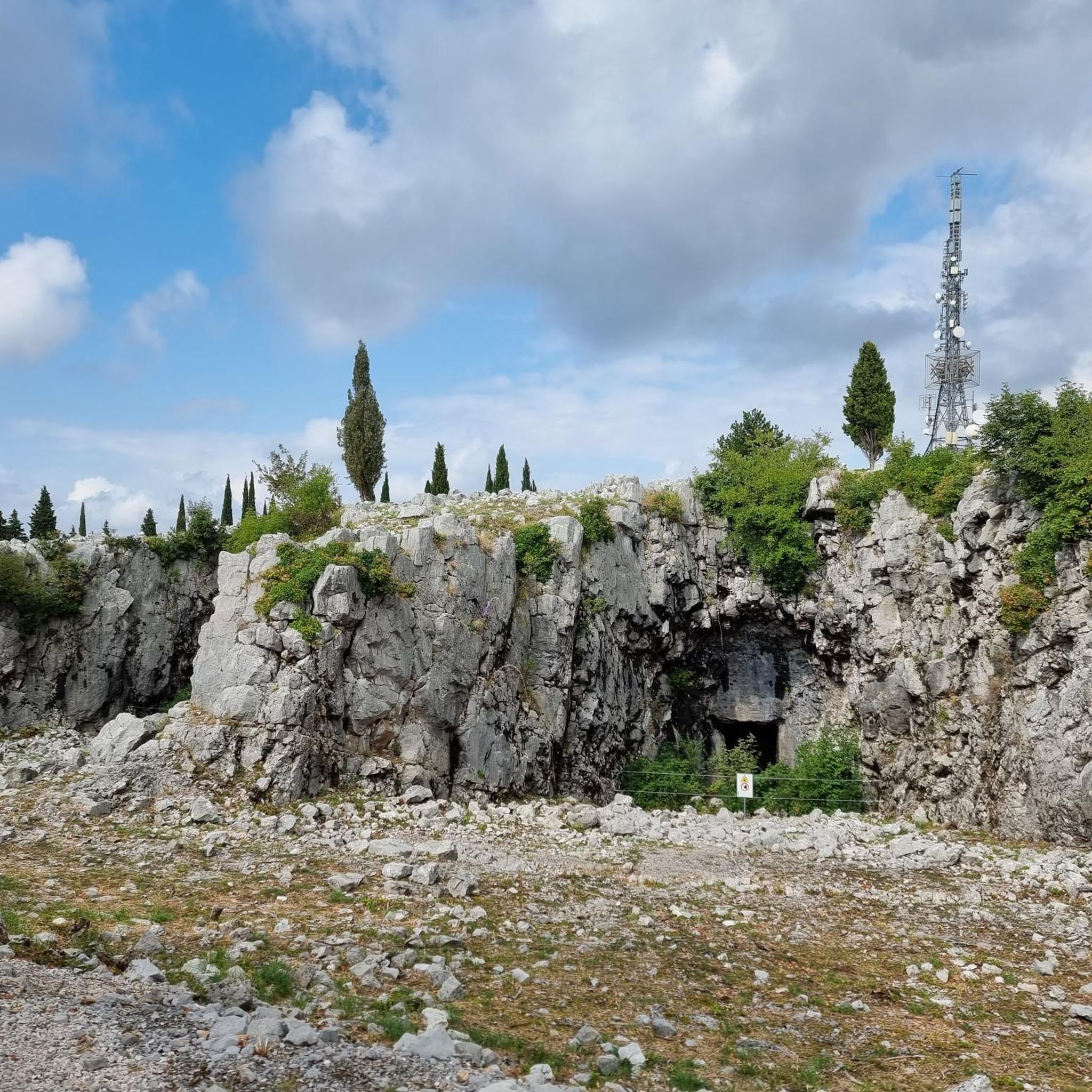
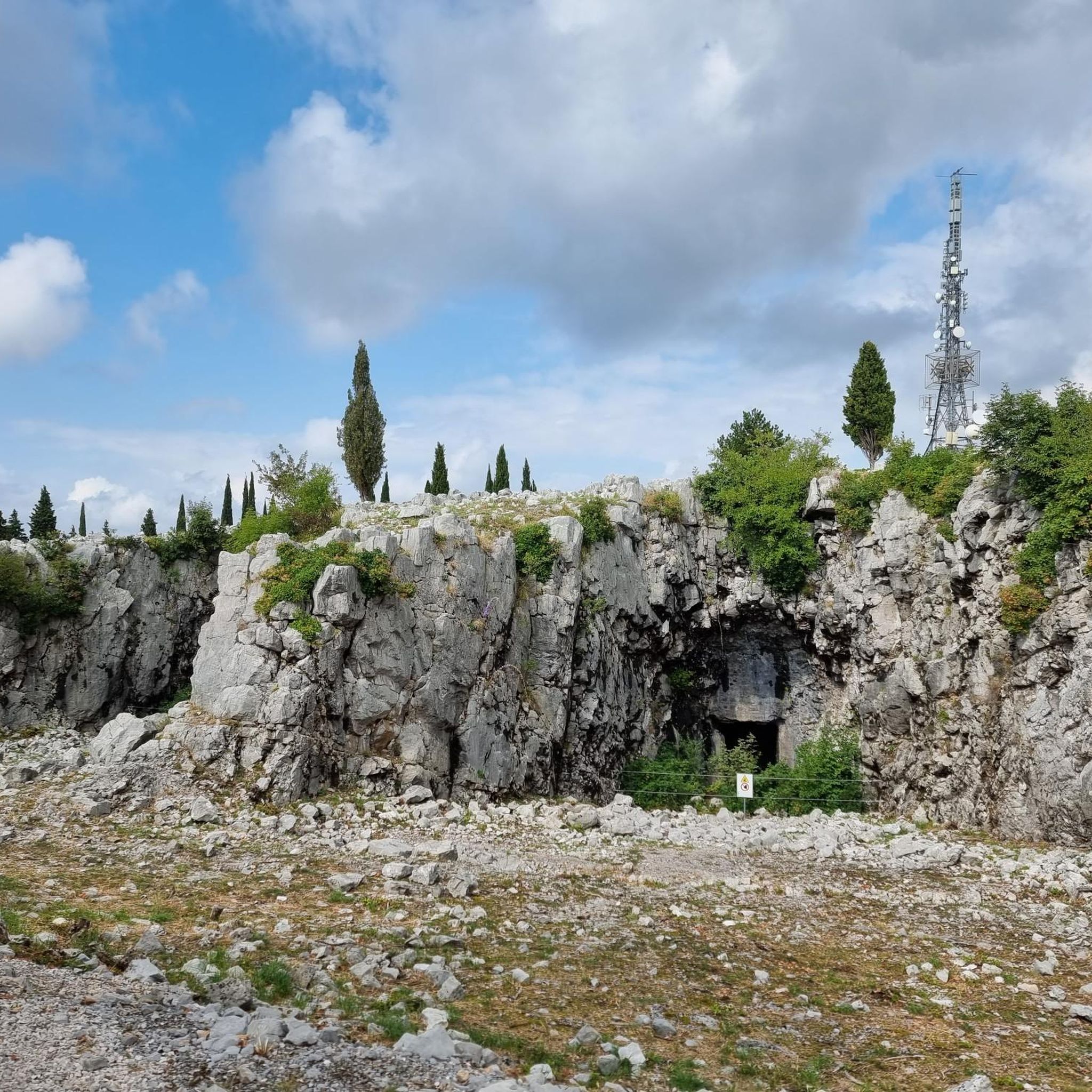
Sabotin Peace Park Bunkers and Caves
Highlight • Historical Site
Translated by Google •
Tip by

Sign up now to discover places like this
Get recommendations on the best single tracks, peaks, & plenty of other exciting outdoor places.
Sign up for free
Monument to Filippo Corridoni
Highlight • Monument
Translated by Google •
Tip by

Timavo springs and the Church of San Giovanni in Tuba
Highlight • River
Translated by Google •
Tip by

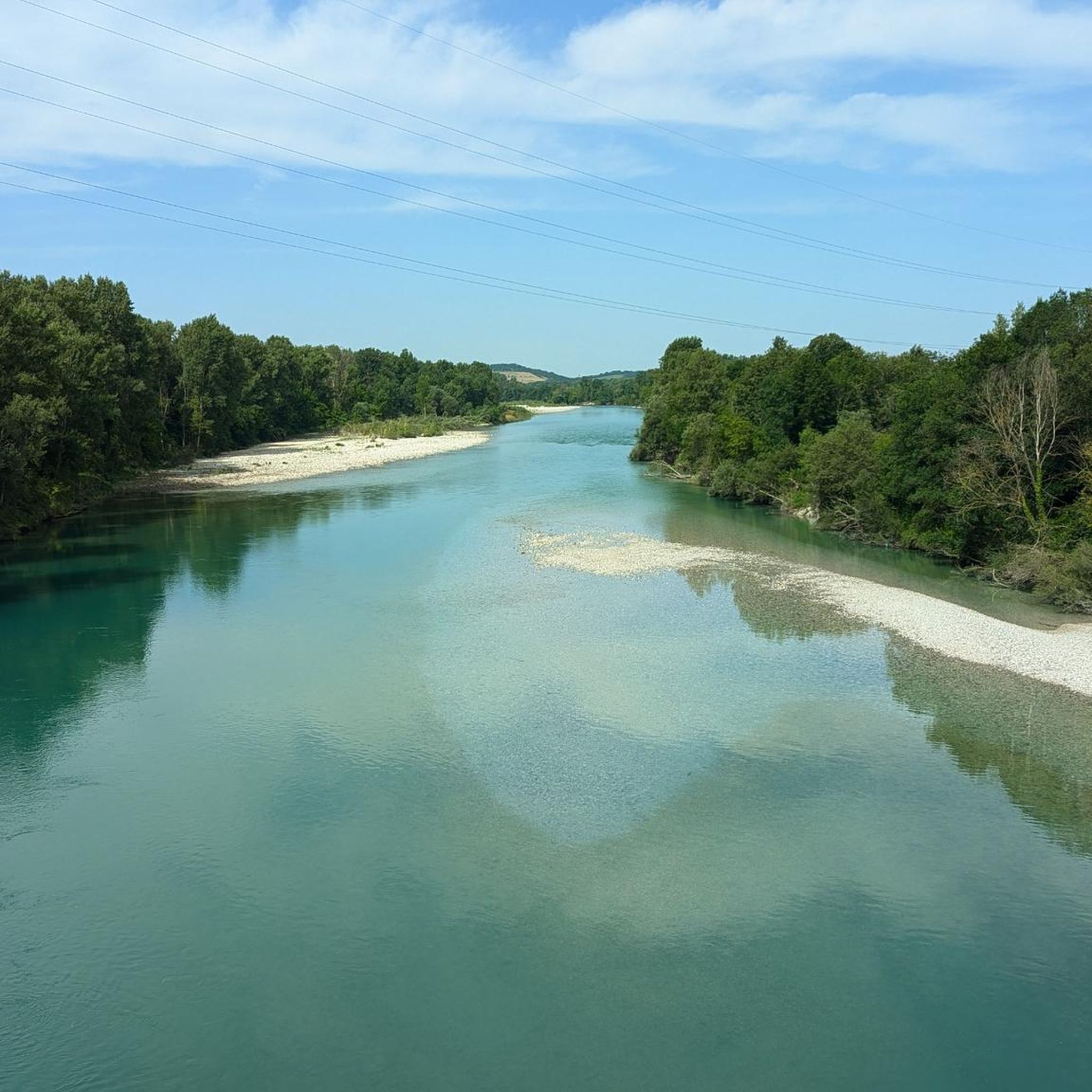
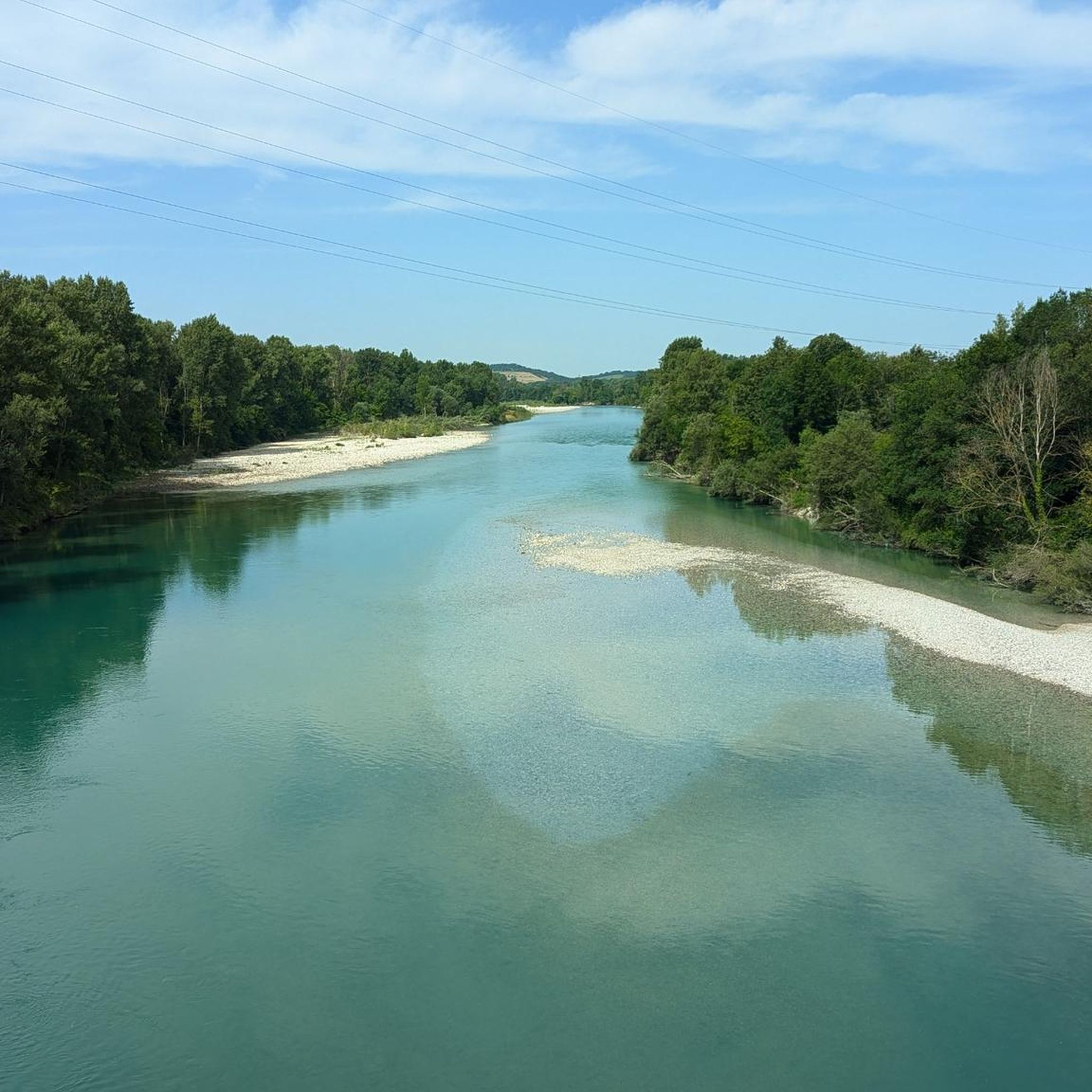
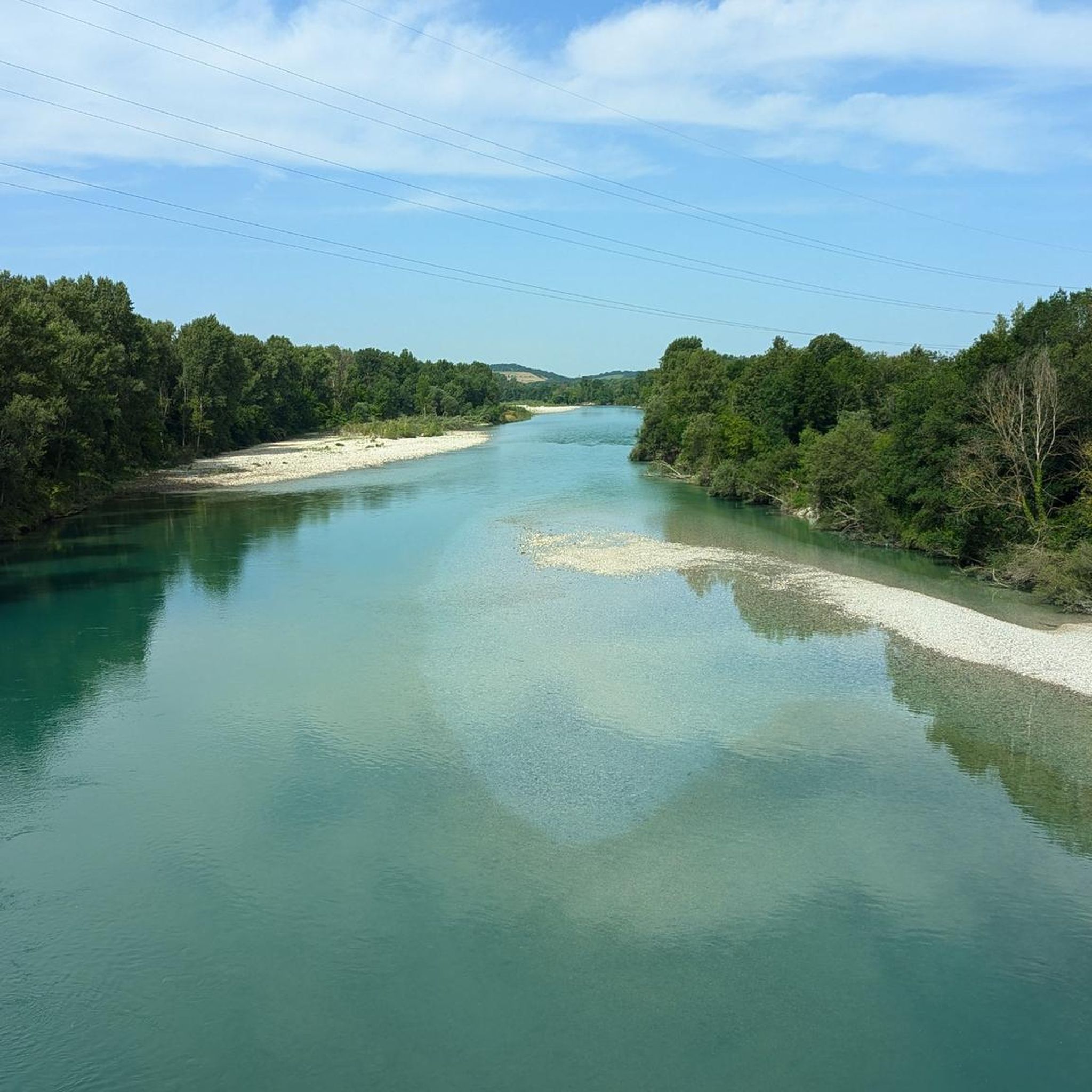
Isonzo River
Highlight • River
Translated by Google •
Tip by
Sign up for free to discover even more natural monuments around Savogna D'Isonzo / Sovodnje Ob Soči.
Sign up for free
Already have an account?
Start today with a free account
Your next adventure awaits.
Login or Signup
Popular around Savogna D'Isonzo / Sovodnje Ob Soči
Hiking around Savogna D'Isonzo / Sovodnje Ob Soči
MTB Trails around Savogna D'Isonzo / Sovodnje Ob Soči
Road Cycling Routes around Savogna D'Isonzo / Sovodnje Ob Soči
Cycling around Savogna D'Isonzo / Sovodnje Ob Soči

Gravel biking around Savogna D'Isonzo / Sovodnje Ob Soči
Running Trails around Savogna D'Isonzo / Sovodnje Ob Soči
Tips from the Community

From this bridge, you can enjoy excellent views of the Soca River and its emerald-green waters, as well as the Sabatino. Depending on the time of day, the Soca River displays stunning reflections.
1
0
A historic peak (World War I) accessible from two sides via paved and gravel roads and forest trails. Presumably a "must-see" for historians. On Monte Sabatino is a cross-border open-air museum of Italy and Slovenia. The starting point is a former barracks, which now serves as an information center and restaurant. Due to its strategic position, the mountain was one of the key battlegrounds during the Battles of the Isonzo in World War I. The museum offers a tour of the second Austro-Hungarian defensive line, which was breached by the Italian Second Army on August 6, 1916, during the Sixth Battle of the Isonzo. Visitors can also see bunkers, fortifications, trenches, a complex tunnel system, caves, and relics of wartime equipment. Source: https://www.turismofvg.it/de/grandeguerra-gorz-isontinischer-karst-und-collio/parco-della-pace-del-monte-sabotino-park-des-friedens?LangSetCMS=de
1
0

In the area of the Risorgive del Timavo, where the Timavo river emerges from the vegetation, the medieval church of San Giovanni in Tuba stands suggestively with its late Gothic style.
0
0

A fairly well-kept panoramic area, although with a series of works in progress
1
0

1
0

www.viaggiatorelento.com Dating back to 1483, the place of worship is a rare example in the region of Gothic ogival style of Carinthian taste. It was built at the behest of the Walsee lords and partly rebuilt after the damage of the Second World War. It stands on the site of an early Christian basilica, of which a wall and a mosaic dating back to the 5th century are preserved in the presbytery, built on an ancient Roman temple. From 568 the territory was occupied by the Lombards. In 615 various relics and precious furnishings of the basilica of Aquileia were buried in the church to save them from the barbarian attack by the Avars on the Friuli area, they remained buried until their discovery in 1085. Around 950 the monastery of San Giovanni al Timavo or Tuba also arose. The monastery and the church were rebuilt again by the Benedictine monks towards the middle of the 10th century in conjunction with the chapter of the cathedral of San Giusto in Trieste which had rights over the church. In the 11th century the fief of Duino depended on the Patriarchate of Aquileia and the patriarch Enrico united the monastery of San Giovanni to the abbey of San Martino della Beligna in Aquileia, the patriarch Ulrico also confirmed this union. In 1085 during the restoration works the ancient buried treasure was discovered and brought back to Aquileia, the discovery increased the fame of the monastery and in particular the festival for the feast of the day of its patron saint (June 24), it began to attract a multitude of people from every part of the Carso up to Trieste, the patriarch Ulrico in 1112 had the basilica rebuilt, expanding it and in 1120 it became an abbey and therefore provided it with large possessions: ten mansi located in Duino, the parish of Marciliana (Monfalcone) and ten mansi in the locality of Gradisca. Source Wikipedia
0
0
The springs of the Timavo River, where the river resurfaces from its underground path for the last stretches before the sea. The area of the springs, located in the municipality of Duino-Aurisina, has been an important place of worship since ancient times. The presence of a river that flowed from the earth had intrigued and frightened primitive populations. Diomedes, Hercules, Saturn, the Spes Augusta, Liber Augustus and the god Temavus were venerated. Virgil was so impressed by it that he mentioned it three times: Eclogue VIII, 6, Georgics, book III, 475 and Aeneid, book I, 244. The Via Flavia passed through here and in the area of the mouth of the Timavo the amber road reached the Adriatic Sea, along which the precious fossil resin was imported from the Baltic since pre-Roman times.
0
0

Frequently Asked Questions
What unique geological features define the natural monuments in Savogna D'Isonzo / Sovodnje Ob Soči?
The region is primarily characterized by the Karst Plateau, which gives its name to 'karst topography'. This landscape is shaped by soluble limestone bedrock, resulting in distinctive features such as numerous dolines (sinkholes), blind valleys, dry valleys, and various dissolution features like flutes and grikes. The surface is often rocky, supporting unique vegetation.
Are there any significant caves to explore in the region?
Yes, the Karst area is renowned for its extensive underground cave systems. While located in a neighboring municipality, the Grotta Gigante is easily accessible and recognized as the world's largest single-chamber tourist cave. Closer to Savogna D'Isonzo, the Grotta Regina del Carso in San Michele del Carso is a notable speleological cave, though access is managed by speleologists to preserve its pristine state. Additionally, Sabotin Peace Park Bunkers and Caves offers preserved caverns with historical significance.
What role do rivers play in the natural landscape of Savogna D'Isonzo / Sovodnje Ob Soči?
Rivers are crucial to the region's natural beauty and hydrology. The emerald-green Isonzo River flows through the area, offering picturesque landscapes and opportunities for water activities. The Reka River, while mostly in Slovenia, is intricately linked to the Karst's underground system, disappearing into the Škocjan Caves before re-emerging as the Timavo River, whose springs and the Church of San Giovanni in Tuba are a notable natural monument.
Can I find historical sites among the natural monuments?
Absolutely. The region is rich in history, particularly from World War I. Summit 3 of Monte San Michele is a viewpoint with historical significance, part of an open-air museum of the Great War. Sabotin Peace Park Bunkers and Caves features preserved bunkers, ditches, and caverns from the war. Even the Timavo springs and the Church of San Giovanni in Tuba have historical remnants from the first war.
Are there family-friendly natural monuments suitable for children?
Yes, several natural monuments are suitable for families. The Summit 3 of Monte San Michele offers paths of varying difficulties, some of which are family-friendly. The Timavo springs and the Church of San Giovanni in Tuba is an easy-to-reach and impressive spot for all ages. The Isonzo River also provides accessible stretches for family walks and enjoyment.
What outdoor activities can I do near these natural monuments?
The region offers a variety of outdoor activities. You can explore numerous hiking trails, such as the 'Monte San Michele WWI Trail' or the 'Carso plateau trail', which are detailed in the Hiking around Savogna D'Isonzo / Sovodnje Ob Soči guide. Cycling is also popular, with routes like 'From Gorizia to the Panoramic Tower in Gonjače along the Isonzo' found in the Road Cycling Routes guide. For runners, there are options like the 'Grabčji hrib – Cerje loop' in the Running Trails guide. The Isonzo Valley also provides opportunities for kayaking and rafting.
What is the best time to visit the natural monuments in Savogna D'Isonzo / Sovodnje Ob Soči?
The best time to visit depends on your preferred activities. Spring and autumn generally offer pleasant temperatures for hiking and cycling, with lush greenery or vibrant fall colors. Summer is ideal for water activities on the Isonzo River, though it can be warmer. For exploring caves like Grotta Gigante, the internal temperature is a constant 11°C, making it a good option year-round.
Are there good viewpoints to appreciate the landscape?
Yes, the region offers several excellent viewpoints. Summit 3 of Monte San Michele provides suggestive views over the Isonzo valley and historical locations. From Sabotin Peace Park Bunkers and Caves, you can enjoy panoramic views extending from the Dolomites and Julian Alps to the Italian plain and the Adriatic Sea. The Karst Plateau itself offers elevated points with expansive vistas.
What should I wear when visiting the natural monuments?
Given the varied terrain and activities, it's advisable to wear comfortable, layered clothing suitable for outdoor exploration. Sturdy hiking shoes are recommended for trails on the Karst Plateau and around historical sites. If you plan to visit caves, remember that the temperature inside is consistently cool (e.g., 11°C in Grotta Gigante), so a light jacket is essential even in summer.
Are there any natural monuments that are less known but worth discovering?
While not always publicly accessible for unguided tours, the Grotta Regina del Carso in San Michele del Carso is a pristine example of the Karst's underground wonders, notable for its rich and eccentric concretions. Its existence highlights the extensive subterranean network beneath the region and its scientific importance.
What do visitors enjoy most about the natural monuments in Savogna D'Isonzo / Sovodnje Ob Soči?
Visitors frequently appreciate the unique blend of natural beauty and historical significance. The rugged beauty of the Karst Plateau, the stunning underground world of the caves, and the picturesque emerald waters of the Isonzo River are often highlighted. Many also value the opportunity to explore WWI historical sites integrated into the natural landscape, offering a compelling experience of both nature and history.
Most popular routes around Savogna D'Isonzo / Sovodnje Ob Soči
Most popular attractions around Savogna D'Isonzo / Sovodnje Ob Soči

Get inspired with the komoot mobile app


Explore more
Extend your search for the best caves by checking out these guides of the top ones around Savogna D'Isonzo / Sovodnje Ob Soči:
