Top 11 Natural Monuments around Gioi
Best natural monuments around Gioi are situated within the broader Cilento, Vallo di Diano and Alburni National Park, a UNESCO World Heritage Site in Italy's Campania region. This area is characterized by diverse ecosystems, including mountains, valleys, and a coastline. The landscape features rich biodiversity, ancient forests, and unique geological formations shaped by rivers and karst processes. Its prime location offers access to significant natural features for exploration.
Best natural monuments around Gioi
- The most popular natural monument is Calore…
Last updated: June 28, 2026
Madonna del Monte Sacro Sanctuary and Monte Gelbison Summit
Highlight • Summit
Translated by Google •
Tip by

Calore Gorges
Highlight • Gorge
Translated by Google •
Tip by

Sign up now to discover places like this
Get recommendations on the best single tracks, peaks, & plenty of other exciting outdoor places.
Sign up for free
Ponte Petratetta
Highlight • Bridge
Translated by Google •
Tip by
St. Helen's Chapel of Gorgonero
Highlight • Bridge
Translated by Google •
Tip by
Roman stone bridge over the Calore River
Highlight • Bridge
Translated by Google •
Tip by

Sign up for free to discover even more natural monuments around Gioi.
Sign up for free
Already have an account?
Start today with a free account
Your next adventure awaits.
Login or Signup
Tips from the Community

Please note: Starting in 2025, license plate registration will be automatically recorded on the access road. Anyone entering the area by car should pay via MooneyGo. Be sure to observe the signs.
0
0

The "Petratetta Bridge" is a natural bridge made of boulders that connects the two banks of the Calore River, located in the Calore Gorges, near Felitto, in the province of Salerno. It can be reached via a trail starting from Remolino, or from another trail starting from the historic center of Felitto. The bridge marks an interesting crossing point for hikers walking through the gorges, also offering the opportunity to admire the "Marmitte dei Giganti," grooves carved by water in the rock.
2
0
One of the many medieval stone bridges found in this area (see the one in Magliano Vetere or the one in Sant'Angelo a Fasanella)
2
0

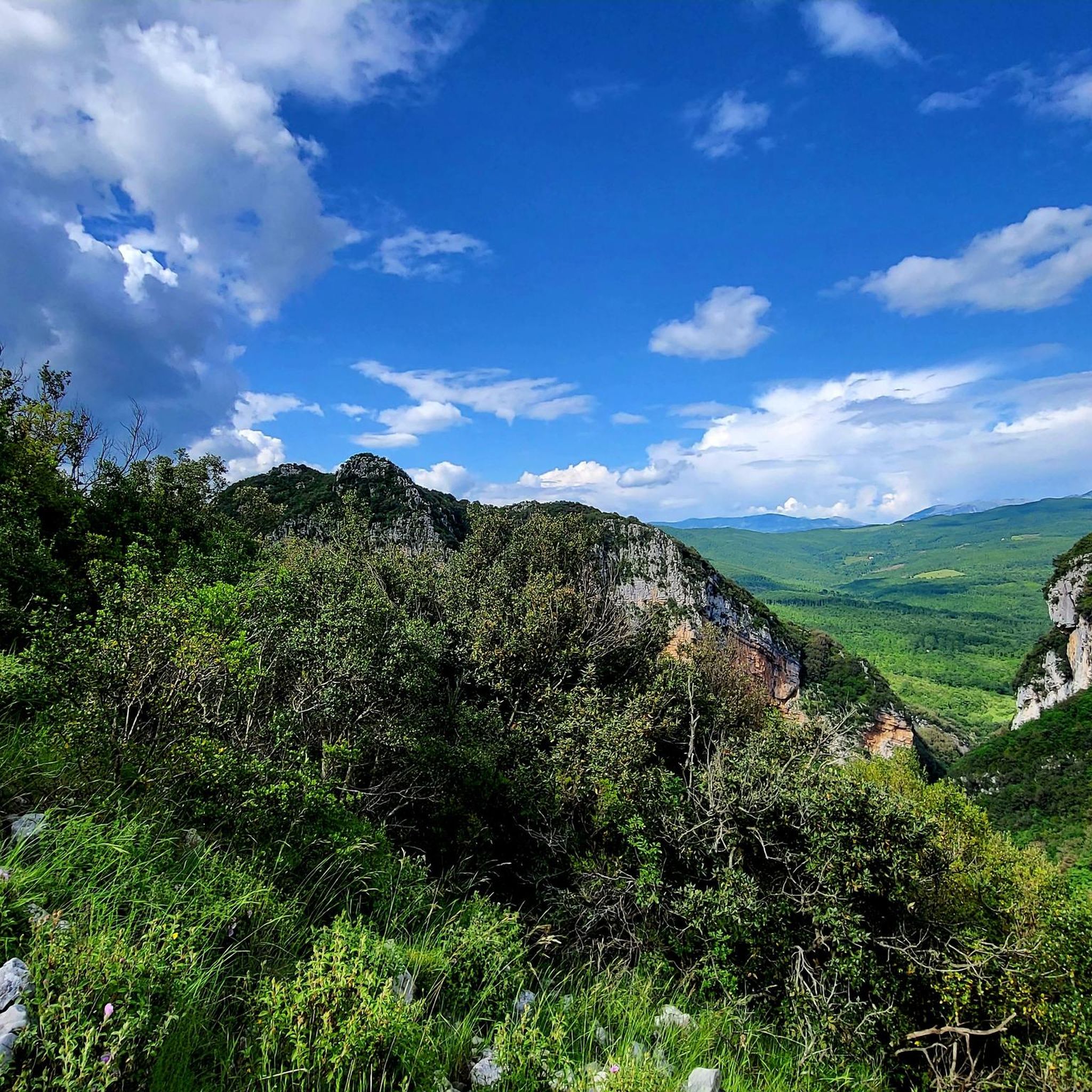
From this bridge on the provincial road you can look out and admire the splendid scenery of the Calore Gorges. Furthermore, from here, you can observe one of the many stone bridges, from the Roman era, which allowed you to cross the river
2
0

Notice the old bridge in the depths
0
0
Here is the information about the Sanctuary of the Madonna del Monte Sacro: https://it.wikipedia.org/wiki/Santuario_della_Madonna_del_Monte_Sacro_di_Novi_Velia https://www. Escursionismo.it/escursioni/sul-monte-gelbison-la-terrazza-del-cilento/ https://www.ilcilentano.it/sacro-monte-gelbison-tra-natura-e-culto-mariano/
2
0

Near the small church of Sant'Elena there is a medieval bridge to cross the Calore river. Here a spring throws its waters into the river, and it is possible to continue the path to reach Grava di Vesalo, where the Milenzio stream disappears underground.
1
0
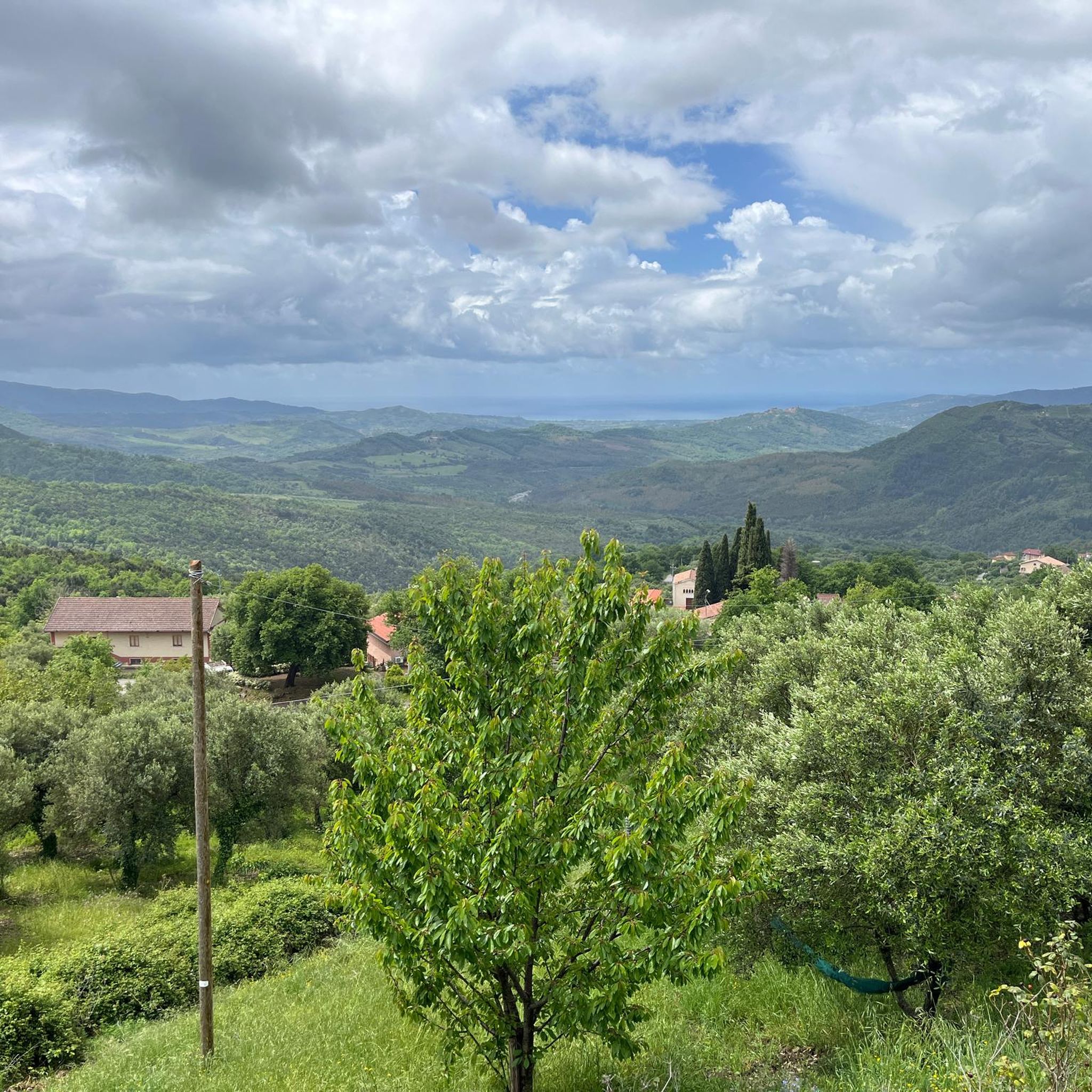
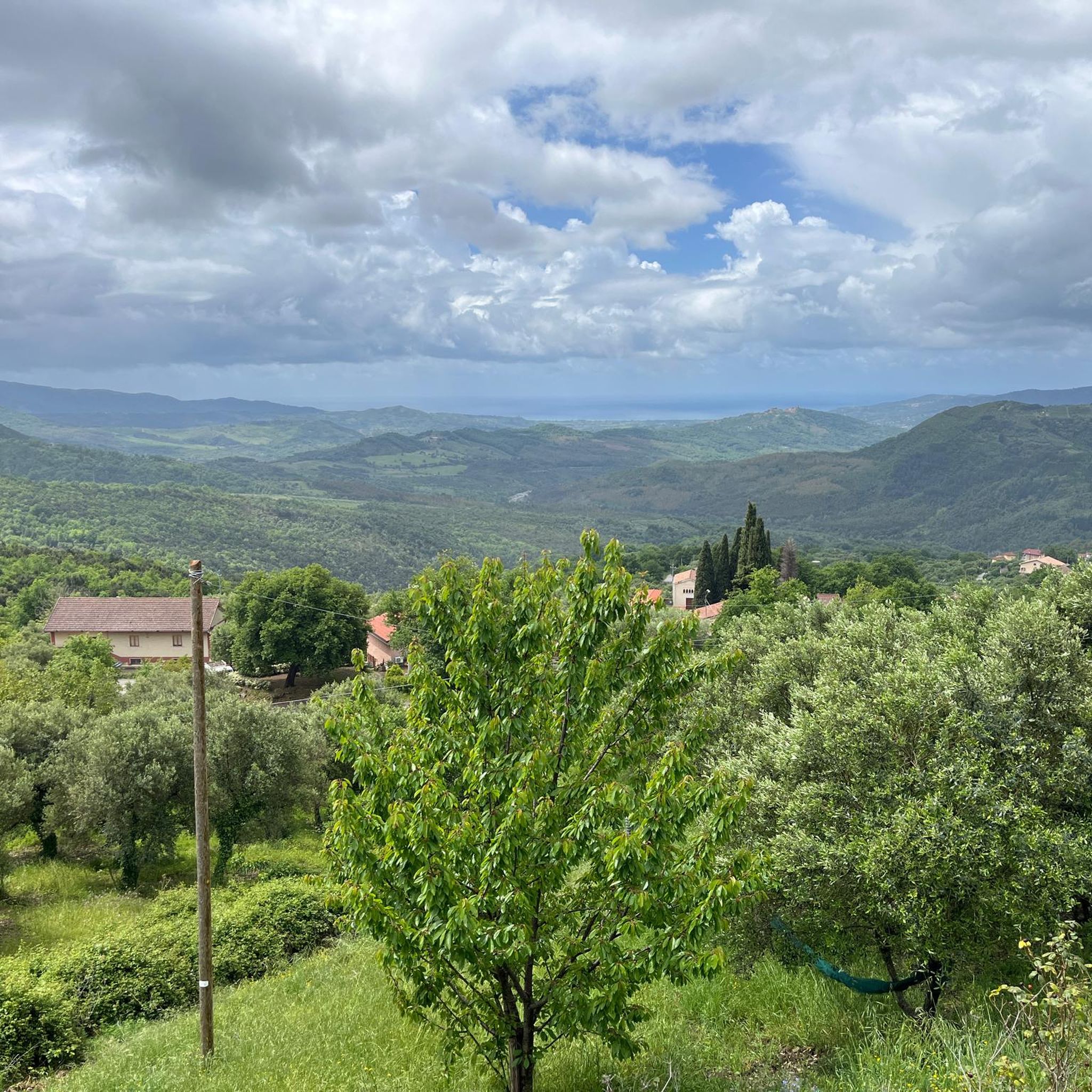
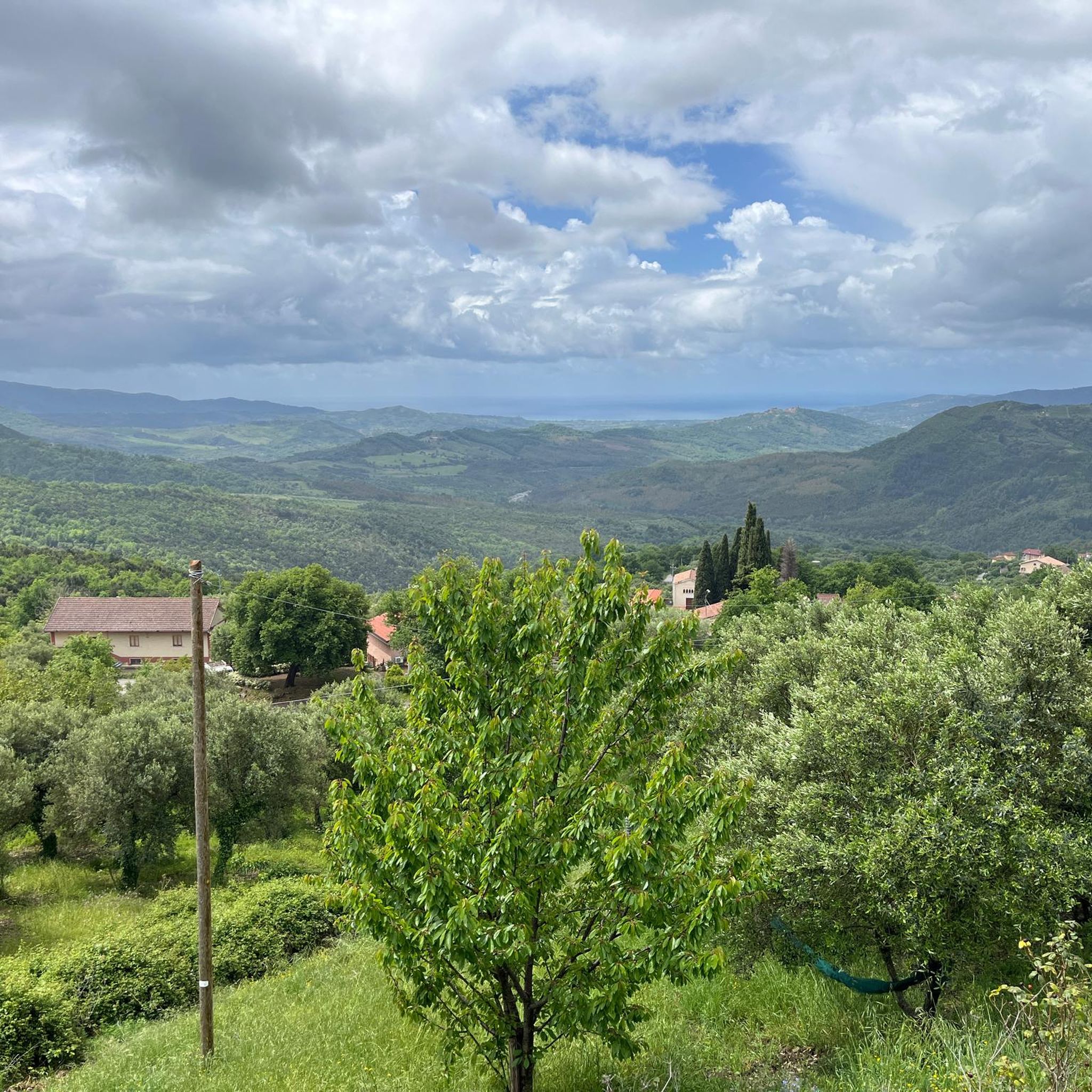
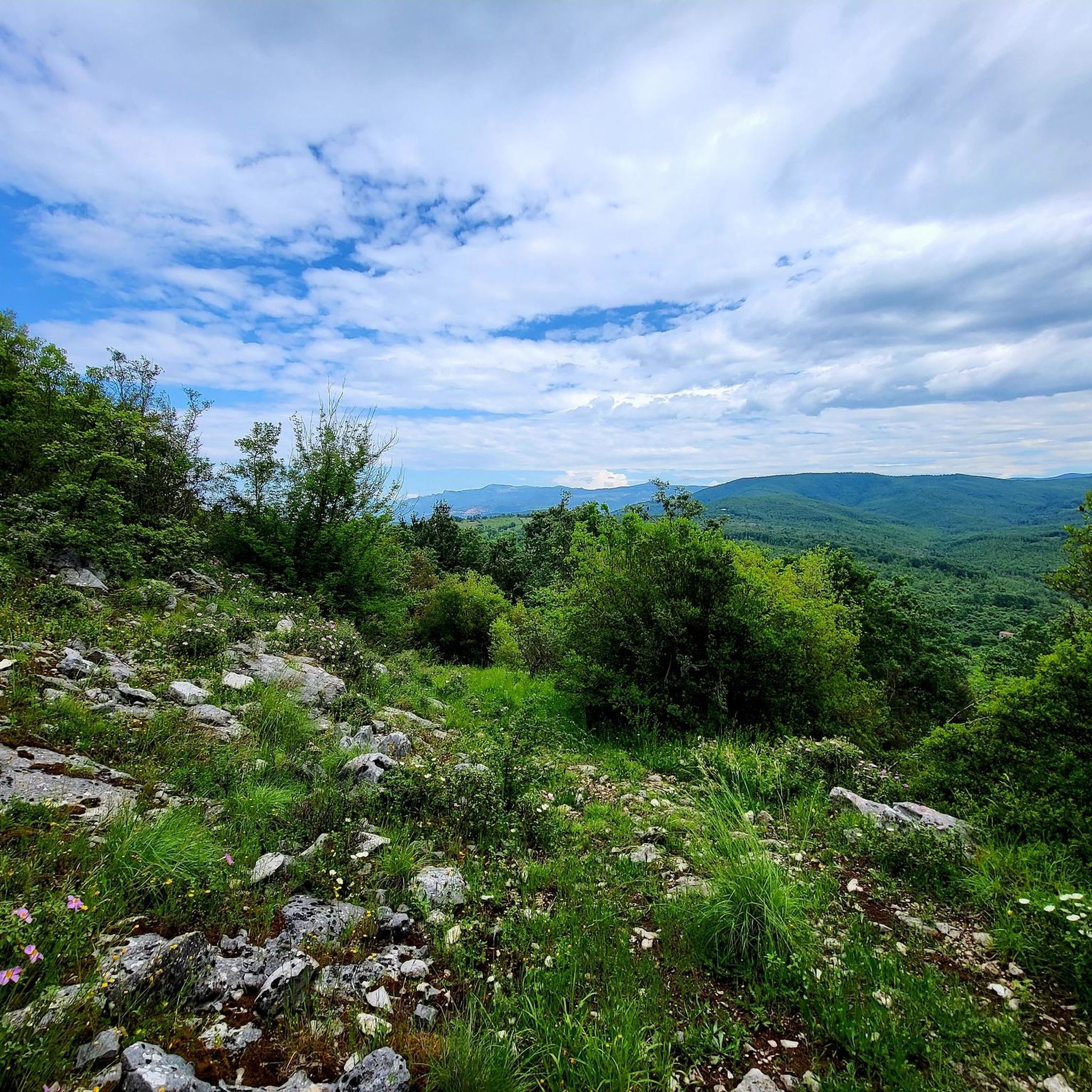
On the summit of Monte Gelbison at 1705 m asl is the sanctuary of the Madonna del Monte Sacro, a destination for pilgrimages and devotions. From here you can enjoy a spectacular panorama, and the path to get there is almost entirely in the shade in the woods, therefore suitable even on the hottest days.
1
0
Frequently Asked Questions
What are the most prominent natural features to explore near Gioi?
The area around Gioi is rich in natural beauty, primarily within the Cilento, Vallo di Diano and Alburni National Park. Key features include the dramatic Calore Gorges, where the Calore River has carved impressive canyons. You can also visit the Madonna del Monte Sacro Sanctuary and Monte Gelbison Summit, offering panoramic views, and unique geological formations like Ponte Petratetta, a natural bridge.
Are there opportunities for hiking near Gioi's natural monuments?
Yes, the region offers numerous hiking opportunities. The Calore Gorges, for instance, have trekking routes along the river. For more options, you can explore the various hiking routes around Gioi, which range in difficulty and offer diverse landscapes.
What makes the Calore Gorges a significant natural monument?
The Calore Gorges are significant due to the impressive canyons and rock formations carved by the Calore River. They offer a dramatic landscape and opportunities for outdoor activities like rafting, kayaking, and hiking. Within the gorges, you can also find unique features such as the "Marmitte dei Giganti," grooves carved by water in the rock.
Can I find historical or cultural sites alongside natural monuments in this area?
Absolutely. The region beautifully blends natural and historical elements. For example, the Madonna del Monte Sacro Sanctuary and Monte Gelbison Summit hosts a historic sanctuary on its peak, a destination for pilgrimages since the 16th century. Additionally, you can find ancient structures like the Roman stone bridge over the Calore River and St. Helen's Chapel of Gorgonero, which includes a medieval bridge.
What kind of views can I expect from Monte Gelbison Summit?
From the Madonna del Monte Sacro Sanctuary and Monte Gelbison Summit, you can enjoy panoramic views over the entire Cilento region, the Vallo di Diano, and the Gulf of Salerno. It's the fourth highest mountain in Cilento, providing an expansive vista of the surrounding natural landscape.
Are there any natural bridges to see in the area?
Yes, a notable natural bridge is Ponte Petratetta, located within the Calore Gorges. This unique formation is made of boulders connecting the two banks of the Calore River, offering an interesting crossing point for hikers.
What kind of wildlife or ecosystems can I expect to see in the Cilento National Park?
The Cilento, Vallo di Diano and Alburni National Park is known for its rich biodiversity. You can expect to see diverse ecosystems, including ancient forests of oaks, chestnuts, and olive trees. The park is home to a variety of flora and fauna, and areas like the Oasi Fiume Alento (Alento River Oasis) feature wetlands and are habitats for various bird species and other wildlife.
What is the best time of year to visit the natural monuments around Gioi?
The best time to visit the natural monuments around Gioi, particularly for outdoor activities like hiking and exploring the gorges, is typically during the spring (April to June) and autumn (September to October). During these seasons, the weather is pleasant, and the natural scenery is vibrant, avoiding the intense heat of summer or the colder, potentially wetter conditions of winter.
Are there family-friendly natural monuments or activities in the area?
Many of the natural areas within the Cilento National Park can be enjoyed by families. While some trails might be challenging, there are often easier sections or designated areas for leisurely walks. The Calore Gorges offer accessible sections for enjoying the river scenery, and the Oasi Fiume Alento is ideal for nature observation and gentle strolls, making it suitable for families.
What other outdoor activities, besides hiking, are available near these natural monuments?
Beyond hiking, the region offers several outdoor activities. The Calore Gorges are popular for rafting and kayaking. For cycling enthusiasts, there are numerous road cycling routes and MTB trails around Gioi, catering to various skill levels.
What do visitors enjoy most about the natural monuments around Gioi?
Visitors frequently appreciate the pristine beauty and diverse landscapes of the region. The dramatic canyons of the Calore Gorges and the panoramic views from Monte Gelbison Summit are often highlighted. The opportunity to immerse oneself in nature, explore unique geological formations, and discover historical sites within a UNESCO World Heritage area is a major draw.
How can I find information about parking or public transport to reach these natural monuments?
While specific parking details for every single monument might vary, generally, for popular sites like the Calore Gorges, you can often find designated parking areas near trailheads, such as the one near Remolino. Public transport options in the more remote parts of the Cilento National Park can be limited, so driving is often the most convenient way to access many natural monuments. It's advisable to check local tourist information for the most up-to-date transport and parking details for specific destinations.
Most popular attractions around Gioi

Get inspired with the komoot mobile app


Explore more
Extend your search for the best caves by checking out these guides of the top ones around Gioi:
