Top 9 Natural Monuments around Canistro
Best natural monuments around Canistro are found in the province of L'Aquila, Italy, an area characterized by mountainous landscapes, lush forests, and pristine waters. The region offers several notable natural attractions, including significant springs and mountain peaks. These sites provide opportunities for outdoor activities and exploration within a natural setting.
Best natural monuments around Canistro
- The most popular natural monuments is Monte Viglio summit (2,156 m), a summit that is the highest of the Càntari Mountains. From this peak,…
Last updated: June 28, 2026
Monte Salviano Pass
Highlight • Mountain Pass
Translated by Google •
Tip by

Campo Ceraso Volubro
Highlight • Lake
Translated by Google •
Tip by

Sign up now to discover places like this
Get recommendations on the best single tracks, peaks, & plenty of other exciting outdoor places.
Sign up for free
Monte Viglio summit (2,156 m)
Highlight • Summit
Translated by Google •
Tip by

Small Waterfall
Highlight • Waterfall
Translated by Google •
Tip by

Campitelle Spring
Highlight • Natural Monument
Translated by Google •
Tip by
Sign up for free to discover even more natural monuments around Canistro.
Sign up for free
Already have an account?
Start today with a free account
Your next adventure awaits.
Login or Signup

Tips from the Community

Hiking boots, fairly long and steep route.
0
0

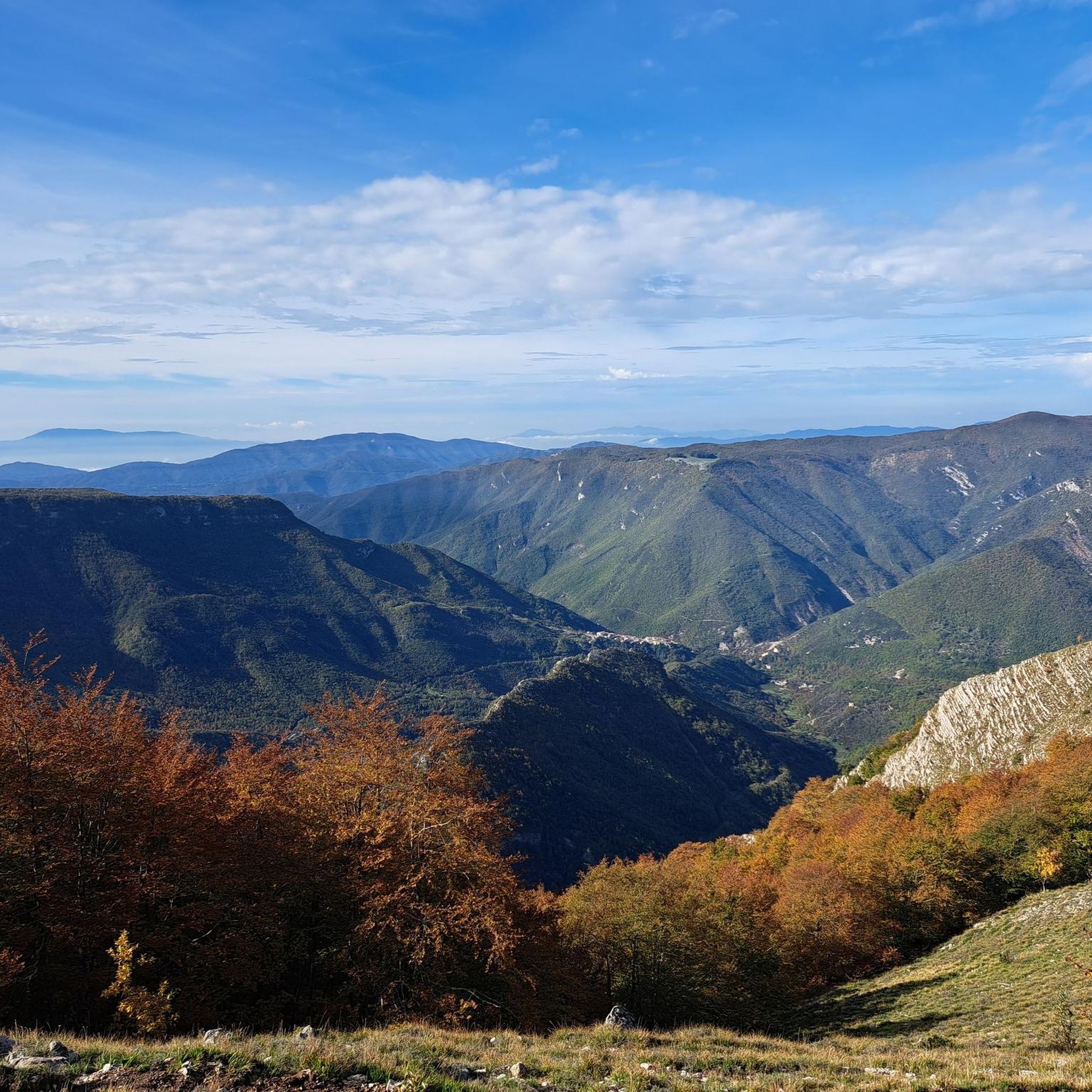
This place is worth a vote as you reach the top and if the weather permits you can see both the Tyrrhenian and Adriatic seas.
1
0

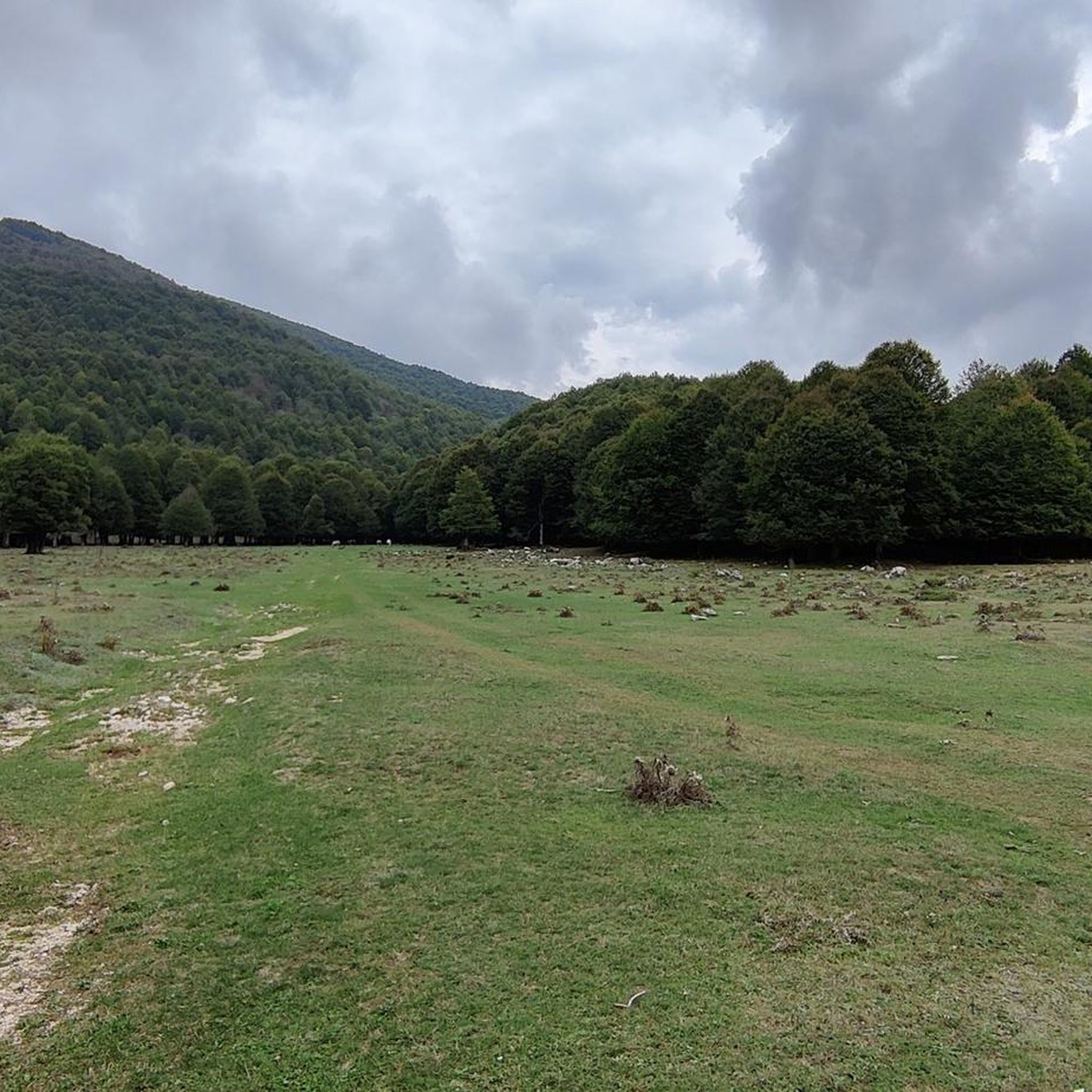
The fountain is located in the Campitelle area at an altitude of 1,340 meters above sea level. It is located within one of the many large karst valleys of the Simbruini mountains. Its position is indicated by wooden signs already present on the dirt road that comes from the square of the Santissima Trinità. The place is pleasant and ideal for a nice picnic!
3
0
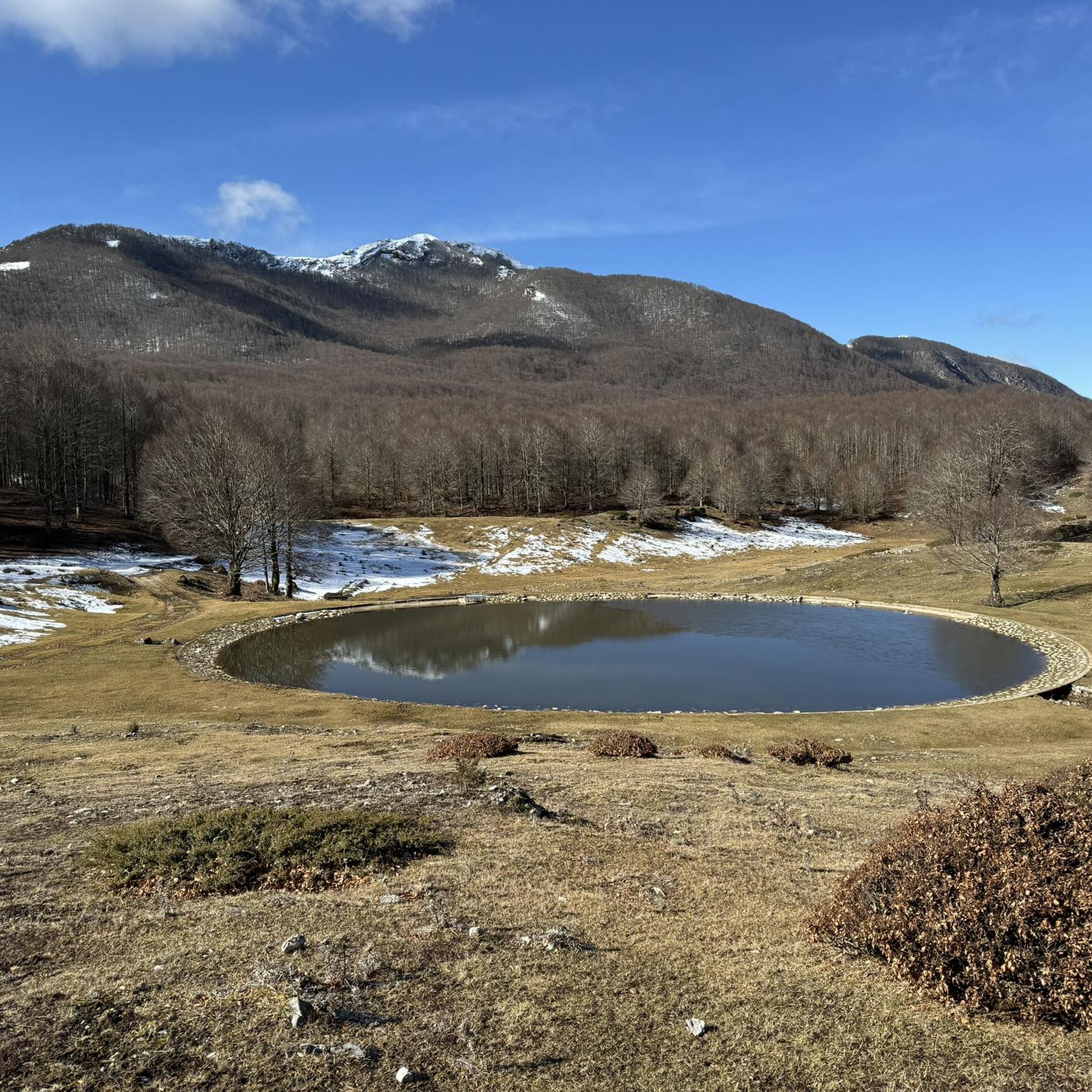
This is a large picnic area with shelter located on a hill overlooking a volume. Volubrums are artificial water basins used to water animals. The refuge is typical of the Apennines: not guarded but managed by local clubs who keep it tidy and clean. It can be reached with an easy walk from Campo Staffi.
3
0

So, I recommend this waterfall, yes, nice circular route. But it's probably particularly impressive in spring. Now in September there wasn't that much water between the stones. Nevertheless, the area here is impressive and breathtakingly beautiful. But also lonely, here the fox and hare or wolf say “goodnight!” to each other.
0
0

The word "Volubro" indicates, in Lazio, the lake basins with surface outlets used for watering livestock. The Volubro del Ceraso is located close to the border with the Abruzzo region, a short distance from Monte Tarino and the source of the Aniene river; inside it is possible to observe a large colony of "Carassius Auratus": goldfish!
0
0

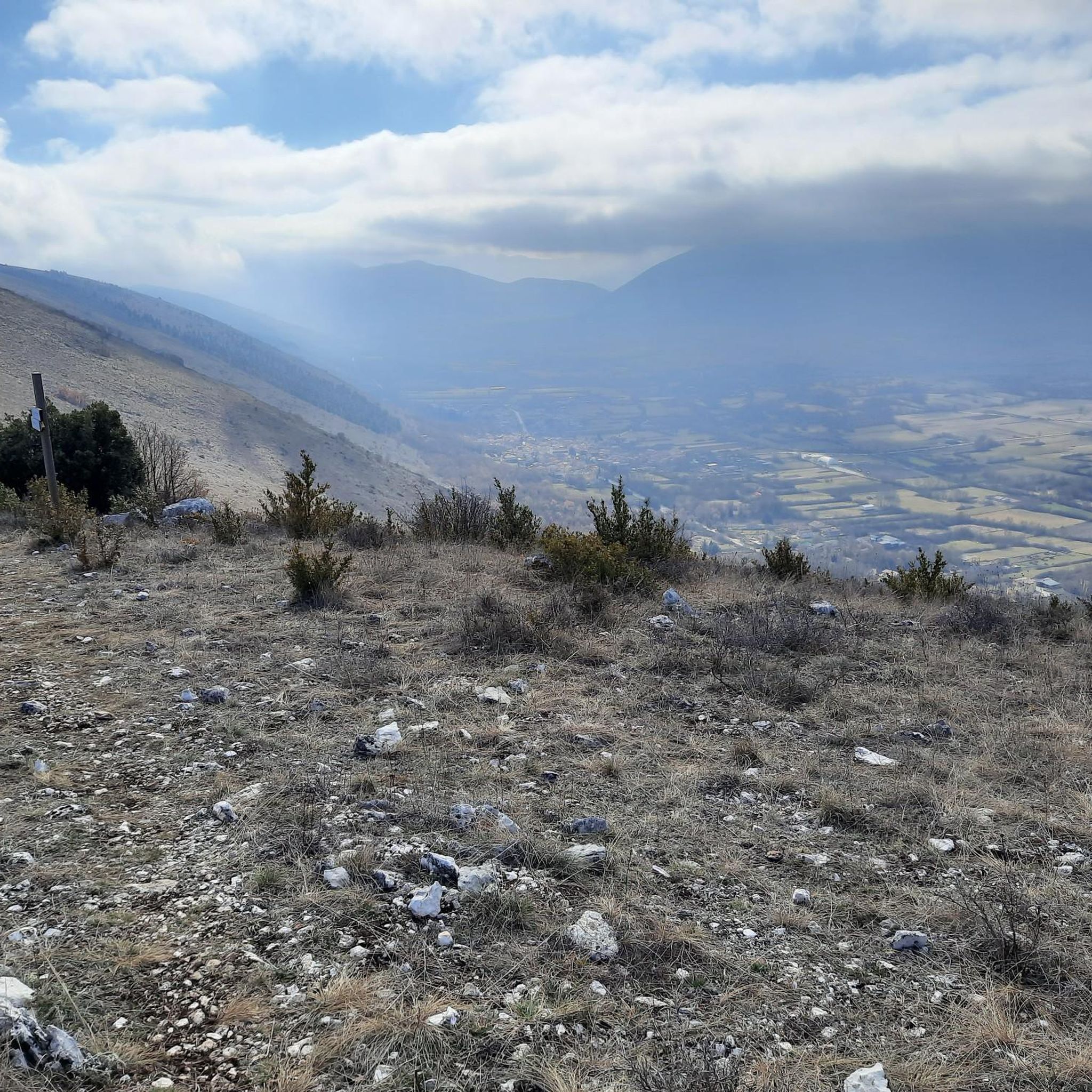
The Vali di Monte Salviano is located at 902 m above sea level within the homonymous nature reserve. In 2000 the work entitled "Teatro della Germinazione" was installed, a sculpture by the artist Pietro Cascella.
1
0

The Campo Ceraso refuge is an unattended refuge. It is located at a height of 1561 m, in the high Fioio Valley between Mount Tarino and the Serra di San Michele.
1
1
Frequently Asked Questions
What natural features can I explore around Canistro?
Canistro is rich in diverse natural features. You can discover significant springs like the Sant'Antonio Spring in La Sponga Park and the Santa Croce Spring, known for its beneficial oligomineral waters. The region also boasts impressive mountain landscapes, including the Simbruini Mountains and the Càntari Mountains, home to the Monte Viglio summit (2,156 m). Additionally, you can find scenic waterfalls, such as the Small Waterfall, and lush forests throughout the Valle Roveto.
Where can I find panoramic views of the Canistro region?
For breathtaking panoramic views, head to the Monte Viglio summit (2,156 m). From this highest peak of the Càntari Mountains, you can see the Fucino plain, the Gran Sasso, and other mountain chains like Sirente-Velino, Maiella, Marsicani, Ernici, and Simbruini, weather permitting. Another excellent viewpoint is the Monte Salviano Pass, which offers views within its nature reserve.
Are there family-friendly natural monuments or areas in Canistro?
Yes, several natural areas around Canistro are suitable for families. Campo Ceraso Volubro features a large picnic area with shelter, perfect for a family outing. The Campitelle Spring also offers a pleasant spot for a picnic. La Sponga Park, with its network of trails and picnic areas, is another great option for walks and enjoying nature with children.
What kind of outdoor activities can I do near Canistro's natural monuments?
The natural monuments around Canistro are ideal for various outdoor activities. You can enjoy extensive trekking and cycling routes in the Simbruini Mountains and Valle Roveto. For hiking, consider trails like the 'Five Springs and Chestnut Trail' or explore routes near the natural monuments. There are also specific guides for hiking, road cycling, and mountain biking around Canistro, offering options from easy to difficult.
What are the most popular hiking trails near Canistro's natural monuments?
Near Canistro's natural monuments, popular hiking trails include the challenging Monte Viglio Loop from Serra Sant'Antonio, which is approximately 12.6 km long. For a moderate option, try the Prato Fonte della Moscosa – Moscosa Spring loop from Passo Serra Sant Antonio (around 8.9 km). You can find more details and other routes in the hiking guide for Canistro.
Are there any unique cultural or artistic elements within the natural monuments?
Yes, the Monte Salviano Pass, located within its nature reserve, features a notable sculpture by artist Pietro Cascella called "Teatro della Germinazione." This adds a unique artistic dimension to the natural landscape.
What is special about the springs in Canistro?
Canistro is particularly renowned for its oligomineral waters, originating from the Santa Croce spring at 750 meters altitude. These waters have been recognized for their beneficial properties since Roman times, being low in sodium and nitrate, and are often referred to as an "elixir of long life." Visitors can drink from public fountains or visit a hydrotherapy clinic in the Valle Roveto.
When is the best time to visit the natural monuments around Canistro?
The natural monuments around Canistro are enjoyable throughout much of the year. Spring is particularly impressive for waterfalls like the Small Waterfall due to higher water flow. The warmer months are ideal for trekking and cycling in the mountains and valleys. For challenging hikes to summits like Monte Viglio, clear weather is essential for the best panoramic views.
What makes La Sponga Park a significant natural monument?
La Sponga Park, spanning approximately 20 hectares within the Simbruini Mountains, is significant for its pristine natural environment. It features the Sant'Antonio spring, whose waters cascade down before joining the Liri river. The park offers extensive trekking trails, picnic areas, and is recognized as one of the "breathing villages" due to its clear air, meeting Agenda 2030 standards for respiratory health.
Are there any natural monuments that are particularly challenging to reach?
Yes, the Monte Viglio summit (2,156 m) is considered a challenging hike. The route is fairly long and steep, requiring appropriate hiking boots and preparation. However, the reward is breathtaking panoramic views from the highest peak of the Càntari Mountains.
What do visitors enjoy most about the natural monuments in Canistro?
Visitors frequently appreciate the stunning panoramic views, especially from high points like Monte Viglio, where on a clear day, both the Tyrrhenian and Adriatic seas might be visible. The scenic routes, like the one leading to the Small Waterfall, are also highly valued for their impressive and beautiful natural settings. The tranquility and opportunities for picnics at spots like Campitelle Spring are also popular.
Can I find places for a picnic near Canistro's natural monuments?
Absolutely. Both Campo Ceraso Volubro and Campitelle Spring are excellent spots for picnics, offering pleasant surroundings. La Sponga Park also provides designated picnic areas amidst its green landscapes, making it easy to enjoy a meal outdoors.
Most popular attractions around Canistro

Get inspired with the komoot mobile app


Explore more
Extend your search for the best caves by checking out these guides of the top ones around Canistro:
