Top 20 Natural Monuments around Acqualagna
Best natural monuments around Acqualagna include geological formations and protected areas in the Marche region of Italy. The area is characterized by river-carved gorges, limestone mountains, and extensive forests, offering diverse landscapes for outdoor activities. Acqualagna is situated amidst a landscape known for its rich biodiversity and significant natural heritage. This region provides numerous itineraries for exploration, featuring unique natural features.
Best natural monuments around Acqualagna
- The most popular natural monuments is Fondarca Arch, a natural monument that is a natural rock arch which was once the entrance to a large cave. This site features high, steep walls and is surrounded by cracks, rock shelters, and smaller caves.
- Another must-see spot is Passo del Furlo, a gorge located along the ancient Via Flaminia. This spectacular gorge was formed by the erosion of the Candigliano river between Monte Pietralata and Monte Paganuccio, and features an ancient Roman tunnel.
- Visitors also love Gola del Furlo Gorge, a gorge that is part of a State Natural Reserve. The reserve protects the environmental and naturalistic peculiarities of the area, which includes unique flora and fauna.
- Acqualagna is known for its gorges, natural arches, and caves. The region offers a variety of natural monuments to see and explore, including river-carved canyons and mountain passes.
- The natural monuments around Acqualagna are appreciated by the komoot community, with more than 190 upvotes and 80 photos shared across the highlights.
Last updated: October 15, 2026
Gola del Furlo Gorge
Highlight • Gorge
Translated by Google •
Tip by

Passo del Furlo
Highlight • Gorge
Translated by Google •
Tip by

Sign up now to discover places like this
Get recommendations on the best single tracks, peaks, & plenty of other exciting outdoor places.
Fondarca Arch
Highlight • Natural Monument
The entrance to path no. 20 is found at the entrance to the town on the right next to the picnic area along the fence of the bowling green.
The first section is all in the shade and flat, with glimpses of the surrounding peaks and then uphill in the last one.
Along the way you come across the ruins of an old house and the Grotta delle Nottole, and then the arch of Fondarca, a natural rock arch with high and steep walls which was the entrance to a cave which collapsed in ancient times.
Return to the same path
Translated by Google •
Tip by

Mondelacasa Castle (the Muracci)
Highlight • Castle
Translated by Google •
Tip by

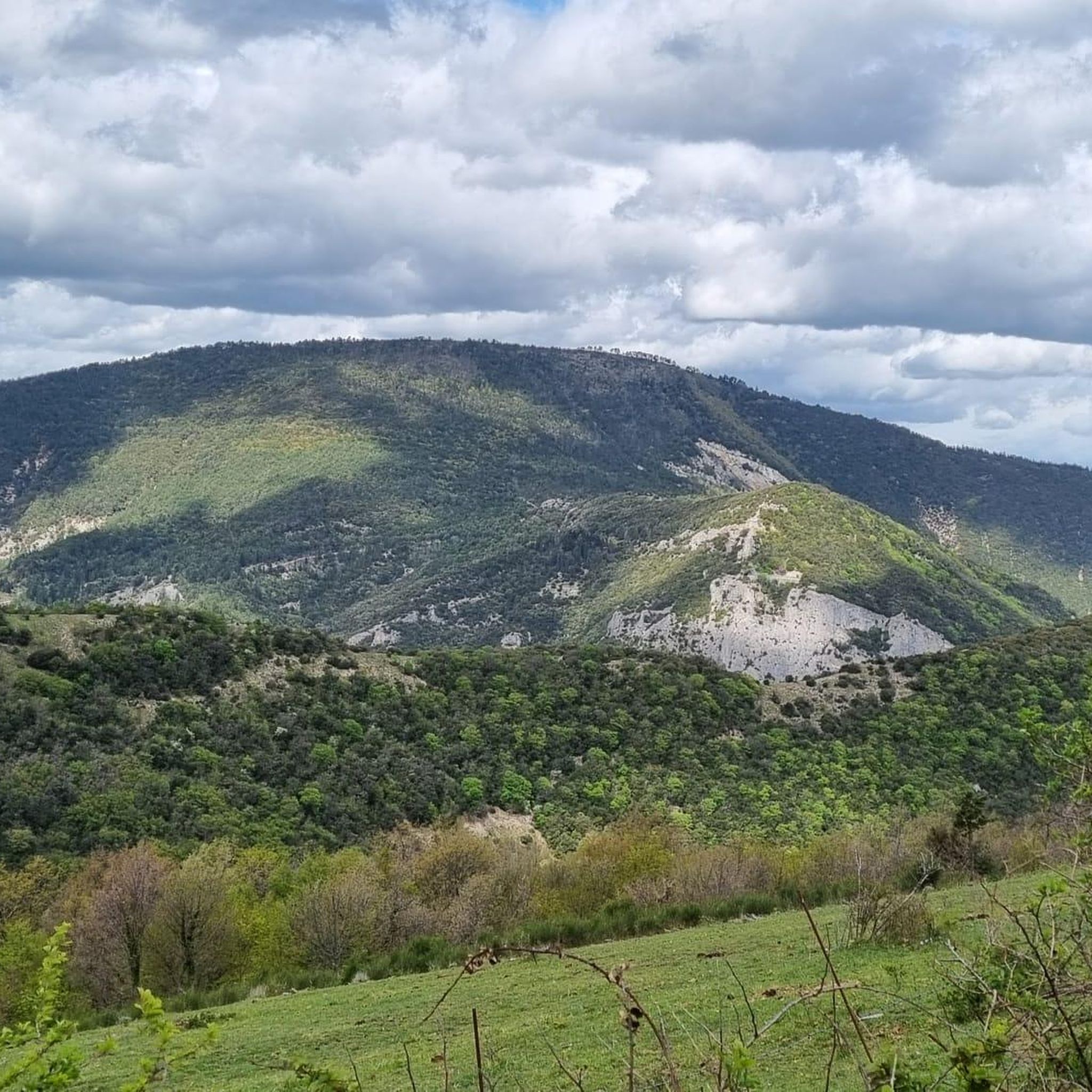
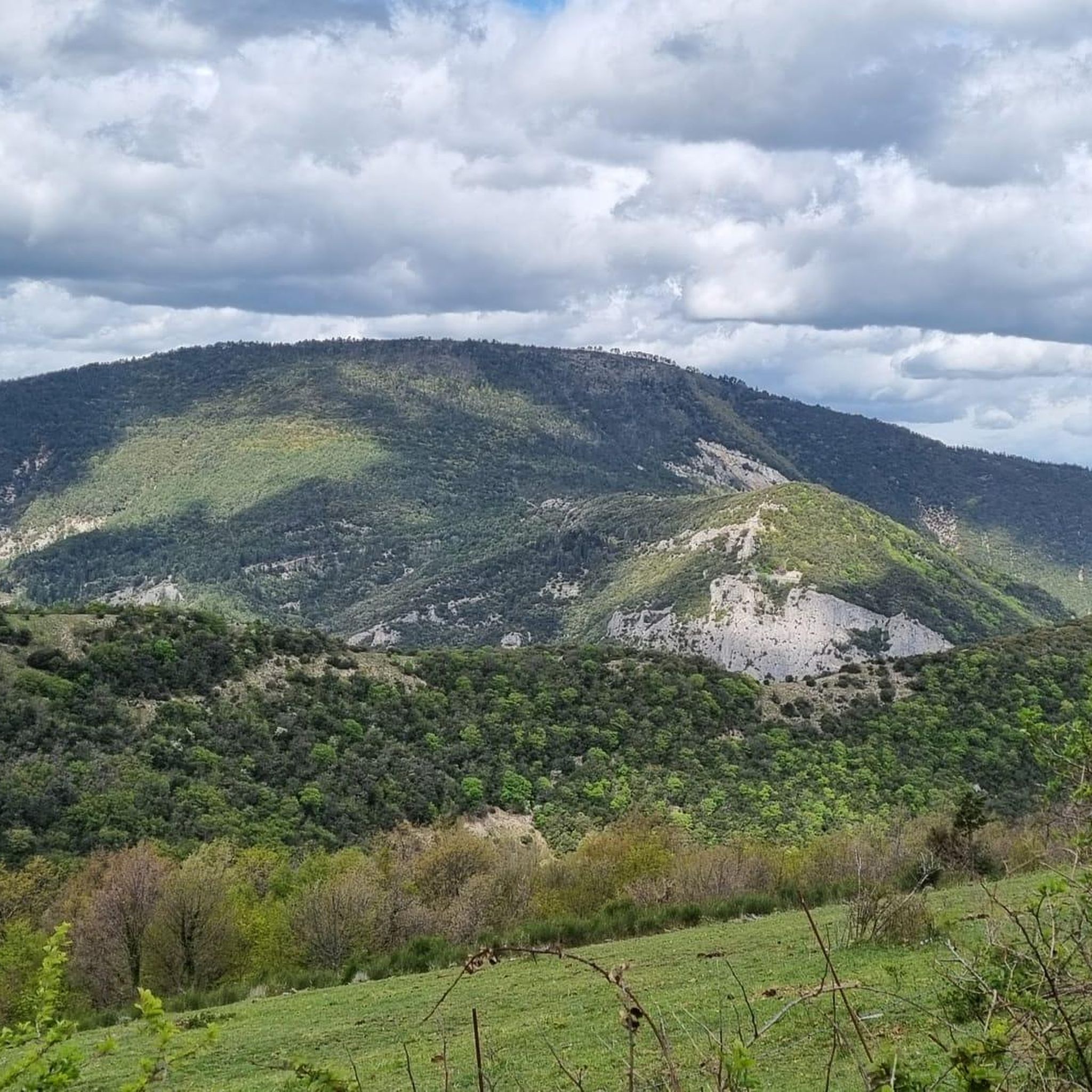
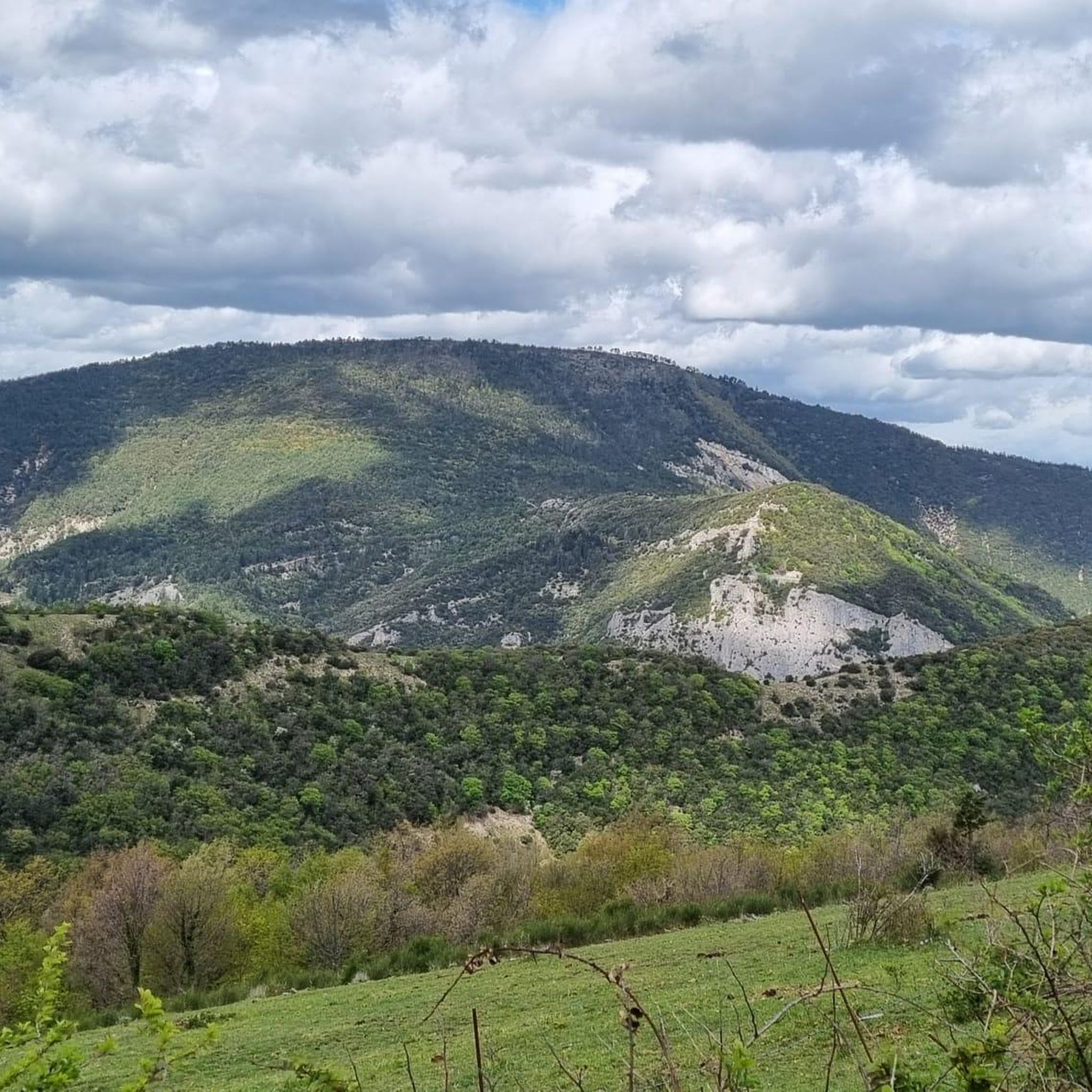
Monte Nerone
Highlight • Summit
Translated by Google •
Tip by

Sign up for free to discover even more natural monuments around Acqualagna.
Already have an account?
Start today with a free account
Your next adventure awaits.
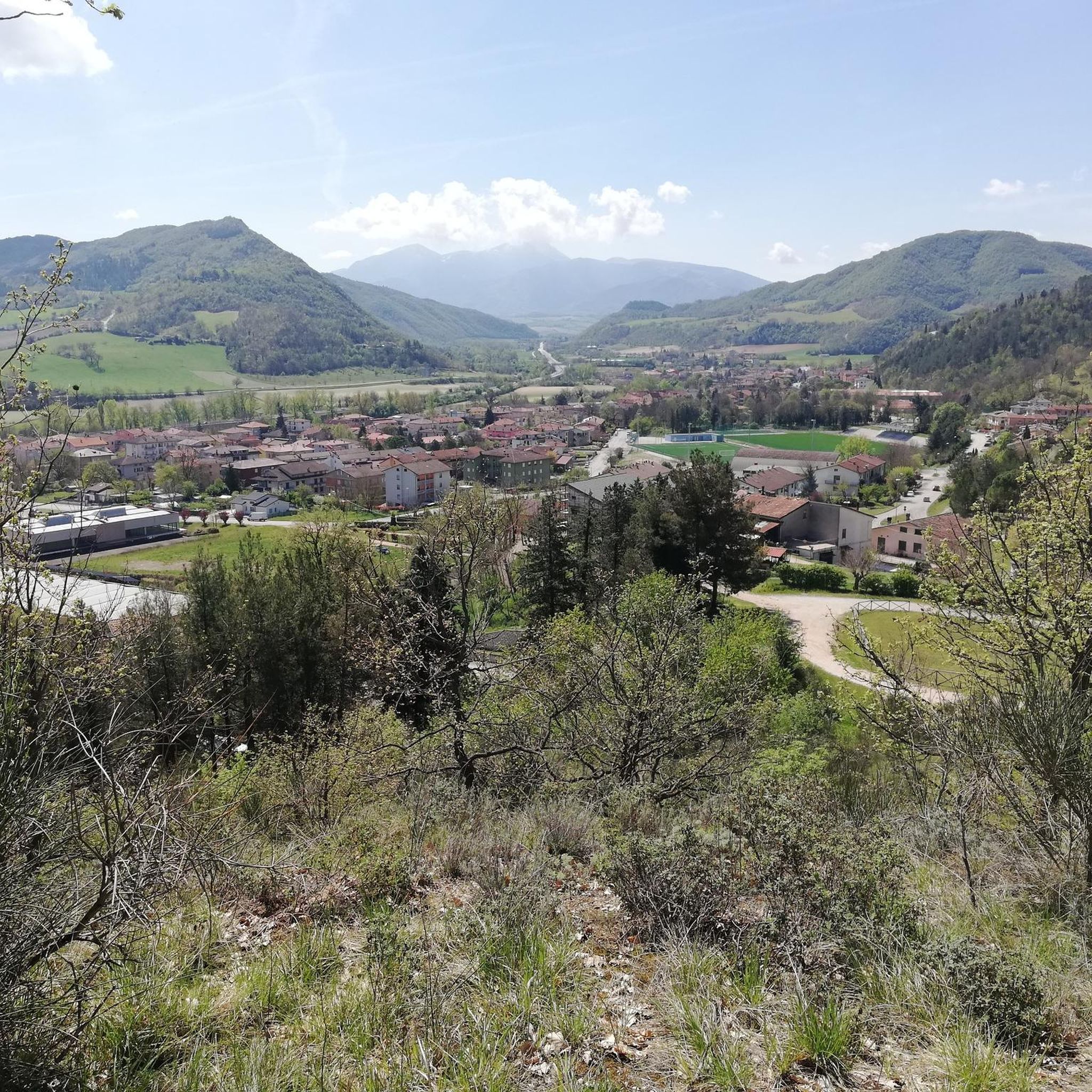

Tips from the Community

What can be said that hasn't already been said? It's beautiful to climb up, reach the summit and enjoy a 360-degree panoramic view, from the Adriatic to the Sibillini, Marche, Tuscany, Umbria and Emilia Romagna. It's beautiful to descend, the road is in good condition and doesn't require particular acrobatic "skills". Not to be missed
0
0

Simple excursion, even for beginners... 80% shaded path
1
0

Point of extreme charm. Mandatory stop!
2
0

The ruins of the Mondelacasa Castle (or Monte della Casa), called the Muracci, are located on the northern slopes of Mount Nerone, on the left bank of Val d'Abisso, at 707 m above sea level, about 1 km south of the historic center of Piobbico. (from COMUNE PIOBBICO 1999): Close to Mount Nerone stands a massive buttress whose base widens between the Biscubio torrent and the Petrello stream (Fosso di S. Maria) and carries the ruins of an ancient artifact on the summit. It was a castle, a primitive dwelling that the Brancaleoni, who arrived around the year 1000 in the Biscubio District, built and lived in until the mid-1300s. This is how our Costanzo Felici (1) describes it in a document from 1582:... climbing up to Monte Nerone a mile away on a rough and terrible hill and rock, there are vestiges of a superb, large and beautiful palace or fortress now in ruins, of which those (Brancaleoni) of Piobico were the owners. Built by Gentile Brancaleoni in the first half of the 13th century, it took the name of Mons Casa or Mondelacasa, today Muracci because of the ruins visible on the summit. Towards the middle of the 14th century, both because of the harshness of the place, difficult to reach when ... winter almost buried the tower under the snow, locked it under the grip of the ice, tormented it with the blizzard, confining it for months in isolation, and because of the need for other and more comfortable comforts, the two brothers Pazzo and Federico Brancaleoni decided to settle in the house that they had begun to build "in castro Plobici", on the hill to the right of the confluence of the Biscubio with the Candigliano, where there were already small houses piled up, that is, equipped with a watchtower with a Gothic arch portal to the north and a castle to the south-east. It is the place where the Brancaleoni Castle-Palazzo will develop and take shape over time. NOTE: (1) Costanzo Felici was born in the second decade of the 16th century in Casteldurante (now Urbania). However, he preferred to define himself as a native of Piobbico, where his ancestors had moved around 1330. He practiced medicine in Piobbico, Sant'Angelo in Vado, Pesaro, Rimini and Urbania. At the same time, he cultivated naturalistic and historical studies with notable results. He died in Pesaro on February 5, 1585. taken from: https://www.lavalledelmetauro.it/contenuti/beni-storici-artistici/scheda/11123.html
0
0

Easy route on clean and dry paths. Enchanting views
2
0

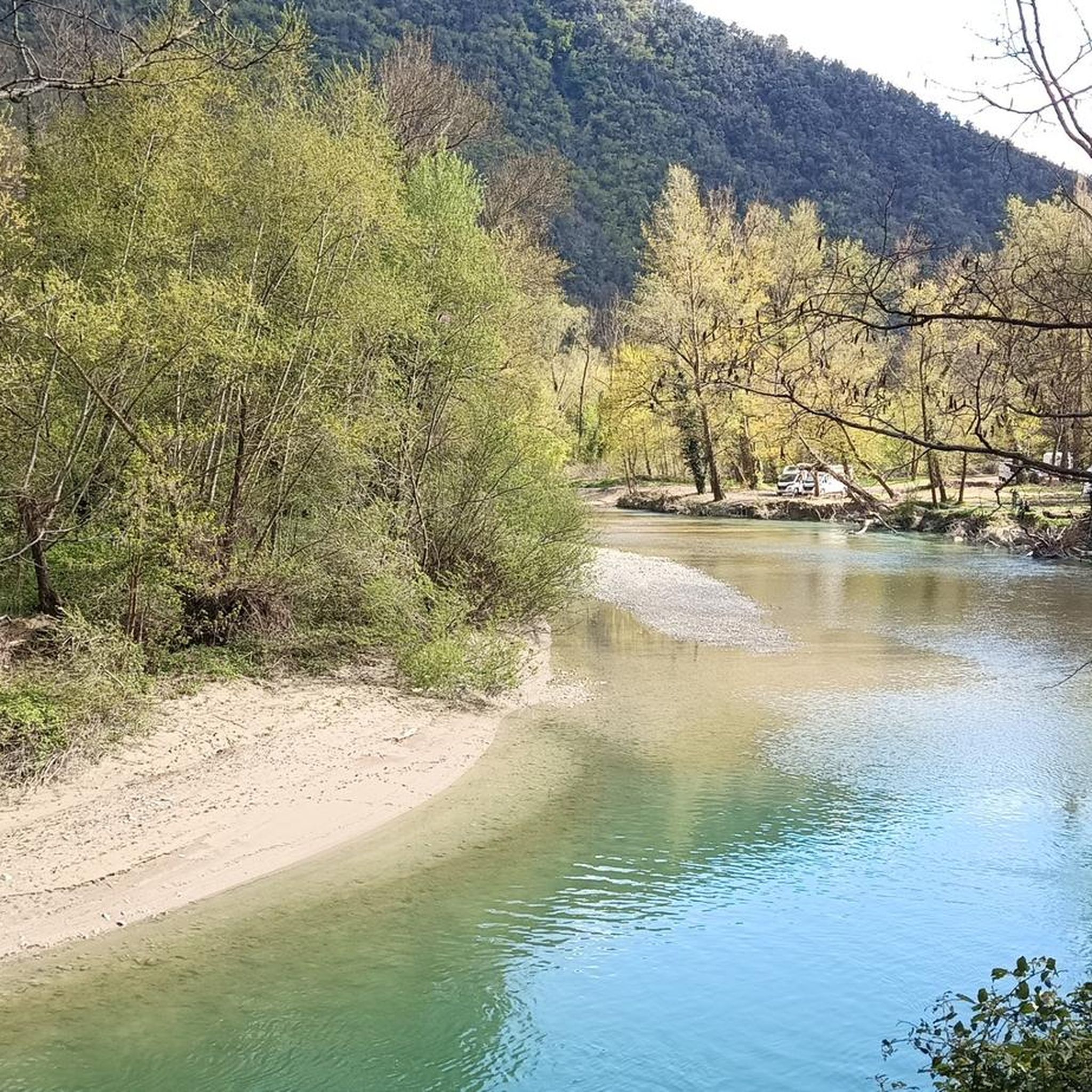
The Furlo Pass (also known as Gola del Furlo) is a gorge located in the Marche region of central Italy. This spectacular gorge is located along the ancient Via Flaminia, near the Candigliano river, a tributary of the Metauro. The Furlo gorge was formed between the Pietralata (889 m) and Paganuccio (976 m) mountains by the erosion of the Candigliano river. It has been included in a State Nature Reserve since 2001 and is often promoted to tourists in the region as the "Grand Canyon of Italy". The Roman emperor Vespasian had a tunnel built here to facilitate passage on the Via Flaminia at the narrowest point of the gorge. Next to it is a similar, but smaller tunnel dating back to Etruscan times. The Roman tunnel has a length of 38.30 meters and a height of 5.95 meters.
2
0

The Furlo is a gorge located between Mount Pietralata (889 m) and Mount Paganuccio (976 m), created by the erosive force of the Candigliano river, a tributary of the Metauro.
2
0
If you are looking for a beautiful, passable natural gorge and a characteristic refreshment point, Furlo is the right place!
2
0
Frequently Asked Questions
What types of natural features can I explore around Acqualagna?
The region around Acqualagna is rich in diverse natural features, primarily characterized by spectacular gorges, natural arches, and unique river formations. You can explore the impressive Furlo Gorge (Gola del Furlo), a deep canyon carved by the Candigliano River, or discover the geological wonder of Fondarca Arch, a natural rock arch that was once the entrance to a large cave. Another fascinating spot is the Giants' Cauldrons, a canyon with huge pools formed by the Metauro River.
Are there family-friendly natural monuments to visit near Acqualagna?
Yes, several natural monuments are suitable for families. The area around Passo del Furlo offers an easy excursion, even for beginners, with much of the path shaded. The Gola del Furlo State Natural Reserve, which includes the Furlo Gorge, also has numerous hiking trails for all difficulty levels, making it suitable for families.
What historical elements can be found within the natural monuments?
The Gola del Furlo is particularly rich in history. Within the gorge, you can observe two ancient Roman tunnels that are part of the original Via Flaminia, built in 220 BC. The larger tunnel, known as 'galleria del Furlo,' is 38.3 meters long and was constructed in 77 BC under Emperor Vespasian's orders, and is still in use today. Next to it is a similar, but smaller tunnel dating back to Etruscan times.
What outdoor activities can I do near the natural monuments around Acqualagna?
The natural monuments provide excellent opportunities for various outdoor activities. You can enjoy hiking, running, and cycling. For instance, there are numerous hiking routes around the Gola del Furlo Gorge, including easy loops like the 'Abbey of San Vincenzo al Furlo' or more challenging ones. Cycling enthusiasts can explore gravel routes in the Furlo Gorge Natural State Reserve, while runners have options like the 'Gola del Furlo – loop tour' for running trails.
What is the best time to visit the natural monuments around Acqualagna?
The region is beautiful throughout the year, but spring and autumn are often ideal for hiking and outdoor activities due to milder temperatures and vibrant scenery. In spring, the landscapes are lush, and in autumn, the foliage offers stunning colors. Summer allows for activities like swimming in the ice-cold waters of the Candigliano River in Furlo Gorge, but can be warmer for strenuous hikes. Winter offers a different, often serene, experience, though some higher trails might be more challenging.
Are there opportunities for wildlife observation in the natural monuments?
Yes, the natural monuments, especially the Gola del Furlo State Natural Reserve, are havens for diverse flora and fauna. The reserve is known for rare species such as the golden eagle, peregrine falcon, and eagle owl. You might also spot woodpeckers, alpine swifts, and choughs. Mammals like wolves, deer, and wild boars inhabit the more isolated areas. The Monti delle Cesane also offer excellent birdwatching opportunities, with species like coal tits, crested tits, and various birds of prey.
What makes the Gola del Furlo State Natural Reserve unique?
The Gola del Furlo State Natural Reserve is unique for its combination of breathtaking natural beauty, geological significance, and rich history. It features a spectacular gorge carved by the Candigliano River between towering limestone mountains. Beyond its natural allure, it contains ancient Roman tunnels from the Via Flaminia, still in use today. The reserve also protects a diverse ecosystem, home to rare birds of prey and significant truffle production, earning it the nickname 'Grand Canyon of Italy'.
Can I find challenging trails near the natural monuments?
Yes, for those seeking more challenging experiences, the area offers demanding trails. For example, the 'Windy Pastures on Monte Nerone' highlight describes a trek with breathtaking views but notes it's not trivial, with exposed points and a very difficult, heavy, and long slope descending into the valley. Always assess your abilities before attempting such routes.
What are the Monti delle Cesane known for?
The Monti delle Cesane, located near Urbino, are known for their extensive high-trunk forests, covering approximately 1500 hectares. This area is a vast green space offering significant tourist and landscape importance. It features a well-developed network of 16 hiking trails, ranging from easy to more challenging, and is particularly attractive for mountain biking and birdwatching.
What do visitors enjoy most about the natural monuments around Acqualagna?
Visitors frequently appreciate the breathtaking scenery and the sense of immersion in nature. Many highlight the spectacular views, the unique geological formations like gorges and arches, and the opportunity for peaceful walks or challenging hikes. The combination of natural beauty with historical elements, such as the Roman tunnels in Furlo Gorge, also adds a unique dimension to the experience.
Are there opportunities for water-based activities in the gorges?
Yes, the emerald-green waters of the Candigliano River flowing through the Gola del Furlo offer opportunities for water-based activities. Visitors can explore the gorge by canoe or kayak. Additionally, in summer, it is possible to swim in the ice-cold waters of the Candigliano River within the Furlo Gorge, and the Giants' Cauldrons canyon also allows for swimming.
Most popular routes around Acqualagna
Most popular attractions around Acqualagna

Get inspired with the komoot mobile app


Explore more
Extend your search for the best caves by checking out these guides of the top ones around Acqualagna:
